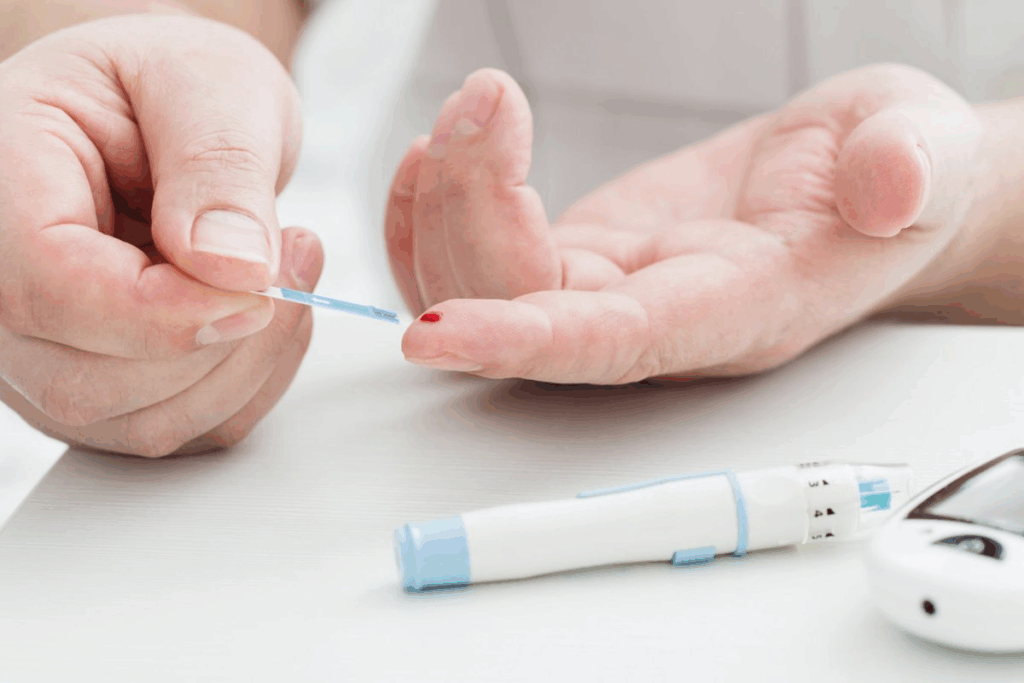
Managing diabetes well means using alternative diabetes treatment methods along with regular care. Studies show that some foods and natural ways can help control blood sugar.
At Liv Hospital, we focus on giving you the best ways to manage diabetes. We look at nine proven natural approaches to help you control your diabetes and get healthier. These include changing your diet and eating specific foods that lower blood sugar.
Adding these natural ways to reduce blood sugar to your life is a big step towards managing diabetes. We want to give you the knowledge and tools to live a better life.
Discover 9 amazing natural remedies to cure diabetes (Type 2) by reducing blood sugar naturally. Learn about supplements and proven lifestyle changes.
Key Takeaways
- Certain foods can help regulate blood sugar levels.
- Dietary modifications are a key part of managing diabetes.
- Holistic approaches can add to regular diabetes treatment.
- Nine natural remedies backed by science will be explored.
- Using these natural approaches can make you healthier.
The Global Impact of Diabetes

Diabetes is a big health problem worldwide, touching millions of lives. It’s key to know its types and what causes it.
Type 1 vs. Type 2 Diabetes: Understanding the Difference
Type 1 and Type 2 diabetes are different. Type 1 diabetes happens when the body attacks its insulin-making cells. Type 2 diabetes is linked to diet and exercise, causing insulin issues.
Knowing the difference helps in managing and treating diabetes. Type 1 needs insulin, while Type 2 might be controlled with lifestyle changes and natural treatments.
Insulin Resistance and Inadequate Insulin Production
Insulin resistance and not enough insulin are big problems in Type 2 diabetes. When cells don’t respond well to insulin, the pancreas works harder. But it can’t keep up, causing high blood sugar.
| Factors Contributing to Insulin Resistance | Description |
|---|---|
| Physical Inactivity | Lack of regular exercise can lead to insulin resistance |
| Obesity | Excess body fat, mainly around the belly, can cause insulin resistance |
| Genetics | Family history can influence insulin resistance |
Fixing insulin resistance and making more insulin is key for Type 2 diabetes. Using holistic diabetes treatment like diet and natural remedies can help. This improves insulin use and health.
Complementary and Alternative Medicine for Diabetes

Using complementary and alternative medicine in diabetes care can make health care more complete. It’s key to know how these options can work with traditional treatments.
Cost-Effective Approaches to Blood Sugar Management
Keeping blood sugar levels in check is vital for those with diabetes. Complementary therapies offer affordable ways to do this. Cinnamon, fenugreek, and bitter melon are examples of herbal remedies that help control blood sugar. They are often cheaper than drugs and have fewer side effects.
Cinnamon, for example, can help lower blood sugar. Eating 1-2 teaspoons of it daily, through cooking or supplements, is beneficial. Fenugreek seeds also help manage blood sugar. They can be used as a spice or in supplement form.
Integrating Natural Remedies with Conventional Treatment
While traditional treatments are key for diabetes, natural remedies can improve care. Always talk to your doctor before adding new supplements or herbal remedies. This prevents any bad reactions with your current medicines.
Working together with your doctor is best for a full treatment plan. Mixing traditional medicine with alternative therapies can lead to better health. For instance, adding ginger to your diet may boost insulin sensitivity, helping your diabetes meds work better.
In summary, alternative medicine is important in managing diabetes. By understanding these options and using them in a full care plan, people can get a more complete health approach.
Remedy #1: Cinnamon – The Blood Sugar Balancing Spice
Cinnamon is not just a tasty spice in baked goods. It’s also being studied for its role in managing blood sugar. Let’s look into how cinnamon can help with blood sugar levels.
Clinical Evidence: 500mg Supplementation Effects
Research shows cinnamon can help control blood sugar. A study found that 500 mg of cinnamon improved glucose levels in people with pre-diabetes. This makes cinnamon a good addition to diabetes treatment.
Key findings from the clinical trial include:
- Improved glucose homeostasis
- Enhanced insulin sensitivity
- Potential reduction in blood sugar levels
How 3-6g of Cinnamon Maintains Post-Meal Glucose Levels
Studies show 3-6 grams of cinnamon can keep glucose levels stable after meals. This amount can be added to food or taken as a supplement. Cinnamon’s compounds slow down carb digestion, which helps prevent blood sugar spikes.
Different Forms and Recommended Dosages
Cinnamon comes in powder, capsules, and extracts. Dosage varies by form and individual needs. A safe and effective range is 1-6 grams daily for blood sugar control.
| Form of Cinnamon | Recommended Dosage |
|---|---|
| Cinnamon Powder | 1-2 teaspoons per day |
| Cinnamon Capsules | 500-1000 mg, 2-3 times a day |
| Cinnamon Extract | As directed by the manufacturer |
In summary, cinnamon is a natural remedy for diabetes. It helps balance blood sugar and is easy to use in cooking. Adding cinnamon to your diet can be a smart move for managing diabetes.
Remedy #2: Fenugreek Seeds for Glycemic Control
Fenugreek seeds are gaining attention as a natural way to manage type 2 diabetes. They have been used for centuries in traditional medicine. This is because they help control blood sugar levels.
Active Compounds That Lower Blood Sugar
Fenugreek seeds have compounds like galactomannan and trigonelline. Galactomannan is a fiber that slows down sugar absorption. Trigonelline helps control blood sugar levels. Together, these compounds make fenugreek seeds a great natural remedy for blood sugar management.
- Galactomannan: Slows down sugar absorption
- Trigonelline: Exhibits a positive effect on glycemic control
- Other compounds: Include flavonoids and saponins that contribute to the overall health benefits
Preparation Methods: Seeds, Powder, and Supplements
Fenugreek seeds can be used in different ways. You can soak them overnight and eat them in the morning. Or, you can roast and grind them into a powder. Fenugreek supplements are also available for those who prefer a more convenient option.
- Soaking the seeds overnight and consuming them in the morning
- Roasting and grinding the seeds into a powder
- Taking fenugreek supplements in capsule or tablet form
Research-Backed Dosage Guidelines
Studies show that eating fenugreek seeds can help control blood sugar. The right amount to eat varies from 5-100 grams a day, depending on how you prepare it. Always talk to a healthcare professional before starting any new supplement.
| Form | Recommended Dosage |
|---|---|
| Seeds | 10-20 grams per day |
| Powder | 5-10 grams per day |
| Supplements | Follow manufacturer’s instructions |
Remedy #3: Bitter Melon Extract Benefits
Bitter melon extract is a natural remedy for type 2 diabetes. It’s backed by both traditional practices and modern research. This unique plant has been used for managing blood sugar levels in many cultures.
Traditional Uses Across Different Cultures
In Asia, Africa, and Latin America, bitter melon is used for diabetes. Ayurvedic medicine sees it as a strong remedy for diabetes. It has compounds that act like insulin.
In traditional Chinese medicine, it’s used to clear heat and detoxify. It’s also used in African cultures to treat diabetes and infections.
Clinical Research on Blood Glucose Reduction
Studies show bitter melon extract lowers blood glucose levels. Its compounds, like charantin, work like insulin. They help the body use glucose better.
A meta-analysis found bitter melon lowers HbA1c levels. This is a key marker for glucose control. It shows bitter melon can help manage diabetes.
Consumption Methods and Possible Side Effects
Bitter melon comes in juice, capsules, and powdered forms. The dose is usually 500mg to 2000mg daily. Always talk to a doctor before starting it.
While safe for most, it can cause stomach issues in some. Pregnant women should avoid it because it may cause uterine contractions.
To get the most benefits and avoid risks, follow the recommended dose. Also, keep an eye on your blood sugar levels.
Remedy #4: Ginger’s Anti-Diabetic Properties
Research shows ginger can help manage diabetes. It has been used for centuries in traditional medicine. Ginger helps control blood sugar levels.
Anti-Inflammatory Effects on Insulin Sensitivity
Ginger’s anti-inflammatory properties improve insulin sensitivity. Chronic inflammation leads to insulin resistance, a risk for type 2 diabetes. Ginger reduces inflammation, making cells more responsive to insulin.
Gingerol and shogaol in ginger cause its anti-inflammatory effects. These compounds block pro-inflammatory cytokines, which cause inflammation.
Fresh vs. Dried Ginger Effectiveness
Fresh and dried ginger both help manage diabetes. Fresh ginger has more gingerol, key for its anti-diabetic effects. Dried ginger has more shogaol, with a different action.
- Fresh ginger is better for quick anti-inflammatory effects.
- Dried ginger is easier to store and use long-term.
- Both can be used in cooking and tea.
Daily Consumption Recommendations
To benefit from ginger for diabetes, eat it regularly. The best amount varies, but 1-2 teaspoons of fresh ginger daily is safe and effective. For dried ginger, 250-500 mg daily is recommended.
Ginger can be enjoyed in many ways:
- Tea: Steep fresh or dried ginger in hot water.
- Capsules: Available as dietary supplements.
- Cooking: Add fresh or dried ginger to meals.
Always talk to a healthcare provider before starting ginger supplements. This ensures they won’t interact with medications.
Remedy #5: Rosemary Tea for Diabetes Management
Rosemary tea is seen as a natural way to manage diabetes. It has been studied for its ability to lower glycated hemoglobin levels and improve insulin sensitivity.
3-Month Study Results on Glycated Hemoglobin
A 3-month study looked at rosemary tea’s effect on glycated hemoglobin in people with diabetes. The study found a significant drop in glycated hemoglobin. This means better blood sugar control.
Key Findings:
- Reduction in glycated hemoglobin levels
- Improved insulin sensitivity
- Better blood sugar management
| Parameter | Baseline | 3-Month Follow-up |
|---|---|---|
| Glycated Hemoglobin (%) | 8.5 ± 1.2 | 7.2 ± 0.9 |
| Insulin Sensitivity Index | 2.1 ± 0.5 | 2.8 ± 0.6 |
| Body Mass Index (kg/m²) | 28.5 ± 3.2 | 27.8 ± 2.9 |
Impact on Insulin Resistance and Body Mass
The study also looked at rosemary tea’s effect on insulin resistance and body mass. It found a positive impact on insulin sensitivity, which is key for glucose metabolism. There was also a slight drop in body mass index, which could help with weight management.
Brewing the Perfect Therapeutic Rosemary Tea
To get the most from rosemary tea, brewing it right is key. Here’s a simple guide:
- Use 1 teaspoon of dried rosemary leaves for every 8 oz of boiling water.
- Steep for 5-7 minutes to release the active compounds.
- Strain and drink 2-3 times daily, preferably before meals.
Natural Remedies to Cure Diabetes: The Scientific Evidence
Exploring natural remedies for diabetes, we must look at the scientific proof. These remedies can help manage diabetes, but knowing their safety and effectiveness is key.
Effectiveness Comparison of Herbal Treatments
Many herbal treatments have been studied for diabetes management. Here’s a look at some of the most researched ones:
- Cinnamon: Shown to lower blood sugar levels and improve insulin sensitivity.
- Fenugreek: Demonstrated a possible reduction in fasting glucose levels.
- Bitter Melon: Shows properties that may help lower blood glucose levels.
- Ginger: May improve insulin sensitivity and reduce inflammation.
These herbal treatments show promise. But, their effectiveness can differ based on the individual and the condition being treated.
Safety Profiles and Possible Interactions
Natural remedies can be beneficial but also carry risks and interactions. It’s important to consider:
- Quality and purity of the herbal supplement.
- Potential drug interactions, which can be a concern with diabetes medications.
- Side effects, which can range from mild to severe.
For example, cinnamon can interact with blood thinners. Bitter melon may cause stomach issues in some people.
Consulting Healthcare Providers
Before adding any natural remedy to your diabetes plan, talk to your healthcare provider. They can:
- Help you understand the benefits and risks.
- Monitor your condition and adjust treatments as needed.
- Prevent harmful interactions with other medications.
Working with healthcare professionals ensures safe use of natural remedies in your diabetes management.
Remedy #6: Aloe Vera’s Glucose-Lowering Effects
Aloe vera is a natural remedy for diabetes. It has been used for centuries for its healing properties. Recent studies show it could help manage diabetes.
Gel vs. Juice Preparation Methods
Aloe vera comes in gel or juice forms. The gel is from the inner leaf, and the juice is from the whole leaf. Both have glucose-lowering effects, but they are prepared differently.
- Aloe vera gel is used topically and can be eaten too.
- Aloe vera juice is more concentrated and taken in smaller amounts.
Dosage Guidelines and Precautions
It’s important to follow the right dosage for aloe vera. The amount needed can vary based on the form and your health.
- Begin with a small dose (1-2 tablespoons of gel or 1-2 ounces of juice) and watch your blood sugar.
- Talk to a healthcare provider before mixing aloe vera with diabetes medicines.
Combining Aloe Vera with Conventional Treatments
Aloe vera can be used with diabetes treatments, but don’t stop your medicines without a doctor’s say-so. Aloe vera with traditional treatments may improve blood sugar control. But, it’s important to watch for low blood sugar.
Talk to your healthcare provider about adding aloe vera to your diabetes care plan. This ensures it’s used safely and effectively.
Remedy #7: Berberine – The Natural Metformin Alternative
Berberine is a natural remedy for managing blood sugar levels. It’s a good alternative to metformin. This compound is found in plants like Berberis vulgaris and has been used for centuries.
Mechanism of Action on Blood Glucose
Berberine works in several ways to lower blood sugar. It activates AMP-activated protein kinase (AMPK), which helps with glucose and lipid metabolism. This makes cells more sensitive to insulin, helping them take in more glucose.
It also reduces glucose production in the liver and boosts insulin secretion. This helps keep blood sugar levels in check.
Clinical Studies Comparing to Pharmaceutical Options
Studies have compared berberine to metformin for type 2 diabetes. They found berberine is as effective as metformin in lowering blood sugar and improving insulin sensitivity. A meta-analysis showed berberine can significantly reduce HbA1c and fasting glucose levels, just like metformin.
| Study Parameter | Berberine | Metformin |
|---|---|---|
| HbA1c Reduction | 1.2% | 1.3% |
| Fasting Glucose Reduction | 30 mg/dL | 35 mg/dL |
| Insulin Sensitivity Improvement | Significant | Significant |
Finding Quality Berberine Supplements
Choosing a good berberine supplement is important. Look for products from reputable manufacturers that follow GMPs. Check for certifications from NSF International or ConsumerLab.com.
The usual dosage in studies is 500 mg to 1500 mg per day, split into two or three doses. Always talk to a healthcare provider before starting berberine, if you’re already on diabetes medications.
In summary, berberine is a natural option for managing blood sugar levels. Its multiple actions and the evidence supporting its effectiveness make it a good choice for those looking for alternative treatments for diabetes.
Remedies #8 and #9: Gymnema Sylvestre and Turmeric
Gymnema sylvestre is known as the ‘sugar destroyer.’ Turmeric, with its active compound curcumin, is also being studied for its anti-diabetic effects. These natural remedies have been used in traditional medicine for managing diabetes.
Gymnema: The “Sugar Destroyer” from Ayurvedic Medicine
Gymnema sylvestre has been used in Ayurvedic medicine for centuries. It’s known as the “sugar destroyer” because it can make sugar taste less sweet. This might help reduce sugar cravings.
Key Benefits of Gymnema Sylvestre:
- Reduces sugar absorption in the intestine
- Enhances insulin secretion
- Regenerates pancreatic islet cells
Turmeric and Curcumin’s Anti-Diabetic Properties
Turmeric, a spice in curry powder, has curcumin. This compound is known for its anti-inflammatory and anti-diabetic properties. Curcumin can make insulin work better and lower blood sugar levels.
| Compound | Effect on Diabetes |
|---|---|
| Curcumin | Improves insulin sensitivity, reduces inflammation |
| Gymnema Sylvestre Extract | Suppresses sugar absorption, enhances insulin secretion |
Synergistic Effects When Combined with Other Remedies
Combining gymnema sylvestre and turmeric with other natural remedies can boost their anti-diabetic effects. For instance, mixing gymnema sylvestre with berberine might help control blood sugar better than either one alone.
Potential Combinations:
- Gymnema sylvestre + Berberine
- Turmeric + Cinnamon
- Gymnema sylvestre + Turmeric + Cinnamon
Lifestyle and Dietary Approaches to Enhance Natural Treatments
Managing diabetes goes beyond natural remedies. Certain lifestyle and dietary choices can greatly help. These methods can boost the power of natural treatments, leading to better blood sugar control and health.
Exercise Regimens for Improved Insulin Sensitivity
Exercise is key in managing diabetes. It boosts insulin sensitivity and keeps weight, blood pressure, and heart health in check. A mix of aerobic and resistance training is best for full benefits.
- Aerobic exercises: Aim for 150 minutes of moderate or 75 minutes of vigorous activity weekly.
- Resistance training: Do two to three sessions a week, focusing on major muscle groups.
- Flexibility and balance exercises: Add yoga or tai chi to improve flexibility and prevent falls.
Consistency is key. Find fun activities to do daily. Even short walks after meals can help control blood sugar.
Low-Glycemic Diet Principles
A low-glycemic diet helps manage blood sugar by focusing on foods that don’t spike glucose levels. It emphasizes whole foods like vegetables, fruits, whole grains, lean proteins, and healthy fats.
- Choose whole grains over refined grains.
- Add colorful vegetables to meals.
- Choose fruits like berries that are low on the glycemic index.
- Go for lean proteins and healthy fats.
It’s not just about avoiding certain foods, but also about making informed choices that support overall health and well-being. A low-glycemic diet can be tailored to fit individual needs and preferences, making it a sustainable choice for managing diabetes.
Stress Management and Sleep Quality Importance
Stress and poor sleep can harm blood sugar control and insulin sensitivity. So, it’s important to manage stress and prioritize sleep for a complete diabetes management plan.
“Chronic stress can lead to increased cortisol levels, which can raise blood sugar levels and contribute to insulin resistance. Practicing stress-reducing techniques, such as meditation or deep breathing exercises, can help mitigate this effect.”
- Stress management techniques: Try meditation, deep breathing, yoga, or progressive muscle relaxation.
- Sleep hygiene practices: Stick to a consistent sleep schedule, create a relaxing bedtime routine, and optimize your sleep environment.
By focusing on these lifestyle factors, individuals can make natural treatments more effective and improve their quality of life.
Conclusion: Creating Your Personalized Diabetes Management Plan
Creating a personalized diabetes management plan can help you take control of your condition. By using natural remedies, making lifestyle changes, and following a specific diet, you can manage your diabetes well.
Start by assessing your current health. Look at your blood sugar levels, insulin sensitivity, and overall health. This info helps you and your healthcare provider create a plan that fits your needs.
A good plan includes natural remedies like cinnamon, fenugreek, and berberine, along with conventional treatments. Regular exercise and managing stress are also key to keeping blood sugar levels healthy.
By being proactive and personal in your diabetes care, you can improve your health and lower the risk of complications. Work closely with your healthcare provider to make a diabetes management plan that works for you.
FAQ
What are some natural ways to reduce blood sugar levels?
To lower blood sugar naturally, try adding cinnamon, fenugreek seeds, bitter melon, ginger, and rosemary tea to your meals. Also, exercise often and eat foods with low glycemic indexes.
Can natural remedies replace conventional diabetes treatment?
No, natural remedies should not take the place of medical treatment for diabetes. Always talk to a doctor before changing your treatment plan.
How does cinnamon help manage blood sugar levels?
Cinnamon can help control blood sugar by making your body more sensitive to insulin. Aim for 3-6g of cinnamon each day.
What are the benefits of using fenugreek seeds for glycemic control?
Fenugreek seeds can help control blood sugar and improve how well your body uses insulin. You can eat them as seeds, powder, or take supplements.
Is bitter melon safe to consume for diabetes management?
Bitter melon may help manage blood sugar, but be careful of side effects. Always check with a doctor before using it.
How can ginger help with diabetes management?
Ginger’s anti-inflammatory effects can boost insulin sensitivity. Add 1-2 teaspoons of fresh or dried ginger to your diet daily.
What is the recommended dosage of aloe vera for glucose-lowering effects?
For aloe vera, take 1-2 tablespoons of gel or juice a day. Always talk to a doctor before adding it to your treatment.
Can berberine be used as a natural alternative to metformin?
Berberine may help control blood sugar like metformin. But, always consult a doctor before switching treatments.
How do gymnema sylvestre and turmeric help with diabetes management?
Gymnema sylvestre can reduce sugar cravings and improve insulin use. Turmeric’s curcumin has anti-diabetic effects. Use them together for better results.
What lifestyle changes can help enhance the effectiveness of natural treatments for diabetes?
Regular exercise, a low-glycemic diet, managing stress, and good sleep can improve insulin sensitivity and blood sugar control. These lifestyle changes can boost the effects of natural treatments.
Reference
National Center for Biotechnology Information. Evidence-Based Medical Guidance. Retrieved from https://www.ncbi.nlm.nih.gov/pmc/articles/PMC3714056/