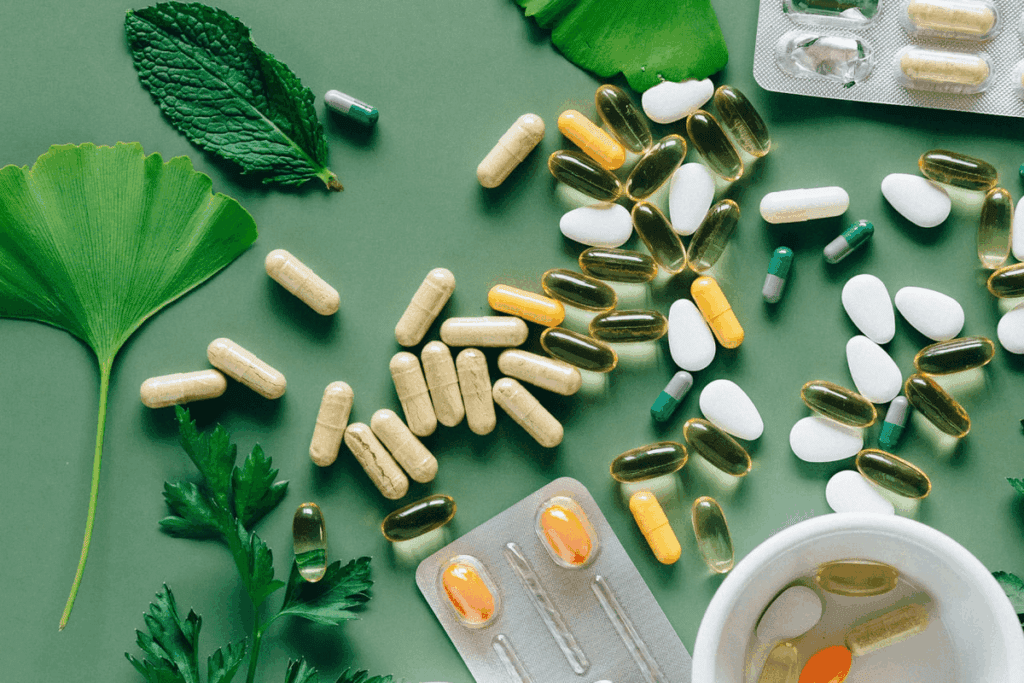
Perimenopause is a tough time for women, with big changes in hormones. These changes can cause unpredictable emotional changes. This can lead to mood swings and depression, making life harder.Find 7 natural remedies for perimenopause mood swings to balance your emotions during the change. Learn gentle natural remedies for perimenopause mood swings.
These symptoms can feel overwhelming. But, new research gives us hope. Evidence-based natural approaches can help keep emotions stable and improve mental health during this time.
Key Takeaways
- Understanding the hormonal changes during perimenopause is key to managing symptoms.
- Many natural remedies can help with mood swings and depression.
- A patient-centered approach can greatly improve treatment results.
- Making lifestyle and diet changes can also help with natural remedies.
- Always talk to healthcare professionals before trying new treatments.
Understanding Perimenopause and Its Emotional Impact

The perimenopausal transition is marked by hormonal changes that can mess with mood and emotional balance. Women may face mood swings and even depression during this time.
It’s key to grasp the physical changes happening during perimenopause. Hormonal shifts, like the drop in estrogen, really affect emotions.
What Happens During the Perimenopausal Transition
Perimenopause is the time before menopause, happening in women from their mid-30s to early 50s. Hormones swing wildly, causing physical and emotional symptoms.
This transition can last 2 to 10 years, with an average of 4 years. This wide range makes it hard for women to know when and how to handle their symptoms.
Symptom | Percentage of Women Affected | Common Management Strategies |
Mood Swings | 70-80% | Lifestyle changes, stress management, natural remedies |
Depression | 20-40% | Counseling, medication, complementary therapies |
Anxiety | 30-50% | Mindfulness practices, relaxation techniques, herbal supplements |
The Prevalence of Mood Disorders During This Life Stage
Studies show mood disorders are most common during perimenopause. Hormonal changes can mess with brain chemicals, causing mood swings.
Women in perimenopause are more at risk for depression and anxiety. Knowing this helps women and doctors take steps to manage symptoms and improve well-being.
By understanding the emotional effects of perimenopause and the risk of mood disorders, we can support women better. This helps them manage symptoms and live better lives.
The Science Behind Hormonal Mood Swings

Hormonal mood swings are linked to changes in estrogen and brain chemistry. During perimenopause, hormonal shifts can alter brain chemistry. This leads to mood swings and irritability.
How Estrogen Fluctuations Affect Brain Chemistry
Estrogen changes in perimenopause affect brain chemistry, mainly serotonin levels. Serotonin is key for mood, appetite, and sleep. When estrogen drops, serotonin levels can fall too, causing mood swings and depression.
Studies show estrogen affects serotonin in the brain. As estrogen levels change in perimenopause, serotonin levels can vary. This affects mood stability.
The Connection Between Hormones and Neurotransmitters
Hormones and neurotransmitters have a complex relationship. Hormonal changes can affect neurotransmitter activity, and vice versa. In perimenopause, estrogen decline can upset neurotransmitter balance, like serotonin and dopamine. These are vital for mood.
Grasping this complex relationship is key to finding natural mood swing remedies for perimenopause.
Why Perimenopause Presents Higher Depression Risk
Perimenopause increases depression risk due to hormonal changes. The estrogen drop can lower serotonin, raising depression risk.
Perimenopause also brings physical and emotional changes, like sleep issues and anxiety. These can add to depression risk. Finding natural remedies for menopause and depression is vital for managing symptoms and mental health.
Understanding hormonal mood swings helps us see the need for natural help for menopause mood swings. It guides us in finding effective ways to manage these symptoms.
Natural Remedies for Perimenopause Mood Swings: The Evidence-Based Approach
Natural remedies are a promising way to handle mood swings during perimenopause. Women looking for alternatives to traditional treatments often find them appealing.
Benefits of Complementary and Natural Approaches
More women are turning to natural and complementary methods for managing mood swings. These options are seen as safer than some medicines. They can be used alongside traditional treatments, providing a complete approach to symptom management.
Some benefits of natural remedies include:
- Reduced risk of side effects
- Potential for long-term health benefits
- Empowerment through self-care
- Flexibility in combining different approaches
How to Safely Integrate Natural Solutions
It’s important to add natural remedies safely to your health plan. Always talk to a healthcare provider before starting new supplements or making big changes to your diet or exercise routine.
Natural Remedy | Potential Benefits | Precautions |
Dietary Changes | Stabilizing blood sugar, reducing inflammation | Ensure balanced nutrition, consult on specific diets |
Omega-3 Supplements | Supporting brain health, mood regulation | Quality and sourcing are key, watch for interactions with meds |
Mind-Body Practices | Reducing stress, improving mood | Consistency is important, choose a practice that fits your life |
By choosing and using natural remedies wisely, women can create a personalized plan for managing mood swings during perimenopause. It’s about finding the right mix and being aware of how different things affect your body and health.
Remedy #1: Ashwagandha for Hormonal Balance and Stress Relief
Ashwagandha is a natural remedy for women going through perimenopause. It helps balance hormones and reduce stress. This adaptogenic herb has been used for centuries in Ayurvedic medicine.
Supporting Emotional Stability
Ashwagandha helps keep emotions stable by managing stress. It lowers cortisol, the stress hormone, to bring calm. Ashwagandha’s adaptogenic properties help the body stay balanced, even with hormonal changes.
“Ashwagandha has been shown to reduce cortisol levels and improve the body’s response to stress, making it a valuable herb for managing perimenopause symptoms.”
Research-Backed Benefits for Perimenopausal Women
Studies show ashwagandha reduces stress and anxiety. A study found it lowered cortisol and improved stress scores in people with chronic stress. For perimenopausal women, it may help with mood swings and depression.
Study | Participants | Outcome |
Randomized controlled trial | 60 individuals with chronic stress | Significant reduction in cortisol levels |
Double-blind, placebo-controlled study | 64 subjects with anxiety | Improved stress scores and reduced anxiety |
Recommended Dosages and Precautions
The usual dose of ashwagandha is 300-500 mg daily. Always talk to a healthcare provider before starting it, if you’re on medications or have health issues. Potential interactions with medications like blood thinners and thyroid meds are important to consider.
In summary, ashwagandha is a great natural remedy for perimenopausal women. It helps with mood swings and stress. Knowing its benefits, dosages, and precautions can help women choose it wisely for their wellness.
Remedy #2: Omega-3 Fatty Acids for Brain Health and Mood Regulation
Omega-3 fatty acids are key for emotional wellness in perimenopause. They help our brains stay healthy and manage mood swings.
The Science Behind Omega-3s and Emotional Wellness
Omega-3s, like EPA and DHA, are vital for brain health. They reduce inflammation and keep neurons healthy. Their anti-inflammatory effects can ease depression and anxiety.
Research shows omega-3s can improve mood. Adding omega-3 foods or supplements to your diet can help perimenopausal women feel more emotionally stable.
Best Food Sources and Supplement Options
Eating foods rich in omega-3s is a great way to support mood. Some top sources are:
- Fatty fish like salmon and sardines
- Flaxseeds and chia seeds
- Walnuts
If you can’t get enough omega-3s from food, supplements are an option. Choose products with a balanced EPA to DHA ratio.
Food Source | Omega-3 Content (per serving) |
Salmon | 1.8 grams |
Sardines | 1.3 grams |
Flaxseeds | 1.6 grams (ground) |
Effective Dosages for Mood Support
The right amount of omega-3s for mood support varies. Aim for 1000-2000 mg of EPA and DHA daily. Always talk to a healthcare provider about the best dose for you.
Knowing how omega-3s help our brains and moods is important. They can be found in food or supplements. Omega-3s are a natural way to handle mood swings during perimenopause.
Remedy #3: Mind-Body Practices for Hormonal Balance
Women going through perimenopause can find big help in mind-body practices. These practices help balance hormones and emotions. They focus on the mind, body, and spirit connection. This approach reduces stress and boosts emotional health.
Yoga and Tai Chi for Stress Reduction
Yoga and tai chi mix physical moves with breathing and meditation. They help lower stress and anxiety. They also make you feel better and more relaxed.
Benefits of Yoga and Tai Chi:
- Reduced stress and anxiety
- Improved mood and emotional well-being
- Enhanced flexibility and balance
- Improved sleep quality
Mindfulness Meditation Techniques
Mindfulness meditation focuses on the now, often by watching breath or body. It helps calm the mind and control emotions.
Mindfulness Techniques Include:
- Body scan meditation
- Focused breathing exercises
- Mindful walking
Creating a Sustainable Practice Routine
To get the most from mind-body practices, be consistent. Start with short sessions and grow them over time.
Practice | Frequency | Duration |
Yoga | 3 times a week | Start with 20 minutes, increase to 45 minutes |
Tai Chi | 2-3 times a week | Begin with 15 minutes, progress to 30 minutes |
Mindfulness Meditation | Daily | Start with 5-10 minutes, aim for 20 minutes |
Remedy #4: St. John’s Wort and Mood-Supporting Herbs
Perimenopause brings many challenges, but some herbal remedies can help with mood. St. John’s Wort and black cohosh are known for their mood-boosting effects.
Evidence for St. John’s Wort in Perimenopausal Depression
St. John’s Wort might help with mild to moderate depression. It works by affecting neurotransmitters like serotonin and dopamine, which help us feel better.
A study looked at St. John’s Wort and found it helps with depression. But, results can differ based on the extract and the person’s health.
Black Cohosh: Beyond Hot Flashes to Mood Support
Black cohosh is known for easing hot flashes. But, it might also help with mood during perimenopause. It could affect hormone levels and the nervous system.
Some studies show black cohosh can lessen anxiety and depression. Yet, more research is needed to fully grasp its mood benefits.
Safety Considerations and Possible Interactions
St. John’s Wort and black cohosh might be helpful, but safety is key. St. John’s Wort can interact with many drugs, like antidepressants and blood thinners.
Herb | Potential Benefits | Safety Considerations |
St. John’s Wort | Antidepressant effects, mood support | Interactions with medications, including antidepressants |
Black Cohosh | Mood support, relief from hot flashes | Potential liver effects, interactions with hormone-sensitive conditions |
Before using these herbs, talk to a healthcare provider. They can help you understand any risks and find the right fit for you.
Remedy #5: Vitamin D and Key Nutrients for Emotional Stability
Perimenopause brings big changes, including mood swings. Vitamin D and other nutrients are key for emotional balance. Hormonal shifts are big, but what we eat matters too.
The Vitamin D-Mood Connection
Vitamin D helps our mood. It’s linked to less depression. Our brain’s mood centers have vitamin D receptors, showing how it affects our feelings.
Key findings on vitamin D and mood include:
- Vitamin D receptors are present in brain regions associated with mood regulation.
- Low vitamin D levels have been correlated with increased risk of depression.
- Vitamin D supplementation may help improve mood in deficient individuals.
B Vitamins and Magnesium for Neurotransmitter Support
B vitamins and magnesium are vital for our mood. B vitamins, like B6, B9 (folate), and B12, help make serotonin and dopamine. Magnesium helps our brain cells work better.
Not having enough of these can mess with our mood. Eating right or taking supplements is key for feeling good.
“The B vitamins are a group of nutrients that are essential for many bodily functions, including the synthesis of neurotransmitters that regulate mood.”
Testing and Supplementation Strategies
Knowing your vitamin D and nutrient levels is important. Doctors can test you to see if you need more.
Supplementation strategies may include:
- Vitamin D supplementation, for those who are low.
- B vitamin complex supplements for neurotransmitters.
- Magnesium for brain health.
Talk to a doctor before starting supplements. They’ll help you choose what’s best for you.
Remedy #6: Lifestyle Modifications for Hormone Balance
Making lifestyle changes can greatly help with hormone balance in perimenopause. By changing our daily habits, we can manage mood swings better and improve our overall health.
Blood Sugar Stabilization for Mood Management
Keeping blood sugar levels stable is key for managing mood swings. Eating complex carbs like whole grains and adding protein and healthy fats to meals helps. It’s also good to eat smaller meals more often.
Here’s a simple way to plan your meals for better blood sugar control:
Meal | Foods | Benefits |
Breakfast | Oatmeal with nuts and fruits | Complex carbohydrates, fiber, and healthy fats |
Lunch | Grilled chicken with quinoa and vegetables | Protein, complex carbohydrates, and fiber |
Dinner | Salmon with brown rice and steamed broccoli | Omega-3 fatty acids, complex carbohydrates, and vitamins |
Anti-Inflammatory Dietary Approaches
An anti-inflammatory diet can also help with hormone balance and mood. Foods high in antioxidants like berries and leafy greens reduce inflammation. Omega-3 fatty acids in fatty fish and nuts are also good.
Adding these foods to your diet can be tasty and easy. Try starting your day with a berry smoothie or adding walnuts to your oatmeal.
Sleep Optimization Techniques
Getting enough sleep is vital for hormone balance and mood. A consistent sleep schedule, a relaxing bedtime routine, and a good sleep environment can improve sleep quality.
Some effective sleep tips include:
- Maintaining a cool bedroom temperature
- Avoiding caffeine and electronic devices before bedtime
- Using blackout curtains or a white noise machine
By making these lifestyle changes, women can better manage perimenopause symptoms and support their health.
Remedy #7: Regular Exercise as Mood Medicine
Women going through perimenopause can greatly benefit from regular exercise. It helps regulate hormones, boosts mood, and lessens depression and anxiety. By understanding how exercise affects hormones and brain chemicals, women can find a workout routine that helps their mental health.
How Physical Activity Regulates Hormones and Neurotransmitters
Exercise is key in balancing hormones and brain chemicals that affect mood. It boosts the release of endorphins, known as “feel-good” hormones, which fight anxiety and depression. Regular exercise also stabilizes hormone levels, leading to better emotional stability.
Key ways exercise impacts hormones and brain chemicals include:
- Boosting endorphins, serotonin, and dopamine, vital for mood.
- Lowering inflammation, linked to better mental health.
- Improving sleep quality, essential for emotional well-being.
The Most Effective Exercise Types for Mood Support
Not all exercises are the same when it comes to mood support. Aerobic exercises like walking, cycling, and swimming are top choices. They release endorphins and other mood-boosting chemicals.
Other good options include:
- Yoga and tai chi, which mix physical movement with mindfulness to reduce stress and enhance mood.
- Resistance training, which builds strength and improves mental health.
- High-intensity interval training (HIIT), great for heart health and mood.
Creating a Sustainable Exercise Routine
To enjoy the mood benefits of exercise, being consistent is vital. Start with achievable goals and gradually increase workout intensity and duration. Choose activities you enjoy and that fit your lifestyle to keep you motivated.
Here are tips for a lasting exercise routine:
- Plan exercise into your daily schedule, treating it as a must-do.
- Exercise with a friend or join a group to stay motivated.
- Change your routine to avoid boredom and prevent plateaus.
By making exercise a regular part of their lives, women can use it as a natural way to fight irritability and mood swings. This supports their emotional health during perimenopause.
Conclusion: Creating Your Personalized Approach to Emotional Wellness
Managing mood swings in perimenopause is complex. By using natural remedies, women can create a detailed plan for emotional wellness. This way, we can take charge of our emotional health every day.
A personalized approach to emotional wellness means combining lifestyle changes with natural remedies. For example, exercise, a balanced diet, ashwagandha, and omega-3 fatty acids help. These steps help control hormonal changes and lessen mood swings.
We suggest women try these natural remedies for perimenopause mood swings. Working with healthcare providers, they can make a plan that fits their needs. This holistic approach helps women face this tough time with confidence and better well-being.
FAQ
What are some natural remedies for perimenopause mood swings?
Natural remedies for mood swings include ashwagandha and omega-3 fatty acids. Mind-body practices like yoga and tai chi also help. St. John’s Wort, vitamin D, and lifestyle changes are effective too.
How does ashwagandha help with perimenopause mood swings?
Ashwagandha is an adaptogenic herb that helps with emotional stability. It reduces stress and anxiety. It’s effective in managing mood swings by balancing hormones.
Can omega-3 fatty acids really help with mood regulation?
Yes, omega-3 fatty acids are good for brain health and mood. They reduce inflammation and support neurotransmitters.
Are there any safety considerations when using St. John’s Wort for perimenopausal depression?
Yes, St. John’s Wort can interact with other medications. Always talk to a healthcare professional before starting it. It’s not safe for everyone.
How can lifestyle modifications help manage perimenopause mood swings?
Lifestyle changes like exercise and diet help manage mood swings. They promote hormone balance and reduce stress. A holistic approach supports emotional wellness.
What is the connection between vitamin D and mood health during perimenopause?
Vitamin D is key for emotional stability. Low levels may lead to depression. Getting enough vitamin D supports mood health.
Can mind-body practices like yoga and tai chi really help reduce stress and promote hormonal balance?
Yes, yoga and tai chi reduce stress and balance hormones. They help regulate cortisol and improve mood.
How can I create a sustainable exercise routine to support my mental health during perimenopause?
Find exercises you enjoy and fit your lifestyle. Regular activities like walking or yoga support mental health.
Are there any natural remedies for irritability and mood swings during perimenopause?
Yes, ashwagandha, omega-3 fatty acids, and magnesium help with irritability. Regular exercise and diet changes also manage symptoms.
Can herbal remedies like black cohosh help with perimenopause mood swings?
Black cohosh may help with mood swings. It’s traditionally used for hot flashes. More research is needed to confirm its mood benefits.
References
National Center for Biotechnology Information. Perimenopause: Natural Remedies for Mood Swings and Depression. Retrieved from https://pmc.ncbi.nlm.nih.gov/articles/PMC11263131/