
Asthma affects millions worldwide, causing symptoms that can range from mild to life-threatening. For many, effective management of these symptoms is key to maintaining quality of life. Asthma relief is often achieved through various treatments, including a device that turns liquid medication into a fine mist for easy inhalation. A nebulizer asthma treatment offers fast relief. Learn how this machine works to deliver medication deep into the lungs for better breathing.
Managing asthma can be tough, even for young children or those with severe symptoms. They may struggle with traditional inhalers. That’s where a specific medical device comes in, providing effective relief by making medication more accessible to those who need it.
Nebulizer treatment is great for individuals who have trouble using other forms of asthma medication. It turns liquid medication into a mist, making it easier to inhale. This makes it a valuable tool in asthma care.
Key Takeaways
- A nebulizer is a device that turns liquid medication into a fine mist for inhalation.
- It provides effective relief for asthma symptoms, making it easier for those who struggle with traditional inhalers.
- Nebulizer treatment is beneficial for young children and individuals with severe asthma.
- The device makes medication more accessible by allowing for easy inhalation.
- It is an invaluable tool in managing asthma symptoms and improving quality of life.
Understanding Asthma and Its Symptoms
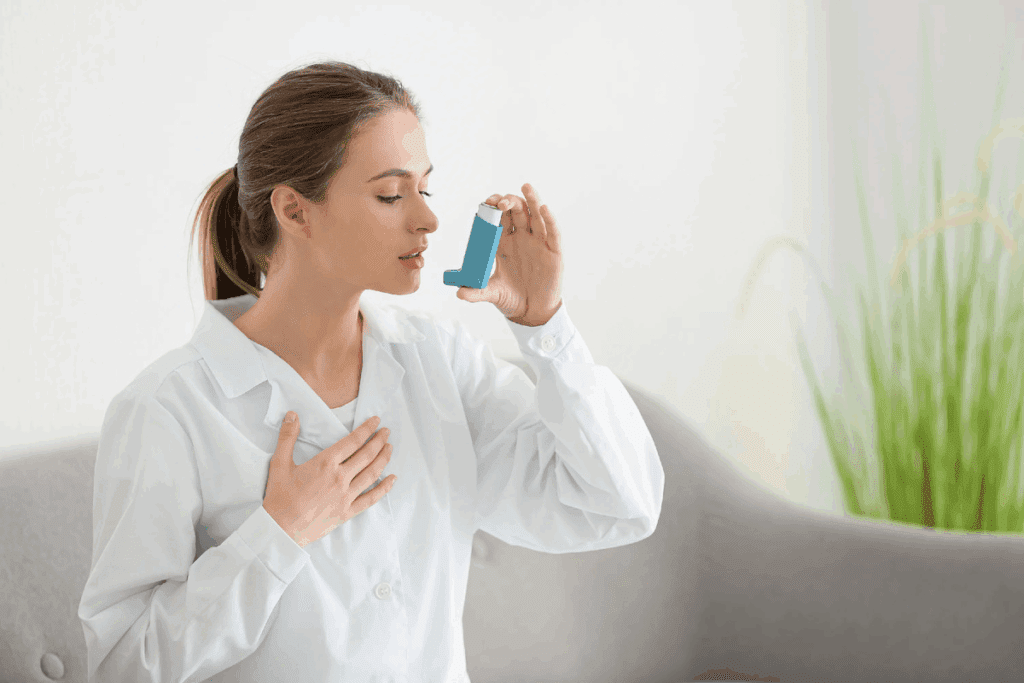
To manage asthma well, it’s key to know what it is and how it shows up in people. Asthma is a long-term condition that makes breathing hard. We’ll look into what asthma is and its usual signs to understand it better.
What is Asthma?
Asthma is marked by inflammation, airway blockage, and spasms in the bronchial tubes. This mix causes symptoms that can change in how bad they are and how often they happen. Asthma is not just one thing but a range of conditions with different causes and effects.
The airways in asthma are very sensitive and react to many things, causing the usual symptoms. Knowing how asthma works is key to making good treatment plans.
Common Symptoms of Asthma
Common signs include wheezing, coughing, shortness of breath, and chest tightness. These signs can be set off by things like allergens, respiratory infections, and environmental factors. Knowing these symptoms is important for diagnosing and managing asthma right.
- Wheezing: a high-pitched sound while breathing out
- Coughing: often worse at night or early in the morning
- Shortness of breath: difficulty breathing or feeling winded even when sitting
- Chest tightness: feeling like there’s a band around your chest
Spotting these symptoms early can help start the right treatment and make life better for people with asthma.
“Asthma is a chronic disease of the airways that requires a complete management plan to control symptoms and prevent worsening.”
– American Lung Association
What is a Nebulizer?
A nebulizer is a medical device that turns liquid medication into a fine mist. This mist can be inhaled directly into the lungs.
This makes nebulizers great for managing respiratory conditions like asthma. They provide quick and efficient relief by turning medication into a mist.
Definition and Function
A nebulizer uses oxygen or compressed air to create a fine mist from liquid medication. This makes it easier for patients to inhale the medication deeply into their lungs. It’s a breathing machine that’s perfect for those who find inhalers hard to use.
The nebulizer’s function is simple. It has a base, a chamber for the medication, and a mouthpiece or mask. Patients inhale the mist through this. Nebulizers are recommended for those needing high doses of medication or having trouble with inhalers.
Types of Nebulizers
There are several types of nebulizers, each with its own benefits. The main types are:
- Jet nebulizers: These are the most common and are often used in hospitals and at home. They are relatively inexpensive and effective.
- Mesh nebulizers: Also known as vibrating mesh nebulizers, these devices use a mesh to create the aerosol. They are known for their quiet operation and portability.
- Ultrasonic nebulizers: These use high-frequency sound waves to create the aerosol. They are generally faster than jet nebulizers.
It’s important to know the different nebulizer types to choose the right one. The patient’s age, the type of medication, and how often it’s used can help decide.
By picking the right nebulizer, patients can get the most effective nebulizer treatment for their condition.
How Nebulizers Work
Nebulizers turn liquid nebulizer medication into a fine mist. This mist is inhaled directly into the lungs. It’s key for effective respiratory treatment.
Nebulizers use compressed air or ultrasonic vibrations. They atomize the medication. This makes it easy for patients to breathe in the medication without needing to time it with an inhaler.
The Mechanism of Delivery
The delivery mechanism of nebulizers is simple yet effective. When a patient uses a nebulizer, it turns liquid medication into a mist. This mist is inhaled through a mouthpiece or mask, reaching deep into the lungs.
The process involves several key components:
- A compressor or ultrasonic device to generate the mist
- A nebulizer cup to hold the medication
- A mouthpiece or mask for inhalation
Nebulizers are great for patients who find it hard to use inhalers. They don’t need to time their breathing with the inhaler.
Differences Between Nebulizers and Inhalers
Comparing nebulizer vs inhaler shows some key differences. Nebulizers give medication in a continuous mist. Inhalers release a specific dose with each actuation.
| Feature | Nebulizers | Inhalers |
| Delivery Mechanism | Continuous mist | Metered dose |
| Ease of Use | Simple, no coordination required | Requires coordination |
| Portability | Generally less portable | Highly portable |
A respiratory specialist notes, “Nebulizers are often preferred for young children and individuals with severe respiratory conditions. They are easy to use and effective in delivering medication.”
“The simplicity of nebulizer therapy makes it an invaluable treatment option for patients who require consistent and reliable medication delivery.”
Respiratory Specialist
In conclusion, nebulizers are a unique and effective way to deliver nebulizer medication to the lungs. They are a valuable tool in respiratory treatment. Understanding how nebulizers work and their differences from inhalers helps patients make informed decisions about their treatment.
Benefits of Using a Nebulizer for Asthma
Nebulizers are a key tool in managing asthma. They offer several important benefits. We will look at how they help in treating asthma and improving breathing.
Quick Relief for Asthma Attacks
Nebulizers are great for quick relief during asthma attacks. They send medication straight to the lungs. This helps symptoms go away fast, which is very important for those with severe asthma.
The fast relief nebulizers give can be a lifesaver. Here are the main points about this benefit:
| Benefit | Description |
| Rapid Symptom Relief | Nebulizers deliver medication directly to the lungs, quickly alleviating asthma symptoms. |
| Effective During Severe Attacks | Nebulizers are very useful during severe asthma attacks when inhalers may not work as well. |
| Ease of Use | Nebulizers are easy to use, making them good for emergencies. |
Better Medication Absorption
Nebulizers also help with better medication absorption. The fine mist they make spreads the medication all over the lungs. This makes the medication work better.
This better absorption helps manage asthma symptoms better. Here are the main points about this benefit:
- Improved therapeutic outcomes due to more effective medication delivery.
- Reduced risk of medication being wasted or not fully absorbed.
- Enhanced patient compliance due to the ease of use of nebulizers.
When to Use a Nebulizer
Knowing when to use a nebulizer is key for managing asthma well. Nebulizers help quickly during severe asthma attacks. They are also part of regular care to handle ongoing symptoms.
Situations Requiring Immediate Assistance
In emergency cases, a nebulizer can be a lifesaver. “A nebulizer is often prescribed for emergency use during severe asthma exacerbations,” says a leading respiratory specialist. It’s wise to have a nebulizer ready, if you’ve had severe asthma attacks before.
Nebulizers send medicine straight to your lungs. This gives quick relief from asthma symptoms like wheezing, coughing, and breathing trouble. This fast help is vital to stop asthma attacks from getting worse.
Regular Maintenance Therapy
Nebulizers are also great for regular care. We use them to give medicines that help control long-term asthma symptoms. This helps lessen how often and how bad asthma attacks are.
Adding a nebulizer to your daily asthma care can boost your lung health. Consistency is key for managing asthma well.
“Using a nebulizer as part of a complete asthma management plan can greatly improve life quality for people with asthma.”
It’s important to stick to your treatment plan and use the nebulizer as your doctor tells you. Regular use, along with keeping the device clean, makes sure it works best.
Nebulizers for Children with Asthma
Nebulizers are key in managing asthma in kids. Asthma is a long-term condition that affects many children. It causes symptoms like wheezing, coughing, and trouble breathing.
Nebulizers are great for young kids because they are simpler to use than inhalers. This is important for kids who find it hard to breathe properly.
Pediatric Considerations
Children have special needs when it comes to asthma. Their airways are smaller and can get blocked easily. Nebulizers help by sending medicine straight to the lungs, giving quick relief.
As a caregiver, making sure your child gets the right amount of medicine is key. Nebulizers make this easier.
Renting a nebulizer is a good option for families. It’s great for kids starting treatment or whose needs might change.
Safety and Usage Tips
It’s important to use a nebulizer safely and right. Here are some tips:
- Always follow the manufacturer’s instructions for assembling and cleaning the nebulizer.
- Ensure your child is comfortable and calm during treatment to help them breathe normally.
- Monitor your child’s symptoms and adjust the treatment plan as needed, in consultation with their healthcare provider.
Learning how to use a nebulizer correctly can help your child manage asthma better. This can help them live a more active and healthy life. Always talk to a healthcare professional to find the best treatment for your child.
Nebulizer Medications
The success of nebulizer treatment depends on the medication used. Nebulizers can be used with various medications to manage asthma symptoms. These include bronchodilators, corticosteroids, and antibiotics.
Common Medications for Asthma
Asthma therapy often involves specific medications delivered through nebulizers. Some common medications include:
- Bronchodilators: These medications, such as albuterol, relax the muscles around the airways. This makes it easier to breathe.
- Corticosteroids: Corticosteroids like budesonide reduce inflammation in the airways. This is a key part of asthma.
- Antibiotics: In cases where asthma is complicated by a bacterial infection, antibiotics may be prescribed through a nebulizer.
According to the American Lung Association, “Using a nebulizer can be an effective way to deliver medication directly to the lungs. This is true for individuals who have difficulty using inhalers.” This direct delivery method is very beneficial for those with severe asthma or for children who may struggle with inhaler use.
How to Choose the Right Medication
Choosing the right medication for nebulizer treatment involves several considerations. It’s essential to work closely with a healthcare provider. They will determine the best medication based on the severity of asthma, other health conditions, and specific symptoms.
“The choice of medication should be tailored to the individual’s specific needs and response to treatment,” notes a leading respiratory specialist.
Some key factors to consider when selecting a medication include:
- The severity of asthma symptoms.
- The presence of other health conditions that may affect asthma or its treatment.
- Previous responses to different medications.
By understanding the different medication options and working closely with a healthcare provider, individuals with asthma can develop an effective treatment plan. This plan can improve their quality of life.
Potential Drawbacks of Nebulizers
Nebulizers are helpful for managing asthma, but they have challenges. It’s important to look at the bigger picture of asthma care and how nebulizers fit into it.
Cost and Convenience Comparison
Nebulizers are more expensive than other asthma tools, like inhalers. They cost a lot upfront. Also, parts and maintenance can increase the cost over time.
| Device | Initial Cost | Maintenance Cost | Portability |
| Nebulizer | $50-$200 | $10-$50 (per year) | Generally less portable |
| Inhaler | $20-$100 | Minimal (replace as needed) | Highly portable |
The table shows nebulizers might cost more at first. But, the total cost depends on many things, like upkeep and medication.
Possible Side Effects
Medications from nebulizers can have side effects. These include shakes, feeling nervous, and a faster heart rate. It’s key for patients to know about these and talk to their doctor about them.
- Common Side Effects:Tremors
- Nervousness
- Increased heart rate
- Less Common Side Effects:Headaches
- Dizziness
Knowing the downsides of nebulizers helps patients make better choices for their asthma care. It’s vital to think about the costs and side effects. Then, talk to a doctor to find the best treatment.
How to Use a Nebulizer Effectively
Learning to use a nebulizer is key for asthma patients. To get the most from your home nebulizer or portable nebulizer, follow our easy guide and maintenance tips.
Step-by-Step Guide
At first, using a nebulizer might seem hard. But with practice, it becomes easy. Here’s how to do it:
- Wash your hands well before using the nebulizer and medication.
- Follow the maker’s instructions to set up the nebulizer.
- Put the right amount of medication in the nebulizer cup.
- Connect the mouthpiece or mask to the cup.
- Sit comfortably and hold the nebulizer right.
- Breathe in and out slowly until all the medicine is used.
If you have a portable nebulizer, know how to use it on battery and how to recharge it. Always check the user manual for exact steps.
Cleaning and Maintenance Tips
Keeping your nebulizer clean is key for it to work well and last long. Here are some tips:
- Clean the parts with warm soapy water after each use.
- Rinse well and dry with a clean towel.
- Soak parts in water and white vinegar once a week for a deep clean.
- Change parts as the maker says.
Regular cleaning and care make sure your nebulizer works right. It also stops bacteria from growing, which can harm its performance and your health.
| Nebulizer Part | Cleaning Frequency | Replacement Interval |
| Nebulizer Cup | After each use | Every 3-6 months |
| Mouthpiece/Mask | After each use | Every 6-12 months |
| Tubing | Weekly | Every 6-12 months |
By following these tips, you can keep your home nebulizer or portable nebulizer in top shape. This helps manage your asthma effectively.
Alternatives to Nebulizers
Asthma management isn’t just about nebulizers. Other devices and treatments can work just as well. Nebulizers help a lot, but inhalers and other options offer convenience and flexibility.
Using Inhalers
Inhalers are a common choice instead of nebulizers. They are easy to carry and use. They can be as effective as nebulizers for many people. There are different types, like metered-dose inhalers (MDIs) and dry powder inhalers (DPIs).
Benefits of Inhalers
- Portability: Inhalers are small and easy to take anywhere.
- Ease of Use: They are designed to be simple to use, with features like dose counters.
- Quick Relief: They can give fast relief during asthma attacks if used right.
Other Treatments for Asthma
There are more ways to manage asthma than just inhalers. Oral medications and lifestyle changes can also help. These can work with or instead of inhalers or nebulizers.
Oral Medications
Oral medications, like leukotriene modifiers and corticosteroids, can control asthma symptoms. They work all over the body to reduce inflammation and stop attacks.
Lifestyle Changes
Changing your lifestyle can also help with asthma. Avoiding triggers, staying healthy, and being active are key. While these changes might not work for everyone, they can make a big difference when used with medical treatments.
| Feature | Nebulizers | Inhalers |
| Portability | Generally less portable, often requiring a power source. | Highly portable, compact, and easy to carry. |
| Ease of Use | Can be more complex to use, requiring cleaning and assembly. | Designed for ease of use, with features like dose counters. |
| Medication Type | Can be used with a variety of medications, including those for long-term control and quick relief. | Suitable for both quick relief and long-term control medications. |
| Patient Preference | Often preferred by children and those who have difficulty using inhalers. | Preferred by those who value portability and ease of use. |
Knowing about nebulizer alternatives helps patients choose the best treatment for them. It’s about finding what fits their lifestyle and needs.
Consultation with Healthcare Providers
Patients with asthma greatly benefit from working closely with their healthcare providers. This helps tailor their treatment plans. Effective asthma management relies heavily on the teamwork between patients and their healthcare team.
When to Seek Advice
It’s important for patients to know when to ask for help from their healthcare providers. Severe asthma symptoms, more frequent attacks, or worries about medication side effects are good reasons to seek advice. We suggest getting advice if asthma symptoms change or current treatments don’t work well.
Importance of Personalized Treatment Plans
A personalized treatment plan is key for managing asthma well. Healthcare providers can create a plan that fits a patient’s needs, lifestyle, and medical history. It’s vital to work closely with healthcare providers to adjust plans as needed. This ensures patients get the best care for their asthma.
As a renowned expert once said,
“The key to successful asthma management lies in the partnership between the patient and the healthcare provider.”
This partnership is essential for handling the complexities of asthma treatment. It helps achieve the best possible outcomes.
Conclusion: Evaluating Nebulizer Effectiveness for Asthma
Nebulizers are key in managing asthma. They offer quick relief and better medication delivery. Knowing the benefits helps patients choose the right treatment.
Effective Asthma Management
Effective asthma management combines proper medication, lifestyle adjustments, and symptom monitoring. Nebulizers deliver medicine directly to the lungs, providing quick symptom relief and supporting a better quality of life.
Long-Term Strategies
It’s important to plan for the long term to control asthma and avoid bad episodes. Working with doctors, patients can make plans that include nebulizers. This ensures the best relief and health.
FAQ
What is a nebulizer and how does it help with asthma?
A nebulizer turns liquid medicine into a mist. This makes it easy to breathe in and helps asthma symptoms quickly. It sends medicine straight to your lungs, helping manage asthma well.
How do I know if I need a nebulizer for my asthma?
If using inhalers is hard or if your asthma is severe, a nebulizer might help. Talk to your doctor to see if it’s right for you.
What are the different types of nebulizers available?
There are many nebulizers, like compressor, ultrasonic, and mesh types. We can help pick the best one for you.
How do I use a nebulizer effectively?
Follow the maker’s guide and our easy steps to use a nebulizer. Clean and keep it in good shape for best results.
Can children use nebulizers for asthma?
Yes, nebulizers are great for kids who can’t use inhalers. We offer tips and advice for kids with asthma.
What medications are commonly used with nebulizers for asthma?
Medicines like bronchodilators and corticosteroids are often used with nebulizers. We can help you pick the right one for you.
Are there any possible drawbacks to using a nebulizer?
Nebulizers are helpful, but they might be expensive or have side effects. We talk about these to help you decide.
Can I use a nebulizer as an alternative to an inhaler?
Nebulizers and inhalers are both good for asthma, but they work differently. We can help you choose the best one for you.
How often should I clean and maintain my nebulizer?
Cleaning and upkeep are key for your nebulizer to work well. We give tips to keep it in top shape.
When should I seek advice from a healthcare provider about my nebulizer treatment?
If you have questions or concerns, talk to your doctor. They can give you personalized advice and help with your treatment plan.
References
National Center for Biotechnology Information. Evidence-Based Medical Insight. Retrieved from https://pmc.ncbi.nlm.nih.gov/articles/PMC3373066/



 Departments
 Related Videos
 Our Doctors
 News
News