
Recovering from open-heart surgery needs careful planning and a supportive home. Every year, about 400,000 open-heart surgeries happen in the U.S. This shows how vital it is to know what to expect during recovery. What do you need home after open heart surgery? Check our list of essential items to make your recovery comfortable, easy, and safe today.
We’ll help you prepare your home for a smooth recovery. It’s key to have the right items and plans to help your body and mind heal.
Key Takeaways
- Prepare your home environment to support recovery.
- Understand the essential items needed for a comfortable recovery.
- Arrange for support and care during your recovery period.
- Follow a structured recovery plan to ensure a healthy recovery.
- Be aware of the signs of complications and when to seek medical help.
Understanding Your Recovery Journey
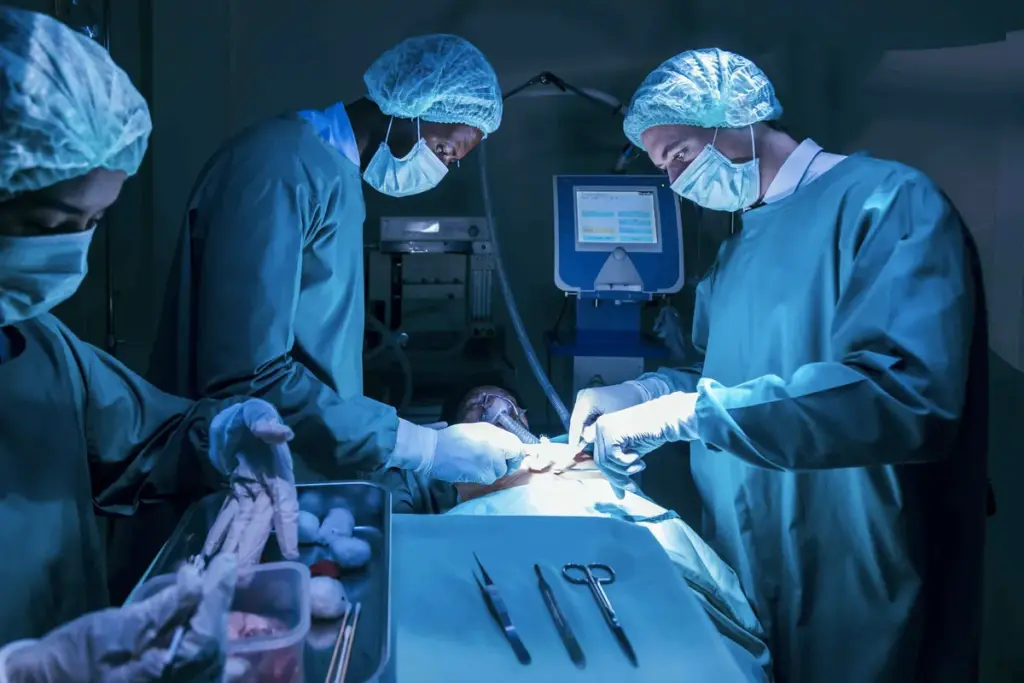
As you get ready for open-heart surgery, knowing what to expect is key. We’ll help you understand the recovery process. This way, you’ll be ready for what comes next.
The Physical Impact of Cardiac Surgery
Cardiac surgery can make you feel tired, sore, and less mobile. It’s important to remember that your body will heal slowly. Knowing this can help you plan and manage your recovery better.
Setting Realistic Recovery Expectations
It’s important to have realistic hopes for your recovery. This helps avoid stress and anxiety. Your healthcare team will guide you on what to expect and when you can get back to normal. Here are some tips:
- Give yourself enough time to rest and heal
- Follow your healthcare team’s advice for after surgery
- Be patient with your body’s healing
The Importance of Proper Home Preparation
Preparing your home right is key for a safe and comfortable recovery. You’ll need to make your living space safe, have the right supplies, and get support from loved ones. A well-prepared home helps you focus on getting better.
Important things to think about for home preparation include:
- Setting up a cozy recovery area
- Having easy access to important items
- Removing dangers and improving the lighting
Planning Before Your Surgery
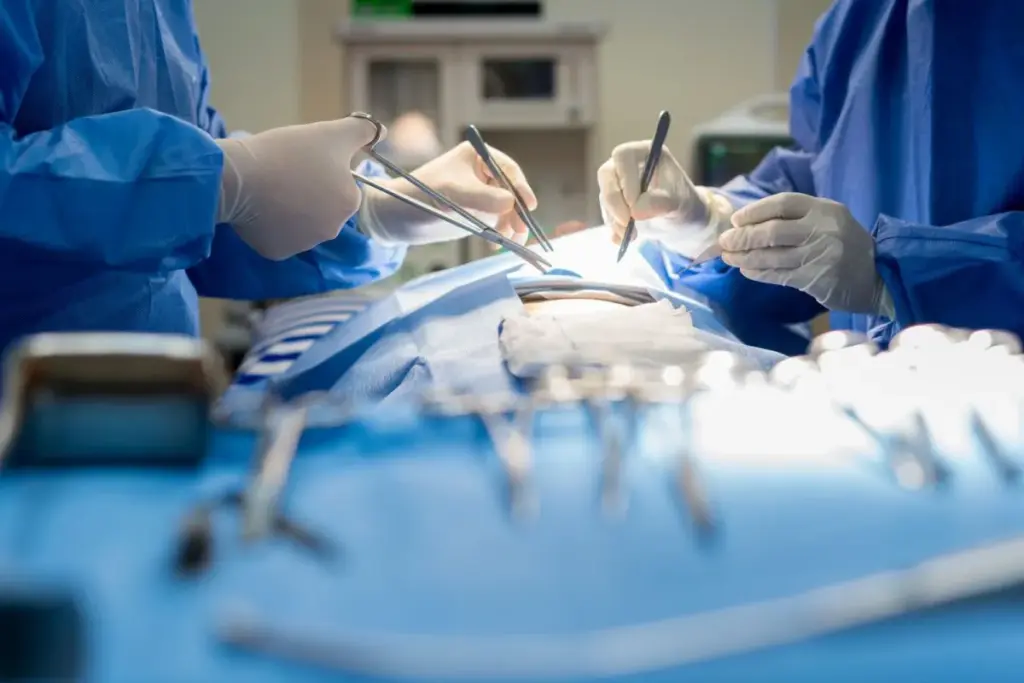
Before your open-heart surgery, preparing your home and family is key. A smooth recovery starts long before the surgery. It’s important to have everything ready for a comfortable and stress-free time.
Creating a Dedicated Recovery Zone
Setting up a special area for recovery can help a lot. This area should be quiet, comfy, and easy to get to. Make sure it has:
- A comfortable bed or recliner
- Easy access to essentials like water, meds, and a phone
- Good lighting that you can adjust
- A place for your medical stuff and equipment
Preparing Family Members and Caregivers
Your family and caregivers are very important for your recovery. Teach them about what you need and the challenges you might face. Here’s what to do:
- Talk to them about your recovery plan and what you expect
- Point out tasks they can help with, like cooking and managing meds
- Encourage them to ask questions and get help when they need it
By getting your loved ones ready, you’ll have a supportive space for a smooth recovery.
Pre-Surgery Home Adjustments Checklist
Here’s a checklist to get your home ready for your recovery:
|
Adjustment |
Description |
Status |
|---|---|---|
|
Clear Clutter |
Remove tripping hazards and clear pathways | |
|
Prepare Meals |
Cook and freeze meals in advance | |
|
Medication Management |
Organize your medications and set reminders | |
|
Safety Equipment |
Install handrails and non-slip mats in strategic areas |
By using this checklist, you can make your home safe and comfy for your recovery.
Essential Medical Supplies You’ll Need at Home After Open-Heart Surgery
Having the right medical supplies at home is key to a smooth recovery after cardiac surgery. It helps avoid complications and makes your healing process more comfortable.
Wound Care Supplies
After open-heart surgery, taking care of your wound is vital. You’ll need sterile gauze, antiseptic wipes, and medical tape. Also, having a wound dressing kit is a good idea. It should have everything for changing your dressing.
Medical experts say, “Good wound care can lower the chance of complications after surgery.” Having the right supplies ready is a big part of your recovery.
Monitoring Equipment
Keeping an eye on your health is important during recovery. You’ll need a blood pressure monitor, a pulse oximeter, and a thermometer. These tools help you watch your vital signs and spot any problems early.
Healthcare providers stress, “Checking vital signs often can catch problems early, so you can get help fast.” Having these tools at home lets you do this easily.
Emergency Contact Information and Systems
Having easy access to emergency contacts and systems can give you peace of mind. This means having a list of emergency contact numbers and maybe a medical alert system.
A medical expert notes, “Quick access to emergency services can save lives in urgent situations.” Having these systems set up is a smart move for your home after surgery.
Medication Management Essentials
After open-heart surgery, managing your medications is key. It ensures you take the right drugs at the right time. This helps avoid side effects and interactions.
Organizing Your Prescription Medications
Start by organizing your medications. Use a medication organizer or pill box for the week. This helps you remember which drugs to take and when.
Also, make a medication list. It should have the drug’s name, dosage, and when to take it.
- Sort medications by type (e.g., morning, noon, evening)
- Use a pill box with compartments for each day
- Keep your medication list in an easily accessible place
Tracking Systems and Reminder Tools
To avoid missing doses, use a tracking system or reminder tools. There are many medication reminder apps that send notifications. You can also set phone alarms or use sticky notes.
- Download a medication reminder app
- Set reminders on your phone or calendar
- Ask a family member or caregiver to remind you
- Use a smart speaker to set voice reminders
Healthcare experts say technology helps patients remember to take their meds. This is true for the elderly or those with many medications.
“The key to successful medication management is consistency and vigilance. By staying organized and using the right tools, patients can minimize risks and maximize the benefits of their medications.”
A Cardiologist
Understanding Side Effects and Interactions
It’s important to know about your medications’ side effects and interactions. Always read the patient information leaflet that comes with your medication. If you have questions, talk to your healthcare provider.
- Common side effects to watch out for
- Potential interactions with other medications or foods
- When to contact your healthcare provider
By following these tips and staying informed, you can manage your medications well. This supports a smoother recovery from open-heart surgery.
Mobility Aids and Equipment
The right mobility equipment can greatly help in recovering from open-heart surgery. Getting back on your feet is key, and the right aids can keep you safe and comfy at home.
Walking Assistance Devices
Walking aids are vital for safe movement during recovery. Walkers are great because they offer stability and support. There are many types, like standard walkers, rollators, and wheeled walkers, each with its own benefits.
- Standard walkers provide maximum stability but require lifting.
- Rollators have wheels and are better for those with good balance.
- Wheeled walkers strike a balance between stability and ease of use.
Chairs and Seating Considerations
Having comfy, supportive seating is essential for rest and recovery. Look for chairs with firm, high seats to make standing easier. Recliners are also good because they let you adjust your position and elevate your legs.
Bathroom Safety Equipment
Bathroom safety is a big deal during recovery. Grab bars near the toilet and in the shower offer support. Non-slip mats or stickers in the bathtub or shower prevent falls. A shower chair or bench is also handy, letting you sit while bathing.
Using these mobility aids and equipment at home can greatly improve your safety and comfort after open-heart surgery.
Personal Care and Hygiene Items
Keeping yourself clean is key when you’re at home after cardiac surgery. It helps your body heal and makes you feel better. We’ll look at the important items you need for a smooth recovery.
Showering and Bathing Solutions
Showering and bathing can be tough after open-heart surgery. You might need a shower chair or bench to avoid falls. A handheld showerhead makes it easier to control the water without moving too much.
Using warm water can also feel more comfortable and relax your muscles.
Dressing Aids and Techniques
Dressing yourself can be hard when you’re recovering. Choose front-opening garments that are easy to wear. Dressing aids like reachers or grabbers can help with buttons and zippers.
Try dressing the affected side first to make it easier.
Managing Personal Hygiene with Limited Mobility
When you can’t move much, keeping clean is harder. Use long-handled brushes or sponges to clean without straining. For your teeth, a mouthwash can be easier than brushing.
Make sure you have a comfortable and safe place for these tasks. Having a caregiver can be very helpful.
Adding these personal care items to your daily routine can improve your recovery. Keeping clean supports your physical healing and boosts your mood during this important time.
Dietary Needs and Kitchen Setup
Understanding your dietary needs and setting up your kitchen can greatly impact your recovery after open-heart surgery. A well-organized kitchen with the right food choices can greatly aid in your healing.
Heart-Healthy Food Preparation
Preparing heart-healthy meals is key during your recovery. Eat a variety of vegetables, fruits, whole grains, and lean proteins. These foods are good for your heart and help with recovery. Try to limit sodium, sugar, and saturated fats as they can harm your heart.
Here are some heart-healthy meal ideas:
- Oatmeal with fresh fruits and nuts for breakfast
- Grilled chicken or fish with roasted vegetables for lunch and dinner
- Whole grain salads with lean protein and a variety of vegetables
|
Food Group |
Recommended Foods |
Foods to Limit |
|---|---|---|
|
Vegetables |
Leafy greens, broccoli, carrots |
Canned vegetables high in sodium |
|
Fruits |
Apples, berries, citrus fruits |
Fruits canned in syrup |
|
Proteins |
Lean meats, fish, beans |
Processed meats, high-fat meats |
Kitchen Modifications for Easy Access
Making your kitchen more accessible can make meal prep easier during recovery. Rearrange your kitchen to make items you use often easier to reach. Also, consider getting adaptive kitchen tools that are easier to use with limited mobility or dexterity.
Meal Planning Services and Options
Meal planning can be tough during recovery. Luckily, there are many options to help. You can try meal delivery services that offer heart-healthy meals or use meal planning apps for recipes and grocery lists.
Here are some meal planning services to consider:
- Meal kit delivery services that cater to heart-healthy diets
- Nutritional counseling services that offer personalized meal plans
- Online platforms that provide healthy recipes and meal planning tools
By focusing on heart-healthy food, making kitchen changes, and using meal planning services, you can support your recovery and eat well after open-heart surgery.
Creating Comfortable Sleeping Arrangements
Recovering from open-heart surgery means getting good sleep is key. A restful night helps your body heal better.
Bed Positioning and Support
Getting the right bed setup is important for comfort and support. Use a supportive mattress and pillows to keep a good position. A wedge pillow can help lift your upper body, easing chest pressure.
Try not to lie flat on your back. It can cause pain and swelling. Instead, keep your body slightly raised.
|
Bed Positioning Tips |
Benefits |
|---|---|
|
Using a supportive mattress |
Reduces back pain and discomfort |
|
Elevating your upper body |
Reduces strain on your chest and promotes easier breathing |
|
Avoiding lying flat on your back |
Minimizes discomfort and swelling |
Managing Sleep Disruptions
Sleep issues are common after heart surgery. Start a calming bedtime routine, like reading or listening to soft music. Stay away from exciting activities before bed. Make your sleep area dark and quiet.
Earplugs or a white noise machine can help if it’s too loud.
Nighttime Safety Considerations
Keeping safe at night is very important. Make sure your room is well-lit with a nightlight or lamp. Keep your phone and medicines close by.
Having a phone or emergency alert system nearby is wise in case of emergencies.
Clothing Considerations for Recovery
Wearing the right clothes after open-heart surgery can greatly improve your recovery. The right clothes can make you more comfortable, lower the chance of problems, and help with daily tasks.
Front-Opening Garments
Choosing clothes that open from the front is important. These clothes don’t need you to lift your arms or pull them over your head. This is good because it doesn’t stress your incision site. Front-opening shirts, pajamas, and dresses are great because they make dressing and undressing easy. They also let doctors check your incision without trouble.
Comfortable and Non-Restrictive Attire
Wearing clothes that are comfy and don’t restrict you is key during recovery. Clothes that fit loosely and don’t press on your body are best. Stay away from tight waistbands, belts, or anything that might bother your incision or make you uncomfortable. Soft, breathable fabrics like cotton are good because they’re gentle and keep you cool.
Special Considerations for Incision Protection
Keeping your incision safe is very important during recovery. Clothes that let you easily get to the incision for cleaning and checks are helpful. Also, clothes that aren’t too tight around the incision help prevent irritation and aid in healing. It’s smart to avoid clothes with rough seams or textures that could irritate your skin.
|
Clothing Type |
Benefits |
|---|---|
|
Front-opening shirts |
Easy to wear, reduces strain on incision site |
|
Loose-fitting clothes |
Prevents irritation, promotes comfort |
|
Soft, breathable fabrics |
Gentle on skin, maintains comfortable body temperature |
Home Safety Modifications
Making your home safe is key when recovering from open-heart surgery. A safe place lets you heal without worries. We’ll look at how to make your home safe and comfy for recovery.
Preventing Falls and Accidents
Falls are a big risk when you’re not moving much. Clearing your home of tripping hazards is a must. Make sure walkways are clear and bright.
Adding handrails in key spots like bathrooms and stairs helps a lot. Non-slip mats in the shower or tub prevent slipping.
Key Safety Measures:
- Clear walkways and well-lit areas
- Handrails in bathrooms and stairways
- Non-slip mats in showers and bathtubs
Adapting Your Living Space
Changing your living space for recovery is important. Rearrange furniture for easy access. If you have stairs, move important things to one floor.
“The way to get started is to quit talking and begin doing.” – Walt Disney
Make a cozy recovery area with what you need close. This could be a spot with a phone, water, and meds.
|
Area |
Modification |
Benefit |
|---|---|---|
|
Bathroom |
Non-slip mats, grab bars |
Prevents slipping and falling |
|
Living Room |
Comfortable seating, accessible supplies |
Reduces need for excessive movement |
|
Stairways |
Handrails |
Provides support and stability |
Technology and Alert Systems
Technology can make you safer while you recover. Think about getting a medical alert system. It lets you call for help easily.
Smartphone apps or health monitors can also help. They alert caregivers or family if you need help.
With these safety steps, you can lower accident risks. You’ll have a safe space to recover after open-heart surgery.
Building Your Support System
Recovering from open-heart surgery needs more than just medical care. It requires a support system that covers all parts of a patient’s life. A strong support system can make recovery easier and less stressful.
Coordinating Family and Friend Assistance
Family and friends are key in recovery. Coordinating their help can manage daily tasks, medication, and emotional support. Creating a schedule or task list helps ensure the patient gets the right help without feeling overwhelmed.
Friends and family can help with grocery shopping, cooking, and driving to appointments. This helps the patient’s physical recovery and gives them emotional support during tough times.
Professional Home Care Options
Professional home care options offer specialized care and help. This includes nursing, physical therapy, and daily living assistance. Caregivers can guide on managing the condition and making the home safe.
Choosing professional home care requires understanding the patient’s needs. It’s important to consult with healthcare professionals to find the right level of care.
Support Groups and Community Resources
Joining support groups and using community resources is very helpful. Support groups let patients share experiences, get advice, and connect with others. Community resources offer services like transportation, meal delivery, and home maintenance.
Using these resources helps build a strong support network. It’s about creating a system that meets the patient’s physical, emotional, and social needs.
Recovery Timeline and Milestones
Getting ready for life after cardiac surgery? Knowing what to expect each week can make recovery easier. It’s key to manage your hopes and stay on course. We’ll walk you through what to expect and when to ask for help.
Week-by-Week Expectations
Recovering from open-heart surgery takes time and varies for everyone. Most people see big improvements in 6 to 12 weeks. Here’s what you might see:
|
Week |
Expected Progress |
Common Challenges |
|---|---|---|
|
1-2 |
Rest and initial healing |
Fatigue, pain, and discomfort |
|
3-4 |
Gradual increase in mobility |
Managing pain, adjusting to medication |
|
5-6 |
Improved strength, more activity |
Potential for swelling, managing scar care |
|
7-12 |
Continued progress, return to light activities |
Balancing rest and activity, monitoring for complications |
Signs of Progress and When to Seek Help
Keep an eye on your healing and watch for signs you need a doctor. Good signs include more energy, less pain, and moving better. But, if you have severe chest pain, trouble breathing, or signs of infection (like fever or redness around the cut), get help right away.
Knowing your recovery plan and the milestones helps you feel more confident and in control.
Conclusion
Recovering from open-heart surgery needs careful planning and support. Create a dedicated recovery zone at home. Prepare your family and caregivers for your needs. Make sure you have all the medical supplies and equipment you need. This will help you recover smoothly and comfortably. Managing your medications is key to a good recovery. Use mobility aids and make dietary changes to support your heart. Also, take care of your personal hygiene and sleep well. Make your home safe to prevent falls and accidents. Following these tips will help you recover well. Stay informed and connected with your healthcare team. Prioritize your well-being during recovery. With confidence and the right steps, you can achieve great outcomes.
FAQ
What are the essential medical supplies I’ll need at home after open-heart surgery?
You’ll need wound care items like gauze, bandages, and antiseptic wipes. Also, get monitoring tools, such as a blood pressure monitor and a pulse oximeter. Don’t forget to have emergency contact info ready.
How can I manage my medications effectively during recovery?
Use a pill box or a calendar to organize your meds. Apps or logs can remind you when to take them. Knowing about side effects and interactions is key.
What mobility aids and equipment will I need during recovery?
You’ll need walkers or crutches for walking. Also, get chairs with good back support. Don’t forget bathroom safety items like grab bars and a shower chair.
How can I maintain personal hygiene during recovery?
Use shower chairs or handheld showerheads for bathing. Dressing aids like front-opening garments are helpful. Plan carefully to manage hygiene with limited mobility.
What dietary changes should I make during recovery?
Eat heart-healthy foods, like fruits and veggies. Use healthy oils for cooking. Make your kitchen easy to use and consider meal services.
How can I create a comfortable sleeping environment during recovery?
Use supportive mattresses and pillows for bed positioning. Establish a relaxing bedtime routine. Keep a phone nearby for safety at night.
What type of clothing should I wear during recovery?
Choose front-opening garments and comfortable clothes. Avoid tight clothes to protect your incision.
How can I ensure my home is safe and secure during recovery?
Remove tripping hazards and install handrails. Rearrange furniture for safety. Consider using medical alert systems.
What support systems are available to me during recovery?
Get help from family and friends. Look into professional home care. Join support groups for more help.
What is the typical recovery timeline and milestones after open-heart surgery?
Know what to expect each week. Watch for signs of progress. Seek help if you have issues.
How can I prepare my home for recovery before undergoing open-heart surgery?
Set up a recovery zone. Prepare your family and caregivers. Make home adjustments for safety and comfort.
National Center for Biotechnology Information. Evidence-Based Medical Insight. Retrieved from https://www.ncbi.nlm.nih.gov/pmc/articles/PMC11429673/