
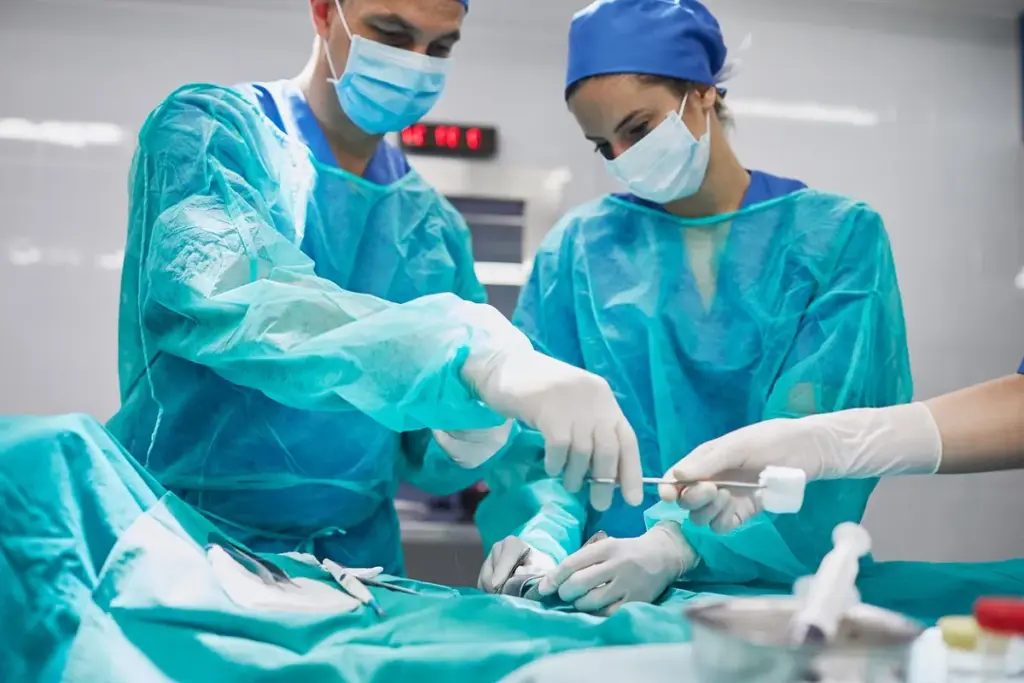
Neobladder surgery, also known as orthotopic neobladder reconstruction, is a complex procedure that involves creating a new bladder from a segment of the intestine. This surgery is often performed to treat bladder cancer or other conditions affecting the bladder.
By reconstructing the bladder, patients can maintain a more normal urinary function after bladder removal. The procedure is closely related to other urinary tract surgeries, such as urethral reconstruction and urethra surgery. Understanding the process of recovery from bladder reconstruction is crucial for patients undergoing neobladder surgery.
The recovery process involves several stages, from immediate postoperative care to long-term rehabilitation. Patients may also undergo urethroplasty or other related surgeries to ensure optimal urinary function.
Key Takeaways
- Neobladder surgery involves creating a new bladder from a segment of the intestine.
- The procedure helps maintain normal urinary function after bladder removal.
- Recovery involves several stages, including postoperative care and rehabilitation.
- Patients may undergo related surgeries, such as urethroplasty.
- Understanding the recovery process is crucial for patients undergoing neobladder surgery.
What is a Neobladder?

Neobladder reconstruction is a sophisticated surgical technique that involves creating a new bladder from intestinal tissue. This procedure is typically considered for patients who have undergone or are about to undergo removal of their native bladder due to conditions such as bladder cancer. The neobladder is designed to store urine, allowing patients to urinate more naturally compared to other forms of urinary diversion.
Definition and Purpose
A neobladder is essentially a new bladder constructed from a segment of the patient’s intestine. The primary purpose of this surgical reconstruction is to provide a reservoir for urine that can be emptied through the urethra, thus maintaining a more natural process of urination. This can significantly impact a patient’s quality of life, offering a more normal lifestyle post-surgery.
The creation of a neobladder is particularly beneficial for patients undergoing radical cystectomy due to bladder cancer or other diseases. By reconstructing the bladder, patients can potentially regain a more normal urinary function, which is a significant aspect of their overall recovery and well-being.
Surgical Procedure Overview
The surgical procedure for creating a neobladder involves several complex steps. Initially, a segment of the intestine is isolated and then reconfigured into a pouch that will act as the new bladder. This pouch is then connected to the urethra, allowing for the normal passage of urine. The procedure requires precise surgical techniques, including potentially ureteroplasty to ensure the proper connection of the ureters to the neobladder.
During the surgery, the surgeon must carefully consider the patient’s anatomy and the specifics of their condition, such as the presence of any urethral stricture that might affect the outcome. The goal is to create a functional neobladder that will improve the patient’s quality of life and minimize potential complications related to urinary diversion.
Reasons for Neobladder Reconstruction

Neobladder reconstruction surgery is performed for various medical reasons, primarily focusing on restoring urinary function. This complex procedure is considered for patients who have specific urological conditions that significantly impact their quality of life.
The primary reasons for undergoing neobladder reconstruction include treating bladder cancer and managing congenital anomalies. Each of these conditions presents unique challenges that may necessitate the reconstruction of the bladder to restore normal urinary function as much as possible.
Treating Bladder Cancer
Bladder cancer is one of the primary reasons for neobladder reconstruction. When the cancer is invasive, a cystectomy (removal of the bladder) may be necessary. In such cases, neobladder reconstruction offers a viable option for patients by creating a new bladder from a segment of the intestine. This procedure not only aims to remove the cancerous tissue but also to restore the patient’s urinary function.
“The goal of neobladder reconstruction in bladder cancer patients is to provide a continent urinary diversion, improving the quality of life post-cystectomy.”
An Urologist
Patients undergoing neobladder reconstruction for bladder cancer will typically undergo a comprehensive evaluation to determine their suitability for the procedure. Factors such as the stage of cancer, overall health, and the potential for maintaining urinary continence are considered.
Managing Congenital Anomalies
Congenital anomalies, such as bladder exstrophy, are another significant reason for neobladder reconstruction. These conditions can lead to significant urinary dysfunction and may require surgical intervention early in life. Neobladder reconstruction can help manage these conditions by improving urinary continence and overall bladder function.
The surgical approach for managing congenital anomalies through neobladder reconstruction involves a detailed preoperative evaluation and planning. This may include imaging studies and urodynamic tests to assess the current bladder function and determine the best surgical strategy.
|
Condition |
Surgical Considerations |
Potential Outcomes |
|---|---|---|
|
Bladder Cancer |
Cystectomy followed by neobladder reconstruction |
Restoration of urinary function, improved quality of life |
|
Congenital Anomalies (e.g., Bladder Exstrophy) |
Reconstruction to improve continence and bladder function |
Improved urinary continence, reduced risk of complications |
In conclusion, neobladder reconstruction is a critical surgical option for patients with specific urological conditions. By understanding the reasons behind this procedure, patients can make informed decisions about their care.
Preoperative Preparation for Neobladder Surgery
The journey to a successful neobladder surgery begins with comprehensive preoperative preparation, including medical evaluations and lifestyle modifications. This preparation is crucial for assessing the patient’s overall health and suitability for the procedure, thereby optimizing the chances of a successful outcome.
Medical Evaluations
Before undergoing neobladder surgery, patients are required to undergo a series of medical evaluations. These assessments are designed to evaluate the patient’s health status and identify any potential risks associated with the surgery.
- Imaging Studies: Techniques such as CT scans or MRI may be used to provide detailed images of the bladder and surrounding structures.
- Blood Tests: These are conducted to assess the patient’s blood chemistry, detect any infections, and evaluate overall organ function.
- Other Diagnostic Tests: Additional tests may be performed to assess the patient’s urinary function and overall health.
These medical evaluations play a critical role in planning the surgery and ensuring that the patient is adequately prepared for the procedure.
Lifestyle Adjustments
In addition to medical evaluations, patients are often advised to make certain lifestyle adjustments to improve their overall health and reduce the risk of complications during and after surgery.
|
Lifestyle Change |
Benefit |
|---|---|
|
Quitting Smoking |
Reduces the risk of respiratory and cardiovascular complications during surgery. |
|
Improving Nutrition |
Enhances wound healing and overall recovery. |
|
Increasing Physical Activity |
Improves cardiovascular health and reduces the risk of postoperative complications. |
By making these lifestyle adjustments, patients can significantly improve their chances of a successful surgery and a smoother recovery.
The Neobladder Surgery Process
The neobladder surgery process is a multifaceted operation that requires precision and expertise. This complex procedure involves several critical steps to restore normal urinary function.
Surgical Steps
The neobladder surgery involves a series of intricate steps. First, the original bladder is removed, a process known as cystectomy. Following this, a segment of the intestine is isolated and reconfigured to form the neobladder. This newly formed bladder is then connected to the urethra, enabling patients to urinate normally.
The reconstruction of the urethra, if necessary, is also a critical part of the surgery. This ensures that the urethra is properly aligned and functional, facilitating normal urination post-surgery.
Surgery Duration
The duration of neobladder surgery can vary significantly, typically ranging from 4 to 6 hours or more, depending on the complexity of the case and the surgical team’s expertise.
|
Surgical Step |
Description |
Duration |
|---|---|---|
|
Cystectomy |
Removal of the original bladder |
1-2 hours |
|
Neobladder Creation |
Reconfiguration of intestinal segment into neobladder |
2-3 hours |
|
Urethral Connection |
Connecting neobladder to urethra |
1 hour |
Immediate Postoperative Care
The immediate postoperative period following neobladder surgery is crucial for a successful recovery.
After neobladder surgery, patients are closely monitored in the hospital for several days to a week. This period is critical for managing postoperative complications and ensuring a smooth recovery. The care received during this time lays the foundation for the patient’s overall healing process.
Hospital Stay Expectations
The length of hospital stay can vary depending on the individual’s health and the complexity of the surgery. Generally, patients can expect to stay in the hospital for 7 to 10 days.
During this time, healthcare professionals closely monitor the patient’s condition, manage pain, and watch for any signs of complications. Patients who have undergone procedures like urethra reconstruction or meatoplasty urethra may require closer observation due to the complexity of their surgery.
Pain Management Strategies
Effective pain management is a key aspect of postoperative care. Various strategies are employed to minimize discomfort, including medication, alternative therapies like relaxation techniques, and in some cases, procedures such as ureteral stenting to reduce ureteral obstruction risk.
Patients undergoing ureterplasty or urethral reroute may require specific pain management approaches tailored to their surgical needs. Understanding these strategies can help patients prepare for their recovery.
|
Pain Management Strategy |
Description |
Applicability |
|---|---|---|
|
Medication |
Use of analgesics to control pain |
Commonly used postoperatively |
|
Relaxation Techniques |
Methods like deep breathing, meditation to reduce stress |
Useful for all patients |
|
Ureteral Stenting |
Placement of stents to ensure ureteral patency |
Often used in ureteral surgeries |
In some cases, a cut in urethra may be necessary during surgery, and managing the postoperative care for such procedures is crucial for preventing complications.
Recovery Timeline After Neobladder Surgery
The recovery process following neobladder surgery is a complex journey that involves several stages, each with its own challenges and milestones. Understanding what to expect during this period can significantly impact a patient’s ability to manage their recovery effectively.
Initial Recovery (Days 1-7)
The initial recovery phase, typically spanning the first week after surgery, is a critical period where patients are closely monitored in the hospital. This stage is crucial for managing postoperative pain, monitoring for any complications, and ensuring that the patient is stable enough for discharge.
During the first few days, patients can expect to experience discomfort, fatigue, and limitations in their mobility. Pain management is a priority, and healthcare providers will administer appropriate medication to keep pain levels manageable. Monitoring for potential complications such as infection or urinary stricture is also a key aspect of this phase.
- Patients will have catheters and possibly drains in place to facilitate healing and monitor output.
- Nursing staff will assist with basic care needs, including mobility and hygiene.
- Healthcare providers will closely monitor the patient’s overall condition, adjusting care plans as necessary.
Transition to Home Care
As patients progress through their initial recovery, they are eventually discharged to continue their recovery at home. This transition marks a significant step towards regaining independence. However, it’s essential for patients and their caregivers to understand the necessary steps for continued care.
Key aspects of home care include:
- Managing pain effectively through medication and other strategies.
- Monitoring for signs of complications, such as infection or issues related to the neobladder.
- Gradually increasing mobility and activity levels as advised by healthcare providers.
|
Recovery Stage |
Key Activities |
Care Considerations |
|---|---|---|
|
Initial Recovery (Days 1-7) |
Rest, pain management, monitoring for complications |
Hospital care, nursing assistance |
|
Transition to Home Care |
Continued pain management, gradual increase in mobility |
Self-care, monitoring for complications, follow-up appointments |
Understanding the recovery timeline and being prepared for the different stages can significantly ease the process for patients undergoing neobladder surgery. By closely following the guidance of healthcare providers and being aware of potential issues such as scarring in the urethra or the need for urethra stretching surgery, patients can navigate their recovery more effectively.
Long-Term Recovery and Rehabilitation
Long-term recovery and rehabilitation are crucial for patients who have undergone neobladder surgery. This phase is characterized by a gradual return to normal activities, with a focus on regaining strength and managing potential complications.
Physical Activity and Exercise
Physical activity plays a vital role in the recovery process. Patients are encouraged to start with gentle exercises such as walking or pelvic floor exercises (like Kegels) to improve bladder control and overall physical health. It’s essential to follow a healthcare provider’s recommendations regarding the intensity and frequency of exercise to avoid overexertion.
As patients progress, they can gradually incorporate more strenuous activities into their routine. However, it’s crucial to listen to the body and rest when needed. Activities that cause discomfort or pain should be avoided until further guidance from a healthcare provider.
Dietary Recommendations
Dietary adjustments are also a key component of long-term recovery. Patients are advised to follow a balanced diet rich in nutrients to support healing and overall health. Adequate hydration is essential, and patients should drink plenty of water unless otherwise directed by their healthcare provider.
Some foods may cause irritation or affect the neobladder’s function. Patients are encouraged to keep a food diary to track any foods that cause discomfort or other issues, allowing them to make informed dietary choices. Consulting with a nutritionist or healthcare provider can provide personalized dietary advice tailored to the patient’s specific needs.
Incorporating these lifestyle adjustments can significantly impact the success of the neobladder surgery and the patient’s quality of life. By focusing on physical activity, exercise, and dietary recommendations, patients can navigate the long-term recovery and rehabilitation process more effectively.
Potential Risks and Complications
Understanding the potential risks and complications associated with neobladder reconstruction is crucial for patients considering this surgery. As with any major surgical procedure, there are risks involved that can impact recovery and long-term health outcomes.
Common Post-Surgical Issues
After neobladder reconstruction surgery, patients may experience several common post-surgical issues. These can include:
- Infection: As with any surgery, there’s a risk of infection with neobladder reconstruction.
- Leakage: Some patients may experience leakage from the neobladder, which can require additional treatment.
- Urinary Incontinence: Managing urinary incontinence is a significant aspect of post-surgical care.
Procedures like surgical fixation of the urethra and urethral stricture operation may be necessary to address some of these complications. For instance, a urethral stricture operation can help alleviate issues related to the narrowing of the urethra.
Long-Term Outcomes
The long-term outcomes after neobladder reconstruction surgery can vary significantly among patients. While some may experience excellent urinary function, others may face ongoing challenges that require management.
Surgeries such as ureter reconstruction surgery and urethromeatoplasty might be part of the long-term management plan for some patients. It’s essential for patients to understand that life after urethroplasty or similar surgeries can involve adjustments to daily routines and ongoing medical follow-up.
“The key to successful recovery from neobladder reconstruction surgery lies in understanding the potential complications and being prepared to manage them effectively.”
– Expert in Urology
By being aware of the potential risks and complications, patients can make informed decisions about their care and work closely with their healthcare providers to achieve the best possible outcomes.
Follow-Up Appointments and Monitoring
After neobladder surgery, follow-up appointments play a crucial role in ensuring a smooth recovery. These visits allow healthcare providers to monitor the patient’s progress, address any complications, and provide guidance on managing urinary function.
Importance of Regular Check-ups
Regular check-ups are vital for several reasons. They enable healthcare providers to assess the healing process, check for any signs of complications, and make necessary adjustments to the treatment plan. Patients who have undergone urethral reconstruction or urethroplasty require careful monitoring to ensure the success of the surgery.
During these visits, patients can expect their healthcare provider to perform various tests and examinations to evaluate their condition. This may include imaging studies, urine tests, and physical examinations to assess the function of the neobladder.
What to Expect During Visits
During follow-up appointments, patients can expect their healthcare provider to review their overall health, check for any signs of complications, and provide guidance on managing their condition. The frequency of these visits may vary depending on the individual’s needs and the complexity of the surgery.
- Patients will typically undergo a physical examination to assess the healing process.
- Imaging studies, such as ultrasound or CT scans, may be performed to evaluate the neobladder and urinary tract.
- Urine tests will be conducted to check for any signs of infection or other complications.
By attending regular follow-up appointments, patients can ensure that any potential issues are identified and addressed promptly, reducing the risk of long-term complications.
Emotional and Psychological Aspects of Recovery
After neobladder surgery, patients often face a complex recovery process that includes not just physical healing but also emotional and psychological adjustments. Navigating these changes can be challenging, but understanding what to expect can help.
Coping with Changes
Coping with the changes after neobladder surgery involves several strategies. Patients may experience a range of emotions, from anxiety to depression, as they adjust to their new condition. Seeking support from healthcare providers, family, and friends is crucial during this period. Here are some ways to cope:
- Maintaining open communication with your healthcare team about your emotional state.
- Engaging in support groups where you can share your experiences with others who have undergone similar surgeries.
- Practicing relaxation techniques such as meditation or deep breathing exercises.
Seeking Support
Seeking support is a vital aspect of recovery. This can come in various forms, including professional counseling, support groups, and online resources. It’s essential to acknowledge that seeking help is a sign of strength, not weakness. Patients can also benefit from:
- Family and friends who can provide emotional support and help with daily tasks.
- Online forums and communities where individuals share their experiences and advice.
- Professional counseling to address specific emotional or psychological challenges.
In some cases, patients may experience complications such as urethral stricture or issues related to urethra operation, which can impact their emotional state. Understanding these potential complications and discussing them with healthcare providers can help in managing expectations and reducing anxiety.
Living with a Neobladder
Adjusting to life with a neobladder requires patience, understanding, and a commitment to maintaining overall health and wellness. Patients who undergo urethroplasty surgery or reconstruction of the urethra must learn to manage their urinary function effectively.
Adjusting to New Circumstances
Daily life adjustments are crucial for individuals with a neobladder. This includes making dietary changes, practicing good hygiene, and being mindful of fluid intake. Understanding the implications of surgical incision of the urethra and how it affects urinary function is vital.
Health and Wellness Strategies
Managing health and wellness involves regular follow-up appointments with healthcare providers, monitoring for potential complications related to urethraplasty, and adopting a healthy lifestyle. Patients should be aware of the signs of urethral stricture operation and seek medical attention if they experience any unusual symptoms.
By understanding the needs and implications of having a neobladder, individuals can better navigate their new circumstances and improve their quality of life.
FAQ
What is a neobladder, and how is it created?
A neobladder is a surgically constructed bladder made from a portion of the intestine. The surgical procedure involves isolating a segment of intestine, reconfiguring it into a pouch, and connecting it to the urethra, allowing for more natural urination.
What is urethroplasty, and is it related to neobladder surgery?
Urethroplasty is a surgical procedure for repairing or reconstructing the urethra, often performed to treat urethral stricture or other conditions. While it’s a different procedure, it can be related to neobladder surgery in cases where urethral reconstruction is necessary.
What are the potential complications of neobladder surgery?
Potential complications of neobladder surgery include infection, leakage, urinary incontinence, and other issues related to the surgery and the creation of a new bladder.
How long does it take to recover from neobladder surgery?
The recovery timeline after neobladder surgery varies, but patients typically spend several days to a week in the hospital and several weeks to months recovering at home.
What lifestyle adjustments are necessary after neobladder surgery?
Patients are often advised to make lifestyle adjustments, including quitting smoking, improving nutrition, and increasing physical activity, to ensure a smooth recovery and minimize complications.
How is urinary function managed after neobladder surgery?
Managing urinary function after neobladder surgery involves learning to empty the neobladder regularly, making dietary adjustments, and potentially using medications or other interventions to maintain continence.
What is the significance of follow-up appointments after neobladder surgery?
Follow-up appointments are crucial for monitoring the patient’s recovery, addressing any complications, and providing guidance on managing urinary function and overall health.
Can a damaged urethra heal itself?
In some cases, minor urethral damage may heal on its own, but more significant damage or conditions like urethral stricture often require medical intervention, such as urethroplasty.
What is the difference between a neobladder and a natural bladder?
A neobladder is a surgically created bladder made from intestinal tissue, whereas a natural bladder is the native organ. While a neobladder can mimic some functions of a natural bladder, there are differences in terms of anatomy and potentially in urinary function.
Are there any dietary recommendations after neobladder surgery?
Yes, dietary recommendations are provided to ensure proper nutrition and minimize complications. These may include avoiding certain foods, staying hydrated, and potentially taking supplements.
Reference
National Center for Biotechnology Information. Evidence-Based Medical Insight. Retrieved from https://pmc.ncbi.nlm.nih.gov/articles/PMC3635617/