
Kidney surgery has made big strides in recent years. Choosing the right approach – front or back – is key. This choice depends on the patient’s health and the surgery needed.
Having kidney surgery can be scary. A nephrectomy, or removing a kidney, is common. Surgeons pick between open or minimally invasive methods. They also decide on a front or back incision based on the case.
Key Takeaways
- The approach to kidney surgery depends on several factors, including the patient’s condition.
- Nephrectomy can be performed using various surgical techniques.
- The choice between a front or back incision is made based on the individual case.
- Minimally invasive techniques are increasingly common in kidney surgery.
- Understanding the surgical approach can help alleviate patient concerns.
Understanding Kidney Surgery: An Overview
It’s important for patients to understand kidney surgery, like nephrectomy. This surgery is performed for various reasons; understanding kidney function is essential for health.
Common Reasons for Kidney Surgery
Kidney surgery is needed for several reasons. Here are a few:
- Kidney Cancer: Tumors in the kidney may need a kidney removal, called a nephrectomy.
- Kidney Damage: Serious injury or damage to the kidney might need surgery.
- Kidney Disease: Advanced kidney disease might mean removing a non-working kidney.
The Role of Kidneys in the Body
Kidneys are very important for our health. They do several key things:
- They filter waste from the blood.
- They help control blood pressure.
- They make hormones for red blood cells.
Knowing how vital kidneys are shows why surgery is sometimes needed. A nephrectomy definition is more than just removing a kidney. It’s about keeping the patient’s quality of life good after surgery.
What is a Nephrectomy?
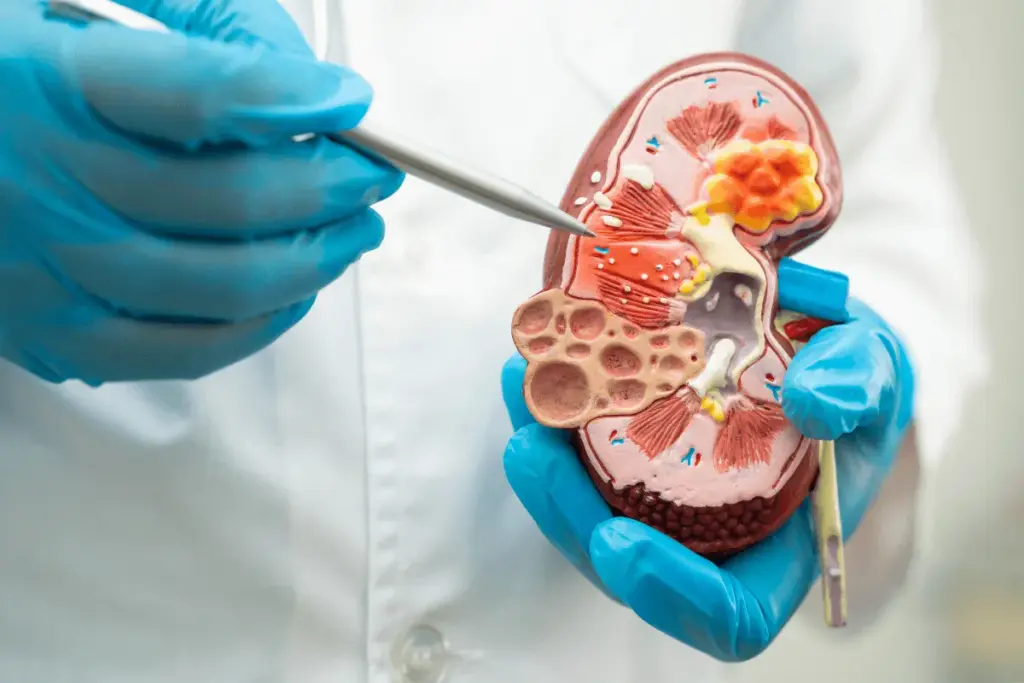
For those with kidney disease or injury, a nephrectomy might be needed. It’s a surgery to remove one or both kidneys. This can be scary, but knowing why and what it involves is key.
Definition and Purpose
A nephrectomy treats kidney cancer, severe damage, or other diseases. Its main goal is to remove the bad kidney. This improves health and stops more problems. There are different types of nephrectomy procedures, each with its own reasons and benefits.
Partial nephrectomy removes just the bad part of the kidney. Radical nephrectomy takes out the whole kidney and nearby tissues if needed.
When is Nephrectomy Necessary?
Nephrectomy is needed when other treatments fail. Doctors decide after careful evaluation. Common reasons include kidney cancer, severe damage, and genetic conditions.
Types of Kidney Conditions Requiring Surgery
Many kidney issues might need surgery. These include:
- Kidney cancer (renal cell carcinoma)
- Severe kidney damage or injury
- Polycystic kidney disease (PKD)
- Kidney stones causing infections or blockages
- Other rare conditions like cysts or benign tumors
The table below shows the different nephrectomy types and when they’re used:
|
Type of Nephrectomy |
Description |
Indications |
|---|---|---|
|
Partial Nephrectomy |
Removes the diseased part of the kidney |
Kidney cancer, benign tumors, small kidney stones |
|
Radical Nephrectomy |
Removes the whole kidney and nearby tissues |
Advanced kidney cancer, severe kidney damage |
|
Nephroureterectomy |
Removes the kidney, ureter, and nearby tissues |
Cancer of the renal pelvis or ureter |
We hope this info helps patients understand nephrectomy and its reasons. Our goal is to support informed healthcare decisions.
Types of Nephrectomy Procedures

There are many types of nephrectomy procedures. Each one has its own reasons for use and benefits. The right procedure depends on the patient’s condition, the kidney disease, and the surgeon’s skills.
Radical Nephrectomy
Radical nephrectomy removes the whole kidney and nearby tissues. This includes the adrenal gland, lymph nodes, and parts of other organs. It’s usually done for kidney cancer.
Key aspects of radical nephrectomy include:
- Removal of the kidney and surrounding tissues
- Often used for kidney cancer
- Can be performed using open or minimally invasive techniques
Partial Nephrectomy
Partial nephrectomy, or kidney-sparing surgery, removes only the diseased part of the kidney. It keeps the healthy part. This is good for patients with small tumors or only one kidney.
The benefits of partial nephrectomy include:
- Preservation of kidney function
- Reduced risk of chronic kidney disease
- Less invasive than radical nephrectomy
Nephroureterectomy
Nephroureterectomy removes the kidney, ureter, and a part of the bladder. It’s for cancers in the upper urinary tract, like the renal pelvis or ureter.
Important aspects of nephroureterectomy:
- Involves removal of the kidney, ureter, and bladder cuff
- Used to treat upper urinary tract cancers
- Can be performed using laparoscopic or robotic techniques
Knowing about these nephrectomy procedures helps patients and families make better choices. Each procedure has its own benefits and risks. It’s important to talk about these with a healthcare provider.
Front Approach: Transperitoneal Nephrectomy
The front approach to nephrectomy, known as transperitoneal nephrectomy, is a surgical method. It accesses the kidney through the abdominal cavity. This technique is widely used for both open and laparoscopic nephrectomy procedures.
Procedure Overview
During a transperitoneal nephrectomy, the surgeon makes an incision in the abdomen to access the kidney. For laparoscopic nephrectomy, several small incisions are made. These allow for the insertion of surgical instruments and a camera.
The kidney is then carefully dissected and removed through one of the incisions.
Advantages of the Front Approach
The transperitoneal approach offers several advantages. It has a more familiar anatomy for surgeons, following the traditional open nephrectomy technique. It also provides a larger working space.
This can be beneficial in complex cases or when dealing with larger tumors.
Key Benefits:
- Familiar surgical anatomy
- Larger working space
- Flexibility for complex cases
When is the Front Approach Preferred?
The front approach is preferred in several scenarios. It is used when the patient has a large tumor or when there are concerns about lymph node involvement. It is also used in cases where a more extensive exploration of the abdominal cavity is necessary.
|
Scenario |
Reason for Front Approach |
|---|---|
|
Large Tumor |
Provides better access for tumor removal |
|
Lymph Node Concerns |
Allows for lymph node dissection |
|
Extensive Abdominal Exploration |
Enables thorough examination of the abdominal cavity |
Back Approach: Retroperitoneal Nephrectomy
The back approach to nephrectomy, known as retroperitoneal nephrectomy, offers a unique surgical perspective. This method involves accessing the kidney through the back, avoiding the abdominal cavity. We use this approach for certain patients, depending on their specific condition and overall health.
Procedure Overview
During a retroperitoneal nephrectomy, the surgeon makes incisions in the back to access the kidney. This approach allows us to remove the kidney without entering the peritoneal cavity, potentially reducing the risk of complications. The procedure can be performed using open surgery or minimally invasive techniques, including laparoscopic or robotic nephrectomy, depending on the patient’s needs and the surgeon’s expertise.
Advantages of the Back Approach
The retroperitoneal approach has several advantages. It can result in less postoperative pain and a quicker recovery for some patients, as it avoids the abdominal cavity. This method is beneficial for patients who have had previous abdominal surgery or certain anatomical conditions that make the front approach more challenging.
When is the Back Approach Preferred?
We prefer the retroperitoneal approach in specific situations. For instance, patients with a history of abdominal surgery or those with certain kidney conditions may benefit from this method. The retroperitoneal approach can also be advantageous when a nephrectomy procedure needs to be performed urgently, as it can sometimes be less invasive and quicker.
In conclusion, the back approach to nephrectomy is a valuable surgical technique that offers several benefits for appropriately selected patients. By understanding the advantages and specific indications for retroperitoneal nephrectomy, we can provide personalized care that meets each patient’s unique needs.
How Surgeons Choose Between Front and Back Approaches
Choosing the right way to remove a kidney is a big decision. It depends on the patient’s body, the disease, and the surgeon’s skills. This choice is key to getting the best results for patients having a nephrectomy.
Patient-Specific Factors
Surgeons look at many things when deciding how to operate. They check the patient’s health, past surgeries, and body shape. For example, someone who has had surgery before might get a back approach to avoid problems.
They also think about the patient’s body shape and any unusual features. This helps them pick the safest and best way to operate for each person.
Disease-Specific Considerations
The type and size of the kidney disease matter too. Big tumors or tricky locations might need a front approach for better access.
But, if the disease is just in the kidney and there are no other issues, a back approach might be better. It could mean less pain and quicker recovery. The choice depends on the disease and the patient’s health.
Surgeon Experience and Preference
How skilled the surgeon is also plays a big part. More experienced surgeons might get better results. The surgeon’s comfort with each method also matters.
In the end, the decision is made with the patient in mind. They consider the patient’s needs, the disease, and the surgeon’s skills. This way, they can choose the best approach for each patient.
Knowing what affects the surgical choice helps patients prepare better. By picking the right method for each patient, we can improve care and outcomes.
Open Nephrectomy: Traditional Surgical Method
Open nephrectomy is a common surgery to remove a kidney. It’s often needed for kidney cancer or severe damage. This method uses a big incision to reach the kidney, allowing surgeons to do the needed work.
Procedure Details
The surgeon makes a big cut in the abdomen or side to get to the kidney. The size and where the cut is made can change based on the patient and the surgeon. The steps include:
- Making the incision and accessing the kidney
- Identifying and clamping the renal vessels
- Removing the diseased kidney
- Closing the incision
The exact steps can differ. It depends on whether it’s a radical nephrectomy, partial nephrectomy, or nephroureterectomy.
Recovery Expectations
Recovering from open nephrectomy takes time and can be a bit painful. Patients usually stay in the hospital for a few days to manage pain and watch for any problems. After surgery, care includes:
|
Recovery Aspect |
Expectations |
|---|---|
|
Hospital Stay |
Several days |
|
Pain Management |
Medications will be prescribed |
|
Activity Level |
Limited for several weeks |
Understanding the risks associated with nephrectomy is crucial. Following your surgeon’s advice can help avoid these risks.
Potential Complications
Open nephrectomy is usually safe, but there are risks. These include infection, bleeding, and reactions to anesthesia. Some might face long-term issues like changes in kidney function or hernias at the incision site.
“Understanding the risks and complications of nephrectomy is key for patients to make informed choices.”
— Expert Opinion
Talking to your healthcare provider about these risks is vital. It helps you understand how they might affect you.
Laparoscopic Nephrectomy: Minimally Invasive Option
Laparoscopic nephrectomy is changing kidney removal surgeries. It’s a less invasive method than traditional open surgery. This technique removes a kidney through small cuts, using a laparoscope for viewing.
How the Procedure Works
The surgery starts with general anesthesia to keep the patient comfortable. We make small cuts in the abdomen. Through these, we insert special tools and a laparoscope.
The laparoscope shows images on a monitor, guiding the team. After the kidney is freed, it’s put in a bag and taken out. We check for bleeding and close the cuts.
Benefits Over Open Surgery
Laparoscopic nephrectomy has many advantages over open surgery:
- Smaller Incisions: Less damage and trauma to the patient.
- Reduced Pain: Patients feel less pain after.
- Shorter Hospital Stay: Patients leave the hospital sooner.
- Faster Recovery: Patients get back to normal faster.
Recovery Timeline
Recovery times vary, but most are back to normal in 4-6 weeks. We guide patients with a care plan. This includes managing pain, follow-ups, and slowly getting back to activities.
Choosing laparoscopic nephrectomy means a modern, less invasive surgery. It improves the surgery and recovery experience for patients.
Robotic Nephrectomy: Advanced Surgical Technique
In recent years, robotic nephrectomy has become a leading-edge surgical method. It combines the benefits of minimally invasive surgery with the latest in robotic technology. This has greatly impacted urology, giving patients a modern option for kidney removal surgery.
The Technology Behind Robotic Surgery
Robotic nephrectomy uses a robotic system that gives surgeons better visualization, precision, and control. The system includes a console for the surgeon, a cart with robotic instruments, and a 3D vision system. This technology helps with more precise dissection and suturing, which can reduce blood loss and improve results.
Advantages for Patients and Surgeons
Robotic nephrectomy has many benefits for both patients and surgeons. For patients, these include:
- Smaller incisions, leading to less post-operative pain and scarring
- Lower risk of complications and infections
- Shorter hospital stays and quicker recovery times
- Less blood loss during surgery
For surgeons, the robotic system offers better dexterity and visualization. It also helps reduce surgeon fatigue during long procedures.
Who Qualifies for Robotic Nephrectomy
Not all patients qualify for robotic nephrectomy. The choice to have robotic surgery depends on several factors. These include the patient’s health, the kidney condition, and the surgeon’s opinion. Some medical conditions or previous surgeries may make this option unsuitable.
We assess each patient individually, looking at their needs and medical history. This helps us decide if robotic nephrectomy is the best treatment for them.
Preparing for Kidney Removal Surgery
Kidney removal surgery, or nephrectomy, needs careful preparation to reduce risks and speed up recovery. We’ll walk you through the steps to get ready for this big procedure.
Pre-Surgical Tests and Evaluations
Before the surgery, several tests and checks are done to look at your health and kidneys. These might include:
- Blood tests to check kidney function and overall health
- Imaging tests like CT scans or MRI to see the kidneys and nearby areas
- Urine tests to find infections or other issues
These tests help your healthcare team understand your situation better and plan the surgery.
Dietary and Medication Guidelines
You’ll need to follow certain diet and medication rules as part of your prep. Telling your doctor about any medicines you’re taking is very important, as some might need to change or stop before surgery. You might also be told to:
- Avoid eating or drinking for a while before surgery
- Stick to a specific diet to make sure you’re well-nourished before the procedure
Following these guidelines can greatly affect your recovery and results.
Mental Preparation
Getting ready for nephrectomy isn’t just about your body; your mind is also key. It’s okay to feel anxious or worried about the surgery. We suggest:
- Talking about your fears and worries with your healthcare team or a counselor
- Trying relaxation techniques like deep breathing or meditation
- Having a support system, like family or friends, to help you through this time
As one patient said,
“The more I knew, the less scared I felt. Knowing what was happening and having support made a big difference.”
By fully preparing for kidney removal surgery, you’re taking a big step towards a good outcome and easy recovery. If you have any worries or questions, don’t hesitate to talk to your healthcare provider.
What to Expect During Nephrectomy Surgery
Knowing what to expect during nephrectomy surgery is key. This surgery, where a kidney is removed, is done by a nephrologist or urologist. These doctors specialize in kidney care and surgery. A nephrologist is often called a “doctor of kidney.”
Anesthesia and Surgical Team
The surgery is done under general anesthesia, so you won’t feel pain. The team includes the surgeon, anesthesiologist, and nurses. They work together to remove the kidney through an incision.
Duration of the Procedure
The surgery’s length varies based on the case’s complexity and the approach. It usually takes 2 to 4 hours. The kidney’s size, location, and your health, along with the surgery type, affect the time.
|
Surgical Approach |
Average Duration |
Recovery Time |
|---|---|---|
|
Laparoscopic Nephrectomy |
2-3 hours |
1-2 weeks |
|
Open Nephrectomy |
3-4 hours |
4-6 weeks |
Immediate Post-Operative Care
After surgery, you’ll be in the recovery room. Here, you’ll be watched for any immediate issues. You might feel pain, nausea, or tiredness, which will be managed with medication and rest. The team will also check your kidney function and overall recovery.
Understanding nephrectomy surgery can ease your worries. It’s important to follow your doctor’s advice and ask questions. This ensures a smooth and successful surgery.
Recovery After Kidney Surgery
Knowing how to recover from kidney surgery is key to its success. Following your doctor’s post-operative instructions is vital. This ensures a smooth and effective healing process.
Hospital Stay Duration
The time you spend in the hospital after kidney surgery varies. It depends on the surgery type and your health. Laparoscopic or robotic nephrectomy patients usually stay 1 to 3 days. Open nephrectomy patients might stay 4 to 6 days or more.
Factors influencing hospital stay duration include:
- The complexity of the surgery
- The patient’s overall health and presence of any comorbidities
- The effectiveness of pain management
Pain Management
Managing pain is a big part of recovery. Good pain control makes you more comfortable and helps you recover faster. We use medicines and other methods to manage pain.
Pain management strategies may include:
- Oral pain medications
- Epidural anesthesia for post-operative pain relief
- Alternative methods such as relaxation techniques and breathing exercises
Activity Restrictions
It’s important to rest and gradually start doing activities again. This helps avoid complications and aids in healing. We give specific advice on what activities to avoid based on your surgery and health.
|
Activity |
Recommended Restriction Period |
|---|---|
|
Heavy lifting |
4-6 weeks |
|
Strenuous exercise |
6-8 weeks |
|
Driving |
1-2 weeks, depending on pain and medication use |
Return to Normal Life
When you can go back to your normal life after kidney surgery varies. Most people can start doing most things again in 6 to 12 weeks. But, it can take several months to fully recover and regain strength.
By understanding the recovery process and following your doctor’s advice, you can heal well and get back to your normal activities safely and quickly.
Potential Risks and Complications of Nephrectomy
Nephrectomy is a lifesaving surgery, but it comes with risks. These risks can affect your recovery and long-term health. It’s important to know what might happen.
Short-Term Complications
Short-term complications happen during or right after surgery. These include:
- Bleeding: Too much bleeding is a risk with any big surgery, like nephrectomy.
- Infection: There’s a chance of infection with nephrectomy, which antibiotics can help with.
- Injury to surrounding organs: The kidney is close to other important organs. There’s a chance of damage during surgery.
Long-Term Health Considerations
Long-term complications can show up after you’ve recovered. They can affect your quality of life. Some of these include:
- Chronic kidney disease: Losing a kidney can stress the one you have left. This might lead to chronic kidney disease.
- High blood pressure: Nephrectomy might raise your risk of high blood pressure or make it worse.
- Potential for hernia: The area where the incision was made might weaken. This can cause hernias in some people.
When to Contact Your Doctor
It’s key to know when to seek medical help right away. Look out for:
- Severe pain that doesn’t go away with pain meds.
- Signs of infection, like fever, chills, or redness and swelling around the incision.
- Difficulty urinating or other urinary issues that worry you.
Knowing about these risks and complications helps you prepare for nephrectomy. It also helps you understand what to expect during recovery. Always talk to your healthcare provider about any concerns or questions.
Living With One Kidney: Long-Term Outlook
Many people worry about living with one kidney after surgery. But, most can live active, healthy lives. It’s important to know what changes and checks are needed.
Lifestyle Adjustments
Patients with one kidney need to make lifestyle changes. This includes eating well, drinking plenty of water, and avoiding sports that could hurt the kidney. It’s also important to balance exercise with rest.
One patient said, “I had to change my daily life after surgery. I focused on my health and made sure to rest enough.” Making these changes is key for recovery.
Monitoring Kidney Function
Keeping an eye on kidney function is critical. Regular visits to the doctor include blood tests. It’s also important to watch for signs of kidney issues, like changes in urine or swelling.
- Regular blood pressure checks
- Annual blood tests to monitor kidney function
- Avoiding medications that can harm the kidneys
A doctor said, “To live well with one kidney, monitor it closely and live healthily.” This shows the importance of taking care of your health.
Do Kidneys Grow Back?
Patients often wonder if kidneys can grow back. The answer is no, but the remaining kidney can work harder. This helps keep kidney function good.
But, it’s vital to take care of the remaining kidney. This means making lifestyle changes and getting regular checks.
In summary, living with one kidney needs some changes and regular checks. But, many people live healthy, active lives after surgery. By understanding the needs and taking steps, you can have a good long-term outlook.
Conclusion: Making Informed Decisions About Kidney Surgery
Understanding kidney surgery is key to making good choices about your health. We’ve looked at nephrectomy, including different surgical ways. These include front and back approaches, open, laparoscopic, and robotic nephrectomy.
The right method depends on your health, kidney disease type, and the surgeon’s skill. Recovery times vary, with less invasive methods leading to shorter hospital stays and faster recovery.
Talking to your healthcare provider about your needs is vital. Knowing the pros and cons of each method helps you choose what’s best for you.
Being well-informed about nephrectomy and recovery empowers you. It ensures you get the best care for your health and well-being.
FAQ
What is a nephrectomy?
A nephrectomy is a surgery to remove a kidney or part of it. It treats kidney problems like cancer or damage. This surgery helps fix many kidney issues.
Why is kidney surgery sometimes necessary?
Kidney surgery, like nephrectomy, is needed for many reasons. It treats cancer, severe injury, or diseases that harm the kidney. The goal is to remove the bad part or the whole kidney if it’s too damaged.
Is kidney removal surgery done from the front or back?
Kidney removal surgery can be done from the front or back. The choice depends on the patient’s health and the surgeon’s plan. It also depends on the surgery’s needs.
What is the difference between a radical nephrectomy and a partial nephrectomy?
A radical nephrectomy removes the whole kidney and nearby tissues. A partial nephrectomy takes out just the bad part of the kidney. This way, more healthy tissue is saved.
What are the benefits of laparoscopic nephrectomy compared to open surgery?
Laparoscopic nephrectomy is a less invasive method. It has smaller cuts, less pain, and faster recovery. It also means shorter hospital stays compared to open surgery.
Can I live a normal life with one kidney?
Yes, living with one kidney is possible. Many people have a kidney removed and live healthy lives. It’s important to eat well and check your kidney health often.
Do kidneys grow back after removal?
No, kidneys cannot grow back after being removed. But, the remaining kidney can work harder. It’s key to take care of it with a good diet and regular health checks.
What are the possible risks and complications of nephrectomy?
Risks of nephrectomy include bleeding and infection. There’s also a chance of damage to nearby organs or bad reactions to anesthesia. Rarely, it can lead to kidney failure, but this is less likely if the other kidney is healthy.
How long does it take to recover from a nephrectomy?
Recovery time varies based on the surgery type and the person’s health. Most people spend a few days in the hospital. They may need weeks to fully recover and get back to normal.
What is robotic nephrectomy, and what are its advantages?
Robotic nephrectomy uses a robotic system to help the surgeon. It offers better precision, smaller cuts, less blood loss, and faster healing. These benefits make it better than traditional open surgery.
Reference
national institute of health (nih) https://pmc.ncbi.nlm.nih.gov/articles/PMC6174716/