

Today, surgeons use advanced anesthetic techniques and new ways to manage pain. For surgeries like nephrectomy, or kidney removal, these methods are key. They help keep patients comfortable and reduce pain after surgery.
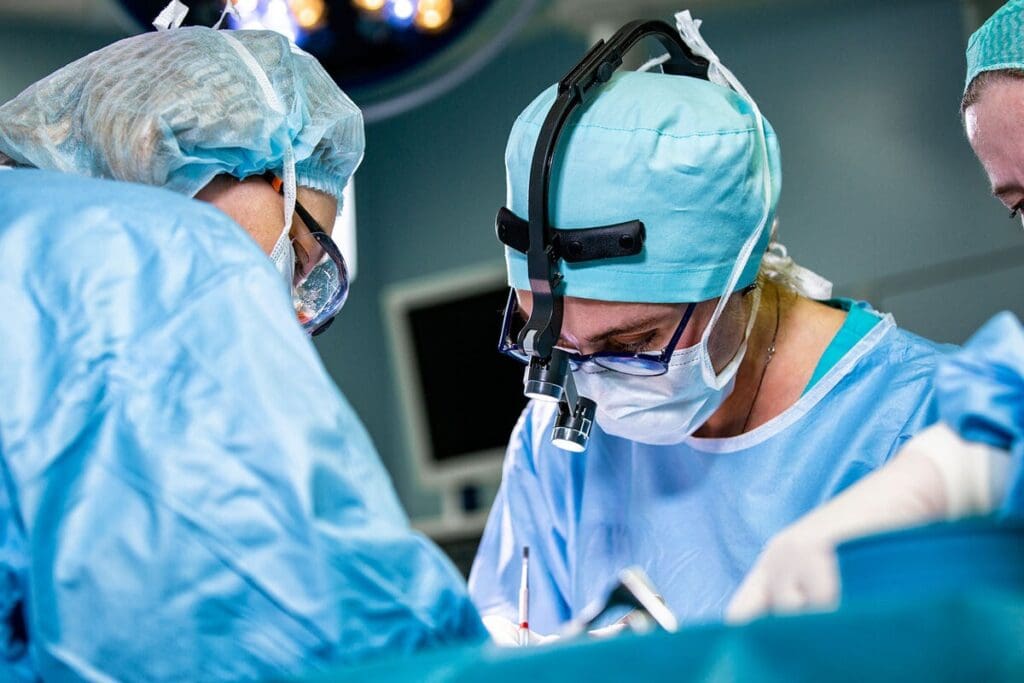
We use general anesthesia to keep patients asleep and pain-free. After surgery, we focus on treating pain and teaching patients how to manage it. Techniques like diaphragmatic breathing exercises help with discomfort and prevent problems.
Key Takeaways
- Advanced anesthetic techniques are used to minimize pain during surgery.
- Multimodal pain management strategies are employed to reduce postoperative pain.
- Non-pharmacological methods, such as diaphragmatic breathing exercises, are taught to patients.
- Early mobilization, like walking, is encouraged to promote healing and reduce complications.
- Personalized care plans are developed to address individual patient needs.
The Science of Surgical Pain Management
The science of managing pain during surgery is complex. It involves different methods to reduce pain during operations like radical nephrectomy. Good pain management is key to care during surgery. It affects how patients feel, recover, and are happy with their surgery.
Why Pain Control is Critical During Surgery
Pain control during surgery is very important. It makes patients more comfortable and less anxious. Studies show that over 80% of patients feel pain after surgery, with 39% saying it’s severe.
Good pain management can make recovery more comfortable. It also helps surgery go smoothly by reducing stress. For example, in nephroureterectomy, managing pain well can lower the chance of complications and speed up healing.
How Pain Perception Works During Medical Procedures
Pain perception during surgery is a complex process. It starts with the activation of nociceptors—special nerve endings that feel pain. These signals then go to the brain, where they are seen as pain.
Knowing how pain works is key to managing it. In surgeries like radical nephrectomy, doctors use general and regional anesthesia. They also use pain management plans after surgery to reduce pain.
5 Advanced Anesthetic Techniques Used by Surgeons
Surgeons use advanced anesthetic techniques to reduce pain in complex surgeries. These methods help ensure patient comfort and improve surgical results. We’ll look at the different types of anesthesia used today, their uses, and benefits.
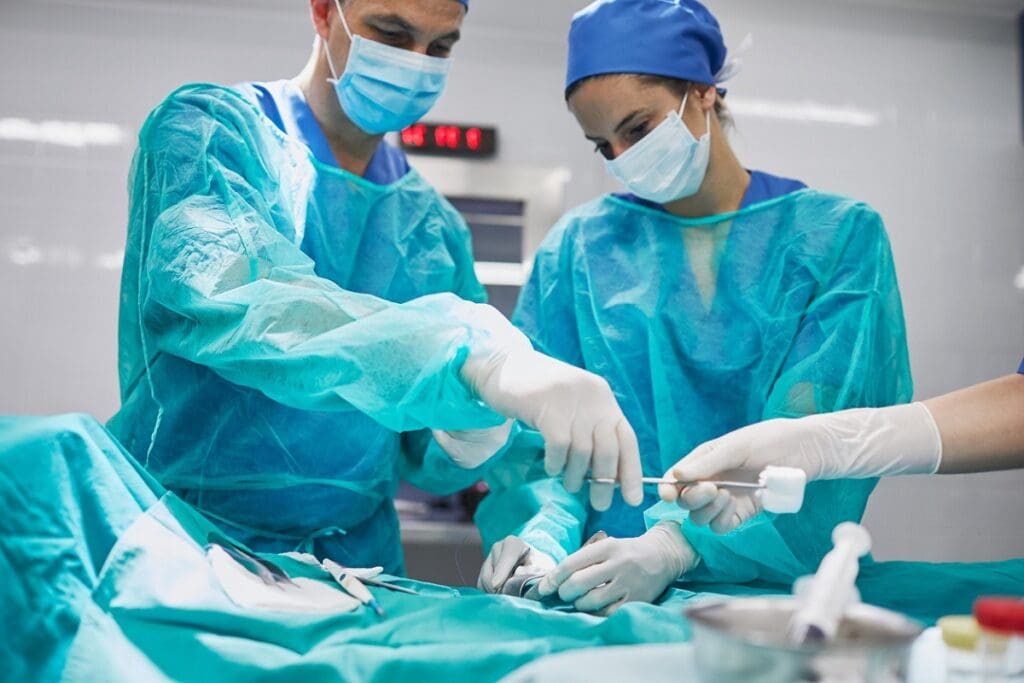
General Anesthesia: Complete Consciousness and Pain Suppression
General anesthesia makes patients completely unconscious and pain-free. It’s used for major surgeries. A mix of medications induces deep sleep, so patients don’t feel pain during the surgery.
It’s very useful for complex surgeries like kidney removal. In these cases, patients need to be completely comfortable and remain very calm.
Regional Anesthesia: Blocking Pain in Specific Body Areas
Regional anesthesia numbs a specific body area, blocking pain signals. It’s great for surgeries where the area is small, like some kidney surgeries. This method can reduce the need for general anesthesia and lower post-operative pain.
Local Anesthesia: Precise Pain Control for Minor Procedures
Local anesthesia numbs a small area for minor surgeries. It keeps patients awake and alert. This reduces risks from general anesthesia and is often used in outpatient settings for less invasive surgeries.
Monitored Anesthesia Care (MAC): Conscious Sedation Options
Monitored Anesthesia Care (MAC) provides conscious sedation. Patients are relaxed but can respond to commands. MAC is for procedures that don’t need general anesthesia but require some sedation for comfort.
It allows for quicker recovery times and is often paired with local anesthesia. These advanced anesthetic techniques have greatly improved surgical pain management. They offer surgeons various options to match anesthesia to each patient’s needs and the specific surgery. By choosing the right anesthesia, we can greatly improve patient care and outcomes in surgeries like partial nephrectomy and renalectomy.
Specialized Pain Control During Nephrectomy Procedures
Managing pain well is key during a nephrectomy, the removal of a kidney. This surgery is complex and invasive. We’ll look at the special pain issues it brings and how we control it to lessen discomfort.
Unique Pain Challenges in Kidney Removal Surgery
Nephrectomy, whether partial or total, causes a lot of pain after surgery. This is because it disrupts a lot of tissue and can damage nerves. The surgery type, open or minimally invasive, affects how we manage pain. Multimodal pain management strategies are used to tackle these challenges.
Nephrectomy: Amazing Pain Management Secrets
Epidural Analgesia for Nephrectomy Patients
Epidural analgesia is a top choice for pain control during and after nephrectomy. It sends pain relief directly to the spinal cord area. This method has been shown to lower pain levels and reduce opioid use, which helps avoid opioid side effects.
Transversus Abdominis Plane (TAP) Blocks for Kidney Surgery
TAP blocks involve injecting local anesthetic between the transversus abdominis muscle and the fascia below. This method helps with pain in the front of the abdomen from the incision. TAP blocks are great for nephrectomy patients, as they cut down on post-op pain and opioid use.
Patient-Controlled Analgesia Following Kidney Surgery
Patient-controlled analgesia (PCA) lets patients give themselves pain relief as needed. This method provides quick pain relief and boosts patient happiness. PCA is often paired with other pain management methods, like epidural analgesia or TAP blocks, to better manage pain after nephrectomy.
Using these advanced pain management strategies together can greatly reduce pain, lower opioid use, and shorten hospital stays. For example, using a mix of opioids, NSAIDs, local anesthetics, and non-drug methods like massage can cut pain scores by 20–30%, reduce opioid use by 25–40%, and shorten hospital stays by 1–2 days.
“Effective pain management is not just about reducing pain; it’s about improving the overall patient experience and outcomes.”
— Expert in Pain Management
As we keep improving our pain management, it’s clear that a mix of methods is essential for the best care for patients having nephrectomy.
Multimodal Pain Management Strategies
Multimodal pain management is changing how we handle surgical pain. It combines different medicines and methods. This way, doctors can help patients feel better after surgeries like nephrectomy.
Combining Medications for Enhanced Pain Relief
Using more than one medicine is key in this approach. It lets doctors use smaller amounts of each drug. This lowers the chance of side effects while keeping pain under control.
For example, mixing opioids with non-opioids works well. Most pain relief comes from injections. They are used a lot for quick pain help.
We mix drugs like acetaminophen, NSAIDs, and opioids to manage pain. This method helps control pain better and cuts down on opioid use. That’s important for recovery after surgery.
Drug Administration Routes and Their Effectiveness
The way drugs are given affects how well they work. Injections are common for quick relief. But, other ways like taking pills or epidural shots are used too. It depends on the patient and the surgery.
Epidural shots are great for nephrectomy patients. They help a lot with pain. Patient-controlled analgesia (PCA) lets patients give themselves medicine. It makes them feel better and happier.
Clinical Outcomes of Multimodal Approaches
Research shows multimodal pain management improves results. Patients feel less pain, have fewer complications, and stay in the hospital less. It also helps them recover faster and get back to their lives sooner.
For those having kidney surgery, like nephrectomy, managing pain is very important. Many wonder, “can you live with one kidney?” or “do kidneys grow back?” The answer to the first is yes, but kidneys don’t regrow. Knowing this helps with patient care and expectations.
7 Non-Pharmacological Pain Control Methods
As we move forward in surgery, new ways to control pain are key. These methods help patients feel better without drugs. They work alongside medicine to improve comfort and results.
Physical Interventions Before and During Surgery
Physical methods are important for pain control during surgery. Acupuncture and acupressure help lower pain and anxiety. Also, preoperative exercise programs boost physical function and cut down on pain after surgery.
During surgery, hypothermia management and gentle tissue handling by surgeons help. These steps reduce tissue damage and pain. They are very helpful for big surgeries, like nephrectomy (kidney removal).
Psychological Approaches to Pain Management
Psychological methods are also key in managing pain. Cognitive-behavioral therapy (CBT) and mindfulness meditation help patients deal with pain and anxiety. These methods are used before, during, and after surgery to improve results.
Also, patient education is very important. Teaching patients about surgery helps reduce fear and anxiety. This makes them feel less pain.
Technological Innovations in Surgical Pain Control
New technologies have greatly helped in pain control. Transcutaneous electrical nerve stimulation (TENS) and virtual reality (VR) are used to distract from pain or lessen it during minor surgeries.
Advances in surgical techniques, like minimally invasive surgery, also help. They cause less damage and result in less pain after surgery. These tech and surgical advances are key to modern pain management.
Conclusion: Advancements in Surgical Pain Management
Recent improvements in surgical pain management have greatly helped patients, even in complex surgeries like nephrectomy. Surgeons now use advanced anesthetic methods and various pain control strategies. This helps reduce pain during surgery.
Using different medicines and ways to give them has led to better pain relief. Techniques like epidural analgesia and TAP blocks are key in managing pain. These methods help patients feel less pain during and after surgery.
New approaches to pain management include physical and psychological methods. These non-medical interventions are becoming more common. They are changing how patients experience surgery, making recovery easier and faster.
Surgeons now focus on a complete pain management plan for each patient. This personalized care leads to better surgical results and a better quality of life for patients.
FAQ
Can you live with one kidney after a nephrectomy?
Yes, most people can live normal, healthy lives with one kidney. The remaining kidney works harder to make up for the loss.
What is a nephrectomy, and why is it performed?
A nephrectomy is a surgery to remove a kidney. It’s done for kidney cancer, severe damage, or other kidney issues.
What are the different types of nephrectomy procedures?
There are several types. These include radical nephrectomy (whole kidney removal), partial nephrectomy (part of the kidney removed), and nephroureterectomy (kidney and ureter removed).
How is pain managed during and after kidney surgery?
Pain management uses anesthetics, pain meds, and non-medical methods. These help reduce pain and aid in recovery.
What is the role of epidural analgesia in pain management after nephrectomy?
Epidural analgesia involves injecting pain meds into the epidural space. It provides effective pain relief after surgery.
Can kidneys regenerate or grow back after a nephrectomy?
No, kidneys cannot regenerate or grow back. But, the remaining kidney can work harder to make up for the loss.
What is the recovery process like after a nephrectomy?
Recovery varies by individual and surgery type. It includes hospital stay, pain management, and follow-up care for a smooth recovery.
Are there any long-term effects of having one kidney?
In most cases, having one kidney doesn’t greatly affect daily life. But, it’s key to live healthily and watch kidney function to avoid issues.
References
- Agency for Healthcare Research and Quality. (2021). Pain management in surgical patients: Guidelines and best practices. U.S. Department of Health and Human Services.https://www.ahrq.gov/patient-safety/resources/resources/pain-management.html

























