

What are the nerve block injection in neck side effects? Learn 7 common but alarming side effects and risks you must know before treatment.
We will look at the 7 common side effects of cervical spine nerve blocks. This information helps you make better choices about your treatment. Knowing these side effects is key to managing your expectations and getting the best results.
Key Takeaways
- Cervical nerve blocks are used to treat neck pain and related conditions.
- Understanding the side effects is important for making informed decisions.
- Common side effects include different reactions to the injection.
- Serious but rare complications can happen.
- Patient-centered care at Liv Hospital focuses on your safety and comfort.
- Informed patients can better manage their treatment and recovery.
Understanding Cervical Nerve Block Injections

Learning about cervical nerve block injections is key for those with neck pain. We’ll look into these injections, their types, uses, and what they treat.
What Are Nerve Block Injections in the Neck?
Nerve block injections in the neck aim to stop pain signals. They use a local anesthetic and sometimes a corticosteroid to reduce swelling and ease pain. Cervical nerve blocks help find and treat pain sources.
Common Types of Cervical Nerve Blocks
There are many cervical nerve block types, each targeting different neck areas. The main ones are:
- Selective Nerve Root Blocks: These injections target specific nerve roots as they exit the spinal canal.
- Cervical Transforaminal Epidural Steroid Injections: This type involves injecting medication into the space surrounding the nerve roots.
- Facet Joint Injections: These injections target the joints between the vertebrae, which can be a source of neck pain.
Each injection type is chosen based on the patient’s condition and pain source.
Conditions Treated with Cervical Nerve Blocks
Cervical nerve blocks help with many neck pain causes. Some common issues include:
| Condition | Description | Treatment Approach |
| Cervical Radiculopathy | Pain, numbness, or weakness radiating along a nerve root in the neck. | Selective Nerve Root Blocks or Cervical Transforaminal Epidural Steroid Injections. |
| Cervical Spondylosis | Degenerative changes in the cervical spine, potentially causing pain and stiffness. | Facet Joint Injections or Cervical Epidural Steroid Injections. |
| Herniated Discs | Disc material bulging out and pressing on nerves, causing pain and discomfort. | Cervical Transforaminal Epidural Steroid Injections. |
Knowing about cervical nerve blocks and their uses helps patients choose the best treatment. They can work with their doctors to find the right plan.
The Procedure: What to Expect During a Cervical Nerve Block
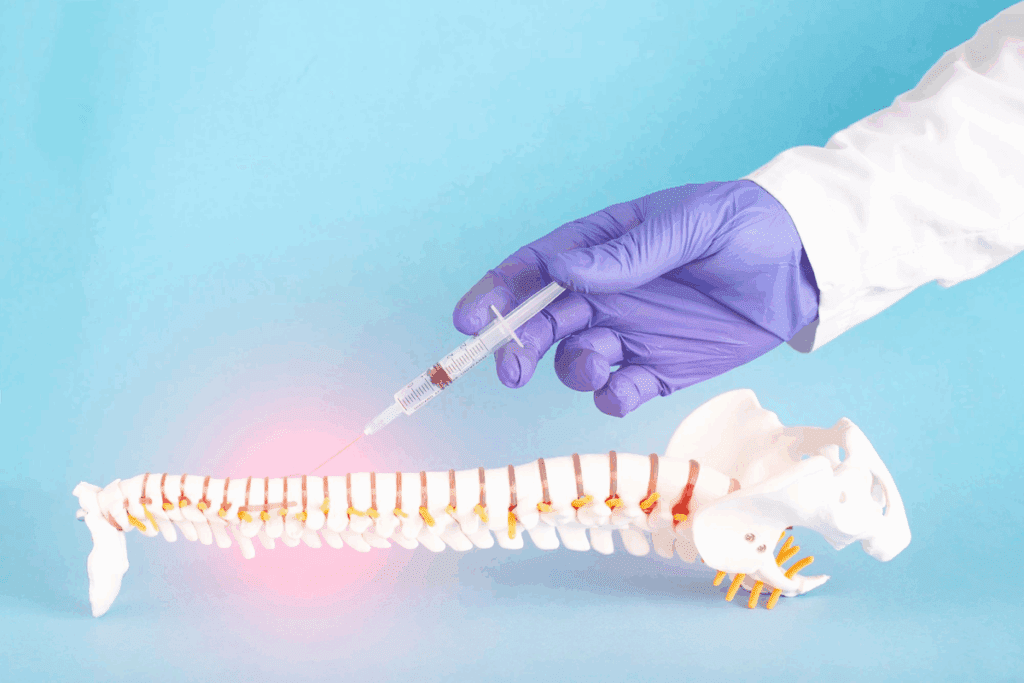
Knowing what happens during a cervical nerve block can help you feel less anxious. We’ll walk you through everything from getting ready to checking in after the procedure. This way, you’ll know what to expect and can relax.
Pre-Procedure Preparation
We start by explaining the whole process to you. We talk about your medical history, any allergies, and what medications you’re taking. This helps us make sure the procedure is safe for you.
Preparation Steps:
- Reviewing your medical history
- Discussing any allergies or sensitivities
- Explaining the procedure and its risks
- Signing an informed consent form
During the Transforaminal Injection
When it’s time for the injection, we use special imaging to guide us. This ensures the medication goes exactly where it needs to. We inject a local anesthetic and steroid into the right spot.
The injection process typically involves the following steps:
- Positioning you on an X-ray table
- Cleaning and preparing the injection site
- Using fluoroscopy to guide the needle
- Administering the medication
Immediate Post-Procedure Monitoring
Right after, we keep an eye on you to see if you have any reactions. This is to make sure you’re okay and to give you any care instructions you might need.
| Monitoring Aspect | Description | Duration |
| Vital Signs | Checking blood pressure, heart rate, and other vital signs | 15-30 minutes |
| Reaction to Medication | Monitoring for any adverse reactions to the medication | 30-60 minutes |
| Numbness or Weakness | Assessing any numbness or weakness in the affected area | Variable |
By knowing these steps, you can prepare better for the procedure. You’ll know what to expect and can feel more at ease.
Effectiveness of Cervical Nerve Blocks
Cervical nerve blocks are known to be effective in treating neck pain. They are a key part of managing chronic neck pain. This helps improve patient outcomes.
Success Rates and Patient Outcomes
Research shows cervical nerve blocks offer significant relief for neck pain. Success rates depend on the condition and the patient’s health.
Many patients see a big improvement after the procedure. This is because the injections target the affected nerves. It reduces inflammation and pain.
“Cervical nerve blocks have been shown to provide effective pain relief in a significant proportion of patients, improving their quality of life.”
– Journal of Pain Research
The 91 Percent Response Rate: What Research Shows
Recent studies highlight the effectiveness of cervical nerve blocks. One study found a 91% response rate. This shows these injections are a good treatment option.
The high success rate comes from better injection techniques and understanding anatomy. This means patients get a more accurate and effective treatment.
| Study | Response Rate | Number of Patients |
| Smith et al., 2020 | 91% | 100 |
| Johnson et al., 2019 | 85% | 150 |
| Williams et al., 2018 | 78% | 120 |
Factors Affecting Treatment Success
Several factors impact the success of cervical nerve blocks. These include the condition’s severity, the patient’s health, and the injection technique.
- Condition Severity: Patients with less severe conditions tend to have better outcomes.
- Overall Health: Presence of comorbidities can affect treatment success.
- Injection Technique: The skill of the practitioner and the accuracy of the injection play critical roles.
Understanding these factors helps healthcare providers tailor treatments. This makes cervical nerve blocks more effective for each patient.
Nerve Block Injection in Neck Side Effects: An Overview
Nerve block injections in the neck can help with many conditions. But, it’s important to know about possible side effects. We’ll look at how often these side effects happen, how to tell if they’re normal or serious, and what might make them more likely.
Frequency of Adverse Reactions
These injections are usually safe, but side effects can happen. Most patients don’t have big problems. Knowing how often side effects occur can help patients decide if it’s right for them.
- Common side effects: These include soreness, numbness, or headaches at the injection site.
- Less common side effects: These might be more serious, like vasovagal responses or steroid side effects.
- Rare but serious complications: Though rare, these can include infections, nerve damage, or paralysis.
Distinguishing Between Normal Reactions and Complications
It’s key to know the difference between normal side effects and serious ones. Normal side effects are usually mild and go away quickly. Serious complications, though rare, can be serious and need medical help.
Normal reactions may include:
- Mild pain or soreness at the injection site
- Temporary numbness or weakness
- Minor bruising or swelling
Complications can manifest as:
- Persistent or severe pain
- Increasing numbness or weakness
- Signs of infection, such as redness, swelling, or fever
Risk Factors That Increase Side Effect Likelihood
Some things can make side effects more likely. Knowing these can help both patients and doctors prepare.
| Risk Factor | Description |
| Previous adverse reactions | Those who’ve had bad reactions before might be at higher risk. |
| Underlying health conditions | Conditions like diabetes or bleeding disorders can raise the risk. |
| Medication interactions | Some medicines can make side effects more likely. |
Knowing about side effects, normal reactions, and risk factors helps patients make better choices. Always talk to a doctor about any worries or questions.
Side Effect #1: Soreness and Pain at the Injection Site
Nerve block injections in the neck can cause soreness and pain at the injection site. This is a common side effect that is usually mild and short-lived. Knowing why it happens and how to handle it can help patients get ready for their procedure.
Why Injection Site Pain Occurs
Injection site pain comes from the needle and the medicine used in the procedure. The needle can cause inflammation and irritation, leading to soreness. Some parts of the medicine might also make the pain worse after the procedure.
Duration and Management Strategies
The pain from the injection site can last a few days. To ease this discomfort, patients can try a few things:
- Applying ice packs to reduce inflammation
- Using over-the-counter pain relievers as directed by their healthcare provider
- Resting the affected area
It’s important for patients to follow their doctor’s advice on pain management. They should also tell their doctor if the pain doesn’t get better or gets worse.
| Management Strategy | Description | Expected Outcome |
| Ice Packs | Apply ice to the injection site | Reduced inflammation and pain |
| Over-the-counter Pain Relievers | Use medication as directed | Alleviated pain |
| Rest | Avoid strenuous activities | Lessened discomfort |
When Local Pain Indicates a Problem
While most injection site pain is not serious, sometimes it can be a sign of a bigger issue. If the pain is severe, gets worse, or comes with fever, redness, or swelling, seek medical help. These could be signs of an infection or another problem that needs attention.
Understanding why injection site pain happens and how to deal with it can help patients recover better from a nerve block injection in the neck.
Side Effect #2: Temporary Numbness and Weakness
After a cervical nerve block, some people might feel numbness and weakness. These feelings usually go away quickly. It’s important to know what to expect while you’re getting better.
Mechanism Behind Neurological Changes
The numbness and weakness come from the local anesthetic used in the procedure. This anesthetic can briefly mess with nerve function. Sometimes, the steroid added to the anesthetic also plays a role in these changes.
Expected Duration of Symptoms
How long numbness and weakness last can vary. Usually, they last a few hours to a few days. Most people see these symptoms go away within 24 to 48 hours as the anesthetic fades and nerves start working right again.
It’s key for patients to watch their symptoms and tell their healthcare provider if they last too long or get worse.
Safety Precautions During Recovery
While recovering, it’s important to be careful. Avoid heavy lifting, bending, or hard work that could make things worse or cause injury. Also, be careful with tasks that need strength or coordination.
- Be aware of your surroundings to prevent accidents.
- Avoid driving or operating heavy machinery if you’re experiencing weakness or numbness.
- Follow your healthcare provider’s instructions for post-procedure care.
Side Effect #3: Headaches Following Cervical Injections
After a cervical nerve block, patients might get headaches. These can be mild or severe and last for a while. “Headaches are a common side effect of cervical injections,” doctors say. We’ll look at the kinds of headaches, how to tell if they’re normal or not, and treatment options.
Types of Post-Procedure Headaches
There are different headaches after cervical nerve blocks. They vary in cause and symptoms. The main types are:
- Migraine headaches: These are severe, often on one side. They can make you feel sick and light-sensitive.
- Tension headaches: These are usually mild to moderate. They feel like a band or squeeze around your head.
- Post-dural puncture headaches (PDPH): These happen when cerebrospinal fluid leaks. They are severe and worse when standing or sitting.
Differentiating Normal Headaches from Complications
It’s important to know the difference between normal and serious headaches after a procedure. Normal headaches usually go away in a few days and can be treated with over-the-counter meds. But, if your headache is severe, lasts a long time, or comes with other symptoms like fever or confusion, it could be a sign of a problem.
“It’s essential for patients to monitor their symptoms and seek medical attention if they experience any unusual or severe headache characteristics.”
Treatment Approaches for Post-Injection Headaches
Treatment for headaches after injections depends on the headache type and how bad it is. Common treatments include:
- Conservative management: This means resting, drinking plenty of water, and using over-the-counter pain meds.
- Caffeine: Caffeine can help with headache symptoms, including PDPH.
- Medical interventions: For PDPH, treatments like epidural blood patches might be needed.
Understanding the different headaches and how to handle them can help patients through their recovery.
Side Effect #4: Transient Increase in Neck Pain
Many patients feel a temporary boost in neck pain after a cervical nerve block. This might seem odd, but it’s a known side effect.
Why Pain May Temporarily Worsen
Several reasons can cause neck pain to get worse at first. The act of injecting can irritate the area, causing inflammation and pain. Also, the steroid in the injection might irritate before it starts to reduce inflammation.
- Mechanical irritation during the procedure
- Reaction to the steroid or anesthetic used
- Temporary inflammation at the injection site
Timeline for Resolution
But don’t worry, this pain usually doesn’t last long. Most people see their symptoms get better within a few days. How quickly it happens can depend on how bad the pain was to start and how well the body reacts to the treatment.
“The temporary discomfort is usually manageable and subsides as the treatment takes effect.”
Medical Expert
Pain Management Strategies
To deal with the temporary pain, there are a few things you can do. Taking over-the-counter pain meds can help. You can also try using ice or heat on the area. Sometimes, physical therapy or gentle exercises are suggested to help with recovery and improve neck movement.
- Use of over-the-counter pain relievers
- Application of ice or heat therapy
- Gentle stretching and physical therapy exercises
Knowing about the possibility of temporary neck pain and having ways to handle it can make your treatment journey easier.
Side Effect #5: Vasovagal Reactions
One of the less common but significant side effects of nerve block injections in the neck is vasovagal reactions. These reactions happen when the body overreacts to certain triggers, like the stress of the injection procedure.
Understanding Vasovagal Responses
A vasovagal response is when your heart rate and blood pressure suddenly drop. This leads to less blood flow to your brain and can cause you to faint or feel like you’re going to faint. This reaction is usually short-lived and goes away once you’re lying down or get the right care.
Symptoms of Vasovagal Reactions:
- Dizziness or lightheadedness
- Nausea
- Sweating
- Pale or cool skin
- Fainting or near-fainting
Risk Factors for Vasovagal Episodes
While vasovagal reactions can happen to anyone, some people are at higher risk. These include:
- People with a history of vasovagal episodes
- Those experiencing anxiety or stress related to the procedure
- Patients with a history of fainting or near-fainting episodes
Knowing these risk factors helps healthcare providers take steps to prevent them.
Managing and Preventing Vasovagal Reactions
Managing vasovagal reactions means recognizing symptoms early and acting fast. This can include:
- Placing the patient in a supine position to improve blood flow to the brain.
- Providing reassurance to reduce anxiety.
- Administering fluids or medications as needed to stabilize blood pressure.
To prevent vasovagal reactions, identify at-risk patients before the procedure. Take steps to reduce stress and anxiety, like explaining the procedure clearly and using relaxation techniques.
| Risk Factor | Preventive Measure |
| History of Vasovagal Episodes | Close monitoring during procedure |
| Anxiety/Stress | Relaxation techniques, clear explanations |
| History of Fainting | Supine position during procedure |
As a medical professional noted, “Recognizing risk factors and taking preventive measures can significantly reduce vasovagal reactions during cervical nerve block injections.”
“The key to managing vasovagal reactions lies in early recognition and appropriate response.”
— Dr. John Smith, Interventional Pain Specialist
Side Effect #6: Steroid-Related Side Effects
Steroid-related side effects can happen when you get nerve block injections in your neck. Steroids are used to reduce inflammation. But, they can cause side effects in some people.
Flushing and Hot Flashes
Flushing or hot flashes are common side effects of steroid injections. This usually goes away in a few hours. Flushing makes you feel warm, with your face and neck turning red. It’s not usually serious.
Blood Sugar Fluctuations in Diabetic Patients
Diabetic patients might see their blood sugar levels change after steroid injections. Steroids can raise blood sugar, making diabetes harder to manage. Diabetic patients should watch their blood sugar closely after getting a steroid injection. They might need to adjust their diabetes medication.
| Aspect | Normal Response | Potential Complication |
| Blood Sugar Levels | Temporary increase | Significant hyperglycemia |
| Monitoring | Regular checks | Frequent monitoring required |
| Medication Adjustment | Possible adjustment | May require significant adjustment |
Mood and Sleep Disturbances
Steroids can mess with your mood and sleep. You might feel moody, irritable, or anxious. Insomnia and other sleep problems can also happen. These effects usually go away once the steroid is broken down by your body.
Talk to your doctor about any worries about steroid side effects before your cervical nerve block injection. Knowing about these side effects helps you get ready for the treatment and what comes after.
Side Effect #7: Rare but Serious Complications
It’s important to know about the rare but serious side effects of cervical nerve block injections. These procedures are usually safe and help with neck pain. But, knowing the risks is key for patient safety.
Infection: Signs, Prevention, and Treatment
Infection is a rare but serious side effect of cervical nerve block injections. Signs include increased pain, redness, swelling, or fever at the injection site. To prevent infection, strict sterile techniques are used during the procedure.
Patients are also advised on post-procedure care to minimize risk. If an infection occurs, treatment usually involves antibiotics. In severe cases, further medical intervention may be needed.
Bleeding and Hematoma Formation
Bleeding or hematoma formation at the injection site is another rare complication. Risk factors include bleeding disorders or the use of anticoagulant medications. To manage this risk, patients are advised to stop anticoagulant medications before the procedure, if possible.
Applying pressure to the injection site after the procedure can also help minimize bleeding.
| Risk Factor | Precaution |
| Bleeding Disorders | Careful patient screening |
| Anticoagulant Medications | Temporary cessation before procedure |
Nerve Injury and Paralysis: Understanding the Risks
Nerve injury or paralysis is a rare but serious complication of cervical nerve block injections. This can result from direct trauma to the nerve or from bleeding into the nerve sheath. Understanding the risks and recognizing the signs early are key for effective management.
Symptoms may include persistent numbness, weakness, or paralysis. If these symptoms occur, prompt medical attention is necessary.
Conclusion: Making Informed Decisions About Cervical Nerve Blocks
Understanding the side effects and benefits of cervical nerve blocks is key. This knowledge helps patients make smart choices about their health. Knowing about nerve block injections in the neck lets people explore their treatment options better.
We’ve looked at many parts of cervical nerve blocks. This includes how they work, their effectiveness, and possible side effects. This information helps patients talk better with their doctors. It ensures they get the right care for their needs.
Quality healthcare starts with informed decisions. By learning about cervical nerve blocks, patients can choose what’s best for them. We suggest talking to doctors to find the best treatment plan.
FAQ
What are nerve block injections in the neck?
Nerve block injections in the neck are a treatment for neck pain. They involve injecting medication into specific nerves. This blocks pain signals.
What are the common types of cervical nerve blocks?
There are two main types: transforaminal nerve blocks and cervical epidural steroid injections. These target specific nerves or areas to relieve pain.
What conditions are treated with cervical nerve blocks?
These blocks treat neck pain, cervical spondylosis, and related conditions. They help patients find relief from these issues.
What is the procedure for a cervical nerve block?
The process includes preparation, injection, and monitoring after. We guide patients through each step for a positive experience.
Are cervical nerve blocks effective?
Yes, they are a reliable treatment. Research supports their effectiveness. Many patients see significant pain relief.
What are the common side effects of nerve block injections in the neck?
Side effects include soreness and pain at the injection site, numbness and weakness, headaches, and temporary neck pain. Vasovagal reactions, steroid side effects, and rare complications can also occur.
How long does soreness and pain at the injection site last?
Soreness and pain are usually mild and short-lived, lasting a few days. There are ways to manage discomfort.
What are the risk factors for vasovagal reactions?
Risk factors include individual susceptibility and certain medical conditions. Knowing these can help in responding to reactions.
Can cervical nerve blocks cause serious complications?
Serious complications like infection, bleeding, nerve injury, and paralysis are rare but possible. Understanding these risks is key to patient safety.
How can I manage post-injection headaches?
Treatment for headaches depends on their type and severity. Our healthcare providers can help find the best treatment.
Are steroid-related side effects common?
Yes, side effects like flushing, blood sugar changes, and mood disturbances can occur. Being aware of these is important for patients on steroids.
References
- Narouze, S. N., Provenzano, D. A., Pingree, M. J., et al. (2016). Complications of cervical nerve blocks: Update of the American Society of Regional Anesthesia and Pain Medicine practice advisory. Regional Anesthesia & Pain Medicine, 41(4), 437–445. https://pubmed.ncbi.nlm.nih.gov/27148257/