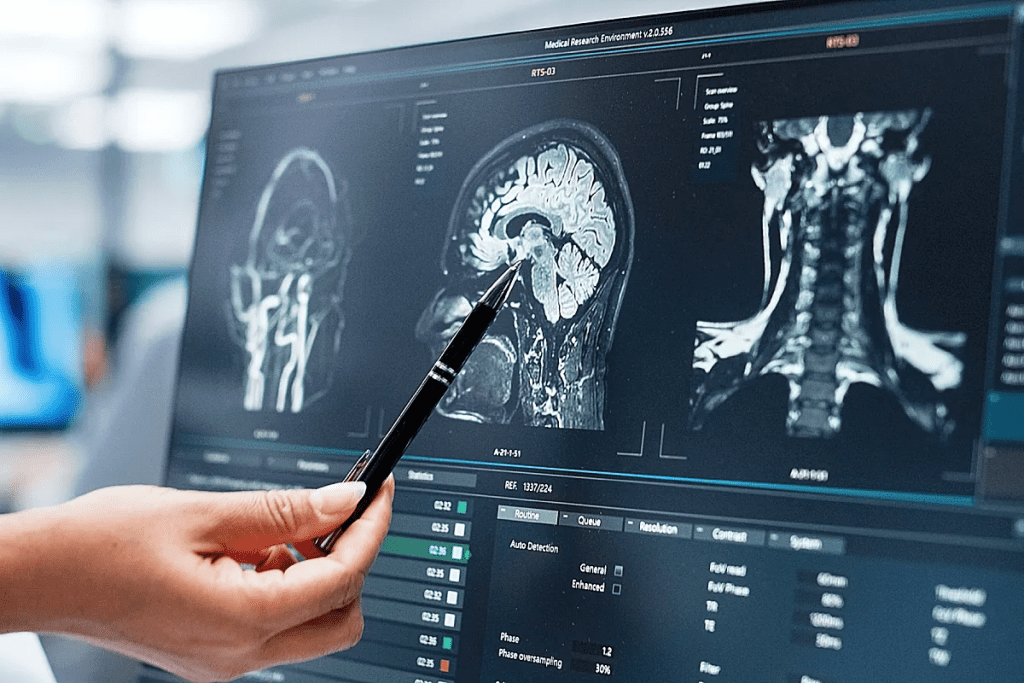
Neuro-urology is a field that deals with urinary problems caused by brain or nerve issues. Conditions like a neurogenic bladder can really mess up your day. They lead to leaks, needing to pee a lot, feeling like you have to go right away, and trouble starting to pee.
These issues happen when something goes wrong with the signals between your brain and bladder. Even though a neurogenic bladder can’t be fixed, we can help manage its symptoms. We suggest changes in your lifestyle, use of catheters, and medicines. Our aim is to offer full support and advice to those dealing with neuro-urological problems.
Key Takeaways
- Neuro-urology addresses urinary tract symptoms caused by neurological disorders.
- Common symptoms include urinary incontinence, frequency, and urgency.
- Neurogenic bladder results from interrupted signals between the nervous system and bladder.
- Symptoms can be managed through lifestyle changes and medical treatments.
- Comprehensive support is available for individuals with neuro-urological conditions.
Understanding Neuro-Urology and Its Impact
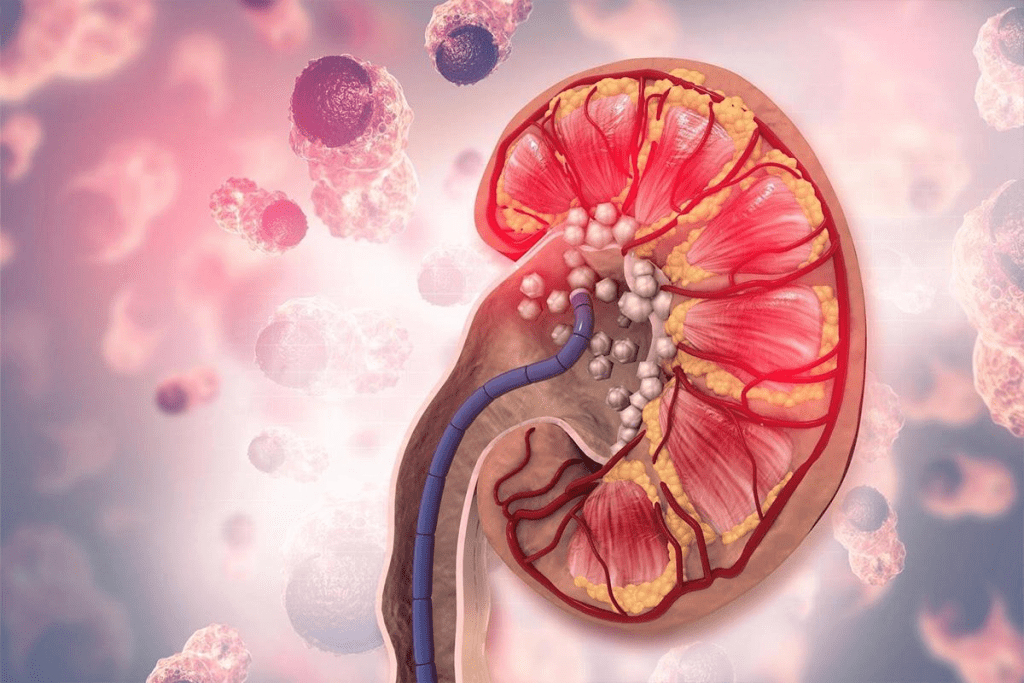
Neuro-urology is a special field that looks at how the nervous system and the urinary tract work together. It’s a part of urology that focuses on the nerves controlling the lower urinary tract. It studies how neurological problems can cause urinary issues.
Definition and Scope of Neuro-Urology
Neuro-urology studies and treats urinary problems caused by brain or spinal cord issues. This includes conditions like spinal cord injuries, multiple sclerosis, and Parkinson’s disease. It needs a deep understanding of both urology and neurology.
How Neurological Disorders Affect Urinary Function
Neurological problems can mess up how we control our bladder. For example, spinal cord injuries can cause bladder problems. This can lead to issues like not being able to hold urine or having accidents.
Any disease affecting the brain or nerves can harm bladder control. This can cause problems like needing to pee too often or trouble starting to pee.
The Connection Between the Nervous System and the Urinary Tract
The nervous system is key in controlling the urinary tract. It helps us store and pee urine. The connection between the nervous system and the urinary tract is complex, involving many neural pathways.
Understanding this connection helps us treat neuro-urological problems better. It shows why a team approach is needed, combining neurology, urology, and other fields.
Common Urinary Symptoms in Neuro-Urological Disorders
Neuro-urological disorders can really affect a person’s life. They show up in many ways, like different urinary symptoms. These symptoms show how closely the nervous system and the urinary tract are linked.
Urinary Incontinence: Types and Manifestations
Urinary incontinence is a big problem in these disorders. It means urine leaks out when you don’t want it to. There are a few types, like stress incontinence and urge incontinence. Stress incontinence happens when moving or pressure on the bladder makes you leak. Urge incontinence is when you suddenly really need to go.
A specialist once said,
‘Urinary incontinence is not just a matter of bladder control; it’s often a sign of an underlying neurological issue that needs to be addressed.’
Urinary Frequency and Urgency
Many people with these disorders have to go to the bathroom a lot. Or they feel a strong urge to go. These problems can mess up your day and sleep.
Urinary Retention and Difficulty Initiating Urination
Some people have trouble emptying their bladder or starting to pee. This can happen if the brain can’t tell the bladder to empty. Or if the muscles controlling the pee hole don’t work right.
Nocturnal Enuresis (Bedwetting)
Nocturnal enuresis, or bedwetting, is another issue. It can happen to kids and adults with certain conditions. It’s when you pee in your sleep without meaning to.
Key Neuro Symptoms and Their Prevalence
Neuro-urological disorders often show a variety of urinary symptoms. These symptoms can greatly affect a patient’s life quality. The symptoms differ from person to person, but some patterns and rates have been found in studies.
Prevalence of Daytime Incontinence (Up to 17%)
Daytime incontinence is a big problem for many with neuro-urological disorders. Studies show that up to 17% of patients deal with this issue. It can greatly affect their daily life and how they interact with others.
The impact of daytime incontinence should not be underestimated. It can cause emotional distress and lower their quality of life.
Breakdown of Symptoms in Neuro-Urological Patients
Understanding the symptoms of neuro-urological patients is key for effective treatment. Studies show that lower urinary tract symptoms (LUTS) are common, affecting 1.8% to 2.2% of the general population. The variability in symptoms highlights the need for personalized care.
Looking closer, we see that urinary frequency, urgency, and retention are common issues. These symptoms can be very challenging. They need a treatment plan that covers both physical and mental aspects of the disorder.
Common Co-morbidities with Neuro-Urological Symptoms
It’s key to know about the health issues that go along with neuro-urological symptoms. These disorders often come with other health problems. These can really affect how well a patient does and their quality of life.
Constipation and Its Relationship to LUTS (14.5%)
Constipation is a big issue for people with neuro-urological disorders. It affects up to 14.5% of those with Lower Urinary Tract Symptoms (LUTS). Both constipation and LUTS often have the same root causes in the nervous system.
It’s vital to treat constipation when dealing with neuro-urological symptoms. Helping with constipation can also help with urinary problems. This can make patients feel better overall.
ADHD and Urinary Symptoms (4.8%)
ADHD can also be a problem for those with neuro-urological disorders. It affects up to 4.8% of these patients. ADHD and urinary issues might both stem from problems in the nervous system.
When we see patients with neuro-urological symptoms, we should think about ADHD. It can change how we treat and manage their care.
Pain Syndromes Associated with Neuro-Urological Conditions
Pain, like chronic pelvic pain syndrome, is common in neuro-urological patients. This pain can cause or be caused by neuro-urological symptoms. It makes treating these patients more complex.
Managing pain is a big part of caring for patients with neuro-urological disorders. We need to work together to tackle these pain issues. This can help improve patient outcomes.
Psychosocial Symptoms and Their Impact
Psychosocial issues, like anxiety and depression, are common in these patients. These can really affect a patient’s life and how well they stick to treatment.
We must treat psychosocial symptoms as part of a full care plan. This can lead to better results and a better life for our patients.
Symptom Clusters and When to Seek Medical Care
Neuro-urological disorders often have complex symptoms that need careful checking. Lower Urinary Tract Symptoms (LUTS) can be part of these, along with pain, mental health issues, or other big health problems. This makes finding and treating these issues hard.
These symptom groups can really hurt a person’s quality of life. It’s very important to know when to get medical help right away to avoid bad outcomes.
Warning Signs That Require Immediate Medical Attention
Some symptoms need quick doctor visits to check for serious problems. These include:
- Severe urinary retention or not being able to urinate
- Painful urination or blood in the urine
- Signs of infection, like fever or chills
- Sudden or worsening urinary incontinence
Spotting these warning signs early can really help treatment work better and improve patient results.
The 6% Rule: Understanding When Patients Typically Seek Help
Studies show that up to 6% of people with neuro-urological symptoms go to the doctor. This “6% rule” shows how important it is to know when to get help. Knowing when to get medical care is key for both patients and doctors.
“Early intervention can significantly improve the quality of life for patients with neuro-urological disorders.”
By knowing about symptom groups and when to get medical help, patients can get the right treatment on time. This can greatly improve their health and well-being.
Conclusion: Living with and Managing Neuro-Urological Symptoms
Understanding neuro-urological symptoms is key to better management and a better life. We’ve talked about various urinary symptoms linked to neurological disorders. These include incontinence, frequent urination, and retention.
Dealing with these symptoms can be tough, but getting the right medical help is vital. At Liv Hospital, we aim to provide top-notch healthcare. We also offer support and guidance for international patients.
Managing these symptoms needs a full approach. This includes medical treatment, making lifestyle changes, and getting emotional support. Working with healthcare experts, patients can create a plan to handle their symptoms and feel better overall.
We urge those with neuro-urological symptoms to get medical help and be involved in their care. With the right support, managing these conditions is possible. This way, you can keep a high quality of life.
FAQ
What is neuro-urology, and how does it relate to my condition?
Neuro-urology is a medical field that deals with urinary problems linked to the brain. It helps diagnose and treat these issues. Conditions like Parkinson’s disease can affect how we control our bladder, causing problems like incontinence.
What are the common urinary symptoms experienced by individuals with neuro-urological disorders?
People with these disorders often face issues like incontinence and needing to urinate too often. They might also have trouble holding their urine or wetting the bed at night. These problems can really disrupt daily life.
How do neurological disorders affect urinary function?
These disorders can mess up the communication between the brain and the bladder. This can lead to a variety of symptoms, including incontinence and trouble holding urine.
What is the prevalence of daytime incontinence in neuro-urological patients?
Daytime incontinence is quite common in people with these conditions. It affects up to 17% of those with certain neurological issues.
Are there any comorbidities associated with neuro-urological symptoms?
Yes, people with these symptoms often face other health issues too. These can include constipation, ADHD, pain, and mental health problems. These extra challenges can make managing their condition even harder.
When should I seek medical care for my neuro-urological symptoms?
If you’re experiencing severe incontinence, trouble urinating, or pain, you should see a doctor right away. Knowing when to seek help is important, and the “6% rule” can guide you.
How can I manage my neuro-urological symptoms effectively?
To manage your symptoms, you need a plan that includes medical treatment, lifestyle changes, and support. We’re here to help you find the right approach for your condition.
What is the connection between the nervous system and the urinary tract?
The nervous system controls the urinary tract, handling functions like urination and continence. When neurological disorders affect this system, it can lead to urinary problems.
References
- Panicker, J. N., de Sèze, M., & Fowler, C. J. (2020). Neurogenic Bladder: Epidemiology, Diagnosis, and Management. Seminars in Neurology, 40(5), 569-579. Retrieved fromhttps://pmc.ncbi.nlm.nih.gov/articles/PMC9715349/
- Beck, J., Jaekel, A. K., Zeller, F. L., Kowollik, M., Kurze, I., Kaufmann, A., Feneberg, W., Brandt, A., Flachenecker, P., & Henze, T. (2022). Clinical Predictors of Neurogenic Lower Urinary Tract Dysfunction in Persons with Multiple Sclerosis. Diagnostics, 12(1), Article 191. Retrieved fromhttps://doi.org/10.3390/diagnostics12010191