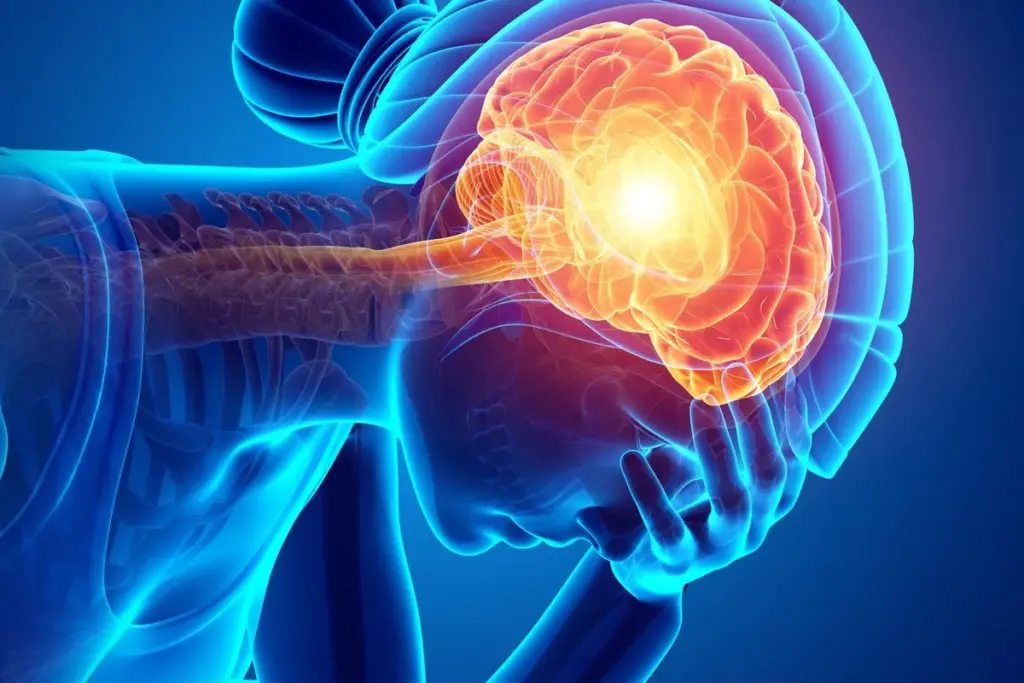
Did you know that headache disorders are considered the most common neurological condition? They affect millions of people worldwide. These conditions are a leading cause of disability and impact people’s quality of life globally.
We are dedicated to delivering top-notch healthcare. We support international patients with all they need. As we dive into neurological diseases, it’s clear that managing these conditions is key to better patient care.
Headache disorders are a big concern. Our discussion will rely on the latest research and studies in neurology. By looking at how common and impactful these conditions are, we can see why effective management and treatment are so important.
Key Takeaways
- Headache disorders are the most common neurological condition.
- These conditions have a significant impact on quality of life.
- Understanding and managing neurological diseases is key.
- Effective treatment and management can improve patient outcomes.
- Neurological conditions need full support.
The Scope of Neurological Disorders

Neurological disorders affect the brain, spinal cord, and nerves. They can cause symptoms like headaches and seizures. It’s important for patients and doctors to understand these conditions well.
Definition and Classification of Neurological Conditions
These disorders impact the nervous system, which includes the brain and spinal cord. The peripheral nervous system (PNS) connects the CNS to the body. Conditions are classified based on the affected area and type.
Common categories include:
- Neurodegenerative diseases, such as Alzheimer’s and Parkinson’s, which involve progressive damage to the neurons.
- Cognitive impairments, which affect memory, attention, and processing speed.
- Nervous system diseases, including infections like meningitis and encephalitis.
How the Nervous System Functions
The nervous system controls voluntary and involuntary actions. It has neurons and glial cells that work together. Knowing how it works helps us understand how disorders affect it.
The main functions include:
- Control and coordination of body activities.
- Regulation of sensations and perception.
- Facilitating thought processes and memory.
Understanding neurological disorders helps us see the challenges they pose. It also highlights the need for ongoing research.
Headache Disorders: The Most Common Neurological Condition

Headache disorders are the most common neurological condition worldwide. They affect a large part of the global population. We will look at how common these disorders are, their effects on people, and the evidence showing they are a big health problem.
Understanding the Prevalence of Headache Disorders
Headache disorders are common and can be very disabling. They include types like tension-type headaches, migraines, and cluster headaches. Each type has its own effects on people.
Statistical Evidence from the United States
In the United States, headache disorders are a big health issue. Many studies show that a lot of people have these disorders. This leads to high healthcare costs and lost work time.
To show how common they are, here are some statistics:
|
Type of Headache Disorder |
Prevalence |
|---|---|
|
Tension-Type Headaches |
40% |
|
Migraines |
12% |
|
Cluster Headaches |
1% |
Global Impact of Headache Disorders
Globally, headache disorders are a big cause of disability. The World Health Organization says they are among the top 10 causes of disability worldwide. They affect not just the person but also families, employers, and healthcare systems.
Types of Headache Disorders in Detail
It’s important to know about the different headache disorders. They can really affect someone’s life. We’ll look at the most common types in this section.
Tension-Type Headaches
Tension-type headaches are very common. They feel like a dull ache on both sides of your head. It’s like a band squeezing your forehead. Unlike migraines, they don’t make you feel sick to your stomach or make you vomit.
Key Features:
- Dull, aching pain on both sides of the head
- No nausea or vomiting
- No worsening with physical activity
Migraines
Migraines are more severe. They cause intense, throbbing pain on one side of your head. You might also feel sick, vomit, or be very sensitive to light and sound. Migraines can really disrupt your day.
Common Symptoms:
- Throbbing pain, usually on one side
- Nausea and vomiting
- Sensitivity to light and sound
Cluster Headaches and Other Primary Headache Disorders
Cluster headaches are rare but very severe. They cause intense pain on one side of your head, often near your eye. They happen in cycles, with lots of attacks followed by quiet times. Other primary headaches include trigeminal neuralgia and hemicrania continua.
Characteristics of Cluster Headaches:
- Severe, one-sided pain
- Occurs in clusters or cycles
- Often accompanied by eye symptoms such as redness and tearing
Knowing about different headache disorders helps doctors treat patients better. This makes life better for those who suffer from these conditions.
Causes and Risk Factors of Headache Disorders
Headache disorders come from a mix of genetics, environment, and hormones. Knowing these factors helps in managing and treating them.
Genetic Predisposition
Genetics play a big role in headache disorders. People with a family history of migraines or headaches are more likely to get them. Genetic factors can affect the nervous system, making some people more prone to headaches.
Research found genes linked to migraines and other headaches. Genes that control neurotransmitters and blood vessels are key. They increase the risk of migraines.
Environmental Triggers
Environmental factors can also cause headaches. Stress, certain foods, sleep issues, and sensory stimuli are common triggers. Knowing and avoiding these can lessen headache frequency and severity.
|
Trigger |
Description |
|---|---|
|
Stress |
High stress can lead to headaches. |
|
Certain Foods |
Foods with tyramine, MSG, or nitrates can cause headaches. |
|
Sleep Disturbances |
Irregular sleep or lack of sleep can lead to headaches. |
Hormonal Influences
Hormonal changes, like estrogen levels, can trigger headaches. Many women get migraines or headaches tied to their menstrual cycle or menopause. Hormonal therapies can help manage headaches in some cases.
“Hormonal changes, like estrogen levels, are a known migraine and headache trigger in many women.”
Dr. Jane Smith, Neurologist
Knowing the causes and risk factors of headaches is key to effective treatment. By tackling genetics, environment, and hormones, healthcare can offer tailored care for headache sufferers.
Symptoms and Diagnosis of Common Headache Disorders
It’s key to know the symptoms and how to diagnose common headache disorders. These conditions are common and need a detailed check-up to figure out the type. This helps in making the right treatment plan.
Recognizing Headache Patterns
Spotting headache patterns is the first step in diagnosing them. We look at how often, how long, and what they feel like. Clinical evaluation is key to figuring out if it’s a tension headache, migraine, or cluster headache.
It’s also important to think about the patient’s past health, lifestyle, and what might set off headaches. For example, some foods, stress, or hormonal shifts can lead to migraines in some people.
Diagnostic Approaches and Tools
Diagnosing headache disorders involves both a doctor’s check-up and sometimes special tools. Most are diagnosed by a doctor’s judgment. But, neuroimaging like MRI or CT scans might be used to check for other possible causes like tumors or blood vessel problems.
Keeping a headache diary is very helpful. It helps track when headaches happen, how bad they are, and what might cause them. This helps doctors and patients work together to manage headaches better.
- Clinical evaluation based on patient history and symptoms
- Use of headache diaries to track patterns and triggers
- Neuroimaging techniques to rule out secondary causes
By using a detailed approach to diagnosis, we can make sure patients get the right treatment for their headaches.
Treatment Options for the Most Common Neurological Disorder
Treating the most common neurological disorder requires a mix of medical treatments. We will look at the different ways to treat it, focusing on what works best.
Acute Medication Therapies
Acute medication therapies are often the first step for sudden or severe symptoms. Nonsteroidal anti-inflammatory drugs (NSAIDs) and triptans are used for headaches. They help with pain and other symptoms.
Sumatriptan, a triptan, works well for migraines. It narrows blood vessels and blocks pain signals in the brain.
Preventive Treatment Approaches
Preventive treatments are key to lowering the number and severity of episodes. Beta-blockers, anticonvulsants, and antidepressants help prevent disorders like migraines and seizures.
Propranolol, a beta-blocker, is often used to prevent migraines. It helps reduce how often migraines happen.
Emerging and Alternative Therapies
New therapies offer hope for managing neurological disorders. Cognitive-behavioral therapy (CBT), acupuncture, and biofeedback can boost the effects of traditional treatments.
CBT helps people with neurological disorders. It teaches them how to cope and manage stress, improving their life quality.
The Scope of Neurological Disorders
The nervous system is complex and prone to many disorders. These include cognitive impairments and neurodegenerative diseases. Neurological disorders affect the brain, spinal cord, and nerves. They cause a wide range of symptoms and disabilities.
Definition and Classification of Neurological Conditions
Neurological conditions affect the nervous system, including the brain, spinal cord, and nerves. They can be grouped into several types. These include:
- Neurodegenerative diseases, such as Alzheimer’s and Parkinson’s
- Neurodevelopmental disorders, like autism and ADHD
- Neurovascular disorders, including stroke and cerebral vasculitis
- Neuroinfectious diseases, such as meningitis and encephalitis
Knowing these categories helps in diagnosing and treating these disorders.
How the Nervous System Functions
The nervous system controls both voluntary and involuntary actions. It has the central nervous system (CNS) and the peripheral nervous system (PNS). The CNS includes the brain and spinal cord. The PNS has nerves that branch out from the CNS.
The CNS processes information and controls the body’s responses. The PNS transmits signals between the CNS and the rest of the body. Problems in this system can cause neurological disorders.
Understanding the Impact of Neurological Disorders on Cognitive Function
Neurological disorders can greatly affect cognitive function. They can impact memory, attention, and decision-making. For example, Alzheimer’s disease causes progressive cognitive decline. Multiple sclerosis can also cause cognitive impairments due to demyelination.
“Cognitive impairments resulting from neurological disorders can profoundly affect an individual’s quality of life, necessitating compassionate care and support.”
It’s important to understand how these disorders affect cognitive function. This knowledge helps in developing effective treatments and improving patient outcomes.
Headache Disorders: The Most Common Neurological Condition
Headache disorders are the most common neurological condition worldwide. They affect a large part of the global population. These disorders are serious health issues that greatly impact people’s lives.
Understanding the Prevalence of Headache Disorders
Headache disorders are very common, with many types and causes. They are divided into primary and secondary disorders, with primary being more common. Knowing how widespread these disorders are helps us find better ways to manage and treat them.
Studies show that headache disorders affect a big part of the world’s population. They are not just found in certain groups but are widespread across different ages and places.
Statistical Evidence from the United States
The U.S. is a key example of how headache disorders affect people. Research shows that a large part of the U.S. population deals with these disorders. This has a big impact on healthcare and the economy.
|
Type of Headache Disorder |
Prevalence in the U.S. Population |
Impact on Quality of Life |
|---|---|---|
|
Tension-Type Headache |
40% |
Moderate |
|
Migraine |
12% |
Severe |
|
Cluster Headache |
1% |
Very Severe |
The table shows that tension-type headaches are the most common, followed by migraines and cluster headaches. Each type affects people’s lives differently, from moderate to very severe.
Global Impact of Headache Disorders
Headache disorders are a big public health issue worldwide. The World Health Organization (WHO) says:
“Headache disorders are a major cause of disability and are among the most common disorders of the nervous system.”
The impact of headache disorders is huge, not just in how common they are. They also have big economic and social costs. Finding effective ways to manage and treat them is key to reducing these costs.
By understanding the prevalence and impact of headache disorders, we can help those affected. Our goal is to offer full support and treatment options. This will improve their lives and lessen the burden on healthcare systems.
Types of Headache Disorders in Detail
It’s important to know about the different headache disorders. They affect millions of people worldwide. We’ll look at the various types, their symptoms, and how they impact people.
Tension-Type Headache
Tension-type headache is very common. It feels like a band squeezing your head. Unlike migraines, it doesn’t usually make you feel sick to your stomach.
Key Features:
- Mild to moderate pain
- Bilateral headache
- Pressing or tightening sensation
- Not aggravated by routine physical activity
Migraine
Migraine is a common headache disorder. It causes severe pain on one side of the head. People with migraines often feel sick, get dizzy, and are sensitive to light and sound.
Key Features:
- Moderate to severe pain
- Unilateral headache (though it can switch sides)
- Pulsating or throbbing pain
- Associated symptoms like nausea and photophobia
Cluster Headache and Other Primary Headache Disorders
Cluster headaches are rare but very severe. They happen in cycles, with attacks followed by breaks. The pain is intense and on one side, often with eye symptoms.
Other primary headache disorders include trigeminal neuralgia and hemicrania continua. Each has its own features and needs specific care.
Comparison of Headache Disorders:
|
Headache Type |
Pain Characteristics |
Associated Symptoms |
|---|---|---|
|
Tension-Type |
Mild to moderate, bilateral, pressing |
None |
|
Migraine |
Moderate to severe, unilateral, pulsating |
Nausea, vomiting, photophobia |
|
Cluster |
Severe, unilateral, around the eye |
Restlessness, lacrimation, nasal congestion |
Knowing about these headache disorders helps doctors treat them better. It also helps patients manage their headaches more effectively.
Causes and Risk Factors of Headache Disorders
Headache disorders are complex and influenced by many factors. These include genetics, environment, and hormonal changes. Knowing these factors helps in creating better treatment plans and improving life quality for those affected.
Genetic Predisposition
Studies show that people with a family history of headaches are more likely to get them. Genetic predisposition is key in the development of headaches like migraines. Research has found genes that make some people more likely to get migraines and other headaches.
Environmental Triggers
Environmental factors can trigger headaches in some people. Common triggers include stress, certain foods, weather changes, and bright or loud noises. Avoiding these triggers can help manage headaches.
It’s also important to note that what triggers headaches can vary from person to person. Keeping a headache diary can help track when headaches happen and what might cause them.
Hormonal Influences
Hormonal changes are a big factor in headache disorders, mainly for women. Changes in estrogen levels during the menstrual cycle, pregnancy, or menopause can lead to headaches. Understanding hormonal influences helps tailor treatments to each person’s needs.
By looking at genetic predisposition, environmental triggers, and hormonal influences, we can understand headache disorders better. This approach helps healthcare providers create more effective management strategies.
Symptoms and Diagnosis of Common Headache Disorders
Headache disorders are complex and need a clear understanding of their symptoms for the right diagnosis. They are common neurological conditions that require accurate diagnosis for effective treatment.
Recognizing Headache Patterns
It’s key to recognize headache patterns for diagnosing them. Each type of headache has its own signs, like how often it happens, how long it lasts, and how bad it is. For example, tension-type headaches feel like a tight band around your head. On the other hand, migraines cause throbbing pain on one side, along with nausea and light sensitivity.
Here’s a table showing the different headache patterns:
|
Headache Type |
Characteristics |
Common Symptoms |
|---|---|---|
|
Tension-Type |
Band-like pressure, mild to moderate pain |
Head pain on both sides, no nausea or vomiting |
|
Migraine |
Throbbing pain, often on one side, moderate to severe |
Nausea, vomiting, sensitivity to light and sound |
|
Cluster |
Severe, one-sided pain, often around the eye |
Redness and swelling of the eye, nasal congestion |
Diagnostic Approaches and Tools
Diagnosing headache disorders requires a mix of clinical evaluation and diagnostic tools. A detailed medical history and physical exam are vital for identifying the headache type. Diagnostic criteria from the International Classification of Headache Disorders (ICHD) guide doctors in making accurate diagnoses.
Tools like MRI or CT scans might be used to check for other causes of headaches. Keeping a headache diary helps patients track their headaches, which is useful for doctors.
Understanding headache patterns and using the right diagnostic tools helps doctors accurately diagnose and manage headaches. This improves patient care and outcomes.
Treatment Options for the Most Common Neurological Disorder
Treatment for headache disorders is complex, using both quick fixes and long-term plans. Managing headaches well means looking at the type, how often they happen, and the patient’s health overall.
Acute Medication Therapies
Acute treatments aim to stop headache symptoms as soon as they start. You might use over-the-counter pain relievers like ibuprofen or acetaminophen. For migraines, doctors might prescribe triptans. The right medicine depends on the headache and how bad it is.
Common Acute Medications:
- Over-the-counter pain relievers (e.g., ibuprofen, acetaminophen)
- Triptans for migraines
- Ergotamines for migraines
Preventive Treatment Approaches
Preventive treatments try to make headaches less frequent and less severe. This can include changing your lifestyle, like sleeping the same hours every day and avoiding things that trigger headaches. Medications like beta-blockers, anticonvulsants, and certain antidepressants also play a role.
|
Preventive Medication |
Primary Use |
|---|---|
|
Beta-blockers |
Migraine prevention |
|
Anticonvulsants |
Migraine and other headache prevention |
|
Antidepressants |
Chronic tension-type headache prevention |
Emerging and Alternative Therapies
New and different treatments are also available for headaches. These include acupuncture, herbal supplements like feverfew, and techniques like neuromodulation. While not all have strong evidence, they might help some people.
It’s key for patients to talk to doctors before trying new treatments.
Other Common Neurological Disorders
Neurological disorders go beyond just headaches. They include stroke and neurodegenerative diseases. These conditions affect many people and society as a whole. We need to understand them well and find effective ways to manage them.
Stroke: The Second Most Common Neurological Disorder
Stroke is a major cause of disability and death globally. It happens when blood flow to the brain stops. This can be due to a blockage or a blood vessel rupture. Quick medical help is key to reduce brain damage and improve chances of recovery.
Factors that increase stroke risk include high blood pressure, diabetes, high cholesterol, and smoking. By changing our lifestyle and using medicines, we can lower our stroke risk.
Epilepsy and Seizure Disorders
Epilepsy is marked by recurring seizures, sudden brain electrical activity. It can be caused by genetics, head injuries, or infections. Managing epilepsy well often means using medicines, making lifestyle changes, and sometimes surgery.
- Seizures can be different, like generalized or focal.
- Doctors use EEG, imaging, and clinical checks to diagnose.
- Each person’s treatment plan is made based on their seizure type and how often they happen.
Neurodegenerative Diseases
Neurodegenerative diseases, like Alzheimer’s, Parkinson’s, and ALS, cause neurons to die and not work right. They lead to memory loss, motor problems, and other brain issues.
Scientists are studying these diseases to understand them better. They’re looking for early signs and ways to slow down or stop the disease.
We know how complex and serious these neurological disorders are. Research is ongoing to better understand and manage them.
Comparing the Prevalence of Major Neurological Disorders
Looking at the prevalence of major neurological disorders helps us see their impact. These disorders affect millions globally. Knowing how common they are is key for health planning and research.
Statistical Analysis Across Conditions
Studies have given us data on many neurological disorders. We’ll look at the rates of common ones like headaches, stroke, epilepsy, and neurodegenerative diseases.
|
Neurological Disorder |
Prevalence Rate |
Estimated Number of Cases (Global) |
|---|---|---|
|
Headache Disorders |
46% (Tension-type headache), 11% (Migraine) |
3.1 billion (Tension-type headache), 743 million (Migraine) |
|
Stroke |
0.24% |
17 million |
|
Epilepsy |
0.67% |
50 million |
|
Neurodegenerative Diseases (e.g., Alzheimer’s) |
Varies by age and condition |
50 million (Alzheimer’s and other dementias) |
Age, Gender, and Demographic Variations
The occurrence of neurological disorders changes with age, gender, and demographics. For example, Alzheimer’s grows more common with age. Headaches are more common in younger adults and women.
Demographic variations also affect these disorders. Stroke is more common in poorer countries due to high blood pressure and lack of healthcare.
It’s vital to understand these differences. This knowledge helps in creating better health strategies and improving care for those affected.
Living With Neurological Disorders
Living with neurological disorders needs a full plan to manage symptoms and improve life quality. These conditions affect not just the person but also their family and caregivers. So, caring for them fully is key.
Coping Strategies for Chronic Conditions
Good coping strategies are vital for daily life with neurological disorders. Creating a routine with regular exercise, a healthy diet, and enough sleep helps. Also, stress management like meditation, yoga, or therapy is helpful.
It’s also key to stay in touch with healthcare providers for treatment changes. Keeping a symptom journal tracks changes and helps in more tailored care.
Support Systems and Resources
A strong support system is essential for those with neurological disorders. This includes family, friends, support groups, and professional caregivers. Support groups, online or in-person, offer a place to share and learn from others.
Many resources are out there to manage these disorders, like rehabilitation services, counseling, and educational programs. These can greatly help in coping with the condition.
Quality of Life Considerations
Improving and keeping quality of life is important in managing neurological disorders. This means not just medical care but also addressing the mental and social sides of the condition. Keeping independence and doing things that bring joy are key for well-being.
Also, making the living space work for physical needs and ensuring access to healthcare boosts life quality. We must think about these when planning care.
Prevention Strategies for Neurological Disorders
Preventing neurological disorders needs a mix of lifestyle changes, medical steps, and constant checks. Knowing these strategies helps people protect their brain health and lower the risk of these disorders.
Lifestyle Modifications
Making lifestyle changes is key to preventing neurological disorders. Regular exercise, a balanced diet, and adequate sleep are vital for brain health. Also, stress management techniques like meditation and yoga can lessen stress’s harm on the brain.
- Regular physical activity boosts heart health and lowers stroke risk.
- Eating fruits, vegetables, and omega-3 fatty acids supports brain health.
- Stress-reducing activities help protect the brain from stress.
Preventive Medications and Therapies
In some cases, preventive meds and therapies are needed. For instance, antiepileptic drugs stop seizures in people with epilepsy. Beta-blockers can also prevent migraines.
|
Medication/Therapy |
Condition |
Benefits |
|---|---|---|
|
Antiepileptic drugs |
Epilepsy |
Prevents seizures |
|
Beta-blockers |
Migraine |
Reduces frequency and severity |
Regular Monitoring and Early Intervention
Regular checks and early action are vital in stopping neurological disorders from getting worse. Early detection lets doctors start effective treatments to manage symptoms and slow disease growth.
By mixing lifestyle changes, preventive meds, and regular checks, people can greatly lower their risk of neurological disorders. We suggest talking to a healthcare expert to find the best prevention plan for you.
When to Consult a Neurological Specialist
Knowing when to see a neurological specialist is key for the right diagnosis and treatment. Neurological issues can really affect someone’s life, so acting fast is important.
Warning Signs That Require Medical Attention
Some symptoms need immediate help. Look out for sudden severe headaches, seizures, numbness or weakness, and speech or vision problems. Spotting these signs early can help a lot.
Here are some signs that mean you should see a neurological specialist:
- Persistent or severe headaches
- Seizures or convulsions
- Numbness, tingling, or weakness in the face, arm, or leg
- Difficulty with speech, vision, or swallowing
- Changes in cognitive function or memory
Finding the Right Neurological Care
Choosing the right specialist involves a few things. Look at their expertise, experience with your condition, and the care quality. Also, think about their treatment approach and how well they communicate.
|
Factors to Consider |
Description |
|---|---|
|
Area of Expertise |
Make sure the specialist knows how to treat your condition. |
|
Quality of Care |
Find specialists known for excellent, patient-focused care. |
|
Communication |
Pick someone who answers your questions and keeps you updated. |
By knowing when to get help and how to find the right specialist, people with neurological disorders can manage their condition better. This can greatly improve their life quality.
Advancements in Neurological Disorder Research
The field of neurological disorder research has seen big leaps forward. This brings new hope to patients and healthcare workers. Research has led to better treatments and a deeper understanding of these conditions.
Recent Breakthroughs in Treatment
In recent years, new therapies for neurological disorders have emerged. Gene therapy is showing promise for genetic conditions. Stem cells are also being studied for their ability to repair damaged brain tissues.
Breakthroughs in Treatment Approaches:
- Gene therapy for genetic neurological disorders
- Stem cell therapy for regenerative medicine
- Advanced pharmacological treatments for symptom management
These advances are not just expanding treatment options. They are also helping us understand the causes of neurological disorders better.
|
Treatment Approach |
Description |
Potential Benefits |
|---|---|---|
|
Gene Therapy |
Treatment targeting genetic causes |
Potential cure for genetic neurological disorders |
|
Stem Cell Therapy |
Regenerative medicine using stem cells |
Repair of damaged neurological tissues |
|
Advanced Pharmacological Treatments |
New medications for symptom management |
Improved quality of life for patients |
Future Directions in Neurological Science
As research keeps moving forward, we can expect more in personalized medicine. AI and machine learning will help tailor treatments to each patient. The study of the gut-brain axis is also promising, revealing new ways to treat neurological health.
We are on the verge of a new era in neurological disorder research. Breakthroughs are coming that could greatly improve patient outcomes and quality of life.
Conclusion
Managing neurological disorders needs a full approach, including ongoing research and education. These disorders affect brain health and how we think. Knowing how common they are, what causes them, and who’s at risk is key to finding good treatments.
Research keeps growing our knowledge of these complex issues. This helps doctors give better care to those with neurological disorders. By keeping up with new research, we can improve life for those affected.
It’s vital to keep learning and researching neurological disorders. This way, we can better understand and treat these conditions. This will lead to better lives for those dealing with neurological disorders.
FAQ
What are neurological disorders?
Neurological disorders affect the brain, spinal cord, and nerves. They can change how we think, move, and feel, and they can have a major impact on overall health.
What is the most common neurological disorder?
Headache disorders are the most common neurological disorders worldwide. Tension-type headaches, migraines, and cluster headaches are among the most frequently seen types.
What are the symptoms of headache disorders?
Symptoms depend on the type of headache but often include head pain, sensitivity to light and sound, and nausea or vomiting. Some headaches can also cause visual changes or disturbances.
How are headache disorders diagnosed?
Doctors use a detailed medical history and physical exam to understand headache patterns. Imaging or other tests may be done to rule out other causes and confirm the diagnosis.
What are the treatment options for headache disorders?
Treatment can include medicines for fast relief during an attack and preventive medicines to reduce how often headaches occur. Lifestyle steps like stress management, regular sleep, and avoiding known triggers also help.
What are some other common neurological disorders?
Other common neurological disorders include stroke, epilepsy, and neurodegenerative diseases such as Alzheimer’s disease and Parkinson’s disease. These conditions can greatly affect quality of life and often require long-term management.
How can I prevent neurological disorders?
Prevention focuses on overall brain and nerve health: regular exercise, a balanced diet, not smoking, and good blood pressure and sugar control. Early medical attention for symptoms can also help prevent complications or slow progression.
When should I consult a neurological specialist?
See a neurological specialist if you have severe or frequent headaches, seizures, sudden numbness or weakness, or other unexplained neurological symptoms. A specialist can provide accurate diagnosis and targeted treatment.
What are the latest advancements in neurological disorder research?
Current research is exploring new medicines, brain-stimulation techniques, and personalized (precision) approaches to treatment. These advances aim to improve symptom control, slow disease progression, and enhance quality of life.
How can I manage living with a neurological disorder?
Living with a neurological disorder often requires a holistic plan that includes medical treatment, rehabilitation, and psychological support. Building strong support systems and using coping strategies and stress management can make daily life easier.
What is the impact of neurological disorders on daily life?
Neurological disorders can affect work, relationships, independence, and emotional well-being. Understanding the condition, following treatment, and seeking support are key to reducing this impact and improving day-to-day quality of life.
Reference
National Center for Biotechnology Information. Evidence-Based Medical Insight. Retrieved from https://pmc.ncbi.nlm.nih.gov/articles/PMC9945815/