Our essential list of basic neurological surgery procedures. Discover the amazing common operations on the brain and spine. Neurosurgery is a complex field that deals with surgeries for the brain and spine. It’s a vital part of medicine, with over 1 million procedures done in the US each year. This shows how important neurosurgery is for public health.
A neurosurgeon is a doctor who specializes in neuro surgery. They give critical care to patients with neurological issues. Knowing about neurosurgery is key for those needing medical help for nervous system problems.
Key Takeaways
- Neurosurgery is a medical specialty focused on surgical treatments for the nervous system.
- A neurosurgeon is a specialized doctor who performs neuro surgery.
- Neurosurgery procedures treat conditions related to the brain and spine.
- Over 1 million neurosurgical procedures are performed annually in the US.
- Understanding neurosurgery basics is essential for patients seeking care.
Understanding Neurosurgery: Definition and Scope
Neurosurgery is a medical field that deals with the brain, spinal cord, and nerves. It’s about treating conditions of the nervous system. Neurosurgeons play a key role in this field.
The Role of a Neurosurgeon
A neurosurgeon is a doctor who specializes in surgeries for the nervous system. They diagnose and treat complex conditions that need surgery.
Training and Specialization
Neurosurgeons go through a lot of training. They finish medical school and then do a residency in neurosurgery. This training helps them treat many neurological problems.
Types of Conditions Treated
They treat many conditions, like brain tumors and spinal disorders. They work with both adults and children.
Neurosurgery vs. Other Surgical Specialties
Neurosurgery is different from other surgical fields. It focuses on the nervous system.
Comparison with Orthopedic Surgery
Neurosurgery and orthopedic surgery both treat disorders. But neurosurgery focuses on the nervous system, not just bones and muscles.
Collaboration with Other Medical Specialists
Neurosurgeons work with other doctors like neurologists and oncologists. They team up to care for patients with complex conditions.
Common Conditions Requiring Neurosurgical Intervention
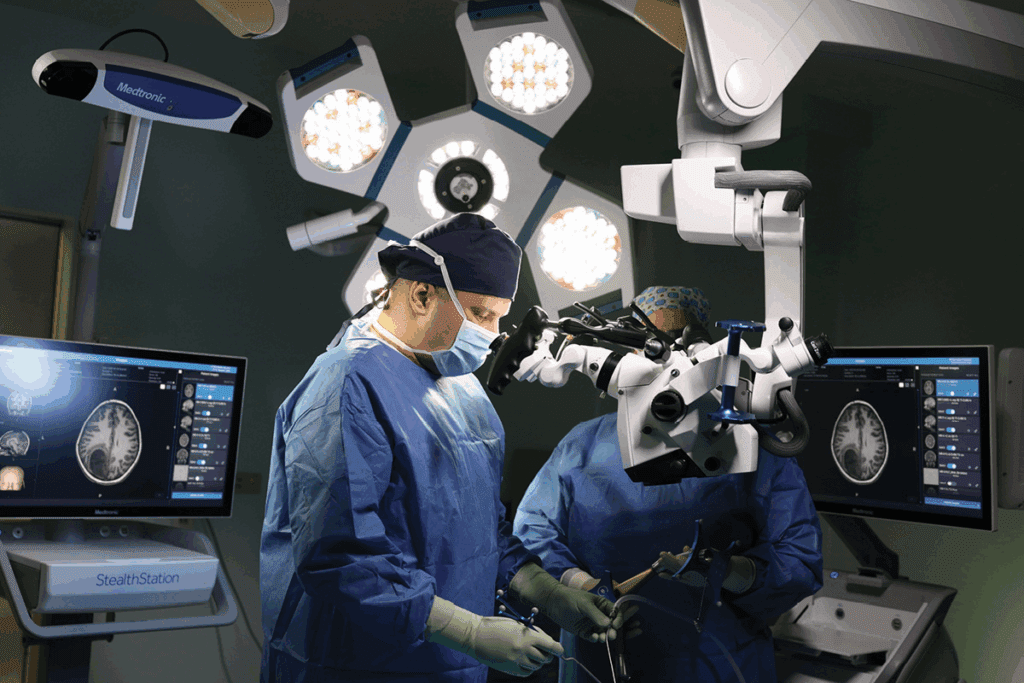
Discover the amazing common operations on the brain and spine. Neurosurgery is needed for many brain, spine, and nerve issues. These problems can really hurt a person’s life quality. So, they need quick and good treatment.
Brain Disorders and Injuries
Brain problems and injuries are big issues for neurosurgeons. These include:
Tumors and Masses
Brain tumors can cause many symptoms. They might be small or big. Doctors often have to remove or shrink them.
Traumatic Brain Injuries
Traumatic brain injuries happen when the brain gets hurt from outside forces. Neurosurgeons help treat these injuries. They can be from small hits to big brain damage.
Vascular Abnormalities
Problems with blood vessels, like aneurysms, can be serious. Neurosurgery is used to fix these issues.
Spinal Conditions
Spinal problems also need neurosurgery. Common ones are:
Herniated Discs
A herniated disc happens when the soft part of the disc leaks out. This can hurt a lot. Sometimes, surgery is needed.
Spinal Stenosis
Spinal stenosis makes the spine narrow. This can press on nerves. Surgery can help take off this pressure.
Spinal Deformities
Spinal deformities, like scoliosis, can mess up posture. Neurosurgery, with orthopedic help, can fix these problems.
| Condition | Description | Treatment |
| Brain Tumors | Abnormal cell growth in the brain | Surgical removal or reduction |
| Herniated Discs | Disc material leaks out, causing pain | Surgical removal of herniated material |
| Spinal Stenosis | Narrowing of spinal spaces, compressing nerves | Surgical decompression |
Peripheral Nerve Disorders
Peripheral nerve disorders affect nerves outside the brain and spine. Common ones are:
Carpal Tunnel Syndrome
Carpal tunnel syndrome happens when the wrist presses on the median nerve. Surgery can help.
Ulnar Nerve Entrapment
Ulnar nerve entrapment is when the ulnar nerve gets squished, often at the elbow. Surgery can help with symptoms.
Diagnostic Procedures in Neurosurgery
Diagnosing neurological disorders requires advanced tools. These include neuroimaging techniques, neurological exams, and lab tests. These steps help neurosurgeons accurately diagnose and treat many conditions.
Neuroimaging Techniques
Neuroimaging is key in diagnosing brain and spinal cord issues. It uses detailed images to help doctors understand what’s going on. The main techniques are:
MRI and CT Scans
Magnetic Resonance Imaging (MRI) and Computed Tomography (CT) scans are top choices. MRI shows soft tissues well, while CT scans are better for bones and bleeding.
Angiography
Cerebral angiography uses contrast to see brain blood vessels. It’s vital for finding problems like aneurysms.
Neurological Examinations
Neurological exams are essential. They check how well the nervous system works. This includes:
Physical Assessment
This part checks motor, sensory, reflexes, and coordination. It finds any nerve problems.
Cognitive Evaluation
This part looks at mental skills like memory and problem-solving. It’s key for diagnosing brain function issues.
Laboratory Tests
Lab tests give extra clues for diagnosis. They include:
Cerebrospinal Fluid Analysis
CSF analysis from a lumbar puncture can spot infections and other CNS issues.
Electrophysiological Studies
Studies like EEG and EMG check brain and muscle electrical activity. They help diagnose epilepsy and muscle diseases.
| Diagnostic Procedure | Description | Clinical Application |
| MRI | High-resolution imaging of soft tissues | Diagnosing brain tumors, stroke, and neurological disorders |
| CT Scan | Imaging of bony structures and acute hemorrhages | Detecting head injuries, hemorrhages, and fractures |
| Cerebral Angiography | Visualization of blood vessels in the brain | Diagnosing vascular abnormalities like aneurysms |
Essential Neurological Surgery Procedures for Brain Conditions
Brain conditions need precise and delicate surgery to help symptoms and improve life quality. Neurosurgeons use many techniques for different brain disorders. These include tumors, vascular issues, epilepsy, and hydrocephalus.
Craniotomy
A craniotomy is a surgery where part of the skull is removed to reach the brain. It’s key for treating many brain conditions.
Indications and Technique
Craniotomy is needed for brain tumors, aneurysms, and brain injuries. The surgery starts with an incision in the scalp. Then, a part of the skull is removed to work on the brain.
Variations of Craniotomy
There are different types of craniotomy:
- Standard Craniotomy: The traditional method with a larger incision.
- Keyhole Craniotomy: A smaller incision approach.
- Awake Craniotomy: Done while the patient is awake to check brain function.
Brain Tumor Resection
Brain tumor resection aims to remove tumors from the brain. The goal is to remove as much tumor as possible while keeping the brain safe.
Surgical Approaches
The surgery method depends on the tumor’s location and size. Techniques include:
- Transsphenoidal Surgery: For tumors near the pituitary gland.
- Frontal Craniotomy: For tumors in the frontal lobe.
Intraoperative Monitoring
Intraoperative monitoring checks brain function in real-time during surgery. It helps avoid damage to important areas.
Ventriculostomy and Shunt Placement
Ventriculostomy and shunt placement manage hydrocephalus. This is when there’s too much cerebrospinal fluid in the brain.
Hydrocephalus Management
Managing hydrocephalus means moving excess cerebrospinal fluid away from the brain. This relieves pressure.
Types of Shunts
There are different shunts, including:
- Ventriculoperitoneal (VP) shunts, which move fluid to the abdominal cavity.
- Ventriculoatrial (VA) shunts, which move fluid to the heart.
Surgical Treatment for Epilepsy
Surgery for epilepsy is considered when medicines don’t work. It includes resective surgery and neuromodulation techniques.
Resective Surgery
Resective surgery removes the brain part where seizures start.
Neuromodulation Techniques
Neuromodulation, like vagus nerve stimulation, changes nerve activity. It aims to reduce seizure frequency.
Spine Surgery Procedures
Spine surgery is a range of procedures to ease pain and improve function in those with spinal issues. These surgeries aim to treat various problems, like herniated discs, spinal stenosis, and spinal deformities.
Discectomy
Discectomy is a surgery to remove damaged or herniated disc material that’s pressing on a nerve. It can help reduce pain, numbness, and weakness in the back and legs.
Microdiscectomy Technique
Microdiscectomy is a less invasive version of discectomy. It uses a microscope or special tools to remove the herniated disc through a small incision. This method can cause less damage and lead to quicker recovery.
Indications and Outcomes
Discectomy is usually for those with significant disc herniation who haven’t gotten better with other treatments. Many patients see a big drop in pain after this surgery.
Laminectomy
Laminectomy removes part of the vertebra to relieve pressure on the spinal cord or nerves. It’s often used for spinal stenosis.
Surgical Approach
The way laminectomy is done can vary, with some being more minimally invasive. The choice depends on the patient’s condition and the surgeon’s preference.
Decompression Benefits
Laminectomy can greatly relieve pressure on the spinal cord and nerves. This can lead to better symptoms, like less pain and better mobility.
Spinal Fusion
Spinal fusion joins two or more vertebrae together using bone grafts, rods, or other tools. It helps stabilize the spine and can reduce pain.
Instrumentation Options
Spinal fusion uses different tools, like pedicle screws, rods, and cages. The choice depends on the patient’s condition and the surgeon’s choice.
Recovery Expectations
Recovering from spinal fusion takes several months. During this time, patients should avoid heavy lifting, bending, or twisting. Physical therapy is often recommended to improve outcomes.
Vertebroplasty and Kyphoplasty
Vertebroplasty and kyphoplasty are minimally invasive treatments for vertebral compression fractures. They involve injecting bone cement into the fractured vertebra.
Fracture Management
Both vertebroplasty and kyphoplasty are effective for managing painful vertebral compression fractures. They provide quick pain relief and stabilize the vertebra.
Procedural Differences
The main difference between vertebroplasty and kyphoplasty is that kyphoplasty uses a balloon to create a cavity in the vertebra before injecting bone cement. This can help restore some of the vertebra’s height.
| Procedure | Indications | Benefits |
| Discectomy | Herniated discs | Pain relief, improved mobility |
| Laminectomy | Spinal stenosis | Decompression, symptom relief |
| Spinal Fusion | Spinal instability | Stabilization, pain reduction |
| Vertebroplasty/Kyphoplasty | Vertebral compression fractures | Pain relief, vertebral stabilization |
Peripheral Nerve Procedures
Neurosurgeons use many techniques to treat nerve disorders. They aim to ease symptoms and help patients feel better. These methods are key for dealing with nerve problems.
Nerve Decompression
Nerve decompression surgery helps relieve nerve pressure. It can ease pain, numbness, and weakness.
Carpal Tunnel Release
Carpal tunnel release treats carpal tunnel syndrome. This condition causes hand numbness and tingling.
Cubital Tunnel Release
Cubital tunnel release targets the ulnar nerve at the elbow. It’s another decompression surgery.
Nerve Repair and Grafting
Nerve repair and grafting help fix nerve damage. They aim to restore nerve function.
Direct Repair Techniques
Direct repair reconnects severed nerve ends. It’s a way to fix nerve damage.
Nerve Graft Options
Nerve grafting uses a healthy nerve to fix damaged areas. It helps nerves grow back.
Nerve Stimulation Techniques
Nerve stimulation activates nerves for therapy. It offers health benefits.
Peripheral Nerve Stimulation
Peripheral nerve stimulation sends electrical impulses to nerves. It helps manage pain.
Vagus Nerve Stimulation
Vagus nerve stimulation treats epilepsy and depression. It stimulates the vagus nerve.
Minimally Invasive Neurological Surgery Procedures
Medical technology has made big strides in neurosurgery. Now, we have procedures that are less invasive. They help patients recover faster and reduce tissue damage.
Endoscopic Neurosurgery
Endoscopic neurosurgery uses a small camera and tools through tiny cuts. It’s great for brain and spine issues.
Endoscopic Endonasal Approaches
This method goes through the nose to reach the brain and pituitary gland. It’s less invasive than old surgery methods.
Ventricular Endoscopy
Ventricular endoscopy uses a small camera in the brain’s ventricles. It helps diagnose and treat conditions.
Stereotactic Radiosurgery
Stereotactic radiosurgery is non-invasive. It uses precise radiation for hard-to-reach brain targets.
Gamma Knife
Gamma Knife radiosurgery uses cobalt to target brain tumors and malformations. It’s very effective.
CyberKnife
CyberKnife is a robotic system for precise radiation. It treats tumors in the brain and spine.
Neuroendovascular Procedures
These procedures treat brain and spine vascular issues. They use catheters and instruments through blood vessels.
Aneurysm Coiling
Aneurysm coiling fills aneurysms with coils to prevent rupture. It’s less invasive than open surgery.
Arteriovenous Malformation Treatment
AVM treatment closes abnormal blood vessel connections. It uses embolization, surgery, or radiosurgery, often together.
| Procedure | Description | Benefits |
| Endoscopic Neurosurgery | Minimally invasive surgery using a small camera and specialized instruments. | Reduced recovery time, less tissue damage. |
| Stereotactic Radiosurgery | Non-invasive radiation therapy targeting tumors and lesions. | High precision, non-invasive. |
| Neuroendovascular Procedures | Minimally invasive techniques to treat vascular conditions. | Less invasive than open surgery, reduced risk of complications. |
Risks and Complications of Neurosurgical Procedures
Neurosurgical procedures are lifesaving but carry risks and complications. Patients and surgeons must consider these carefully. Knowing these risks helps make informed decisions and ensures the best care.
General Surgical Risks
Neurosurgery, like any surgery, has general risks. These risks are serious and need careful management.
Infection and Bleeding
Infection is a big risk in neurosurgery. Postoperative infections can cause serious problems like meningitis or abscesses. Bleeding can lead to hematomas or hemorrhagic shock.
Anesthesia Complications
Problems with anesthesia can happen, like allergic reactions or respiratory issues. It’s important to carefully evaluate and monitor patients to avoid these risks.
Procedure-Specific Complications
Each neurosurgical procedure has its own risks. For example, surgeries on the brain or spinal cord can cause neurological problems.
Neurological Deficits
Neurological deficits can vary from mild to severe. They can affect motor skills or sensation. These issues might be temporary or permanent.
Cerebrospinal Fluid Leaks
Cerebrospinal fluid (CSF) leaks are a risk, mainly after surgeries on the dura mater. These leaks can cause infections or other serious issues if not treated quickly.
Long-term Considerations
After neurosurgery, managing chronic conditions is important.
Chronic Pain Management
Chronic pain can be a long-term issue. It needs ongoing treatment, like medication or physical therapy.
Functional Limitations
Some patients may face functional limitations after surgery. They might need rehabilitation to regain lost functions or adapt to new challenges.
Understanding the risks of neurosurgical procedures helps healthcare providers manage patient expectations. It’s about balancing the benefits of surgery against the possible risks.
Finding the Right Neurosurgeon and Preparing for Surgery
Finding a skilled neurosurgeon is the first step to a successful surgery. This choice greatly affects your recovery and health.
Selecting a Qualified Neurosurgeon
Choosing the right neurosurgeon involves several key factors. Credentials and Experience are essential. Make sure your neurosurgeon is board-certified and has a good track record in your needed procedure.
Credentials and Experience
Look into your neurosurgeon’s background. Check their medical school, residency, and any specialized training. It’s important to know their experience in neurosurgery, including success and complication rates.
Hospital Affiliations
The hospital where your neurosurgeon works matters too. Choose a hospital known for its neurological care and has advanced facilities.
Preoperative Preparation
After picking your neurosurgeon, getting ready for surgery is next. This includes getting Medical Clearance from your doctor and managing your medications.
Medical Clearance
Your neurosurgeon’s office will tell you what tests and evaluations you need. This ensures you’re ready for surgery.
Medication Management
Some medications might need to be changed or stopped before surgery. Always follow your neurosurgeon’s advice to reduce risks.
Day of Surgery Expectations
On surgery day, arrive early at the hospital. You’ll go through Arrival and Setup steps. This includes registration, changing into a gown, and moving to the preoperative area.
| Procedure | Description | Timeline |
| Registration | Check-in and complete any remaining paperwork | 60 minutes before surgery |
| Preoperative Preparation | Anesthesia consultation, IV placement, and final preparations | 30 minutes before surgery |
| Surgery | The neurosurgical procedure | Variable |
Family Communication
Choose a family member or friend to be your contact. They can get updates on your surgery and help with communication.
Conclusion: Advances in Neurosurgery and Future Directions
Neurosurgery has made big strides, improving lives and outcomes for patients. New research and ideas keep pushing the field forward. This lets neurosurgeons do complex surgeries with more skill and precision.
New procedures and techniques, like minimally invasive surgeries, have opened up more treatment options. These advances help manage brain, spinal, and nerve disorders better. This means patients get better care and results.
Looking ahead, neurosurgery will be shaped by new tech like artificial intelligence and robotics. These tools will make surgeries even more precise and effective. This will lead to even better care and results for patients.
FAQ
What is neurosurgery?
Neurosurgery is a medical field that deals with the nervous system. This includes the brain, spinal cord, and nerves. It involves diagnosing and treating conditions in these areas.
What does a neurosurgeon do?
A neurosurgeon is a doctor who specializes in surgeries of the nervous system. They treat conditions like brain tumors and spinal injuries. They also handle nerve disorders.
What are the most common neurosurgery procedures?
Common procedures include craniotomy and brain tumor removal. They also do discectomy and laminectomy. Other procedures are spinal fusion and ventriculostomy.
What is the difference between a neurosurgeon and an orthopedic surgeon?
Neurosurgeons focus on the nervous system. Orthopedic surgeons work on the musculoskeletal system. They treat different conditions, making them distinct specialties.
What are the risks and complications of neurosurgical procedures?
Neurosurgery can have risks like infection and bleeding. Nerve damage is also possible. The risks depend on the procedure and the patient’s condition.
How do I find a qualified neurosurgeon?
Look for a neurosurgeon’s credentials and experience. Check their hospital affiliations too. Ask your doctor for recommendations.
What is minimally invasive neurosurgery?
It’s a type of surgery that uses small incisions. It aims to cause less damage and help patients recover faster. Examples include endoscopic neurosurgery and stereotactic radiosurgery.
What is the role of neuroimaging in neurosurgery?
Neuroimaging, like MRI and CT scans, is key in neurosurgery. It helps doctors see the brain and nervous system. This information guides surgical planning.
What are the benefits of neurosurgery?
Neurosurgery can greatly improve a patient’s life. It can relieve symptoms and even save lives. Advances in neurosurgery have made treatments more effective.
What are some common conditions treated by neurosurgeons?
Neurosurgeons treat many conditions. These include brain tumors and spinal injuries. They also handle nerve disorders and vascular conditions.
What is neuroendovascular surgery?
It’s a minimally invasive procedure. It uses catheters to treat vascular conditions in the brain and nervous system.
How do I prepare for neurosurgery?
Follow your neurosurgeon’s instructions for preparation. This includes any tests, medication changes, and lifestyle adjustments.