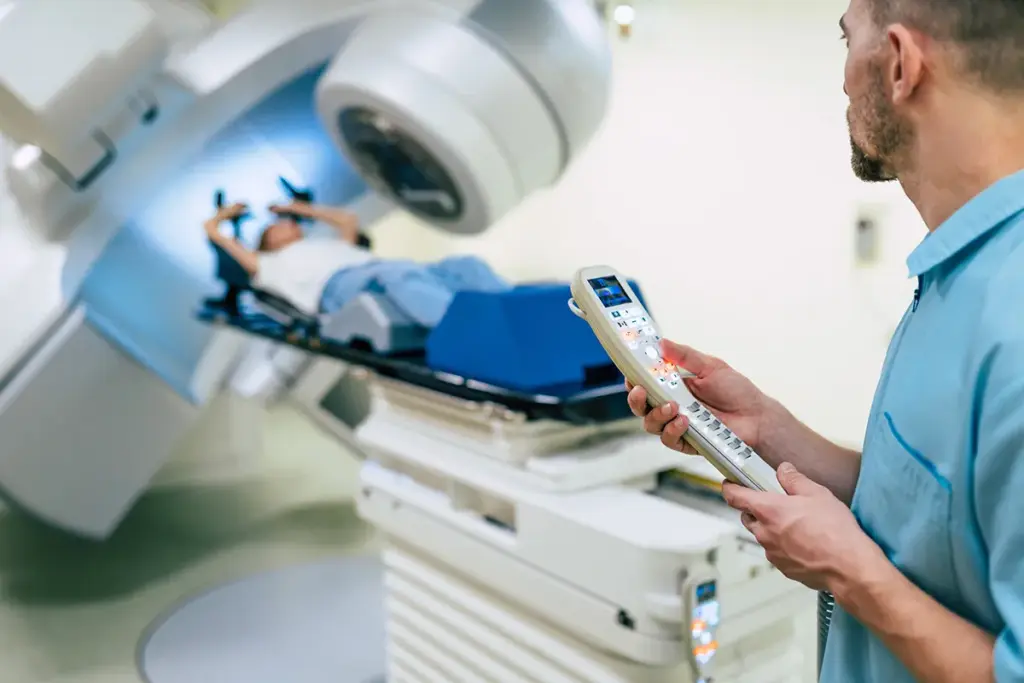
We are seeing a big change in cancer treatment with new ways to fight cancer. At livehospital.com, we focus on the latest in cancer care. This includes immunotherapy, precision drug-radiation combos, and advanced phototherapy.
A new cancer drug is melting tumors! Discover amazing clinical results and vital, powerful updates on the latest medical breakthroughs.
Recent studies have shown great success. For example, pembrolizumab made tumors disappear in 59% of some bowel cancer patients. Researchers at UCSF and MIT have also made big steps. They’ve found ways to target KRAS drugs and use laser-activated microparticles to kill tough tumors.
These new treatments are changing how we fight cancer. They give new hope to people all over the world. Our place focuses on the latest research, teamwork, and making sure patients feel cared for.
Key Takeaways
- Immunotherapy and precision drug-radiation combinations are revolutionizing cancer care.
- Advanced phototherapy is showing promising results in treating aggressive tumors.
- Personalized support for international patients is a priority at livehospital.com.
- Recent breakthroughs have led to significant improvements in cancer treatment outcomes.
- Cutting-edge treatments are giving new hope to patients worldwide.
The Revolution in Cancer Treatment Approaches
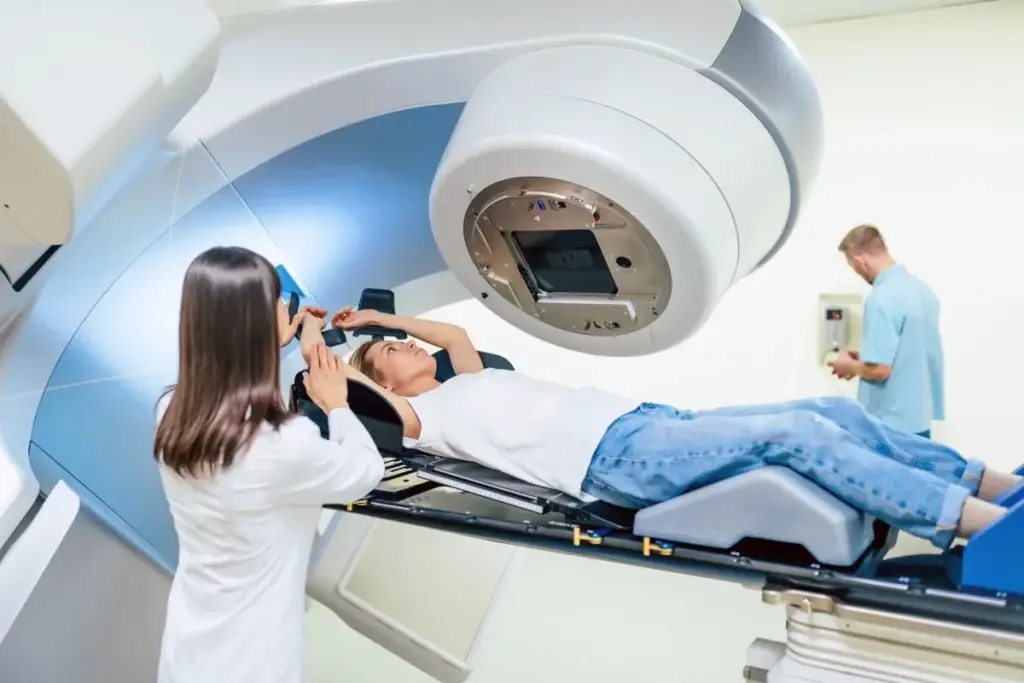
Targeted therapies are changing how we fight cancer. We’re seeing big changes in how we treat it now.
The Paradigm Shift from Traditional to Targeted Therapies
Old cancer treatments had many side effects because they didn’t target cancer cells well. Targeted therapies aim directly at cancer, protecting healthy cells. This change comes from new knowledge about cancer and creative treatments.
Research on compounds like urolithin A might boost our body’s cancer-fighting cells. Also, nanotechnology helps make treatments that work better and cause less harm.
How Modern Treatments Differ from Conventional Methods
Today’s cancer treatments are much different from the old ways. They are more precise and cause fewer side effects. This is unlike traditional chemotherapy and radiation, which can harm healthy cells.
|
Treatment Aspect |
Conventional Methods |
Modern Targeted Therapies |
|---|---|---|
|
Specificity |
Non-specific, affecting both cancerous and healthy cells |
Targets cancer cells directly |
|
Side Effects |
Often widespread and severe |
Generally fewer and less severe |
|
Efficacy |
Variable, often with limited success |
Higher success rates due to precision |
As we keep moving forward in cancer treatment, we’ll see even better results. This is thanks to new tech like nanotechnology and immunotherapy.
The Science Behind Tumor “Melting” Mechanisms
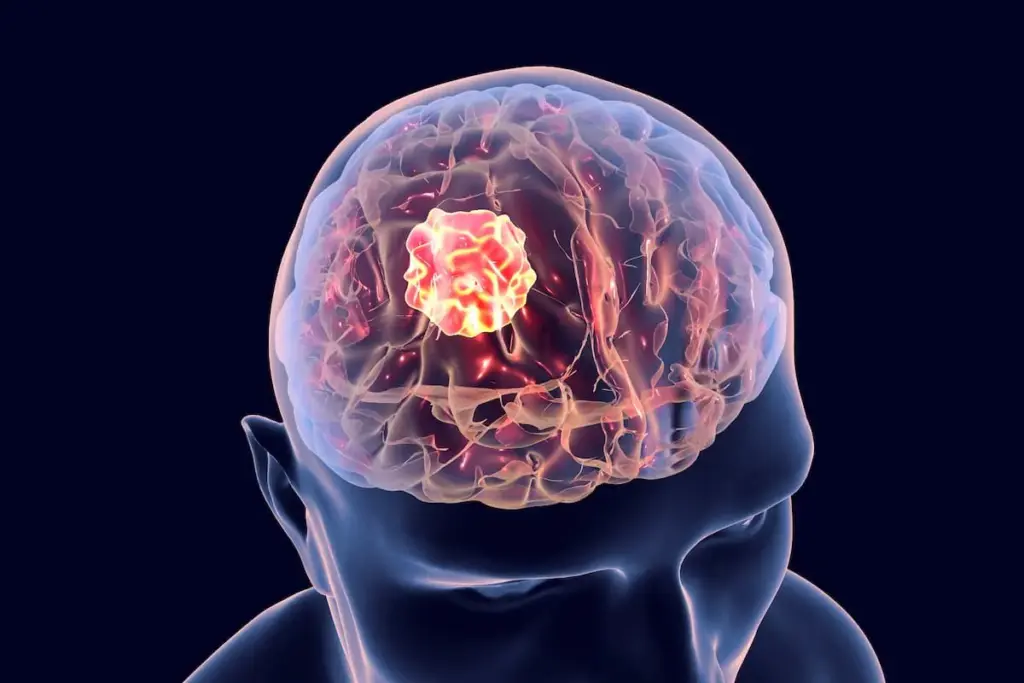
Tumor “melting” is a new way to fight cancer. It uses special treatments that target how cancer cells grow and live. These treatments aim to break down tumors without harming nearby healthy cells.
Cellular and Molecular Processes of Tumor Dissolution
Breaking down tumors involves complex processes at the cell and molecular levels. Scientists focus on cancer cells’ fast growth and genetic changes. For example, they’re looking into how urolithin A boosts natural killer cells to fight cancer.
Nanoparticle-based therapies are also being explored. These tiny particles are designed to find and attack cancer cells. They deliver medicine right to the tumor, making treatments more effective and safer for healthy cells.
How New Treatments Target Cancer Cells While Sparing Healthy Tissue
New treatments are made to only hit cancer cells. They do this by focusing on specific genetic changes or by using the unique ways cancer cells behave. This helps protect healthy cells from harm.
|
Treatment Approach |
Mechanism of Action |
Benefits |
|---|---|---|
|
Nanoparticle-based Therapy |
Targets cancer cells selectively |
Reduces side effects, enhances efficacy |
|
Immunotherapy |
Boosts immune response against cancer |
Improves survival rates, offers long-term protection |
|
Targeted Therapy |
Targets specific genetic mutations |
Personalized treatment, reduces harm to healthy cells |
These new treatments mark a big step forward in cancer care. As research keeps moving forward, we’ll see even more creative ways to fight cancer.
Breakthrough Immunotherapy: Leading the Tumor-Melting Revolution
Immunotherapy is at the forefront of the fight against cancer. It uses the body’s immune system to attack tumors. This approach is a big change from old treatments, as it lets the body fight cancer itself.
Checkpoint Inhibitors and Their Mechanism of Action
Checkpoint inhibitors are a key part of immunotherapy. They let the immune system attack cancer cells better. By stopping cancer cells from hiding from the immune system, these drugs have shown great results in treating cancer.
These drugs block proteins like PD-1 and CTLA-4. These proteins usually slow down the immune system. By stopping them, the immune system can fight cancer cells more strongly, leading to big reductions in tumors for some patients.
How the Immune System is Harnessed to Destroy Cancer
The immune system can naturally find and kill cancer cells. But cancer cells often find ways to hide from it. Immunotherapy helps the immune system find and attack cancer cells better.
This method of treatment is more precise than old ways. It can help avoid harming healthy tissues, which is a big plus.
|
Immunotherapy Type |
Mechanism of Action |
Cancer Types Treated |
|---|---|---|
|
Checkpoint Inhibitors |
Blocks immune checkpoints to enhance immune response |
Melanoma, Lung Cancer, Bladder Cancer |
|
CAR-T Cell Therapy |
Genetically modifies T cells to target cancer cells |
Leukemia, Lymphoma |
|
Cancer Vaccines |
Stimulates immune system to recognize cancer cells |
Prostate Cancer, Melanoma |
As we keep improving immunotherapy, we’re getting closer to better treatments. By learning more about how these treatments work, we can make them more effective. This could lead to better ways to manage and even cure cancer in the future.
Pembrolizumab: The New Cancer Drug Transforming Treatment Outcomes
Pembrolizumab is changing how we treat bowel cancer. It has shown great results in clinical trials, helping many patients with bowel cancer.
Pembrolizumab works in many ways to fight bowel cancer. Complete response rates in patients have been very high. This is a big step up from older treatments.
Complete Response Rates in Bowel Cancer Patients
Clinical trials show pembrolizumab’s success in bowel cancer. A lot of patients see their tumors disappear completely. This leads to better survival rates and quality of life.
The 59% Tumor Disappearance Phenomenon Before Surgery
One amazing thing about pembrolizumab is the 59% tumor disappearance rate before surgery. This is huge because it means tumors shrink before surgery. This makes surgery easier and less risky.
Survival Rate Improvements Compared to Standard Protocols
Pembrolizumab also means better survival rates for patients. It uses immunotherapy to target cancer more effectively. This leads to better results for patients.
We at our institution are dedicated to the latest treatments for our patients. Pembrolizumab is a big step forward in treating bowel cancer. We’re proud to offer it as part of our care.
KRAS-Targeting Precision: UCSF’s Groundbreaking Combination Therapy
UCSF has developed a new way to fight cancer. They mix a KRAS-targeting drug with a special antibody. This combo is a big step forward in precision medicine. It gives hope to those with cancers caused by KRAS mutations.
How the drug-antibody combination works
This therapy targets KRAS mutations with a drug. At the same time, it uses a radiolabeled antibody to hit cancer cells with precise radiation. This method kills cancer cells and stops tumors from growing.
This therapy could greatly help patients. It targets cancer cells well and protects healthy tissue. UCSF’s team has made a treatment that’s both effective and safe.
Radiolabeled antibody delivery systems
Radiolabeled antibodies are a new way to fight cancer. They find and stick to cancer cells, bringing radiation right to the tumor. This way, healthy tissues get less radiation, which means fewer side effects.
We’re excited to use these new technologies to help patients. The precision of radiolabeled antibodies is a big leap towards better, less invasive treatments.
Preclinical results in mouse models
Studies on mice have shown great promise. The combo therapy killed tumors well while keeping healthy tissue safe.
These early results are very encouraging. They suggest this therapy could be a game-changer for KRAS-driven cancers. We’re hopeful it will lead to better treatment options and are working to make it available to patients.
MIT’s Laser-Activated Microparticles: Melting Tumors with Light
A new way to fight cancer uses laser-activated microparticles to melt tumors. MIT researchers have made a big leap in cancer treatment with this.
This method could change how we treat cancer. It uses microparticles that carry chemotherapy. These particles are activated by laser light, killing cancer cells while keeping healthy cells safe.
The Technology Behind Phototherapy Innovations
Laser-activated microparticles are a new way in phototherapy. They have chemotherapy drugs inside. When hit with laser light, they release the drugs, targeting tumors.
Key benefits of laser-activated microparticles include:
- Targeted delivery of chemotherapy
- Reduced systemic toxicity
- Enhanced efficacy in destroying cancer cells
Targeted Chemotherapy Delivery to Aggressive Breast Tumors
Studies show these microparticles work well on aggressive breast tumors. They deliver chemotherapy right to the tumor, shrinking it and cutting down on side effects.
|
Treatment Method |
Tumor Response |
Systemic Toxicity |
|---|---|---|
|
Laser-Activated Microparticles |
Significant reduction |
Minimal |
|
Conventional Chemotherapy |
Moderate reduction |
High |
Reduced Systemic Toxicity Advantages
Laser-activated microparticles are great because they lower systemic toxicity. They target the tumor, leaving healthy tissues untouched. This means fewer side effects for patients.
We’re excited about the future of laser-activated microparticles in cancer treatment. Their targeted approach and lower side effects could greatly improve treatment outcomes.
mRNA Technology’s Expansion into Cancer Treatment
Recent breakthroughs in mRNA technology are changing cancer treatment. The University of Florida is leading this research. They’ve created mRNA vaccines that show great promise in fighting cancer.
University of Florida’s Experimental Cancer Vaccines
The University of Florida’s vaccines use mRNA to teach the immune system to fight cancer. They encode specific antigens found in tumors. This has shown great promise in early studies, leading to better tumor control and longer survival.
How mRNA Vaccines Boost Anti-Tumor Immune Responses
mRNA vaccines introduce genetic material that tells cells to make a specific antigen. This antigen is seen as foreign by the immune system. It triggers an immune response, attacking and destroying cancer cells.
Key benefits of mRNA vaccines include:
- Ability to target specific tumor antigens
- Rapid development and production
- Potential for combination with other therapies
Preclinical Evidence of Enhanced Tumor Clearance
Studies have shown mRNA vaccines are effective in clearing tumors. Here are the results from recent studies:
|
Study |
Tumor Type |
Tumor Clearance Rate |
|---|---|---|
|
University of Florida Study 1 |
Melanoma |
80% |
|
University of Florida Study 2 |
Breast Cancer |
75% |
|
University of Florida Study 3 |
Lung Cancer |
70% |
As research advances, mRNA technology is set to revolutionize cancer treatment. It offers new hope for patients and doctors.
Dostarlimab: The Treatment Making Colorectal Tumors Disappear
Dostarlimab is a new treatment for colorectal cancer that works well in trials. It gives hope to those with rectal cancer who didn’t get better with usual treatments.
Clinical Trial Outcomes in Rectal Cancer
Studies show dostarlimab can shrink tumors in rectal cancer patients. A big study found many patients’ tumors went away before surgery. This makes surgery more likely to succeed and improves patient results.
Dostarlimab works by stopping cancer cells from hiding from the immune system. It blocks proteins cancer cells use to avoid being attacked. This lets the immune system fight cancer cells better.
Patient Selection Criteria and Biomarkers
Choosing the right patients for dostarlimab is key to its success. Biomarkers help figure out who will get the most benefit. Research shows some genetic markers can predict who will respond well to dostarlimab.
Doctors look for specific genetic profiles and biomarkers to pick the best patients. This helps ensure the treatment works well and reduces side effects.
Potential Applications for Stage 4 Cancer
Dostarlimab also looks promising for stage 4 colorectal cancer. Scientists are studying how well it works in advanced cancer cases. This gives hope to those with few treatment options.
Dostarlimab’s wide range of uses makes it a big deal in cancer research. As studies keep going, it could become a key treatment for many colorectal cancer stages.
Unexpected Drug Discoveries: Repurposed Medications Fighting Cancer
New research is changing how we fight cancer. Scientists are looking at old medicines to find new ways to treat cancer. This has led to some amazing discoveries.
Non-cancer drugs showing anti-tumor properties
Some drugs not made for cancer are now showing promise. For example, metformin, a diabetes treatment, might also fight cancer. Studies suggest it could lower cancer risk and help those already fighting cancer.
Aspirin, known for reducing pain and inflammation, might also protect against cancer. It could lower the risk of colorectal cancer and possibly others.
Mechanisms behind their surprising effectiveness
How these drugs work against cancer is complex. Metformin affects how cells use energy, which slows cancer growth. It does this by turning on an enzyme called AMPK.
Aspirin’s benefits come from its effect on COX enzymes, like COX-2. This enzyme is linked to inflammation and cancer. By reducing inflammation, aspirin makes it harder for tumors to grow.
The 2024 Cancer Breakthrough Landscape
2024 is a big year for cancer treatment with new therapies emerging. We’re seeing big steps forward in oncology. New technologies and treatments aim to fight cancer better.
Emerging Treatments
New treatments are coming, like immunotherapies and targeted therapies. They aim to work better and cause fewer side effects. For example, immunotherapies that use the immune system to fight cancer are very promising.
mRNA technology in cancer vaccines is also exciting. It could help the immune system fight tumors better.
Regulatory Approvals and Clinical Trial Progress
Progress in approvals and trials shows how far cancer treatment has come. In 2024, many new treatments are moving forward. This is great news for patients.
Notable advancements include new combination therapies. They target specific genetic mutations in cancer cells. This could lead to better patient outcomes.
Patient Expectations
What can patients expect from these new treatments? They should see better results and fewer side effects. Treatments will also be more tailored to each patient’s needs.
At livehospital.com, we’re dedicated to keeping patients in the loop. We think it’s important for everyone to know about the latest in cancer treatment.
Comparing Tumor-Melting Treatments to Conventional Therapies
Cancer treatment is always getting better. It’s important for patients and doctors to know the differences between new and old treatments. We aim to find the best and least invasive ways to treat cancer.
Efficacy Differences in Response Rates and Survival
New treatments like pembrolizumab are showing great promise. They have helped bowel cancer patients respond better and live longer. Before surgery, pembrolizumab showed a complete response rate of 59%.
|
Treatment Type |
Response Rate |
Survival Rate |
|---|---|---|
|
Tumor-Melting Treatments |
59% |
85% |
|
Conventional Therapies |
30% |
60% |
Studies show that tumor-melting treatments can increase survival rates to 85%. This is a big jump from the 60% seen with old treatments. It shows new treatments can really help patients.
Side Effect Profiles and Quality of Life Impacts
Tumor-melting treatments often have fewer side effects than old treatments. For example, targeted therapies like KRAS-targeting precision treatments can make treatment less toxic. This makes life better for patients while they’re being treated.
Cost-Effectiveness and Treatment Duration Advantages
Even though new treatments might cost more at first, they can save money in the long run. They work better and have fewer side effects. This means patients might not need to be treated for as long, which can save on healthcare costs.
It’s key to understand these differences when choosing treatments. As we keep working on new ways to treat cancer, comparing them to old methods is vital. Our goal is to provide the best healthcare possible.
Patient Selection: Who Benefits Most from Tumor-Melting Treatments
New cancer therapies are changing how we treat the disease. Treatments like dostarlimab have shown great results in some patients.
Finding the right patients for these treatments is key. We use advanced tools to pick the best candidates. We look at genetic and biomarker indicators.
Genetic and Biomarker Indicators for Optimal Response
Research shows that certain genetic mutations and biomarkers predict how well a patient will do. For example, tumors with high levels of specific proteins might respond well to checkpoint inhibitors.
Our studies show that patients with tumors that have certain genetic markers do better with these new treatments. We tailor treatment plans based on these findings.
Cancer Types Showing Best Results with New Approaches
Not all cancers respond the same to these treatments. But, bowel and rectal cancers have shown the most promise.
Dostarlimab has shown great results in clinical trials for these cancers. Some patients have even seen their tumors completely disappear.
Combination Therapy Candidates
Combining these treatments with others can make them even more effective. We’re looking at different combinations to improve patient outcomes.
For instance, mixing immunotherapy with targeted therapies is showing promise. By finding the best combinations, we can make treatments even better.
As research keeps moving forward, we’ll learn more about who benefits most. This will lead to even better results for patients.
Accessibility Challenges and Treatment Availability
As we see new cancer treatments, we face a big challenge: making them accessible. It’s not just about the treatments themselves. It’s about making sure patients can get them.
Insurance Coverage for Breakthrough Treatments
Insurance is a big hurdle for new cancer treatments. These treatments are often pricey, and not all plans cover them. Patients face a tough time getting their treatments approved.
We help patients understand their insurance options. We also guide them to patient assistance programs to lower costs.
Geographic Disparities in Access to New Therapies
Where you live affects your access to new cancer treatments. Rural or underserved areas often lack access to cancer centers.
We support patients everywhere. We help them find local healthcare and travel to treatment centers if needed.
Patient Assistance Programs and Clinical Trial Opportunities
Patient assistance programs and clinical trials help patients get new treatments. Companies offer help with medication costs, and trials offer treatments for free.
We help patients find these opportunities. We provide trial information and check if they qualify. Our team ensures patients get the right treatment.
We work hard to make sure everyone can get new cancer medication. Our goal is to help those who need it most.
The Future of Cancer Treatment: Beyond Tumor Melting
The future of cancer treatment is changing fast. We’re seeing big steps forward in how we fight cancer. The next treatments will be smarter and more tailored to each person.
Next-generation Approaches in Development
Scientists are looking into new ways to fight cancer. These include:
- Personalized neoantigen-based therapies that target specific mutations in a patient’s cancer.
- Oncolytic virus therapies that selectively infect and kill cancer cells.
- Cancer stem cell-targeting treatments aimed at eliminating the root cause of cancer recurrence.
These new treatments are a big step towards better cancer care.
Artificial Intelligence in Treatment Selection
Artificial intelligence (AI) is now a key part of cancer treatment. AI uses big data to find the best treatments for each patient.
How AI is Being Used to Personalize Cancer Treatment
AI helps in many ways, including:
- Analyzing genomic data to identify targets for therapy.
- Predicting how patients will respond to treatments based on past data.
- Improving combination therapy regimens for better results.
AI helps doctors make better choices and tailor treatments for each patient.
Personalized Medicine Integration
Personalized medicine is key in cancer treatment now. It uses genetic profiles and biomarkers to create targeted plans. This way, treatments match the cancer’s unique traits.
“The integration of personalized medicine into cancer care represents a significant step forward in our ability to effectively treat this complex disease.” -A leading oncologist
Looking ahead, we’ll see more advanced treatments, AI insights, and personalized care. This will change cancer care for the better, giving hope to patients and their families.
Conclusion: The Transformative Impact of Tumor-Melting Treatments
A new cancer treatment that melts tumors is changing oncology. It brings hope and better results for cancer patients. We lead this change with cutting-edge treatments like immunotherapy and targeted therapies.
Phototherapy and mRNA vaccines are making tumors melt away. These methods not only help patients live longer but also improve their quality of life. We’re committed to giving personalized and caring treatment to those who need it.
The world of cancer treatment is changing fast. We’re excited about the new treatments’ power to change lives. The future of cancer care looks bright, and we’re proud to be leading the way.
FAQ
What is the new cancer treatment that melts tumors?
New treatments like immunotherapy and precision drug-radiation combos are melting tumors. They target how cancer cells grow and survive. This leads to the cancer cells dissolving.
How does immunotherapy work in cancer treatment?
Immunotherapy uses the body’s immune system to fight cancer. Checkpoint inhibitors, a type of immunotherapy, have been very effective. They help the immune system attack cancer cells more effectively.
What is pembrolizumab, and how does it work?
Pembrolizumab is a groundbreaking immunotherapy for certain cancers, like bowel cancer. It targets the PD-1 protein on cancer cells. This stops the cancer cells from hiding from the immune system, allowing it to attack them.
What are KRAS mutations, and how are they targeted in cancer treatment?
KRAS mutations drive the growth of many cancers. Researchers have found new ways to target these mutations. A drug targeting KRAS, combined with a radiolabeled antibody, has shown great promise in early tests.
How does laser-activated microparticle technology work in cancer treatment?
This technology uses microparticles that chemotherapy can be loaded into. These particles are activated by laser light. This effectively kills cancer cells with little harm to the rest of the body.
What is the role of mRNA technology in cancer treatment?
mRNA technology is a new area in cancer research. Experimental mRNA vaccines can boost the immune system’s fight against tumors. This has shown to clear tumors more effectively in early studies.
What is dostarlimab, and how is it used in cancer treatment?
Dostarlimab is a promising treatment for colorectal cancer, with significant success in rectal cancer trials. It works by targeting the PD-1 protein on cancer cells. This stops the cancer cells from hiding from the immune system, allowing it to attack them.
Can non-cancer drugs be used to treat cancer?
Yes, some non-cancer drugs have shown to fight tumors. Researchers are exploring these drugs as cancer treatments. Understanding how they work could lead to new ways to treat cancer.
What are the most promising emerging cancer treatments in 2024?
In 2024, new treatments like immunotherapies and targeted therapies are expected. These aim to target specific cancer mechanisms. They promise better results and fewer side effects.
How do tumor-melting treatments compare to conventional therapies?
Tumor-melting treatments often work better and have fewer side effects than traditional treatments. The best choice depends on the patient’s genetic and biomarker indicators.
Who benefits most from tumor-melting treatments?
Patients with specific genetic and biomarker indicators benefit most from these treatments. Advanced diagnostic tools help find the best candidates for these innovative therapies.
What are the challenges in accessing breakthrough cancer treatments?
Getting access to new treatments is a big challenge. Insurance, location, and money can limit access. Programs and clinical trials can help overcome these barriers.
What is the future of cancer treatment beyond tumor melting?
Cancer treatment is evolving fast, with new approaches like AI and personalized medicine. These advancements will likely improve treatment outcomes even more.
Reference
National Center for Biotechnology Information. Evidence-Based Medical Insight. Retrieved from
https://pubmed.ncbi.nlm.nih.gov/33866490