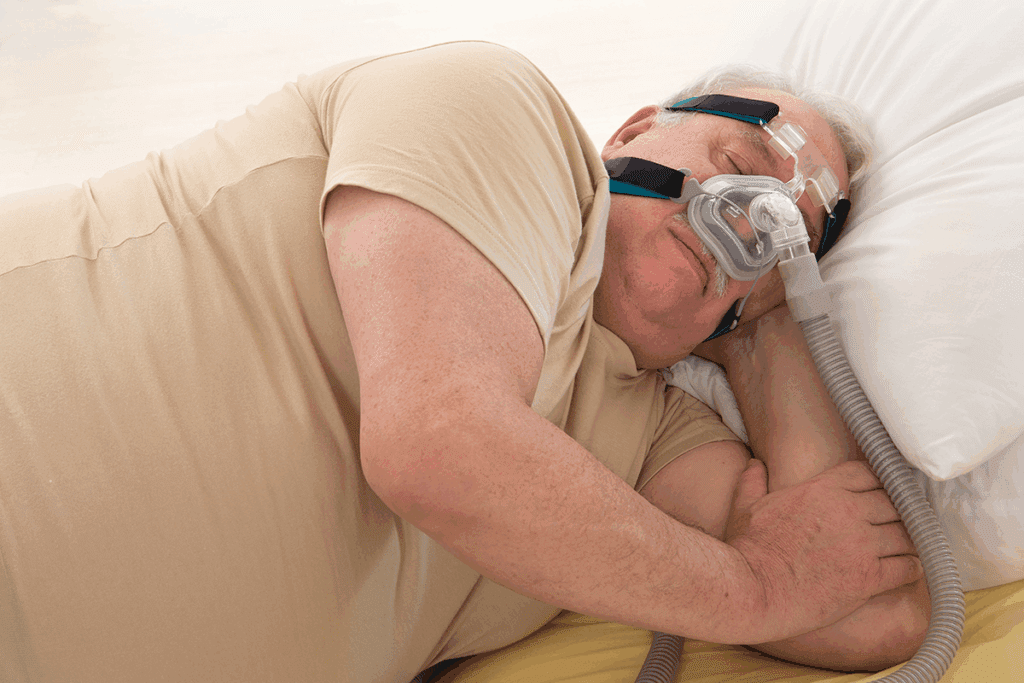
We are seeing a big change in how we treat sleep apnea. This is because CPAP therapy has its limits. Obstructive sleep apnea (OSA) affects 10% to 30% of adults in the U.S. and up to 5% of kids.
Now, there are more ways to treat sleep apnea than ever before. At Liv Hospital, we offer top-notch care and innovative solutions. We help you find a treatment that works for you and improves your health.
5 new sleep apnea solutions beyond CPAP, including state-of-the-art implants and oral devices.
Key Takeaways
- Explore alternatives to traditional CPAP therapy for sleep apnea treatment
- Discover FDA-approved implants and custom dental devices as viable options
- Learn about emerging technologies transforming the landscape of sleep apnea treatment
- Understand the benefits of personalized treatment approaches
- Find out how Liv Hospital’s international standards and patient-centered care can support your health journey
The Impact of Sleep Apnea and CPAP Limitations
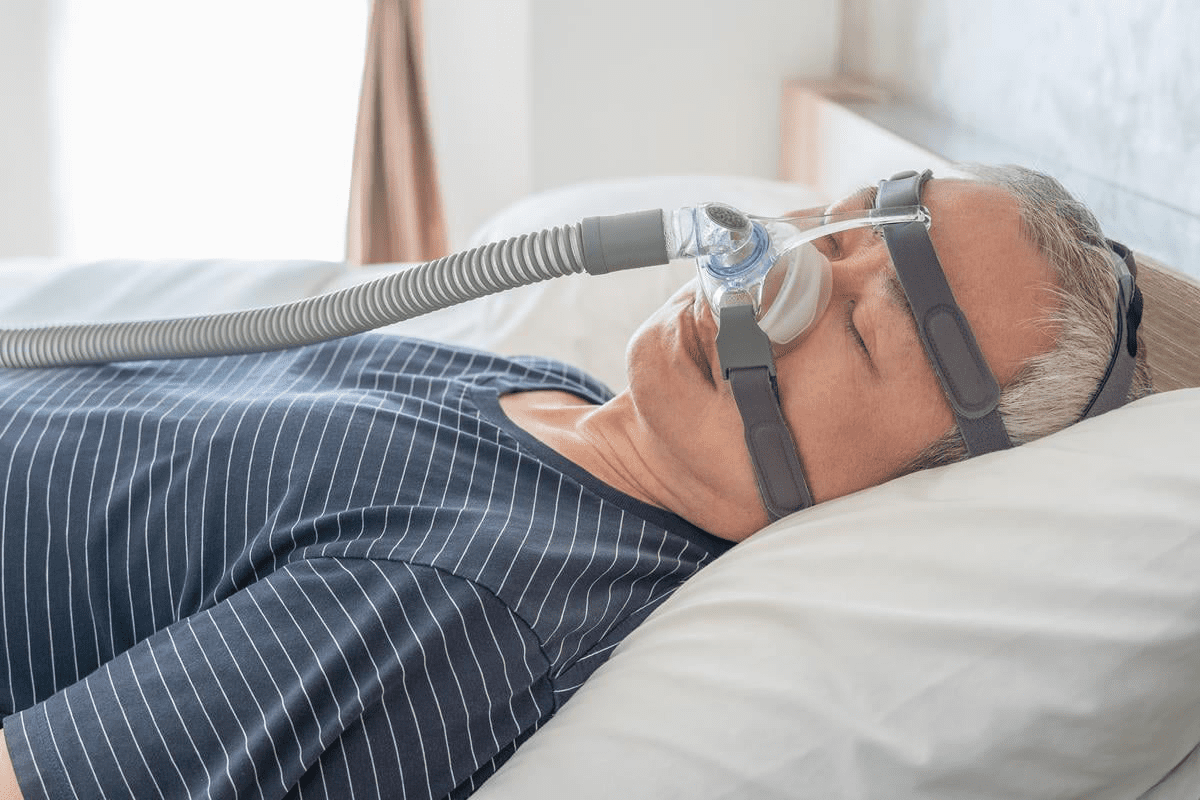
Sleep apnea is a common sleep disorder that affects millions. It can lead to serious health problems if not treated. CPAP therapy helps, but it has its own challenges, causing many patients to stop using it.
The Prevalence and Health Consequences of Sleep Apnea
Sleep apnea causes breathing to stop and start during sleep. This leads to poor sleep quality and low blood oxygen. These pauses can happen many times a night, affecting health greatly.
Untreated sleep apnea can lead to heart disease, high blood pressure, diabetes, and brain problems. It can also make other health issues worse. So, managing sleep apnea is key to overall health.
Why 30-40% of Patients Abandon CPAP Therapy
CPAP machines push air constantly, which can be uncomfortable. Issues like mask discomfort, noise, and upkeep can make it hard for people to stick with it. About 30-40% of those using CPAP therapy stop because of these problems.
Common Issues with CPAP Masks and Machines
Some common problems with CPAP masks and machines include:
- Discomfort from the mask
- Noise from the machine
- Difficulty in adjusting to the constant airflow
- Maintenance and cleaning requirements
These issues show the need for better treatments. Ones that are more comfortable and easy to use, without losing effectiveness.
Issue | Percentage of Patients Affected |
Mask Discomfort | 25% |
Noise from Machine | 15% |
Difficulty Adjusting to Airflow | 20% |
Maintenance Issues | 10% |
New Sleep Apnea Solutions Transforming Treatment in 2024
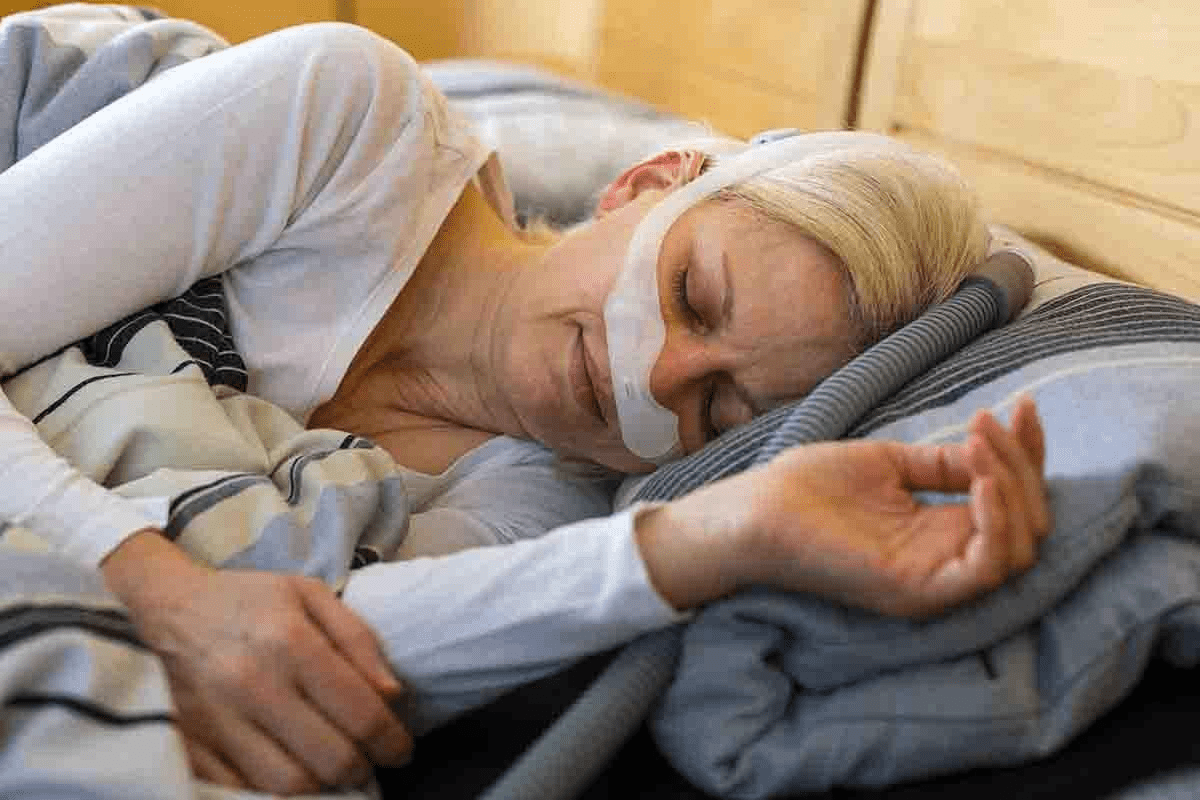
In 2024, sleep apnea treatment is changing a lot. People want treatments that are more comfortable and work better. New research shows many new ways to treat sleep apnea, not just CPAP machines.
The Shift from CPAP-Centered Care
CPAP machines are no longer the only choice for treating sleep apnea. Now, we have other PAP machines and new treatments. These changes make treatment more comfortable and flexible for patients.
Key drivers of this shift include:
- Increasing awareness of CPAP limitations
- Advancements in technology enabling more sophisticated treatment options
- Growing demand for personalized care
How Technology is Revolutionizing Sleep Apnea Management
Technology is a big part of the change in sleep apnea treatment. New devices and therapies aim to make treatment more comfortable and effective.
Some of the technological innovations include:
- Advanced algorithms for more precise pressure adjustments
- Miniaturization of devices for improved portability
- Integration of wearable technology for real-time monitoring
Evaluating Treatment Options: Effectiveness vs. Convenience
When looking at new sleep apnea treatments, we must think about how well they work and how easy they are to use. The best treatments are those that are both effective and convenient.
Treatment Option | Effectiveness | Convenience |
APAP Machines | High | Moderate |
Oral Appliance Therapy | Moderate to High | High |
Inspire Upper Airway Stimulation | High | Low to Moderate |
As we keep finding new ways to treat sleep apnea, it’s important to know what each option does well and what it doesn’t. This way, we can give patients the best care possible.
Oral Appliance Therapy: First-Line CPAP Alternative
Oral appliance therapy is a top choice for treating sleep apnea, aside from CPAP machines. These devices are made just for you. They move your lower jaw forward, keeping your airway open and lessening sleep apnea symptoms.
Exploring sleep apnea treatment options, oral appliance therapy is key. The American Academy of Sleep Medicine sees it as a first-line treatment for mild to moderate sleep apnea.
Types of Mandibular Advancement Devices
Mandibular advancement devices are the most used oral appliances for sleep apnea. They move your lower jaw forward, keeping your airway open at night.
- Custom-Fitted Devices: Made just for you, they’re more effective.
- Over-the-Counter Devices: You can buy these without a doctor’s order, but they might not be as comfortable or effective.
A study in the Journal of Clinical Sleep Medicine showed custom-fitted mandibular advancement devices greatly improved sleep apnea symptoms.
“Oral appliance therapy is a valuable treatment option for patients with obstructive sleep apnea, specially for those who can’t use CPAP therapy.”
— Medical Expert, Sleep Specialist
Custom-Fitted vs. Over-the-Counter Options
Choosing between custom-fitted and over-the-counter oral appliances is important. Custom-fitted devices fit better, making them more comfortable and effective.
Feature | Custom-Fitted | Over-the-Counter |
Comfort Level | High | Variable |
Effectiveness | High | Moderate |
Cost | Higher | Lower |
Effectiveness Rates for Mild to Moderate Sleep Apnea
Oral appliance therapy is very effective for mild to moderate sleep apnea. Studies show these devices can greatly lower the apnea-hypopnea index (AHI) in patients.
A meta-analysis in the European Respiratory Journal found oral appliance therapy cut AHI by 12.2 events per hour in patients with mild to moderate sleep apnea.
In summary, oral appliance therapy is a big step forward in treating sleep apnea, mainly for those who can’t use CPAP therapy. Knowing about the different types and their effectiveness helps patients choose the best treatment for them.
Inspire Upper Airway Stimulation: Innovative Nerve Stimulation Technology
Inspire Upper Airway Stimulation is changing sleep apnea therapy with its new nerve technology. This device is for those with moderate to severe sleep apnea. It’s a big step up from old treatments like CPAP machines.
Mechanism of Action During Sleep
The Inspire device works by stimulating the hypoglossal nerve. This nerve controls the tongue’s movement. During sleep, it sends mild signals to keep the airway open.
This stops the airway collapses that cause sleep apnea. It’s key for uninterrupted sleep and better life quality for patients.
A clinical study found, “Upper airway stimulation via hypoglossal nerve stimulation has been shown to significantly reduce sleep apnea severity.”
“The therapy is well-tolerated, with most patients experiencing significant improvements in sleep apnea severity and quality of life.”
Implantation and Recovery
The Inspire device is implanted in a surgery. The surgery takes a few hours. Patients usually heal in a week or so.
Recovery is usually easy, with most back to normal in no time. It’s important to follow the doctor’s advice to avoid problems.
Candidacy and Insurance Coverage
To get Inspire therapy, patients need to meet certain criteria. They must have moderate to severe sleep apnea and not be very overweight. Insurance coverage varies, but many plans cover it for eligible patients.
Candidacy Criteria | Description |
Age | 22 years or older |
Sleep Apnea Severity | Moderate to severe obstructive sleep apnea |
Body Mass Index (BMI) | Less than 35-40 |
Previous Treatments | Inability to tolerate CPAP therapy |
It’s important for those interested to talk to their doctor. They can check if you’re eligible and discuss insurance options.
BiPAP Therapy: Advanced Pressure Support for Complex Cases
BiPAP therapy is a big step forward in treating sleep apnea. It’s a more comfortable choice than traditional CPAP machines. BiPAP machines give different pressures for breathing in and out. This makes them better for people with complex sleep apnea or those who can’t use CPAP.
Technical Differences Between CPAP and BiPAP
CPAP and BiPAP machines differ mainly in how they deliver pressure. CPAP machines give a constant pressure all the time. BiPAP machines, on the other hand, have two pressures: one for breathing in and a lower one for breathing out. This can make breathing out easier, which is a big plus for some users.
This difference can really help patients stick to their treatment. BiPAP therapy is great for those who need higher pressures. It makes exhaling easier, which is a big comfort.
Ideal Candidates for BiPAP Therapy
BiPAP therapy is best for people who can’t use CPAP machines because of discomfort or high pressure needs. It’s good for those with complex sleep apnea, high pressure needs, or who have tried CPAP but it didn’t work. People with certain health issues, like central sleep apnea, might also find it helpful.
It’s important to talk to a sleep specialist to see if BiPAP is right for you. They’ll look at your needs and health history to decide the best plan for you.
Latest BiPAP Models and Comfort Features
New BiPAP machines are more advanced and comfortable. They have better algorithms for adjusting pressure, improved masks for a better fit, and better humidifiers to prevent dry mouth and congestion.
Some of the newest BiPAP models have:
- Auto-adjusting pressure settings for optimal comfort
- Advanced data tracking and analytics for better treatment monitoring
- Improved battery life for enhanced portability
- Quieter operation for reduced disturbance
These updates have made BiPAP therapy a more appealing option for long-term treatment of complex sleep apnea.
Positional Therapy Devices: Simple Solutions for Back Sleepers
For back sleepers, positional therapy devices can help a lot. They make it easier to sleep on your side. This can cut down on sleep apnea episodes.
The Science Behind Position-Dependent Sleep Apnea
Position-dependent sleep apnea happens when you sleep on your back. The tongue and soft palate can block your airway. This makes it harder to breathe.
Studies show that sleeping on your back can lead to more apnea episodes. This is because your airway is more likely to get blocked.
Research says positional therapy works well for mild to moderate sleep apnea. Devices that help you sleep on your side can reduce apnea episodes.
Modern Electronic Positional Devices vs. Traditional Methods
Old methods used pillows or tennis balls to stop back sleeping. But modern electronic positional devices are now more popular. They are more comfortable and work better.
- Modern devices are wearable and give gentle vibrations to help you sleep on your side.
- They are more comfortable and effective than old methods.
- Some devices track your sleep, giving you insights into your sleep patterns.
Effectiveness for Mild to Moderate Position-Dependent Apnea
Studies show that positional therapy works well for mild to moderate sleep apnea. It can reduce apnea episodes. This improves your sleep quality and lowers health risks.
The main benefits of positional therapy devices are:
- They are non-invasive and comfortable to wear.
- They are effective in reducing apnea episodes for back sleepers.
- They can be used with other sleep apnea treatments.
We suggest talking to a healthcare professional. They can help decide if positional therapy devices are right for you.
eXciteOSA and Electric Muscle Stimulation: Daytime Treatment for Better Sleep
eXciteOSA is a new way to treat sleep apnea. It uses electric muscle stimulation during the day. This method aims to make the muscles of the upper airway stronger. This could help reduce sleep apnea at night.
How Muscle Stimulation Strengthens the Upper Airway
The eXciteOSA device sends gentle electrical impulses to the tongue muscles. This makes them stronger and more toned. It helps keep the airway open during sleep, which is key for those with sleep apnea.
By making the muscles stronger during the day, patients can sleep better at night.
Treatment Protocols and Time Commitment
Using eXciteOSA involves 20-minute sessions, twice a day, for six weeks. It’s easy to use at home, even for those with busy lives. The treatment is simple to follow, which helps patients stick to it.
FDA Approval Status and Clinical Evidence
eXciteOSA has been cleared by the FDA for sleep apnea treatment. This is a big step for electric muscle stimulation therapies. Studies have shown it can greatly reduce sleep apnea severity.
Study Parameter | Baseline | Post-Treatment |
Apnea-Hypopnea Index (AHI) | 22.5 ± 10.2 | 13.4 ± 8.5 |
Oxygen Desaturation Index (ODI) | 15.6 ± 7.3 | 8.2 ± 5.1 |
Patient Reported Outcomes | Significant improvement in sleep quality and daytime functioning |
eXciteOSA is a big step forward in treating sleep apnea. It’s a non-invasive, daytime therapy. As research goes on, we’ll see even better electric muscle stimulation technologies.
Emerging Weight Management Medications for Sleep Apnea
As we learn more about obesity and sleep apnea, new weight management meds are showing promise. Being overweight, mainly around the neck, can block airways during sleep. Studies suggest these meds might help lose weight and also improve sleep apnea.
The Connection Between Weight and Sleep Apnea
There’s a clear link between weight and sleep apnea. Many sleep apnea patients are overweight or obese. Sleep experts say losing weight is key to managing sleep apnea.
Extra weight can make the airway fat, causing blockages during sleep. Losing weight can help reduce sleep apnea symptoms.
Repurposed Medications Showing Promise in 2024
In 2024, some weight loss meds are being used to treat sleep apnea. These meds were made for obesity but also help with sleep apnea. For example, GLP-1 receptor agonists help with weight loss and sleep.
Key Medications:
- GLP-1 receptor agonists (e.g., semaglutide)
- Other emerging anti-obesity medications
These meds reduce hunger and increase fullness, helping with weight loss. Losing weight, mainly around the neck, can help with breathing during sleep.
“The use of GLP-1 receptor agonists represents a promising avenue for treating sleep apnea, particularlly in patients with obesity.” – Sleep Apnea Researcher
Combining Drug Therapy with Other Treatments
Using weight loss meds with other sleep apnea treatments can work better. For example, combining these meds with CPAP or oral appliance therapy might improve results.
Potential Combinations:
- Weight management medications + CPAP therapy
- Weight management medications + oral appliance therapy
- Weight management medications + lifestyle modifications (diet and exercise)
By treating sleep apnea in different ways, we can help patients more. This approach might lessen symptoms and improve outcomes.
In conclusion, new weight loss meds offer hope for sleep apnea patients, mainly those who are obese. As research grows, we’ll see more treatments that tackle both weight and sleep apnea.
Surgical Interventions: When Other Alternatives Fail
Surgical treatments are a big help for those who can’t handle or don’t see results from other sleep apnea treatments. Surgery can be a key way to manage obstructive sleep apnea for these people.
Minimally Invasive Options
New surgical methods are less invasive, cutting down on recovery time and scarring. These include radiofrequency ablation to shrink throat tissue, uvulopalatopharyngoplasty (UPPP) to remove extra tissue, and hypoglossal nerve stimulation to help tongue movement at night.
These surgeries are often done without needing to stay overnight in the hospital. They have shown to be effective in lowering sleep apnea severity.
Traditional Surgical Methods
Some patients might need more traditional surgery. This can include maxillomandibular advancement (MMA) to move the jaw and genioglossal advancement to push the tongue forward.
Surgical Procedure | Success Rate | Recovery Time |
UPPP | 40-50% | 2-4 weeks |
MMA | 75-90% | 4-6 weeks |
Hypoglossal Nerve Stimulation | 60-80% | 2-4 weeks |
Recovery and Outcomes
Recovery times differ based on the surgery. Most patients will feel some pain and swelling after surgery. But, many see a big drop in sleep apnea problems over time.
In summary, surgery is a good choice for sleep apnea when other treatments don’t work. Knowing about the surgical options helps patients make better decisions for their health.
Selecting the Right Sleep Apnea Solution for Your Needs
Finding the best sleep apnea treatment starts with knowing what you need. Sleep apnea affects people in different ways. So, getting a treatment that fits you is key.
Proper Sleep Testing and Diagnosis
Getting a correct diagnosis is the first step. We stress the need for thorough sleep tests. These tests help figure out how severe your sleep apnea is.
Sleep testing shows how often and how bad your apneic events are. This info helps doctors pick the right treatment for you. It makes sure you get the right amount of treatment.
Working with Sleep Specialists to Create a Treatment Plan
Working with sleep specialists is important. They look at your sleep test results and your health. They also think about your lifestyle and what you prefer.
Together, you and your team can look at different treatments. This includes oral appliances, Inspire Upper Airway Stimulation, and BiPAP therapy. This way, you get a treatment that fits you well.
Insurance Navigation and Out-of-Pocket Cost Management
Dealing with insurance and costs can be tough. We help you understand what your insurance covers. We also talk about the costs of different treatments.
Treatment Option | Average Cost | Insurance Coverage |
Oral Appliance Therapy | $1,500 – $3,000 | Partially covered |
Inspire Upper Airway Stimulation | $20,000 – $30,000 | Partially covered |
BiPAP Therapy | $1,000 – $2,000 | Partially covered |
Knowing these costs and what insurance covers helps you make a smart choice. It lets you manage your expenses better.
By following these steps and working with healthcare pros, you can find a treatment that improves your life. It will make you feel better overall.
Conclusion: Breathing Easier with Modern Sleep Apnea Treatments
Modern sleep apnea treatments are changing how we deal with this serious condition. They offer new hope for those looking for effective relief. The latest innovations in sleep apnea treatment give us more options than ever before.
We’re moving towards more personalized and effective care. Treatments like oral appliance therapy, Inspire Upper Airway Stimulation, and BiPAP therapy are becoming more common. These treatments are not only improving lives but also making it easier to breathe during sleep.
By learning about these advancements, people can start their journey to better sleep. With so many sleep apnea solutions out there, patients can work with their healthcare providers to find the right treatment for them.
FAQ
What are the new sleep apnea devices available in 2024?
New sleep apnea devices include oral appliances and Inspire upper airway stimulation. There’s also BiPAP therapy, positional therapy devices, and eXciteOSA electric muscle stimulation.
How does Inspire sleep device work?
The Inspire system is an implant that stimulates the hypoglossal nerve. This keeps the airway open during sleep.
What is the difference between CPAP and BiPAP therapy?
BiPAP therapy has different pressure settings for breathing in and out. It’s more comfortable and effective for complex sleep apnea cases.
What is positional therapy for sleep apnea?
Positional therapy uses devices to help you sleep on your side. This reduces apnea episodes in patients with position-dependent sleep apnea.
How does eXciteOSA electric muscle stimulation work?
eXciteOSA strengthens upper airway muscles with electric stimulation during the day. This can reduce sleep apnea severity at night.
Can weight management medications help with sleep apnea?
Yes, new weight management medications might help sleep apnea patients. Research links weight to sleep apnea severity.
What are the surgical options for sleep apnea treatment?
Surgical options include modern and traditional methods. They’re for severe sleep apnea or when other treatments fail.
How do I choose the best sleep apnea treatment for my needs?
Start with a proper diagnosis and sleep testing. Work with sleep specialists to create a treatment plan tailored for you.
Are there alternatives to CPAP machines?
Yes, alternatives include oral appliances, Inspire, BiPAP, positional therapy, and eXciteOSA.
What is the role of sleep specialists in sleep apnea treatment?
Sleep specialists help create personalized plans. They also manage insurance and costs for patients.
What is APAP for sleep apnea?
APAP (Auto-Adjusting Positive Airway Pressure) adjusts air pressure at night. It keeps the airway stable.
How effective are oral appliances in treating sleep apnea?
Oral appliances are very effective for mild to moderate sleep apnea. They move the lower jaw to keep the airway open.
References
National Center for Biotechnology Information. (2025). 5 Best Sleep Apnea Solutions Beyond CPAP Machines. Retrieved from https://pmc.ncbi.nlm.nih.gov/articles/PMC3738032/



 Departments
 Related Videos
 Our Doctors
 News
News