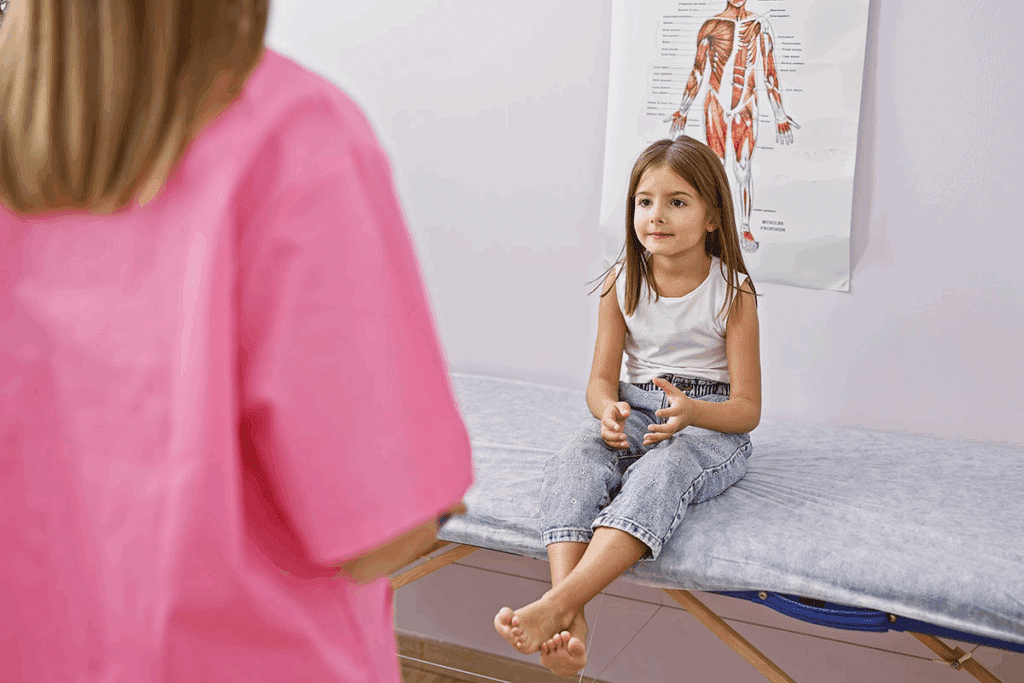
If you’re giving birth without a pediatrician on your birth plan, you might wonder what’s next. Did you know nearly 1 in 5 expectant mothers don’t pick a pediatrician before birth? This shows a common situation where the hospital team makes sure your baby’s health is checked right after birth.
Without a chosen pediatrician, the hospital team or midwife will check your baby’s health first. Then, they’ll ask the Primary Care Access Point (GAP) for follow-up care. This makes sure your baby gets the medical attention they need, even if you didn’t pick a pediatrician.
Key Takeaways
- Having a pediatrician on your birth plan is key, but not having one doesn’t delay your baby’s first health check.
- The hospital’s team or midwife will check your baby’s health right after birth.
- A follow-up request is sent to the Primary Care Access Point (GAP) for ongoing care.
- Talking about your birth plan, including your pediatrician choice, with your healthcare provider is important.
- Expectant mothers should pick a pediatrician before birth for a smoother transition.
Understanding the Role of a Pediatrician

Knowing what a pediatrician does is key for new parents. They ensure their child gets top-notch care. A pediatrician is a doctor who specializes in kids’ health from birth to teens.
What is a Pediatrician?
A pediatrician is a doctor for kids. They handle everything from check-ups to treating illnesses. They focus on infant health to help kids grow right.
Training and Qualifications
Pediatricians get a lot of education and training. They finish medical school and then do years of pediatrics training. This makes them experts in pediatric care. Many become board-certified by the American Board of Pediatrics.
Importance in Newborn Care
Pediatricians are key in newborn care. They watch the baby’s growth and give medical help when needed. They also guide new parents on childcare basics like feeding and safety.
Risks of Not Having a Pediatrician

A pediatrician is key to a newborn’s health. Without one, parents face serious risks. These include immediate health problems and long-term issues with development.
Immediate Health Concerns
Newborns need quick medical help for health issues. Without a pediatrician, parents might miss these problems. A discharge exam is vital for early health checks. If your baby has an emergency, call 911 or go to the emergency room right away.
Some health issues that might not get attention without a pediatrician include:
- Respiratory issues
- Feeding problems
- Jaundice
Long-term Development Issues
Not having a pediatrician can affect a child’s growth. Regular infant checkups are key for tracking growth and spotting problems early. A pediatrician can give personalized advice and help with development.
Without proper care, children might face:
- Delays in physical growth
- Cognitive development problems
- Behavioral issues
| Health Concerns | Immediate Risks | Long-term Implications |
| Respiratory Issues | Respiratory distress | Chronic respiratory problems |
| Feeding Problems | Dehydration, malnutrition | Growth and development delays |
| Jaundice | Kernicterus | Neurological damage |
In summary, not having a pediatrician puts newborns at risk. Parents should find a pediatrician for their child’s health. This includes newborn screening and regular check-ups.
Seeking Alternatives to a Pediatrician
Parents-to-be might find themselves without a pediatrician for their baby. This can be scary, but there are other healthcare options. Many professionals can help care for a newborn.
Family Medicine Physicians
Family medicine physicians are doctors for all ages. They can handle newborn check-ups, shots, and advice on eating and growing.
Nurse Practitioners and Their Role
Nurse practitioners (NPs) are nurses with extra training. They can handle many health issues, including those in newborns. They often work with a doctor.
Midwives: What They Can Provide
Certified nurse-midwives (CNMs) and certified midwives (CMs) focus on pregnancy and women’s health. They can give prenatal care and help with births. They offer support to new parents.
Basic Newborn Care Steps
Caring for a newborn is a big job. It includes feeding, diapering, and keeping them safe while they sleep. As a new parent, it’s important to know these basics. They help ensure your baby’s health and set them up for a strong start in life.
Feeding: Breastfeeding vs. Formula
Feeding is key for newborns. Parents often choose between breastfeeding and formula. Breastfeeding is best because it gives the baby the best nutrition and helps their immune system.
But, formula feeding is okay too. It’s a good choice for those who can’t or don’t want to breastfeed. The choice should be based on what’s best for the mom and baby.
| Feeding Method | Benefits | Considerations |
| Breastfeeding | Optimal nutrition, immune system boost, bonding | Mother’s health, latching challenges |
| Formula Feeding | Flexibility, shared feeding responsibilities | Cost, preparation time, possible allergies |
Diapering and Hygiene
Diapering and keeping things clean are key for newborns. Changing diapers often helps avoid rashes. Change diapers every two to three hours or when soiled.
Keep the genital area clean and the diaper snug. Use diaper cream to prevent rashes. Bathing a few times a week is also important, with water at a comfortable temperature.
Sleep Safety Guidelines
Sleep safety is very important for newborns. It helps prevent Sudden Infant Death Syndrome (SIDS). Place the baby on their back to sleep, use a firm mattress, and avoid soft bedding and toys in the crib.
Sharing a room with the baby helps keep them safe. Avoid smoking and smoke exposure during and after pregnancy.
- Place baby on their back to sleep
- Use a firm sleep surface
- Keep crib free of soft bedding and toys
- Room-share with the baby
Growth and Development Milestones
Watching a baby grow is key for their health and future skills. It’s important to check their development from 0 to 18 months. This helps spot any problems early on.
Physical Growth Rates
Babies grow fast in their first year. By the end, their weight triples. We track their weight, length, and head size to see if they’re growing right.
Key Physical Milestones:
- Lifting head while on stomach
- Rolling over by 6 months
- Sitting up unassisted by 7 months
- Crawling and standing with support by 9-12 months
Cognitive Development Indicators
Cognitive development is how a child sees, thinks, and understands the world. Signs of healthy brain growth include:
Recognizing familiar faces and objects, responding to names, and starting to get simple games like peek-a-boo. As they get older, they start making sounds and then say their first words.
“The first year of life is a period of rapid cognitive development, with babies beginning to understand cause and effect and showing preferences for certain toys or activities.”
These milestones show a child’s brain health and how well they’ll learn in the future.
Importance of Routine Check-Ups
Infant check-ups are key in pediatric care. They give insights into a baby’s health. These visits are vital for tracking growth and spotting problems early.
Scheduling Visits
The American Academy of Pediatrics suggests a series of visits in the first year. These include:
- 1-3 days after birth
- 1-2 weeks
- 1 month
- 2 months
- 4 months
- 6 months
- 9 months
- 12 months
These visits help the pediatrician keep track of the baby’s growth and answer parents’ questions.
Common Screenings and Tests
During these visits, several tests are done to check the infant’s health. Some of these include:
| Screening/Test | Purpose | Typical Age |
| Weight and Length Measurement | Monitor growth rate | Every visit |
| Bilirubin Level Check | Detect jaundice | 1-3 days after birth |
| Hearing Screening | Detect hearing loss | Before hospital discharge or by 1 month |
| Critical Congenital Heart Disease (CCHD) Screening | Detect heart defects | 24-48 hours after birth |
It’s important to book your infant’s vaccination appointments according to schedule. This ensures they get all needed shots on time.
By sticking to the recommended schedule, parents can give their newborn the best start in life.
Vaccinations: Essential for Your Newborn
It’s vital to make sure your newborn gets the right vaccinations. Vaccines are key to keeping them healthy. They protect against serious diseases that could be deadly.
Recommended Immunization Schedule
The Centers for Disease Control and Prevention (CDC) have a schedule for vaccinations. It includes shots for diseases like Hepatitis B, Rotavirus, and Pertussis. The goal is to protect your baby early when they’re most at risk.
In the U.S., you can get these shots at local health clinics or CLSCs. These visits are important for more than just vaccines. They also check how your baby is growing and answer any questions you have.
Myths and Misconceptions about Vaccines
Many myths about vaccines are out there, but science proves they’re safe and work well. One big myth is that vaccines cause autism. But many studies have shown this isn’t true. The study that started this myth was even taken back.
Some people think getting sick naturally is better than getting vaccinated. But getting sick can be very dangerous. Vaccines give you protection without the risks of getting sick.
Knowing the facts about vaccines helps parents make good choices for their babies. This is important for their health.
Recognizing Newborn Health Issues
It’s important to know the signs of illness in newborns early. Newborns are more prone to health problems because their immune systems are not fully developed. Knowing the common signs and when to get medical help is key for new parents.
Signs of Common Newborn Illnesses
Newborns can’t tell us when they’re sick. So, we must watch for signs. Common signs include:
- Fever over 100.4°F (38°C) or under 96.8°F (36°C)
- Vomiting or diarrhea
- Refusal to feed
- Excessive crying or irritability
- Lethargy or difficulty waking up
- Changes in breathing, such as rapid breathing or pauses
If you see any of these signs, watch your baby closely. Seek medical advice if the symptoms don’t get better or get worse.
When to Seek Emergency Care
Some situations need immediate medical help. If your newborn has any of these, call 911 or go to the emergency room:
- Difficulty breathing or rapid breathing
- Blue or purple coloring of the skin (cyanosis)
- Seizures or convulsions
- Refusal to feed for more than 24 hours
- Vomiting blood or bile
- Fever over 104°F (40°C)
| Symptom | Action |
| Fever over 100.4°F (38°C) | Monitor temperature, consult a pediatrician |
| Difficulty breathing | Seek emergency care immediately |
| Refusal to feed | Monitor feeding, consult a pediatrician if persists |
Always be cautious with your newborn’s health. If you’re unsure about your baby’s symptoms or health, contact your healthcare provider.
Resources for New Parents
Starting your journey as a parent can be tough. But, with the right help and resources, you can feel more ready and confident. There are many choices and unknowns in parenting. So, having reliable info and support is key.
Support Groups and Online Forums
Support groups and online forums are great for new parents. They offer a place to share experiences, ask questions, and get help from others. For example, online forums can help with feeding, sleeping, and health issues.
Benefits of Support Groups:
- Emotional support and understanding from peers
- Access to a wealth of collective knowledge and experiences
- Opportunities to connect with other parents in similar situations
The American Academy of Pediatrics says, “Support from family, friends, and other parents is key for new parents.” Joining local or online groups is a good way to find this support.
Educational Materials and Classes
Along with support groups, educational materials and classes are essential. They include prenatal classes for preparing for childbirth and postnatal classes for newborn care and parenting skills.
“Prenatal education can significantly impact a parent’s confidence and preparedness for parenthood.” –
Childbirth Connection
Here are some recommended resources:
| Resource Type | Description | Benefits |
| Parenting Classes | Classes that cover newborn care, parenting techniques, and child development | Enhanced parenting skills, increased confidence |
| Online Educational Materials | Websites, blogs, and online courses that offer parenting advice and information | Convenient access to a wide range of parenting information |
| Support Hotlines | Phone services that provide immediate support and advice for new parents | Immediate assistance during challenging times |
It’s wise to register your child on the waiting list through the Québec Family Doctor Finder (GAMF) as soon as you get their health insurance card. This ensures quick access to pediatric care.
The Role of Telehealth in Newborn Care
Telehealth is becoming more important in newborn care with the growth of digital health. It’s great for new parents who might find it hard to get to traditional pediatric care. This is because of various reasons.
Accessing Pediatric Services Remotely
Telehealth lets parents talk to pediatricians from home. This is super helpful for routine checks, follow-ups, and minor health issues. The Primary Care Access Point (GAP) model is also promising for handling non-urgent health problems. It might cut down the need for face-to-face visits.
To use these services, parents must sign up on a telehealth platform. They need to create an account, share their baby’s health info, and book a virtual meeting. Many platforms offer flexible times, including evenings and weekends, to fit new parents’ schedules.
Benefits and Limitations of Telehealth
Telehealth has many advantages, like being more accessible and reducing wait times. It also lets you get care from home, which is more comfortable. Plus, it’s easier to schedule appointments and can lower the risk of getting sick in waiting rooms. Key benefits include:
- Enhanced accessibility for rural or underserved communities
- Reduced need for in-person visits for non-urgent matters
- Flexibility in scheduling appointments
But, telehealth isn’t perfect. Technical problems like bad connections or video quality can mess up virtual meetings. Also, it’s not good for cases needing a physical check-up or tests that can only be done in a clinic. Parents need to know when to use telehealth and when they need to see a doctor in person.
In summary, telehealth is a big help for newborn care, making things easier and more accessible. By knowing its good and bad sides, new parents can choose the best care for their baby.
Building a Support Network
Building a support network is key for parents. It offers emotional support, practical advice, and valuable connections.
Family and Friends as Resources
Family and friends are a big help. They give advice, help with chores, and offer emotional support when needed. Getting recommendations from trusted family and friends for pediatricians and parenting resources is very useful.
The Role of Parenting Communities
Parenting communities, online or in-person, are very important. They let parents share experiences, get advice, and find friends. These communities are a big help for new parents, providing support and guidance.
| Resource Type | Description | Benefits |
| Family | Immediate family members who can provide emotional and practical support. | Offers a sense of security and belonging. |
| Friends | Close friends who have experienced parenthood. | Provides relatable advice and emotional support. |
| Parenting Communities | Online forums, social media groups, and local parenting meetups. | Facilitates connections with others who are going through similar experiences. |
Final Thoughts on Pediatric Care for Newborns
Choosing a pediatrician is a big decision. It needs careful thought. Having a healthcare partner is key for your newborn’s best care.
Making informed choices about pediatric care is important. It affects your baby’s health and growth. Knowing a pediatrician’s role and the importance of check-ups and vaccinations helps. It sets your child up for a healthy life.
Key Considerations for Newborn Care
A healthcare partner helps with newborn care. They guide you on feeding, diapering, sleep safety, and growth. Building a support network and staying informed helps you face parenting challenges confidently.
Empowering Parents through Education
The aim of pediatric care is to empower parents. It gives you the knowledge to make informed health decisions for your child. By focusing on pediatric care and working with a trusted healthcare provider, you ensure your baby gets a great start in life.
FAQ
What happens if I don’t have a pediatrician when I give birth?
If you don’t have a pediatrician, the hospital team will care for your newborn right away. They’ll do initial checks and assessments. But, having a pediatrician means your baby gets ongoing care and support.
What is the role of a pediatrician in newborn care?
A pediatrician is a doctor who focuses on babies, kids, and teens. They watch how your baby grows, give medical care, and answer your questions.
What are the risks of not having a pediatrician for my newborn?
Without a pediatrician, your baby might not get help for health problems right away. This can affect their health now and later on.
Are there alternatives to pediatricians for newborn care?
Yes, you can see family doctors, nurse practitioners, or midwives for your baby. But, their skills and knowledge might not be the same as a pediatrician’s.
How often should I schedule check-ups for my newborn?
It’s important to take your baby for check-ups. You’ll need to go at birth, a few days later, and then regularly. Your pediatrician will tell you when.
What are the essential vaccinations for newborns?
Newborns need vaccines to stay safe from serious diseases. Talk to your pediatrician about the vaccines your baby needs and when.
How can I recognize signs of common newborn illnesses?
Watch for signs like fever, vomiting, or trouble breathing. If your baby acts differently or shows unusual signs, get help right away.
What resources are available for new parents?
There are support groups, online forums, and classes for new parents. They offer help, advice, and a chance to connect with others.
Can I access pediatric services remotely through telehealth?
Yes, telehealth lets you get pediatric care from home. It’s convenient, but it might not work for all situations.
Why is building a support network important for new parents?
Having a support network is key. It gives you emotional support, advice, and connections. It helps you handle the challenges of having a new baby.
What are some basic newborn care steps I should follow?
Basic care includes feeding, diapering, keeping them clean, and making sure they sleep safely. Knowing these steps helps you take good care of your baby.
How can I monitor my newborn’s growth and development milestones?
Regular visits to your pediatrician are important. They check your baby’s growth and development. This makes sure they’re meeting milestones.
Reference
National Center for Biotechnology Information. Evidence-Based Medical Insight. Retrieved from https://www.ncbi.nlm.nih.gov/books/NBK539900/