Learning that your newborn failed the hearing test can be scary. But, it’s important to know it doesn’t mean your baby will always have hearing loss.
Many newborns fail the hearing test at first because of things like fluid in the ear. Or, they might move too much during the test. A pediatric audiologist can check again to see if your baby really has hearing problems.
At Liv Hospital, we know how key early action is. Medical Expert, “Babies who find out about their hearing loss early and get help usually do great with talking and learning.” This shows why we need to check again and offer support right away.
Key Takeaways
- Failing a hearing test multiple times doesn’t necessarily mean permanent hearing loss.
- Temporary conditions can cause initial screening failures.
- Follow-up testing by a pediatric audiologist is key.
- Early intervention greatly helps babies with hearing loss.
- Quick diagnosis and treatment help with talking and learning.
Understanding Newborn Hearing Screenings
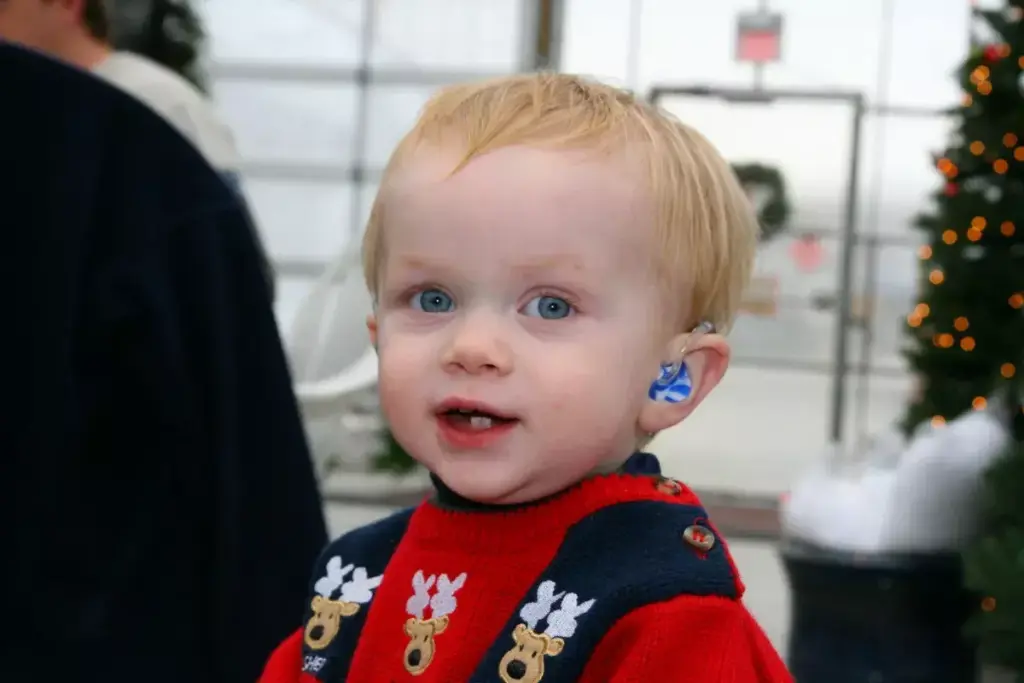
Learning about newborn hearing screenings can ease worries for many parents. These tests are a key part of a baby’s first health checks. They happen in the hospital soon after birth.
These screenings aim to find hearing loss early. This way, if needed, help can start right away. The tests are quick, don’t hurt, and don’t touch the baby.
How Hearing Tests Are Performed
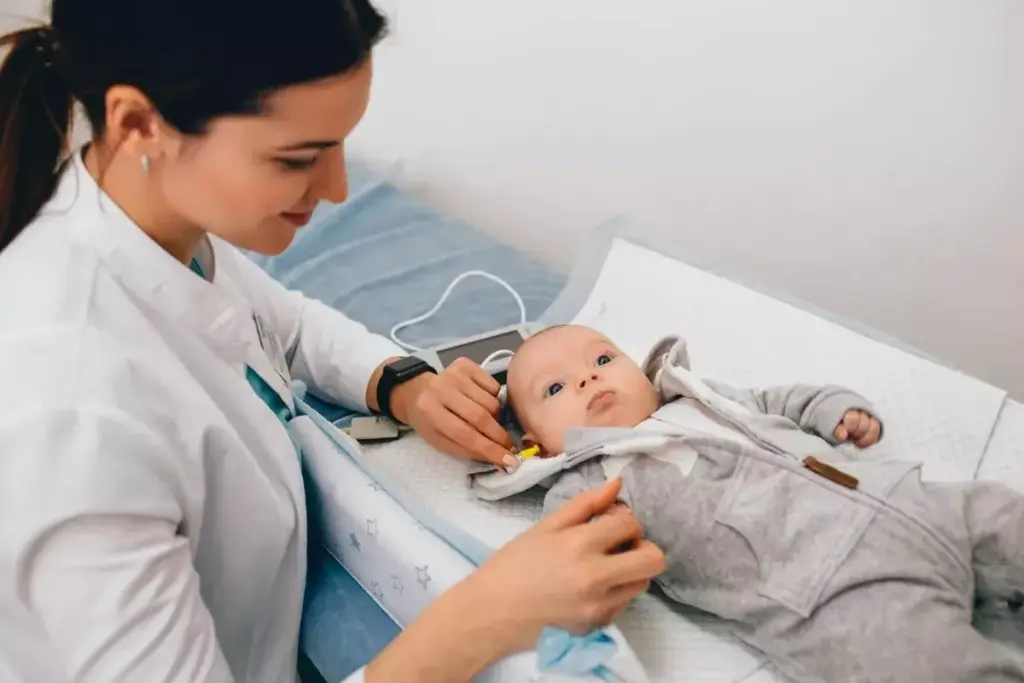
Newborn hearing screenings use two main tests: Otoacoustic Emissions (OAE) and Automated Auditory Brainstem Response (AABR).
- Otoacoustic Emissions (OAE) testing uses a small microphone in the baby’s ear. It checks the sound the inner ear makes when it’s stimulated.
- Automated Auditory Brainstem Response (AABR) testing puts electrodes on the baby’s head. It looks at how the brain reacts to sound. This test checks the auditory nerve and brainstem.
What the Results Actually Mean
A “pass” result means your baby’s hearing is probably normal. But it’s not a 100% guarantee. A “refer” or “fail” result doesn’t always mean hearing loss. It could be because of ear fluid, vernix, or too much background noise.
If your newborn fails the screening, don’t worry too much. Many babies pass the test later. But if they keep failing, more tests will be needed. These tests help find out if there’s hearing loss and how bad it is.
It’s important to catch hearing problems early. If you’re worried about your baby’s hearing or have questions, talk to your doctor.
Common Reasons Why Newborns Fail Hearing Tests
Failing a newborn hearing test can worry parents. But, there are many reasons why this happens. Knowing these reasons can help ease worries and guide parents on what to do next.
Vernix and Ear Canal Blockage
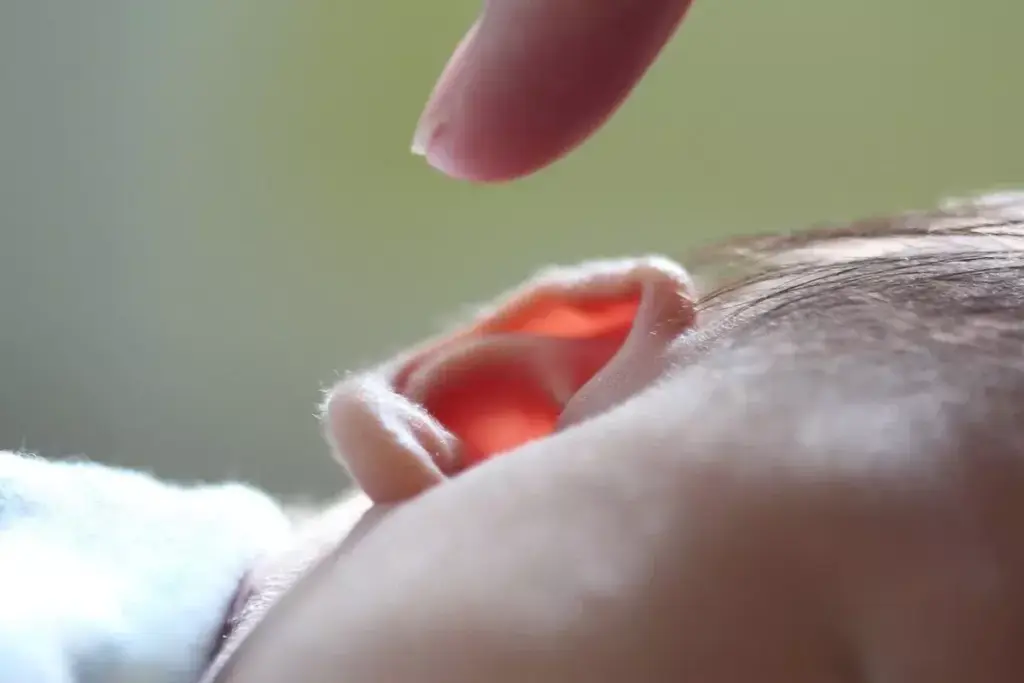
Vernix, a waxy substance, can block a newborn’s ear canal. This can cause test failure. But, it’s a temporary issue that usually clears up as the vernix is absorbed or naturally leaves the ear.
Fluid in the Middle Ear
Fluid in the middle ear is another common reason for test failure. It might come from the birthing process or an early infection. Fortunately, this is often temporary and doesn’t mean permanent hearing loss.
Movement and Crying During Testing
Newborns moving or crying during tests can skew results. They’re not known for staying calm. Parents should be ready for a retest if this happens.
Environmental Factors
Background noise during testing can also lead to failure. Hospitals and clinics try to keep it down, but it’s hard to eliminate completely. These environmental factors can cause a newborn to fail the first test.
| Reason for Failure | Description | Typical Outcome |
| Vernix and Ear Canal Blockage | Vernix blocks the ear canal | Temporary condition, resolves on its own |
| Fluid in the Middle Ear | Fluid affects middle ear function | Often temporary, may require monitoring |
| Movement and Crying | Movement interferes with test accuracy | Retest often required |
| Environmental Factors | Background noise affects test | Retest in a controlled environment |
What It Means When Your Newborn Failed Hearing Test 3 Times
It’s not rare for newborns to fail hearing tests, but three times is a big worry for parents. This situation can be scary, and it’s key to know what it might mean for your child’s hearing and health.
Frequency of Multiple Test Failures
Failed hearing tests don’t always mean a permanent problem. Studies show many newborns who fail the first test pass later ones. But, failing more than once might point to a real hearing issue.
Here are some important numbers to consider:
- About 1 to 3 per 1,000 newborns fail the hearing test.
- Most who fail the first test pass the next one.
- Only 1 to 2 per 1,000 newborns have permanent hearing loss.
Temporary vs. Permanent Hearing Issues
It’s important to tell apart temporary and permanent hearing problems in newborns. Temporary issues, like fluid in the ear or vernix blockage, can cause a test failure. But, permanent loss can come from genetics, infections, or other health issues.
What affects if it’s temporary or permanent includes:
- Family history of hearing loss.
- The type and how bad the hearing loss is.
- What the next hearing tests show.
Genuine Hearing Loss Causes
There are many reasons for real hearing loss in newborns. Some common causes are:
- Genetic mutations that affect hearing.
- Infections during pregnancy, like rubella or cytomegalovirus.
- Birth complications, such as lack of oxygen.
- Certain medical conditions, like jaundice or infections.
Knowing why your newborn lost hearing is key to helping them. It helps decide the best support and care.
Conclusion: Next Steps and Support for Parents
If your newborn didn’t pass the hearing test, you might feel worried. It’s normal to worry, but it’s important to see a pediatric audiologist. They can do more tests to find out if the problem is temporary or if it’s something more serious.
There are places that can help if your newborn didn’t pass the hearing test. The National Early Hearing Detection and Intervention Program has lots of information. You can also find helpful guides like “What should I do if my baby fails a hearing screening?” and “My Child Has Hearing Loss – A Guide For Parents” on the Success for Kids with Hearing Loss website.
Getting help early is very important for babies with hearing loss. If your child is found to have hearing loss, finding the right hearing aids is a big step. We suggest looking into these resources and support systems. This way, your child can get the care they need.
FAQ:
What does it mean if my newborn fails the hearing test?
Failing a newborn hearing test does not always indicate hearing loss, but it requires follow-up testing to confirm results.
How are newborn hearing screenings performed?
They are performed using OAE or AABR tests, which are non-invasive and measure ear or brain responses to sound while the baby is calm or asleep.
What is the difference between OAE and AABR tests?
OAE measures sounds produced by the inner ear, while AABR measures the brain’s response to sound using electrodes.
Why did my newborn fail the hearing test three times?
Repeated failures may be due to fluid in the ears, ear canal blockage, noise during testing, or true hearing loss.
Is it common for newborns to fail the hearing test?
Yes, some newborns initially fail due to temporary conditions like fluid or wax, and most pass on follow-up testing.
What are the next steps if my newborn fails the hearing test multiple times?
The baby will be referred for a comprehensive diagnostic hearing evaluation by an audiologist.
Can environmental factors affect newborn hearing test results?
Yes, background noise, baby movement, or fluid in the ear can affect test accuracy.
What are the possible causes of genuine hearing loss in newborns?
Causes include genetic factors, premature birth, infections, birth complications, or exposure to ototoxic medications.
How important is early intervention for newborns with hearing loss?
Early intervention is crucial for speech, language, and cognitive development and can significantly improve long-term outcomes.
What kind of support is available for parents of newborns who have failed the hearing test?
Support includes audiology guidance, early intervention programs, hearing aids or cochlear implants, and counseling services for families.
References:
National Center for Biotechnology Information. Evidence-Based Medical Insight. Retrieved from https://pubmed.ncbi.nlm.nih.gov/18401271/