
Obesity is a big health problem in the United States, affecting millions. Recent medical tech advancements have brought new weight loss methods. These offer hope to those fighting obesity.Newest weight loss surgery includes ESG and SADI-S procedures. Learn about cutting-edge minimally invasive bariatric options.
The newest bariatric surgery techniques are showing great promise. Many patients have lost a lot of weight and seen health improvements. These modern procedures are designed to be less invasive, which means less recovery time and less scarring.
As more people look for effective weight loss, the newest surgeries are gaining popularity. These innovative procedures are changing bariatric surgery. They offer new chances for people to improve their health and wellbeing.
Key Takeaways
- The latest bariatric surgery techniques offer promising results for weight loss.
- Innovative weight loss procedures are designed to be minimally invasive.
- Newest weight loss surgery options are becoming increasingly popular.
- These procedures are revolutionizing the field of bariatric surgery.
- Significant weight loss and improvement in related health conditions can be achieved.
The Evolution of Bariatric Surgery
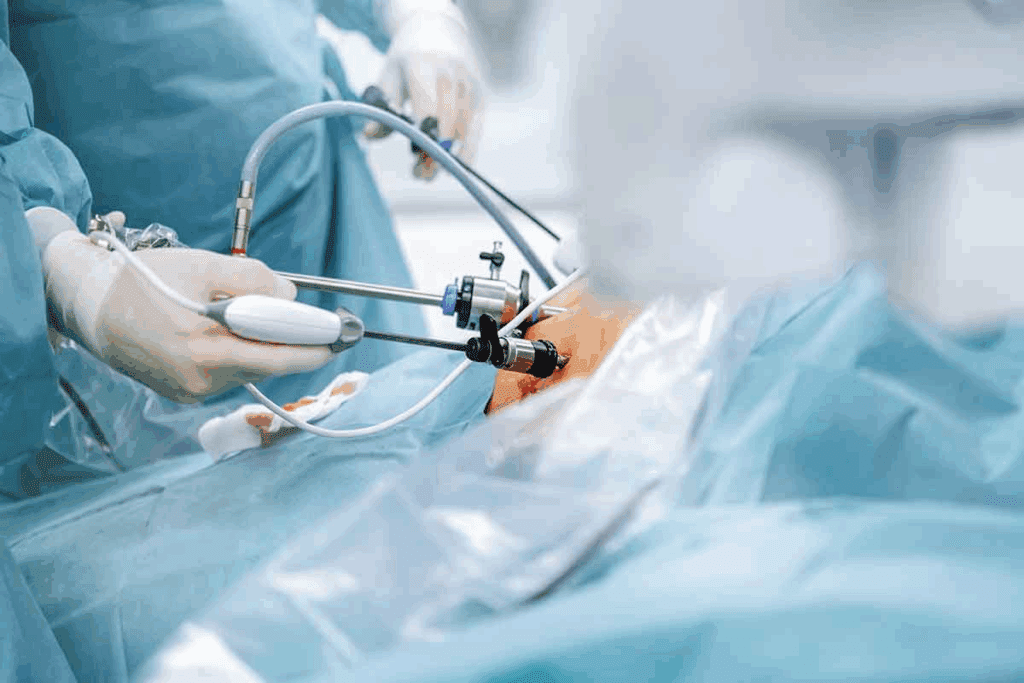
Bariatric surgery has changed a lot over time. It moved from old open surgeries to new, less invasive methods. This change has given patients more choices and better results.
From Open Procedures to Minimally Invasive Techniques
At first, bariatric surgery used big cuts and took a long time to heal. But, new tech and skills have led to minimally invasive weight loss surgery. These new surgeries have smaller cuts, less harm to the body, and faster healing.
These new surgeries have made things better for patients. They also let more people get surgery who couldn’t before. This is because the new methods are safer and less risky.
The Need for Innovation in Weight Loss Surgery
Even with the progress in bariatric surgery, we need more new ideas. Obesity is getting worse, so we need better ways to help people lose weight. Keeping up with research and new ideas is key to making surgery safer and more effective.
| Procedure Type | Recovery Time | Complication Rate |
| Open Bariatric Surgery | 6-8 weeks | Higher |
| Minimally Invasive Bariatric Surgery | 2-4 weeks | Lower |
The table shows how open and new surgeries differ. It talks about how long it takes to get better and how often problems happen. As we keep improving, we’ll see even better results and fewer risks for people needing surgery.
Understanding the Newest Weight Loss Surgery Options

The world of weight loss surgery is changing fast. New methods are coming out that are less invasive and work better. Obesity is a big health problem, so we need new ways to lose weight. This has led to big steps forward in bariatric surgery.
How Modern Bariatric Procedures Differ from Traditional Approaches
Modern bariatric surgery is a big change from old ways. Minimally invasive techniques and endoscopic procedures are now more common. They help patients heal faster and have fewer problems.
These new methods are smaller and sometimes don’t need cuts at all. This means less chance of infection and scarring. It’s all about making surgery better and safer for everyone.
The Shift Toward Less Invasive Techniques
Less invasive surgery is changing bariatric care. Endoscopic sleeve gastroplasty (ESG) and gastric balloon placement are getting more attention. They work well and are safer.
These surgeries can be done without staying in the hospital. This means patients can get back to their lives sooner.
Overview of Cutting-Edge Procedures
There are many new weight loss surgeries out there or being worked on. Some include:
- Endoscopic Sleeve Gastroplasty (ESG): Shrinks the stomach with an endoscope.
- Gastric Balloon Procedures: A balloon in the stomach helps with hunger and losing weight.
- Robotic-Assisted Surgery: Uses robots to make bariatric surgery more precise.
These new options give hope to those fighting obesity. They offer effective and less scary ways to lose weight.
Endoscopic Sleeve Gastroplasty (ESG)
Endoscopic Sleeve Gastroplasty (ESG) is a new way to lose weight. It’s less invasive than traditional surgery. This makes it safer and more effective for many people.
The Procedure Explained
ESG uses an endoscope to shrink the stomach. It places sutures to make the stomach smaller. This limits how much food you can eat and helps you feel less hungry.
The surgery is done on an outpatient basis. This means you can go home the same day. It’s done under general anesthesia or sedation to make you comfortable. The whole process takes about an hour, and you can start normal activities in a few days.
Benefits Over Traditional Sleeve Gastrectomy
ESG is less invasive than traditional surgery. It doesn’t need incisions or long recovery times. This reduces risks and speeds up healing.
Key benefits of ESG include:
- Minimally invasive with no external incisions
- Reduced risk of complications
- Faster recovery time
- Less post-operative pain
- Effective weight loss results
Ideal Candidates for ESG
ESG is good for people who are obese or have weight-related health issues. It’s for those who can’t have traditional surgery or prefer a less invasive option.
| Criteria | Description |
| BMI | Typically between 30 and 40 |
| Previous Weight Loss Attempts | Failure to achieve significant weight loss through diet and exercise |
| Health Conditions | Presence of weight-related comorbidities such as diabetes or hypertension |
“ESG offers a less invasive alternative for weight loss, making it an appealing choice for those who are hesitant about undergoing traditional surgery.” – Bariatric Specialist
Understanding ESG helps people make better choices for weight loss. Always talk to a doctor to see if ESG is right for you.
Gastric Balloon Procedures: Latest Innovations
New advancements in gastric balloon technology offer more effective weight loss solutions. These procedures are becoming a top choice for those looking for a non-surgical way to lose weight.
Types of Modern Intragastric Balloons
There are several types of intragastric balloons, each with its own benefits. The most common include:
- Single-balloon systems
- Double-balloon systems
- Swallowable pill balloons
These modern balloons are designed to be more comfortable and effective. They offer a range of options for different needs.
Swallowable Pill Balloons vs. Endoscopic Placement
Swallowable pill balloons are a big innovation in gastric balloon technology. They are swallowed in a capsule form and then filled with liquid in the stomach. This method is less invasive than endoscopic placement.
Comparison of Swallowable Pill Balloons and Endoscopic Placement:
| Characteristics | Swallowable Pill Balloons | Endoscopic Placement |
| Invasiveness | Less invasive | More invasive |
| Comfort Level | Higher comfort level | Lower comfort level due to endoscopy |
| Procedure Time | Generally quicker | Can be longer due to preparation and recovery |
Duration and Expected Weight Loss Results
The time a gastric balloon is kept in place varies, usually from 6 to 12 months. Weight loss results also vary. They depend on the balloon type, diet, and individual factors.
On average, patients can expect to lose between 10% to 15% of their total body weight during the period the balloon is in place.
Following a healthy diet and exercise is key to maximize weight loss. It helps keep results after the balloon is removed.
Single Anastomosis Duodenal-Ileal Bypass with Sleeve Gastrectomy (SADI-S)
SADI-S is a new weight loss surgery that’s getting a lot of attention. It’s seen as a simpler option compared to older duodenal switch surgeries. This method could lead to big weight losses with fewer risks.
Technique and Approach
The SADI-S surgery has two parts. First, a big part of the stomach is removed, leaving a narrow tube. Then, a section of the small intestine is bypassed to cut down on calorie intake. This makes the surgery simpler than traditional duodenal switch methods.
Advantages and Possible Concerns
SADI-S has many benefits, like losing a lot of weight and improving health problems linked to obesity. It might also have fewer complications than other surgeries. But, it could lead to nutritional issues and the need for vitamins for life.
The good things about SADI-S are:
- Big weight loss
- Health problems linked to obesity get better
- The surgery is simpler than traditional duodenal switch
Comparing SADI-S to Traditional Duodenal Switch
There are big differences between SADI-S and the traditional duodenal switch. SADI-S needs only one connection, while the traditional duodenal switch needs two. This could make SADI-S safer and more appealing to patients and doctors.
| Procedure | SADI-S | Traditional Duodenal Switch |
| Number of Anastomoses | 1 | 2 |
| Complexity | Less complex | More complex |
| Weight Loss | Significant | Significant |
In summary, SADI-S is a promising new surgery for weight loss. It balances effectiveness with simplicity. But, it’s important to carefully choose patients and do thorough checks before surgery to get the best results.
Robotic-Assisted Weight Loss Surgery
Robotic-assisted weight loss surgery is changing bariatrics with better accuracy and quicker recovery. This new tech makes complex surgeries safer and more effective for weight loss.
Transforming Bariatric Procedures
Robotic systems have made bariatric surgeries more precise. They give surgeons better vision, control, and dexterity. This means they can do more complex surgeries with ease.
Key advancements include:
- Improved precision and accuracy during surgery
- Reduced risk of complications and infections
- Less invasive procedures resulting in smaller incisions
- Faster recovery times for patients
Benefits for Surgeons and Patients
Robotic assistance in weight loss surgery benefits both surgeons and patients. Surgeons get a better operating environment, which helps them with complex surgeries. Patients see better results, fewer complications, and a quicker recovery.
“The use of robotic technology in bariatric surgery represents a significant step forward in our ability to treat obesity effectively and safely.” – A Bariatric Surgeon
Current Applications in Weight Loss Surgery
Robotic-assisted weight loss surgery is used in procedures like gastric bypass and sleeve gastrectomy. The tech is getting better, with new advancements aimed at helping more patients.
As the field continues to evolve, we can expect to see even more innovative applications of robotic technology in weight loss surgery.
The Newest Weight Loss Surgery Techniques in 2023
In 2023, weight loss surgery is getting a big update. New options are coming, making treatments better and safer. These changes aim to help patients lose weight faster and with less pain.
Emerging Procedures Currently in Clinical Practice
New surgeries are being tested in clinics. They mix surgery with the small cuts of endoscopy. For example, the endoscopic sleeve gastroplasty is shrinking stomachs without big cuts.
Robotic-assisted surgery is also on the rise. It makes surgeries more precise, which is key for weight loss.
Transitional Procedures Between Surgery and Endoscopy
New procedures are blending surgery and endoscopy. They offer the best of both, with quick recovery times. The transoral outlet reduction is helping those with past surgery issues.
FDA Recently Approved Techniques
The FDA has okayed new weight loss surgeries. A big one is a novel intragastric balloon that you swallow and then inflate. It’s a non-surgical way to lose weight.
In summary, 2023 brings big changes to weight loss surgery. With new methods, patients have more choices. As these advancements grow, the future of weight loss surgery looks bright.
Non-Surgical and Minimally Invasive Options
Non-surgical weight loss treatments are gaining popularity. They offer alternatives to traditional surgery. These options are for those looking for less invasive ways to lose weight.
Aspiration Therapy: The AspireAssist Device
Aspiration therapy uses the AspireAssist device. It involves a tube in the stomach to remove part of the meal. This helps patients lose weight by cutting down on calories absorbed.
Key Benefits:
- Minimally invasive procedure
- Reversible
- Adjustable to individual patient needs
The AspireAssist device is great for those not suited for surgery. Or for those who want a less permanent solution.
Endoscopic Gastric Plication Techniques
Endoscopic gastric plication uses an endoscope to place sutures in the stomach. This reduces its size. It’s less invasive than traditional surgery and has a quicker recovery.
| Procedure | Benefits | Recovery Time |
| Endoscopic Gastric Plication | Less invasive, fewer complications | 1-3 days |
| Traditional Surgical Plication | More significant stomach reduction | Several weeks |
Transpyloric Shuttle (TPS) System
The Transpyloric Shuttle (TPS) system is a minimally invasive device. It’s delivered endoscopically. It blocks the pylorus to delay stomach emptying and promote weight loss.
The TPS system is an innovative solution for patients seeking a non-surgical approach to weight loss.
The TPS system is a promising option for those not ready for invasive surgeries.
Metabolic Surgery Advancements
Metabolic surgery has seen big changes in recent years. It now helps with more than just weight loss. It’s also treating type 2 diabetes and other obesity-related issues.
Beyond Weight Loss: Addressing Metabolic Disorders
Metabolic surgery can now tackle metabolic syndrome. This includes type 2 diabetes, high blood pressure, and bad cholesterol. These surgeries can greatly improve life for those with obesity-related health problems.
The reasons for these benefits are complex. They involve changes in gut hormones, better insulin use, and weight loss. Gut hormone changes are key in managing metabolism. They affect hunger, blood sugar, and energy use.
New Approaches to Treating Type 2 Diabetes
Studies show metabolic surgery works well for type 2 diabetes, even for those not very overweight. Operations like Roux-en-Y gastric bypass and sleeve gastrectomy really help control blood sugar.
| Procedure | Effect on Type 2 Diabetes | Mechanism |
| Roux-en-Y Gastric Bypass | Significant improvement or resolution | Changes in gut hormones, improved insulin sensitivity |
| Sleeve Gastrectomy | Improvement or resolution | Reduced ghrelin levels, weight loss |
| Gastric Banding | Variable improvement | Weight loss, reduced insulin resistance |
Gut Hormone Modifications and Metabolic Effects
Gut hormone changes are a big reason metabolic surgery works. Operations like Roux-en-Y gastric bypass affect hormones like GLP-1 and PYY. These hormone changes help with blood sugar and hunger control.
The future of metabolic surgery is bright. New research and technologies are on the horizon. As we learn more, we’ll be able to help patients even more.
Safety Profiles of Modern Weight Loss Procedures
Recent changes in bariatric surgery have made patient safety the top priority. This focus has led to big improvements in the safety of modern weight loss procedures.
Addressing Common Complications
Even with these advancements, weight loss surgery can sometimes lead to complications. Issues like infection, bleeding, and reactions to anesthesia can occur. But, these risks are lowered by choosing the right patients and using the latest surgical methods.
Managing complications effectively requires a team effort. Surgeons, anesthesiologists, and post-operative care specialists work together. This teamwork helps solve problems quickly, reducing their effect on patients.
Implementing Risk Reduction Strategies
Modern bariatric surgery uses many ways to lower risks. These include:
- Pre-operative screening to spot possible risks
- Less invasive surgical methods to cut down on tissue damage
- Protocols for faster recovery to help patients heal quicker
By using these strategies, surgeons can greatly lower the chance of complications. This makes the surgery safer for patients.
Mortality Rates: A Comparison
The death rates from modern weight loss surgery have dropped a lot. Better surgical techniques and improved care have played big roles in this decrease.
Studies have shown that the death rate for modern bariatric surgery is now as good as, or even better than, other common surgeries like gallbladder removal or hysterectomy.
The ongoing improvement in weight loss surgery is expected to make these procedures even safer. This makes them a more appealing option for people dealing with obesity.
Patient Selection Criteria for New Procedures
Choosing the right patients is key for new weight loss surgeries to work. As new methods come up, knowing who fits best is more important than ever.
BMI Requirements and Guidelines
Body Mass Index (BMI) is a big deal when deciding if someone can have weight loss surgery. A BMI of 40 or more, or 35 with health problems, is usually okay for surgery. New methods might have different rules, but BMI is always a starting point.
BMI isn’t just a number. It shows how much health risk comes with being overweight. For example, those with a BMI over 40 are seen as severely obese and face more health dangers.
Comorbidity Considerations and Health Evaluations
Other health issues, or comorbidities, are also key in picking patients. Things like diabetes, high blood pressure, and sleep apnea are checked. How bad these problems are can help pick the right surgery for someone.
Health checks are done to see how well someone is overall. This looks at past health, current problems, and any weight loss tries before. It’s to spot risks and figure out how to lower them.
Psychological Evaluation Updates and Requirements
Psych tests are a big part of picking patients. They check if there are mental health issues that might make it hard to follow surgery rules.
Psych tests might now ask more about mental health, how to deal with stress, and who supports the patient. Making sure patients are mentally ready for surgery is key for success.
In short, picking the right patients for new weight loss surgeries is complex. It looks at BMI, health problems, and mental health. By carefully checking these, doctors can make sure surgeries are safe and effective.
Real Patient Experiences with New Weight Loss Surgeries
Real patient stories give us a peek into the world of new weight loss surgeries. They show the journey from deciding to have surgery to the results after. These stories are full of hope and change.
Success Stories and Transformations
Many patients have lost a lot of weight and feel better after surgery. They share their successful weight loss journeys. These stories show big changes in their lives, not just in weight.
One person lost over 50 pounds after Endoscopic Sleeve Gastroplasty (ESG). This weight loss improved their health and made them feel more confident.
Challenges and Complications Reported
Not all patients have easy times after surgery. Some struggle with new diets and side effects. Some face complications like nausea and vomiting early on.
It’s important for patients to know about these challenges. They need to make big changes in their lives. Support from doctors, family, and friends helps a lot.
Long-term Lifestyle Changes and Adaptations
Keeping the weight off long-term means big lifestyle changes. Patients need to eat healthy and exercise regularly. Many learn to eat mindfully and control portions.
Getting support from doctors and groups helps a lot. Patients can inspire others who are thinking about or have had surgery.
Conclusion: The Future of Weight Loss Surgery
The world of weight loss surgery is always changing. This is thanks to new medical technologies and a better understanding of obesity. As we look ahead, innovation will be key in creating new treatments.
New trends in weight loss surgery include less invasive methods. These include endoscopic techniques and robotic-assisted surgeries. They aim to make recovery faster, reduce complications, and improve results for patients. We can expect more of these advancements in the future.
Research is uncovering more about obesity and metabolic health. This will lead to more targeted and effective treatments. The mix of new trends and advancements will help fight the global obesity problem. It offers hope for those struggling with weight loss.
FAQ
What is the newest weight loss surgery?
The latest weight loss surgeries include endoscopic sleeve gastroplasty (ESG), single anastomosis duodenal-ileal bypass with sleeve gastrectomy (SADI-S), and robotic-assisted weight loss surgery. These are the newest in bariatric surgery, making it easier for patients.
How does endoscopic sleeve gastroplasty (ESG) differ from traditional sleeve gastrectomy?
ESG is less invasive, using an endoscope to shrink the stomach. Traditional sleeve gastrectomy removes part of the stomach. ESG has less recovery time and fewer complications.
What are the benefits of robotic-assisted weight loss surgery?
Robotic-assisted surgery is precise, reduces blood loss, and lessens pain after surgery. It also makes complex procedures easier to do without big cuts.
What are the latest innovations in gastric balloon procedures?
New gastric balloon procedures include swallowable pill balloons and endoscopic placement. These make the procedure more accessible and less invasive.
What is SADI-S, and how does it compare to traditional duodenal switch procedures?
SADI-S is a simpler duodenal switch procedure. It’s safer and has similar weight loss benefits as traditional duodenal switch procedures.
Are there any non-surgical weight loss options available?
Yes, options include aspiration therapy, endoscopic gastric plication, and the transpyloric shuttle (TPS) system. These are alternatives to traditional surgery.
What are the safety profiles of modern weight loss procedures?
Modern procedures are safer than old ones. They have fewer complications and lower death rates.
What are the patient selection criteria for new weight loss procedures?
Criteria include BMI, health conditions, and mental health checks. These help decide if someone is right for surgery.
What are the long-term lifestyle changes required for successful weight loss outcomes?
Long-term success needs diet changes, exercise, and support. Patients must stick to these changes for lasting weight loss.
What is the future of weight loss surgery?
The future will bring more minimally invasive and robotic surgery. New techniques aim to improve safety and results for patients.
Are there any new weight loss surgery techniques emerging in clinical practice?
Yes, new techniques are coming, like transitional procedures and FDA-approved methods. They aim to better patient outcomes and offer more options.
How do advancements in metabolic surgery address type 2 diabetes?
New metabolic surgery focuses on gut hormones and metabolic effects. It aims to control blood sugar and reduce metabolic disorders.
References
- American Society for Metabolic and Bariatric Surgery. (2025). 2025 fact sheet: Bariatric surgery procedures and safety profile. ASMBS. https://asmbs.org/wp-content/uploads/2025/06/MBSFactSheet2025.pdf
- Colquitt, J. L., Pickett, K., Loveman, E., & Frampton, G. K. (2014). Surgery for weight loss in adults. Cochrane Database of Systematic Reviews, (8), CD003641. https://www.cochranelibrary.com/cdsr/doi/10.1002/14651858.CD003641.pub4/full