Hernia surgery is a common procedure, with over 1 million repairs done in the US each year. More than 20 million are done worldwide. Many patients look for alternatives to hernia surgery because of worries about recovery, pain, and the chance of the hernia coming back.
People are worried about the risks of surgery. They want treatments that are less invasive. This has led to quick progress in minimally invasive procedures and non-surgical treatments for some cases.
Exploring no mesh hernia repair? Discover the best surgical alternatives and essential benefits for a safe and healthy recovery journey today.
This article will look at the available alternatives. We will focus on hernia repair without mesh and other non-surgical options. It aims to give a full view for those looking for different ways than traditional surgery.
Key Takeaways
- Over 1 million hernia repairs are performed annually in the US.
- Patients are seeking alternatives due to concerns about recovery and pain.
- Innovations in minimally invasive procedures are on the rise.
- Non-surgical management is being explored for select cases.
- Hernia repair without mesh is a growing area of interest.
Understanding Hernias and Their Impact

A hernia happens when an organ or tissue bulges through a weak spot in the muscle or tissue. This can cause problems and is why it’s important to know about it. Hernias can affect anyone, no matter their age.
What is a hernia and how does it develop?
A hernia forms when a muscle or tissue weakens, letting an organ or tissue bulge out. This weakness can be there from birth or develop later due to aging, injury, or strain. Hernias often start slowly and can be triggered by activities that put pressure on the abdomen.
Types of hernias and their prevalence
There are many types of hernias, like inguinal, umbilical, incisional, and hiatal. Inguinal hernias are the most common, making up about 75% of all hernias.Inguinal hernias happen when tissue, like part of the intestine, pushes through a weak spot in the abdominal muscles.
|
Type of Hernia |
Description |
Prevalence |
|---|---|---|
|
Inguinal Hernia |
Occurs when tissue protrudes through a weak spot in the abdominal muscles in the groin area. |
Most common, approximately 75% |
|
Umbilical Hernia |
Occurs near the belly button when part of the intestine bulges through the abdominal wall. |
Common in infants, can occur in adults |
|
Incisional Hernia |
Occurs through a scar or incision in the abdominal wall, resulting from previous abdominal surgery. |
Less common, varies based on surgical history |
Common symptoms and complications
Symptoms of hernias vary based on the type and how severe it is. Common signs include a bulge or lump, discomfort or pain, often when coughing, lifting, or bending. If not treated, hernias can lead to serious problems like incarceration or strangulation, where the blood supply is cut off.
For some patients with small, mild hernias, watching and waiting might be okay. But it’s important to see a doctor if symptoms get worse or if complications happen.
Traditional Mesh-Based Hernia Repairs
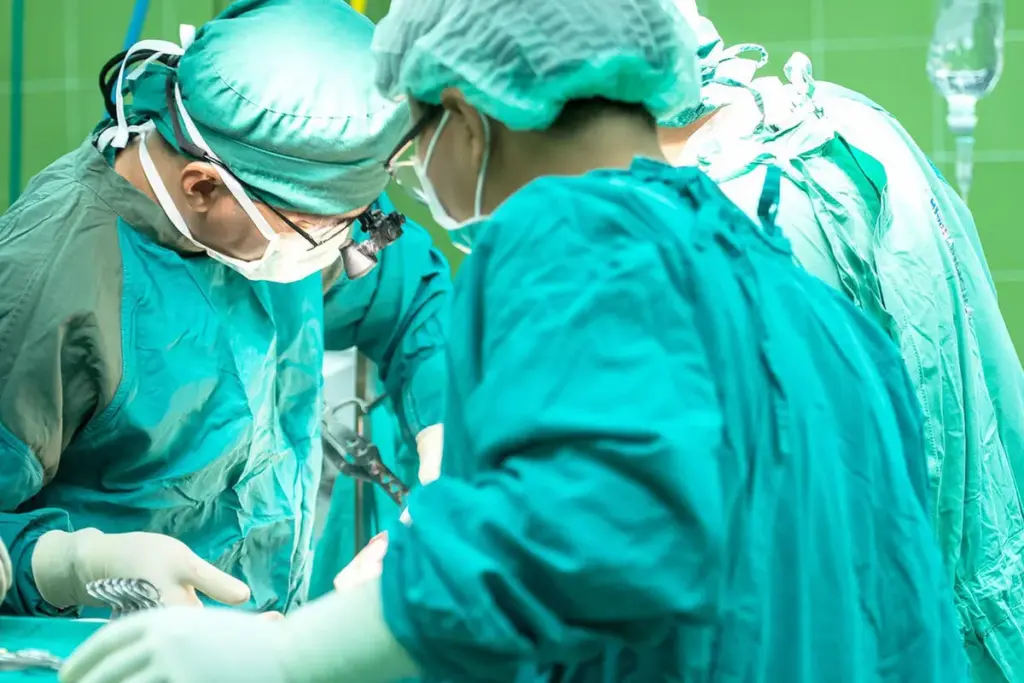
The use of synthetic mesh in hernia surgery started in the mid-20th century. It has become a common method in treating hernias.
History and Evolution of Mesh Use
The idea of using mesh for hernia repairs began in the 1950s. At first, the materials were not as advanced, causing problems. Now, with synthetic meshes like polypropylene, the technology has greatly improved.
Mesh technology has evolved, creating different types. These include lightweight and heavyweight meshes. Each is designed to meet specific needs and lower risks.
Benefits of Conventional Mesh Repairs
Mesh-based repairs are popular because they have fewer recurrence rates than non-mesh methods. They offer extra support to the weak area, helping prevent hernia return.
Another advantage is the quick recovery time, thanks to laparoscopic surgery. This method leads to less pain and faster return to daily activities.
Potential Complications with Synthetic Mesh
Despite their benefits, synthetic mesh complications can happen. These include mesh erosion, adhesion to tissues, and chronic pain. Some may also react to the mesh as a foreign body.
This has sparked interest in finding mesh-free alternatives. Options include non-mesh surgeries and conservative treatments.
When Surgery May Not Be Necessary: Watchful Waiting
Not everyone with a hernia needs surgery right away. Watchful waiting is a good option. It means keeping an eye on the condition without surgery.
Criteria for Watchful Waiting Approach
Doctors decide on watchful waiting based on several things. These include the hernia’s size, symptoms, and the patient’s health. People with small, symptom-free hernias often fit this approach well.
- Minimal or no symptoms
- Small hernia size
- No significant discomfort or pain
- Patient’s overall health and age
Research on Complication Risks During Observation
Studies have looked into watchful waiting risks. They show that for those with few symptoms, the chance of serious problems is low.
A key study in the Journal of the American College of Surgeons found little risk of complications. This supports watchful waiting for certain patients.
Monitoring Protocols for Non-Surgical Management
Good watchful waiting needs regular checks. This ensures the hernia doesn’t get worse or cause problems. This includes:
- Regular visits to a healthcare provider
- Watching for symptom or hernia size changes
- Teaching patients about signs of serious issues
Patients Best Suited for Conservative Management
Watchful waiting works best for those with no or few symptoms and small hernias. It’s also for those at high risk for surgery problems or with serious health issues.
Choosing watchful waiting should be a doctor’s decision. It depends on the patient’s specific situation and health.
Can You Fix a Hernia Without Surgery?
Fixing a hernia without surgery depends on several factors. These include the type and severity of the hernia. Sometimes, non-surgical methods are considered instead of surgery.
Understanding the Limitations of Non-Surgical Approaches
Non-surgical methods for hernias have their limits. They might not fix the problem but just ease symptoms for a while. It’s important to know that these methods are not a permanent fix for hernias.
Key limitations include:
- The risk of hernia progression or complications
- The possibility of symptoms coming back or getting worse
- The need for constant monitoring and management
Managing Symptoms Versus Treating the Underlying Condition
Managing hernia symptoms without surgery often means making lifestyle changes. Using supportive devices can also help. But these methods don’t fix the hernia itself.
|
Approach |
Description |
Effectiveness |
|---|---|---|
|
Lifestyle Modifications |
Dietary changes, weight management, and activity adjustments |
Variable, depending on individual circumstances |
|
Supportive Devices |
Use of trusses or belts to provide additional support |
Can provide symptom relief, but does not address the underlying hernia |
When Non-Surgical Approaches Are Appropriate
Non-surgical methods might be right for some patients. This includes those with certain types of hernias or those at high risk for surgery complications. It’s also for people waiting for surgery.
It’s important to talk to a healthcare professional to figure out the best option. They can look at your health and the type of hernia you have to decide if non-surgical management is right for you.
Conservative Management Techniques
Conservative management techniques are a non-surgical way to help hernia patients feel better. They focus on making lifestyle changes to manage symptoms.
Lifestyle Modifications to Manage Hernia Symptoms
Changing your lifestyle can greatly help with hernia symptoms. Avoid heavy lifting, bending, or straining to prevent making the problem worse. These changes can help reduce pain and slow the hernia’s growth.
Activity Restrictions and Their Effectiveness
Staying away from hard activities is key in managing hernia symptoms. Doctors often tell patients to avoid exercises that put extra pressure on the belly. This can lower the risk of complications and lessen pain.
Weight Management Considerations
Keeping a healthy weight is important to ease the pressure on the hernia. A balanced diet and gentle exercise can help you stay at a healthy weight. This can help lessen some of the symptoms of a hernia.
Dietary Changes to Reduce Pressure and Symptoms
Changing what you eat can also help with hernia symptoms. Eating smaller meals more often and avoiding constipation-causing foods can help. A diet rich in fiber, staying hydrated, and avoiding big meals can also help manage symptoms.
|
Technique |
Description |
Benefits |
|---|---|---|
|
Lifestyle Modifications |
Avoiding heavy lifting and straining |
Reduces discomfort and risk of complications |
|
Activity Restrictions |
Avoiding strenuous activities |
Minimizes strain on the hernia |
|
Weight Management |
Maintaining a healthy weight through diet and exercise |
Reduces pressure on the hernia |
|
Dietary Changes |
Eating smaller meals and avoiding constipation-causing foods |
Decreases abdominal pressure |
External Support Methods: Trusses and Belts
External support devices like trusses and belts help manage hernia symptoms without surgery. They apply gentle pressure to keep the hernia from bulging out.
How Hernia Trusses Work
Hernia trusses are special garments or devices that apply pressure to the hernia. They prevent it from bulging out. You can wear them under your clothes and adjust them for comfort.
Types of Support Devices Available
There are many types of support devices for hernia management. These include:
- Trusses: Custom-made or off-the-shelf devices designed to apply pressure to the hernia.
- Belts: Supportive belts that can help keep the hernia from protruding.
- Supportive garments: Specially designed clothing that provides gentle compression.
Effectiveness and Limitations of External Supports
External support devices can help manage hernia symptoms. They are good for those who can’t or don’t want to have surgery. But, they’re not a cure and might not be comfortable or effective for everyone.
|
Device Type |
Effectiveness |
Comfort Level |
|---|---|---|
|
Trusses |
High |
Variable |
|
Belts |
Moderate |
High |
|
Supportive Garments |
Moderate |
High |
Proper Fitting and Usage Guidelines
Getting the right fit is key for external support devices. It’s best to talk to a healthcare professional. They can make sure the device fits right and is used correctly.
Tips for Using External Support Devices:
- Wear the device as directed by the manufacturer or healthcare provider.
- Adjust the device for comfort while ensuring it applies adequate pressure.
- Monitor the hernia and adjust the device as necessary.
No Mesh Hernia Repair: Surgical Alternatives to Synthetic Mesh
There’s growing worry about the side effects of synthetic mesh. This has made people look for no mesh hernia repair options. Tissue-based repair methods are now seen as good alternatives to traditional mesh repairs.
Tissue-Based Repair Techniques
Tissue-based repair uses the patient’s own tissue to fix the weak spot. It avoids synthetic mesh. This method might lower the chance of mesh problems like erosion and chronic pain.
Benefits of Tissue-Based Repairs include less chance of long-term issues. It’s also good for those at risk of mesh problems or who don’t want synthetic materials.
Benefits of Avoiding Synthetic Materials
Not using synthetic mesh can reduce complications and chronic pain risks. No mesh repairs might lead to fewer post-op problems and an easier recovery. Using the patient’s own tissue also means no risk of foreign body reactions.
Recovery Expectations with No Mesh Repairs
Recovery from no mesh repairs can differ based on the person and the repair method. Most people can expect a recovery time similar to mesh repairs, but with possibly less pain.
Post-operative care includes watching for complications and managing pain. Doctors might also suggest lifestyle changes to help healing.
Long-term Outcomes and Recurrence Rates
Long-term results for no mesh repairs are mostly good, with fewer complications. But, how often repairs fail can depend on the method, the surgeon, and the patient.
Research shows some no mesh methods can last long and have low failure rates. They might even be better than traditional mesh repairs in some cases.
Bassini and McVay Repairs: Traditional Non-Mesh Approaches
It’s important for surgeons and patients to understand Bassini and McVay repairs. These methods have been key in hernia surgery for a long time.
Technique Overview and Historical Context
The Bassini repair was introduced by Edoardo Bassini in the late 19th century. It changed hernia surgery by focusing on the inguinal canal’s posterior wall. This method uses sutures to fix the transversalis fascia, conjoint tendon, and inguinal ligament, lowering recurrence rates.
The McVay repair, also known as the Cooper’s ligament repair, was later introduced by Chester McVay. It’s a variation of the Bassini technique. It uses the transversalis fascia and Cooper’s ligament for a more secure repair in some cases.
Key differences between Bassini and McVay repairs:
- The Bassini repair focuses on the inguinal ligament.
- The McVay repair utilizes Cooper’s ligament for added security.
Modern Applications of These Classic Methods
Even with new mesh-based repairs, Bassini and McVay techniques are used today. They’re good for patients who can’t use mesh or prefer a non-mesh method. Surgeons like them for being simple and avoiding foreign materials.
Modern adaptations of these traditional techniques aim to improve results and lower risks. For example, changes to the Bassini repair have made it more durable and reduced tension.
Comparative Outcomes with Other Repair Types
Studies have shown mixed results when comparing Bassini and McVay to mesh-based repairs. Mesh repairs often have lower recurrence rates. But non-mesh methods have benefits like fewer mesh-related complications and possibly shorter surgery times.
|
Repair Type |
Recurrence Rate |
Complication Rate |
|---|---|---|
|
Bassini Repair |
Moderate |
Low |
|
McVay Repair |
Low to Moderate |
Low |
|
Mesh Repair |
Low |
Variable |
Ideal Candidates for These Techniques
Patients at high risk for mesh complications or those who’ve had bad reactions to mesh are good candidates. People who prefer a non-mesh approach for personal or medical reasons are also considered. Surgeons decide on a case-by-case basis which repair is best.
Desarda Technique: A Modern No-Mesh Alternative
The Desarda technique is a big step forward in hernia repair without mesh. It’s a new way to fix hernias without using synthetic materials. This method is getting a lot of attention for its innovative approach.
Principles of the Desarda Repair
The Desarda technique uses the patient’s own tissues to fix hernias. It creates a strong back wall to stop hernias from coming back. This means no need for synthetic mesh.
The technique is simple. It uses a flap from the external oblique aponeurosis. This flap is then sewn to the inguinal ligament.
Research Supporting This Technique
Studies have shown the Desarda technique works well. They found low recurrence rates and few complications. This method is good for patients who might have problems with synthetic mesh.
Availability and Specialist Requirements
The Desarda technique is becoming more popular, but it’s not as common as mesh-based repairs. Patients looking for this option might need to find specialists. It’s important to talk to surgeons who know about the Desarda technique to see if it’s right for you.
Comparison with Other Non-Mesh Techniques
The Desarda technique is one of several ways to repair hernias without mesh. It has benefits like less tension on the repair site and possibly fewer recurrences. But, the right technique depends on many things, like the patient’s health and the type of hernia.
Biological Mesh Options: Middle Ground Alternatives
Biological meshes are seen as a middle ground in the mesh debate for hernia repairs. They come from animal tissue or human cadavers. These meshes are processed to help fix hernias.
Types of Biological Meshes Available
There are many types of biological meshes. They include meshes from pig skin, cow heart tissue, and human donors. The right mesh depends on the hernia type, patient health, and the surgeon’s choice.
Benefits Over Synthetic Materials
Biological meshes have big advantages. They cause fewer foreign body reactions and chronic pain. They’re also better for patients with dirty or infected areas.
Limitations and Cost Considerations
Biological meshes have some downsides. They cost more than synthetic ones and their long-term use is being studied. The way they’re processed and sterilized can also impact their performance.
The following table summarizes key aspects of biological meshes:
|
Type of Biological Mesh |
Source |
Key Benefits |
Cost Consideration |
|---|---|---|---|
|
Porcine Dermis Mesh |
Pig skin |
Biocompatibility, reduced risk of chronic pain |
Higher than synthetic mesh |
|
Bovine Pericardium Mesh |
Cow pericardium |
Strong, biocompatible, suitable for complex repairs |
Premium pricing |
|
Human Cadaveric Mesh |
Human cadaver tissue |
Ideal for contaminated or infected sites, minimal rejection risk |
Variable, often higher |
In conclusion, biological meshes are a good choice for hernia repair. They have their drawbacks, but their benefits make them worth considering for many patients.
Laparoscopic Non-Mesh Repair Techniques
The laparoscopic method for hernia repair without mesh is a good option for those who don’t want synthetic materials. It combines the benefits of small incisions with the chance for fewer complications from mesh.
Minimally Invasive Approaches Without Synthetic Mesh
Laparoscopic non-mesh hernia repair uses small cuts for a laparoscope and tools. It fixes the hernia with the patient’s own tissues. This is great for those at risk of mesh problems or who’ve had bad reactions to it before.
Benefits of Laparoscopic Non-Mesh Repair:
- Less chance of mesh-related issues
- Less pain after surgery than open methods
- Shorter time to get back to normal
- Less scarring
Technical Challenges and Considerations
Even with its benefits, laparoscopic non-mesh repair has its challenges. Surgeons need top-notch laparoscopic skills and experience with this method. The procedure is more complex than mesh repairs, needing careful tissue handling and stitching.
|
Technical Challenges |
Considerations |
|---|---|
|
Advanced laparoscopic skills required |
Surgeon experience and training |
|
Precise tissue handling and suturing |
Potential for longer operative time |
|
Higher complexity compared to mesh-based repairs |
Need for specialized equipment |
Recovery Advantages of Combined Approaches
Patients often recover faster with laparoscopic non-mesh hernia repair than with open surgery. The small incisions cause less damage, less pain, and quicker recovery.
Recovery Expectations:
- Short hospital stay, often outpatient
- Less postoperative pain
- Quick return to normal activities
- Minimal scarring
Finding Specialists in Laparoscopic Non-Mesh Repairs
To find a surgeon for laparoscopic non-mesh hernia repair, ask your doctor for a referral. Look for fellowship-trained laparoscopic surgeons. Make sure to ask about their experience and complication rates.
Questions to Ask Possible Providers:
- What experience do you have with laparoscopic non-mesh hernia repair?
- What are the possible complications of this procedure?
- How will you manage pain after surgery?
- What’s the expected recovery time?
The Latest in Hernia Repair: Innovative Approaches
New methods in hernia repair aim to make surgeries better for patients. These include less invasive and mesh-free techniques. Advances in medical tech are leading to these new approaches.
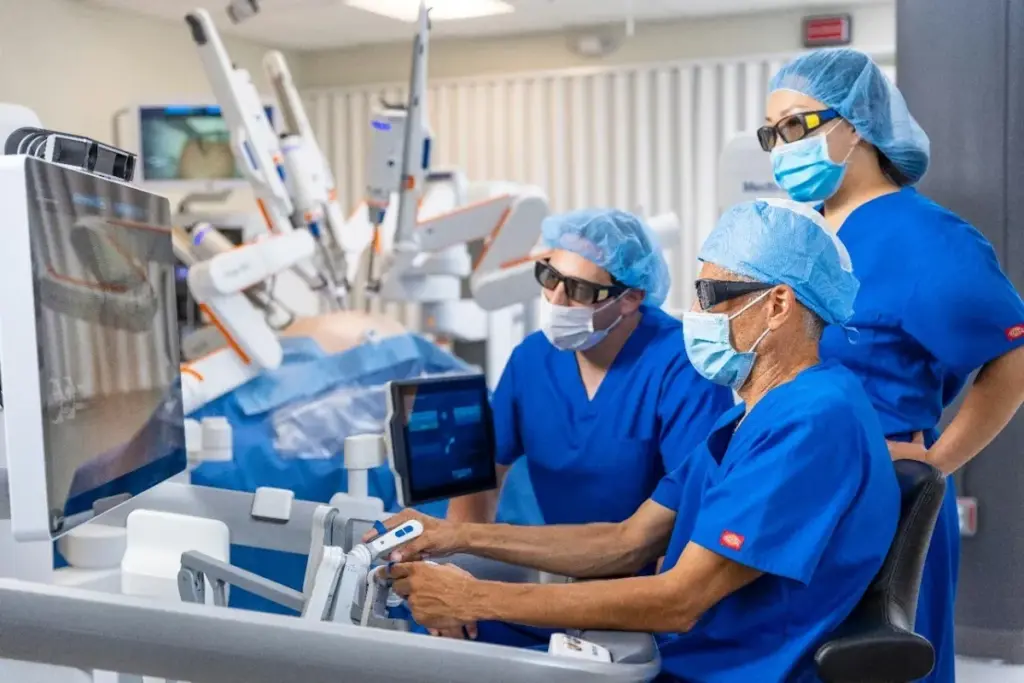
Robotic-Assisted Non-Mesh Repairs
Robotic surgery is changing hernia repair. It brings better precision and control than old methods. Robotic-assisted non-mesh repairs mean less invasion, which could cut down on recovery time and mesh-related issues.
“Robotic surgery has changed hernia repairs for the better. It’s safer and has fewer risks than before.
New Biological Materials Under Development
Scientists are working on new materials for hernia repair. These aim to be more natural and safe than synthetic mesh. This could lead to better results for patients.
- Biological meshes from animal or human tissues
- Synthetic meshes that break down over time
- Composite meshes for better durability and safety
Emerging Techniques and Research Directions
New methods are being tested to improve hernia repair. These include using stem cells and smart meshes. These could lead to better healing and less complications.
As research grows, we’ll see more effective hernia repair options. The future will likely combine these new methods for better patient care.
Future Trends in Hernia Treatment
Hernia treatment is moving towards personalized and less invasive methods. Advances in tech and materials promise better results, shorter recovery times, and fewer risks.
“The future of hernia repair is about tailoring treatments to each patient. We’ll use the latest and best techniques.
Treatment for Inguinal Hernia Without Surgery
Some people can treat inguinal hernias without surgery. This is true for those with little to no symptoms. It’s a good option for those who are not feeling much pain.
Special Considerations for Inguinal Hernias
Choosing the right treatment for inguinal hernias is important. The size of the hernia and the patient’s health matter a lot. So does whether they have symptoms or not.
Watchful waiting is a common choice for those without symptoms. It means keeping an eye on the hernia for any changes or new symptoms.
Non-Surgical Management Options
For those who can’t have surgery right away, there are other ways to manage. These include:
- Making lifestyle changes to ease the strain on the hernia
- Using devices like trusses or belts for support
- Keeping an eye out for any complications
It’s essential to talk to a healthcare provider about the best non-surgical plan.
Risk Assessment for Watchful Waiting
Watchful waiting has risks, like the hernia getting stuck or cut off. Regular check-ups with a doctor are key to managing these risks.
Knowing the risks and benefits of watchful waiting helps patients make better choices about their care.
Finding Non-Mesh Hernia Specialists Near Me
Finding the right surgeon for non-mesh hernia repair is more than a simple search. It takes research and careful thought. Patients must look for specialists with the right skills and experience in non-mesh repair.
Locating Surgeons Specializing in Alternative Repairs
To find non-mesh hernia specialists, start by asking your primary care doctor for recommendations. You can also use online directories and join professional groups like the American Hernia Society for lists of qualified surgeons.
- Check online reviews and ratings to gauge patient satisfaction.
- Verify the surgeon’s credentials and experience with non-mesh hernia repairs.
- Ask about the techniques and materials used in their repair methods.
Questions to Ask Your Surgeon
When talking to surgeons, ask the right questions to make sure they’re a good fit. Consider asking:
- What experience do you have with non-mesh hernia repair techniques?
- Can you explain the benefits and risks associated with your preferred method?
- How will you manage pain and recovery post-surgery?
- What is your recurrence rate with non-mesh repairs?
Evaluating Surgeon Experience with Non-Mesh Techniques
When evaluating a surgeon, look at their experience with non-mesh hernia repairs. Ask:
- Ask about the number of non-mesh procedures they perform annually.
- Inquire about their approach to handling complications.
- Discuss the follow-up care provided after surgery.
By following these steps, patients can make informed choices. It’s about finding a surgeon who has the technical skills and understands your needs and preferences.
Conclusion: Making an Informed Decision About Hernia Treatment
Knowing the different hernia treatment options is key to making smart choices about your care. There are many ways to fix a hernia, from using mesh to not using it at all. Understanding these options helps you talk to your doctor about what’s best for you.
Choosing the right hernia treatment means looking at the good and bad sides of each option. You should think about how long it takes to get better, the chance of the hernia coming back, and the risk of pain. This helps you decide between surgery and other treatments.
Looking into all the hernia treatment options and what they involve helps you make a choice that fits your health and what you prefer. Taking this informed approach can lead to better results and happier patients.
FAQ
What is a no mesh hernia repair?
A no mesh hernia repair is a surgery that fixes hernias without using synthetic mesh. It uses sutures or other tissue methods to repair the hernia.
Are there alternatives to hernia surgery?
Yes, there are alternatives to hernia surgery. These include watchful waiting, making lifestyle changes, and using external support devices. These options are for patients with mild symptoms or those not suited for surgery.
Can you fix a hernia without surgery?
While surgery is often the best way to fix a hernia, some cases can be managed without it. This usually means watching the hernia and managing symptoms through lifestyle changes and support devices.
What are the benefits of no mesh hernia repair?
A no mesh hernia repair avoids complications like chronic pain and infection. It also reduces the risk of long-term mesh-related problems.
What is the Desarda technique?
The Desarda technique is a no-mesh hernia repair method. It uses a unique suturing technique to strengthen the inguinal canal. It’s simple and effective for treating inguinal hernias.
How do I find a surgeon who specializes in no mesh hernia repair?
To find a surgeon for no mesh hernia repair, ask your primary care doctor for referrals. You can also check professional directories or search online for surgeons with expertise in non-mesh techniques.
What are the latest innovations in hernia repair?
New innovations in hernia repair include robotic-assisted non-mesh repairs and new biological materials. These advancements aim to improve outcomes and reduce complications, constantly evolving hernia treatment.
Can inguinal hernias be treated without surgery?
Inguinal hernias can sometimes be managed without surgery, if symptoms are mild. This approach includes watchful waiting, lifestyle changes, and possibly using support devices. But, surgery is often recommended to prevent complications.
What are biological mesh options?
Biological mesh options come from natural tissues and are used instead of synthetic mesh. They can be absorbed by the body, reducing the risk of long-term complications from synthetic materials.
How effective are conservative management techniques for hernias?
Conservative management techniques, like lifestyle changes and support devices, can manage hernia symptoms for some. But, their success depends on the individual and the type of hernia.
What are the risks of watchful waiting for hernia management?
Watchful waiting risks include hernia complications like incarceration or strangulation. These can be serious. Regular monitoring by a healthcare provider is key to quickly spot any changes or complications.
Reference
National Center for Biotechnology Information. Evidence-Based Medical Insight. Retrieved from https://pmc.ncbi.nlm.nih.gov/articles/PMC11374351/[1