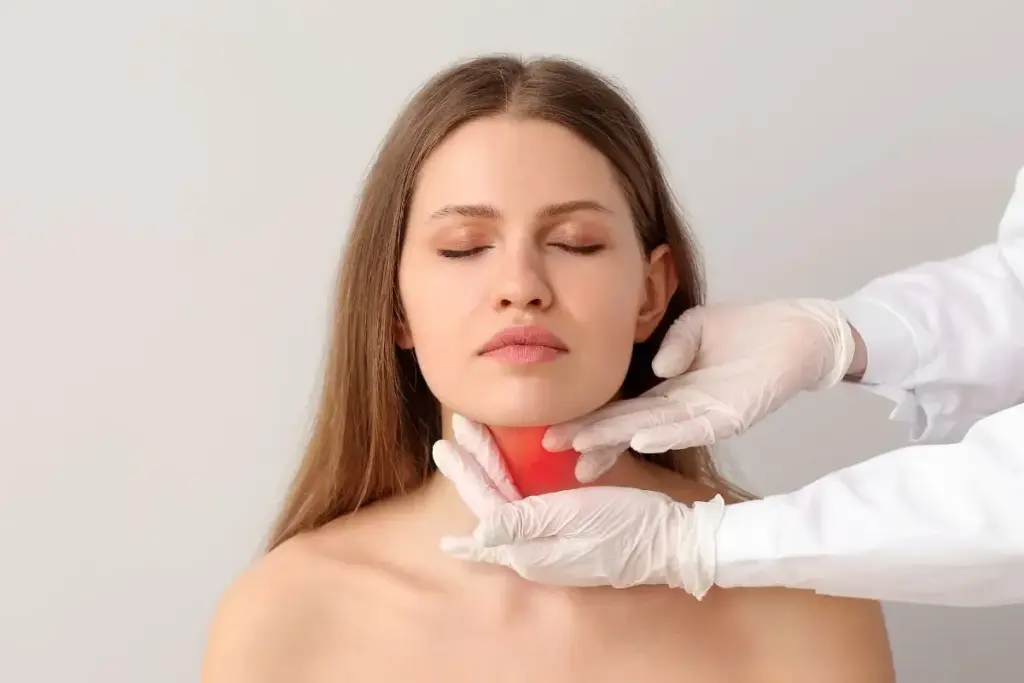
Athyroidism is a rare but serious condition. It happens when the thyroid gland is missing or doesn’t work right.
Living with athyroidism can be tough. It needs lifelong care and expert help to keep you healthy.
At places like Liv Hospital, we lead in thyroid care. We offer full support for those with athyroidism.
Key Takeaways
- Athyroidism is a rare condition requiring lifelong management.
- Expert care is key to keeping you healthy.
- International centers offer full support for patients.
- Managing athyroidism means regular check-ups and treatment.
- Modern medical treatments can greatly improve your health.
Understanding Athyroidism: The Medical Term for No Thyroid

Athyroidism is when someone is born without a thyroid gland or has lost it. It’s different from hypothyroidism, which is when the gland doesn’t make enough thyroid hormone. Knowing the difference is key for the right treatment.
Definition and Clinical Terminology
Athyroidism is rare and means you’re missing a thyroid gland. It can be from being born without one or having it removed. Doctors use terms like “thyroid agenesis” for being born without it and “total thyroidectomy” for removal. It’s important for doctors to know these terms to care for patients well.
“The absence of a thyroid gland poses significant challenges in maintaining hormonal balance,” as noted by endocrinologists. People with athyroidism need to take thyroid hormone their whole lives to replace what’s missing.
Prevalence and Global Statistics
Athyroidism is not common worldwide. It happens in about 1 in 3,000 to 1 in 4,000 births. It can also happen if someone has surgery or gets treatment that removes the gland, which is more common in places with a lot of thyroid problems.
- Congenital athyroidism: 1 in 3,000 to 1 in 4,000 births
- Acquired athyroidism: Varies based on thyroid disease prevalence
Distinguishing Between Hypothyroidism and Athyroidism
Hypothyroidism is when the thyroid gland doesn’t make enough hormones. Athyroidism is when there’s no thyroid gland at all. This difference changes how doctors treat and manage the condition.
Key differences:
- Presence vs. absence of thyroid gland
- Cause of thyroid hormone deficiency
- Treatment and management strategies
The Vital Functions of the Thyroid Gland
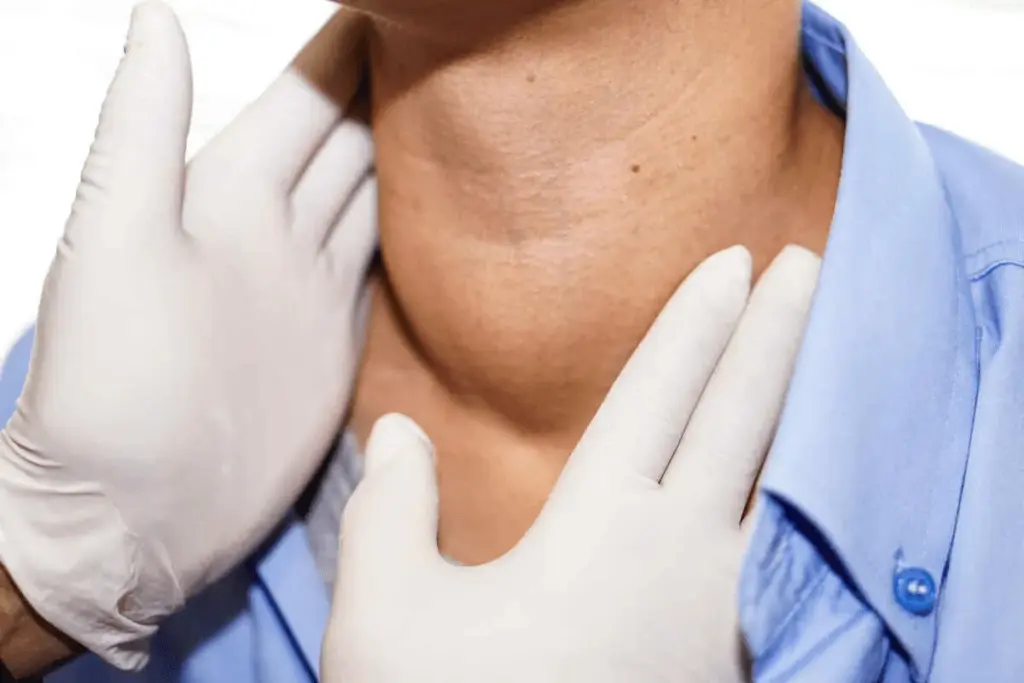
The thyroid gland is a key part of our body. It helps control how we use energy and grow. It makes hormones that are vital for our health.
Role in Metabolism and Energy Regulation
The thyroid gland is important for our metabolism. It turns food into energy. Hormones like T3 and T4 help control how we use energy.
This affects our energy levels and weight. A healthy thyroid gland keeps our metabolism running smoothly.
Some key aspects of thyroid function in metabolism include:
- Regulating the metabolic rate
- Influencing energy production and utilization
- Affecting weight management
Thyroid Hormone Production (T3 and T4)
The thyroid gland makes T3 and T4 hormones. These hormones are key for growth, development, and metabolism. The pituitary gland controls how much of these hormones are made.
Not having the right amount of T3 and T4 can cause health problems. This can lead to issues like hypothyroidism or hyperthyroidism.
Impact on Growth and Development
Thyroid hormones are vital for growing and developing, mainly in kids and teens. They help the brain, bones, and other tissues grow. Without enough thyroid hormones, growth can be affected.
The importance of thyroid function in growth and development can be seen in several areas:
- Brain development and maturation
- Bone growth and density
- Muscle development and strength
How Many Thyroid Glands Do You Have?
Most people have one thyroid gland. But, there can be exceptions. The thyroid gland is key to the endocrine system. It helps control how our body grows, develops, and uses energy.
Normal Thyroid Anatomy
The thyroid gland sits in the neck, below the Adam’s apple. It wraps around the trachea. It has two lobes joined by an isthmus. This gland makes hormones like T4 and T3, which are vital for our body.
Variations and Abnormalities
Some people might have variations in their thyroid gland. This can include being born without a gland or having only one lobe. Thyroid nodules or goiters can also affect its size and function.
These issues can stem from genetics, iodine deficiency, or autoimmune diseases. Knowing about these variations helps doctors diagnose and treat thyroid problems.
The Thyroid’s Relationship with Other Endocrine Glands
The thyroid gland works closely with the pituitary gland and hypothalamus. The hypothalamus makes TRH, which tells the pituitary gland to release TSH. TSH then controls how much T4 and T3 the thyroid gland makes.
This feedback loop keeps thyroid hormone levels right. If it gets out of balance, it can cause health problems. This shows how important it is for the thyroid gland to work well with other glands.
|
Endocrine Gland |
Function |
Relationship with Thyroid |
|---|---|---|
|
Hypothalamus |
Produces TRH |
Stimulates pituitary gland to release TSH |
|
Pituitary Gland |
Releases TSH |
Regulates thyroid hormone production |
|
Thyroid Gland |
Produces T4 and T3 |
Essential for metabolism, growth, and development |
Common Causes of No Thyroid Conditions
Knowing why people have no thyroid gland is key to helping them feel better. Athyroidism, or no thyroid gland, can happen for many reasons. These include being born without a thyroid, having surgery, or getting treatments that use radioactive iodine.
Congenital Absence (Thyroid Agenesis)
Thyroid agenesis is when a baby is born without a thyroid gland. This is a rare condition. It leads to congenital hypothyroidism, where babies can’t make thyroid hormones. These hormones are vital for growth and development.
Surgical Removal (Total Thyroidectomy)
Removing the thyroid gland is sometimes needed for thyroid problems. This surgery can save lives but leaves someone without a thyroid. They then need to take thyroid hormones for life to stay healthy.
Radioactive Iodine Ablation
Radioactive iodine is used to treat thyroid cancer. It kills any thyroid cells left after surgery. While it’s good at killing cancer, it can also cause athyroidism. This means someone needs to take thyroid hormones for life.
The table below shows why people might not have a thyroid gland:
|
Cause |
Description |
Consequence |
|---|---|---|
|
Congenital Absence |
Thyroid gland fails to develop |
Congenital Hypothyroidism |
|
Surgical Removal |
Total thyroidectomy for thyroid disorders |
Athyroidism, requiring hormone replacement |
|
Radioactive Iodine Ablation |
Treatment for thyroid cancer |
Athyroidism, necessitating hormone replacement |
In summary, athyroidism can come from being born without a thyroid, surgery, or treatments like radioactive iodine. Knowing these reasons helps doctors treat the condition better. This ensures people get the care they need.
Thyroid Cancer and Complete Thyroidectomy
Thyroid cancer is a serious health issue that often needs careful treatment planning. This includes looking into complete thyroidectomy. It’s key to understand the details of this treatment for thyroid cancer.
Types of Thyroid Cancer Requiring Gland Removal
Some thyroid cancers need the whole gland to be removed. These include papillary thyroid carcinoma, follicular thyroid carcinoma, and medullary thyroid carcinoma. The choice to remove the gland depends on the cancer’s stage, size, and the patient’s health.
Surgical Procedures and Recovery
Removing the whole thyroid gland is a big surgery. It’s done under general anesthesia. The surgery can be done in a minimally invasive way or the traditional open surgery, based on the patient and surgeon.
Recovery times vary, but most people can get back to normal in a few weeks.
Post-Cancer Monitoring
After removing the thyroid gland for cancer, post-cancer monitoring is very important. It helps catch any cancer coming back or spreading. This includes regular blood tests and imaging studies like ultrasound or radioactive iodine scans.
Graves’ Disease and Other Conditions Leading to Thyroid Removal
Autoimmune disorders and other thyroid issues can lead to the need for a thyroidectomy. We will look at the conditions that may require removing the thyroid gland and the available management options.
When Autoimmune Disorders Necessitate Thyroidectomy
Graves’ disease is a common autoimmune disorder that causes hyperthyroidism. This is when the thyroid gland makes too many thyroid hormones. Treatment options include medications, radioactive iodine, and surgery. Sometimes, a thyroidectomy is needed, like if other treatments don’t work or if there are thyroid nodules or cancer concerns.
Other autoimmune conditions, like Hashimoto’s thyroiditis, can also affect the thyroid. They are less likely to need surgery. But, if there’s a lot of gland damage or cancer suspicion, surgery might be considered.
Goiter Management: Can a Goiter Go Away?
A goiter is when the thyroid gland gets bigger. It can happen for many reasons, like iodine deficiency or autoimmune disorders. The management of a goiter depends on its cause and size. Small goiters might not need treatment and can be checked regularly. But, larger goiters or those causing symptoms might need medical help.
For goiter treatment, there are medications to lower thyroid hormone production or shrink the goiter. Sometimes, surgery to remove part or all of the thyroid gland is needed. This is often the case for large, compressive, or possibly cancerous goiters.
Will Hypothyroidism Go Away Without Treatment?
Hypothyroidism is when the thyroid doesn’t make enough hormones. It’s usually a long-term condition that needs thyroid hormone replacement medication. Some cases of hypothyroidism might get better on their own, like after childbirth. But, most cases are permanent and need ongoing treatment.
Untreated hypothyroidism can cause serious health problems. These include heart issues, metabolic changes, and a lower quality of life. So, it’s very important for people with hypothyroidism to work closely with their healthcare provider to manage their condition well.
Diagnosing the Absence of Thyroid Function
To find out if someone lacks thyroid function, doctors use different tools. They check for athyroidism, which means no thyroid gland, through several steps. These include looking at the patient, doing blood tests, and sometimes using images.
Comprehensive Thyroid Function Tests
First, doctors do tests to check the thyroid’s work. They look at Thyroid-Stimulating Hormone (TSH), triiodothyronine (T3), and thyroxine (T4) in the blood. Elevated TSH levels often mean hypothyroidism, and low TSH levels might mean hyperthyroidism. But in athyroidism, TSH is high, and T3 and T4 are very low or not found.
Imaging Studies and Their Interpretation
Doctors might use ultrasound or radioactive iodine tests to see if the thyroid is there. Ultrasound is great for looking at the thyroid’s shape. These tests show if the thyroid is missing or not working right.
Clinical Evaluation and Symptom Assessment
Doctors also look at how the patient feels and acts. They check for signs like tiredness, weight gain, feeling cold, and dry skin. These are signs of hypothyroidism. In athyroidism, these signs are even stronger because there’s no thyroid hormone.
Doctors use blood tests, images, and how the patient feels to figure out if they have athyroidism. Then, they can plan the right treatment.
Can You Live Without a Thyroid? The Essential Facts
The thyroid gland is key to our body’s functions. Some people live without it due to illness or surgery. Living without a thyroid, or athyroidism, affects health and life quality deeply.
Immediate Health Implications
Without a thyroid, the body can’t make thyroid hormones. These hormones control metabolism and energy. This leads to hypothyroidism, causing fatigue, weight gain, and cold intolerance.
Lifelong thyroid hormone replacement therapy is needed. It helps manage hypothyroidism symptoms and keeps metabolism balanced.
Long-term Survival Considerations
Living long without a thyroid is possible with good medical care. The main thing is sticking to thyroid hormone replacement and checking hormone levels often. This keeps them in the normal range.
- Regular blood tests to check thyroid hormone levels
- Adjustments to medication dosage as needed
- Awareness of possible interactions with other drugs
By managing these, people without a thyroid can live active, productive lives.
Quality of Life Factors
Quality of life improves with a healthy lifestyle. This includes a balanced diet and regular exercise. Knowing about thyroid hormone imbalance is also important. It affects energy, weight, and well-being.
Dealing with the mental side of living without a thyroid is also key. Support from doctors, family, and groups helps a lot.
Can You Survive Without a Thyroid and No Medication?
Living without a thyroid gland is possible with the right medical care. But, not taking medication is very risky. The thyroid gland helps control how our body uses energy and keeps hormones balanced.
Without it, our body can’t make thyroid hormones. These hormones are key for many body functions.
The Dangers of Untreated Athyroidism
Not treating athyroidism can cause serious health problems. Without thyroid hormones, our body’s energy use slows down. This leads to symptoms like tiredness, weight gain, feeling cold, and dry skin.
If these symptoms aren’t treated, they can get worse. This can lead to serious health issues.
One big risk is heart problems. Thyroid hormones help keep cholesterol levels right. Without them, cholesterol can rise, leading to heart disease. Also, our heart might not work as well, making heart problems worse.
Medical Emergencies: Myxedema Coma
Myxedema coma is a very dangerous condition. It happens when thyroid hormone levels get too low. This can cause our body’s functions to slow down a lot.
Symptoms include feeling confused, being too cold, and breathing problems. It’s a medical emergency that needs quick care in an ICU.
People without a thyroid gland must take their thyroid hormone medicine. This helps avoid such emergencies.
The Necessity of Lifelong Hormone Replacement
For those without a thyroid gland, thyroid hormone replacement is a must. It helps keep our body’s energy use and health in check.
Sticking to the treatment plan is key. It helps manage symptoms, prevents serious problems, and keeps life quality good. Regular checks and dose changes are needed to keep hormone levels right.
In short, while it’s possible to live without a thyroid gland with the right care, skipping medication is risky. It’s important to take thyroid hormone medicine for life to manage athyroidism well.
Thyroid Hormone Replacement Therapy
Without a thyroid gland, people need thyroid hormone replacement therapy to stay healthy. This therapy replaces the hormones the thyroid gland would make. It’s vital for those with athyroidism to keep their health in check.
Types of Thyroid Medications
There are many thyroid medications, each with its own benefits. Levothyroxine (T4) is the most common. It’s a man-made version of thyroid hormone. Levothyroxine is chosen because it lasts longer in the body, making it easier to take once a day. Sometimes, liothyronine (T3) is added for extra T3.
A study in the Journal of Clinical Endocrinology and Metabolism says levothyroxine is best for hypothyroidism. It’s usually taken once a day.
“The goal of thyroid hormone replacement therapy is to restore normal thyroid hormone levels, alleviating symptoms and improving quality of life.”
|
Medication Type |
Active Ingredient |
Common Brand Names |
|---|---|---|
|
Levothyroxine (T4) |
Synthetic T4 |
Synthroid, Levoxyl |
|
Liothyronine (T3) |
Synthetic T3 |
Cytomel |
|
Combination Therapy |
T4 and T3 |
Thyrolar |
Dosage Determination and Adjustment
Finding the right dose of thyroid medication is very important. The dose is based on the patient’s weight. It’s adjusted as needed based on blood tests. These tests check TSH and FT4 levels to make sure the hormone levels are right.
Over time, the dose might need to change. This could be due to weight gain or other health changes. Regular blood tests help keep the dose correct.
Administration Guidelines and Best Practices
To get the most from thyroid hormone therapy, follow some guidelines. Take the medication on an empty stomach, in the morning, for better absorption. Avoid foods like soy, calcium, and iron that can affect absorption.
Being consistent with medication is key. Try to take it at the same time every day. This helps keep hormone levels stable.
Monitoring and Managing Thyroid Hormone Levels
For those without a thyroid, keeping thyroid hormone levels right is key. This means regular checks, the right meds, and advice from thyroid specialists.
Managing thyroid hormones well means blood tests, understanding the results, and tweaking meds when needed. We team up with endocrinologists and thyroid experts to give our patients top care.
Regular Blood Tests and Interpretation
It’s vital to check thyroid hormone levels with blood tests. These tests look at TSH, free T4, and sometimes free T3. They help doctors see if the meds are right or if they need to change.
Understanding blood test results is complex. Thyroid specialists are key here, using their know-how to guide patient care.
Signs of Overmedication and Undermedication
Too much or too little medication can harm health. Too much might cause weight loss, fast heart rate, anxiety, and too much energy. Too little can lead to tiredness, weight gain, dry skin, and feeling cold all the time. Spotting these signs early is important for adjusting meds.
Patients should watch for these signs and talk to their doctor. Keeping up with regular checks and talking openly is key to the right thyroid hormone levels.
Working with Endocrinologists and Thyroid Specialists
Teamwork with thyroid specialists and endocrinologists is essential. They know how to read test results, adjust meds, and help with side effects.
Together, patients and doctors can get thyroid hormone levels just right. This improves health and life quality. Regular visits and a hands-on approach to thyroid care are musts for those without a thyroid gland.
Potential Complications of Living with No Thyroid
Not having a thyroid gland can lead to health problems, mainly if we don’t get enough thyroid hormone. It’s important to manage our health well to avoid complications. These can affect many areas of our health.
Cardiovascular Risks with Inadequate Treatment
Not getting enough thyroid hormone can harm our heart. We must watch our heart health closely. Hypothyroidism can raise LDL cholesterol, which can cause heart disease. Studies show that the right treatment can lower these risks.
|
Cardiovascular Risk Factors |
Normal Thyroid Function |
Athyroidism without Treatment |
Athyroidism with Proper Treatment |
|---|---|---|---|
|
LDL Cholesterol Levels |
Normal |
Elevated |
Normal |
|
Heart Disease Risk |
Low |
High |
Low |
|
Blood Pressure |
Normal |
Potential Hypertension |
Normal |
Metabolic Concerns and Weight Management
People without a thyroid gland often see metabolic changes. This can lead to weight gain or trouble losing weight. Getting the right thyroid hormone is key to a healthy metabolism.
Bone Health and Osteoporosis Prevention
Thyroid issues can affect our bones. We must watch out for osteoporosis, which is more likely if our hormone levels are off. Regular scans and supplements can help keep our bones strong.
Cognitive and Psychological Effects
Living without a thyroid can also affect our mind. We might have memory problems, depression, or anxiety. The right treatment and regular checks can help manage these symptoms.
Understanding athyroidism’s complications and working with our healthcare team is key. This way, we can manage our condition and stay healthy.
Dietary Considerations for People with No Thyroid
Living without a thyroid gland means you need to think carefully about what you eat. Your diet can greatly affect your health and how well your thyroid hormone replacement works.
Foods to Be Aware Of
Some foods can make it harder for your body to absorb thyroid medication. Foods high in fiber, soy, and those with a lot of calcium or iron can be a problem. Knowing this can help your medication work better.
Tips for Managing Medication Absorption:
- Take your thyroid medication on an empty stomach.
- Avoid foods high in fiber, soy, calcium, or iron when you take your medication.
- Wait 1-2 hours after taking your medication before eating these foods.
Iodine Considerations
Iodine is key for thyroid health, even without a thyroid gland. It’s important to get the right amount of iodine. Talk to your doctor about how much iodine you need.
Nutritional Balance
Eating a balanced diet is very important for people without a thyroid. You need to get enough vitamins and minerals to stay healthy. A good diet can help manage symptoms and improve your life.
|
Food Category |
Include |
Avoid |
|---|---|---|
|
Grains |
Whole grains like brown rice and quinoa |
Excessive high-fiber foods that may interfere with medication absorption |
|
Protein Sources |
Lean proteins like chicken, fish, and legumes |
Soy products that may affect medication absorption |
|
Dairy |
Calcium-rich foods for bone health |
Consuming dairy products at the same time as thyroid medication |
|
Vegetables |
Cruciferous vegetables like broccoli and cauliflower in moderation |
Raw vegetables that are high in fiber and may interfere with medication |
By making smart food choices, people without a thyroid can manage their condition better. This can improve their overall health.
Exercise and Lifestyle Adaptations After Thyroidectomy
Living a healthy lifestyle, including regular exercise, is key for those who have had thyroid surgery. After a thyroidectomy, it’s important to adjust your lifestyle. This helps manage your condition and improves your life quality.
Physical Activity Guidelines and Benefits
Regular physical activity can help with symptoms like fatigue and weight gain. Recommended exercises include:
- Brisk walking
- Swimming
- Cycling
- Yoga
These activities boost heart health, muscle strength, and flexibility. Always talk to a healthcare provider before starting new exercises, even after surgery.
Energy Management Strategies
Managing energy is key after thyroidectomy. Pacing activities and taking breaks can prevent exhaustion. Focus on the most important tasks when you have the most energy.
Also, keep a regular sleep schedule and have a calming bedtime routine. This can help improve sleep and boost energy.
Stress Reduction Techniques
Stress can make hypothyroidism symptoms worse. Meditation, deep breathing, or mindfulness can help reduce stress. These practices also improve mental health.
Doing things that make you happy can also help. It’s about finding what works best for you.
By making these lifestyle changes, people who have had thyroid surgery can manage their condition better. This improves their overall quality of life.
Special Considerations: Pregnancy, Aging, and Comorbidities
Managing athyroidism is not the same for everyone, thanks to pregnancy, aging, and other health issues. It’s key to understand the unique needs of each group.
Thyroid Replacement During Pregnancy
Pregnancy brings special challenges for women with athyroidism. They often need more thyroid hormone. It’s vital to check thyroid hormone levels often to keep both mom and baby healthy. Untreated hypothyroidism can cause problems like miscarriage and birth defects.
To handle athyroidism well during pregnancy, we suggest:
- Thyroid tests every 4-6 weeks
- Changing thyroid medication as needed
- Working closely with doctors
Age-Related Dosage Adjustments
Age also plays a big role in managing athyroidism. As people get older, they might need less thyroid hormone. This is because their metabolism slows down and they may have other health issues.
Important steps for older adults with athyroidism include:
- Checking thyroid levels and adjusting medication
- Watching for drug interactions
- Being aware of heart risks
Managing Multiple Health Conditions
Many people with athyroidism also have other health problems. These can make managing athyroidism harder. For example, heart disease or diabetes might need careful treatment to avoid bad side effects.
“The presence of comorbidities in patients with athyroidism demands a holistic treatment plan that addresses all aspects of their health.”
To manage health issues along with athyroidism, doctors should:
- Check all health conditions
- Make a treatment plan that covers everything
- Keep an eye on and adjust treatment as needed
Conclusion: Thriving with Athyroidism Through Proper Management
Managing athyroidism well is key for those who have it. With the right treatment, like thyroid hormone replacement, people can live healthy and active lives.
Living with athyroidism means ongoing treatment. It’s important to check the medication dose regularly. We work with doctors to adjust treatment plans. This helps avoid problems and improves overall health.
Knowing how to manage athyroidism helps people take charge of their health. They can make smart choices about their care and life. This way, they can enjoy life fully and reach their goals.
With the right care and support, people with athyroidism can do great things. They can face challenges head-on and live a happy, fulfilling life.
FAQ
What is athyroidism, and how does it differ from hypothyroidism?
Athyroidism means you don’t have a thyroid gland, often due to surgery or birth defects. Hypothyroidism is when your thyroid gland doesn’t work right but is there. Athyroidism needs lifelong hormone treatment.
Can you live without a thyroid gland?
Yes, you can live without a thyroid gland. But, you need to take thyroid hormones for life to stay healthy.
What are the immediate health implications of having no thyroid?
Without a thyroid, your body can’t make thyroid hormones. This causes symptoms like tiredness, weight gain, and dry skin. You need quick medical help and hormone treatment.
How is athyroidism diagnosed?
To diagnose athyroidism, doctors do blood tests and imaging like ultrasound. They also check your symptoms.
What are the types of thyroid medications available for athyroidism?
The main medicine is synthetic T4 (levothyroxine). Some people also need T3 (liothyronine).
How is the dosage of thyroid hormone replacement therapy determined?
The dosage depends on your weight, age, and how severe your athyroidism is. Doctors adjust it with blood tests to keep hormone levels right.
Can athyroidism be managed without medication?
No, you can’t manage athyroidism without hormone treatment. Without it, you risk serious health problems, like myxedema coma.
What are the possible complications of living without a thyroid?
Living without a thyroid can lead to heart problems, metabolic issues, and bone diseases like osteoporosis. It can also affect your mind and mood if hormone levels aren’t right.
Are there dietary considerations for individuals with athyroidism?
Yes, some foods can affect how well you absorb thyroid medicine. Eating enough iodine is also key. Good nutrition can help manage symptoms.
How does athyroidism affect pregnancy?
Athyroidism needs careful attention during pregnancy. Thyroid hormone needs increase. Close monitoring and adjusting treatment is vital for a healthy baby.
Can a goiter go away without treatment?
In some cases, a goiter might shrink with treatment of the cause. But, if it’s due to cancer, surgery is needed.
Will hypothyroidism go away without treatment?
Hypothyroidism usually doesn’t get better on its own. Even mild cases often need lifelong hormone treatment.
What lifestyle adaptations are recommended after thyroidectomy?
After thyroid surgery, follow exercise guidelines, manage your energy, and reduce stress. These help keep you healthy and happy.
References
National Center for Biotechnology Information. Evidence-Based Medical Insight. Retrieved from https://pmc.ncbi.nlm.nih.gov/articles/PMC11374351/[1