
Understanding the Condition
At Liv Hospital, we focus on aortic valve regurgitation. This is when the aortic valve doesn’t close right, letting blood flow back into the left ventricle. It’s also called nonrheumatic aortic insufficiency. If not treated, it can cause serious heart issues.
We aim to give our patients the best care and support. Nonrheumatic aortic insufficiency is different from rheumatic aortic insufficiency. It has its own causes. It can affect the heart a lot, causing symptoms like shortness of breath and chest pain.
Key Takeaways
- Aortic valve regurgitation occurs when the aortic valve doesn’t close properly.
- Nonrheumatic aortic insufficiency is a significant condition that can lead to heart problems.
- The condition differs from rheumatic aortic insufficiency in its causes.
- Symptoms can include shortness of breath and chest pain.
- Comprehensive care is available for patients with valve disease.
What Is Nonrheumatic Aortic Insufficiency?

Nonrheumatic aortic insufficiency happens when the aortic valve doesn’t close right. This valve is key for heart health. It lets blood flow into the aorta but stops it from going back.
Definition and Valve Mechanics
When the aortic valve doesn’t close right, blood leaks back into the heart. This makes the heart work harder. If not treated, it can lead to heart failure.
The aortic valve works with its leaflets and surrounding parts. Problems with these can make the valve not work right. This can be due to age or birth defects.
Prevalence and Clinical Significance
Nonrheumatic aortic insufficiency is a big cardiac condition worldwide. How common it is depends on the cause and who is studied.
This condition can cause serious problems like heart failure and arrhythmias. It can even lead to sudden death. Early treatment is key to avoid these risks.
Terminology and Medical Abbreviations
Doctors use different terms and abbreviations for nonrheumatic aortic insufficiency. Knowing these is important for clear doctor talk.
- AI: Aortic Insufficiency
- AR: Aortic Regurgitation
- Nonrheumatic AI: Shows it’s not from rheumatic fever
Knowing these terms helps doctors and patients. It makes sure patients get the right heart valve disorder care.
Causes and Risk Factors of Nonrheumatic Aortic Insufficiency
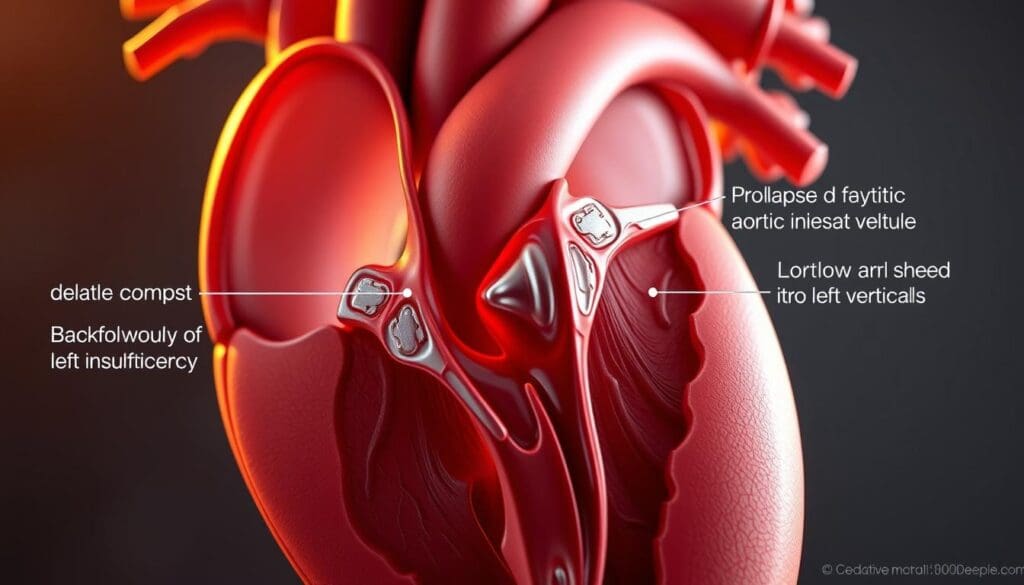
Nonrheumatic aortic insufficiency has several causes, like congenital defects and degenerative changes. Knowing these causes helps in diagnosing and treating the condition.
Congenital Valve Defects
Congenital defects are a big reason for nonrheumatic aortic insufficiency. Issues like bicuspid or unicuspid aortic valves can cause problems. Congenital abnormalities can lead to valve insufficiency due to improper valve formation or function.
A study in the Journal of the American College of Cardiology found bicuspid aortic valve is common. It affects about 1-2% of people.
Degenerative Valve Changes
Degenerative changes are another big cause, mainly in older adults. These changes include calcification and wear on the valve leaflets. This can cause the valve to not close properly.
As we get older, the risk of these changes grows. A New England Journal of Medicine study says degenerative aortic valve disease is a big reason for insufficiency in the elderly.
Infectious Etiologies
Infectious causes, like endocarditis, can also lead to nonrheumatic aortic insufficiency. Endocarditis is an infection of the heart valves. It can damage the valve leaflets and cause insufficiency.
“Infective endocarditis is a serious condition that can result in significant morbidity and mortality if not promptly treated. It is a known cause of aortic valve insufficiency.”
A table summarizing the causes of nonrheumatic aortic insufficiency is provided below:
| Cause | Description | Prevalence |
|---|---|---|
| Congenital Valve Defects | Bicuspid or unicuspid aortic valves | 1-2% |
| Degenerative Valve Changes | Calcification and wear and tear | Common in elderly |
| Infectious Etiologies | Endocarditis | Rare |
Other Contributing Factors
Other factors can also play a role, like hypertension and aortic root dilatation. Managing these factors is key to preventing the condition from getting worse.
Understanding the many causes of nonrheumatic aortic insufficiency is vital. It helps us give better care to our patients.
Differentiating Nonrheumatic from Rheumatic Aortic Valve Disease
It’s important to know the difference between nonrheumatic and rheumatic aortic valve disease. These two conditions have different causes and effects. This knowledge helps us give the right treatment.
Nonrheumatic aortic insufficiency comes from things like birth defects, wear and tear, or infections not caused by rheumatic fever. On the other hand, rheumatic aortic valve disease happens because of rheumatic fever. The main difference is in how the valve is affected.
How these diseases show up in patients is different too. People with nonrheumatic aortic insufficiency might not show symptoms for a long time. But symptoms can start to appear as the disease gets worse. Rheumatic aortic valve disease, on the other hand, often comes with a history of rheumatic fever. It can also affect the mitral valve.
We use imaging like echocardiography to figure out what’s going on with the valve. Knowing the difference is not just for fun. It affects how we treat patients and their chances of getting better.
In short, telling nonrheumatic from rheumatic aortic valve disease needs a deep understanding of their unique causes and symptoms. By correctly diagnosing and treating these conditions, we can help patients get better and offer the right care.
Classification and Severity Grading
The severity of nonrheumatic aortic insufficiency is key to knowing how well a patient will do. We sort this condition by how bad it is. This helps doctors make the best choices for their patients.
Trace and Trivial Insufficiency
Trace or trivial aortic insufficiency is the least severe. It means the valve leaks very little. Patients with trace insufficiency usually don’t feel sick and are often found by accident during tests.
Mild Aortic Insufficiency
Mild aortic insufficiency is a bit worse than trace but is not too serious. Regular monitoring is advised for those with mild insufficiency. This helps track any changes in their condition.
Moderate Aortic Insufficiency
Moderate aortic insufficiency means the valve leaks a lot more. This can cause symptoms and changes in the heart. Clinical assessment and tests are vital. They help decide if treatment is needed.
Severe Aortic Insufficiency
Severe aortic insufficiency is very serious. It causes big problems with blood flow. Prompt evaluation and treatment are essential. Without it, heart failure and other serious issues can happen.
Knowing how bad nonrheumatic aortic insufficiency is helps doctors treat each patient better. This leads to better results for everyone.
Key Symptoms of Nonrheumatic Aortic Insufficiency
Nonrheumatic aortic insufficiency often starts without symptoms. It’s important to know the signs. The disease can stay hidden for a long time.
Asymptomatic Phase and Disease Progression
At first, patients might not feel any symptoms. This can go on for years. Regular health checks and tests are key to catching it early.
As the disease gets worse, symptoms start to show. “The time without symptoms can vary a lot,” medical studies say. Some people might not show symptoms even with severe aortic regurgitation.
Early Clinical Manifestations
Early signs are often mild. They can include heart racing, feeling tired, and breathing hard when active. These happen because the heart works harder to handle blood flow.
Later, patients might feel a strong heartbeat or a “pounding” in their chest. This is because of the increased blood volume and wide pulse pressure.
Advanced Symptoms
When it gets worse, symptoms get stronger and harder to handle. Chest pain can happen because of less blood flow to the heart. Heart failure symptoms like trouble breathing when lying down and waking up with breathlessness can also occur.
Advanced nonrheumatic aortic insufficiency can really lower a person’s quality of life. It’s why early treatment and proper care are so important.
Diagnostic Approaches and Testing
To diagnose nonrheumatic aortic insufficiency, doctors use several methods. These help figure out how severe the condition is and what treatment is best.
Physical Examination Findings
A detailed physical exam is key in diagnosing nonrheumatic aortic insufficiency. Important signs include:
- A diastolic murmur heard best at the left sternal border, showing aortic regurgitation.
- Bounding pulses from the increased stroke volume.
- Widened pulse pressure from the regurgitant volume.
These signs are vital for the first check-up and deciding if more tests are needed.
Imaging Techniques
Imaging is essential in diagnosing and checking nonrheumatic aortic insufficiency. Common imaging methods are:
- Echocardiography: Gives detailed info on valve shape, regurgitant severity, and left ventricle size and function.
- Cardiac MRI: Precisely measures regurgitant volume and fraction, and checks left ventricle dimensions and function.
These imaging methods are key for evaluating aortic insufficiency severity and tracking disease progress.
Laboratory and Additional Testing
Lab tests and other procedures are also used to support the diagnosis and see how nonrheumatic aortic insufficiency affects the patient.
- Electrocardiogram (ECG): May show signs of left ventricular hypertrophy or other arrhythmias.
- Chest X-ray: Can show cardiomegaly or other pulmonary changes due to heart failure.
- Exercise Stress Test: Helps check functional capacity and find ischemia or arrhythmias during exercise.
These tests offer important info. When combined with clinical findings and imaging results, they help make a full diagnosis and plan treatment.
Treatment Options for Nonrheumatic Aortic Insufficiency
Managing nonrheumatic aortic insufficiency requires a mix of medical and surgical methods. We look at how severe the condition is, the patient’s health, and symptoms to choose the best treatment.
Medical Management Strategies
For those with mild symptoms, medical treatment is often the first step. Vasodilators help by making it easier for the heart to pump. We also watch for any changes in the condition closely.
Beta-blockers might be used to slow the heart rate and reduce its force. But, we must be careful because they can sometimes make things worse.
Surgical Interventions
For severe cases or those with big symptoms, surgery is needed. Aortic valve replacement is the main surgery, where a new valve is put in place.
| Type of Valve Replacement | Advantages | Disadvantages |
|---|---|---|
| Mechanical Valve | Durable, long-lasting | Requires lifelong anticoagulation, risk of mechanical failure |
| Bioprosthetic Valve | Lower risk of anticoagulation-related complications, more natural flow | May require replacement in 10-15 years, risk of degeneration |
Timing of Intervention and Treatment Selection
When to have surgery is a big decision. It depends on symptoms, heart function, and other health issues. We use tests and evaluations to decide the best time for surgery.
After surgery, careful care is key for a good recovery. We watch for problems and adjust medicines as needed.
Prevention and Risk Reduction Strategies
We can improve outcomes for those with nonrheumatic aortic insufficiency by focusing on prevention and risk reduction. A good approach includes lifestyle changes, monitoring, and preventive measures against complications.
Modifying Risk Factors
Managing risk factors is key to preventing nonrheumatic aortic insufficiency from getting worse. Hypertension management is very important. We suggest regular blood pressure checks and following the doctor’s advice on medication.
Changing your lifestyle is also important. Eating a healthy diet and staying active are good steps. Avoiding smoking is also vital. These actions can help manage weight and improve heart health, reducing the risk of complications.
Monitoring and Surveillance
Regular checks and monitoring are vital for catching any worsening of the disease early. It’s important to keep up with follow-up appointments with your healthcare provider. This helps in adjusting treatment plans as needed.
Echocardiography is a key tool for monitoring nonrheumatic aortic insufficiency. How often you need an echocardiogram depends on how severe your condition is and if you’re showing symptoms. Those with severe aortic insufficiency might need more frequent checks.
Endocarditis Prophylaxis Considerations
For those with nonrheumatic aortic insufficiency, endocarditis prophylaxis might be advised before dental or surgical procedures. This is more likely for those with severe disease or after surgery. Guidelines suggest antibiotics for patients with a history of endocarditis or certain heart valves.
But, the decision to use endocarditis prophylaxis should be made carefully. It depends on the patient’s health, the severity of their aortic insufficiency, and the type of procedure. Always talk to a healthcare provider to figure out the best plan.
Conclusion
We’ve looked into nonrheumatic aortic insufficiency, a condition where the aortic valve leaks. This valve disease, also known as aortic valve regurgitation, can happen for many reasons. These include congenital defects, degenerative changes, and infections.
It’s important to know the causes, symptoms, and how doctors diagnose it. We talked about how to classify and grade the severity of this condition. We also covered treatment options, like medicine and surgery.
We’ve gathered key information on nonrheumatic aortic insufficiency. This shows how vital early diagnosis and treatment are. It helps avoid serious problems and improves how patients feel. We also stressed the need for ongoing care and ways to lower risks.
What is nonrheumatic aortic insufficiency?
Nonrheumatic aortic insufficiency, or aortic valve regurgitation, happens when the aortic valve doesn’t close right. This lets blood flow back into the heart. We cover its causes, symptoms, and treatment options.
How does nonrheumatic aortic insufficiency differ from rheumatic aortic insufficiency?
Nonrheumatic aortic insufficiency is different from rheumatic aortic insufficiency in its causes. Rheumatic aortic insufficiency often comes from rheumatic fever. Nonrheumatic aortic insufficiency is caused by other factors like congenital defects or degenerative changes. We dive into these differences.
What are the symptoms of nonrheumatic aortic insufficiency?
Symptoms of nonrheumatic aortic insufficiency vary. They can range from no symptoms at all to severe symptoms like shortness of breath. We talk about how the disease progresses and why watching for symptoms is key.
How is nonrheumatic aortic insufficiency diagnosed?
Diagnosing nonrheumatic aortic insufficiency requires a few steps. It involves a physical exam, imaging like echocardiography, and lab tests. We explain how these methods help identify the condition.
What are the treatment options for nonrheumatic aortic insufficiency?
Treatment for nonrheumatic aortic insufficiency depends on how severe it is. It might include medication, surgery like valve replacement, or a mix of both. We discuss when to intervene and how to choose the right treatment.
Can nonrheumatic aortic insufficiency be prevented?
Some risk factors for nonrheumatic aortic insufficiency can’t be avoided. But managing risk factors, regular check-ups, and preventive measures can help. We look into ways to prevent or reduce the risk of this condition.
How is the severity of nonrheumatic aortic insufficiency classified?
The severity of nonrheumatic aortic insufficiency is based on how much the valve leaks. It ranges from a small leak to a big one. We explain the different levels and what they mean.
What are the causes and risk factors for nonrheumatic aortic insufficiency?
Nonrheumatic aortic insufficiency can come from many causes. These include congenital defects, degenerative changes, and infections. We go into detail about these causes and risk factors.
References
- NCBI Bookshelf (National Library of Medicine): Aortic Regurgitation (Aortic Insufficiency)