
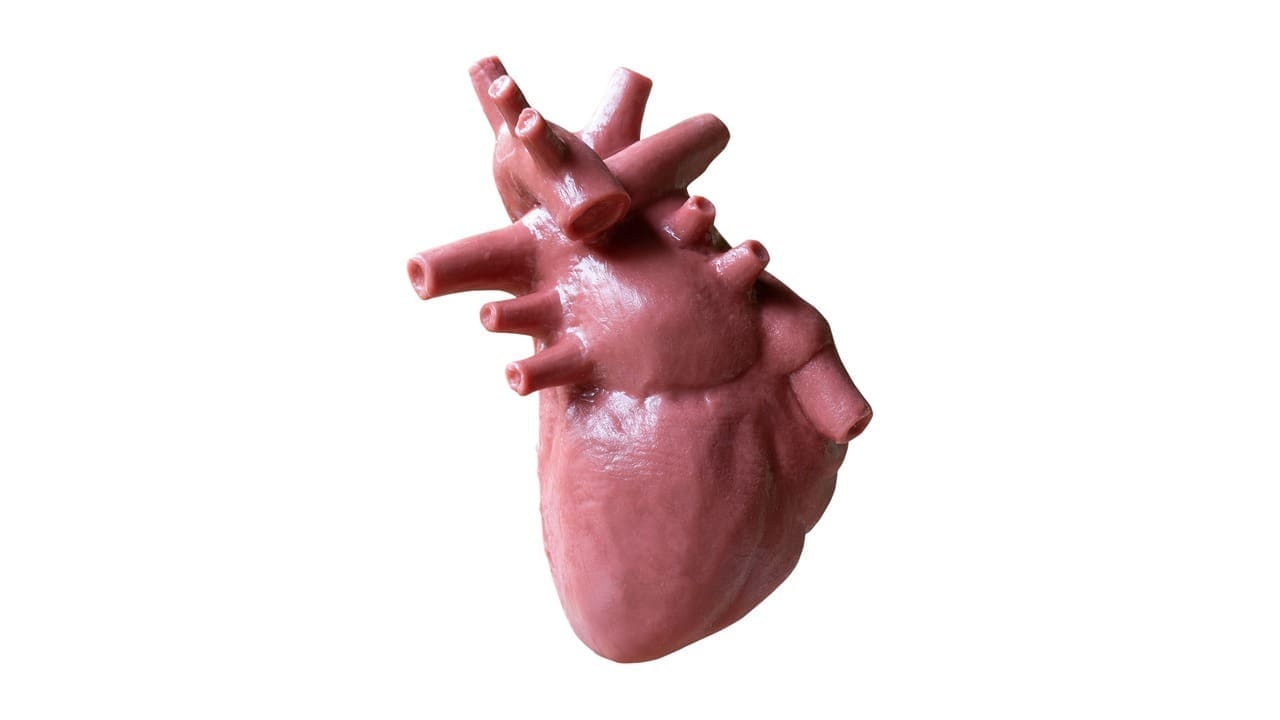
Knowing the normal aortic valve area is key for diagnosing heart valve issues. At Liv Hospital, we focus on high standards and care for our patients. This ensures we give the best care for those with aortic valve disease.
In healthy adults, the aortic valve area usually ranges from 3.0 to 4.0 cm². Advanced imaging is key for diagnosing and managing heart diseases. It helps us make accurate measurements for better treatment plans.
We understand how important aortic valve measurements are for checking heart health. Our goal is to offer top-notch healthcare. We support international patients, ensuring they get the best care for their heart.
Key Takeaways
- Normal aortic valve area is between 3.0 and 4.0 cm² in healthy adults.
- Advanced cardiac imaging is key for accurate diagnosis.
- Precise aortic valve measurements are vital for effective treatment plans.
- Liv Hospital is committed to rigorous standards and patient-focused care.
- Accurate diagnosis is essential for managing cardiovascular diseases.
Aortic Valve Anatomy and Physiological Function
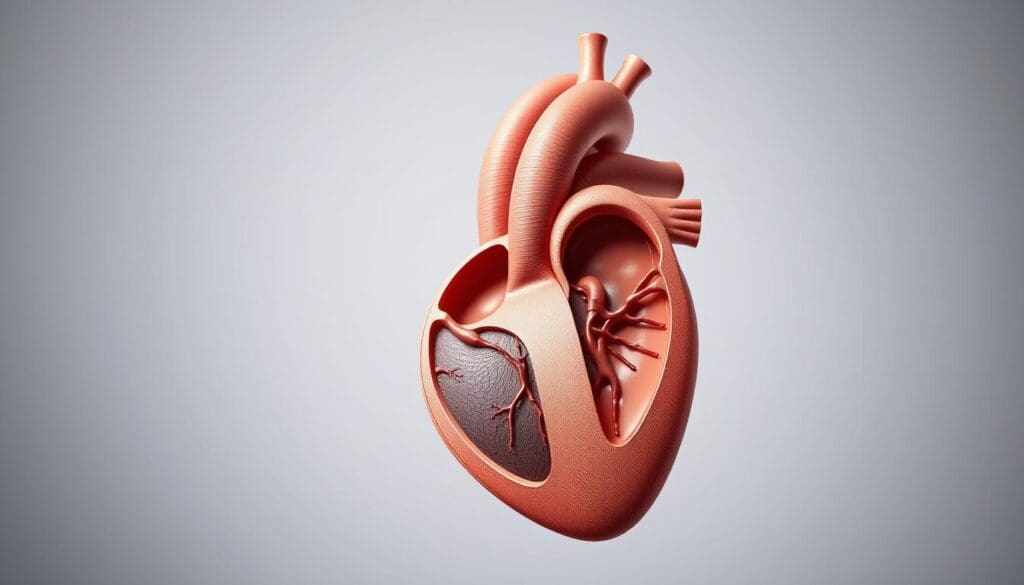
Knowing how the aortic valve works is key to understanding heart health. It controls blood flow from the heart to the aorta. This ensures blood moves well throughout the body.
Structure and Components of the Aortic Valve
The aortic valve has three cusps or leaflets attached to the aortic root. These cusps open and close with each heartbeat. They let blood flow into the aorta while stopping it from flowing back. The valve’s structure is supported by fibrous tissue, keeping it stable and working right.
Role in Regulating Blood Flow from Heart to Aorta
The aortic valve’s main job is to control blood flow from the left ventricle to the aorta. When the heart beats, the valve opens, letting blood flow into the aorta. When the aorta’s pressure is higher, the valve closes, stopping backflow and ensuring blood circulates well.
Hemodynamic Principles of Valve Function
The way the aortic valve works is based on pressure, flow, and valve area. A normal valve works with little pressure difference during systole. Any change in these values could mean the valve is not working right.
| Hemodynamic Parameter | Normal Value | Clinical Significance |
|---|---|---|
| Pressure Gradient | < 10 mmHg | Indicates normal valve function |
| Valve Area | 3.0-4.0 cm² | Essential for efficient blood flow |
| Flow Rate | Varies with cardiac output | Affects valve opening and closure |
By understanding the aortic valve anatomy and its function, we can see its importance in heart health. We can also spot problems related to its dysfunction.
Normal Aortic Valve Area: Standard Measurements and Ranges
Knowing the normal aortic valve area is key for diagnosing heart diseases. It helps doctors see how severe aortic stenosis and other heart valve issues are.
Average Valve Area in Healthy Adults
In healthy adults, the aortic valve area usually falls between 3.0 and 4.0 cm². This range is standard for those without heart valve problems. Keeping this area normal is vital for blood to flow right from the heart.
Indexing Valve Area to Body Surface Area
The aortic valve area is often indexed to body surface area (BSA) to adjust for size differences. This method gives a more tailored look at how well the valve works. Indexing is really helpful for people with unusual body sizes.
Normal Variations in Different Populations
The size of the aortic valve area can change with age, sex, and body size. For example, older people might have different valve sizes than younger folks.
“The normal aortic valve area can vary significantly among different populations, stressing the importance of a personalized approach.”
| Population | Average Valve Area (cm²) | Indexed Valve Area (cm²/m²) |
|---|---|---|
| Young Adults | 3.5 ± 0.5 | 2.0 ± 0.3 |
| Older Adults | 3.2 ± 0.4 | 1.8 ± 0.2 |
Understanding these differences helps doctors make better diagnoses and treatment plans.
Key Factors Influencing Aortic Valve Dimensions
The size of the aortic valve changes with age, sex, and body size. Knowing these factors helps us understand valve measurements better.
Age-Related Changes in Valve Structure
As we get older, the aortic valve changes. Age-related calcification and fibrosis make the valve smaller. Studies show older people have smaller valves than the young.
Sex Differences in Normal Valve Size
Sex also affects aortic valve size. Men usually have bigger valves than women. This is key for setting normal valve size ranges.
Impact of Body Size and Composition
Body size and composition matter too. Body surface area (BSA) helps adjust valve size for each person.
Height and Weight Considerations
Height and weight affect BSA, which impacts valve size. Taller and heavier people have bigger valves.
Athletic vs. Sedentary Individuals
Physical condition also plays a role. Athletes, like those in high-intensity sports, often have larger valves due to heart adaptations.
Echocardiographic Assessment of Aortic Valve Area
Advanced echocardiographic techniques help measure the aortic valve area accurately. This is key for making clinical decisions. Echocardiography is a main tool for checking the aortic valve area. It gives vital info for diagnosing and treating aortic valve diseases.
Transthoracic Echocardiography Techniques
Transthoracic echocardiography (TTE) is a non-invasive way to check the aortic valve area. It’s used to look at valve shape and how it works. The continuity equation is often used in TTE to guess the aortic valve area.
Transesophageal Echocardiography Applications
Transesophageal echocardiography (TEE) gives a clearer view of the aortic valve. It’s best when TTE images aren’t clear enough. TEE is great for looking at valve structure and function, mainly in patients with suspected aortic stenosis.
Continuity Equation Method
The continuity equation method is a common way to estimate the aortic valve area. It measures the velocity-time integral (VTI) at the valve and left ventricular outflow tract (LVOT). This lets us figure out the effective orifice area.
Planimetry Approach for Direct Measurement
Planimetry is a direct way to measure the aortic valve area with echocardiography. It’s very useful for patients with aortic stenosis. It gives a direct look at the valve area.
| Method | Description | Advantages |
|---|---|---|
| Transthoracic Echocardiography | Non-invasive assessment of aortic valve area | Widely available, non-invasive |
| Transesophageal Echocardiography | Detailed view of aortic valve structure | High-resolution images, useful for complex cases |
| Continuity Equation Method | Estimates effective orifice area using VTI measurements | Widely used, correlates well with invasive measurements |
| Planimetry | Direct measurement of aortic valve area | Provides accurate measurement, useful for aortic stenosis assessment |
Understanding Normal Aortic Valve Gradients
Aortic valve gradients help us understand how well the aortic valve works. They tell us about the severity of aortic stenosis and other valve issues. Normal gradients mean the valve doesn’t block blood flow much from the heart to the aorta.
Mean and Peak Gradient Measurements
We look at both mean and peak gradients to check the valve’s function. Peak gradient is the highest pressure difference during heart contraction. Mean gradient is the average pressure difference over the contraction period. These numbers help us see how well the valve works.
Normal Gradient Values
A normal aortic valve gradient is less than 10 mmHg. This shows the valve is working well and there’s little risk of stenosis.
Relationship Between Gradients and Valve Area
Gradients and valve area are closely linked. When the valve area gets smaller, gradients go up because blood flow gets harder. Knowing this helps us diagnose and treat aortic stenosis.
Exercise-Induced Gradient Changes
Exercise can change aortic valve gradients. For people with normal valves, these changes are small. But for those with valve problems, exercise can make gradients worse, showing possible stenosis.
We use these principles to care for patients with aortic valve disease. This ensures they get the best treatment and outcomes.
Aortic Stenosis: Pathological Reduction in Valve Area
We look at aortic stenosis, a condition where the aortic valve area shrinks, impacting blood flow. This condition narrows the aortic valve opening. It blocks blood flow from the heart to the aorta.
Classification of Stenosis Severity
The severity of aortic stenosis is based on the valve area and gradient measurements. Knowing the severity is key for the right treatment plan.
Mild, Moderate, and Severe Stenosis Thresholds
Here are the thresholds for aortic stenosis severity:
| Severity | Valve Area (cm²) | Mean Gradient (mmHg) |
|---|---|---|
| Mild | >1.5 | |
| Moderate | 1.0-1.5 | 20-40 |
| Severe | >40 |
Aortic Stenosis Gradients Interpretation
Understanding aortic stenosis gradients is key to assessing its severity. These are measured during echocardiography.
Low-Flow, Low-Gradient Stenosis
Low-flow, low-gradient stenosis happens when the heart pumps less efficiently. It makes it hard to tell how severe the stenosis is.
High-Gradient Severe Stenosis
High-gradient severe stenosis shows a big gradient across the valve. It means blood flow is severely blocked.
Accurate diagnosis and classification of aortic stenosis severity are essential for guiding treatment decisions. Echocardiography and other tools help assess the valve area and gradients. This determines the severity of aortic stenosis.
Understanding aortic stenosis, including its classification and severity, helps healthcare providers give the right care and treatment.
Alternative Methods for Measuring Aortic Valve Area
We use different tools to check the aortic valve area, not just echocardiography. Echocardiography is key for looking at the valve, but other methods help too.
Cardiac Catheterization and Gorlin Formula
Cardiac catheterization is a detailed test that checks valve pressures directly. The Gorlin formula then figures out the valve area. It’s great when other tests don’t work.
Cardiac MRI Techniques
Cardiac MRI is a safe way to measure the valve area. It uses phase-contrast imaging to see how much blood flows. Cardiac MRI is best for those hard to see with echocardiography.
CT Imaging for Valve Assessment
CT imaging shows the valve’s shape in detail. It helps us measure the area and see if there’s calcium. CT imaging is key for planning TAVR.
Comparison of Measurement Accuracy Between Methods
Each method has its own good points and bad. Echocardiography is easy and non-invasive, but cardiac MRI and CT imaging are more accurate. Cardiac catheterization gives direct pressure readings, but it’s more invasive.
In summary, other ways to measure the aortic valve area give us important info. Knowing what each method does best helps us pick the right one for each patient.
Clinical Significance of Accurate Valve Measurements
Getting the right measurements of the aortic valve area and gradients is key to great patient care. These accurate measurements are vital in many areas of heart health.
Impact on Diagnosis and Disease Classification
Getting the measurements right is key for diagnosing and figuring out how severe aortic valve diseases are. Precise diagnosis helps doctors tell apart different conditions, like aortic stenosis or regurgitation. It also helps decide the best treatment plan.
Guiding Intervention Timing Decisions
When to do surgeries or other interventions depends a lot on these measurements. Clinical guidelines say when to act based on valve area and gradient levels. So, getting these measurements right is super important for making decisions.
Monitoring Disease Progression
Checking valve function regularly lets doctors keep track of how the disease is doing. Accurate measurements help spot changes in valve function. This helps doctors manage patients with aortic valve disease better.
Predicting Outcomes and Prognosis
Accurate valve measurements also help predict how well a patient will do. Research shows that exact measurements of valve area and gradients can spot patients at risk. This lets doctors use more focused and intense care plans.
As a top cardiologist said,
“The accuracy of valve measurements directly impacts our ability to provide the best possible care for patients with aortic valve disease.”
This highlights how important precise assessments are in treating patients.
Challenges and Pitfalls in Aortic Valve Assessment
Getting the aortic valve area right is tough. Different methods have their own problems. Also, figuring out when results don’t match up is hard.
Technical Limitations of Measurement Methods
Echocardiography is key for checking the aortic valve area. But, it’s not perfect. Things like bad sound quality and how well the person doing the test does it can mess up the results.
Interpreting Discordant Results
When different tests show different things, it’s confusing. For example, someone might have a normal valve area but high pressure. This means they might need more tests.
Special Considerations in Specific Patient Populations
Some groups need extra care. Elderly patients often have tough-to-read valves because of calcium buildup.
Elderly Patients
In older folks, calcium on the valve can make it seem worse than it is.
Patients with Low Cardiac Output
People with low heart output might have valves that seem smaller than they are. This is because there’s less blood flowing through.
| Patient Group | Challenge | Consideration |
|---|---|---|
| Elderly | Valve calcification | Potential overestimation of stenosis |
| Low Cardiac Output | Reduced flow | Potential underestimation of valve area |
Conclusion: Importance of Understanding Normal Valve Parameters
Knowing about normal aortic valve parameters is key for correct diagnosis and treatment of heart issues. We’ve looked into the aortic valve’s structure and how it works, its standard sizes, and what affects its size.
It’s vital to know the normal size and pressure differences across the valve to check heart health. Right measurements help decide when to take action and predict how well a treatment will work. Understanding these details is essential for the best care of patients with aortic valve disease.
Healthcare experts can better handle aortic valve problems by knowing the importance of normal valve parameters. This knowledge helps in diagnosing and treating aortic valve conditions more effectively. Our talk shows the need for accurate measurements and understanding of aortic valve data.
What is considered a normal aortic valve area?
A normal aortic valve area is usually between 3.0 to 4.0 cm² in adults. This can change slightly based on body size and age.
How is aortic valve area measured?
Aortic valve area is measured in several ways. These include echocardiography, cardiac catheterization, MRI, and CT scans. Echocardiography is most common because it’s non-invasive and accurate.
What is the significance of indexing aortic valve area to body surface area?
Indexing the valve area to body size is important. It gives a better idea of the valve’s size compared to the body. This is key for accurate diagnosis and treatment, even in people with unusual body sizes.
What are normal aortic valve gradients?
Normal gradients are less than 10 mmHg for both mean and peak. These values help doctors understand how severe aortic stenosis or other conditions are.
How does age affect aortic valve dimensions?
Age can change aortic valve dimensions. Over time, calcification and fibrosis can reduce the valve area and increase gradients.
What is the role of echocardiography in assessing aortic valve disease?
Echocardiography is key in assessing aortic valve disease. It provides detailed images of the valve. This helps measure area and gradients, guiding treatment.
How is the severity of aortic stenosis classified?
Aortic stenosis severity is based on valve area and gradients. Severe stenosis is when the area is less than 1.0 cm² and the mean gradient is over 40 mmHg.
What are the challenges in assessing aortic valve disease?
Assessing aortic valve disease has challenges. These include technical issues with measurement methods and interpreting different test results. Special considerations are needed for the elderly and those with low cardiac output.
Why are accurate valve measurements important?
Accurate valve measurements are vital. They help diagnose, classify disease, and guide treatment. They also help monitor disease progression and predict outcomes, ensuring the best care for patients.
Can body size and composition affect aortic valve dimensions?
Yes, body size and composition can impact valve dimensions. Larger individuals may have bigger valve areas. Indexing to body surface area helps account for these differences.
What alternative methods are available for measuring aortic valve area?
Other methods for measuring valve area include cardiac catheterization, MRI, and CT scans. These methods offer additional ways to evaluate aortic valve disease, each with its own benefits and limitations.
References
- ASE (American Society of Echocardiography) (Valve Stenosis Guideline) : https://www.asecho.org/wp-content/uploads/2017/04/2017ValveStenosisGuideline.pdf
- Dr. Oracle AI (What is Normal Aortic Valve Area) : https://www.droracle.ai/articles/195003/what-is-normal-aortic-valve-area
- AHA Journals (Circulation: Cardiovascular Imaging) : https://www.ahajournals.org/doi/10.1161/CIRCIMAGING.116.005686
- ESC (European Society of Cardiology) E-Journal of Cardiology Practice (Aortic valve stenosis evaluation) : https://www.escardio.org/Journals/E-Journal-of-Cardiology-Practice/Volume-15/Aortic-valve-stenosis-evaluation-and-management-of-patients-with-discordant-grading
- PubMed/NCBI : https://pubmed.ncbi.nlm.nih.gov/36331816