

Knowing normal hemoglobin levels pediatrics is key for children’s health. Hemoglobin is a protein in red blood cells that carries oxygen throughout the body. Understanding these normal hemoglobin ranges helps doctors detect and treat potential problems early.
Hemoglobin levels change as children grow. For example, babies typically have levels between 14–24 g/dL. At Liv Hospital, we focus on monitoring normal hemoglobin levels pediatrics to provide the best care for young patients.
Doctors use these ranges to guide treatment decisions. Knowing these values allows them to act quickly, ensuring children get timely and effective care.
Key Takeaways
- Hemoglobin levels change a lot as kids grow.
- Newborns have higher hemoglobin levels (14-24 g/dL).
- Understanding pediatric hemoglobin ranges is key for diagnosis.
- Liv Hospital’s approach focuses on patient-centered care.
- Accurate hemoglobin ranges support timely medical interventions.
- Hemoglobin is a critical protein for oxygen transport.
The Vital Role of Hemoglobin in Pediatric Development
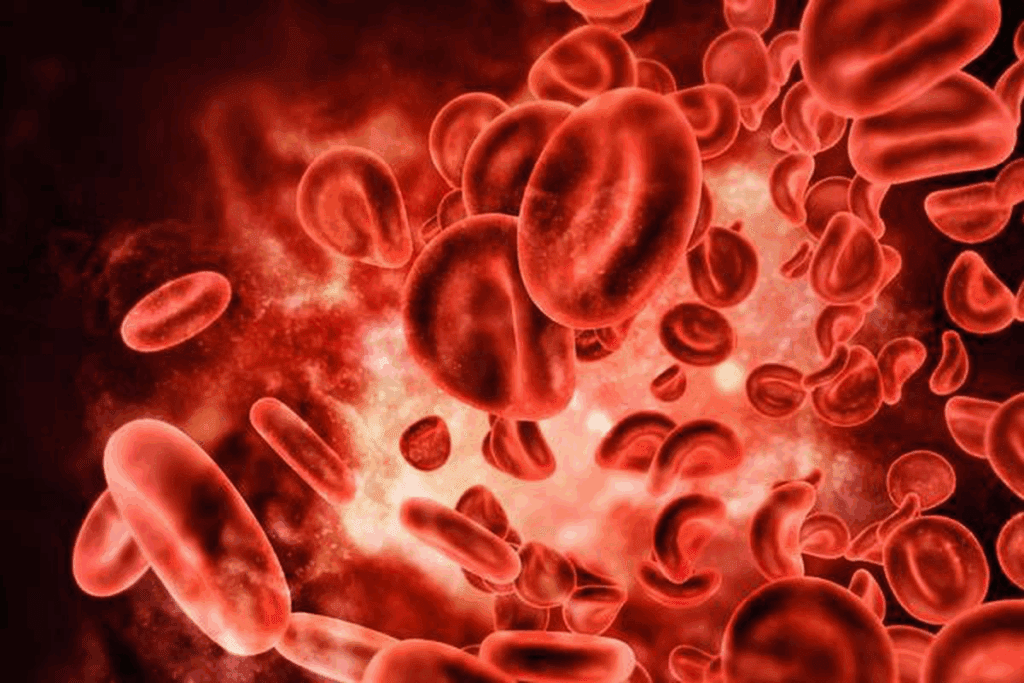
Hemoglobin is key for kids’ growth, carrying oxygen to all parts of the body. It helps tissues and organs get the oxygen they need to work and grow.
In kids’ health, knowing how hemoglobin works is very important. It helps doctors spot and treat problems with oxygen delivery. Hemoglobin changes as kids grow, making sure they get enough oxygen.
Function of Hemoglobin in Oxygen Transport
Hemoglobin’s main job is to carry oxygen from the lungs to the body’s tissues. This is vital for energy making and growth in kids. Its special structure lets it grab oxygen in the lungs and release it in tissues.
“Hemoglobin is the iron-containing oxygen-transport metalloprotein in the red blood cells of all vertebrates.” This shows how important iron is for hemoglobin’s job.
Iron is very important for making hemoglobin. Without enough iron, kids can get anemia. This can slow down their growth.
| Age Group | Normal Hemoglobin Range (g/dL) |
| Infants (2 weeks to 3 months) | 9.5-13.5 |
| Toddlers (1-3 years) | 11-14 |
Developmental Changes in Hemoglobin Structure
As kids grow, their hemoglobin changes. At first, they have fetal hemoglobin, which turns into adult hemoglobin later. This change helps their bodies adapt to growing needs for oxygen.
Doctors need to know about these changes to keep an eye on hemoglobin levels. This helps them catch any problems early and fix them fast.
Normal Hemoglobin Levels Pediatrics: Age-Specific Reference Values
Hemoglobin levels in kids change a lot with age. Knowing these changes is key for doctors to check if kids are healthy.
How Pediatric Hemoglobin Is Measured
Pediatric hemoglobin levels are checked in a complete blood count (CBC). This test shows the different parts of blood, like hemoglobin levels.
The CBC uses special machines to get accurate hemoglobin levels. Then, doctors compare these levels to what’s normal for the child’s age.
Interpreting Age-Adjusted Hemoglobin Results
Understanding hemoglobin results in kids means looking at age-specific values. These values account for how hemoglobin changes as kids grow.
For example, newborns have higher hemoglobin levels. These levels go down as kids get older. Here’s a table with age-specific hemoglobin ranges for kids:
| Age Group | Normal Hemoglobin Range (g/dL) |
| Newborn (0-1 week) | 14-24 |
| Infant (2 weeks to 3 months) | 9.5-13.5 |
| Toddler (1-3 years) | 11-14 |
| Preschool (3-6 years) | 11.5-14 |
| School-age (6-12 years) | 11.5-15.5 |
| Adolescent (12-18 years) | 12-16 (female), 13.5-17.5 (male) |
Using age-adjusted reference values is key for diagnosing and treating conditions like anemia in kids.
Newborn Hemoglobin Levels: Birth to 2 Weeks
Newborns have special hemoglobin levels right after birth. These levels change as they get used to life outside the womb. Hemoglobin is a key protein in red blood cells that helps carry oxygen.
In newborns, hemoglobin levels are usually high at birth. Then, they start to go down over the first few weeks.
Normal Range at Birth
The normal hemoglobin range at birth is between 14-24 g/dL. This is much higher than what older kids and adults have. The high levels at birth help the fetus get enough oxygen in the womb.
| Age | Normal Hemoglobin Range (g/dL) |
| At Birth | 14-24 |
| 1-2 Weeks | 15-20 (gradually decreasing) |
Physiological Hemoglobin Changes in Neonates
Newborns go through big changes after birth. They switch from fetal to adult hemoglobin. Fetal hemoglobin grabs oxygen better, which is key for growth in the womb.
After birth, adult hemoglobin starts to make more, and fetal hemoglobin goes down.
Normal hemoglobin levels in infants keep changing in the first few months. Doctors need to know these changes to spot and treat problems.
It’s very important to watch hemoglobin levels in infants. This helps find any health issues early. Doctors use these levels to give advice on food, check for anemia, and see if treatments are working.
Hemoglobin for Infants: 2 Weeks to 3 Months
After birth, babies naturally see their hemoglobin levels drop. This drop is most noticeable around 2-3 months. It’s a key time to watch for any signs of health problems.
Expected Hemoglobin Decline After Birth
The drop in hemoglobin after birth is a normal part of growth. But, how much it drops can vary. Things like how early the baby was born, their weight, and health can affect this.
Key factors influencing hemoglobin decline include:
- Gestational age at birth
- Birth weight
- Presence of any congenital conditions
Monitoring Early Infant Hemoglobin Levels
It’s important to keep an eye on hemoglobin levels in the first few months. This helps catch anemia or other health issues early. Doctors usually check this during regular baby check-ups.
Early detection is key to managing low hemoglobin levels. So, it’s important for parents to stick to the schedule for baby check-ups. This way, the baby’s health can be closely watched.
“The American Academy of Pediatrics recommends regular check-ups for infants, which include monitoring of hemoglobin levels to ensure they are within normal ranges.”
Normal Hemoglobin Levels Infant: 3 to 6 Months
It’s key to know the normal hemoglobin ranges for babies from 3 to 6 months. This time, babies go through many changes that can change their hemoglobin levels.
Typical Ranges During This Period
Babies from 3 to 6 months usually have hemoglobin levels between 9.5 to 13.5 g/dL. These numbers can change a bit based on the lab and the baby’s health.
Pediatricians must watch these levels closely. This is because big changes could mean there’s a health problem.
The “Physiologic Anemia of Infancy” Phenomenon
In this age, babies often face “physiologic anemia of infancy.” It’s a normal part of growing up, not a sickness.
“Physiologic anemia” is when hemoglobin levels naturally drop. This happens as the baby gets used to life outside the womb and as red blood cells age.
This drop in hemoglobin levels is usually at its lowest around 2 to 3 months. Then, it starts to go up as the baby grows.
Checking hemoglobin levels is important. It helps tell if the anemia is just a normal part of growing up or if it’s something more serious.
Hemoglobin Pediatrics: 6 to 12 Months Range
Hemoglobin levels in infants aged 6 to 12 months are key to their health. This age sees big changes in development that can impact hemoglobin levels.
Normal Values (11.1-14.1 g/dL)
The normal hemoglobin range for infants between 6 to 12 months is 11.1 to 14.1 g/dL. Keeping hemoglobin in this range is vital for oxygen delivery and growth.
Monitoring hemoglobin levels during this time helps doctors spot any issues early. This allows for quick action if needed.
Iron Requirements for Healthy Hemoglobin Synthesis
Enough iron is key for healthy hemoglobin in infants. Iron deficiency is common, and enough iron is vital to avoid anemia and support hemoglobin production.
The American Academy of Pediatrics says, “Iron supplements are advised for infants aged 6 to 12 months who don’t get enough iron from food.”
“Iron deficiency anemia is a big health problem worldwide, and infants are very vulnerable.”
For healthy hemoglobin, infants need a diet full of iron. Foods like iron-fortified cereals, pureed meats, and other iron-rich foods help.
- Iron-fortified infant cereals
- Pureed meats (e.g., beef, chicken)
- Legumes (e.g., lentils, chickpeas)
Normal Hgb in Kids: Toddlers Ages 1 to 3 Years
For toddlers between 1 and 3 years old, keeping their hemoglobin levels normal is key. This age is full of big changes, and the right food is essential for their growth.
Expected Hemoglobin Ranges in Toddlerhood
Toddlers aged 1 to 3 years have different hemoglobin ranges than younger or older kids. Their normal hemoglobin values usually range from 11 to 14 g/dL.
Nutritional Influences on Toddler Hemoglobin Levels
A diet full of iron is vital for toddlers’ hemoglobin. Iron deficiency often leads to anemia in this age group. So, it’s important for parents to make sure their kids eat foods high in iron.
The table below shows the expected hemoglobin ranges for toddlers. It also stresses the need for iron-rich foods.
| Age Group | Normal Hemoglobin Range (g/dL) | Key Nutrients |
| 1-3 years | 11-14 | Iron, Vitamin C |
Nutritional Influences on Toddler Hemoglobin Levels
It’s important for toddlers to get enough iron. Foods like red meat, poultry, fish, beans, and fortified cereals are good sources. Vitamin C helps the body absorb iron better, so eating foods high in vitamin C with iron-rich foods is good.
Parents should talk to a pediatrician to find the best diet for their toddler’s needs.
Preschool Children: Hemoglobin Values Ages 3 to 6
Hemoglobin values in children aged 3 to 6 years are important. They show how well the child is eating and if they have health problems. It’s key to check their hemoglobin often because many things can change it.
Normal Range (11.5-14 g/dL)
The normal hemoglobin range for kids aged 3 to 6 is between 11.5 and 14 g/dL. This range is a bit wider than for adults because kids are always growing. A study in the American Family Physician journal says knowing these ranges helps doctors spot and treat anemia in kids
| Age Group | Normal Hemoglobin Range (g/dL) |
| 3-6 years | 11.5-14 |
Common Causes of Abnormal Levels in Preschoolers
Many things can cause abnormal hemoglobin levels in preschoolers. These include not getting enough nutrients, having chronic diseases, or genetic problems. Iron deficiency is a big reason for low hemoglobin in this age group. It’s important to make sure kids get enough iron through food or supplements.
Nutritional Influences: A diet missing important nutrients like iron, vitamin B12, or folate can cause abnormal hemoglobin levels. It’s important to feed kids a balanced diet full of these nutrients.
Chronic Diseases: Some long-term illnesses, like celiac disease or chronic infections, can mess with hemoglobin production. Regular health checks can catch these problems early.
Checking hemoglobin levels in preschool kids is a big part of taking care of them. Knowing the normal ranges and what can cause abnormal levels helps doctors help kids stay healthy.
Pediatric Hemoglobin Range: School-Age Children 6 to 12 Years
School-age kids, from 6 to 12 years old, have specific hemoglobin ranges that are normal. It’s key to watch their hemoglobin levels to keep them healthy. This is important for their health and growth.
Expected Hemoglobin Values During School Years
The normal hemoglobin range for kids in school is between 11.5 and 15.5 g/dL. This range can change a bit based on age and gender. Keeping hemoglobin in this range helps deliver oxygen to tissues and supports growth.
- Normal Range: 11.5 – 15.5 g/dL
- Importance of Monitoring: Regular check-ups to ensure levels are within the normal range
Impact of Physical Activity and Growth on Hemoglobin
Physical activity and growth spurts in school years affect hemoglobin levels. Exercise can boost heart health and improve oxygen-carrying capacity. But, not enough nutrition or more iron needs due to growth can cause hemoglobin to change.
- Consume a balanced diet rich in iron, vitamin B12, and folate
- Engage in regular physical activity
- Have regular health check-ups to monitor hemoglobin levels
By focusing on these areas, parents and caregivers can help kids keep their hemoglobin levels in check. This supports their health and well-being.
Adolescent Hemoglobin Levels: 12 to 18 Years
Hemoglobin levels in teens change due to growth and hormones. As they grow, their bodies go through big changes. These changes can affect their hemoglobin levels.
Gender Differences in Teen Hemoglobin Values
During adolescence, boys and girls have different hemoglobin levels. Boys usually have more hemoglobin than girls. This is because sex hormones affect how red blood cells are made.
Males typically experience an increase in hemoglobin levels because of androgens. Girls might see their hemoglobin levels drop a bit. This is because of menstruation, which can cause iron loss. It’s important to know these differences to understand hemoglobin values in teens.
Growth Spurts and Hormonal Effects on Hb Level in Pediatric Teens
Adolescence is a time of fast growth and big hormonal changes. Growth spurts require more iron and nutrients for making hemoglobin. If teens don’t get enough, their hemoglobin levels might drop.
Hormonal changes, like the rise in sex hormones, also matter. Androgens in boys can make more red blood cells, raising hemoglobin levels. Girls might see changes in their blood-making process, but the main worry is iron loss from menstruation.
It’s key to check hemoglobin levels in teens regularly. This way, any unusual levels can be caught and treated early. Doctors need to think about these factors when checking a teen’s hemoglobin.
Clinical Applications of Pediatric Hemoglobin Values
Pediatric hemoglobin values are key in making medical decisions. They help diagnose anemia and other disorders. These levels show a child’s health status.
Diagnosing and Monitoring Anemia in Children
Anemia is common in kids, marked by low hemoglobin. Doctors check hemoglobin against age-specific ranges to diagnose. Early detection is critical to avoid long-term health issues like developmental delays and cognitive problems.
Keeping an eye on hemoglobin levels is vital for treating anemia. Doctors use tests to see how severe anemia is and if treatment is working.
When to Investigate Abnormal Hemoglobin Levels
Abnormal hemoglobin levels in kids need further checks to find the cause. Issues like nutritional deficiencies, chronic diseases, or genetic disorders can cause these levels to be off.
| Cause | Description | Typical Hemoglobin Level |
| Nutritional Deficiency | Lack of essential nutrients like iron | Low (e.g., |
| Chronic Disease | Conditions like chronic infection or inflammation | Variable, often low |
| Genetic Disorder | Conditions such as thalassemia or sickle cell disease | Variable, often abnormal |
Knowing why hemoglobin levels are abnormal is key to proper care. Healthcare providers must look at these factors when they interpret hemoglobin values.
Conclusion: Ensuring Optimal Hemoglobin Levels for Pediatric Health
Keeping hemoglobin levels right is key for kids’ health and growth. Knowing what’s normal helps spot and treat problems early.
Hemoglobin levels change as kids get older. For example, newborns have different levels than toddlers or teenagers. It’s important to know these changes.
Checking hemoglobin often is important. It helps find and treat anemia and other issues. Healthy hemoglobin levels are vital for kids to grow and feel good.
Good hemoglobin levels are important for kids’ energy and growth. Regular check-ups can catch problems early. This way, kids can get the care they need fast.
FAQ
What are normal hemoglobin levels in children?
Hemoglobin levels in kids change with age. At birth, they range from 14-24 g/dL. For babies 6-12 months old, it’s 11.1-14.1 g/dL. Toddlers aged 1-3 years have levels around 11-14 g/dL. School-age kids usually have levels between 11.5-15.5 g/dL.
How do hemoglobin levels change as children grow?
Hemoglobin levels in kids change a lot as they grow. Right after birth, levels drop, then start to rise. In infancy, there’s a natural drop in hemoglobin levels. As kids get older, levels keep changing based on their diet and growth.
What is the importance of iron for hemoglobin synthesis in infants?
Iron is key for making hemoglobin in babies 6-12 months old. Getting enough iron is important for healthy hemoglobin. Iron deficiency is common in this age group, so it’s important to make sure they get enough iron.
How do nutritional influences affect toddler hemoglobin levels?
What kids eat affects their hemoglobin levels. A diet full of iron helps keep hemoglobin levels healthy. Not getting enough iron can lead to low hemoglobin levels.
What are the expected hemoglobin ranges for preschool children?
Preschoolers, aged 3-6 years, usually have hemoglobin levels of 11.5-14 g/dL. Low levels can be caused by not eating enough iron or having chronic diseases.
How do physical activity and growth impact hemoglobin levels in school-age children?
Being active and eating well are important for school-age kids’ hemoglobin levels. Growth spurts can also affect their hemoglobin levels.
Are there gender differences in hemoglobin levels among adolescents?
Yes, boys and girls have different hemoglobin levels during puberty. Hormonal changes and growth spurts affect hemoglobin levels differently in each gender.
How are pediatric hemoglobin values used in clinical applications?
Pediatric hemoglobin values help doctors diagnose and monitor anemia in kids. These values are used to check on kids’ health and find out why their hemoglobin levels are off.
What is the normal hemoglobin range for newborns?
Newborns have hemoglobin levels of 14-24 g/dL at birth. After birth, they go through changes as they switch from fetal to adult hemoglobin.
How is hemoglobin measured in pediatric care?
Doctors use age-adjusted reference values to measure hemoglobin in kids. Knowing these values helps doctors check kids’ health and find any problems with hemoglobin levels.
What is physiologic anemia of infancy?
Physiologic anemia of infancy is a normal drop in hemoglobin levels in babies between 3-6 months. It’s not a disease, but a natural adaptation.
References
- Hamed, E. (2021). Haemoglobin cut-off values for the diagnosis of anaemia in children. Annals of Clinical Biochemistry, 58(4), 357-363.
https://pmc.ncbi.nlm.nih.gov/articles/PMC8303014
- Medscape. (2024). Hemoglobin Concentration (Hb).
https://emedicine.medscape.com/article/2085614-overview



 Departments
 Related Videos
 Our Doctors
 News
News