
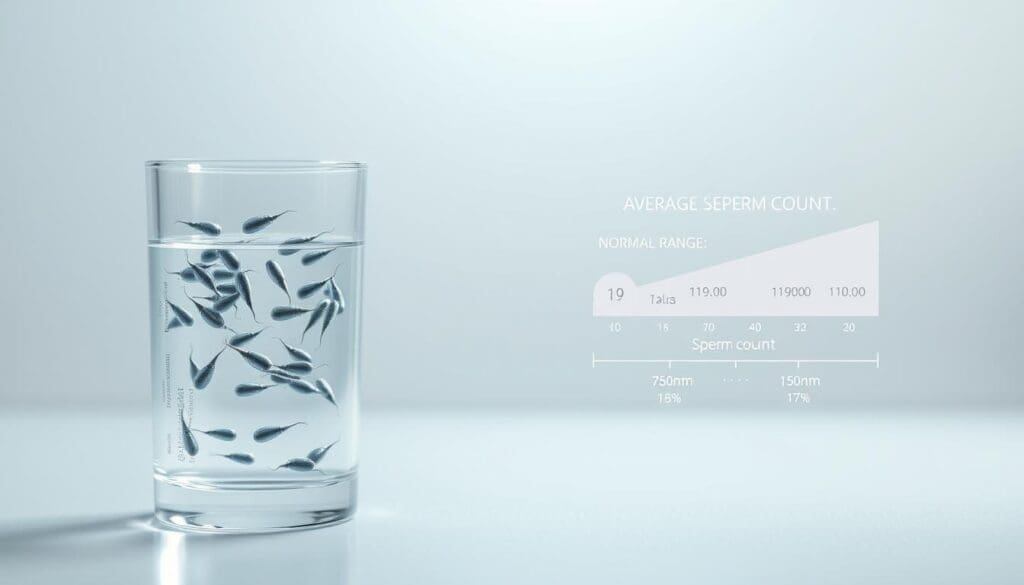
Knowing the normal seminal fluid volume and average sperm count per ejaculation is key for checking male fertility. At Liv Hospital, we focus on our patients, using the latest science to give clear, accurate answers and care that fits each person.
The normal range for seminal fluid volume is usually between 1.25 to 5 milliliters per ejaculation. A good average sperm count is over 39 million sperm per sample. These numbers are important for checking if someone can have kids.
Key Takeaways
- Normal seminal fluid volume ranges from 1.25 to 5 milliliters per ejaculation.
- A healthy average sperm count per ejaculation exceeds 39 million sperm.
- These parameters are vital for checking male fertility.
- Liv Hospital provides patient-centered care based on the latest academic protocols.
- Understanding seminal fluid volume and sperm count is essential for reproductive health.
Understanding Male Reproductive Fluid Basics

The male reproductive system makes seminal fluid, key for fertilization. It’s not just for sperm; it’s a mix from different glands.
Definition and Importance of Seminal Fluid
Seminal fluid is the liquid part of semen, released during orgasm. It helps sperm survive and move. This fluid is vital for male fertility.
It comes from the seminal vesicles, prostate, and bulbourethral glands. Each gland adds something special, making a perfect place for sperm.
The Role of Seminal Fluid in Reproduction
Seminal fluid has many roles in reproduction. It helps sperm travel and contains nutrients for them. It also keeps the right pH and helps sperm get into the egg.
- Provides nutrients to sperm
- Maintains optimal pH for sperm survival
- Facilitates sperm motility
- Contains enzymes that help sperm penetrate the egg
Knowing about seminal fluid is key to understanding male reproductive health. It helps us tackle fertility issues better.
Normal Seminal Fluid Volume: Medical Standards and Guidelines
Medical standards for seminal fluid volume have changed over time. The WHO has set reference ranges to help evaluate male reproductive health. These guidelines are key to understanding what is considered normal.
WHO Reference Ranges Through the Years
The World Health Organization has updated its seminal fluid volume reference ranges. These updates reflect new knowledge about male fertility and reproductive health. At first, the WHO said the minimum volume should be 2 milliliters.
But as research improved, this number was changed. Now, the WHO says a volume of 1.5 milliliters or more is normal. This change helps include more men in fertility assessments.
The 1.25 to 5 Milliliter Normal Range
Some studies and guidelines suggest a normal range of 1.25 to 5 milliliters. This range considers the natural differences among individuals. It offers a wider view of what is considered normal.
Healthcare providers use this range to accurately assess male fertility. Volumes in this range are often linked to good fertility. But, other seminal parameters are also important.
Broader Normal Range: 1.4 to 6.2 Milliliters
Recent research has expanded our understanding of normal seminal fluid volume. It suggests a range of 1.4 to 6.2 milliliters. This range accepts more variability in male reproductive health.
It also shows that fertility is influenced by many factors. Recognizing this range can ease concerns for men with volumes at the extremes, if other parameters are normal.
We must remember that seminal fluid volume is just one part of male fertility assessment. Other important factors include sperm count, motility, morphology, and more.
Composition of Seminal Fluid: More Than Just Sperm
Seminal fluid is a mix of secretions from different glands in males. It’s key for fertility, playing a big role in the male reproductive system.
We’ll look at the glands that make up seminal fluid and its chemical makeup. We’ll see why this complex fluid is so important.
Contributions from Different Glands
The glands like the seminal vesicles, prostate, and bulbourethral glands make up seminal fluid. The seminal vesicles add a lot of fluid, including fructose and amino acids. These nutrients help sperm survive.
The prostate gland adds more, like enzymes and hormones that help sperm. The bulbourethral glands add a bit of clear fluid to help sperm move smoothly.
Chemical Composition and Functional Significance
Seminal fluid has many chemicals, like enzymes, hormones, and antioxidants. These work together to help sperm survive and move well.
The mix of chemicals in seminal fluid is complex. For example, fructose gives sperm energy, and antioxidants protect sperm from damage.
| Chemical Component | Function |
| Fructose | Provides energy for sperm |
| Antioxidants | Protects sperm from oxidative stress |
| Prostaglandins | Supports sperm function and fertility |
Knowing about seminal fluid’s makeup and role is key to understanding male fertility. The mix of chemicals helps sperm survive and function well. This is important for successful fertilization.
Average Sperm Count Per Ejaculation
Knowing the average sperm count per ejaculation is key to understanding male reproductive health. It’s a major factor in figuring out fertility.
Healthy Threshold: 39 Million Sperm Per Sample
The World Health Organization (WHO) says a healthy sperm count is 39 million or more per ejaculate. This number is important because it shows a man’s fertility chances. If the count is lower, it doesn’t mean he can’t have kids, but it does lower the chances.
Key Statistics:
| Parameter | Normal Value |
| Sperm Count | 39 million or more per ejaculate |
| Sperm Concentration | 15 million or more per milliliter |
Understanding Sperm Concentration: 15 Million Per Milliliter
Sperm concentration is also key in checking male fertility. It’s found by dividing the total sperm count by the ejaculate volume. A concentration of 15 million or more per milliliter is normal. This tells us how dense the sperm are in the seminal fluid.
What These Numbers Mean for Fertility
The numbers for sperm count and concentration are important for understanding fertility. Counts of 39 million or more and concentrations of 15 million or more per milliliter are good. But, other things like sperm motility and shape also matter a lot for fertility.
It’s essential to note that fertility is complex. It’s influenced by many things, including sperm count and concentration.
The Science Behind Sperm Production and Release
To understand sperm production and release, we must explore spermatogenesis and hormonal influences. Spermatogenesis is the process where immature cells turn into mature sperm cells.
Spermatogenesis: The 74-Day Journey
Spermatogenesis takes about 74 days to complete. It has several stages: proliferation, meiosis, and maturation. During this time, cells in the testes change a lot to become ready for fertilization.
- The journey starts with spermatogonia, which are diploid cells that grow through mitosis.
- These cells then go through meiosis to become spermatocytes, which eventually become spermatozoa.
- Sertoli cells support and nourish them throughout the process.
Hormonal Regulation of Sperm Production
Hormones tightly control sperm production. Testosterone and follicle-stimulating hormone (FSH) are key. Testosterone, made by Leydig cells, starts and keeps spermatogenesis going.
FSH, from the pituitary gland, works with testosterone. The right balance of these hormones is vital for sperm production.
The Ejaculation Process Explained
Ejaculation is the final step in sperm release. It involves muscle contractions and the release of seminal fluid. This fluid, with sperm, comes from the epididymis through the vas deferens and into the urethra.
- Emission starts the process, mixing sperm with seminal fluids from glands.
- This mix then goes into the urethra, where it’s expelled during ejaculation.
- The whole process is controlled by the nervous system, using both sympathetic and somatic nerves.
In conclusion, sperm production and release are complex biological processes. Understanding them helps us grasp male fertility and reproductive health.
Factors Affecting Seminal Fluid Volume
Understanding what affects seminal fluid volume is key to knowing about male fertility. This volume can change a lot from person to person. It’s influenced by many health and body factors.
Age-Related Changes in Production
As men get older, their bodies change in many ways. Age-related changes can impact how much seminal fluid they produce. Studies show that as men age, they make less seminal fluid. This is because the glands that make it work less well over time.
Impact of Abstinence Period
The time between ejaculations can change how much seminal fluid a man makes. Research finds that longer times between ejaculations mean more fluid and sperm. But, very long times might not always help with fertility.
Hydration and Nutritional Status
A man’s hydration status and diet are very important for making seminal fluid. Drinking enough water helps the glands work right. Not getting enough nutrients, like antioxidants and vitamins, can hurt the quality and amount of seminal fluid.
Medical Conditions Affecting Volume
Some medical conditions can really affect how much seminal fluid a man makes. Issues like blocked ducts, problems with the seminal vesicles, and hormonal imbalances can cause problems. Infections and inflammation in the reproductive area can also affect fluid production.
Factors Influencing Sperm Count and Quality
Many things can affect a man’s sperm health. This includes lifestyle choices and what he’s exposed to. Knowing these factors is key for men wanting to boost their fertility.
Lifestyle Factors: Diet, Exercise, and Stress
Lifestyle choices greatly impact sperm health. Eating a healthy diet full of antioxidants and vitamins is good. Foods like salmon and fortified dairy products are great for sperm.
Regular exercise is also vital. It keeps a healthy weight and lowers stress, both good for sperm. But, too much exercise can be bad, so it’s important to find a balance.
Too much stress can hurt sperm health. Stress-reducing activities like meditation and yoga can help. Also, getting enough sleep is essential for reproductive health.
Environmental Exposures and Toxins
Some environmental toxins can harm sperm. Pesticides and heavy metals can lower sperm quality. Men exposed to these at work should wear protective gear.
Also, endocrine disruptors like plastics and some personal care products can mess with hormones. This is bad for sperm production. Choosing products without harmful chemicals can help reduce exposure.
Temperature Effects on Sperm Production
The temperature of the testes is very important for sperm. The testes need to be cooler than the rest of the body. Wearing tight clothes or using laptops on the lap can raise scrotal temperature and hurt sperm production.
Medications and Recreational Substances
Some medications and recreational substances can harm sperm. Anabolic steroids can lower sperm count, and some antidepressants can slow sperm down. Too much alcohol and smoking can also hurt sperm health.
Men worried about fertility should talk to a doctor about their meds and lifestyle. This can help understand how these things affect sperm.
Testing and Measuring Seminal Parameters
Semen analysis is key in checking male reproductive health. It looks at many important factors for fertility.
Semen Analysis Procedures
Semen analysis happens in a lab. It starts with collecting a semen sample through masturbation into a clean container. It’s vital to keep the sample clean and test it within an hour.
The test checks several important things. These include sperm count, motility, and morphology. Sperm count is how many sperm are in the semen. Motility is how many sperm move well. Morphology looks at sperm shape and structure.
Interpreting Test Results
Understanding semen analysis results is important. The World Health Organization (WHO) says a healthy sperm count is at least 15 million per milliliter or 39 million per ejaculate. Sperm motility should be at least 32%, and morphology should have at least 4% normal forms.
If results are lower than these, it might mean fertility issues. But, one bad test doesn’t always mean you can’t have kids. Stress, some medicines, or illness can also affect sperm quality.
When Multiple Tests Are Necessary
Often, one semen analysis isn’t enough. You might need more tests over time to see how semen quality changes. This is true for men with borderline or abnormal results.
Men worried about fertility should get tested again. This helps find any health problems that need attention. It gives a clearer picture of reproductive health.
When to Be Concerned: Abnormal Seminal Fluid Volume
Abnormal seminal fluid volume is something to worry about. It’s key for men’s reproductive health. Any changes from the normal range might show health problems.
Low Volume (Hypospermia): Causes and Implications
Hypospermia, or low seminal fluid, can come from several reasons. Problems with the seminal vesicles, blockages, infections, or hormonal imbalances are common causes. Low testosterone levels are often involved.
Hypospermia can seriously affect sperm health and fertility. It might also point to other health issues that need doctor’s care.
High Volume (Hyperspermia): Causes and Implications
Hyperspermia, or high seminal fluid, is less talked about but also important. It can be caused by inflammation or infections in the seminal vesicles or prostate.
While hyperspermia might not directly affect fertility, it can signal other health problems. An unusually high volume could mean an infection or inflammation that needs treatment.
When to Seek Medical Evaluation
If you’re worried about your seminal fluid volume, see a doctor. A semen analysis can spot any problems.
Getting a medical check-up is a good idea if you notice persistent issues, have fertility concerns, or experience pain or discomfort during ejaculation.
| Condition | Causes | Implications |
| Hypospermia (Low Volume) | Issues with seminal vesicles, blockages, infections, hormonal imbalances | Affects sperm health, possible fertility problems, sign of other health issues |
| Hyperspermia (High Volume) | Inflammation, infection in seminal vesicles or prostate | Linked to infections or inflammation, might affect fertility |
The Relationship Between Seminal Parameters and Fertility
The link between seminal fluid and fertility is complex. Key factors like volume, sperm count, motility, and shape are vital. Knowing these helps understand male reproductive health and spot fertility issues.
How Volume Affects Fertility
Seminal fluid volume is key in fertility tests. It should be between 1.5 and 5 milliliters. Low volume (hypospermia) might harm sperm. On the other hand, high volume (hyperspermia) could dilute sperm, affecting fertility.
Sperm Count and Conception Chances
Sperm count is essential for fertility. The WHO says a normal count is 15 million per milliliter or 39 million per ejaculate. A low count can lower chances of getting pregnant, but doesn’t mean it’s impossible.
Other Critical Factors: Motility and Morphology
Motility and morphology are also key. Sperm motility is how well sperm move through the female tract. Normal motility is at least 32%. Sperm shape, or morphology, also matters, with a normal rate of at least 4%.
Combined Parameter Assessment for Fertility Prognosis
Looking at all seminal parameters together is best for fertility tests. A full semen analysis gives a clearer picture of fertility. Doctors use this to guide patients and suggest treatments.
Medical Interventions for Abnormal Seminal Parameters
When seminal parameters are abnormal, various medical interventions can help. Abnormal seminal parameters can significantly impact fertility. But, several treatments and technologies are available to address these issues.
Treatments for Low Seminal Fluid Volume
Low seminal fluid volume, or hypospermia, can be treated through various medical interventions. One approach is to address any underlying hormonal imbalances. For instance, if low testosterone levels are contributing to the issue, hormone replacement therapy may be recommended.
In some cases, the problem may be related to blockages or issues with the seminal vesicles. In such situations, surgical interventions or antibiotics may be necessary to clear up any infections or obstructions.
| Cause | Treatment |
| Hormonal Imbalance | Hormone Replacement Therapy |
| Infection or Blockage | Antibiotics or Surgery |
Approaches for Improving Sperm Count
Improving sperm count can involve lifestyle changes, medical treatments, or a combination of both. Lifestyle modifications may include dietary changes, reducing stress, and avoiding excessive heat or toxins that can negatively impact sperm production.
Medically, conditions such as varicocele (enlarged veins in the scrotum) can be treated surgically to improve sperm count and quality. Certain medications can also help address issues like low testosterone or other hormonal imbalances.
Key Factors to Improve Sperm Count:
- Dietary adjustments
- Stress reduction
- Avoiding excessive heat
- Surgical correction of varicocele
- Hormone therapy
Assisted Reproductive Technologies
For many couples, assisted reproductive technologies (ART) offer the most effective path to conception when dealing with abnormal seminal parameters. ART includes a range of treatments, with in vitro fertilization (IVF) being one of the most common.
IVF involves fertilizing an egg with sperm outside the body, and then transferring the embryo to the uterus. Other ART options include intrauterine insemination (IUI), where sperm is directly inserted into the uterus, and intracytoplasmic sperm injection (ICSI), where a single sperm is injected into an egg.
The choice of ART depends on various factors, including the severity of the male factor infertility, the age and health of the female partner, and previous treatment outcomes.
| ART Method | Description |
| IVF | In vitro fertilization |
| IUI | Intrauterine insemination |
| ICSI | Intracytoplasmic sperm injection |
Conclusion: Understanding Your Reproductive Health
Knowing about your reproductive health is key to staying fertile and feeling well. We’ve looked at how seminal fluid volume and sperm count matter for men. We talked about what’s normal for seminal fluid, what it’s made of, and what affects sperm count and quality.
Keeping your seminal health in check is vital for fertility. If your seminal fluid is off, it can affect your chances of having kids. Sperm count, motility, and shape are also important for getting pregnant. Understanding these can help you know your reproductive health better.
We stress the need to know about your reproductive health and get checked if needed. With new medical treatments and technologies, there are ways to help with seminal fluid and sperm count issues. By focusing on reproductive health, you can take steps to keep your fertility and overall health strong.
FAQ
What is the normal volume of seminal fluid per ejaculation?
The normal volume of seminal fluid per ejaculation is between 1.5 to 5 milliliters. The average is about 2.5 milliliters.
How many sperm are typically in an ejaculation?
A healthy ejaculation has at least 39 million sperm.
What is the average sperm count per milliliter of seminal fluid?
The average sperm count per milliliter of seminal fluid is 15 million to 200 million sperm.
How is sperm concentration calculated?
Sperm concentration is found by counting sperm in a certain amount of seminal fluid. It’s usually shown as million sperm per milliliter.
What factors can affect seminal fluid volume?
Several things can change seminal fluid volume. These include age, how long you’ve gone without sex, how much you drink, what you eat, and some health issues.
Can lifestyle factors influence sperm count and quality?
Yes, your lifestyle can affect sperm count and quality. This includes what you eat, how much you exercise, stress levels, and exposure to toxins.
How does temperature affect sperm production?
High temperatures can harm sperm production. The testicles are very sensitive to temperature changes.
What is the significance of sperm motility and morphology in fertility?
Sperm motility and morphology are key for fertility. They help sperm reach and fertilize the egg.
When should I seek medical evaluation for abnormal seminal fluid volume or sperm count?
You should see a doctor if your seminal fluid volume is always low or high. Or if you’re worried about your sperm count or fertility.
What are the available treatments for low seminal fluid volume or sperm count?
Treatments for low seminal fluid or sperm count include lifestyle changes, medications, and assisted reproductive technologies like IVF or ICSI.
How is semen analysis performed, and what does it measure?
Semen analysis is a lab test that checks seminal fluid parameters. It looks at volume, sperm count, motility, and morphology.
Can medical conditions affect seminal fluid volume or sperm count?
Yes, some medical conditions can change seminal fluid volume or sperm count. This includes hormonal imbalances, infections, or anatomical issues.
What is the role of assisted reproductive technologies in addressing male infertility?
Assisted reproductive technologies like IVF and ICSI help with male infertility. They bypass fertility issues and help with conception.
References
World Health Organization. (2025). Normal Seminal Fluid Volume Average Sperm Count Per.