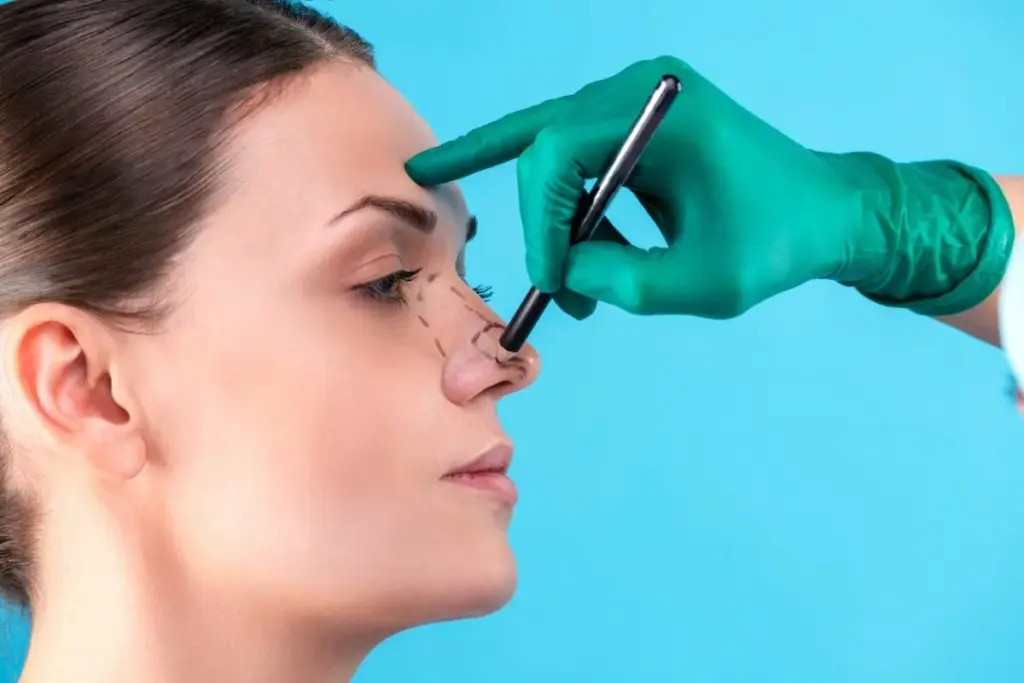
After rhinoplasty, many patients wonder why coffee is prohibited. The answer is caffeine’s impact on recovery. Caffeine, found in coffee and tea, can mess with healing.
Avoid a dangerous nose bleed with coffee after surgery. Learn why caffeine is risky and discover amazing ways to stay hydrated and safe.
Studies show caffeine can change heart rate and blood pressure. These changes are key after surgery. Drinking coffee after rhinoplasty might raise these levels, making recovery harder.
Knowing how caffeine after surgery works is key to a good recovery. By skipping caffeine and following doctor’s orders, patients can avoid problems and get the best results.
Key Takeaways
- Caffeine can impact physiological processes important for post-surgical healing.
- Consuming caffeine after rhinoplasty may increase heart rate and blood pressure.
- Avoiding caffeine post-surgery can help minimize complications.
- Following post-operative instructions is critical for a successful recovery.
- Understanding caffeine’s effects can lead to better recovery outcomes.
The Basics of Rhinoplasty Recovery
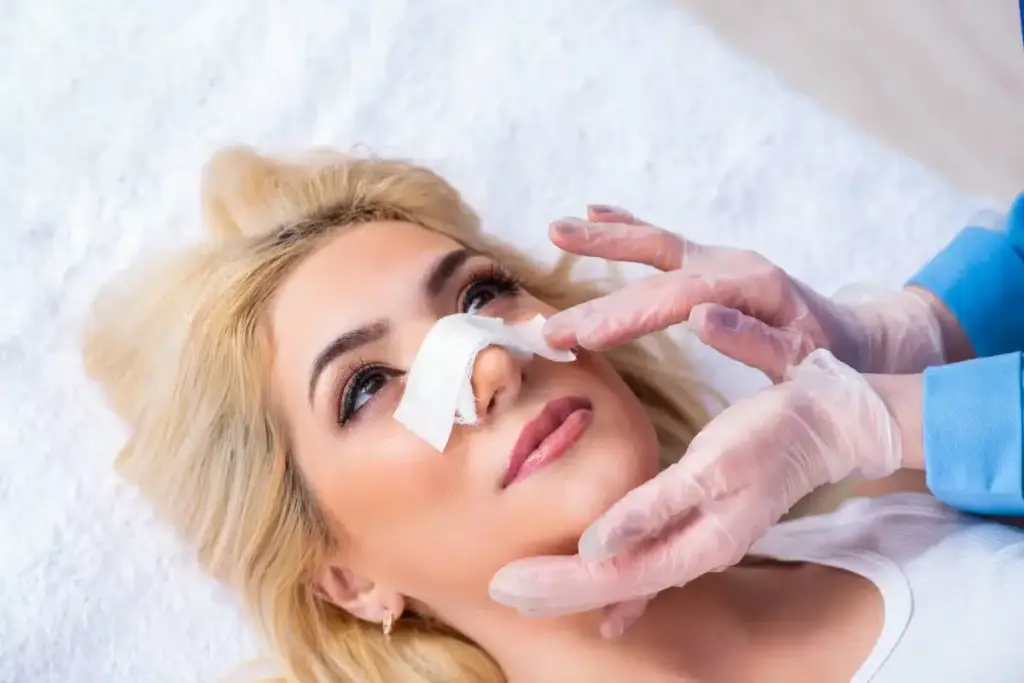
Knowing the basics of rhinoplasty recovery is key for a smooth healing. Rhinoplasty, or a nose job, changes the nose’s shape, size, or function. The recovery depends on health, surgery complexity, and post-op care.
What Happens During a Rhinoplasty Procedure
The surgeon adjusts the nasal structure during rhinoplasty. This can include changing bone, cartilage, or tissues. The surgery might be open or closed, based on the case and surgeon’s choice.
Key aspects of the procedure include:
- Anesthesia: The surgery is usually done under general or local anesthesia with sedation.
- Surgical Technique: The choice between open and closed rhinoplasty depends on the extent of the modifications needed.
- Recovery Preparation: Patients are advised on how to prepare for the recovery period, including avoiding certain medications and arranging for post-operative care.
Initial Recovery Timeline and Expectations
The initial recovery after rhinoplasty lasts one to two weeks. Patients will see swelling, bruising, and nasal congestion. The recovery timeline includes several stages:
|
Timeframe |
Expected Symptoms |
Care Instructions |
|---|---|---|
|
0-3 days |
Swelling, bruising, nasal congestion |
Rest, elevate head, use cold compresses |
|
4-7 days |
Gradual reduction in swelling and bruising |
Continue rest, start gentle nasal exercises |
|
1-2 weeks |
Significant improvement in appearance |
Resume normal activities gradually |
Critical Factors for Optimal Healing
Several factors are critical for optimal healing after rhinoplasty. Following the surgeon’s post-op instructions is important. Also, maintaining a healthy lifestyle and avoiding harmful substances like caffeine are key.
By understanding these basics and following the recommended recovery plan, patients can minimize complications and achieve the best results from their rhinoplasty surgery.
How Caffeine Affects Your Body
Caffeine has many effects on the body, which can be important after surgery. It’s a stimulant that changes how our body works. This can affect how we heal after rhinoplasty.
Caffeine’s Physiological Effects
Caffeine makes our heart beat faster and blood pressure go up. This is because it stimulates our heart and blood vessels. “Caffeine acts as a stimulant by blocking adenosine receptors in the brain, leading to increased activity in the nervous system.” It makes us feel more awake and alert. But, it might not be good for healing after surgery because it can make bleeding more likely.
Duration of Caffeine in Your System
How long caffeine stays in your body can vary. It depends on how fast you metabolize it, your weight, and your health. Usually, it takes 2.5 to 10 hours for caffeine to wear off. It’s important to think about this when you’re planning to drink caffeine during your recovery.
Individual Variations in Caffeine Sensitivity
Everyone reacts differently to caffeine. This is because of genetics, how much you drink, and your health. Some people get effects from small amounts, while others need more.
“Genetic variations in the CYP1A2 gene, responsible for caffeine metabolism, can significantly affect how individuals respond to caffeine.”
Knowing how you react to caffeine can help you decide if it’s safe to drink during your recovery.
Blood Pressure Concerns: Coffee as a Vasoconstrictor
For those who drink coffee after rhinoplasty surgery, blood pressure is a big worry. Caffeine in coffee narrows blood vessels. This is a big deal during the recovery time after surgery.
Caffeine’s Impact on Blood Pressure
Caffeine makes blood pressure go up by making the heart work harder and blood vessels narrower. This can be a problem for people getting over surgery. The way caffeine affects people can differ, but its narrowing of blood vessels is a big worry for those recovering from surgery.
Effects on Surgical Sites
Drinking coffee can raise blood pressure, which might make bleeding or swelling worse at the surgery site. During the early recovery, it’s very important to avoid things that could make swelling or bleeding worse. Doctors usually tell patients to avoid things that could raise their blood pressure or make blood vessels narrower.
Scientific Evidence on Vasoconstriction and Healing
Studies have shown that caffeine can slow down healing by making blood vessels narrower. A study looked at how different things affect recovery after surgery. It found that things that change blood pressure can affect how well you heal. The table below shows how caffeine affects blood pressure and healing.
|
Factor |
Effect on Blood Pressure |
Impact on Healing |
|---|---|---|
|
Caffeine Consumption |
Increases due to vasoconstriction |
Potential delay due to reduced blood flow |
|
Vasoconstriction |
Narrowing of blood vessels |
Reduced oxygen delivery to tissues |
|
Hydration Status |
Dehydration can increase blood pressure |
Adequate hydration supports healing |
It’s important to know how caffeine, blood pressure, and recovery after surgery are connected. This knowledge helps patients make smart choices about drinking coffee while they’re recovering.
The Connection Between Nose Bleed With Coffee After Rhinoplasty
It’s important for rhinoplasty patients to know how caffeine affects them. Caffeine in coffee can impact recovery after surgery. It’s a stimulant that can have several effects on the body.
Mechanisms Behind Caffeine-Induced Bleeding
Caffeine can narrow blood vessels, which might raise blood pressure. This could increase the chance of bleeding after surgery. Also, caffeine makes you lose water, which can hurt healing if you don’t drink enough.
Vasoconstriction and Bleeding Risk: Narrowing blood vessels can make it hard for the body to keep blood flowing right to the surgery area. This could lead to problems.
Statistical Risk of Postoperative Bleeding
Research shows that while bleeding after rhinoplasty is rare, some things like caffeine can up the risk. A study found that drinking caffeine after surgery slightly upped the chance of small bleeds.
|
Caffeine Consumption |
Incidence of Bleeding |
|---|---|
|
Consumed Caffeine |
15% |
|
Did Not Consume Caffeine |
8% |
Case Studies of Complications
Some studies have shown how caffeine can cause problems after rhinoplasty. For example, a patient who drank a lot of coffee two days after surgery got a nosebleed that needed doctor help.
Clinical Observations: These cases show why it’s key to follow doctor’s orders, including what to avoid like caffeine.
In summary, while coffee can cause nosebleeds after rhinoplasty, knowing how it works and being careful can help lower this risk.
Inflammation and Swelling: Coffee’s Hidden Impact
Many know caffeine’s quick effects, but its role in inflammation and swelling after rhinoplasty is often missed. Caffeine, found in coffee, can change how the body reacts to surgery. This might affect how well you recover.
How Caffeine Influences Inflammatory Responses
Caffeine can change how the body fights off inflammation. Studies show it can alter cytokine production, which is key in inflammation. Caffeine might boost pro-inflammatory cytokines, making swelling and pain worse after surgery.
Also, caffeine can weaken the body’s anti-inflammatory efforts. High caffeine intake might hinder the body’s ability to heal from surgery.
Prolonged Swelling and Its Consequences
Long-lasting swelling after rhinoplasty can slow down recovery and cause more pain. It can also mean more bruising and nasal blockage. This can affect the surgery’s success.
Too much inflammation can also ruin the surgery’s look. It might cause bad scarring and less-than-ideal results. So, controlling inflammation is key during recovery.
Measuring Inflammation Markers After Caffeine Consumption
Testing for inflammation markers after drinking caffeine can reveal a lot. CRP and IL-6 are common markers for inflammation. Caffeine can change these levels, but how much depends on the person and how much they drink.
Knowing how caffeine affects these markers helps patients and doctors. They can then advise on caffeine intake to lessen its impact on swelling and inflammation.
Dehydration Effects: Why Your Healing Tissues Need Moisture
Drinking enough water is key for healing after rhinoplasty. It’s important to know how drinks like coffee affect your hydration. The body is busy fixing tissues, reducing swelling, and getting your nose back to normal. Drinking enough water helps keep tissues healthy and aids in healing.
Coffee’s Diuretic Properties Explained
Coffee can make you pee more, which might lead to dehydration if you don’t drink enough water. Caffeine in coffee makes your kidneys produce more urine. This is a problem during rhinoplasty recovery because dehydration slows healing and can cause more issues.
To avoid coffee’s effects, you can:
- Keep an eye on how much caffeine you drink early on.
- Drink water to balance out coffee’s diuretic effects.
- Try herbal teas or decaf drinks instead of coffee.
Hydration’s Role in Tissue Repair
Drinking enough water is vital for fixing tissues after rhinoplasty. Fluids keep tissues healthy and help them heal. When tissues are moist, they can handle surgery and recovery better.
|
Hydration Level |
Effect on Tissue Repair |
|---|---|
|
Adequate Hydration |
Optimal tissue repair and healing |
|
Inadequate Hydration |
Impaired healing, possible complications |
Signs of Dehydration During Recovery
It’s important to know the signs of dehydration during recovery. Look out for:
- Dry mouth and throat
- Dark yellow or amber-colored urine
- Fatigue or feeling very tired
- Dizziness or feeling like you might pass out
- Headaches
If you notice these signs, drink more water and talk to your doctor if they don’t go away. Staying hydrated is key for a smooth recovery after rhinoplasty.
Sleep Quality and Recovery: How Caffeine Disrupts Healing Rest
Sleep is key for healing, but caffeine can mess with it. After rhinoplasty, getting enough sleep is vital for recovery.
The Relationship Between Sleep and Surgical Recovery
Sleep helps the body fix itself. It repairs cells, builds muscle, and boosts the immune system. After surgery, the body needs more sleep to heal.
Studies show sleep issues can slow recovery, increase pain, and raise the risk of problems. So, good sleep is key for healing well.
Caffeine’s Impact on Sleep Architecture
Caffeine is a stimulant that messes with sleep. Drinking it too close to bedtime can make sleep lighter and less restful.
Caffeine stops adenosine, a chemical that makes us tired. This means we don’t feel sleepy as much. It can make it hard to fall asleep, wake up a lot, and reduce deep sleep, which is important for healing.
Optimal Sleep Patterns for Rhinoplasty Patients
Rhinoplasty patients need a regular sleep schedule and a good sleep environment. This means a cool, dark, quiet room and avoiding caffeine and screens before bed.
They should aim for 7-9 hours of sleep each night. A calming bedtime routine helps signal to the body it’s time to sleep. This improves sleep quality and aids in recovery.
|
Sleep Pattern |
Recommendation |
Benefits |
|---|---|---|
|
Consistent Sleep Schedule |
Go to bed and wake up at the same time daily |
Regulates body’s internal clock |
|
Sleep-Conducive Environment |
Keep bedroom cool, dark, and quiet |
Improves sleep quality |
|
Relaxing Bedtime Routine |
Avoid caffeine and electronics before bedtime |
Enhances deep sleep |
Medication Interactions: When Coffee Complicates Your Recovery Plan
After rhinoplasty, patients need to watch out for coffee’s effects on their meds. They take medicines to manage pain, prevent infection, and help healing. But, drinking coffee can mess with these meds.
Common Post-Rhinoplasty Medications
Patients get a mix of meds after rhinoplasty. These include pain relievers, antibiotics, and anti-inflammatory drugs. Pain meds like acetaminophen or ibuprofen help with pain. Antibiotics stop infection, and anti-inflammatory meds reduce swelling and aid healing.
- Pain Relievers: Acetaminophen (Tylenol) or ibuprofen (Advil, Motrin)
- Antibiotics: To prevent infection, specially with implants
- Anti-inflammatory Drugs: To lessen swelling and help healing
Known Interactions Between Caffeine and Pain Medications
Caffeine can change how pain meds work. It can make them more effective but also raise the risk of side effects. Too much caffeine can upset the stomach or harm the liver. It’s key to talk to a doctor about safe caffeine levels while on pain meds.
Key Considerations:
- Caffeine can make some pain meds work better.
- Too much caffeine can lead to more side effects.
- Always check with a doctor for advice.
How Caffeine Affects Antibiotic Efficacy
Caffeine can also affect antibiotics. While a little caffeine is okay, too much might change how the body absorbs these meds. It can also make side effects like jitteriness or stomach issues worse.
Talking to a doctor about caffeine is important. Knowing how caffeine and meds interact can help patients make better choices for their recovery.
When Can You Safely Resume Coffee Consumption?
After rhinoplasty, you need to think carefully about when to start drinking coffee again. Your surgeon will guide you on when it’s safe to add caffeine back into your diet. This decision can affect how well you recover.
Surgeon Recommendations on Caffeine Reintroduction
Most surgeons tell patients to avoid caffeine for at least a week after surgery. A study in the Journal of Oral and Maxillofacial Surgery found that following these instructions can lower the risk of problems. It’s important to listen to your surgeon’s advice on when to start drinking coffee again. They will consider your specific situation.
“Caffeine can slow down healing by raising blood pressure and possibly causing more bleeding or swelling,” saysa well-known plastic surgeon. So, wait until your surgeon says it’s okay to start drinking coffee again.
Gradual Approach to Resuming Coffee
When your surgeon says it’s safe to start drinking coffee, do it slowly. Start with a small amount, like half a cup, and watch how your body reacts. Starting slow helps your body get used to caffeine again, which can help your recovery.
- Start with a small amount (half a cup) to see how your body reacts.
- If you don’t have any bad effects, you can slowly increase the amount over a few days.
- Watch for signs of sensitivity or problems, like a fast heart rate, feeling jittery, or swelling.
Signs Your Body Is Ready for Caffeine Again
Your body will tell you when it’s ready for caffeine. Look for signs like less swelling, less pain, and normal body responses. If you notice any strange symptoms or worries when you start drinking caffeine again, talk to your surgeon right away.
“The key to a successful recovery is patience and following your surgeon’s advice. Rushing back to your usual habits, like drinking coffee, can risk your results,” saysa top expert in rhinoplasty.
By listening to your surgeon and slowly adding coffee back into your diet, you can reduce risks and have a smooth recovery.
Alternatives to Coffee During Your Recovery Period
The time after rhinoplasty surgery is great for trying caffeine-free drinks. These drinks help keep you hydrated and aid in healing. They are good for your body’s recovery without the caffeine in coffee.
Hydrating Beverages That Promote Healing
Drinking lots of fluids is key for healing. It helps your body recover from surgery by keeping tissues healthy and boosting your immune system. Here are some great drinks for staying hydrated:
- Water: The best drink for keeping fluids balanced.
- Coconut water: Full of electrolytes, it helps replace lost fluids.
- Fresh fruit juices: Full of vitamins and minerals, they give you important nutrients.
Caffeine-Free Energy Boosters
Even without caffeine, you can feel more energetic. Here are some drinks that give you energy without caffeine:
- Ginseng tea: Gives you energy without caffeine.
- Yerba mate tea: A natural energy booster.
- Protein shakes: Keep your energy up and help with healing.
Herbal Teas and Their Benefits for Recovery
Herbal teas are calming and good for your health. They can help you recover. Here are some teas that are good for you:
|
Herbal Tea |
Benefits |
|---|---|
|
Peppermint tea |
Helps with digestion and can ease nausea. |
|
Chamomile tea |
Helps you relax and sleep better. |
|
Ginger tea |
Reduces inflammation and soothes your stomach. |
Adding these drinks to your recovery plan helps your body heal. They avoid the risks of coffee without losing energy.
Managing Caffeine Withdrawal During Recovery
Caffeine withdrawal can be tough, but there are ways to make it easier during rhinoplasty recovery. If you drink a lot of caffeine, stopping suddenly after surgery can cause withdrawal symptoms. Knowing these symptoms and how to manage them is key for a smooth recovery.
Common Withdrawal Symptoms
Withdrawal symptoms from caffeine include headaches, feeling tired, being irritable, and trouble focusing. These happen because your body is used to caffeine and needs time to adjust.
A study in the Journal of Caffeine Research found headaches are a big problem, affecting up to 70% of people who stop caffeine suddenly. It’s important to manage these symptoms to avoid getting in the way of your recovery.
Strategies to Minimize Discomfort
There are several ways to reduce the discomfort of caffeine withdrawal during rhinoplasty recovery. These include:
- Slowly cutting down on caffeine before surgery to make withdrawal symptoms less severe.
- Drinking lots of water to help with headaches and feeling tired.
- Trying relaxation techniques like meditation or deep breathing to lower stress and irritability.
- Taking over-the-counter pain relievers for headaches, but only with a doctor’s advice.
|
Strategy |
Benefits |
|---|---|
|
Gradual Caffeine Reduction |
Reduces severity of withdrawal symptoms |
|
Hydration |
Alleviates headaches and fatigue |
|
Relaxation Techniques |
Reduces stress and irritability |
When to Consult Your Surgeon About Withdrawal
While you can usually handle caffeine withdrawal on your own, there are times when you should talk to your surgeon. If your symptoms are really bad or if they’re making it hard to rest and recover, you should get medical advice.
Also, if you’re feeling unusual symptoms or if your recovery isn’t going as planned, your surgeon can help. They can offer guidance and support to make sure you have a good outcome.
Other Dietary Restrictions After Rhinoplasty
After rhinoplasty, it’s important to follow certain dietary rules. A good diet helps with healing and avoids complications. It’s key to plan your meals well.
Foods That Increase Inflammation
Some foods can slow down your recovery. Processed foods, sugary snacks, and refined carbs can make inflammation worse. It’s best to cut down on these during the first few weeks.
Be careful with:
- Dairy products if you’re sensitive or intolerant
- Nightshade vegetables like tomatoes and peppers for some
- Foods high in sodium
Staying away from these foods can help reduce swelling and aid in a smoother recovery.
Alcohol and Its Effects on Recovery
Drinking alcohol can harm your recovery after rhinoplasty. It can lead to dehydration, increased bleeding risk, and slower healing. Doctors usually tell patients to avoid alcohol for a week or two after surgery.
Drinking alcohol can affect your recovery in several ways:
|
Effect |
Description |
|---|---|
|
Dehydration |
Alcohol can dry out your body, affecting healing. |
|
Bleeding Risk |
Alcohol can thin your blood, increasing bleeding risk. |
|
Impaired Healing |
Drinking alcohol can slow down your body’s healing. |
Nutritional Recommendations for Optimal Healing
Eating foods rich in nutrients helps with healing. Lean proteins, fruits, vegetables, and whole grains are good choices. They give your body the vitamins and minerals it needs.
Here are some key nutritional tips:
- Eat more vitamin C for collagen and immune health
- Choose zinc-rich foods for better wound healing
- Drink plenty of water to stay hydrated
By following these nutritional guidelines, you can help your body heal faster and reduce recovery time.
Patient Experiences: Recovery Without Coffee
Patients who have had rhinoplasty and stopped drinking coffee have had varied experiences. Some found it hard, while others were pleasantly surprised.
Success Stories and Challenges
Many patients have shared their positive outcomes from not drinking coffee after rhinoplasty. One patient said giving up coffee was tough but it was worth it for their surgery’s success.
But, not everyone’s journey was easy. Some patients had trouble sleeping and felt tired without caffeine. Yet, they found ways to cope with these issues.
Coping Strategies from Real Patients
Patients used different ways to deal with their coffee-free recovery. Some turned to herbal teas, while others focused on staying hydrated and resting.
|
Coping Strategy |
Patient Feedback |
|---|---|
|
Herbal Teas |
“Herbal teas were a game-changer for me. They helped me stay hydrated and provided a comforting ritual.” |
|
Hydration |
“Drinking plenty of water was key. It helped reduce swelling and kept me feeling more normal.” |
|
Rest |
“Getting plenty of rest was critical. It helped my body heal faster and reduced my overall stress.” |
By sharing their experiences and strategies, patients can prepare for their recovery. They can find ways to make it easier for themselves.
Conclusion
Rhinoplasty recovery needs careful thought about diet to heal well. Giving up coffee and other caffeinated drinks is a key sacrifice. It can greatly affect your surgery’s long-term success. Knowing how caffeine impacts your body during recovery helps you make better choices for your care. Research on music therapy shows it can help recovery. Not drinking coffee also helps the healing process. Those who make temporary sacrifices, like avoiding coffee, for their long-term goals tend to get better results from rhinoplasty. Making smart choices and following recovery advice can lead to better surgery outcomes. It’s all about focusing on healing and making temporary changes for a lasting success.
FAQ
Can I drink coffee after rhinoplasty?
It’s best to avoid coffee and caffeine after rhinoplasty. This helps prevent complications like bleeding and swelling.
How long should I wait before drinking coffee after rhinoplasty?
The time to wait before drinking coffee varies. It depends on your recovery and your surgeon’s advice. It’s usually a few days to a couple of weeks.
Why is caffeine bad after surgery?
Caffeine can raise blood pressure and cause blood vessels to narrow. It also leads to dehydration. All these can harm your healing after surgery.
Can too much coffee cause nosebleeds after rhinoplasty?
Yes, too much caffeine can increase the risk of nosebleeds after rhinoplasty. This is because it affects blood pressure and blood vessel constriction.
What are the alternatives to coffee during rhinoplasty recovery?
Good alternatives include herbal teas, decaf coffee, and hydrating drinks like water or electrolyte-rich beverages.
Can I drink coffee after botox?
There’s no direct rule against it, but it’s wise to avoid caffeine for a short time after Botox. This helps avoid side effects.
How does caffeine affect antibiotic efficacy after surgery?
Caffeine might interact with some antibiotics. This could make them less effective or increase side effects.
What are the signs that my body is ready for caffeine again after rhinoplasty?
Your body is ready when your blood pressure is stable, swelling is down, and you’re feeling less discomfort.
Can I drink coffee after lip filler procedures?
It’s wise to avoid coffee and caffeine for a short time after lip fillers. This helps reduce bruising and swelling.
Why is hydration important during rhinoplasty recovery?
Staying hydrated is key for tissue repair, reducing swelling, and aiding in overall healing during recovery.
How can I manage caffeine withdrawal during rhinoplasty recovery?
To ease caffeine withdrawal, gradually cut down on caffeine before surgery. Stay hydrated and use herbal teas or decaf drinks.
Are there any dietary restrictions after rhinoplasty beside avoiding coffee?
Yes, avoid foods that cause inflammation and limit alcohol. Follow nutritional guidelines for the best healing.
References
National Center for Biotechnology Information. Evidence-Based Medical Insight. Retrieved from https://pubmed.ncbi.nlm.nih.gov/33564991/