
Did you know millions of Americans have chronic sinusitis? This condition really affects their life quality. A rhinologist is a medical expert. They specialize in diagnosing and treating sinus and nasal disorders.
A sinus specialist or rhinologist can handle many issues. This includes nasal congestion, sinus infections, and problems with smell. With advanced techniques, a rhinologist can help patients breathe better. They also improve nasal health.
Key Takeaways
- A rhinologist is a medical expert who treats sinus and nasal disorders.
- Rhinologists diagnose and treat conditions like chronic sinusitis and nasal congestion.
- Advanced diagnostic techniques are used to treat sinus and nasal conditions.
- Rhinology is a specialized field that focuses on nasal and sinus health.
- Seeing a sinus specialist can improve nasal health and quality of life.
Understanding Rhinology: The Medical Specialty for Nose and Sinus Disorders

Rhinology is a part of otolaryngology that deals with nose and sinus problems. It’s a detailed field that needs a good grasp of the nasal and sinus anatomy and how they work.
Definition and Scope of Rhinology
Rhinology studies, diagnoses, and treats issues in the nasal cavity and paranasal sinuses. It uses both medical and surgical methods to fix problems and ease symptoms.
A rhinologist, or nose doctor, is an ENT specialist with extra training in nasal and sinus care. They can handle both medical and surgical treatments, helping a lot in healthcare for these patients.
Difference Between Rhinologists and Other ENT Specialists
Not all ENT specialists are rhinologists, but all rhinologists are ENT specialists. The main difference is their focus and expertise. Rhinologists are sinus specialists with a deeper knowledge of nasal and sinus anatomy and function.
This focus allows rhinologists to offer more precise and effective care for complex nasal and sinus issues. This sets them apart from general ENT doctors.
The Complete Anatomy of the Nose and Sinus Cavities
The nose and sinus cavities are key to breathing and smelling. The nose filters, warms, and humidifies the air. It also helps us smell.
External Nasal Structures
The outside of the nose is made of bone, cartilage, and soft tissue. The nasal bones form the nose’s bridge. The alar cartilages shape the nostrils. These parts are vital for the nose’s shape and function.
Internal Nasal Passages and the Nasal Septum
The inside of the nose has two airways separated by the nasal septum. This wall is made of thin bone and cartilage. It directs air through the nasal cavities. The inside is lined with mucous membranes that warm, humidify, and filter the air.
The Paranasal Sinuses of the Skull
The paranasal sinuses are air-filled spaces in the skull’s bones. They include the frontal, maxillary, ethmoid, and sphenoid sinuses. These sinuses make mucus to moisturize the nose and trap dust and bacteria.
The Olfactory System and Sense of Smell
The olfactory system is in charge of our sense of smell. It’s in the upper nasal cavity and has special cells called olfactory receptors. These cells detect smells in the air and send signals to the brain.
Knowing how the nose and sinus cavities work is key to understanding health and smell. Each part, from the outside to the olfactory system, is important for our well-being.
Common Nose Conditions Treated by Rhinologists
Rhinology covers many nasal issues, each needing the right diagnosis and treatment. Rhinologists are experts in treating various nasal problems that can really affect a person’s life.
Nasal Obstruction and Breathing Difficulties
Many people see rhinologists because they can’t breathe well. This can be due to many reasons, like how the nose is shaped, allergies, or inflammation. Figuring out the cause is key to fixing the problem. Doctors might suggest medicines, changes in lifestyle, or surgery like septoplasty or turbinate reduction.
Nasal Polyps: Diagnosis and Management
Nasal polyps are growths in the nasal passages that can block breathing and make it hard to smell. Getting a correct diagnosis usually means a nasal endoscopy and imaging. Doctors might use medicines like corticosteroids or sometimes need to remove the polyps surgically.
Deviated Septum: Causes, Symptoms, and Treatment
A deviated septum happens when the thin wall between the nasal passages gets out of place. This can make breathing hard and cause other issues. Septoplasty surgery is often the treatment to fix this problem.
Nasal Trauma and Fractures
Nasal injuries can lead to breathing problems, deformities, or other issues. Seeing a rhinologist quickly is important to figure out how bad the injury is and what to do next. This might include surgery to fix damaged areas.
|
Condition |
Common Symptoms |
Treatment Options |
|---|---|---|
|
Nasal Obstruction |
Breathing difficulties, nasal congestion |
Medications, lifestyle changes, surgery |
|
Nasal Polyps |
Loss of smell, nasal obstruction |
Corticosteroids, surgical removal |
|
Deviated Septum |
Nasal obstruction, breathing difficulties |
Septoplasty |
|
Nasal Trauma |
Nasal deformity, obstruction |
Surgical repair |
Sinus Disorders Under a Rhinologist’s Care
Sinus disorders are a big problem for many people. They can make life hard, causing pain and trouble breathing. Rhinologists work to fix these issues.
Acute and Chronic Sinusitis
Sinusitis is when the sinuses get inflamed. It can be short-term or last a long time. Acute sinusitis often starts with a cold. Chronic sinusitis might come from allergies or the shape of your nose.
“To diagnose sinusitis, doctors look at symptoms, do nasal exams, and might use CT scans,” says Dr. John Smith. Treatment depends on the cause and how long it lasts. It can be antibiotics, nasal sprays, or surgery.
Fungal Sinus Infections
Fungal sinus infections are serious and need quick action. They can be dangerous for people with weak immune systems. Doctors use tests and scans to find these infections.
Doctors treat fungal infections with medicine and sometimes surgery. It’s important to catch these infections early to avoid serious problems.
Sinus Cysts and Mucoceles
Sinus cysts and mucoceles are not cancerous but can be painful. Mucoceles are filled with mucus and can grow. Sinus cysts are fluid-filled and can be in the sinus.
Doctors use scans and nasal exams to find these. They often need to be surgically removed. This surgery is usually done through the nose to heal faster.
Sinus Barotrauma and Pressure-Related Issues
Sinus barotrauma happens when pressure changes hurt the sinuses. It’s common in divers and pilots. Symptoms include pain and bleeding.
Rhinologists treat this by fixing the cause, like nasal congestion. They also give advice for avoiding pressure changes. In bad cases, more treatment is needed to help symptoms and prevent worse problems.
Allergic and Inflammatory Conditions of the Nasal Passages
Allergic and inflammatory conditions in the nasal passages are common. They can really affect someone’s life. Symptoms include stuffy nose, sneezing, and runny nose.
Allergic Rhinitis (Hay Fever)
Allergic rhinitis, or hay fever, is an allergic reaction to things in the air. This can be pollen, dust mites, or pet dander. Symptoms are sneezing, stuffy nose, and itchy eyes. Managing it means avoiding what triggers it and using medicines like antihistamines or nasal corticosteroids.
Non-Allergic Rhinitis
Non-allergic rhinitis is similar to allergic rhinitis but isn’t caused by allergies. It can be set off by many things, like environmental irritants, hormonal changes, or some medicines. Treatment aims to ease symptoms and might include nasal saline irrigations or steroid nasal sprays.
Vasomotor Rhinitis and Environmental Triggers
Vasomotor rhinitis is a non-allergic rhinitis type. It’s when the nose reacts too much to things like temperature changes or strong smells. To manage it, avoid known triggers and use nasal sprays to lessen symptoms.
Diagnosing these conditions usually means a detailed medical history. Sometimes, allergy testing is needed to find out what’s causing it. Knowing the cause is key to managing it well.
Olfactory Disorders: When to See a Nose Doctor
Olfactory disorders can really change someone’s life. They affect how we smell, leading to issues like anosmia, hyposmia, and parosmia. It’s important to know when to get medical help.
Causes, Diagnosis, and Treatments of Anosmia
Anosmia means losing your sense of smell. It can happen from viruses, head injuries, or some brain diseases. Doctors use a detailed medical history and smell tests to diagnose it. Treatment depends on the cause and might include medicine, surgery, or smell training.
|
Cause of Anosmia |
Diagnosis Method |
Treatment Option |
|---|---|---|
|
Viral Infection |
Smell Test |
Smell Training |
|
Head Trauma |
Imaging Studies |
Medication |
|
Neurological Conditions |
Neurological Examination |
Surgery |
Understanding Hyposmia and Parosmia
Hyposmia means smelling less, while parosmia makes smells seem wrong. Both can really mess with your daily life. They can come from viruses, allergies, or problems in your nose. Doctors check your symptoms and history to figure out what’s wrong. Treatment might fix the problem or use nasal sprays.
COVID-19 Related Smell Loss is a big worry now. Many people lose their smell after getting COVID-19. Studies show many patients lose their smell. Some get it back in weeks, but others take longer.
In short, olfactory disorders like anosmia, hyposmia, and parosmia need doctor visits. Knowing the causes, how doctors diagnose them, and treatment options helps those affected.
Facial Pain and Headaches Related to Sinus Problems
It’s important to know how sinus problems can cause facial pain. This knowledge helps doctors diagnose and treat the issue correctly. Sinus problems can lead to headaches and facial pain, which might be mistaken for migraines.
Sinus Headaches vs. Migraines
Many people get confused between sinus headaches and migraines. Both can cause severe pain, but they have different causes and treatments. Sinus headaches happen when the sinuses get inflamed or infected, leading to nasal congestion and discharge. Migraines, on the other hand, are a neurological issue that can be triggered by stress, food, or sensory stimuli.
“It’s not always easy to tell the difference between sinus headaches and migraines,” a study on headaches says. “A detailed check-up is needed to figure out the real cause of facial pain.”
Trigeminal Neuralgia and Other Facial Pain Syndromes
Trigeminal neuralgia is a chronic pain condition affecting the trigeminal nerve. It causes intense pain in the face, similar to electric shocks. Though not caused by sinus problems, it’s important to consider it when diagnosing facial pain. Other facial pain syndromes might also be linked to or confused with sinus issues, making a detailed evaluation necessary.
- Trigeminal neuralgia involves sudden, severe facial pain.
- Other facial pain syndromes may include persistent idiopathic facial pain.
- Accurate diagnosis is key to managing these conditions effectively.
When Dental Problems Mimic Sinus Pain
Dental problems can sometimes cause pain that feels like sinus pain. Issues like TMJ disorders or dental abscesses can lead to facial and head pain. This can be mistaken for sinus pain. A detailed dental check-up is vital to find the real cause of pain.
In summary, facial pain and headaches linked to sinus problems need careful thought about possible causes. By understanding the differences between sinus headaches, migraines, and other facial pain syndromes, doctors can give better diagnoses and treatments.
Nasal Congestion and Sleep-Related Breathing Disorders
Nasal congestion can really mess with your sleep. It makes breathing hard at night. Nasal congestion is more than just a small problem. It’s a big deal that can lead to sleep disorders.
Nasal Contributions to Obstructive Sleep Apnea
Obstructive Sleep Apnea (OSA) happens when the airway gets blocked during sleep. Nasal congestion makes it harder to breathe through the nose. This can cause more sleep disruptions. Treating nasal congestion can help OSA symptoms.
Snoring: When It Requires Medical Intervention
Snoring is a sign of breathing problems during sleep. It happens when air can’t flow freely through the nose and throat. Nasal congestion can make snoring worse by narrowing the airway. If you snore a lot, it might mean you have a bigger problem like OSA. You should see a doctor if you’re tired all day, have headaches, or if someone has seen you stop breathing while sleeping.
Nasal Valve Collapse and Breathing Issues
Nasal valve collapse is when the narrowest part of the nose gets weak. This makes breathing hard, even more so at night. It can happen for many reasons, like injuries or surgery. Doctors might use strips or surgery to fix it.
In short, nasal congestion is key in sleep breathing problems. Knowing how it affects conditions like OSA, snoring, and nasal valve collapse is important. Seeing a rhinologist or sleep specialist can help you get better sleep.
Nasal and Sinus Tumors: Benign and Malignant
It’s important to know about nasal and sinus tumors to treat them well. These tumors can be either benign or malignant. They can affect health differently.
Types of Benign Nasal Growths
Benign nasal growths include nasal polyps, inverted papillomas, and osteomas. Nasal polyps are non-cancerous and can block the nose and reduce smell. Inverted papillomas are rare and can turn cancerous. Osteomas are benign bone tumors in the sinuses.
Sinonasal Cancers: Warning Signs and Treatment
Sinonasal cancers are malignant tumors in the nasal cavity or sinuses. Signs include constant nasal congestion, nosebleeds, and facial pain. Treatment depends on the cancer’s stage and type, including surgery, radiation, and chemotherapy.
|
Type of Sinonasal Cancer |
Common Symptoms |
Treatment Options |
|---|---|---|
|
Squamous Cell Carcinoma |
Nasal obstruction, nosebleeds |
Surgery, Radiation |
|
Adenocarcinoma |
Nasal discharge, facial pain |
Surgery, Chemotherapy |
Inverted Papillomas and Other Precancerous Conditions
Inverted papillomas are benign but can turn cancerous. Other precancerous conditions include dysplasia and certain nasal polyps. Early detection and treatment are key to preventing cancer.
If you have ongoing nasal or sinus issues, see a doctor. Early diagnosis can greatly improve treatment outcomes for nasal and sinus tumors.
Comprehensive Diagnostic Procedures Performed by Sinus Specialists
Getting a correct diagnosis is key to treating problems well. Sinus specialists use many tests to find out what’s wrong. These tests help them create the right treatment plans.
Nasal Endoscopy: Looking Inside the Nasal Cavity
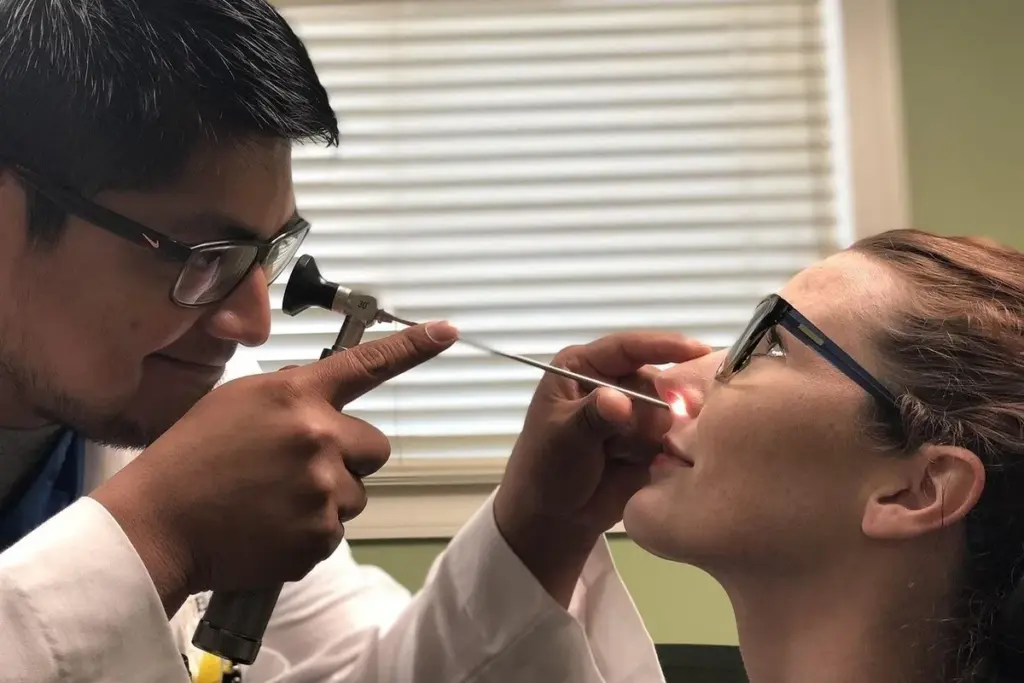
Nasal endoscopy is a key tool for looking inside the nasal passages and sinuses. A flexible or rigid endoscope is used. It’s gently put into the nasal cavity to see the inside.
The endoscope has a light and camera. It sends images to a screen for a live look. This helps find problems like nasal polyps or tumors.
Imaging Studies: CT Scans and MRIs of Sinuses
Imaging studies are important for diagnosing sinus issues. CT scans show the sinus anatomy and find problems like sinusitis. They help see bone erosion or other issues.
MRI scans are great for soft tissue problems, like tumors or infections. Both CT and MRI scans give detailed images. They help doctors plan the best treatment.
|
Imaging Modality |
Primary Use |
Key Benefits |
|---|---|---|
|
CT Scan |
Visualizing sinus anatomy, detecting bone erosion |
High-resolution images of bony structures, quick procedure |
|
MRI |
Assessing soft tissue abnormalities, tumors, infections |
Excellent soft tissue differentiation, no radiation exposure |
Allergy Testing and Immunological Assessments
Allergy testing is key for diagnosing allergic rhinitis. Skin prick testing and blood tests find out what allergens cause problems.
Immunological tests check how the immune system works. They find any immune system weaknesses.
Olfactory Function Testing
Olfactory function testing checks the sense of smell. It’s affected by many nasal and sinus issues. The test uses different smells to see if the patient can identify them.
This test is important for diagnosing smell problems. It helps doctors know how to treat them.
Types of Sinus Surgery Performed by Rhinologists
Sinus surgery has changed a lot. Rhinologists now have many ways to fix nasal and sinus problems. The right surgery depends on the patient’s condition, symptoms, and nasal anatomy.
Functional Endoscopic Sinus Surgery (FESS)
Functional Endoscopic Sinus Surgery, or FESS, treats chronic sinusitis and other issues. It’s a small surgery that uses an endoscope to see inside the sinuses. The surgeon then removes blockages, infected tissue, or bone fragments.
FESS is done under general anesthesia or sedation. The steps include:
- Insertion of an endoscope into the nasal cavity to visualize the sinuses.
- Removal of any obstructions, such as nasal polyps or bone spurs.
- Drainage of infected sinuses.
- Enlargement of the sinus ostia (openings) to improve drainage.
Balloon Sinuplasty: Minimally Invasive Sinus Dilation
Balloon sinuplasty is a new, small procedure for chronic sinusitis. It uses a balloon catheter to open up blocked sinus ostia. This improves drainage and reduces sinus pressure.
The benefits of balloon sinuplasty are:
- Less invasive than traditional sinus surgery.
- Reduced risk of complications.
- Quicker recovery time.
- Potential for the procedure to be performed in an office setting under local anesthesia.
Septoplasty and Turbinate Reduction
Septoplasty fixes a deviated nasal septum, which can block breathing and cause sinus problems. Turbinate reduction is done with septoplasty to make the turbinate bones smaller. This improves nasal airflow.
These surgeries can greatly improve a patient’s life by:
- Enhancing nasal breathing.
- Reducing nasal congestion.
- Improving sinus drainage.
Image-Guided and Robotic Sinus Surgeries
Image-guided surgery uses advanced imaging like CT scans for real-time guidance during surgery. This makes the surgery more precise and safe, even in complex cases.
Robotic sinus surgery is a new field that uses robotic technology for more precise surgery. It’s in its early stages but promises better results in complex cases.
Rhinoplasty: When Functional Meets Cosmetic
Rhinoplasty is a versatile surgery that can improve both nasal function and looks. It can fix various nasal issues, making it a top choice for many. People seek it for better breathing or to look better.
Functional vs. Cosmetic Rhinoplasty
Rhinoplasty is split into two main types: functional and cosmetic. Functional rhinoplasty fixes breathing problems by correcting nasal shapes. Cosmetic rhinoplasty makes the nose look better. But, many get it for both reasons.
For example, someone with a deviated septum might breathe better after surgery. At the same time, the nose’s look can also be improved.
Revision Rhinoplasty for Failed Procedures
Revision rhinoplasty is a second surgery to fix the first one. It’s needed for bad results, complications, or more work. It’s more complex and needs a skilled surgeon.
It’s done for many reasons like breathing issues, unevenness, or not liking the look. A detailed check is key to decide on the right revision.
Ethnic Considerations in Nasal Surgery
Ethnic differences are key in rhinoplasty. Nasal shapes vary a lot between ethnic groups. Surgeons must know these to meet each patient’s needs and wants.
|
Ethnic Group |
Nasal Characteristics |
Surgical Considerations |
|---|---|---|
|
Caucasian |
Narrow nasal bridge, thinner skin |
Preserving ethnic identity while improving looks |
|
African |
Wider nasal base, thicker skin |
Fixing width while keeping ethnic look |
|
Asian |
Less projected nasal tip, varying skin thickness |
Increasing nasal tip projection and definition |
Understanding and respecting these differences helps surgeons give better care. This leads to happier patients with their rhinoplasty results.
When to Consult a Rhinologist: Key Symptoms and Warning Signs
Knowing when to see a rhinologist can help treat nasal and sinus problems better. A rhinologist specializes in nose and sinus disorders.
Persistent Nasal Symptoms That Require Specialist Care
Some nasal symptoms last a long time and need a rhinologist’s help. These include constant nasal blockage, loss of smell, facial pain, and nasal discharge. If you have these symptoms for a while, getting specialized care is a good idea.
- Chronic nasal congestion that interferes with daily life
- Persistent loss of smell or distorted sense of smell
- Recurring facial pain or pressure
- Nasal discharge or postnasal drip
Emergency Situations Involving the Nose and Sinuses
Some nose and sinus problems need quick medical help. These include severe nasal injury, sinus infection spreading, or trouble breathing because of a blocked nose.
|
Emergency Situation |
Symptoms |
Action Required |
|---|---|---|
|
Severe Nasal Trauma |
Nasal bleeding, swelling, difficulty breathing |
Seek immediate medical care |
|
Signs of Spreading Sinus Infection |
Fever, swelling around the eyes, severe headache |
Visit the emergency room |
|
Nasal Obstruction Causing Breathing Difficulty |
Shortness of breath, noisy breathing |
Consult a rhinologist or ENT specialist urgently |
Referral Process from Primary Care to Rhinology
Seeing a rhinologist often starts with a visit to your primary care doctor. If your doctor thinks you need a specialist for your nose or sinus issues, they’ll send you to a rhinologist or an ENT specialist.
The first step is an assessment by your primary care doctor. If needed, they’ll suggest a specialist. This makes sure you get the right care for your problem.
What to Expect During Your First Visit to a Sinus Doctor
Visiting a sinus doctor for the first time is a big step towards fixing your nasal and sinus problems. This first meeting is key to understanding your health and finding the right treatment.
Typical Examination Procedures
At your first visit, the doctor will start with a detailed check-up. This might include a nasal endoscopy to look inside your nasal passages and sinuses. They’ll also look at your medical history, including any past treatments or surgeries.
Nasal Endoscopy: This lets the doctor see inside your nasal cavity and sinuses for any issues, like polyps or swelling.
Imaging tests: Based on your condition, the doctor might order a CT scan or MRI. These tests give a clear view of your sinuses and nasal passages.
Questions to Ask Your Rhinologist
It’s smart to prepare questions for your first visit. Here are some good ones:
- What is causing my sinus problems?
- What treatment options are available for my condition?
- Are there any lifestyle changes I can make to alleviate my symptoms?
- Will I need surgery, and if so, what kind?
Asking these questions helps you understand your diagnosis and treatment plan. This ensures you’re well-informed and comfortable with what’s next.
Being ready and knowing what to expect makes your first visit to a sinus doctor productive. It’s the first step towards solving your sinus problems.
Conclusion: The Vital Role of Rhinologists in Respiratory Health
Rhinologists are key in diagnosing and treating nasal and sinus problems. They help keep our respiratory system healthy. They deal with issues like nasal blockages, sinus infections, allergies, and even cancers.
Their work is essential for our breathing. Rhinologists use various treatments, like surgeries, to help patients. This improves their breathing and quality of life.
The field of rhinology is growing, and so is the importance of rhinologists. They are vital in treating nasal and sinus issues. If you have ongoing nasal or sinus problems, seeing a rhinologist is important.
FAQ
What is a rhinologist, and what do they specialize in?
A rhinologist is a doctor who deals with nose and sinus problems. They treat issues like sinusitis, nasal blockage, and smell disorders.
What is the difference between a rhinologist and an ENT specialist?
Rhinologists and ENT specialists both handle nasal and sinus issues. But, rhinologists focus more on complex nasal and sinus problems. They have special training for these areas.
What are the common symptoms of nasal obstruction?
Nasal obstruction can make breathing hard. It also causes nasal stuffiness, loss of smell, and facial pain.
How is a deviated septum diagnosed and treated?
A deviated septum is found through a physical check and scans like CT scans. To fix it, a surgery called septoplasty is done.
What is the difference between acute and chronic sinusitis?
Acute sinusitis is short-term and often caused by viruses or bacteria. Chronic sinusitis lasts more than 12 weeks and needs more treatment.
Can sinusitis cause facial pain or headaches?
Yes, sinusitis can lead to facial pain or headaches. This is because of the pressure and swelling in the sinuses. But, it’s important to tell the difference from migraines or other facial pain.
How do rhinologists diagnose olfactory disorders?
Rhinologists use smell tests to find and measure olfactory disorders. These include conditions like anosmia, hyposmia, and parosmia.
What is the role of nasal endoscopy in diagnosing nasal and sinus disorders?
Nasal endoscopy lets rhinologists see inside the nose and sinuses. It helps find problems like polyps, tumors, or unusual shapes.
What are the treatment options for nasal polyps?
For nasal polyps, doctors might use medicines like steroids or nasal sprays. Sometimes, removing the polyps surgically is needed.
Can nasal congestion contribute to sleep-related breathing disorders?
Yes, nasal congestion can lead to breathing problems during sleep. This includes obstructive sleep apnea and snoring because it narrows the airways.
What is the difference between functional and cosmetic rhinoplasty?
Functional rhinoplasty aims to improve breathing. Cosmetic rhinoplasty is for looks. Often, both are done at the same time.
When should I consult a rhinologist?
See a rhinologist for ongoing nasal problems like blockage, smell loss, or chronic sinusitis. Also, for urgent nose and sinus issues.
References
National Institutes of Health. Evidence-Based Medical Insight. Retrieved from https://www.nidcd.nih.gov/health/sinusitis