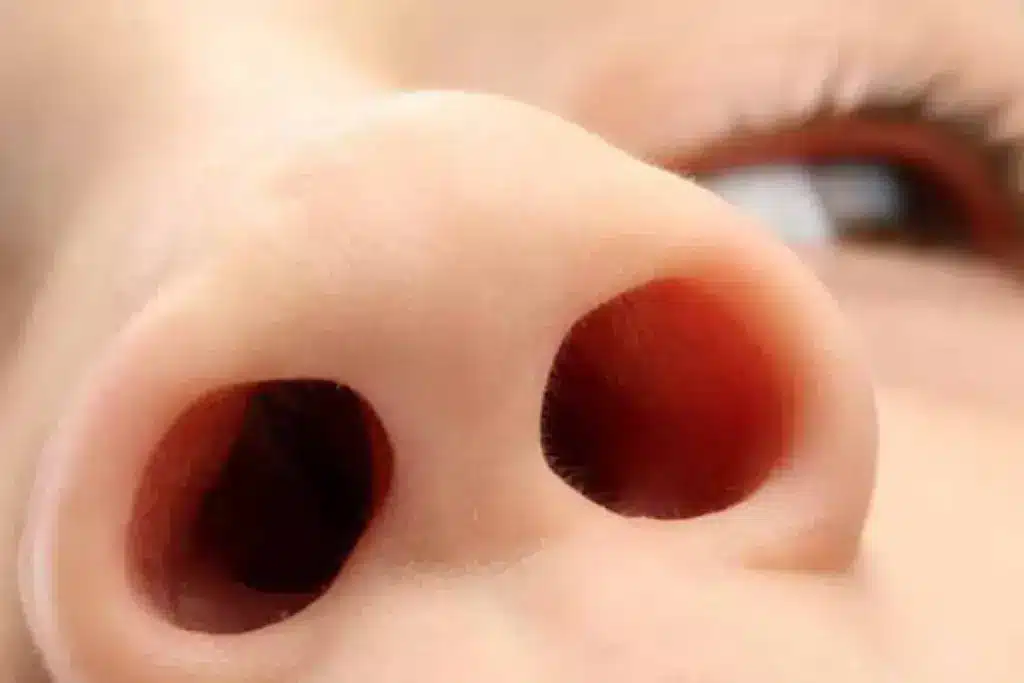
Nasal polyps are soft, painless growths in the nose or sinuses. They can make it hard for a child to breathe and smell. It’s estimated that nasal polyps affect up to 4% of the global population, with many being children. Nose polyps treatment natural for kids? Saline helps. Get best tips. Medical care is usually vital. Safe options ensure amazing relief.
Children with nasal polyps might lose their sense of smell, feel facial pain, or get sinus infections often. It’s important for parents to know how to treat nasal polyps to keep their child healthy.
Key Takeaways
- Nasal polyps are noncancerous growths in the nasal passage or sinuses.
- They can significantly affect a child’s quality of life.
- Understanding the causes and symptoms is key for effective management.
- Various treatment options are available, from medicines to surgery.
- Early diagnosis and proper care can help ease symptoms.
What Are Nasal Polyps in Children?
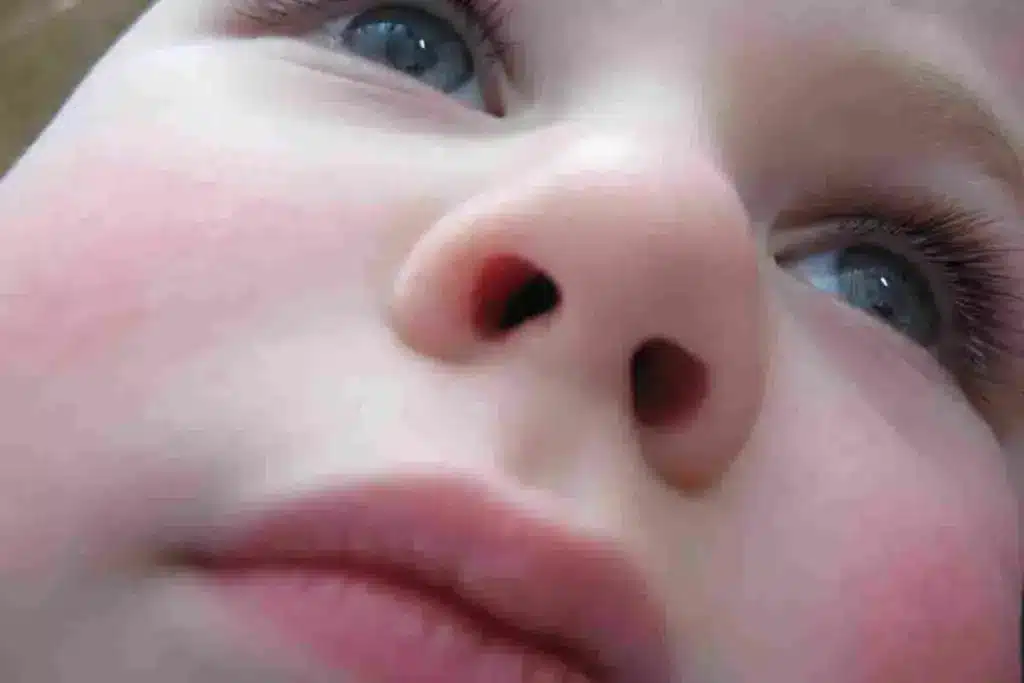
Nasal polyps are growths in a child’s nasal passages, linked to chronic inflammation. They can make breathing hard, reduce smell, and cause other breathing problems. This is a big worry for parents.
Definition and Appearance of Nasal Polyps
Nasal polyps are benign growths from long-term inflammation in the nasal mucosa. They look like soft, pale, and usually painless lumps inside the nose. Polyps can be different sizes and may appear alone or together.
What Are Nasal Polyps Made Of?
Nasal polyps are made of inflammatory cells, fluid, and other cells. They are not cancerous but can block airways. This can make breathing through the nose hard.
Prevalence in Pediatric Populations
Nasal polyps are not common in kids but can happen. They often show up in children with asthma, allergies, or cystic fibrosis. Kids with these conditions are more likely to get nasal polyps.
Knowing about nasal polyps in kids is key for early treatment. Parents should watch for signs and get medical help. This can help ease their child’s discomfort and avoid bigger problems.
Causes and Risk Factors for Childhood Nasal Polyps
Nasal polyps in kids are linked to several causes and risk factors. They are not just simple growths. They often show an underlying condition that needs attention.
Chronic Inflammation and Allergic Reactions
Chronic inflammation and allergies play big roles in nasal polyps in kids. Allergies cause long-lasting inflammation in the nose. This can lead to polyps. Common allergens include dust mites, pet dander, and mold.
- Allergic rhinitis
- Asthma
- Recurrent sinus infections
These conditions make nasal inflammation worse. This increases the chance of getting nasal polyps.
Cystic Fibrosis Nasal Polyps Connection
Cystic fibrosis is a genetic disorder that raises the risk of nasal polyps. Kids with cystic fibrosis often get chronic sinus infections and nasal inflammation. This can cause nasal polyps. The link between cystic fibrosis nasal polyps is clear, showing the need for careful management.
Genetic Predisposition and Other Risk Factors
Genetics play a big part in nasal polyps in kids. Kids with a family history of nasal polyps or related conditions like asthma and allergies are at higher risk. Other factors include environmental exposures and certain health conditions.
- Family history of nasal polyps or allergies
- Presence of asthma or other respiratory conditions
- Chronic exposure to irritants like tobacco smoke
Knowing these risk factors helps in spotting and managing nasal polyps in kids early.
Identifying Symptoms of Nasal Polyps in Children
Spotting nasal polyps early in kids is key. It helps in choosing the right treatment and avoiding serious issues.
Common Signs to Watch For
Kids with nasal polyps might have stuffy noses, trouble smelling, face pain, and constant nasal drips. These signs can really hurt a child’s life quality. So, it’s important to catch them early.
|
Symptom |
Description |
|---|---|
|
Nasal Congestion |
Feeling of stuffiness in the nose |
|
Loss of Smell |
Reduced ability to detect odors |
|
Facial Pain |
Pain or pressure in the facial area |
Nasal Skin Growth vs. Internal Polyps
It’s important to tell the difference between skin growths and nasal polyps. Skin growths are seen outside and might not be related to polyps inside. But, polyps inside the nose and sinuses are linked to long-term inflammation or allergies.
When Symptoms Require Medical Attention
If a child has trouble breathing, keeps getting sinus infections, or has bad face pain, they need to see a doctor. Quick action can stop problems and make things better.
“Early detection of nasal polyps in children is key to effective management and preventing possible complications.”
Medical Diagnosis Process
Diagnosing nasal polyps in children is a detailed process. It includes physical exams, imaging studies, and special tests. Getting the diagnosis right is key for the best treatment.
Physical Examination Techniques
The first step is a thorough physical exam. Doctors use a method called anterior rhinoscopy to see inside the nose. This can spot big polyps but misses the small ones.
Imaging and Specialized Tests
Imaging studies like CT scans are used next. They give clear pictures of the nasal area and sinuses. This helps find out how big and where the polyps are. A special test, nasal endoscopy, lets doctors see the polyps up close.
Differential Diagnosis in Children
It’s important to tell nasal polyps apart from other issues in kids. This includes things like adenoids or tumors. A detailed check-up makes sure the right problem is found and treated.
|
Diagnostic Method |
Description |
Benefits |
|---|---|---|
|
Anterior Rhinoscopy |
Visual examination of the anterior nasal cavity |
Quick and simple, can identify large polyps |
|
CT Scan |
Detailed imaging of nasal passages and sinuses |
Provides size and location of polyps, assesses sinus involvement |
|
Nasal Endoscopy |
Direct visualization of the nasal cavity |
Accurate diagnosis, can be used for sampling tissue |
Conventional Medical Treatments
Doctors often start with conventional treatments for nasal polyps in kids. These methods aim to make the polyps smaller, ease symptoms, and improve life quality for children with this issue.
Nasal Polyps Fluticasone and Other Corticosteroids
Fluticasone and other corticosteroids are used to fight inflammation and shrink polyps. They can be sprayed into the nose or taken by mouth for severe cases. Studies show these medicines help manage symptoms and shrink polyps in kids.
Antibiotics for Secondary Infections
If polyps get infected, antibiotics are given to treat the infection. It’s important to tell if the infection is viral or bacterial to choose the right treatment. Antibiotics work on bacterial infections and prevent serious problems.
Surgical Interventions for Severe Cases
For very severe polyps that don’t respond to medicine, surgical interventions are needed. Surgery aims to remove the polyps and improve how the sinuses drain.
Endoscopic Polypectomy
Endoscopic polypectomy is a less invasive surgery to remove polyps. It uses an endoscope to see inside the nose and sinuses. This allows for precise removal of the polyps.
Post-Surgical Care for Children
After surgery, kids need to follow a care plan for healing. This includes using nasal saline and seeing an ENT specialist for check-ups. This helps manage symptoms and ensures healing goes well.
Natural Nose Polyps Treatment Options
Parents looking for ways to help their child with nasal polyps can try natural treatments. These methods aim to reduce swelling, help healing, and keep the nose healthy.
Anti-inflammatory Dietary Changes
Diet is key in managing nasal polyps. Adding anti-inflammatory foods to a child’s diet can shrink polyps and ease symptoms. Omega-3 rich foods like salmon and walnuts help fight inflammation. Also, eating lots of fruits, veggies, and whole grains boosts health and might lower polyp risk.
Key Anti-inflammatory Foods:
- Fatty fish (salmon, sardines)
- Nuts and seeds (walnuts, chia seeds)
- Fruits (berries, oranges)
- Vegetables (leafy greens, tomatoes)
Herbal Supplements with Research Support
Some herbal supplements might help with nasal polyps. Turmeric has curcumin, which fights inflammation. Quercetin also shows promise in reducing swelling and symptoms.
|
Herbal Supplement |
Potential Benefits |
|---|---|
|
Turmeric (Curcumin) |
Reduces inflammation |
|
Quercetin |
Antioxidant and anti-inflammatory effects |
Saline Irrigation Techniques for Children
Saline irrigation is a simple, effective way to manage nasal polyps. It cleans the nasal passages with a saline solution, reducing swelling.
Age-Appropriate Methods
Young kids can use a bulb syringe or nasal aspirator for irrigation. Older kids can try a neti pot or squeeze bottle with a nasal spray tip.
Frequency and Solution Preparation
How often to do saline irrigation depends on the child’s symptoms. It’s usually 1-2 times a day. You can make the solution at home or buy it pre-made at a pharmacy.
Using these natural treatments can help ease nasal polyp symptoms. It can also improve a child’s quality of life.
Effective Nose Polyps Home Remedy Approaches
There are many home remedies that can help with nasal polyps in kids. These can make their life better. They work well with doctor’s treatments too.
Steam Inhalation with Essential Oils
Steam inhalation is a great home remedy for nasal polyps. Adding essential oils like eucalyptus or peppermint makes it even better. Here’s how to do it:
- Boil water and pour it into a large bowl.
- Add a few drops of eucalyptus oil.
- Have the child lean over the bowl with a towel covering their head.
- Inhale the steam for 5-10 minutes.
Swollen Inside Nose Child Treatment
For kids with swollen nasal passages, saline nasal sprays or drops can help. They keep the nasal passages moist and reduce swelling.
Tips for using saline nasal sprays:
- Use a sterile saline solution.
- Administer the spray as directed by the manufacturer.
- Have the child blow their nose gently after use.
Humidification and Environmental Controls
Keeping the air humid helps prevent nasal passages from drying out. This can make polyp symptoms worse. Using a humidifier in the child’s bedroom is helpful, mainly in dry seasons.
Additional environmental controls include:
- Avoiding exposure to allergens and irritants.
- Keeping the home clean and dust-free.
- Using air purifiers to reduce indoor air pollution.
By adding these home remedies to their care, parents can better manage their child’s nasal polyp symptoms.
How to Cure Nose Polyps: Comprehensive Management
Managing nasal polyps in kids needs a mix of medical and natural ways. This approach is key to shrinking polyps, easing symptoms, and boosting their quality of life.
Combining Medical and Natural Approaches
Dealing with nasal polyps often means using both medicine and natural methods. Doctors might prescribe corticosteroids to fight inflammation and shrink polyps. For example, fluticasone is a steroid that works well for this.
Natural methods, like changing what you eat and using saline rinses, can also help. Eating foods that fight inflammation, like omega-3s in fish and flaxseeds, can help. Dr. Harold Stewart says, “Changing your diet can really help manage nasal polyps by cutting down on inflammation.”
“The key to managing nasal polyps is a comprehensive approach that includes both medical treatment and lifestyle modifications.” – Dr. Jane Smith, Pediatric Allergist
Monitoring and Adjusting Treatment Plans
Keeping an eye on how the child is doing is vital. This means regular check-ups, tests, and checking how bad the symptoms are. Changing the treatment plan as needed helps manage polyps well and keeps side effects low.
|
Treatment Component |
Description |
Benefits |
|---|---|---|
|
Corticosteroids |
Reduce inflammation and shrink polyps |
Effective in reducing polyp size and symptoms |
|
Saline Irrigation |
Clear nasal passages and reduce inflammation |
Helps in removing allergens and reducing polyp size |
|
Dietary Changes |
Reduce overall inflammation through diet |
Can reduce nasal inflammation and improve overall health |
Managing Expectations: Treatment vs. Cure
Parents should know that treatments can manage nasal polyps but finding a “cure” is tricky. Treatment plans aim to control symptoms and shrink polyps. But, ongoing care might be needed to stop them from coming back.
By mixing medical and natural treatments, keeping an eye on how they work, and understanding what to expect, parents can help their kids live better with nasal polyps.
Conclusion: Creating an Effective Treatment Strategy
To treat nasal polyps in kids, it’s key to understand the condition. You should look into treatment options and work with doctors. A good plan includes both medical and natural ways to treat polyps.
Treatment for nasal polyps can be steroids like fluticasone or natural methods like diet changes and saline rinses. Making a treatment plan that fits your child needs teamwork with doctors.
A good plan looks at what your child needs, how bad the polyps are, and what treatments work best. Mixing medical and natural treatments helps kids feel better and live better lives.
Managing nasal polyps in kids means keeping an eye on how they’re doing and changing the plan if needed. Working with doctors helps make sure your child gets the best treatment.
FAQ
What are nasal polyps, and how do they affect children?
Nasal polyps are soft, painless growths on the nasal lining. They can make breathing hard, reduce smell, and cause other issues in kids.
How common are nasal polyps in children, and what are the risk factors?
Nasal polyps are rare in kids but can happen. They often occur in those with long-term inflammation, allergies, or cystic fibrosis. Genetics and other factors also play a role.
What are the symptoms of nasal polyps in children, and when should I seek medical attention?
Symptoms include stuffy nose, loss of smell, and discharge. If your child has these symptoms often or badly, see a doctor.
How are nasal polyps diagnosed in children?
Doctors first do a physical check. They might use CT scans or other tests to confirm the diagnosis.
What are the conventional medical treatments for nasal polyps in children?
Doctors might use steroids, antibiotics, or surgery like endoscopic polypectomy for severe cases.
Are there natural treatment options for nasal polyps in children?
Yes, natural treatments include diet changes, herbal supplements, and saline rinses for kids.
How can I use home remedies to help manage nasal polyps in my child?
Home remedies include steam with essential oils, keeping the air moist, and avoiding triggers.
Can nasal polyps in children be cured, or is management the best approach?
There’s no sure cure, but managing symptoms with both medicine and natural methods can greatly improve life quality.
How do I create an effective treatment strategy for my child’s nasal polyps?
Work with doctors to create a plan. It might include medicine, lifestyle changes, and home remedies.
What is the connection between cystic fibrosis and nasal polyps?
Kids with cystic fibrosis are more likely to get nasal polyps. This is because of the chronic inflammation and infections from the disease.
How can I differentiate between nasal skin growths and internal polyps?
Skin growths are outside and easy to see. Internal polyps are inside and harder to spot. A doctor can tell the difference.
National Center for Biotechnology Information. Evidence-Based Medical Insight. Retrieved from https://www.ncbi.nlm.nih.gov/books/NBK560746/