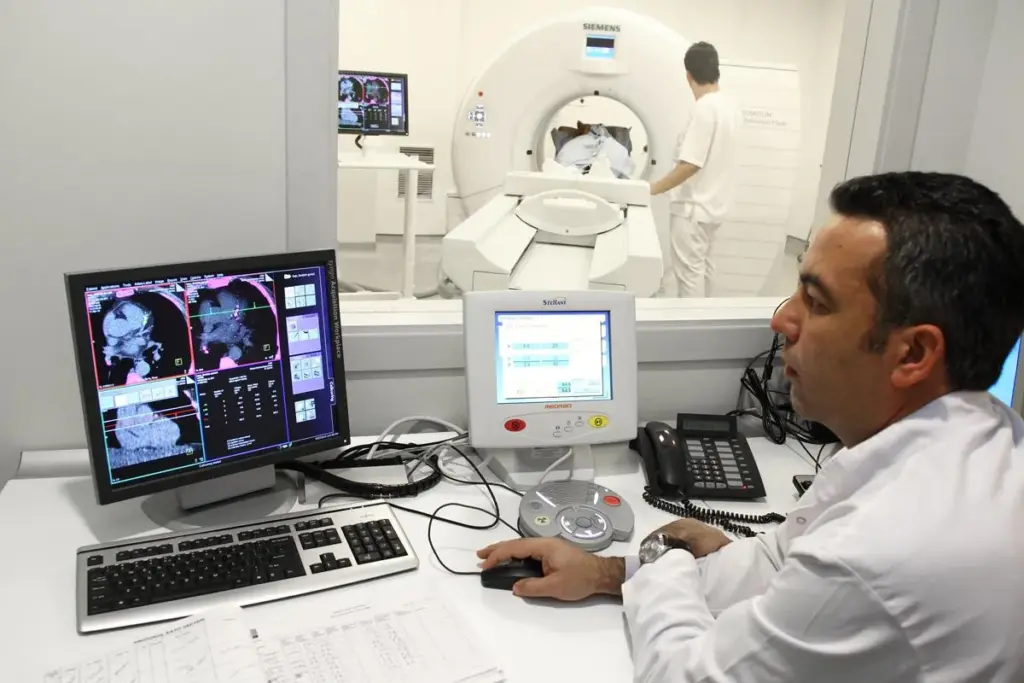
Nuclear medicine is key in finding and treating diseases. One radiopharmaceutical is used more than others.
Technetium-99m (Tc-99m) is the top choice for nuclear medicine worldwide. It’s used in about 80% of all nuclear medicine tests. This is because it works well for imaging.
Tc-99m is great for spotting and tracking many health issues. It’s a must-have for doctors to diagnose.
Key Takeaways
- Technetium-99m (Tc-99m) is the most commonly used radiopharmaceutical in nuclear medicine.
- It accounts for approximately 80% of all nuclear medicine procedures.
- Tc-99m is valued for its ideal characteristics in diagnostic imaging.
- Its widespread use is due to its effectiveness in diagnosing various medical conditions.
- Nuclear medicine plays a critical role in disease diagnosis and treatment.
The Fundamentals of Nuclear Medicine
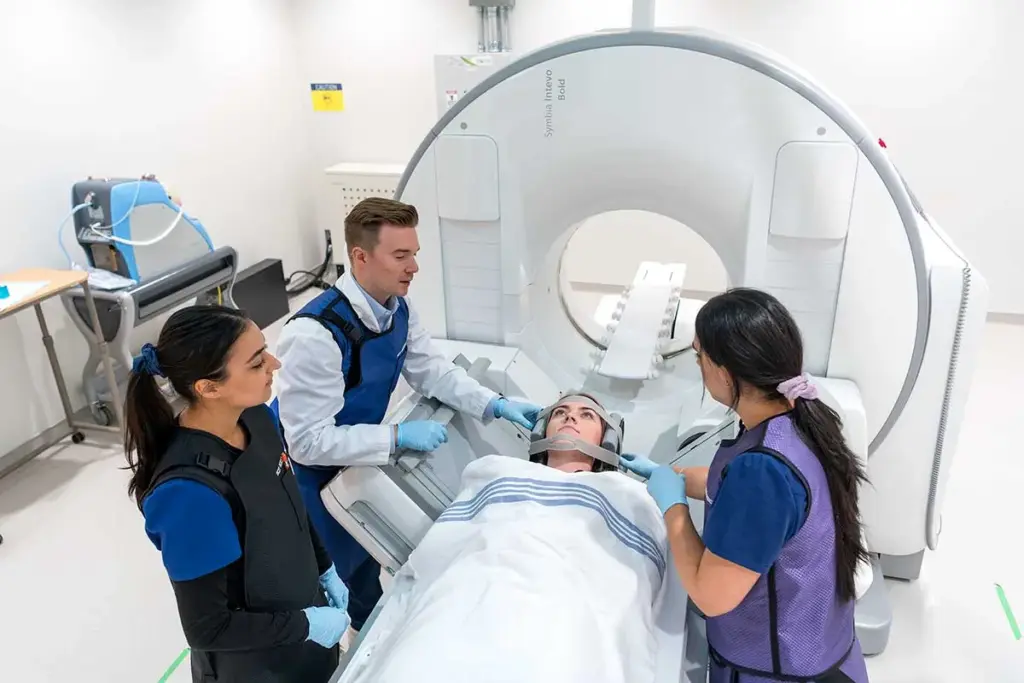
Nuclear medicine is a key part of modern healthcare. It gives detailed information about the body’s inner workings. Every year, over 40 million procedures are done worldwide, showing its vital role.
Definition and Basic Principles
Nuclear medicine uses radioactive materials, called radiopharmaceuticals, for tests and treatments. These materials are made to focus on certain parts of the body. This allows for precise imaging and treatment of many health issues.
Unlike other imaging methods, nuclear medicine shows how the body works. It doesn’t just show what the body looks like.
- Uses small amounts of radioactive tracers
- Targets specific organs or tissues
- Provides functional information about the body’s processes
Historical Development and Milestones
The history of nuclear medicine started in the early 20th century. The first radioactive isotopes were found back then. Big steps forward were made, like the creation of technetium-99m, now the most used radiopharmaceutical.
A leading nuclear medicine expert said, “Technetium-99m changed everything. It made many new tests possible.”
“The development of new radiopharmaceuticals and imaging technologies continues to expand the capabilities of nuclear medicine, giving new hope to patients worldwide.”
Nuclear medicine has grown a lot, thanks to new ideas and tools. From the gamma camera to SPECT/CT and PET/CT, each step has made tests better and treatments more effective.
Technetium-99m: The World’s Most Used Nuclear Medicine
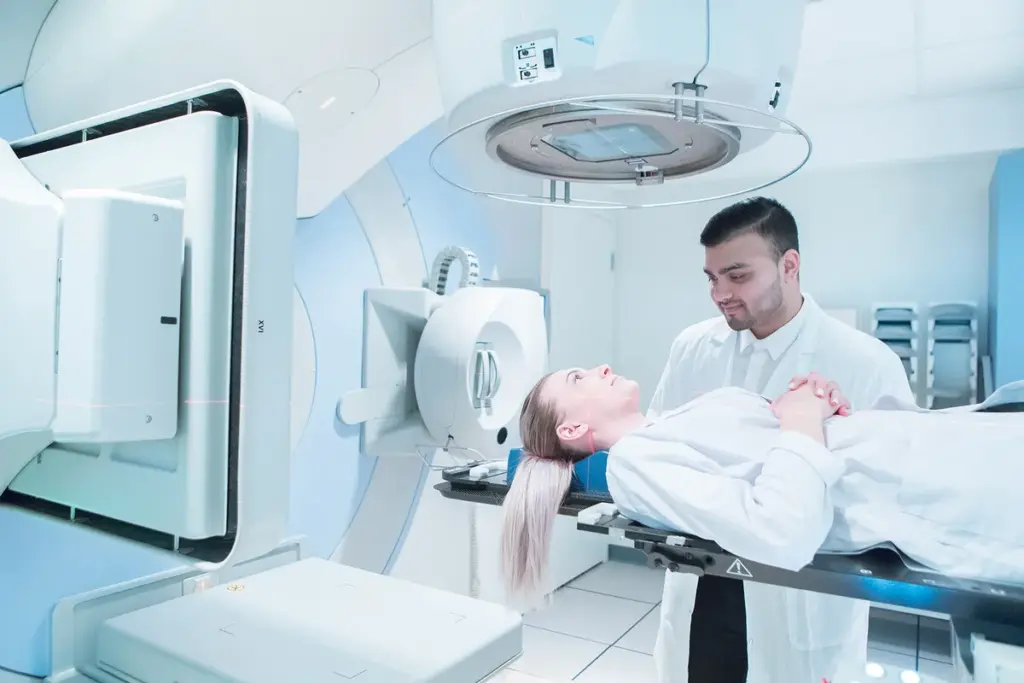
Technetium-99m is a key player in nuclear imaging. It’s chosen for its perfect physical and chemical traits. This makes it essential for many diagnostic tests.
Physical and Chemical Properties
Technetium-99m, or Tc-99m, is a special isomer that decays to Technetium-99. It emits gamma rays at 140 keV, perfect for gamma cameras. Its half-life is about 6 hours, ideal for quick tests without too much radiation.
Its chemistry lets it bond with many compounds. This versatility makes it great for targeting different body parts. It’s used in a wide range of imaging studies.
Why Tc-99m Dominates 80% of Nuclear Medicine Procedures
Tc-99m leads in nuclear medicine because of its great properties. It’s easy to make and distribute. Its short half-life means less radiation for patients.
It can bind with many ligands, making it useful for various tests. This includes bone scans, heart stress tests, and kidney function checks. Its flexibility is key to its success in nuclear medicine.
|
Diagnostic Application |
Percentage of Procedures |
|---|---|
|
Bone Scans |
40% |
|
Cardiac Stress Tests |
25% |
|
Renal Function Assessments |
15% |
|
Other Applications |
20% |
Production and Availability Challenges
Producing Tc-99m is tough, mainly because of its short half-life. It relies on reactors for its parent isotope, Molybdenum-99 (Mo-99). The Mo-99 supply chain is complex and often disrupted.
There are ongoing efforts to fix these issues. This includes finding new ways to make Mo-99 and Tc-99m. New reactor tech and cyclotron-based methods are being explored.
Global Statistics of Nuclear Medicine Procedures
Nuclear medicine is key in healthcare worldwide. It’s used for both diagnosis and treatment. The numbers show how widely it’s used and how much healthcare relies on it.
The 40 Million Annual Procedures Worldwide
About 40 million nuclear medicine procedures happen every year. This shows how big a part nuclear medicine plays in healthcare. It’s used for many things, like checking heart health and treating cancer.
United States Market: 20 Million Procedures Annually
In the United States, over 20 million procedures are done each year. This is because of the country’s strong healthcare system and many chronic diseases. Plus, there are lots of places where these procedures can be done.
European Usage Patterns: 10 Million Procedures
Europe sees around 10 million procedures each year. The use varies by country, with Western Europe using it more.
Growth Trends in Developing Countries
Developing countries are seeing a big increase in nuclear medicine use. This is because their healthcare is getting better and more people know about its benefits. Countries in Asia and Latin America are leading this growth, with big investments in technology and training.
The world of nuclear medicine is changing fast. New markets are helping it grow. As technology gets better and more people can use it, we’ll see even more nuclear medicine in healthcare.
Common Diagnostic Applications of Technetium-99m
Tc-99m is key in nuclear medicine. It’s used in many tests because of its special properties.
Cardiac Perfusion Studies
Tc-99m helps check how well the heart works. It spots problems in the heart’s blood flow. This is important for finding and treating heart disease.
Bone Scans for Orthopedic Evaluation
Bone scans with Tc-99m find bone cancers and pain. They also check bone health. This is key for treating bone issues.
Renal Function Assessment
Tc-99m tests how well the kidneys work. It helps find kidney problems like blockages. This is important for kidney disease care.
Lung Perfusion Studies
Tc-99m studies the lungs to find blockages and check lung health. This is vital before surgery. It helps manage lung diseases.
In summary, Tc-99m is vital in nuclear medicine. It makes many tests possible. These tests are essential for patient care.
Nuclear Medicine Imaging Technologies
Nuclear medicine imaging technologies have changed medical diagnostics a lot. They let doctors see inside the body in new ways. This helps them understand the body’s inner workings better than ever before.
Gamma Camera Fundamentals
A gamma camera is key in nuclear medicine. It catches gamma rays from special medicines. These rays help doctors make 2D images of where the medicine goes in the body. This helps find and diagnose many health issues.
For more on staying safe from radiation, check out the Society of Nuclear Medicine and Molecular fact sheet.
SPECT Imaging Techniques
Single Photon Emission Computed Tomography (SPECT) gives 3D views of where the medicine goes. It works by moving the gamma camera around the patient. This way, it gets data from all sides, making detailed images.
PET Scanning Principles
Positron Emission Tomography (PET) scans find pairs of gamma rays from special medicines. They show how active tissues are, which helps a lot in cancer and brain studies.
Hybrid Imaging Systems: SPECT/CT and PET/CT
Hybrid systems mix nuclear medicine with Computed Tomography (CT). SPECT/CT and PET/CT give both the function info from nuclear medicine and the body’s structure from CT. This makes diagnosing and planning treatments more accurate.
These new imaging technologies have really helped nuclear medicine. They lead to more accurate diagnoses and better treatments. As these technologies get better, we’ll see even more progress in helping patients.
Other Important Radiopharmaceuticals in Nuclear Medicine
Technetium-99m is the most used in nuclear medicine, but others are key too. They help in many medical areas, like fighting cancer and treating thyroid issues. This variety makes nuclear medicine very useful.
Fluorine-18 FDG for Oncology
Fluorine-18 Fluorodeoxyglucose (FDG) is vital for cancer work. It shows up in PET scans to find and check cancer. FDG PET scans are key in fighting cancer, helping doctors plan and check treatment.
Iodine-131 for Thyroid Disorders
Iodine-131 helps with thyroid problems. It treats too much thyroid hormone and some cancers. The thyroid takes it up, making it safe for other parts of the body.
Gallium-67 and Infection Imaging
Gallium-67 is for finding infections and inflammation. It goes to inflamed areas, helping doctors see where infections are. Though newer methods exist, it’s useful in certain cases.
Emerging Radiopharmaceuticals
New radiopharmaceuticals are coming, improving nuclear medicine. Theranostics, which do both diagnosis and treatment, are on the rise. This could lead to better, more tailored treatments.
The table below shows important details about these radiopharmaceuticals:
|
Radiopharmaceutical |
Primary Use |
Key Characteristics |
|---|---|---|
|
Fluorine-18 FDG |
Oncology |
Highlights areas of high glucose metabolism, used in PET scans for cancer detection and staging |
|
Iodine-131 |
Thyroid Disorders |
Targets thyroid tissue, used for diagnosis and treatment of thyroid cancer and hyperthyroidism |
|
Gallium-67 |
Infection Imaging |
Accumulates in areas of inflammation, used to visualize infection sites |
Nuclear medicine is getting better, thanks to new radiopharmaceuticals. These advancements are key to its growth in diagnosis and treatment.
The Patient Experience in Nuclear Medicine Procedures
The patient experience in nuclear medicine covers preparation, the procedure, and care after. Knowing these steps can reduce anxiety and make the process smoother.
Preparation Requirements
Preparation for nuclear medicine tests varies by test type. Patients usually need to:
- Share any current medications
- Avoid certain foods or drinks
- Remove jewelry or metal items
Following your healthcare provider’s specific instructions is key for the best results.
What to Expect During the Procedure
A small amount of radioactive material is given to patients during the test. The test is done in a special area of a hospital or clinic.
Patients lie on a table, and the imaging device is set up. The test’s length varies, but most of the time, patients stay very quiet.
Post-Procedure Care and Radiation Safety
After the test, patients are watched for a bit. They should:
- Drink lots of water to clear the radioactive material
- Stay away from pregnant women and young kids for a while
- Follow any extra instructions from their healthcare team
The radioactive material used is safe and goes away fast. But, it’s important to follow the care guidelines to protect others.
Nuclear Medicine Practice in the United States
In the United States, nuclear medicine is a mix of rules and new tech. It’s a key part of healthcare, with strict rules for safety and quality.
Regulatory Framework and FDA Oversight
The U.S. Food and Drug Administration (FDA) is key in watching over nuclear medicine. They check radiopharmaceuticals to make sure they’re safe. This helps keep people healthy and trust in nuclear medicine.
Other groups like the Nuclear Regulatory Commission (NRC) also play a part. They make sure radioactive materials are used right. Places that do nuclear medicine must follow these rules.
Insurance Coverage and Reimbursement
Insurance for nuclear medicine varies, but most big insurers cover it. How much they pay depends on the service, why it’s needed, and where it’s done.
People working in nuclear medicine have to deal with a lot of rules. They need to get approval for some tests. Coding and billing experts help make sure everything is done right.
Distribution of Nuclear Medicine Facilities
Nuclear medicine places are found all over the U.S., but more in cities. You can find them in hospitals, imaging centers, and private offices.
Where these places are depends on how many people live there, the local healthcare, and if there are experts like nuclear imaging technicians.
Training and Certification Requirements
For those in nuclear medicine, getting trained and certified is a must. Technologists, like nuclear imaging technicians, need special education and a certification from the Nuclear Medicine Technology Certification Board (NMTCB).
Certification makes sure they can do their job well and safely. They also need to keep learning as the field changes.
In summary, nuclear medicine in the U.S. has strict rules, complex insurance, and many places to get services. Training and certification are key to keeping care high quality.
Safety and Quality Control in Nuclear Medicine
Keeping patients safe and ensuring quality in nuclear medicine is key. This field uses radioactive materials, which need careful handling. It’s important for good care and treatment results.
Radiation Protection Measures
Protecting against radiation is a big deal in nuclear medicine. It’s about keeping patients and workers safe from too much radiation. This means using the right shields, following strict rules for handling radioactive drugs, and keeping equipment in top shape.
Key radiation protection measures include:
- Using lead aprons and shields to protect against radiation exposure
- Implementing safe handling practices for radiopharmaceuticals
- Regularly inspecting and maintaining equipment to prevent radiation leaks
Quality Assurance Protocols
Quality checks are essential in nuclear medicine. They make sure images are right and treatments work. This means checking equipment often, following set rules, and keeping staff trained.
Effective quality assurance protocols encompass:
- Regular calibration and maintenance of imaging equipment
- Adherence to standardized imaging protocols
- Ongoing education and training for nuclear medicine professionals
Handling and Disposal of Radioactive Materials
How we handle and get rid of radioactive stuff is super important. We must follow strict rules to avoid harming the environment and people.
Best practices for handling and disposal include:
- Segregating radioactive waste according to its level of radioactivity
- Using approved containers for storing radioactive materials
- Following regulatory guidelines for the disposal of radioactive waste
The Rise of Theranostics in Nuclear Medicine
Theranostics is a big deal in nuclear medicine now. It mixes therapy and diagnostics. This means using radiotracers for both looking at the disease and treating it. It’s all about making treatment fit each patient better.
Combining Therapy and Diagnostics
Theranostics uses one compound for both looking at and treating a disease. This is done with radiotracers that can change based on the task. For example, a nuclear imaging task might use a gamma-emitting radionuclide, while therapy might use a beta-emitter.
Studies say theranostics will grow by 60% in the next decade. This growth comes from better radiopharmaceuticals and more focus on personalized medicine.
Projected 60% Growth in the Next Decade
The theranostics market is set to boom. It promises better patient care and simpler treatment plans. A study on PMC shows how combining diagnostics and therapy can lead to better care.
Personalized Treatment Approaches
Theranostics is all about personalized care. It uses the same radiotracers for both looking and treating. This means treatments can be made just for each patient, leading to better results and fewer side effects.
Case Studies of Successful Applications
Theranostics has shown great results in treating diseases, like some cancers. For example, Lutetium-177 DOTATATE has been effective in treating neuroendocrine tumors. It works well for both looking at the disease and treating it.
In short, theranostics is a big step forward in nuclear medicine. It combines looking and treating in a way that improves patient care. As it keeps growing, we’ll see even more ways it can help patients.
Economic Impact and Cost-Effectiveness of Nuclear Medicine
Nuclear medicine’s economic impact is key in modern healthcare. It offers unique benefits for diagnosis. These benefits lead to better treatment plans and outcomes for patients.
Healthcare System Integration
Nuclear medicine is becoming a part of healthcare systems globally. This means more facilities, trained staff, and protocols for its use.
Comparative Cost Analysis with Alternative Diagnostics
Comparing nuclear medicine costs to other diagnostics is complex. Several factors are involved. Here’s a table comparing costs of different imaging methods.
|
Diagnostic Modality |
Average Cost per Procedure |
Diagnostic Accuracy |
|---|---|---|
|
Nuclear Medicine |
$800-$1,200 |
High |
|
CT Scan |
$500-$1,000 |
High |
|
MRI |
$1,000-$2,000 |
Very High |
|
Ultrasound |
$200-$500 |
Moderate |
Impact on Patient Outcomes and Treatment Planning
Nuclear medicine greatly affects patient care and treatment. It gives detailed body information. This helps doctors diagnose diseases early and accurately, leading to better treatments.
Challenges and Future Directions in Nuclear Medicine
Nuclear medicine has seen great success but also faces challenges. These include supply chain issues and a shortage of workers. To move forward, we need to tackle these problems and welcome new technologies and funding for research.
Supply Chain Vulnerabilities
The making and delivery of radiopharmaceuticals are key to nuclear medicine. But, they face many hurdles. Supply chain disruptions can make these essential tools hard to get. For example, a global shortage of Technetium-99m (Tc-99m) showed how fragile the supply chain is.
- Dependence on a few major production facilities
- Aging infrastructure in some production reactors
- Logistical challenges in distributing short-lived isotopes
To fix these issues, we need to diversify production and improve how we move these isotopes around.
Technological Innovations on the Horizon
New technologies are set to change nuclear medicine. New radiopharmaceuticals and better imaging tools are coming. For example, targeted treatments and diagnostics will make the field even better.
“The integration of artificial intelligence in nuclear medicine is poised to revolutionize image analysis and patient care.”
Addressing Workforce Shortages
Nuclear medicine needs more skilled people to keep up its services. To solve this, we need more training and education. Working together between schools and hospitals can help fill this gap.
Research Priorities and Funding
Research is key for nuclear medicine to grow. We need funding for studies on new medicines and tech. Government and private investment are essential for innovation in this field.
In summary, nuclear medicine has its hurdles but can overcome them. By tackling these challenges and looking to the future, it will keep improving healthcare. Understanding the nuclear meaning in medicine is important for seeing its full promise and challenges.
Conclusion: The Enduring Significance of Technetium-99m in Healthcare
Technetium-99m is key in nuclear medicine, helping doctors diagnose diseases all over the world. Its unique properties make it perfect for many scans, like heart and bone studies.
Thanks to Technetium-99m, patient care has improved a lot. As medicine keeps getting better, Technetium-99m will keep being important. It will help create new ways to diagnose and treat diseases.
Nuclear medicine scans with Technetium-99m are essential in today’s healthcare. They give doctors the info they need to make better decisions. This shows how vital Technetium-99m is for improving patient care.
FAQ
References
- World Nuclear Association. Radioisotopes in Medicine. Retrieved from https://world-nuclear.org/information-library/non-power-nuclear-applications/radioisotopes-research/radioisotopes-in-medicine (World Nuclear Association)
- SNMMI. Fact Sheet: Nuclear Medicine and Radiation Safety. Retrieved from https://snmmi.org/AM/Patients/Fact-Sheets/Fact-Sheet–Nuclear-Medicine-and-Radiation-Safety.aspx (SNMMI)
- PMC (NCBI). [Article in PMC]. Retrieved from https://pmc.ncbi.nlm.nih.gov/articles/PMC11345887/
- IAEA News Center. Advances in Nuclear Medicine Mean Patient Protection Needs Strengthening. Retrieved from https://www.iaea.org/newscenter/news/advances-in-nuclear-medicine-mean-patient-protection-needs-strengthening
- RadiologyInfo.org. Nuclear Medicine. Retrieved from https://www.radiologyinfo.org/en/info/nuclear-medicine (Radiologyinfo.org)


 Departments
 Related Videos
 Our Doctors
 News
News