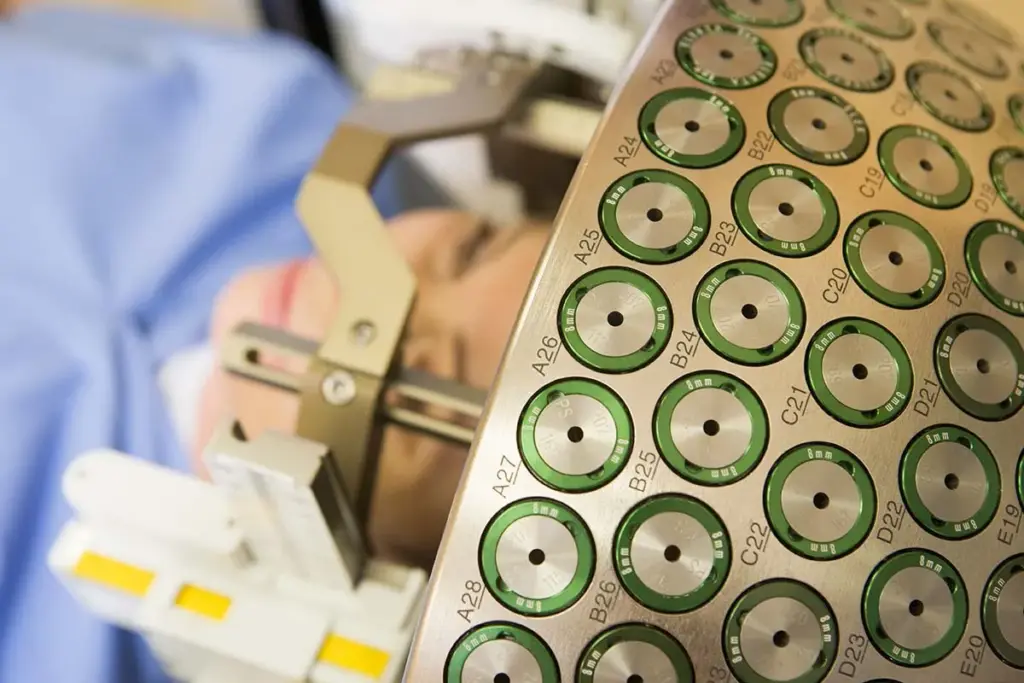
Your healthcare provider might send you to nuclear medicine if they need detailed info about your body. This info can’t be gotten from usual imaging methods.
Usual imaging has its limits. That’s why nuclear medicine is so important. It offers strong tools for finding diseases like cancer, heart issues, and brain problems.
Tests like PET or SPECT scans are often used. They give doctors important clues for making treatment plans.
Key Takeaways
- Nuclear medicine gives detailed info not found in usual imaging.
- It’s key for spotting diseases like cancer, heart issues, and brain problems.
- Tests like PET and SPECT scans are often used.
- Nuclear medicine helps doctors decide on treatments.
- It’s used when usual imaging isn’t enough.
What Is Nuclear Medicine and How Does It Work
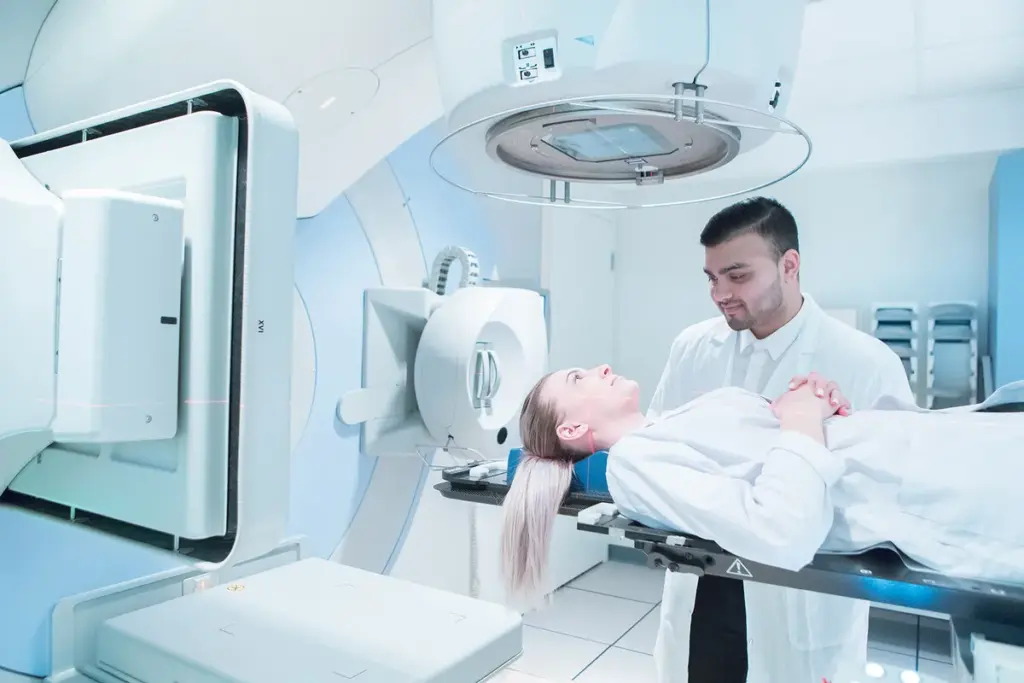
Nuclear medicine is a special field in medicine. It uses small amounts of radioactive materials to help diagnose and treat diseases. This field focuses on radiopharmaceuticals to see how the body works and find diseases at a molecular level.
Definition and Basic Principles
Nuclear medicine uses tiny amounts of radioactive tracers, called radiopharmaceuticals. These are given to the body through injection, ingestion, or inhalation. The tracers go to specific parts of the body, emitting signals that are picked up by special scanners.
This lets doctors see how the body works and find diseases. It’s a way to see inside the body without surgery.
How Nuclear Medicine Differs from Conventional Imaging
Nuclear medicine is different from X-rays or CT scans. While those show the body’s structure, nuclear medicine shows how the body works. It can find diseases early, even before symptoms show.
A report by ResearchAndMarkets says the nuclear medicine market will grow a lot. This is because of new technology and more need for imaging nuclear medicine market report.
Nuclear medicine is key in finding and treating diseases like cancer and heart problems. It gives doctors the info they need to make better treatment plans. It also helps track how diseases change over time.
The Science Behind Nuclear Medicine
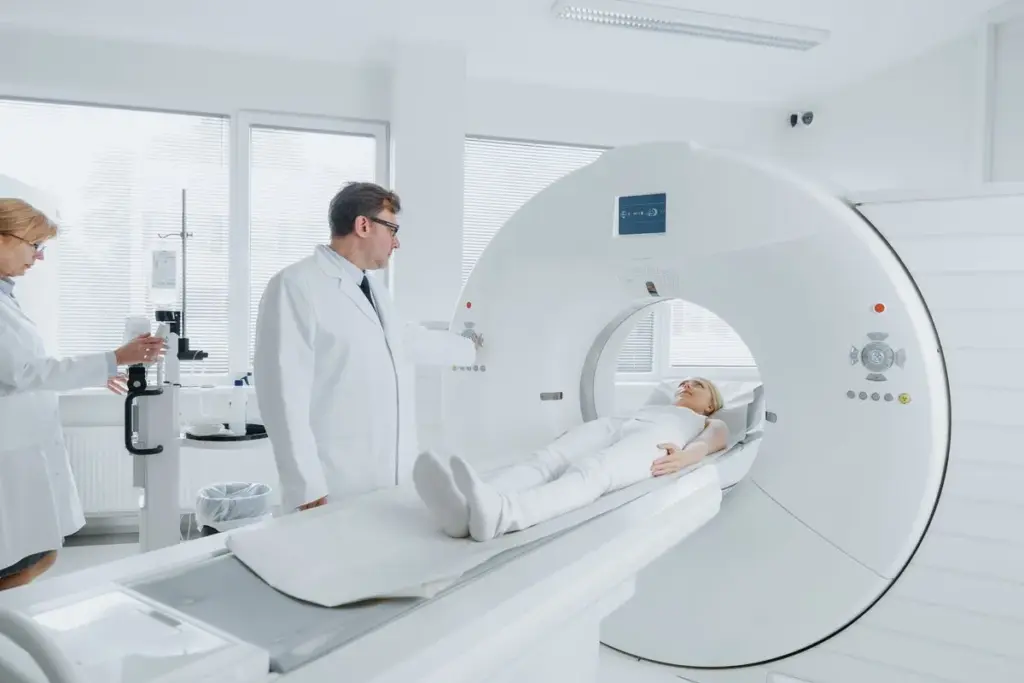
Nuclear medicine uses special compounds called radiopharmaceuticals and radioactive tracers. These are key for its diagnostic and treatment abilities.
Radiopharmaceuticals and Tracers
Radiopharmaceuticals have tiny amounts of radioactive material. They are made to target certain parts or functions in the body. When in the body, they release radiation that imaging tools like PET scanners can detect.
The type of radiopharmaceutical used depends on the goal. For example, some tracers show where cancer might be by highlighting active areas.
How Radioactive Materials Target Specific Body Functions
Radioactive materials in nuclear medicine go to specific places in the body. For example, radioactive iodine goes to the thyroid gland. This helps doctors check thyroid function and find problems.
The main advantages of using radiopharmaceuticals are:
- They give targeted diagnostic info
- They help check how the body works
- They help decide on treatments
The market for nuclear medicine is expected to grow. It will go from $10.2 billion in 2025 to $15.77 billion by 2029. This growth is thanks to better radiopharmaceuticals.
Common Reasons for Nuclear Medicine Referrals
Nuclear medicine referrals happen when regular imaging doesn’t give a clear diagnosis. This is true in many cases where nuclear medicine’s functional info is key for patient care.
When Conventional Imaging Is Insufficient
Imaging like X-rays, CT scans, and MRI show body structures well but lack functional details. Nuclear medicine bridges this gap by showing how tissues and organs work.
For complex or rare conditions, regular imaging might not be enough. For example, some cancers are hard to spot with just X-rays or CT scans. Nuclear medicine can show how far the disease has spread and if treatments are working.
Specific Clinical Scenarios Requiring Nuclear Imaging
Nuclear medicine shines in finding cardiovascular diseases and neurological disorders. For heart issues, it uses myocardial perfusion imaging to check blood flow to the heart muscle. This helps spot coronary artery disease.
In brain health, PET scans are key for diagnosing and managing Alzheimer’s and some dementias. These scans reveal brain function and metabolism details.
Nuclear medicine’s role in healthcare is vital. It offers functional insights that regular imaging can’t. This helps doctors make better decisions for their patients.
Nuclear Medicine in Cancer Diagnosis and Management
Nuclear medicine has changed how we diagnose and treat cancer. Tests like PET scans and SPECT scans are key in cancer care.
Detecting Primary Tumors and Metastasis
Nuclear medicine is great at finding tumors and spotting where cancer has spread. PET scans use special tracers to show where cancer is active.
Staging and Treatment Planning
Knowing the cancer’s stage is key to choosing the right treatment. Nuclear medicine gives detailed info on how far cancer has spread. This helps doctors create treatment plans that fit each patient.
Monitoring Treatment Response
It also helps see how well treatments are working. By comparing scans, doctors can check if treatments are effective and make changes if needed.
Nuclear medicine is essential in cancer care. It gives precise info for diagnosis and helps plan treatments.
Cardiovascular Applications of Nuclear Medicine
Nuclear cardiology is key for checking heart health and spotting coronary artery disease. It lets doctors see the heart’s details, giving them important info on heart health.
Myocardial Perfusion Imaging
Myocardial perfusion imaging (MPI) is a big deal in nuclear medicine for the heart. It uses tiny amounts of radioactive tracers to show the heart’s blood flow. This helps find areas where blood flow is low, which might mean coronary artery disease.
Assessing Heart Function and Viability
Nuclear medicine helps check how well the heart works and if it’s alive, mainly in those with heart disease or failure. This info helps doctors pick the best treatments.
Diagnosing Coronary Artery Disease
Nuclear cardiology is key in finding coronary artery disease. This disease narrows or blocks the heart’s arteries. Nuclear tests look at blood flow and heart function to spot risks of heart problems.
|
Diagnostic Tool |
Application |
Benefits |
|---|---|---|
|
Myocardial Perfusion Imaging (MPI) |
Assesses blood flow to the heart muscle |
Identifies areas of reduced perfusion, indicative of coronary artery disease |
|
Cardiac Function Assessment |
Evaluates heart function and viability |
Informs treatment strategies for heart failure and coronary artery disease |
Nuclear medicine in cardiology has greatly improved diagnosing and treating heart diseases. It gives deep insights into heart function and disease, making it a critical tool for better patient care.
Neurological Disorders and Nuclear Medicine
Nuclear medicine shines a light on the brain’s health. It helps fight neurological diseases. This method lets doctors see how the brain works and doesn’t work.
Brain Imaging for Dementia and Alzheimer’s
Nuclear medicine is key in finding dementia and Alzheimer’s. PET scans show how active the brain is. This helps doctors spot problems early and plan the right treatment.
Detecting Parkinson’s Disease and Movement Disorders
Nuclear medicine is also great for finding Parkinson’s disease and other movement issues. DaTSCAN shows where dopamine is in the brain. This helps doctors tell if it’s Parkinson’s or something else.
Seizure Focus Localization
Nuclear medicine is also used for epilepsy. It finds where seizures start. ictal and interictal SPECT scans show which brain areas are involved. This info is key for surgery or other treatments.
Bone and Joint Disorders Evaluation
Nuclear medicine is key in checking bone and joint problems. It gives important info for managing these conditions.
Detecting Fractures and Bone Infections
Bone scans are very good at finding fractures, even when X-rays can’t. They also spot bone infections like osteomyelitis by showing where bone activity is high.
Assessing Arthritis and Joint Abnormalities
Nuclear medicine helps see how bad arthritis and joint issues are. It shows how much inflammation and bone activity there is, helping doctors plan treatments.
Sports Injury Assessment
Nuclear medicine checks sports injuries, like stress fractures or bone damage. Bone scans find stress fractures and other injuries that X-rays can’t see.
Nuclear medicine gives a detailed look at bone and joint problems. This helps doctors create better treatment plans.
Thyroid and Endocrine System Assessment
Nuclear medicine is key in checking thyroid and endocrine issues. It gives important info for managing these problems well.
Diagnosing Thyroid Disorders
Tests like thyroid uptake and scan are used to find thyroid problems. They show how the thyroid gland works and spot any issues.
Evaluating Parathyroid Function
Imaging with nuclear medicine checks parathyroid function. It finds parathyroid adenomas or hyperplasia. This is vital for handling calcium level problems.
Adrenal and Neuroendocrine Tumor Imaging
Nuclear medicine is used for adrenal and neuroendocrine tumors too. MIBG scans for these tumors give vital info for treatment plans.
Thanks to these nuclear medicine methods, doctors can better diagnose and treat endocrine issues. This leads to better health outcomes for patients.
Common Nuclear Medicine Procedures and Technologies
Nuclear medicine uses techniques like PET and SPECT scans to see inside the body. These tools help doctors understand health issues and care for patients better.
PET Scans (Positron Emission Tomography)
PET scans are advanced tools for checking how the body works. They use a special tracer to spot problems, like tumors in cancer patients.
Key uses of PET scans include:
- Finding and checking cancer
- Seeing how treatments work
- Looking at brain and nerve issues
SPECT Scans (Single Photon Emission Computed Tomography)
SPECT scans create detailed pictures of the body’s inside. They’re great for checking the heart and bones.
SPECT scans are often used for:
- Heart function tests
- Checking bone problems
- Finding infections and inflammation
Bone Scans and Other Specialized Studies
Bone scans help find and track bone issues like cancer and fractures. Other tests, like thyroid scans, help with hormone problems.
“Nuclear medicine procedures like bone scans provide critical information for diagnosing and managing bone-related conditions, improving patient care.”
In summary, nuclear medicine tests like PET, SPECT, and bone scans are key in diagnosing and treating health issues. Knowing about these technologies helps us see their importance in healthcare.
Therapeutic Applications of Nuclear Medicine
Nuclear medicine has changed how we treat diseases. It uses radioactive materials to target specific conditions. This makes treatment more effective for patients.
Radioiodine Therapy for Thyroid Conditions
Radioiodine therapy is a key treatment for thyroid issues. It uses radioactive iodine that the thyroid gland absorbs. This allows for precise treatment.
Targeted Radionuclide Therapy for Cancer
Targeted radionuclide therapy is a big step forward in cancer treatment. It attaches radioactive isotopes to molecules that find cancer cells. This way, radiation goes straight to the tumor, sparing healthy tissue.
Pain Management for Bone Metastases
Nuclear medicine also helps manage pain in bone metastases. Radiopharmaceuticals target and treat painful bone lesions. This brings relief and improves life quality.
Nuclear medicine’s therapeutic uses are growing, giving hope to many patients. As research improves, these treatments will likely get even better.
Preparing for Your Nuclear Medicine Procedure
To make sure your nuclear medicine procedure goes well, it’s important to follow certain pre-procedure instructions. Your healthcare provider will guide you with specific steps. Here are some general tips to help you prepare.
Pre-Procedure Instructions
Before your procedure, you might need to arrive early. This is to fill out paperwork and get ready. Your healthcare provider will tell you what to do, like when to arrive, what to wear, and what to remove.
Dietary and Medication Considerations
Dietary restrictions might be needed before your procedure. You might need to fast or avoid certain foods and drinks. Also, tell your healthcare provider about any medications you’re taking. They might need to adjust or stop them before the procedure.
What to Bring to Your Appointment
On the day of your procedure, bring important documents like insurance cards and identification. Also, have a list of your medications ready. Wear comfortable clothes and be ready to follow any extra instructions from your healthcare team.
What to Expect During and After Your Nuclear Medicine Appointment
Knowing what to expect during a nuclear medicine appointment can make you feel more at ease. This procedure is very specialized and needs careful preparation and attention.
The Step-by-Step Process
The process starts with preparation, which might include special diets or changes to your medication. When you arrive, you’ll get a radiopharmaceutical. This is a small, safe amount of radioactive material that helps doctors see what they need to.
Then, you wait for the radiopharmaceutical to work. This can take anywhere from a few minutes to several hours, depending on the test. You’re free to move around and relax while you wait.
Duration and Comfort Considerations
The length of a nuclear medicine appointment can vary a lot. It can be a few hours or even a whole day, depending on the test. It’s a good idea to wear comfy clothes and get there early to fill out any paperwork.
Post-Procedure Care and Precautions
After the test, you’ll be watched for a bit before you can go home. Drinking lots of water is important to help get rid of the radiopharmaceutical. Most people can go back to their usual activities right away. But, you might need to follow some special instructions.
|
Procedure |
Typical Duration |
Post-Procedure Care |
|---|---|---|
|
PET Scan |
2-3 hours |
Drink plenty of fluids |
|
SPECT Scan |
1-2 hours |
Resume normal activities |
|
Bone Scan |
3-4 hours |
Avoid close contact with pregnant women and children for 24 hours |
Safety and Radiation Exposure in Nuclear Medicine
Nuclear medicine is getting better, focusing more on safety. It’s all about finding the right balance. This balance helps us get the most from nuclear medicine while keeping risks low.
Understanding Radiation Risks in Context
Radiation risks in nuclear medicine are real, but they’re not the only thing to think about. The benefits of early disease detection and treatment are huge. Radiation safety protocols help keep exposure as low as possible.
How Facilities Minimize Exposure
Nuclear medicine places a big emphasis on radiation safety. They follow strict rules and use the right amounts of radioactive materials. They also keep their equipment in top shape to ensure safety and quality.
Recent Advances in Radiation Safety
New studies aim to cut down on radiation exposure. This helps keep patients safe and gets better images. These steps show nuclear medicine’s dedication to radiation safety.
By tackling radiation risks head-on, nuclear medicine can reduce exposure. This way, they can make sure imaging is both safe and effective.
The Growing Field of Nuclear Medicine
The global nuclear medicine market is growing fast. This is thanks to new technologies and more uses in healthcare. People are needing more tests and treatments that use special medicines.
Market Growth and Technology Advancements
New tech is making nuclear medicine better. It’s helping doctors find problems more accurately and treat them better. Things like new imaging tools and special medicines are making nuclear medicine more useful.
From $10.2 Billion to $15.77 Billion by 2029
The nuclear medicine market is expected to reach $15.77 billion by 2029. It started at $10.2 billion in 2025. This shows how much more people are using nuclear medicine for health checks and treatments.
|
Year |
Market Size (Billion USD) |
Growth Rate (%) |
|---|---|---|
|
2025 |
10.2 |
– |
|
2026 |
11.5 |
12.7 |
|
2027 |
13.1 |
13.9 |
|
2028 |
14.5 |
10.7 |
|
2029 |
15.77 |
8.8 |
Research Initiatives for Improved Patient Safety
There’s a lot of research to make nuclear medicine safer. Scientists are working on medicines that target problems better and ways to use less radiation. This is all to protect patients.
The Role of Nuclear Medicine Specialists and Technologists
Nuclear medicine is a specialized field that needs the teamwork of experts and technologists. They are key in diagnosing and treating many diseases.
Training and Expertise
Specialists and technologists get a lot of training. They learn about nuclear medicine, radiation safety, and how to use complex equipment. The field is growing, so more skilled people are needed. For more on this, see the Statistical Release.
Multidisciplinary Collaboration
Good nuclear medicine work needs teamwork with other healthcare experts. Specialists and technologists team up with radiologists, oncologists, and others. This teamwork helps get accurate diagnoses and treatment plans.
Quality Assurance Protocols
Nuclear medicine departments follow quality assurance rules. These include keeping equipment in good shape, training staff, and following safety rules. Some important parts of quality assurance are:
- Regular checks on imaging equipment
- Training and certification for staff
- Following radiation safety rules
Conclusion: The Value and Future of Nuclear Medicine
Nuclear medicine is a key part of today’s healthcare. It offers unmatched ways to diagnose and treat diseases. It’s used in many areas, like cancer, heart issues, and brain problems.
Liv Hospital shows how important it is to keep up with the latest in nuclear medicine. The field keeps getting better thanks to new tech and medicines. This makes it even more valuable for doctors to see what’s going on inside the body.
The future of nuclear medicine looks bright. Scientists are working hard to make it safer and more effective. This could lead to even better care for patients and a better quality of life.
Nuclear medicine’s ability to show how the body works makes it very important. It will keep being a key part of healthcare as we move forward.
FAQ
What is nuclear medicine?
Nuclear medicine uses tiny amounts of radioactive materials to help diagnose and treat diseases. It’s used for conditions like cancer, heart disease, and some neurological disorders.
How does nuclear medicine differ from conventional imaging?
Unlike X-rays or CT scans, nuclear medicine looks at how organs and tissues work. It shows how well different body parts function.
What are radiopharmaceuticals?
Radiopharmaceuticals are substances with small amounts of radioactive material. They target specific areas in the body for detailed imaging and diagnosis.
Are nuclear medicine procedures safe?
Yes, they are safe. The radioactive material used is very small. Nuclear medicine experts manage and minimize radiation risks.
What is a PET scan?
A PET scan uses a radiopharmaceutical to see how the body’s cells are working. It’s often used for cancer, heart disease, and neurological disorders.
How do I prepare for a nuclear medicine procedure?
You might need to follow dietary rules, stop certain meds, and remove metal objects. The healthcare team will give you specific instructions.
What can I expect during a nuclear medicine procedure?
You’ll get an injection of a radiopharmaceutical and then wait. After that, you’ll go through imaging with a special camera.
How long does a nuclear medicine procedure take?
Procedure time varies. Some scans are quick, while others take hours. It depends on the type of scan and the exam’s needs.
What are the benefits of nuclear medicine in cancer diagnosis and management?
Nuclear medicine helps find and manage cancer by showing tumor details. It aids in planning treatments and checking how well they work.
Can nuclear medicine be used for therapeutic purposes?
Yes, it can. Nuclear medicine is used for treatments like radioiodine therapy for thyroid issues and targeted cancer treatments. These treatments aim to destroy diseased cells.
References
- NHS England. Diagnostic Imaging Dataset Statistical Release: 22 May 2025. Retrieved from https://www.england.nhs.uk/statistics/wp-content/uploads/sites/2/2025/05/Statistical-Release-22nd-May-2025-1.pdf (NHS England)
- Research and Markets. Nuclear Medicine Market Report 2025. Retrieved from https://www.researchandmarkets.com/reports/5751992/nuclear-medicine-market-report (Research and Markets)
- PubMed (National Library of Medicine). Establishment of National Diagnostic Reference Levels 2025. Retrieved from https://pubmed.ncbi.nlm.nih.gov/40900285/
- National Institute of Biomedical Imaging and Bioengineering (NIH). Nuclear Medicine. Retrieved from https://www.nibib.nih.gov/science-education/science-topics/nuclear-medicine
- World Health Organization (WHO). Radiation: Nuclear Medicine. Retrieved from https://www.who.int/news-room/fact-sheets/detail/radiation-nuclear-medicine