
Many patients wonder if it’s safe to drive after a nuclear medicine procedure. The answer depends on several factors. These include the patient’s health, the type of medication used, and recent research on radiation safety.
Most patients can drive after nuclear medicine procedures. This is unless sedatives are used or they have health conditions. It’s important to know the safety guidelines to make a good choice.
Key Takeaways
- Driving after nuclear medicine procedures is generally safe for most patients.
- Certain health conditions or sedative use may affect driving safety.
- Understanding radiation safety guidelines is key after treatment.
- Patients should talk to their doctor for personalized advice.
- Recent research offers insights into safe travel after treatment.
Understanding Nuclear Medicine Procedures
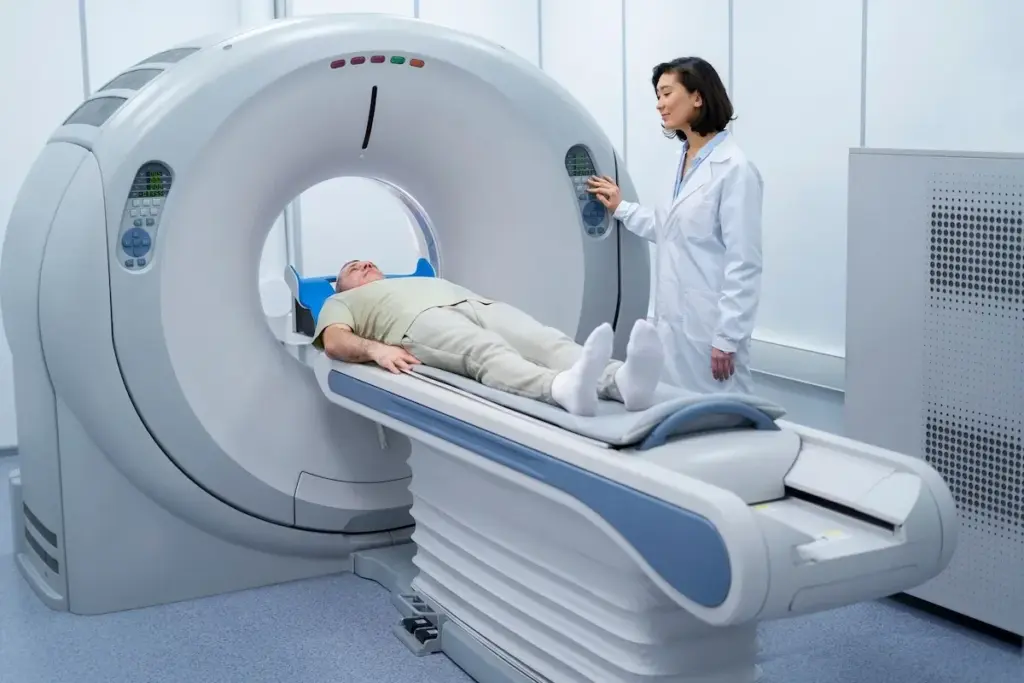
Nuclear medicine uses radioactive tracers to see how the body works and what diseases it has. It’s very important for both finding and treating diseases.
What Is Nuclear Medicine?
Nuclear medicine uses tiny amounts of radioactive materials to help diagnose and treat diseases. These materials are made to go to specific parts of the body. They give detailed pictures or information about what’s happening inside.
Common Diagnostic Applications
Nuclear medicine is used in many ways to diagnose diseases. Here are a few examples:
- Cancer diagnosis and staging
- Cardiac stress testing
- Neurological disorder diagnosis
- Infection and inflammation imaging
The nuclear stress test is a common procedure. It checks how well the heart works under stress. Doctors use it to find heart disease and decide the best treatment.
How Nuclear Medicine Differs from Other Medical Imaging
Nuclear medicine is different from X-rays, CT scans, and MRI scans. It shows how the body’s parts work, not just what they look like. This is key for diagnosing and treating diseases.
|
Imaging Technique |
Primary Use |
Information Provided |
|---|---|---|
|
Nuclear Medicine |
Funcțional imaging |
Information on bodily functions and processes |
|
X Rays |
Anatomical imaging |
Images of internal structures |
|
CT Scans |
Anatomical imaging |
Detailed cross-sectional images |
|
MRI Scans |
Anatomical imaging |
High-resolution images of soft tissues |
Types of Nuclear Medicine Procedures
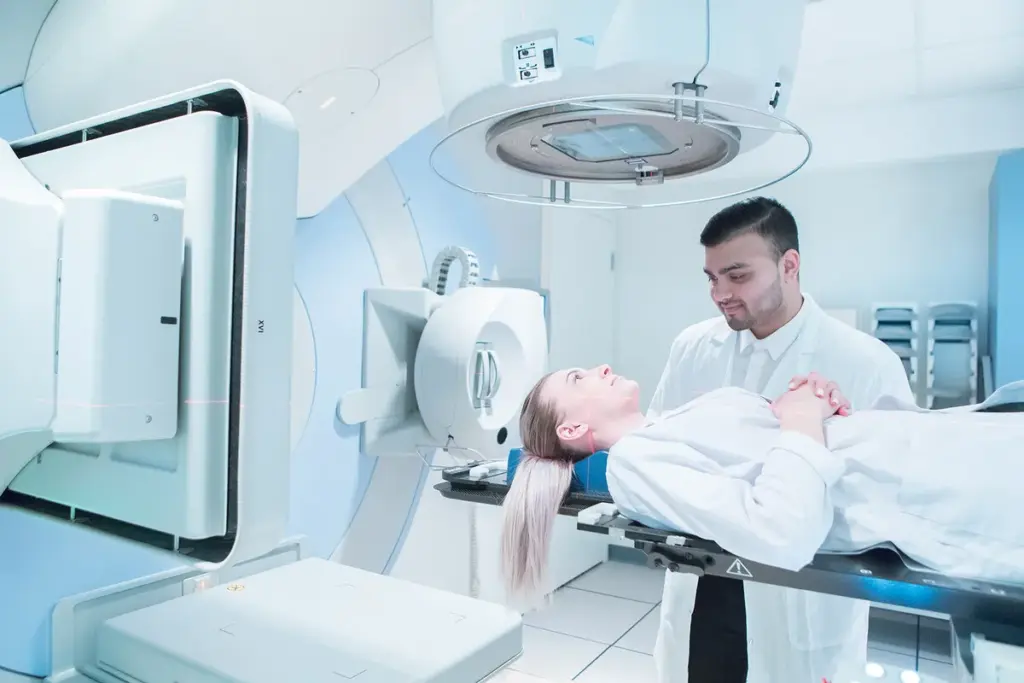
Nuclear medicine procedures fall into two main categories: diagnostic imaging tests and therapeutic treatments. These tests use small amounts of radioactive materials. They help diagnose and treat diseases like cancer, heart disease, and more.
Diagnostic Imaging Tests
Diagnostic imaging tests in nuclear medicine help see how organs or tissues work. Here are some examples:
- PET scans (Positron Emission Tomography): Used to check for cancer, neurological issues, and heart disease.
- Bone scans: Help find bone diseases and cancer that has spread.
- Other diagnostic tests include thyroid scans, gallbladder scans, and heart stress tests.
Therapeutic Nuclear Medicine
Therapeutic nuclear medicine uses radioactive materials to treat diseases. It includes:
- Radioactive Iodine Therapy: Treats thyroid cancer and hyperthyroidism by killing thyroid tissue.
- Radiopharmaceutical therapy for some cancers, targeting cancer cells.
These treatments aim to hit specific areas of the body, protecting healthy tissues. The right treatment depends on the disease type, stage, and the patient’s health.
It’s important for patients to understand nuclear medicine procedures. Knowing what to expect helps them prepare for the tests and their results.
The Nuclear Stress Test Procedure and Process
A nuclear stress test is a way to check the heart’s health. It uses exercise or medicine to stress the heart. Then, imaging shows how well the heart works.
Purpose and Function
This test checks how well the heart works when it’s under stress. Patients might walk on a treadmill or take medicine to increase their heart rate. It helps find out if the heart is getting enough blood, which can show heart disease.
“The nuclear stress test is a valuable diagnostic tool that provides critical information about heart function and helps guide treatment decisions.”
Cardiology Expert
Step-by-Step Procedure Overview
The test has several steps:
- Preparation: Patients are told not to eat or drink certain things before the test.
- Initial Imaging: A tiny amount of radioactive tracer is injected, and the heart is imaged first.
- Stress Test: The patient does a stress test, either by walking on a treadmill or taking medicine.
- Second Imaging: After the stress test, more images are taken to compare with the first ones.
Duration and Patient Experience
The whole test usually takes a few hours. The actual stress test part lasts about 30 to 60 minutes. The total time includes getting ready, the stress test, and the imaging.
|
Procedure Component |
Typical Duration |
|---|---|
|
Preparation |
30 minutes |
|
Stress Test |
30-60 minutes |
|
Imaging |
30-60 minutes |
Knowing what to expect can make the test less scary. It helps patients have a better experience.
Radiation Safety in Nuclear Medicine
The safety of radiation in nuclear medicine is complex. It involves the type of radiopharmaceuticals used and the radiation exposure levels.
Types of Radiopharmaceuticals Used
Nuclear medicine uses radiopharmaceuticals to diagnose and treat diseases. These compounds have small amounts of radioactive material. They target specific areas of the body.
Technetium-99m is used in bone scans. Thallium-201 is used in cardiac stress tests. The choice depends on the application.
Radiation Exposure Levels
The radiation exposure from nuclear medicine varies. It depends on the type and amount of radiopharmaceutical used. Doses are kept low to minimize risk.
|
Procedure |
Typical Radiation Dose (mSv) |
|---|---|
|
Bone Scan |
4-6 |
|
Cardiac Stress Test |
10-20 |
|
Thyroid Scan |
1-5 |
Safety Regulations and Compliance Standards
Nuclear medicine facilities follow strict safety rules. These rules ensure safe handling and administration of radiopharmaceuticals. The Nuclear Regulatory Commission (NRC) in the United States sets these guidelines.
“The safe use of radiopharmaceuticals requires adherence to established protocols and guidelines to minimize radiation exposure to patients, staff, and the public.”
Facilities must follow these regulations. This includes proper storage, handling, and disposal of radioactive materials. They also monitor radiation exposure levels regularly.
Immediate Effects After Nuclear Medicine Procedures
It’s important to know the immediate effects of nuclear medicine for patient safety and comfort. These procedures use small amounts of radioactive materials. They help diagnose or treat diseases.
Common Physical Sensations
Patients might feel mild fatigue, slight dizziness, or discomfort at the injection site after a procedure. These feelings are usually mild and don’t last long.
Cognitive and Motor Function Impact
The effects on thinking and movement are usually small. Some might notice slight changes in cognitive function or minor impairments in motor skills. These effects are short-lived and go away on their own.
Duration of Immediate Effects
The time these effects last can vary. It depends on the procedure and how the person reacts. Most effects are short-term, lasting a few hours to a couple of days. Following the doctor’s instructions is key to a smooth recovery.
Sedation in Nuclear Medicine: Impact on Driving
Nuclear medicine tests often use sedation. This is to help patients relax during tests like nuclear stress tests. It makes sure the tests are accurate and comfortable for the patient.
Types of Sedatives Used
The sedatives used can change based on the test and the patient. Common ones include midazolam and diazepam. These help patients relax and feel less anxious. The doctor picks the sedative based on the patient’s health and the test’s needs.
Duration of Sedative Effects
Sedatives’ effects can last for hours, making it hard to drive safely. How long it lasts depends on the sedative, the dose, and the patient’s health. Doctors usually tell patients not to drive until the sedative’s effects have gone away.
Legal Implications of Driving Under Sedation
Driving on sedatives is dangerous and can lead to legal trouble. In many places, it’s treated the same as driving drunk. Patients should follow their doctor’s advice on when it’s okay to drive again.
It’s important for patients to know how sedation affects their driving. They should plan for other ways to get home after a test with sedation. This is usually the safest option.
Can You Drive After a Nuclear Stress Test?
Many patients worry about driving after a nuclear stress test. This test checks how well the heart works when stressed, often through exercise or medicine.
It’s important to know if you can drive after this test. Most people can, unless they were sedated or have health issues that make driving risky.
Research on Driving Capability Post-Procedure
Studies have looked into how a nuclear stress test affects driving. They found that most people can drive without problems. But, how you react can differ.
- Some patients might feel dizzy or tired.
- Others might have health problems that make driving unsafe.
Statistical Safety Data
Looking at the numbers, driving after a nuclear stress test is mostly safe. Research shows few bad outcomes.
|
Category |
Percentage |
|---|---|
|
Patients who can drive safely after the test |
95% |
|
Patients who experience mild side effects |
4% |
|
Patients advised not to drive |
1% |
Factors That May Impair Driving Ability
Even though the test is usually safe, some things can make driving hard. These include:
- Sedation: If you got sedatives, you’ll need a ride home.
- Underlying Health Issues: Severe tiredness, dizziness, or chest pain can be a problem.
- Reaction to Radiopharmaceuticals: Some rare reactions to the test’s substances can happen.
Always listen to your doctor about driving after a nuclear stress test. Knowing what might affect your safety helps you decide how to get home.
Patient Discharge Protocols After Nuclear Medicine
The discharge process for patients after nuclear medicine is strict. It’s to keep everyone safe. This includes the effects of the radiopharmaceuticals used.
Standard Medical Guidelines
Medical guidelines for discharging patients after nuclear medicine are clear. They focus on the patient’s health and the procedure done. Patients are watched closely before they go home.
Key considerations include:
- The type and dosage of radiopharmaceutical used
- The patient’s renal function and overall health status
- Any possible interactions with other medications
Discharge Timeframes
How long patients stay can vary. It depends on the procedure and how the patient reacts. Usually, patients leave a few hours after the test, when the body has processed the radiopharmaceutical.
|
Procedure Type |
Typical Discharge Timeframe |
|---|---|
|
Nuclear Stress Test |
1-2 hours post-procedure |
|
Diagnostic Imaging |
1-3 hours post-procedure |
Post-Procedure Monitoring Requirements
Monitoring after the procedure is key. Patients are watched for any bad reactions. Their vital signs are checked to make sure they’re okay before they leave.
“Careful monitoring after nuclear medicine procedures is critical for spotting and handling any side effects quickly.”
Nuclear Medicine Specialist
After leaving, patients get advice on managing side effects at home. They also know when to get medical help if needed.
Special Considerations for Thyroid-Related Nuclear Medicine
Nuclear medicine for thyroid conditions needs a deep understanding of its effects on health and driving. It uses small amounts of radioactive materials to diagnose and treat thyroid disorders.
Hypothyroidism Effects on Driving Ability
Hypothyroidism, often caused by thyroid nuclear medicine therapy, can affect driving. Symptoms like fatigue, dry skin, and brain fog can slow down reaction time and judgment.
Fatigue management is key for hypothyroidism patients. This includes regular exercise, a balanced diet, and enough sleep. Patients should learn how to manage fatigue to improve their driving.
Fatigue Management After Thyroid Therapy
Patients after thyroid therapy may feel tired. Fatigue management strategies can help lessen this. These include pacing activities, taking breaks, and living a healthy lifestyle.
- Prioritize rest and avoid overexertion
- Engage in regular physical activity to boost energy levels
- Maintain a balanced diet rich in nutrients
Recovery Timeline for Thyroid Patients
The recovery time for thyroid patients varies. Knowing the recovery process helps plan daily activities, including driving.
Patients should talk to their healthcare provider about driving after thyroid procedures. The provider can give advice based on the patient’s condition and treatment.
When You Should Arrange Alternative Transportation
It’s important to know when you need a different way to get home after nuclear medicine tests. These tests use small amounts of radioactive materials to help doctors diagnose or treat diseases. Even though they are safe, they might make it hard for you to drive afterwards.
Risk Assessment Factors
Several things can affect your ability to drive safely after a test. These include the type of test, how much radioactive material was used, your health, and any medicines you took. It’s key to think about these carefully to see if you can drive.
Key risk factors to consider:
- The specific nuclear medicine procedure you underwent
- Any sedation or medication used during the procedure
- Your physical and mental condition post-procedure
- The duration of the procedure and recovery time
Signs You Shouldn’t Drive
Watch for signs that you shouldn’t drive after a test. Look out for drowsiness, dizziness, confusion, or anything else that might make driving risky. If you notice these symptoms, get a ride from someone else.
Common signs that indicate you shouldn’t drive:
- Feeling unusually tired or drowsy
- Dizziness or lightheadedness
- Confusion or difficulty concentrating
- Any pain or discomfort that could distract you while driving
Planning Your Post-Procedure Transportation
It’s smart to plan ahead. If you’re not sure if you can drive safely, have someone else take you home. This could be a family member, friend, or a professional service.
|
Transportation Option |
Considerations |
|---|---|
|
Family/Friend |
Ensure they are available and willing to drive you |
|
Professional Service |
Research local services and book in advance if necessary |
|
Public Transport |
Check schedules and plan your journey |
By looking at your risk factors, knowing when not to drive, and planning your ride home, you can stay safe and protect others on the road.
Legal and Insurance Implications of Driving After Nuclear Medicine
Driving after nuclear medicine tests can lead to legal and insurance issues. These tests use small amounts of radioactive materials. They can affect a person’s ability to drive safely.
Liability Concerns After Medical Procedures
If a patient gets into an accident after a nuclear medicine test, there could be big liability concerns. The patient and the medical facility might face legal action. This is if they didn’t warn the patient about the risks of driving after the test.
For example, if a patient has a nuclear stress test and isn’t told about possible side effects. If they then cause an accident, they and the healthcare provider might share the blame.
Insurance Coverage Questions
Insurance can also be affected if a patient drives after a nuclear medicine test and has an accident. Insurance companies might check if the patient was told they could drive. If not, they might not cover the claim, leaving the patient with big financial problems.
It’s important for patients to know how their insurance might be affected by driving after medical tests. They should talk to their insurance providers to clear up any questions.
Medical Documentation for Driving Restrictions
Medical documents are key to knowing if a patient can drive after a nuclear medicine test. Healthcare providers must give clear guidelines and documents about driving restrictions after the test.
|
Procedure |
Typical Driving Restriction |
Documentation Required |
|---|---|---|
|
Nuclear Stress Test |
24 hours |
Clearance letter from healthcare provider |
|
Thyroid Treatment |
Until radioactive material is cleared |
Medical report detailing radioactive levels |
Patients need to make sure they get and understand the medical documents from their healthcare providers. These documents are important for insurance and legal reasons in case of any problems.
Hospital Standards and Protocols for Nuclear Medicine
Hospitals have strict rules for nuclear medicine to keep patients safe. These rules help make sure tests like myocardial perfusion imaging are accurate.
also tailor care to each patient’s needs.
Some key parts of their approach include:
- Comprehensive patient assessment before procedures
- Use of state-of-the-art equipment for diagnostic imaging
- Strict adherence to radiation safety guidelines
Liv Hospital’s International Standards
Liv Hospital sticks to international nuclear medicine standards. This means their methods are among the best worldwide. They follow:
|
Standard |
Description |
Benefit |
|---|---|---|
|
IACME Accreditation |
International accreditation for nuclear medicine centers |
Ensures adherence to global standards |
|
Radiation Safety Guidelines |
Strict protocols for handling and administering radiopharmaceuticals |
Minimizes radiation exposure to patients and staff |
Variations in Protocol by Institution
Even with international standards, each hospital can have its own rules. This depends on things like technology, patient types, and research goals.
For example, some hospitals might need more preparation before tests. Others might focus more on care after tests.
It’s key for patients to know about these differences. This helps them make better choices. Healthcare providers should also explain their hospital’s specific rules clearly.
Communicating with Your Healthcare Provider
Talking openly with your healthcare provider is key. It makes sure you’re ready for nuclear medicine tests and know how to care for yourself after. It’s important to ask questions and share any worries you have. This way, you can have a better experience.
Questions to Ask Before Your Procedure
Before a nuclear stress test or any nuclear medicine test, ask the right questions. Find out why you need the test, what risks there are, and what to expect. Also, ask about any special steps you need to take, like fasting or stopping certain medicines.
- What is the purpose of the nuclear stress test?
- Are there any risks or side effects associated with the procedure?
- How should I prepare for the test?
Discussing Your Specific Driving Needs
Talking about driving after the test is very important. Tell your healthcare provider about your driving plans and any worries you have. They can give you advice that fits your situation.
Be sure to mention any worries about driving after the test. This includes side effects from the test or any sedation used.
Getting Clear Post-Procedure Instructions
Following your healthcare provider’s instructions after the test is critical. They might tell you about drinking water, resting, and what activities to avoid. Knowing these can help you recover well and avoid problems.
Remember, your healthcare provider is there to help you. If you have more questions or concerns after the test, don’t hesitate to ask.
Patient Experiences and Real-World Data
Patient experiences and real-world data give us valuable insights into driving safety after nuclear medicine. By looking at patient outcomes and feedback, we learn about the practical effects and risks.
Survey Results on Post-Procedure Travel
Recent surveys have shown what patients go through after driving after nuclear medicine. A big number of patients said they had no problems with driving. But, some felt tired or dizzy, which could affect their driving.
The surveys show most patients felt okay driving home after the procedure. But, it’s key for patients to listen to their doctor’s advice. Everyone reacts differently to the procedure.
Patient Testimonials
Patient stories give us a personal look at nuclear medicine procedures and driving afterward. Many patients have shared their experiences, helping us understand their recovery and driving challenges.
“I was a bit nervous about driving after my nuclear stress test, but I felt fine and was able to drive home without any issues.”
A patient testimonial
Common Questions and Concerns
Patients often wonder about driving after nuclear medicine procedures. They ask about the procedure’s effects, side effects, and managing discomfort while driving.
- How long does the radiopharmaceutical stay in my system?
- Can I drive immediately after the procedure?
- What are the signs that I should not drive after the procedure?
Answering these questions through education and clear instructions is vital. It helps ensure patient safety and comfort.
Conclusion: Making Informed Decisions About Driving After Nuclear Medicine
It’s important for patients to know if they can drive after nuclear medicine tests. Tests like nuclear stress testing need careful thought. Patients should think about their health and the test details before deciding how to get home.
Knowing how nuclear medicine might affect your driving is key. The type of test, any sedatives used, and how you react to the medicine can all play a part. Always listen to your doctor and follow the hospital’s rules for these tests.
To make smart choices about driving after nuclear medicine, understand the test, your body’s state, and plan ahead. This way, you and others on the road stay safe.
FAQ
What is a nuclear stress test?
A nuclear stress test uses a small amount of radioactive material. It helps doctors see how the heart works under stress. This stress is usually caused by exercise or medicine.
How long does a nuclear stress test take?
A nuclear stress test takes about 3-4 hours. This includes getting ready, the test itself, and recovering. The actual test part lasts 15-30 minutes.
Can I drive after a nuclear stress test?
It’s best not to drive right after a nuclear stress test. The test uses radioactive materials and might cause side effects. Always listen to your doctor about driving after the test.
What are the immediate effects after a nuclear stress test?
Right after a nuclear stress test, you might feel tired, dizzy, or sore where the injection was. These feelings usually go away in a few hours.
How long does it take for the radioactive material to be eliminated from the body?
The radioactive material leaves your body in a few hours to days. It depends on the type used. Always follow your doctor’s advice on what to do after the test.
Are there any specific considerations for patients with thyroid conditions undergoing nuclear medicine?
Yes, if you have a thyroid condition, you need to tell your doctor. They’ll make sure your treatment is safe and works well.
What are the legal implications of driving under sedation after a nuclear medicine procedure?
Driving while under sedation is risky and could be illegal. Always listen to your doctor about driving after the test. Plan for another way to get home if needed.
How do hospital standards and protocols for nuclear medicine vary?
Hospital rules for nuclear medicine can differ. It depends on the hospital, where it is, and the procedures. Always check your hospital’s rules and follow your doctor’s advice for safe care.
Why is it important to communicate with my healthcare provider before and after a nuclear medicine procedure?
Talking to your healthcare provider is key for safe care. Ask questions, share your needs, and follow their instructions. This helps avoid risks and gets the best results.
References
- PMC (NCBI). [Article in PMC]. Retrieved from https://pmc.ncbi.nlm.nih.gov/articles/PMC7003059/
- PMC (NCBI). [Article in PMC]. Retrieved from https://pmc.ncbi.nlm.nih.gov/articles/PMC2996147/
- NCBI / PMC. [Article in PMC]. Retrieved from https://www.ncbi.nlm.nih.gov/pmc/articles/PMC5593122/
- American Cancer Society. Radiation Exposure & Nuclear Medicine. Retrieved from https://www.cancer.org/cancer/cancer-causes/radiation-exposure/radiation-nuclear-medicine.html