After chemotherapy, it’s key to feed your body the right foods. This helps in recovery and boosts overall health. A diet full of plant-based nutrients, lean proteins, and healthy fats can lessen side effects. It also helps cancer survivors live longer.
At Liv Hospital, we aim to give top-notch healthcare. We support international patients fully. Our goal is to use the latest medical knowledge for the best results for our patients.
Key Takeaways
- Eating a balanced diet after chemotherapy is key for recovery.
- Plant-based nutrients, lean proteins, and healthy fats are vital for cancer survivors.
- A well-balanced diet can lessen treatment side effects.
- Liv Hospital offers full support for international patients.
- A nutritious diet can boost survival rates among cancer survivors.
Understanding Nutritional Needs During Cancer Treatment
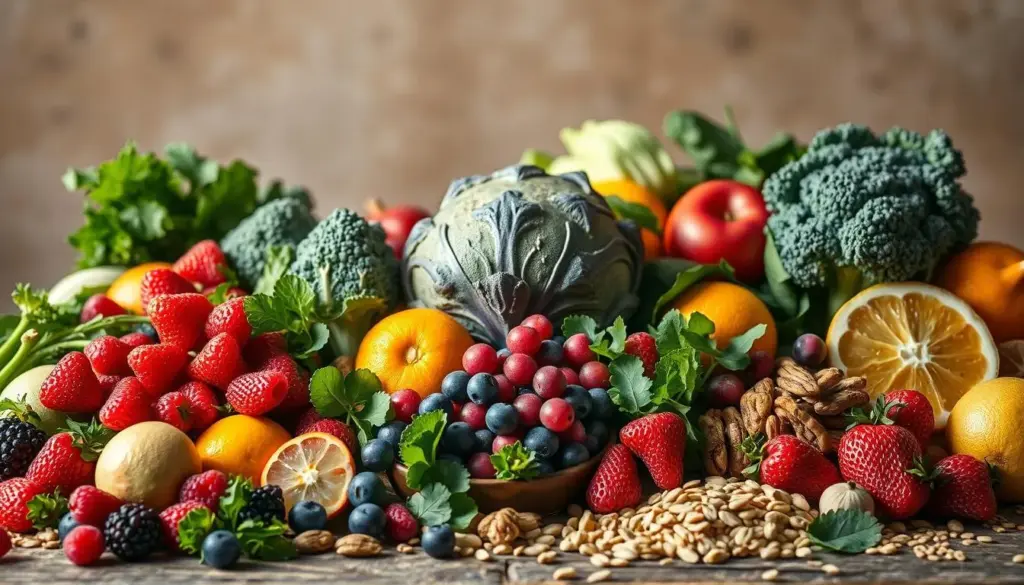
During cancer treatment, understanding your nutritional needs is essential. Patients on chemotherapy need foods full of important nutrients. These help their bodies deal with treatment side effects and aid in recovery.
How Chemotherapy Affects Nutritional Status
Chemotherapy can really mess with how well your body absorbs nutrients. Nausea, vomiting, and changes in taste or smell are common issues. These can make it hard to eat and lead to malnutrition. Also, chemotherapy can harm the digestive tract, making it even harder to get the nutrients you need.
The Role of Nutrition in Recovery and Healing
Nutrition is very important for cancer patients to recover and heal. A balanced diet gives the body what it needs to fix tissues and stay strong. Eating a variety of cancer-fighting foods, like fruits, veggies, and whole grains, boosts the immune system and overall health.
Studies show that eating at least 550–600 grams of veggies and fruits daily can cut cancer deaths by about 14%. This shows how vital it is to eat a wide range of nutrient-rich foods.
Common Nutritional Deficiencies During Treatment
Cancer patients on chemotherapy often face nutritional gaps. They might not get enough protein, vitamin D, and iron. It’s important to get these nutrients through food or supplements to keep strength up and support recovery.
An oncology diet made just for you can help avoid these gaps. It supports your health during and after treatment.
The Science Behind Post-Chemotherapy Nutrition
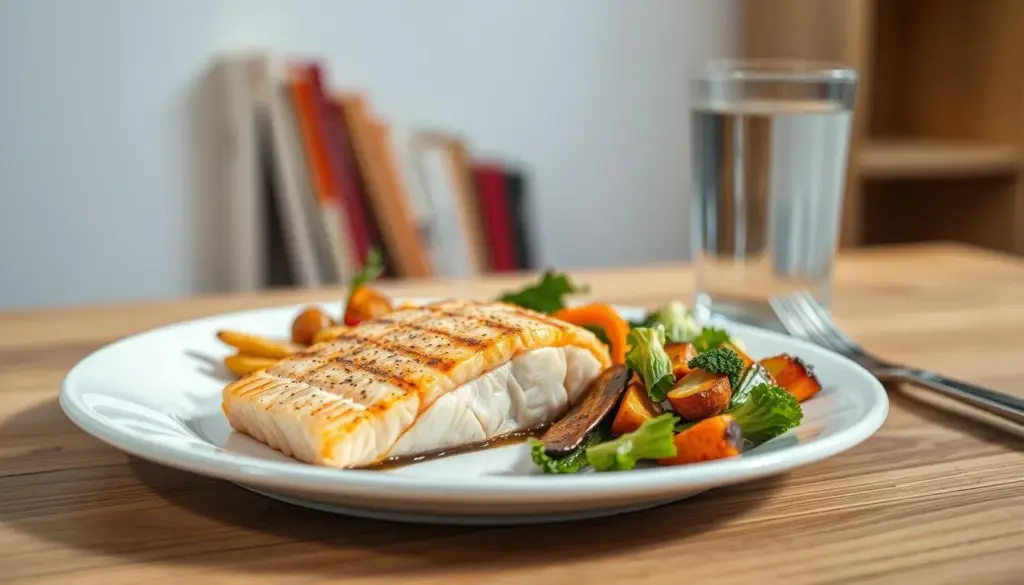
Nutrition is key for cancer patients after chemotherapy. A balanced diet helps in healing, regaining strength, and improving health.
Research on Nutrition and Cancer Survival Rates
Studies show a healthy diet can boost survival rates after cancer treatment. Eating lots of fruits, vegetables, and whole grains is beneficial for cancer survivors.
A study in the Journal of Clinical Oncology found that eating veggies and fruits can help cancer patients live longer. Green-yellow and cruciferous vegetables and citrus fruits are very protective.
Evidence-Based Dietary Recommendations
Experts recommend the following for cancer patients after chemotherapy:
- Eat at least 5 servings of fruits and vegetables daily
- Add whole grains to your meals
- Choose lean proteins
- Avoid processed and high-sugar foods
|
Food Group |
Recommended Daily Intake |
Examples |
|---|---|---|
|
Fruits and Vegetables |
5 servings |
Leafy greens, citrus fruits, berries |
|
Whole Grains |
3-5 servings |
Brown rice, quinoa, whole wheat bread |
|
Lean Protein |
1g per kg body weight |
Chicken, fish, tofu, legumes |
How Proper Nutrition Supports Immune Function
Good nutrition is vital for a strong immune system in cancer patients. Vitamins C, D, and zinc are key for fighting off infections. An immune-boosting diet with whole foods can help recover immune function after chemotherapy.
Following cancer nutrition guidelines and eating a balanced diet can greatly improve recovery and health. It’s important for patients to work with healthcare professionals to create a personalized nutrition plan.
Plant-Based Powerhouses: Vegetables and Fruits
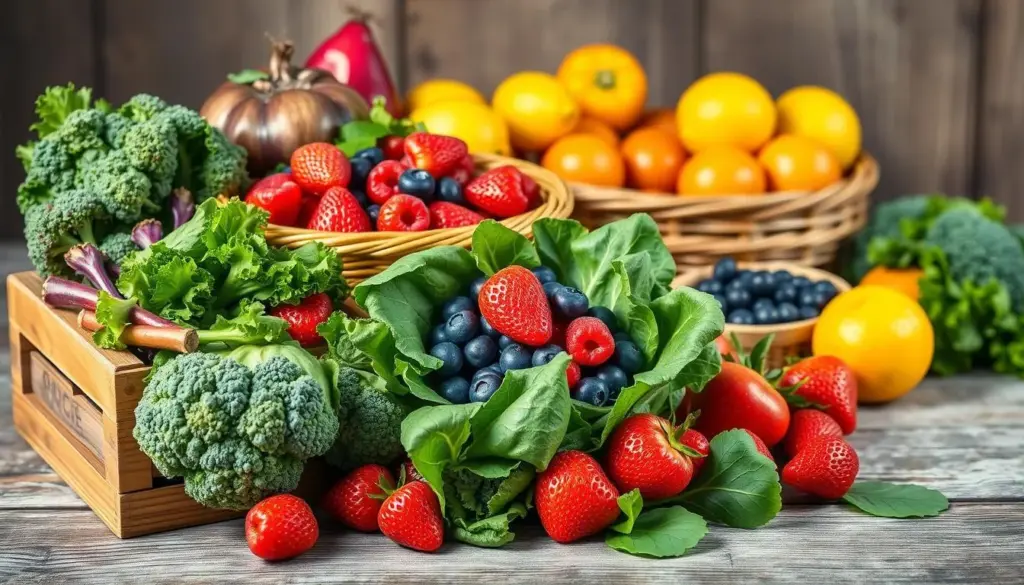
Vegetables and fruits are more than just healthy snacks. They are strong allies in the fight against cancer. Eating a variety of these foods every day can help cancer patients recover better. It’s important to include different types of vegetables and fruits in your diet.
The Importance of 550-600g Daily Intake
Eating 550–600 grams of vegetables and fruits daily can lower cancer deaths by 14%. This amount is key for getting the nutrients, fiber, and antioxidants your body needs. Eating a variety of colors ensures you get all the vitamins and minerals.
|
Vegetable/Fruit Color |
Nutritional Benefits |
|---|---|
|
Green |
Rich in vitamins and minerals, supports immune function |
|
Orange/Yellow |
High in vitamin C and beta-carotene, antioxidant properties |
|
Red |
Contains lycopene, which has been linked to reduced cancer risk |
|
Purple/Blue |
Packed with antioxidants, may help reduce inflammation |
Green-Yellow Vegetables and Their Benefits
Green-yellow vegetables like spinach, broccoli, and bell peppers are full of vitamins A, C, and K, and minerals like potassium. These nutrients boost your immune system, reduce inflammation, and offer antioxidant benefits. Adding different green-yellow vegetables to your meals can strengthen your body’s defense against cancer.
Cruciferous Vegetables: Nature’s Cancer Fighters
Cruciferous vegetables, like broccoli, cauliflower, and kale, have compounds that fight cancer. They help your body detox and may lower cancer risk. We suggest eating these vegetables several times a week.
Citrus and Berries: Antioxidant-Rich Options
Citrus fruits and berries are full of antioxidants and vitamin C. These foods protect cells, boost your immune system, and may lower cancer risk. Adding citrus fruits and berries to your daily meals can greatly benefit your health.
Protein Requirements After Chemotherapy

Chemotherapy can really affect a patient’s nutrition. It’s key to get enough protein to heal. Protein helps fix damaged tissues and organs.
Why Protein Intake Matters (>1g per kg body weight)
After chemotherapy, eating enough protein is very important. It helps fix and rebuild tissues. Studies show that not enough protein can lead to more fatigue and even death.
So, we suggest that cancer patients eat more than 1 gram of protein for every kilogram of their body weight each day. For instance, a 70-kilogram person should aim for 70 grams of protein daily. This can be done by eating a variety of protein-rich foods.
Signs of Protein Deficiency During Treatment
Cancer patients and their caregivers should watch for signs of protein deficiency. These include feeling very tired, weak, and having a weak immune system. If not treated, it can cause serious health problems and make recovery longer.
Keeping an eye on how much protein is being eaten and looking out for these signs is important. It helps make sure the patient gets the right nutrients for healing.
Best Sources of Lean Protein for Cancer Patients
It’s important for cancer patients to eat lean protein sources after chemotherapy. Good options include chicken, fish, beans, lentils, and low-fat dairy. These foods give important protein and other nutrients that help keep the body healthy.
If it’s hard to eat solid foods during treatment, protein shakes or supplements can help. But, it’s best to talk to a doctor or dietitian to find the right nutrition plan.
Essential Fats for Healing and Recovery
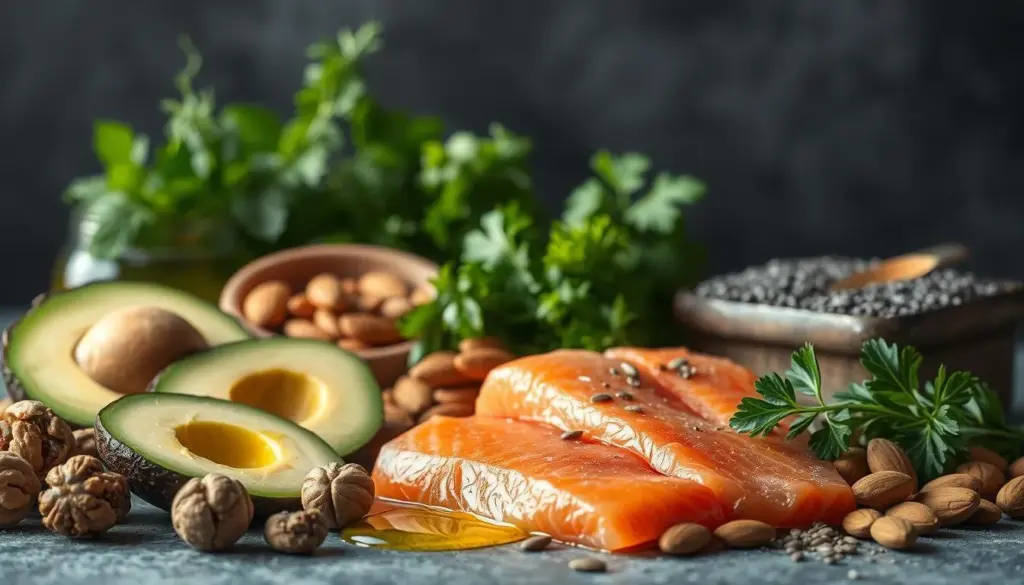
The right fats in your diet help your body heal after chemotherapy. Essential fats are key for health and well-being.
Omega-3 Fatty Acids and Inflammation Reduction
Omega-3 fatty acids fight inflammation, which is great for cancer patients. They help your body recover faster and more effectively.
Benefits of Omega-3 Fatty Acids:
- Reduce inflammation
- Support heart health
- Promote brain function
Healthy Fat Sources for Cancer Patients
Adding healthy fats to your diet is easy. Legumes, fish, and fermented foods are great. They offer fats, protein, and other nutrients.
|
Food Source |
Nutritional Benefits |
|---|---|
|
Fatty Fish (Salmon, Sardines) |
Rich in Omega-3 fatty acids |
|
Legumes (Lentils, Chickpeas) |
High in protein and fiber |
|
Fermented Foods (Kimchi, Sauerkraut) |
Rich in probiotics and vitamins |
Balancing Fat Intake in Your Diet
It’s important to balance fats in your diet for health. Eating a variety of fats supports your body’s functions.
Eating whole foods and watching portion sizes helps. This way, cancer patients can support their healing and recovery.
Whole Grains and Fiber: Supporting Digestive Health
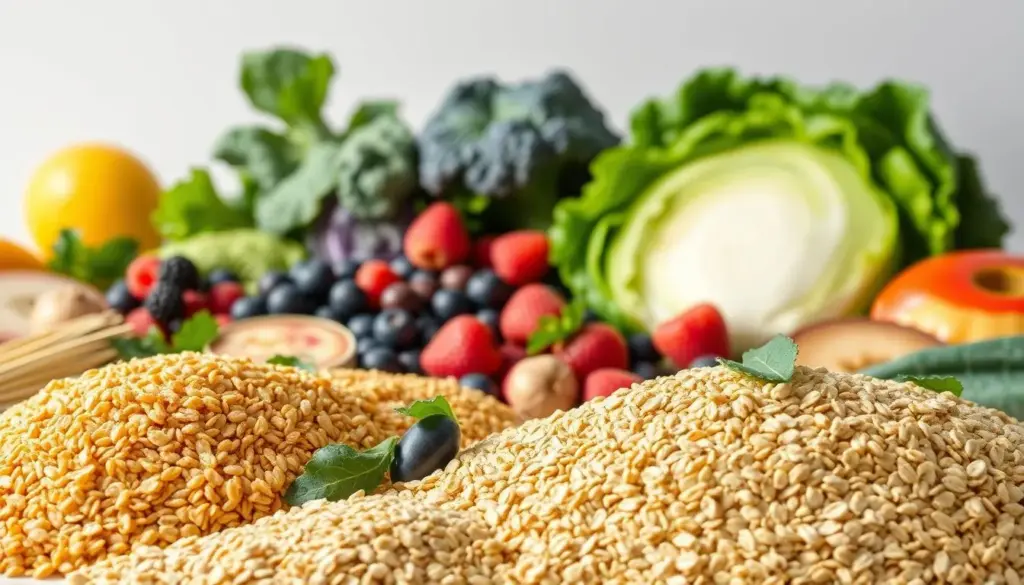
Eating whole grains and fiber can help with digestion and healing after chemo. It’s key to know how these foods help us feel better during recovery.
Benefits of Fiber for Cancer Survivors
Fiber is essential for a healthy gut, which is vital for cancer survivors. Studies show that eating more fiber after diagnosis can help breast cancer patients live longer. Fiber does many good things:
- It helps with regular bowel movements and prevents constipation.
- It supports good gut bacteria.
- It helps control blood sugar levels.
- It makes you feel full, which can help with weight.
To get these benefits, cancer survivors should eat foods high in fiber like fruits, veggies, and whole grains.
Best Whole Grain Options After Chemotherapy
Whole grains are packed with fiber, vitamins, and minerals. Here are some top whole grain choices for cancer survivors:
|
Whole Grain |
Nutritional Benefits |
|---|---|
|
Quinoa |
High in protein, fiber, and various minerals |
|
Brown Rice |
Rich in fiber, manganese, and selenium |
|
Whole Wheat Bread |
Good source of fiber, B vitamins, and minerals |
|
Oats |
High in fiber, supports heart health |
Eating these whole grains can give you important nutrients and help with recovery.
Addressing Constipation and Digestive Issues
Constipation is common in cancer patients, and even more so during chemo. Eating more whole grains, fruits, and veggies can help. Drinking enough water is also key to avoid constipation.
Start slowly adding more fiber to your diet. Sudden changes can cause discomfort. If you have ongoing digestive problems, talk to a doctor or dietitian for help.
Hydration Strategies During and After Treatment
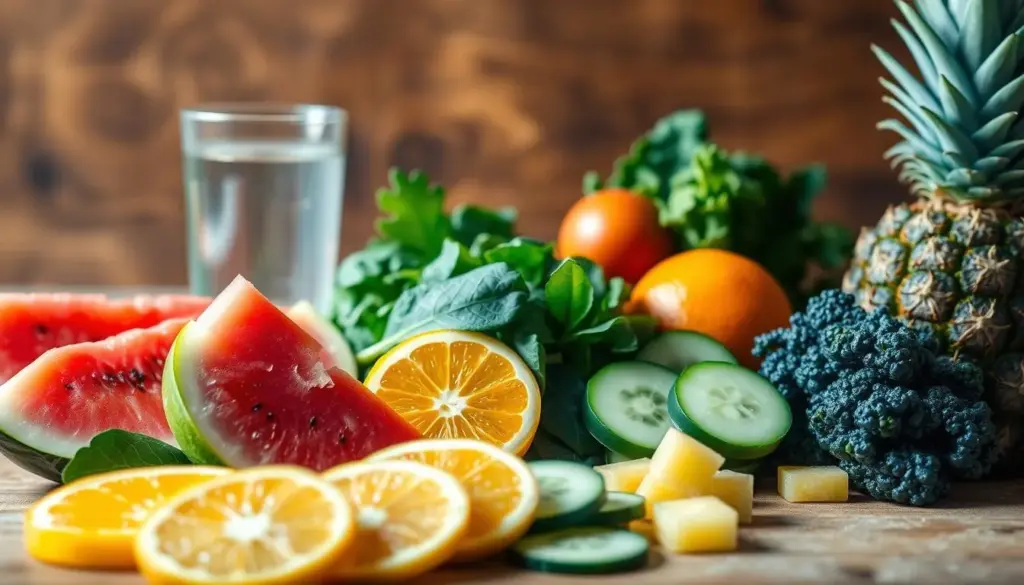
Drinking enough water is key for cancer patients going through treatment. It helps reduce side effects and aids in recovery. Drinking fluids keeps the body working right, helps with treatment issues, and improves life quality. We’ll look at why hydration is important, how to drink enough water, and spotting dehydration signs.
Meeting Daily Fluid Requirements
It’s important for cancer patients to drink enough water each day. Doctors usually say to drink eight to ten glasses of water. But, how much you need can change based on your treatment, where you live, and how active you are. Checking your urine color is a good way to see if you’re drinking enough. It should be light yellow or clear. Always talk to your doctor about how much water you should drink.
Hydrating Foods and Beverages
Eating foods with lots of water can also help you stay hydrated. Foods like watermelon, cucumbers, and celery are not only refreshing but also full of water. Herbal teas and clear broths are great for staying hydrated too. We suggest adding these to your diet to help meet your hydration needs.
Signs of Dehydration to Watch For
Knowing the signs of dehydration is very important. Look out for dry mouth, feeling very tired, dizzy, and dark urine. If you ignore these signs, dehydration can get worse. It could even lead to serious problems like kidney stones or failure. If you notice these signs, tell your doctor right away.
A Nutritious Diet for Cancer Patients: Creating Balanced Meals
A good meal plan can really help those going through cancer treatment. It’s key to make sure they eat well to help them get better and stay healthy.
The Ideal Plate Model for Cancer Recovery
The ideal plate model is a simple way to make sure cancer patients eat right. You should divide your plate into parts. Half should be veggies and fruits, a quarter for lean proteins, and the last quarter for whole grains.
Key components of the ideal plate model include:
- Vegetables and Fruits: Try to eat different colors to get lots of vitamins and minerals.
- Lean Protein: Eat foods like chicken, fish, and beans to keep muscles strong.
- Whole Grains: Pick brown rice, quinoa, and whole wheat for fiber and carbs.
Sample Meal Plans and Recipes
Having sample meal plans and recipes can help with a cancer diet. Here’s a daily meal plan example:
- Breakfast: Oatmeal with berries and nuts, plus low-fat milk.
- Lunch: Grilled chicken with roasted veggies and quinoa.
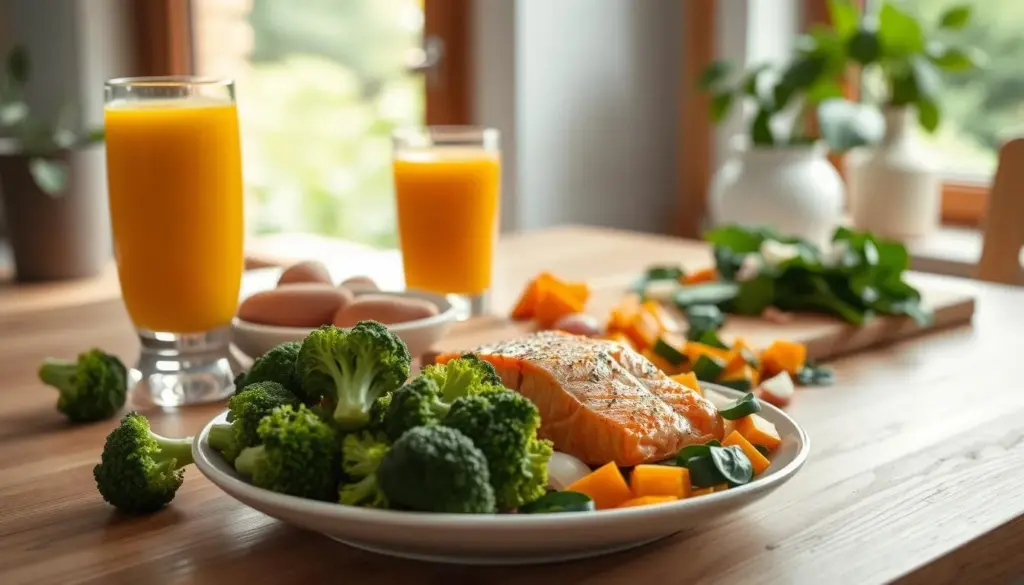
- Dinner: Baked salmon with sweet potato and steamed broccoli.
- Snacks: Try fresh fruit, carrot sticks with hummus, or nuts.
These meals are not only healthy but also simple to make. You can change them to fit your taste and dietary needs.
Nutrient Timing and Meal Frequency
When and how often you eat is important in an oncology diet. Eating smaller meals more often can help with side effects like nausea and tiredness.
Tips for nutrient timing include:
- Eat a balanced meal or snack every 3-4 hours to keep your energy up.
- Make sure to have protein at each meal to help your muscles.
- Drink lots of water all day to stay hydrated.
By following these tips and using the ideal plate model, cancer patients can make a diet that helps them recover and stay healthy.
Foods to Limit or Avoid After Chemotherapy
After chemotherapy, it’s key to watch what you eat to help your body heal. The foods you pick can greatly affect how well you recover and regain strength.
Processed Foods and Cancer Risk
Processed foods are often full of unhealthy fats, salts, and sugars. These can harm your health, even more so when you’re recovering. Try to eat fewer processed foods to keep your energy up and avoid complications.
Stay away from packaged snacks, frozen meals, and processed meats. Choose whole foods like veggies, fruits, and lean proteins instead.
Sugar and Its Impact on Recovery
Too much sugar can cause inflammation and weaken your immune system. Try to cut down on sugary drinks and foods with added sugars. This can help manage your symptoms and aid in recovery.
Watch out for hidden sugars in foods like sauces, condiments, and some healthy-looking snacks. Instead, go for natural sweetness from fruits.
Alcohol Considerations for Cancer Patients
Drinking alcohol can affect cancer patients in different ways. It might interact with treatments and harm your health. It’s usually best to limit or avoid alcohol during and after treatment to stay safe.
If you’re thinking about drinking alcohol, talk to your doctor first. They can give you advice based on your specific situation and treatment plan.
By paying attention to these dietary tips, you can make choices that help your recovery and long-term health. Eating a balanced diet full of cancer-fighting foods and following dietary advice for cancer patients can greatly improve your health outcomes.
Managing Treatment Side Effects Through Nutrition
Nutrition is a powerful tool in alleviating the side effects associated with cancer treatment. A well-balanced diet can help manage symptoms, support the body’s recovery, and improve overall well-being during and after treatment.
Dietary Strategies for Nausea and Vomiting
Nausea and vomiting are common side effects of chemotherapy. To manage these symptoms, we recommend:
- Eating small, frequent meals to avoid overwhelming the stomach
- Choosing bland, easily digestible foods like crackers, toast, or plain rice
- Avoiding strong-smelling foods and cooking odors
- Staying hydrated with clear fluids like broth, electrolyte-rich beverages, or water
As one patient noted, “Ginger tea became my savior during chemotherapy. It helped soothe my stomach and made me feel more comfortable.”
“The nutritional support I received during treatment made a significant difference in how I felt. It’s something I wish I had known about earlier.”
Addressing Taste Changes and Food Aversions
Chemotherapy can alter taste perceptions, making some foods unappealing. To combat this:
- Experiment with different flavors and textures to find what works best
- Use marinades or seasonings to enhance flavor
- Choose foods that are high in protein and calories to meet nutritional needs
|
Food |
Pre-Treatment Taste |
During Treatment Taste |
|---|---|---|
|
Coffee |
Rich, bold flavor |
Bitter, unpleasant |
|
Chicken |
Juicy, savory |
Dry, tasteless |
Combating Fatigue Through Nutrition
Fatigue is a prevalent side effect of cancer treatment. Nutritional strategies to combat fatigue include:
- Consuming adequate protein to maintain muscle mass
- Eating complex carbohydrates for sustained energy
- Staying hydrated to prevent dehydration-related fatigue
Example Meal Plan:
- Breakfast: Oatmeal with banana and almond butter
- Lunch: Grilled chicken with quinoa and steamed vegetables
- Snack: Greek yogurt with berries and honey
Mouth Sores and Appropriate Food Choices
Mouth sores can make eating uncomfortable. To manage this:
- Opt for soft, bland foods that are easy to chew and swallow
- Avoid spicy, acidic, or sharp foods that can irritate sores
- Use a straw to drink liquids if mouth sores are painful
By incorporating these dietary strategies, cancer patients can better manage treatment side effects and support their overall health and recovery.
Immune-Boosting Foods and Supplements
Nutrition is key in supporting the immune system, both during and after cancer treatment. A balanced diet full of essential nutrients can strengthen the body’s defenses. This can lower the risk of infection and possibly improve treatment outcomes.
Probiotics and Fermented Foods
Probiotics are live microorganisms that offer health benefits when consumed in the right amounts. They are found in foods like yogurt, kefir, sauerkraut, and kimchi. Adding probiotics to your diet can improve gut health, which is linked to immune function. Studies show that probiotics can also reduce some treatment side effects, like diarrhea.
Some probiotic-rich foods include:
- Yogurt with live cultures
- Kefir, a fermented milk drink
- Sauerkraut, finely shredded fermented cabbage
- Kimchi, a Korean fermented vegetable dish
- Miso, a fermented soybean paste
Antioxidant-Rich Foods for Immune Support
Antioxidants protect cells from damage by free radicals, unstable molecules that can harm cells. Foods high in antioxidants, like vitamins C and E, and beta-carotene, support immune function. These include a variety of fruits and vegetables, nuts, and seeds.
Antioxidant-rich foods to add to your diet are:
- Berries, such as blueberries and strawberries
- Citrus fruits like oranges and grapefruits
- Leafy greens, including spinach and kale
- Nuts and seeds, such as almonds and sunflower seeds
Vitamin and Mineral Supplements: When They’re Necessary
While a balanced diet is best, supplements may be needed in some cases. Always talk to a healthcare provider before taking any supplements, as they can interact with treatments or have side effects.
Key nutrients that may be supplemented include:
- Vitamin D, important for immune regulation
- Zinc, which supports immune cell function
- Omega-3 fatty acids, which may help reduce inflammation
By adding immune-boosting foods and supplements to your diet, you can support your immune system during and after cancer treatment.
Practical Tips for Meal Preparation During Recovery
For cancer patients recovering, making meals is key. It helps with healing and getting better. Cooking can be tough because of side effects like tiredness, taste changes, and nausea. But, with some planning and simple tips, you can eat well.
Batch Cooking and Freezing Strategies
Batch cooking is a smart way to prepare meals. It means cooking a lot at once, then freezing it for later. This saves time and energy, making sure you have healthy food when you need it.
- Choose simple, nutritious recipes that can be cooked in bulk, such as soups, stews, and casseroles.
- Use a slow cooker to prepare meals that simmer throughout the day, filling your home with comforting aromas and requiring minimal supervision.
- Portion cooked meals into individual servings and freeze them for easy reheating.
Easy-to-Prepare Nutrient-Dense Meals
It’s important to eat meals that are full of nutrients during recovery. These meals should have lots of protein, fiber, and healthy fats. They help your body heal.
Some easy-to-prepare meal ideas include:
- Omelets with vegetables and cheese
- Salads with pre-cooked chicken or beans
- Whole grain toast with avocado and eggs
- Smoothies made with yogurt, fruit, and spinach
Kitchen Tools That Make Healthy Eating Easier
Having the right kitchen tools can make cooking easier during recovery. Here are some essentials that can help a lot:
- A slow cooker for hands-off meal preparation
- A food processor for quickly chopping vegetables and making sauces
- A microwave for reheating frozen meals and cooking vegetables
- Easy-to-use kitchen utensils, such as a one-handed can opener
By using these tips, you can keep eating healthy during recovery. This supports your body’s healing and improves your overall health.
When to Seek Professional Nutritional Support
It’s important for cancer patients to know when to get help with nutrition. Good nutrition is key to recovery. Getting advice from experts can greatly improve health and happiness.
The Role of Oncology Dietitians
Oncology dietitians are experts in nutrition for cancer patients. They create special diets to help manage side effects and keep nutrition levels high.
Benefits of Consulting an Oncology Dietitian:
- Personalized nutrition plans
- Management of treatment side effects
- Improved overall health and well-being
The Academy of Nutrition and Dietetics says, “Oncology dietitians are key in helping cancer patients with nutrition challenges.”
“The right nutrition plan can significantly impact a cancer patient’s quality of life and recovery outcomes.”Nutrition expert
Warning Signs of Nutritional Problems
Knowing when to seek help is important. Look out for these signs:
- Unintended weight loss or gain
- Persistent nausea or vomiting
- Difficulty swallowing
- Severe fatigue
If you see these symptoms, talk to a healthcare provider or oncology dietitian right away.
Insurance Coverage for Nutrition Counseling
Many insurance plans cover nutrition counseling for cancer patients. Check your policy to see what’s covered.
Tips for Checking Insurance Coverage:
- Review your insurance policy documents
- Contact your insurance provider directly
- Ask about any out-of-pocket costs associated with nutrition counseling
Getting professional nutritional support can help cancer patients recover better. It improves their quality of life.
Special Dietary Considerations for Different Cancer Types
It’s key to know the dietary needs for each cancer type for a good recovery. Cancer patients need nutrition plans that fit their specific situation and treatment.
Breast Cancer and Estrogen-Sensitive Cancers
For those with breast cancer and other cancers sensitive to estrogen, what you eat matters a lot. Eating foods high in omega-3 fatty acids, like salmon and flaxseeds, can lower inflammation. Also, eating lots of fruits, veggies, and whole grains is good.
Colorectal Cancer Dietary Recommendations
People with colorectal cancer should eat a lot of fiber. This helps with symptoms and keeps the digestive system healthy. Whole grain bread, brown rice, and colorful veggies are great choices. Drinking plenty of water and avoiding processed foods is also key.
Head and Neck Cancer Nutrition Challenges
Head and neck cancer patients face special nutrition challenges. Eating small, frequent meals and soft, nutrient-rich foods helps with chewing and swallowing. Sometimes, nutritional supplements are needed to get all the vitamins and minerals.
By making dietary choices based on the cancer type, patients can better handle their treatment. This helps a lot in their recovery.
Conclusion: Building a Sustainable Post-Treatment Nutrition Plan
A nutritious diet is key for cancer patients to recover well and stay healthy. Eating foods rich in nutrients can help manage side effects and boost the immune system. This improves life quality greatly.
It’s important to eat whole foods like vegetables, fruits, lean proteins, and grains. These foods are full of nutrients that help your body heal.
Studies show that certain diets are good for cancer survivors. For instance, a study on the National Center for Biotechnology Information website talks about the role of nutrition in recovery. It shows how important it is to make smart food choices for your health.
are backed by research. By following these strategies, you can make choices that help your health in the long run.
We suggest that cancer survivors get help from a healthcare professional or a registered dietitian. They can create a nutrition plan that fits your needs. This way, you can make sure you’re getting the right nutrients to help you thrive after treatment.
FAQ
What are the best foods to eat after chemotherapy?
Eat foods rich in plant-based nutrients, lean proteins, and healthy fats. Choose vegetables, fruits, whole grains, and lean proteins. These foods help fight cancer.
How does chemotherapy affect nutritional status?
Chemotherapy can cause nutritional deficiencies and weight loss. It also changes taste and appetite. Working with a healthcare provider is key to managing these effects.
What is the recommended daily intake of vegetables and fruits?
Aim for 550-600g of vegetables and fruits daily. Include green-yellow and cruciferous vegetables, citrus fruits, and berries.
How much protein do cancer patients need after chemotherapy?
Cancer patients need more than 1g of protein per kg body weight daily. This supports recovery and healing.
What are the benefits of omega-3 fatty acids for cancer patients?
Omega-3 fatty acids reduce inflammation and boost immune function. They help in recovery and healing.
How can cancer patients stay hydrated during treatment?
Drink plenty of water and eat hydrating foods and drinks. Watch for signs of dehydration like dark urine or dizziness.
What foods should be limited or avoided after chemotherapy?
Limit or avoid processed foods, sugar, and alcohol. They can harm recovery and health.
How can nutrition help manage treatment side effects?
A balanced diet can ease symptoms like nausea, vomiting, fatigue, and mouth sores. Specific diets can help manage these side effects.
Are supplements necessary for cancer patients?
Supplements may be needed in some cases. Always talk to a healthcare provider before adding supplements. Probiotics, antioxidants, and vitamin and mineral supplements can be beneficial.
When should cancer patients seek professional nutritional support?
Seek professional support if experiencing significant weight loss, nutritional deficiencies, or other nutrition problems. Oncology dietitians offer personalized guidance and support.
Are there specific dietary recommendations for different types of cancer?
Yes, different cancers may need specific diets. For example, breast cancer patients should focus on estrogen-sensitive foods. Colorectal cancer patients need a diet rich in fiber.
How can cancer patients create a sustainable post-treatment nutrition plan?
Work with a healthcare provider to create a personalized nutrition plan. Include a balanced diet, healthy eating habits, and ongoing support.
References
National Center for Biotechnology Information (PMC). PMC7666913.
https://pmc.ncbi.nlm.nih.gov/articles/PMC7666913/