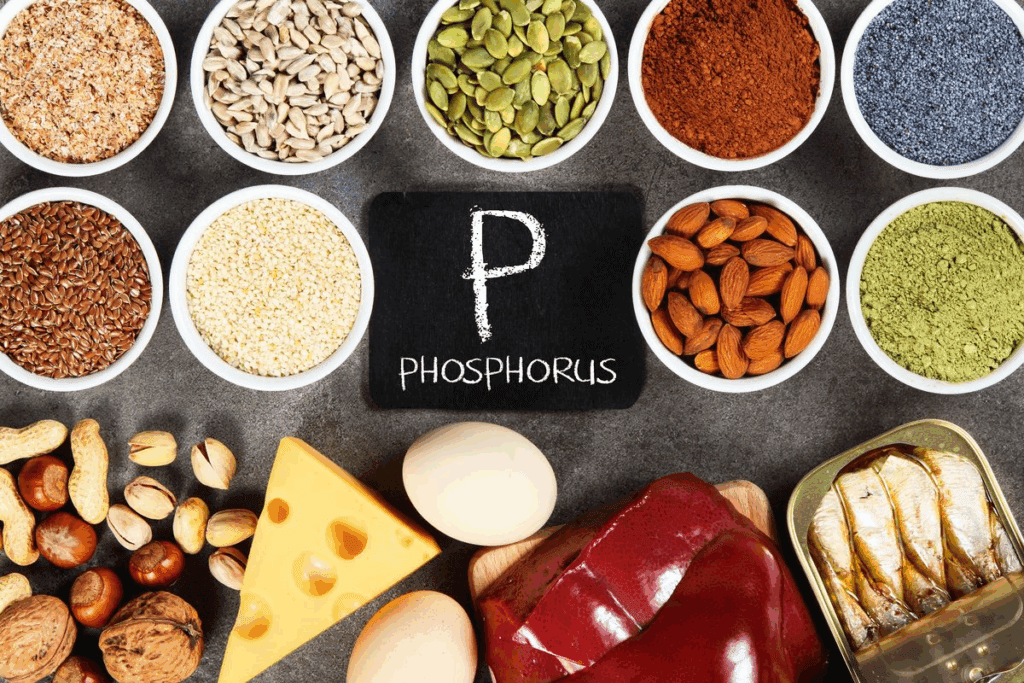
For those with kidney disease, knowing what nuts to eat can be tricky. Nuts are good for the heart because of their healthy fats. But, they also have potassium and phosphorus, which can be a worry.nuts high in potassiumFoods High in Calcium for Bone Strength
Nuts can be a valuable part of a kidney-friendly diet if you know how to eat them. Most people with chronic kidney disease don’t need to cut out nuts. But, if your blood tests show high levels of certain minerals, you might need to be careful.
We’ll look at which nuts are good for your kidneys and which to eat with caution. We’ll help you make smart choices about nuts.
Key Takeaways
- Nuts can be part of a healthy diet for individuals with kidney disease.
- Understanding the nutritional benefits and risks of different nuts is important.
- Laboratory results can guide the decision to limit or avoid certain nuts.
- Making informed choices about nut consumption is key to a kidney-friendly diet.
- A personalized approach to nutrition is essential for managing kidney health.
The Connection Between Kidney Health and Diet
It’s important to know how diet affects kidney health. Our kidneys filter waste and extra nutrients from the blood. What we eat can help or hurt their job.
Our kidneys filter about 200 liters of blood every day. They remove waste and extra stuff that could harm us. They also process the nutrients we get from food, keeping us healthy.
How Kidneys Filter Nutrients and Waste
The kidneys filter nutrients and waste through tiny units called nephrons. Each nephron has a glomerulus, where blood is first filtered. This lets small stuff like water and glucose pass through, but keeps big stuff like proteins back.
As the filtered stuff moves through the nephron, good nutrients get back into the blood. Waste products keep going and end up in our urine. This balance is key for our body’s health.
Why Mineral Content Matters for Kidney Function
The minerals in our diet are key for our kidneys. Too much of some minerals can be hard on our kidneys. For example, too much potassium and phosphorus can be tough for people with kidney disease.
Knowing what minerals are in our food, like nuts, is important for kidney health. Nuts are full of minerals, but we need to eat them in the right amounts for our kidneys.
Nutritional Benefits of Nuts for Overall Health

Nuts are packed with nutrients, making them great for a healthy diet. They have heart-healthy fats, proteins, and vitamins and minerals. These help improve your overall health.
Heart-Healthy Fats in Nuts
Nuts are full of fats that are good for your heart. They have monounsaturated and polyunsaturated fats. These fats can lower bad cholesterol and reduce heart disease risk.
Eating nuts can be a simple way to keep your heart healthy. Walnuts, for example, have a lot of alpha-linolenic acid (ALA). This omega-3 fatty acid is good for your heart.
Protein Content and Kidney Considerations
Nuts are also a good protein source. They’re great for people who want to eat more protein. But, if you have kidney disease, watch how much protein you get from nuts.
It’s best to talk to a doctor or dietitian about how much protein you should eat.
Vitamins and Minerals in Nuts
Nuts are also full of vitamins and minerals. They have vitamin E, magnesium, and potassium. These nutrients help keep you healthy, from boosting your immune system to controlling blood pressure.
Nuts are a key part of a balanced diet. They give you important nutrients for good health.
Nuts High in Potassium: What Kidney Patients Should Monitor
Nuts can be a healthy snack, but for kidney patients, their high potassium content is a concern. Potassium helps keep fluid balance and supports a healthy heart. But, people with kidney disease might need to watch their potassium intake because their kidneys can’t remove it well.
For kidney patients, knowing the potassium in nuts is key. High potassium levels can lead to serious heart problems. So, it’s important to keep an eye on and manage potassium intake carefully.
Potassium Levels in Common Nuts
Different nuts have different amounts of potassium. For example:
- Almonds: 718 mg per ounce (28g)
- Pistachios: 291 mg per ounce (28g)
- Walnuts: 125 mg per ounce (28g)
- Pecans: 113 mg per ounce (28g)
Some nuts have a lot more potassium than others. It’s important for kidney patients to know these levels to make good food choices.
Potassium Restrictions Based on Kidney Function
The amount of potassium to limit depends on kidney function. For those with advanced kidney disease or CKD, it’s often necessary to limit potassium. The exact limit will depend on a healthcare provider’s advice based on your health and lab results.
Potassium in Nuts Chart for Quick Reference
Here’s a quick chart of potassium in common nuts:
Nut Type | Potassium Content (mg) per ounce (28g) |
Almonds | 718 |
Pistachios | 291 |
Walnuts | 125 |
Pecans | 113 |
This chart helps kidney patients see which nuts are safer to eat in small amounts and which to avoid or limit.
Low Potassium Nuts: Best Choices for Kidney Health
For people with kidney disease, it’s key to watch their potassium intake. The right nuts can help a lot. Nuts are full of good stuff like vitamins, minerals, and healthy fats. But, their potassium levels vary a lot.
We’ll look at the best nuts with low potassium for those with kidney health issues.
Macadamia Nuts: The Kidney-Friendly Champion
Macadamia nuts are great for the kidneys because they have very little potassium. They have about 104 mg of potassium per ounce, which is very low. They’re also full of healthy fats, making them good for the heart. Plus, they have protein, vitamins, and minerals, adding to their nutritional value.
Pecans: Safe and Nutritious Option
Pecans are also low in potassium, making them safe for those with kidney issues. One ounce of pecans has about 116 mg of potassium. They’re packed with antioxidants and minerals like zinc, magnesium, and phosphorus, which are good for health. They also have healthy fats and protein, making them a great choice for a kidney-friendly diet.
Nut Type | Potassium Content (mg/oz) | Nutritional Highlights |
Macadamia Nuts | 104 | Rich in healthy fats, protein, vitamins, and minerals |
Pecans | 116 | High in antioxidants, zinc, magnesium, and phosphorus |
When adding nuts to a kidney-friendly diet, think about their potassium and what else they offer. Both macadamia nuts and pecans are tasty and packed with nutrients. They help manage potassium while providing healthy fats, proteins, and minerals.
Are Pistachios Good for Kidneys?
Understanding pistachios’ nutritional value is key for kidney health. We’ll look at pistachios’ impact on kidneys, including potassium, phosphorus, heart health, and serving sizes for those with kidney disease.
Potassium and Phosphorus Content in Pistachios
Pistachios have nutrients good for health, but their minerals matter more for kidney patients. One ounce, or 49 nuts, has about 291mg of potassium and 139mg of phosphorus. These amounts are moderate compared to other nuts. For those with kidney disease, controlling potassium and phosphorus is vital.
Heart-Healthy Benefits of Pistachios
Pistachios are great for heart health, which is important for kidney disease patients. The fats in pistachios help keep cholesterol levels healthy. They also have antioxidants that fight stress and inflammation.
Recommended Serving Sizes for Kidney Patients
Kidney patients should watch their pistachio portions. A serving size of 1 ounce (49 nuts) is suggested. Always check with a healthcare provider or dietitian for the right serving size for you.
In summary, pistachios can be good for a kidney-friendly diet if eaten in moderation. Knowing their nutritional value and following serving sizes helps kidney disease patients enjoy pistachios while keeping their kidneys healthy.
Are Walnuts Kidney Friendly? Omega-3 Benefits and Considerations
Walnuts are packed with omega-3 fatty acids and antioxidants. But, they might not be the best choice for everyone with kidney disease. It’s important to know their nutritional benefits and possible drawbacks. This helps us understand how to safely add them to a kidney-friendly diet.
Walnut’s Unique Nutritional Profile
Walnuts stand out because they’re full of alpha-linolenic acid (ALA), an omega-3 fatty acid. They also have fiber, protein, and minerals. Here’s what makes walnuts special:
- High in ALA, a type of omega-3 fatty acid
- Rich in antioxidants
- Good source of dietary fiber
- Contains protein and healthy fats
Let’s look at how walnuts compare to other nuts in terms of minerals.
Nut Type | Potassium (mg/oz) | Phosphorus (mg/oz) |
Walnuts | 125 | 98 |
Almonds | 718 | 136 |
Pecans | 144 | 82 |
Balancing Omega-3 Benefits with Mineral Content
Walnuts are great for health because of their omega-3s. But, we must think about their minerals like potassium and phosphorus. People with kidney disease might need to watch their mineral intake.
It’s all about finding the right balance. For those with kidney disease, a little bit of walnuts can be okay. It’s about not overdoing it on potassium or phosphorus.
How to Include Walnuts Safely in a Kidney Diet
To add walnuts to your diet safely, follow these tips:
- Start with a small serving size (about 1 ounce or a small handful) to gauge your body’s response.
- Monitor your potassium and phosphorus levels if you’re consuming walnuts regularly.
- Balance your diet with other nutrient-dense foods that are lower in potassium and phosphorus.
By watching your portion sizes and keeping your diet balanced, you can enjoy walnuts. They can be a part of a healthy diet for those with kidney disease.
Are Almonds Good for Kidney Disease?
Almonds are a nutritious snack, but they need careful thought for kidney disease. They are full of healthy fats, protein, and fiber. But, they also have a lot of potassium and phosphorus, which can be a problem for those with kidney issues.
Almonds and Kidney Health: The Facts
Almonds are good for the heart because of their fats and antioxidants. But, for people with kidney disease, their potassium and phosphorus can be a worry. Too much of these minerals can harm kidneys that don’t work well.
It’s important to think about the good and bad of almonds for kidney health. A study in the Journal of Renal Nutrition says almonds can be okay for those with chronic kidney disease (CKD). But, it’s important to watch how much you eat.
Potassium and Phosphorus in Almonds
One ounce of almonds, or about 23 nuts, has 718 mg of potassium and 137 mg of phosphorus. For those with CKD, it’s key to keep an eye on these minerals to avoid problems.
Nut | Potassium Content (mg/oz) | Phosphorus Content (mg/oz) |
Almonds | 718 | 137 |
Walnuts | 441 | 107 |
Pecans | 410 | 83 |
The table shows almonds have more potassium and phosphorus than walnuts and pecans.
Portion Control Guidelines for CKD Patients
CKD patients should watch their almond intake. It’s best to eat small amounts to not get too much potassium and phosphorus.
“Managing mineral intake is a critical aspect of dietary management for CKD patients. Limiting portion sizes of high-potassium and high-phosphorus foods like almonds is essential.” – Registered Dietitian
A good serving size for almonds is about 1/4 ounce or a small handful (around 6-8 almonds). This size helps balance nutrition with careful mineral intake.
In summary, almonds can be good for a kidney-friendly diet, but CKD patients should eat them in small amounts. This way, they can enjoy almonds’ health benefits while keeping their kidneys safe.
Are Peanuts Bad for Your Kidneys?
Peanuts are packed with protein and potassium, which can be good and bad for kidney health. It’s important to look at their nutritional value and how they fit into a diet for people with kidney issues.
Is Groundnut Good for Kidney Health?
Groundnuts, or peanuts, are full of nutrients like protein, healthy fats, and vitamins. They have many health benefits but are high in potassium, which is a worry for those with kidney disease.
We must weigh the good of peanuts against their risks. Peanuts are high in protein, which is good for health. But, their potassium level is something kidney patients need to watch.
Peanuts and Kidney Disease: What Research Shows
Studies on peanuts and kidney disease have mixed findings. Some say eating peanuts in moderation is okay for those with kidney disease. Others warn about their high potassium.
It’s more about the overall diet than just peanuts. Moderation is key for including peanuts in a diet for kidney health.
Nutrient | Amount per 1 oz serving | % Daily Value |
Protein | 6.7 grams | 13% |
Potassium | 200 mg | 6% |
Phosphorus | 100 mg | 8% |
Safe Consumption Guidelines for Kidney Patients
For those with kidney disease, watching potassium intake is key. Here are some guidelines for eating peanuts safely:
- Get advice from a healthcare provider or dietitian on how much peanuts are safe for you.
- Keep an eye on your potassium levels and adjust your peanut intake as needed.
- Make sure to eat other foods that are rich in nutrients but low in potassium too.
By paying attention to portion sizes and overall diet, kidney disease patients can make smart choices about eating peanuts.
Are Cashews Kidney Friendly?
For those with kidney concerns, it’s important to look at cashews’ nutritional content. Cashews are full of healthy fats, protein, and minerals. But, their potassium and phosphorus might be a worry for those with kidney disease.
Nutritional Profile of Cashews
Cashews are packed with magnesium and copper, important minerals. They also have healthy fats, which can help with cholesterol. But, their potassium and phosphorus levels are something to think about for kidney patients.
Potassium and Phosphorus Concerns
Cashews have a lot of potassium and phosphorus. For those with kidney disease, it’s important to watch these minerals. Too much potassium can cause hyperkalemia, which is bad for the heart. Too much phosphorus can lead to hyperphosphatemia, causing bone and mineral problems.
One ounce of cashews, or about 16, has 160-170 mg of potassium. This can be a problem for those who need to limit potassium.
Moderation Strategies for Kidney Patients
Even though cashews can be part of a kidney-friendly diet, it’s important to eat them in small amounts. Here are some tips for kidney patients:
- Limit portion sizes: Stick to small portions, like a handful (about 1 ounce or 16 nuts).
- Balance with low-potassium foods: Eat cashews with foods that have less potassium to keep your diet balanced.
- Consider roasted or cooked cashews: Some ways of preparing cashews might lower their potassium a bit.
By watching how much you eat and balancing cashews with other foods, kidney patients can enjoy them in a healthy way.
Special Considerations: Chestnuts and Pili Nuts
Chestnuts and pili nuts are special nuts that can help with kidney health. They have unique qualities that might be good for people with kidney issues.
Chestnuts: Unique Low-Fat Option
Chestnuts are known for being low in fat. They have more carbs than fat, which is different from most nuts. They also have fiber and important minerals like potassium.
For those with kidney problems, chestnuts’ low fat is a plus. But, it’s important to watch the potassium, as it can be a problem for those with severe kidney disease.
Are Pili Nuts Good for Your Kidneys?
Pili nuts are not as well-known but are packed with nutrients. They have good fats, magnesium, and potassium. Whether they’re good for the kidneys depends on your diet and kidney health.
Pili nuts have a lot of magnesium, which is good for the body. But, they also have a lot of potassium. This can be a problem for people with kidney issues.
Comparing Lesser-Known Nuts for Kidney Health
Chestnuts and pili nuts have different benefits for the kidneys. Chestnuts are low in fat but have a unique mix of nutrients. Pili nuts are higher in fat but have more magnesium.
Choosing between these nuts depends on your diet and health needs. It’s important to talk to a doctor or dietitian to find the best nuts for your kidneys.
Conclusion: Making Smart Choices About Nuts for Kidney Health
Choosing the right nuts can be good for people with kidney disease. We looked at different nuts and how they affect kidney health. We talked about their good points and things to watch out for.
Nuts like macadamia and pecans are good because they have less potassium. Pistachios and walnuts are great for your heart, but watch their minerals. Almonds and cashews can be okay for your kidneys if you eat them in small amounts.
It’s important to know which nuts are good for your kidneys. This helps you make smart food choices. By picking nuts that fit your kidney health needs, you can enjoy their benefits and stay healthy.
To figure out if nuts are good for your kidneys, think about your kidney health needs. Always talk to a healthcare professional for advice that’s just right for you.
FAQ
Are almonds kidney friendly?
Almonds might be a worry for people with kidney disease. They have a lot of potassium and phosphorus. But, eating them in small amounts can be okay.
Is groundnut good for kidney health?
Groundnuts, or peanuts, can be good for a kidney diet. They have a lot of potassium and phosphorus. But, eating them in small amounts is best.
Are walnuts kidney friendly?
Walnuts are good for you because they have omega-3 fatty acids. People with kidney disease can eat them, but watch the minerals.
Are peanuts bad for your kidneys?
Peanuts aren’t bad for kidneys, but they have a lot of potassium and phosphorus. Eating them in small amounts is okay for kidney disease.
Is peanut good for kidney patients?
Peanuts can be good for kidney patients if eaten in small amounts. It’s important to balance their minerals with other foods.
Are pistachios good for kidneys?
Pistachios are good for your heart and have protein. They have potassium and phosphorus, but a small serving is okay for kidney disease.
Are nuts bad for kidneys?
Not all nuts are bad for kidneys. Some nuts, like macadamia nuts and pecans, have less potassium and phosphorus. They might be better choices.
Which nuts are good for kidneys?
Nuts like macadamia nuts and pecans are good for kidneys because they have less potassium. Walnuts and pistachios can also be part of a healthy diet if eaten in small amounts.
Are cashews kidney friendly?
Cashews are nutritious, but they have a lot of minerals. For people with kidney disease, eating them in small amounts is best.
Are pili nuts good for your kidneys?
Pili nuts are nutritious and have a special fatty acid. They can be good for a kidney diet, but watch the minerals.
Are almonds good for kidney disease?
Almonds are not the best choice for kidney disease because of their minerals. But, eating them in small amounts can be okay.
Are almonds good for your kidneys?
Almonds are nutritious, but their minerals can be a problem for kidneys. Eating them in small amounts is best.
Are nuts good for your kidneys?
Some nuts, like macadamia nuts and pecans, are better for kidneys because they have less potassium. Other nuts can be part of a healthy diet if eaten in small amounts.
References
Government Health Resource. Pituitary Gland: Alternative Names and Functions. Retrieved from https://histology.siu.edu/erg/pituit.htm
.



 Departments
 Related Videos
 Our Doctors
 News
News