
Overactive bladder affects millions worldwide. The American College Health Association National College Health Assessment shows it’s a big problem. It can really change how we live our daily lives oab symptoms.
Overactive bladder symptoms can be really tough to deal with. They can mess up our daily routines. In this article, we’ll talk about what overactive bladder is, how it affects us, and the overactive bladder symptoms you might see.
Key Takeaways
- Overactive bladder is a common condition that affects many individuals.
- It can significantly impact daily life and disrupt daily activities.
- Understanding the condition and its effects is key to managing it well.
- We’ll look at how common and impactful overactive bladder is.
- We’ll also explain what it is and its symptoms clearly.
What Is Overactive Bladder (OAB)?

To understand overactive bladder (OAB), we need to look at its definition, how common it is, and what causes it. We’ll cover these points to give a full picture of the condition.
Definition and Overview
Overactive bladder is when you suddenly feel a strong need to pee, and you might pee without meaning to. It’s a form of urinary incontinence that can really affect your life. OAB symptoms can be both embarrassing and upsetting, stemming not only from frequent urination but also from a sense of urgency. It’s also about losing control of your bladder.
OAB isn’t a disease but a symptom complex caused by different things. Doctors diagnose it based on your symptoms and medical history, not a single test. Knowing what OAB is helps you recognize it and get the right treatment.
Prevalence of OAB
OAB is a big health issue that affects millions globally. Studies show it gets more common with age, hitting both men and women, but mostly women. The American College Health Association National College Health Assessment found that even college students deal with OAB, showing it affects all ages.
The fact that OAB is so common highlights the need for more awareness and education. By understanding how widespread it is, we can work to reduce its stigma and encourage those affected to get help.
Causes of OAB
The reasons for overactive bladder are varied, including neurological, urological, and lifestyle factors. Neurological disorders like Parkinson’s disease, multiple sclerosis, and stroke can cause OAB by messing with the signals between the bladder and brain.
Other causes include urinary tract infections, bladder stones, and some medicines. Lifestyle choices, like drinking too much caffeine and alcohol, can make symptoms worse. So, managing these factors is key to treating OAB.
Common Symptoms of OAB
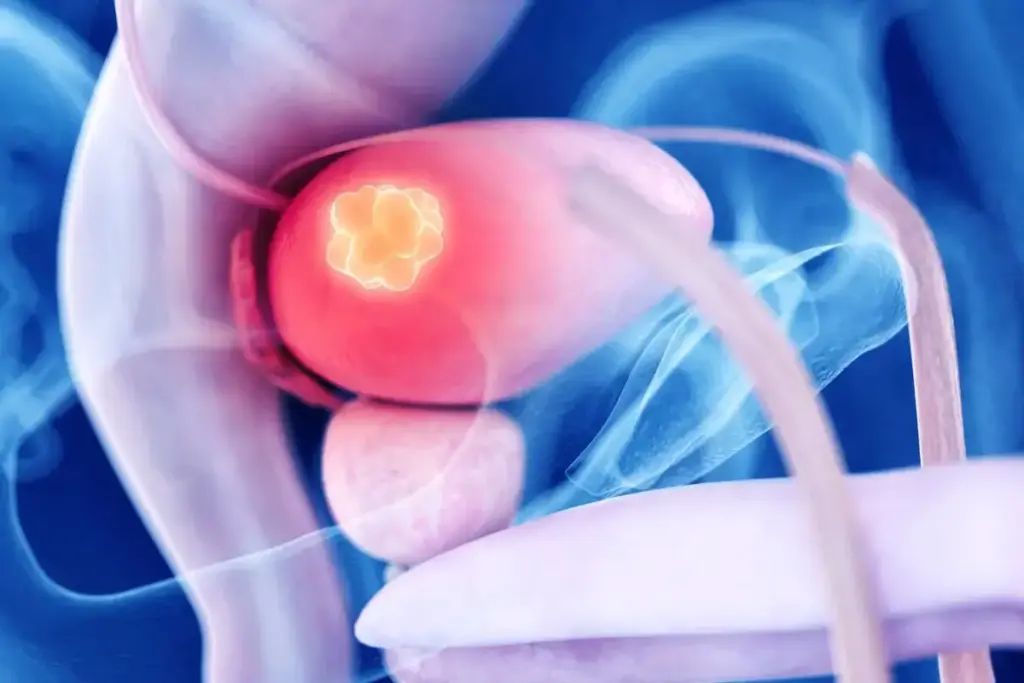
Knowing the symptoms of OAB is the first step to getting help. Overactive Bladder affects many people, making life harder.
Urgency
Urgency is a key symptom of OAB. It’s a sudden, strong need to go to the bathroom. This can cause accidents if not handled right away.
Characteristics of urgency in OAB include:
- Sudden onset
- Intense desire to urinate
- Difficulty in delaying urination
Frequency
Frequency means needing to go to the bathroom more than usual. People with OAB often go more often. This can be a big problem.
Factors contributing to frequency in OAB:
Factor | Description |
|---|---|
Overactive bladder muscle | The bladder muscle contracts too often, causing the need to urinate frequently. |
Fluid intake | Drinking too much, like caffeinated or alcoholic drinks, makes it worse. |
Underlying medical conditions | Conditions like diabetes or urinary tract infections can contribute to frequency. |
Nocturia
Nocturia means needing to get up at night to use the bathroom. It messes up sleep and affects how well you feel.
The impact of nocturia includes:
- Disrupted sleep patterns
- Fatigue and decreased productivity
- Increased risk of falls and accidents during nighttime trips to the bathroom
Urinary Incontinence
Urinary incontinence is when you leak urine without meaning to. It’s embarrassing and can make you feel isolated.
Types of urinary incontinence associated with OAB:
- Urgency incontinence: leakage accompanied by or immediately preceded by urgency
- Mixed incontinence: a combination of urgency and stress incontinence
Understanding these symptoms is key to managing OAB. By recognizing them and getting medical help, you can feel better and live better.
How OAB Affects Daily Life
Living with Overactive Bladder (OAB) changes daily life a lot. It affects not just how you feel physically but also emotionally and socially.
Physical Limitations
OAB can make it hard to do physical activities. The fear of accidents or needing to go to the bathroom fast can stop you from exercising or even going shopping.
“OAB has a significant impact on physical activity, as many individuals report a decrease in their overall activity levels due to symptoms.”
This can lead to health problems like obesity, diabetes, and heart disease.
People with OAB might stop doing things they love, like hiking or dancing, because of the fear of accidents. This can make them less active, which can make other health problems worse. It’s important for people with OAB to find ways to manage their symptoms to stay active.
Emotional and Mental Health Strains
OAB also affects your emotional and mental health. Always worrying about finding a bathroom and the fear of accidents can cause a lot of stress and anxiety. The psychological burden can be as bad as the physical symptoms.
Many people with OAB feel embarrassed, have low self-esteem, and even depression. It can make them feel less confident in social situations and hurt their relationships. It’s important to recognize these emotional challenges and seek help when needed.
Social Implications
OAB can also affect your social life. People might avoid going to social events, traveling, or doing things that make it hard to find a bathroom. This can lead to feeling isolated and can make feelings of loneliness and depression worse.
There’s also a stigma around bladder control issues that makes it hard to talk about them. Creating a supportive environment where people feel comfortable talking about their OAB symptoms is key.
In conclusion, OAB affects many parts of life, including physical activities, emotional and mental health, and social interactions. Understanding these effects is the first step to managing the condition and improving life for those affected.
Diagnosing Overactive Bladder
To find out if someone has OAB, doctors use a detailed process. They look at the patient’s medical history, do a physical check, and run specific tests. This method helps them figure out if it’s OAB or something else.
Medical History Review
Looking at the patient’s medical history is key. Doctors want to know when the symptoms started and how often they happen. They also ask about what makes symptoms better or worse. This includes the patient’s overall health and past medical issues.
Physical Examination
A physical exam is done to find out if something physical is causing the symptoms. This might include a general check-up, a test to see how nerves are working, and a pelvic exam. These help find any problems in the pelvic area.
Tests and Procedures for Diagnosis
There are several tests to help diagnose OAB. Doctors might do a urine test to look for infections or blood. They might also check how well the bladder empties after urinating. Tests like urodynamic studies and cystoscopy help see how the bladder works and what it looks like inside.
Diagnostic Test | Purpose |
|---|---|
Urinalysis | To check for urinary tract infection or blood in the urine. |
Post-Void Residual (PVR) Measurement | To assess how completely the bladder empties. |
Urodynamic Tests | To evaluate bladder function and efficiency. |
Cystoscopy | To visually inspect the inside of the bladder for abnormalities. |
Lifestyle Changes to Manage OAB
For those with OAB, making lifestyle changes can greatly improve life. These changes help manage symptoms and boost overall health.
Dietary Modifications
Diet is key in managing OAB symptoms. Some foods and drinks can irritate the bladder, making symptoms worse.
Keeping a food diary is helpful. It tracks foods that trigger or worsen symptoms. Foods like spicy foods, citrus fruits, and caffeinated products are common culprits.
Eating foods high in fiber can also help. It can reduce how often you need to go to the bathroom.
Fluid Management
Managing fluids is important for OAB. It might seem odd, but drinking too much is not always best.
Drink fluids in moderation. Spread out your intake to avoid overloading your bladder. Avoiding caffeine and alcohol can also help, as they irritate the bladder.
Exercise and Physical Activity
Regular exercise can help manage OAB symptoms. It improves bladder control and overall health.
Try exercises that strengthen the pelvic floor muscles, like Kegel exercises. Do them daily.
Yoga and walking are also good. They help with flexibility and reduce stress, which can ease OAB symptoms.
Best Drinks for Overactive Bladder
Managing Overactive Bladder (OAB) is not just about medication. It’s also about choosing the right drinks. Drinking enough water is key for health, and some drinks can help with OAB symptoms.
Hydration Importance
Drinking enough fluids is vital for bladder health. Adequate hydration helps prevent UTIs and reduces urine irritants that worsen OAB symptoms. Aim for 8-10 glasses a day, but needs vary.
A healthcare expert says, “Drinking enough is key for urinary health. Some drinks can help with OAB symptoms.”
Recommended Drinks
Some drinks are better than others for OAB. Here are a few good ones:
- Water: The top choice for hydration, as it’s calorie-free and doesn’t irritate the bladder.
- Low-Fat Milk: High in calcium, which strengthens bladder muscles.
- Herbal Teas: Soothing and caffeine-free, like peppermint or chamomile.
Some studies suggest cranberry juice may prevent UTIs. But its effect on OAB is less clear.
Drinks to Avoid
Some drinks can make OAB symptoms worse. It’s best to limit or avoid:
- Caffeinated Beverages: Coffee, tea, and cola irritate the bladder.
- Alcoholic Drinks: Act as diuretics and irritate the bladder.
- Carbonated Drinks: Put pressure on the bladder.
- Drinks with Artificial Sweeteners: Can irritate the bladder in some people.
Keeping a fluid diary can help you see which drinks affect your symptoms. Adjust your intake based on what works best for you.
“Knowing how different drinks affect your OAB symptoms can greatly improve your life,” a urology specialist advises.
Medications for OAB Management
For many, medications are key in managing OAB symptoms. They help reduce the need to urinate often and urgently. This improves life quality.
Anticholinergics
Anticholinergics are often used for OAB. They relax the bladder muscle. This increases the bladder’s capacity and lessens the urge to urinate.
Examples of Anticholinergics:
- Oxytrol (oxybutynin)
- Detrol (tolterodine)
- Enablex (darifenacin)
These drugs can cause side effects like dry mouth and constipation. It’s important to talk about these with your doctor.
Beta-3 Agonists
Beta-3 agonists are another treatment for OAB. They relax the bladder muscle during storage. This lets the bladder hold more urine.
Examples of Beta-3 Agonists:
- Myrbetriq (mirabegron)
These drugs can raise blood pressure and cause urinary tract infections. Regular check-ups with your doctor are needed.
Other Treatment Options
Other options for OAB management include:
- Botox injections into the bladder muscle
- Neuromodulation therapies, such as sacral nerve stimulation
- Peripheral tibial nerve stimulation (PTNS)
Each treatment has its benefits and side effects. A healthcare provider can help choose the best option for you.
Medication Class | Examples | Mechanism of Action | Common Side Effects |
|---|---|---|---|
Anticholinergics | Oxytrol, Detrol, Enablex | Relax bladder muscle | Dry mouth, constipation, blurred vision |
Beta-3 Agonists | Myrbetriq | Relax bladder muscle during storage phase | Increased blood pressure, urinary tract infections |
When to Seek Medical Help
Knowing when to see a doctor is key to handling Overactive Bladder (OAB) and its effects on daily life. If your symptoms get worse or are very bad, you should talk to a healthcare expert.
Recognizing Severe Symptoms
Severe OAB symptoms can really mess up your day and how you feel. You should get medical help right away if you notice:
- Frequent or severe urinary incontinence
- Painful urination or persistent discomfort
- Blood in the urine
- Signs of infection, such as fever or chills
- Difficulty starting or stopping urine flow
These signs might mean you have a serious problem that needs quick medical attention.
Importance of Professional Evaluation
Getting a professional check-up is vital to figure out why you have OAB symptoms and find the right treatment. It’s important to see a doctor who can:
- Look over your medical history
- Do a physical check-up
- Order tests or procedures if needed
Seeing a doctor can help you understand your condition better and find treatment options.
Questions to Ask Your Doctor
When you talk to your doctor, it’s good to have questions ready. This way, you get the best care possible. Ask:
- What could be causing my OAB symptoms?
- What tests or procedures do you recommend?
- What treatments are available, and which one is best for me?
- Are there any lifestyle changes or self-care steps I can take to help?
By asking the right questions, you can help manage your OAB and improve your life quality.
OAB and Associated Conditions
It’s important to know about the conditions linked to Overactive Bladder (OAB). OAB often goes hand in hand with other health issues. This makes it harder to diagnose and treat. We’ll look into these conditions and how they affect people with OAB.
Interstitial Cystitis: A Complex Condition
Interstitial cystitis, or bladder pain syndrome, is a long-term condition. It causes bladder pressure, pain, and sometimes pelvic pain. Its symptoms can be similar to OAB, so it’s key to tell them apart.
Key characteristics of interstitial cystitis include:
- Chronic bladder pain
- Pressure in the bladder region
- Frequent urination
- Potential presence of Hunner’s ulcers
Urinary Tract Infections and OAB
Urinary tract infections (UTIs) can make OAB symptoms worse. UTIs happen when bacteria infect the urinary tract. This leads to symptoms like painful urination, needing to urinate often, and feeling a strong need to urinate.
UTI Symptoms | OAB Symptoms |
|---|---|
Dysuria (painful urination) | Urgency |
Frequency | Frequency |
Suprapubic discomfort | Nocturia |
Neurological Disorders and Their Impact on OAB
Some neurological disorders can really affect OAB symptoms. Conditions like Parkinson’s disease, multiple sclerosis, and stroke can mess with bladder control. This leads to OAB symptoms.
The relationship between neurological disorders and OAB is complex, involving:
- Disruption of normal neural pathways controlling the bladder
- Altered bladder sensation and function
- Increased risk of urinary incontinence
Support and Resources for Those with OAB
Living with Overactive Bladder can be tough. But, there are many resources to help. These resources are key to managing OAB well.
Community Support
Support groups are very helpful for OAB sufferers. They let you share your story, get emotional support, and learn from others. We can help you find local and online groups.
Educational Initiatives
Educational groups offer lots of info on OAB. They help with lifestyle changes, treatment options, and new research. Exploring these resources can help you understand your condition better.
Online Platforms
Online forums and resources are full of helpful info and support. They let you ask questions, share your story, and connect with people all over. We suggest checking out these online resources to help with your OAB management.
FAQ
Does coffee make you pee, and is it bad for OAB?
Yes, coffee can make you pee because it has caffeine. Caffeine is a diuretic that can irritate the bladder. This can make OAB symptoms worse. We suggest limiting or avoiding coffee and other caffeinated drinks to manage OAB.
What are the best drinks for someone with Overactive Bladder?
The best drinks for OAB are non-irritating and help with hydration. Water, milk, and some herbal teas are good choices. Avoid drinks like coffee, tea, and soda that can make symptoms worse.
Can certain foods irritate the bladder and urethra?
Yes, some foods and drinks can irritate the bladder and urethra. Spicy foods, citrus fruits, tomatoes, and caffeinated or carbonated drinks are examples. Knowing and avoiding these can help reduce OAB symptoms.
How long does coffee irritate the bladder?
Coffee’s irritating effects on the bladder can last several hours. This depends on how sensitive you are and how your body metabolizes caffeine. It’s best to avoid coffee for at least 4-6 hours before bedtime to reduce nighttime urination.
Are there any foods that can stop frequent urination?
There aren’t foods that can completely stop frequent urination. But, eating bladder-friendly foods like bananas, rice, applesauce, and toast (BRAT diet) may help. Also, a balanced diet and healthy weight are good for bladder health.
What are diuretic foods and beverages, and how do they affect OAB?
Diuretic foods and drinks increase urine production. Examples include caffeine, alcohol, and certain fruits and vegetables. These can make OAB symptoms worse by increasing how often and urgently you need to urinate.
Can lifestyle changes really help manage OAB symptoms?
Yes, lifestyle changes can greatly help manage OAB symptoms. Changing your diet, managing fluid intake, exercising regularly, and maintaining a healthy weight are effective strategies. They can alleviate symptoms and improve your quality of life.
When should I seek medical help for my OAB symptoms?
Seek medical help if your OAB symptoms are severe, persistent, or interfere with your daily life. Also, if you have symptoms like painful urination, blood in the urine, or trouble starting to urinate, see a healthcare professional. They can evaluate and treat your condition properly.
References
OAB Symptoms: The Best Drinks for Relief
https://pmc.ncbi.nlm.nih.gov/articles/PMC10073005/