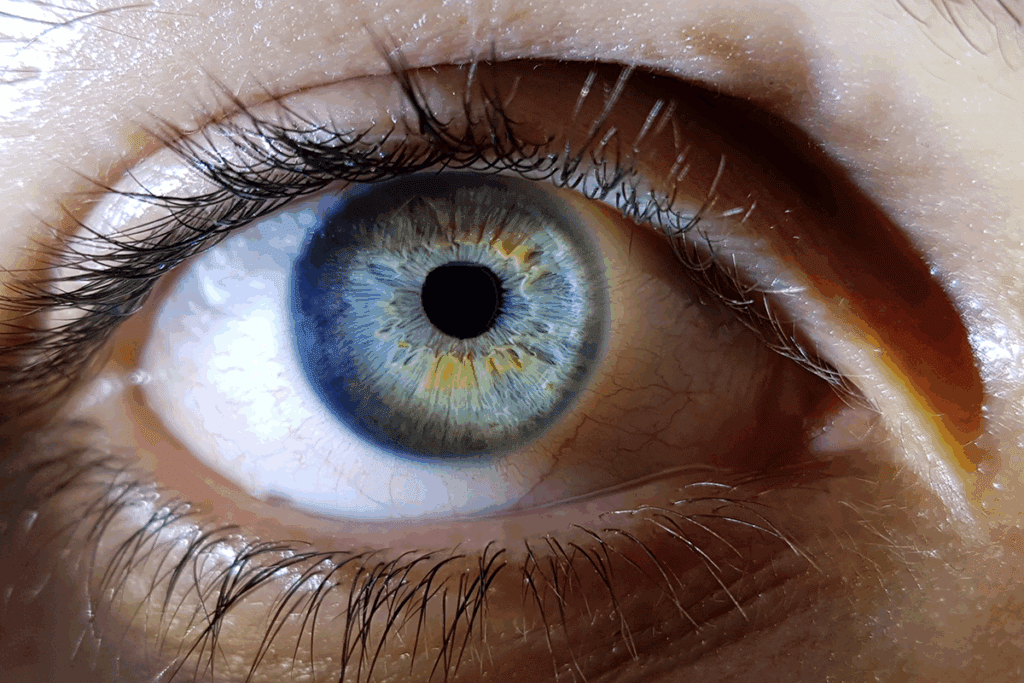
Retinal bleeding, also known as retinal hemorrhage, is a serious eye condition. It happens when blood vessels in the retina burst. This causes bleeding in the delicate tissue at the back of the eye.
This condition can vary from small spots to large hemorrhages. It comes from different layers in the retina. Problems like diabetes, high blood pressure, and blood disorders can lead to retina bleeding.
It’s important for patients to know about the causes, symptoms, and treatments. Getting medical help quickly is key. This is because bleeding behind the retina can cause minor to serious vision problems.
Learn about occlusion of vessels (M2 stroke) and the amazing endovascular therapy that offers the best hope for recovery.
Key Takeaways
- Retinal hemorrhage is a serious condition requiring prompt medical attention.
- Various systemic vascular disorders can cause retina bleeding.
- Understanding the causes and symptoms is key for effective treatment.
- Prompt evaluation is essential to prevent significant vision loss.
- Multiple treatment approaches are available for managing retinal bleeding.
Understanding Retinal Bleeding

It’s important to know about retinal hemorrhage to get the right treatment. This condition happens when blood leaks into the retina. The retina is the light-sensitive tissue at the back of the eye.
What Is Retinal Hemorrhage?
Retinal hemorrhage happens when blood vessels in the retina break. This can be due to diabetes, high blood pressure, or injury.
The size and where the bleeding is can tell doctors a lot. For example, diabetic retinopathy often shows bleeding all over the retina.
The Anatomy of the Retina
The retina is a thin layer inside the eye. It has several parts, like the photoreceptor layer and the inner retinal layers.
Knowing how the retina works helps us understand bleeding. Its complex structure makes it prone to bleeding from different causes.
Types and Patterns of Retinal Bleeding
There are different kinds of retinal bleeding, each with its own look. The main types are:
- Dot and blot hemorrhages: These are small, rounded spots in the deeper layers of the retina.
- Flame-shaped hemorrhages: These are small, superficial spots that look like flames.
- Subretinal hemorrhages: These are under the retina and can cause serious vision loss if they’re near the macula.
Spotting these patterns helps doctors figure out what’s causing the bleeding. This is key to finding the right treatment.
Common Causes of Retinal Bleeding

Knowing why retinal bleeding happens is key to treating it well. It can come from many health issues. So, finding and fixing these problems quickly is very important.
Diabetes and Diabetic Retinopathy
Diabetes is a big risk for retinal bleeding, mainly because of diabetic retinopathy. Diabetic retinopathy harms the blood vessels in the retina, causing bleeding. Keeping diabetes under control is essential to avoid this.
Hypertension and Cardiovascular Disorders
Hypertension and heart problems can also lead to retinal bleeding. High blood pressure damages the retina’s blood vessels, making them break easily. It’s important to manage high blood pressure to lower the risk of bleeding.
Trauma and Eye Injuries
Eye injuries can cause retinal bleeding by harming the retina’s blood vessels. The amount of bleeding depends on the injury’s severity. Quick medical help is needed to avoid worse problems like retinal detachment.
Age-Related Macular Degeneration
Age-related macular degeneration (AMD) can also cause retinal bleeding. AMD mainly affects the macula but can lead to bleeding. Regular eye checks and proper treatment can help prevent bleeding.
In summary, retinal bleeding can be caused by many things like diabetes, high blood pressure, injuries, and AMD. Understanding these causes helps in finding the right treatment and preventing more problems.
Recognizing the Symptoms of Retinal Bleeding
Spotting retinal bleeding symptoms early is key to keeping your vision and eye health safe. Retinal bleeding can show up in different ways. Catching these signs early can help avoid bigger problems.
Visual Disturbances and Changes
Visual issues are a big sign of retinal bleeding. You might see blurred vision, floaters, or even lose part of your sight. Watching for any vision changes is important.
Pain and Discomfort Indicators
Retinal bleeding itself might not hurt, but related problems can. Eye pain or feeling like your eye is under pressure can happen. This is more likely if you have diabetes or high blood pressure.
Progression of Symptoms
How symptoms of retinal bleeding get worse can vary. It depends on why it’s happening and how bad it is. Knowing how symptoms can change helps you get the right help.
When Symptoms Require Emergency Care
Knowing when to get emergency help is critical. Sudden vision loss, severe eye pain, or big vision changes mean you need to see a doctor right away. Don’t wait if you’re experiencing these serious symptoms.
Diagnosis of Retinal Hemorrhage
Diagnosing retinal hemorrhage is a detailed process. It includes a thorough eye check and advanced imaging. Accurate diagnosis is key for good treatment and avoiding more problems.
Comprehensive Eye Examination
An eye check is the first step in finding retinal hemorrhage. The doctor will look at how well you see, your pupil’s reaction, and your eye’s movement. They will also do a detailed check of the retina for any bleeding signs.
Ophthalmoscopy is a main tool for this check. It lets the doctor see the retina clearly. They might also use a slit-lamp biomicroscope for a closer look.
Imaging Techniques and Tests
More tests and imaging are used to find and check the severity of retinal hemorrhage. These include:
- Fundus Photography: This takes detailed pictures of the retina to show how big the hemorrhage is.
- Optical Coherence Tomography (OCT): It gives detailed images of the retina’s layers. This helps check the retina’s thickness and look for any problems.
- Fluorescein Angiography: This test uses a dye to see the retina’s blood vessels. It helps find any leaks or unusual growths.
Identifying Hemorrhage Patterns
It’s important to know the pattern of the hemorrhage. Different patterns can mean different things. For example, flame-shaped hemorrhages often mean diabetes, while dot-blot hemorrhages might point to high blood pressure.
Determining the Underlying Cause
After finding the hemorrhage, figuring out why it happened is key. This means looking at the patient’s health history, including diabetes, high blood pressure, and heart disease. The doctor will also check for other symptoms like vision changes or eye pain.
By using the eye exam, imaging, and patient history, doctors can make a treatment plan that fits the patient’s needs.
Conservative Retinal Bleed Treatment Approaches
There are many ways to manage retinal bleeding without surgery. These methods work well for mild to moderate cases. They are chosen when surgery is not needed right away.
Observation and Monitoring Protocols
Watching and tracking retinal bleeding is a key approach. Patients see eye specialists regularly. This helps track the bleeding and any vision changes.
Monitoring protocols include:
- Regular fundus examinations
- Visual acuity tests
- Imaging tests such as OCT (Optical Coherence Tomography)
Bed Rest and Activity Restrictions
Patients might need to rest in bed or limit their activities. This is true for those with recent injuries or big retinal hemorrhages.
Activity | Restriction |
Heavy lifting | Avoid for 2-4 weeks |
Strenuous exercise | Avoid for 2-4 weeks |
Bending or straining | Avoid for 2-4 weeks |
Eye Protection Measures
It’s important to protect the eyes from injury during recovery. Wearing protective eyewear is recommended. Avoiding activities that could harm the eyes is also key.
“Protecting your eyes is not just about avoiding injury; it’s about creating an environment that fosters healing.” – Medical Expert, Ophthalmologist
Managing Underlying Medical Conditions
It’s vital to manage conditions like diabetes, hypertension, and heart disease. This helps treat retinal bleeding. A team of doctors, including primary care and specialists, is often involved.
Key strategies include:
- Maintaining blood sugar levels within target ranges
- Controlling blood pressure
- Managing cholesterol levels
Medical Interventions for Retinal Bleeding
When retinal bleeding happens, doctors use different treatments to help. These treatments aim to fix the bleeding, prevent more problems, and help the eye heal.
Anti-VEGF Therapy
Anti-Vascular Endothelial Growth Factor (Anti-VEGF) therapy is a big step forward in treating retinal bleeding. It’s mainly used for diabetic retinopathy and age-related macular degeneration. Anti-VEGF medications stop new blood vessels in the retina from growing. This can help prevent more bleeding.
Getting anti-VEGF therapy means getting regular eye injections. These injections might hurt a bit, but they really help many patients.
Steroid Treatments and Applications
Steroid treatments help with retinal bleeding, mainly when inflammation is involved. Corticosteroids are given as injections or implants. They help reduce swelling and aid in healing.
Doctors pick the right steroid treatment based on the patient’s condition and health. For example, steroid implants can release medicine for months, cutting down on injections.
Blood Pressure Management Medications
For those with retinal bleeding due to high blood pressure, controlling blood pressure is key. Blood pressure management medications help keep blood pressure in check. This reduces strain on the retina’s blood vessels.
Keeping blood pressure healthy lowers the risk of more bleeding. Doctors often suggest diet and exercise to help manage blood pressure.
Anticoagulant Considerations
Patients with retinal bleeding might be on blood thinners, which can raise bleeding risk. Anticoagulant considerations are very important. Doctors must decide if to keep or change these medications carefully.
Doctors and patients work together to find the best plan. They balance preventing blood clots with the risk of more bleeding.
Surgical Treatment Options for Severe Cases
For severe cases of retinal bleeding, surgery might be needed. This can be scary, but we’re here to help. We’ll explain the surgical options available.
Laser Photocoagulation Procedures
Laser photocoagulation treats retinal bleeding by using laser burns. It reduces swelling and stops more bleeding. This helps the area heal and can improve your vision.
Vitrectomy Surgery
Vitrectomy surgery removes the vitreous gel and blood. It’s used for a lot of bleeding. This surgery clears the way for better vision by replacing the gel with a saline solution.
This surgery is for severe cases where other treatments don’t work. Our skilled surgeons use the latest methods for the best results.
Post-Surgical Recovery and Care
After surgery, following your doctor’s care plan is key. This includes taking medicine, going to follow-up visits, and avoiding hard activities. Proper care helps your recovery and reduces risks.
We’re dedicated to supporting you during your recovery. We want to make sure you have all the help and guidance you need to heal well.
When to Seek Medical Help for Retinal Bleeding
Retinal bleeding needs quick medical help. Knowing the warning signs can save your vision. When symptoms show up, knowing how urgent it is can greatly affect treatment.
Emergency Warning Signs
If you notice any of these symptoms, get medical help right away:
- Sudden vision loss or big changes in your field of vision
- Severe eye pain or discomfort that won’t go away
- Flashes of light or more floaters
- Bleeding or seeing blood in your eye
These signs can mean a serious issue that needs quick care. Don’t wait; acting fast can stop more harm.
Finding the Right Eye Specialist
Finding the right specialist is key when dealing with retinal bleeding. Look for an ophthalmologist or retina specialist with retinal experience. Ask your primary doctor for a referral or check the American Academy of Ophthalmology’s directory.
Questions to Ask Your Doctor
Ask the right questions to understand your condition and treatment. Consider asking:
- What caused my retinal bleeding?
- What treatments are available for my case?
- What are the risks and benefits of each treatment?
- How will my vision be in the short and long term?
- Are there lifestyle changes that can help my recovery?
What to Expect During Treatment
Treatment for retinal bleeding depends on the cause and how bad it is. You might get:
- Conservative management with watchful waiting
- Medical treatments like anti-VEGF therapy or steroids
- Surgical procedures like laser treatment or vitrectomy
Your doctor will create a treatment plan just for you. It’s important to follow their advice and go to all follow-up visits for the best results.
Prevention and Long-Term Management
To prevent and manage retinal bleeding, a good plan is needed. This includes diet, exercise, and regular check-ups. A healthy lifestyle and managing chronic conditions can lower the risk of retinal bleeding.
Lifestyle Modifications for Eye Health
Changing your lifestyle can help keep your retinas healthy. Here are some important steps:
- Quitting Smoking: Stopping smoking can greatly lower the risk of eye diseases.
- Regular Exercise: Exercise boosts heart health, which is good for your eyes.
- Healthy Diet: Eating lots of fruits, veggies, and omega-3s is great for your eyes.
Regular Screening and Monitoring
Getting regular eye exams is key for catching and managing eye problems early. We suggest:
- Annual eye exams for people with diabetes or high blood pressure.
- More frequent checks for those with a history of bleeding in the eyes or other risk factors.
Medical Expert, a top eye doctor, says, “Regular eye checks can spot problems early, helping to act fast.”
“The key to managing retinal health is early detection and proactive management of risk factors.”
Medical Expert
Managing Chronic Conditions
It’s important to manage chronic conditions like diabetes and high blood pressure for eye health. Here’s how:
Condition | Management Strategy |
Diabetes | Keep an eye on blood sugar, take meds as directed, and make lifestyle changes. |
Hypertension | Check blood pressure, take meds, eat right, and exercise. |
Nutritional Considerations for Retinal Health
Eating a balanced diet with certain nutrients is good for your eyes. Important nutrients include:
- Omega-3 Fatty Acids: In fish and nuts, they help eye health.
- Lutein and Zeaxanthin: In leafy greens, they protect the retina.
By eating these nutrients and living a healthy lifestyle, you can help prevent retinal bleeding and keep your eyes healthy long-term.
Conclusion: Navigating Life After Retinal Bleeding
Understanding retinal bleeding and its treatment can help people deal with life after diagnosis. With the right care, people can get better and keep their vision. We’ve looked at what causes it, its symptoms, how it’s diagnosed, and how it’s treated. It’s clear that getting medical help quickly is key.
As we wrap up, it’s important to see that dealing with retinal bleeding takes a big effort. This includes managing health issues, making lifestyle changes, and going to regular check-ups. These steps help lower the chance of more problems and keep eyes healthy.
We urge people to team up with their doctors to make a plan for managing retinal bleeding. This way, they can feel better about their eye health and live well. Overcoming retinal bleeding is a long journey that needs patience, hard work, and support.
FAQ
What is retinal bleeding?
Retinal bleeding, also known as retinal hemorrhage, is when blood leaks into the retina. The retina is the light-sensitive tissue at the back of the eye. This can cause vision problems and may lead to severe vision loss if not treated.
What are the symptoms of retinal bleeding?
Symptoms include sudden vision loss, blurred vision, and seeing floaters. You might also see flashes of light. Sometimes, there’s pain, but often there isn’t.
What causes retinal bleeding?
It can be caused by diabetes, high blood pressure, eye trauma, or age-related macular degeneration. Other conditions that affect the retina’s blood vessels can also cause it.
How is retinal bleeding diagnosed?
Doctors use a detailed eye exam to diagnose it. This includes visual tests, dilated eye exams, and imaging like OCT or fluorescein angiography.
What are the treatment options for retinal bleeding?
Treatment varies based on the cause and severity. It can include watching it, medication, anti-VEGF therapy, steroids, laser treatment, or surgery.
Can retinal bleeding be prevented?
While some cases can’t be prevented, managing conditions like diabetes and high blood pressure helps. A healthy lifestyle and regular eye exams also reduce risk.
Is retinal hemorrhage an emergency?
Yes, sudden bleeding is a medical emergency, causing severe vision loss. Quick medical care is key to prevent further damage and blindness.
What is the role of anticoagulant medications in retinal bleeding?
These medications increase bleeding risk, including retinal hemorrhage. Patients on them need close monitoring, and treatment plans might change if bleeding occurs.
How can I manage my condition after being treated for retinal bleeding?
Follow your doctor’s advice, attend follow-ups, manage conditions, and make lifestyle changes to support eye health.
Are there nutritional considerations for maintaining retinal health?
Yes, eating leafy greens, omega-3 fatty acids, and other nutrients helps. Talk to a healthcare provider about specific recommendations.
What lifestyle changes can help prevent retinal bleeding?
Keep blood pressure healthy, manage diabetes, don’t smoke, exercise, and get regular eye exams. These changes help prevent it.
References
National Center for Biotechnology Information. Retinal Hemorrhage: Causes, Treatment, and Management. Retrieved from https://pubmed.ncbi.nlm.nih.gov/34534567/