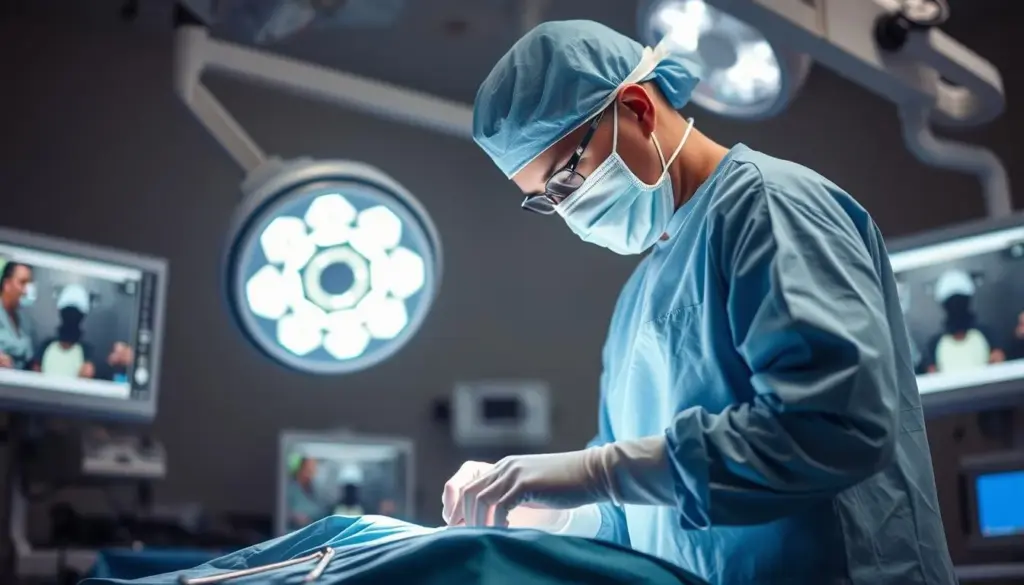
When you get a cancer diagnosis, knowing who does the surgery is key. The doctor who specializes in cancer surgery is called a surgical oncologist. They are trained to remove tumors and handle the surgery for different cancers.
Recent studies show the U.S. had about 3,080 surgical oncologists in 2018. Along with nearly 19,000 other surgeons, they play a big role in cancer care. Surgical oncologists work with other doctors to create detailed treatment plans for patients.
Key Takeaways
- Surgical oncologists are specialized surgeons trained to remove tumors and manage surgical cancer treatment.
- These doctors play a vital role in the multidisciplinary approach to cancer care.
- In 2018, there were approximately 3,080 surgical/gynecologic oncologists in the United States.
- Surgical oncologists work alongside other healthcare professionals to provide complete cancer treatment.
- Understanding the role of surgical oncologists helps patients make informed decisions about their care.
The Specialized Field of Surgical Oncology

Surgical oncology is a special part of medicine that deals with cancer surgery. As cancer care grows, the role of surgical oncologists is key. They offer many treatment options.
Definition and Core Responsibilities
Surgical oncologists are specialized surgeons trained to remove tumors and manage cancer surgeries. They do more than just surgery. They work with other healthcare teams for the best patient care.
The Critical Role of Surgery in Cancer Treatment
Surgery is a key part of cancer treatment. It can cure many cancers. We work with other doctors to plan the best treatment.
This teamwork makes sure patients get care that fits their needs. Most cancer care today is a team effort. Surgical oncologists work with others to improve results.
Understanding cancer and treatment options is key. Surgical oncologists are vital for better patient care. Their skills in surgery and knowledge of cancer make them important in the cancer team.
Surgical Oncologists: Training and Expertise
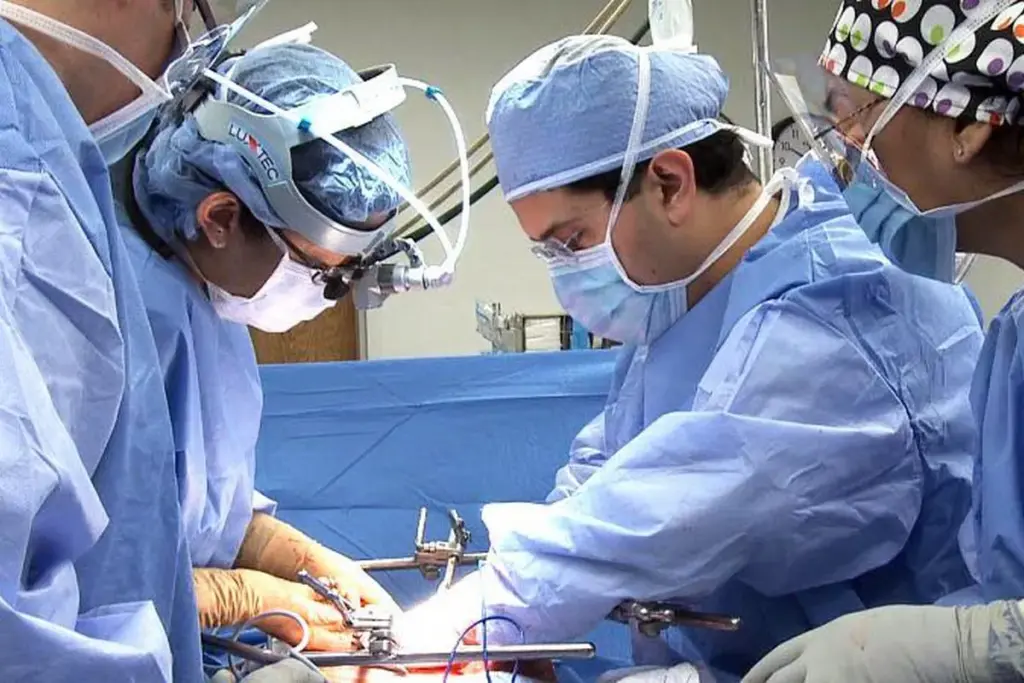
Surgical oncologists get a lot of training to handle complex cancer surgeries. This training covers many areas, from education to practical experience.
Medical Education and Surgical Residency
Starting as a surgical oncologist means first getting a strong medical education. This usually means earning an MD or DO degree from medical school. Then, they enter a surgical residency program.
In this program, they get real-world experience in surgery and patient care. They learn about cancer surgery and how to manage cancer patients. This is key for developing the skills and judgment needed in surgical oncology.
Fellowship Training Requirements
After residency, those wanting to specialize in surgical oncology can apply for fellowship programs. These programs are very focused and cover the newest techniques and research in surgical oncology.
- Fellowship programs last one to two years.
- They offer advanced training in complex cancer surgeries and patient management.
- Fellows work with top surgical oncologists, learning about the latest treatments and research.
Board Certification Process
Board certification is key to show that surgical oncologists are experts. In the U.S., the American Board of Surgery (ABS) certifies in surgical oncology.
To get certified, they must pass a tough exam that tests their knowledge and skills. Keeping certification means they must keep learning and follow professional standards. This ensures they stay up-to-date with cancer treatment advancements.
Through lots of training, including medical school, residency, fellowships, and board certification, surgical oncologists are ready to care for cancer patients. This detailed training is vital for top-notch treatment results.
How Surgical Oncologists Differ from General Surgeons
Surgical oncologists are not just surgeons for cancer patients. They are experts with deep knowledge and skills. They use a team approach to fight cancer.
Specialized Cancer Knowledge
Surgical oncologists know a lot about cancer. They understand how it spreads and the best ways to treat it. They stay up-to-date with the latest research and guidelines.
They handle tough cancer cases. They work with other experts to create detailed treatment plans. This teamwork is key to caring for cancer patients fully.
Advanced Surgical Techniques
Surgical oncologists use special surgical methods. These include minimally invasive surgeries that heal faster and leave less scar. They also do complex surgeries that need great skill.
For example, they might use oncoplastic surgery for breast cancer. This method removes the tumor and rebuilds the breast. It requires a lot of skill and knowledge.
Multidisciplinary Approach to Treatment
Surgical oncologists treat cancer differently than general surgeons. They work with a team of doctors and experts. Together, they create a treatment plan that fits each patient’s needs.
Hospitals like Liv Hospital show this team effort. Surgical oncologists and other specialists work together. This ensures all parts of treatment are covered, from surgery to follow-up care.
In summary, surgical oncologists are different from general surgeons. They have special knowledge, use advanced techniques, and work as a team. Understanding these differences helps patients see the value of surgical oncologists in cancer care.
Common Types of Cancer Requiring Surgical Intervention
Surgical oncologists are key in treating many cancers. They perform surgeries for different types of cancer. Their skills are vital for these procedures.
Breast Cancer Surgery
Breast cancer is common in women worldwide. Surgical oncologists do lumpectomies and mastectomies. They aim to remove cancer while keeping healthy tissue.
In some cases, they do oncoplastic surgery. This helps rebuild the breast after removing the tumor. It improves the patient’s recovery and well-being.
Gastrointestinal Cancer Procedures
Gastrointestinal cancers need surgery. Surgical oncologists use minimally invasive surgery to remove tumors. This method helps patients recover faster and face fewer complications.
For colon cancer, they might do a colectomy. This removes the tumor area. New surgical techniques have greatly improved patient outcomes.
Skin Cancer Excisions
Skin cancers like melanoma often need to be surgically removed. Surgical oncologists remove the cancerous lesions carefully. They make sure to remove enough tissue to prevent the cancer from coming back.
In some cases, they do a sentinel lymph node biopsy. This helps find out if the cancer has spread. It guides further treatment.
Soft Tissue Tumor Removal
Soft tissue sarcomas are rare and arise in body tissues. Surgical oncologists remove these tumors. They use complex techniques to save healthy tissue.
The goal is to remove the tumor completely. This helps preserve the patient’s function and appearance.
Understanding surgical oncologists’ role in cancer treatment is key. Their training and expertise are vital. They treat cancer with precision and care.
Oncologists, including surgical specialists, earn based on their skills and location. The term “oncology meaning” includes studying and treating tumors. Surgical oncologists play a big part in this field.
The Spectrum of Oncology Surgical Procedures
<SEP-7205_image_4>
Cancer surgery covers a wide range of procedures. These go from finding cancer to treating it and making patients more comfortable. Surgical oncologists are experts in these surgeries. They are key in caring for cancer patients.
Diagnostic and Staging Surgeries
Diagnostic surgeries check if cancer is present and what type it is. They involve taking tissue samples for tests. Staging surgeries find out how far cancer has spread. This is important for choosing the right treatment.
Some common diagnostic and staging procedures include:
- Fine-needle aspiration biopsies
- Core needle biopsies
- Surgical biopsies
- Laparoscopic staging
Curative Cancer Operations
Curative surgeries aim to remove all cancer. This can lead to a cure. These surgeries are complex and need a lot of skill. Surgical oncologists work with other experts to make sure the treatment plan is right.
Examples of curative cancer operations include:
- Mastectomies for breast cancer
- Resections for colorectal cancer
- Surgical removal of tumors in the gastrointestinal tract
Palliative Surgical Interventions
Palliative surgeries help patients with advanced cancer feel better. They manage pain, fix problems, and relieve symptoms. This improves the patient’s quality of life.
Palliative surgical interventions may include:
- Pain management procedures
- Relief of obstruction
- Control of bleeding
Surgical oncologists work with other doctors to plan the best time for surgery. This team effort makes sure patients get the best care for their needs.
Specialized Cancer Surgery by Anatomical Region
<SEP-7205_image_5>
Surgical oncology covers a wide range of surgeries for different body parts. As cancer treatment gets better, doctors have learned new ways to fight tumors. This has made treatments more effective and improved patients’ lives.
Gynecologic Oncology Surgery
Gynecologic oncology deals with cancers in the female reproductive system. This includes ovarian, cervical, and uterine cancers. Doctors perform surgeries like radical hysterectomies and pelvic exenterations.
These surgeries need skill and knowledge of the body’s anatomy. New techniques have made these surgeries safer and more effective. For example, less invasive methods help patients heal faster and face fewer complications.
Head and Neck Cancer Operations
Head and neck cancer surgery is very specialized. It involves tumors in the mouth, throat, and nearby areas. Doctors must carefully remove cancer while keeping important functions like speech and swallowing.
Reconstructive surgery is key in these operations. It helps patients regain their looks and functions after surgery. New methods in reconstructive surgery have greatly improved results for patients.
Thoracic Cancer Procedures
Thoracic surgery treats cancers in the chest, like lung and esophagus tumors. Doctors perform surgeries like lobectomies and pneumonectomies.
New technologies like video-assisted thoracic surgery (VATS) and robotic surgery are changing thoracic cancer treatments. They offer shorter recovery times and less pain after surgery.
Urologic Cancer Surgery
Urologic oncology treats cancers of the urinary system, including kidney, bladder, and prostate cancers. Doctors do surgeries like partial nephrectomies and radical prostatectomies.
Improvements in urologic cancer surgery have led to nerve-sparing techniques. These techniques help patients with prostate cancer maintain their quality of life after surgery.
The Multidisciplinary Cancer Care Team
<SEP-7205_image_6>
Cancer care is a team effort. It includes doctors who specialize in surgery, medicine, and radiation. This team works together to give patients the best care for their needs.
Collaboration with Medical Oncologists
Surgical oncologists team up with medical oncologists to plan treatments. Medical oncologists use chemotherapy, hormone therapy, and targeted therapy to fight cancer. Together, they figure out the best treatment plan for each patient.
For example, if surgery is the main treatment, medical oncologists might give adjuvant therapy to get rid of any cancer left behind. On the other hand, neoadjuvant therapy might be given to shrink tumors before surgery, making it easier.
Coordination with Radiation Oncologists
Working with radiation oncologists is also key in cancer care. Radiation oncologists use radiation to kill or slow cancer cells. We decide when to use radiation therapy, before or after surgery, to help the treatment work better.
This team effort makes sure all parts of a patient’s care are considered. This leads to better treatment results.
Role of Tumor Boards in Treatment Planning
Tumor boards are important in cancer care. They bring together doctors from different specialties, like surgery, medicine, and radiation. They also include pathologists and radiologists.
|
Specialty |
Role in Tumor Board |
|---|---|
|
Surgical Oncology |
Provides expertise on surgical options and techniques |
|
Medical Oncology |
Contributes knowledge on chemotherapy and other systemic treatments |
|
Radiation Oncology |
Offers insights into radiation therapy planning and delivery |
|
Pathology |
Supplies diagnostic information based on tissue analysis |
|
Radiology |
Provides imaging data to inform treatment decisions |
Tumor boards help by bringing experts together. They make sure patients get the best care possible.
Determining When Surgery is the Right Approach
Surgical oncologists team up with other healthcare experts to find the best treatment plan. This teamwork ensures patients get care that fits their needs perfectly.
Factors Influencing Surgical Decisions
Many things decide if surgery is needed for cancer treatment. These include the cancer type and stage, the patient’s health, and the surgery’s benefits and risks. Surgical oncologists must weigh these carefully to see if surgery is the best choice.
These doctors are experts in medical oncology. They know a lot about cancer and the latest treatments. This knowledge helps them decide when surgery is likely to help.
Timing of Surgery in Treatment Sequences
The timing of surgery depends on the cancer type and stage. Sometimes, surgery is the first step, followed by other treatments like chemotherapy or radiation. Other times, surgery comes after treatments have shrunk the tumor.
Knowing surgery’s role in treatment is key for the best results. Surgical oncologists work with other cancer care team members to plan the best treatment order.
When Surgery May Not Be Recommended
Surgery is a big part of cancer treatment for many. But, there are times when it’s not the best choice. This might be because the cancer is too far along or the patient’s health makes surgery too risky.
In these cases, treatments like chemotherapy, radiation, or palliative care might be better. Surgical oncologists are important in talking about these options with patients and helping them choose their care.
Understanding what decides if surgery is needed and when it fits into treatment plans helps patients. Surgical oncologists, with their special training and knowledge, guide patients through this complex process.
Advances in Modern Surgical Oncology Techniques
Modern surgical oncology has changed how we fight cancer. Now, we have better and less invasive ways to treat it. These new methods help us give top-notch care and better results for our patients.
Minimally Invasive Approaches
Minimally invasive surgery is key in modern oncology. It uses small cuts to lessen damage and speed up healing. This method is great for early cancer or when we need to ease symptoms. Liv Hospital shows how cancer care can be done in a team, using these techniques for better results.
Robotic-Assisted Cancer Surgery
Robotic surgery is a big step forward in oncology. It lets us do complex surgeries with more precision and control. This means we can do detailed work with less risk and faster recovery.
Intraoperative Imaging Technologies
Intraoperative imaging has changed cancer surgery. It lets us see tumors and tissues in real time. This helps us remove cancer more accurately and reduce chances of it coming back.
We keep improving our surgical techniques to give the best care. By using the latest tech and focusing on our patients, we aim to make life better for those with cancer.
Availability of Surgical Oncologists in the United States
Surgical oncologists are key in cancer treatment, but their numbers vary across the country. A 2023 study found 3,080 surgical/gynecologic oncologists and nearly 19,000 other surgeons doing cancer surgeries in 2018. This shows the complex landscape of cancer care in the U.S., where both specialized and other surgeons play a role.
Current Statistics and Distribution
The number of surgical oncologists is not even across the U.S. They mostly work in urban areas, near big cancer centers. This is because their work is complex and often involves teaming up with other cancer experts.
Currently, the number of surgical oncologists varies by state. States with big cancer centers and research hubs have more of these specialists. For example, California, New York, and Texas have more due to their large populations and many cancer centers.
Concentration in Academic Cancer Centers
Surgical oncologists are mostly found in academic cancer centers. These centers handle complex cases and offer care that includes surgery, chemotherapy, and radiation. Their presence in these centers is key for improving cancer treatment through research and trials.
“The integration of surgical oncologists within academic cancer centers has been vital in improving cancer treatment. Their work in both the operating room and research lab is essential.”
- A Surgical Oncologist
Access Challenges in Rural Communities
Many patients, mainly in rural areas, struggle to see these specialists. This can cause delays in getting diagnosed and treated, which can harm patient outcomes.
To solve these problems, healthcare is looking at new ways like telemedicine and outreach programs. These efforts aim to make cancer care more accessible to everyone, no matter where they live.
Global Disparities in Surgical Cancer Care
The availability of surgical cancer care varies greatly around the world. This highlights a big issue in oncology. Looking into cancer treatment shows that not all places have the same access to surgical oncology services.
Access Rates in High-Income Countries
In high-income countries, the setup for surgical cancer care is usually better. The GlobalSurg3 study found that about 93% of patients there get cancer surgery. This is because these places have better hospitals, more skilled surgeons, and strong healthcare systems.
Surgical oncology is key in fighting many cancers. Knowing what oncology is helps us see why surgery is so important in cancer treatment.
Limited Availability in Low and Middle-Income Regions
But, low and middle-income areas struggle to offer surgical cancer care. They lack the right setup, trained doctors, and funds. This leads to late diagnoses and treatments, hurting patient results.
|
Region |
Access to Cancer Surgery |
|---|---|
|
High-Income Countries |
93% |
|
Low-Income Countries |
<20% |
|
Middle-Income Countries |
20-50% |
International Initiatives to Improve Access
International efforts are trying to fix these gaps in surgical cancer care. Groups are working to train more surgeons, build better healthcare, and share research. Their goal is to make cancer care fairer worldwide.
Knowing what oncology is and its global health role shows why we need equal cancer treatment access. Understanding oncology and its role in healthcare highlights the critical role of surgical oncology in saving lives and bettering patient care everywhere.
Patient Preparation and Recovery from Cancer Surgery
Surgical oncologists guide patients through cancer surgery’s preparation and recovery. They work with a team to tailor care to each patient’s needs.
Preoperative Evaluation and Testing
Before surgery, patients get many tests. These help doctors understand the patient’s health and cancer. Tests include imaging, blood work, and heart checks.
Patients should talk about their health history with their oncologist. This helps plan the surgery and avoid problems.
What to Expect During Recovery
Recovery from surgery varies. Patients might feel pain, discomfort, and tiredness at first. Doctors help manage these feelings for a smooth recovery.
Patients get advice on caring for their wounds, managing pain, and attending follow-up visits. Following these steps is key to avoiding complications.
Follow-up Care and Monitoring
After surgery, regular check-ups are vital. Doctors and their team plan these visits based on the patient’s needs.
These visits include tests and imaging. How often and what kind of tests depend on the cancer type and treatment.
A family’s “gold party” to support pediatric cancer shows the importance of cancer awareness. It highlights the need for ongoing research and support.
|
Aspect of Care |
Preoperative |
Postoperative |
|---|---|---|
|
Evaluation and Testing |
Imaging studies, blood work, cardiac evaluations |
Monitoring for complications, wound care |
|
Patient Education |
Discussion of medical history, surgical risks |
Guidance on pain management, follow-up appointments |
|
Care Team |
Surgical oncologist, anesthesiologist, nurses |
Surgical oncologist, nurses, rehabilitation specialists |
Selecting the Right Surgical Oncologist
Choosing the right oncologist for cancer surgery is very important. It can greatly affect how well you do. Look at several things to make sure you get the best care.
Important Qualifications to Consider
When looking for a surgical oncologist, check their qualifications. Important things include:
- Board certification in surgical oncology
- Completion of a fellowship program in surgical oncology
- Experience in the specific cancer surgery you need
- Keeping up with the latest surgical techniques
Liv Hospital shows how important teamwork is in cancer care. Surgical oncologists work with other experts to create detailed treatment plans.
Questions to Ask During Consultation
Ask important questions during your first meeting. This helps you understand the oncologist’s skills and how they approach treatment. Some key questions are:
|
Question |
Purpose |
|---|---|
|
What experience do you have with my type of cancer? |
Check if the oncologist knows a lot about your cancer |
|
What are the possible risks and complications of the surgery? |
Learn about the surgery’s outcomes and risks |
|
What is the expected recovery time, and what support will be provided? |
Plan for how you’ll recover after surgery |
The Value of Second Opinions
Getting a second opinion from another oncologist is a good idea. It gives you more information and confidence. You can compare different treatment plans and choose what’s best for you.
In summary, picking the right surgical oncologist takes time and thought. Look at their qualifications, experience, and treatment approach. Ask the right questions and consider a second opinion if needed. This way, you can get care that fits your needs perfectly.
Conclusion
Surgical oncologists are key in cancer care. They work with other doctors to help patients. This team effort is important for treating cancer well.
These doctors team up with others to improve treatment results. They make sure surgery fits into the overall treatment plan. This teamwork is essential for good care.
Knowing about oncology and the training of surgical oncologists helps patients. It shows how complex cancer treatment is. Their work is vital for quality care.
As cancer treatment gets better, surgical oncologists keep playing a big role. They create treatment plans that meet each patient’s needs. Their work is critical for effective care.
FAQ.
What is a surgical oncologist, and what do they do?
A surgical oncologist is a surgeon who specializes in removing tumors. They work with a team to care for cancer patients. This team approach ensures patients get the best treatment.
What is the difference between a surgical oncologist and a general surgeon?
Surgical oncologists focus on cancer surgery and use advanced techniques. General surgeons may not have the same cancer care expertise.
What types of cancer require surgical intervention?
Many cancers, like breast, gastrointestinal, skin, and soft tissue cancers, need surgery. Surgical oncologists use different procedures to treat these cancers.
What is the role of surgical oncologists in the multidisciplinary cancer care team?
Surgical oncologists work with other doctors to care for cancer patients. They help decide the best treatment plan during tumor boards.
How do I select the right surgical oncologist for my care?
Look for a surgeon with the right qualifications and experience for your cancer. Ask questions during your consultation. Getting a second opinion is also a good idea.
What are the benefits of minimally invasive surgical approaches in cancer treatment?
Minimally invasive surgery can make recovery faster and reduce scarring. It also lowers the risk of complications. Surgical oncologists use these methods to improve patient care.
How do surgical oncologists determine when surgery is the right approach for cancer treatment?
They consider the cancer type, stage, and patient’s health. They work with other doctors to plan the best treatment.
What can I expect during recovery from cancer surgery?
Recovery time varies based on the surgery and individual factors. Your surgeon will guide you through post-op care and follow-up visits.
Are there global disparities in access to surgical cancer care?
Yes, many people in low-income areas lack access to cancer surgery. Efforts are being made to improve this situation worldwide.
What is the importance of board certification for surgical oncologists?
Board certification shows a surgeon’s expertise and commitment to quality care. It means they stay updated with cancer treatment advances.
How do surgical oncologists stay current with advances in cancer treatment?
They keep learning through education and attending conferences. This ensures they offer the best care to their patients
References
National Center for Biotechnology Information. Evidence-Based Medical Insight. Retrieved from