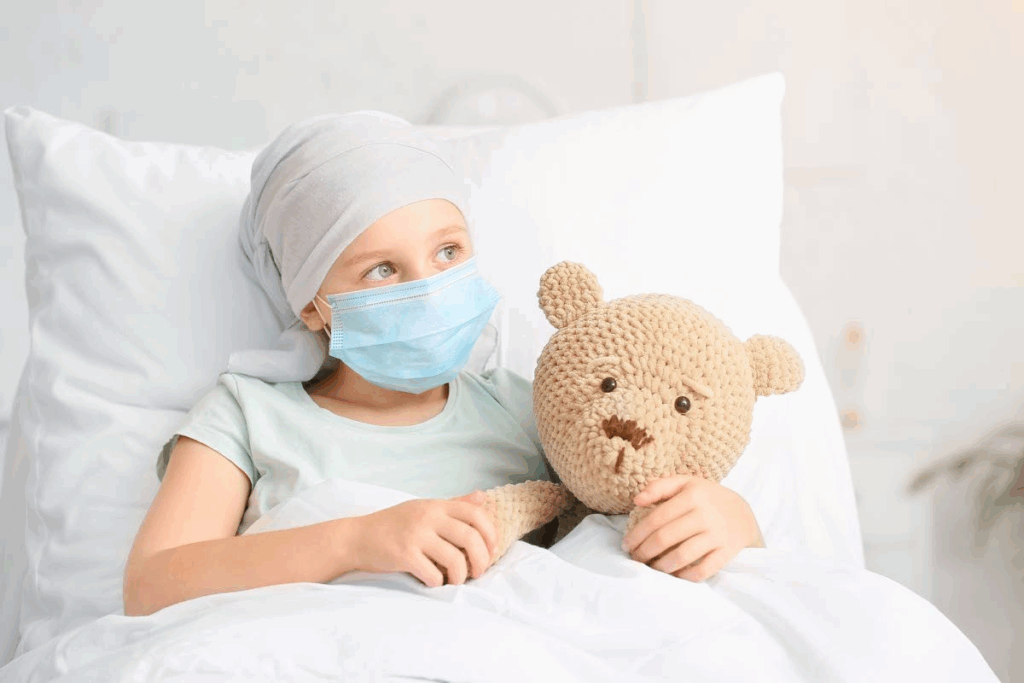
A child’s cancer diagnosis is rare but life-changing, and it requires immediate, specialized care from pediatric oncologists who understand how cancers in kids differ from adults. An early oncology referral ensures a thorough oncologist consultation, clear explanations of the diagnosis, and a personalized treatment plan tailored to your child’s medical and emotional needs. Pediatric oncologists coordinate tests, therapies, and supportive services so families understand options and next steps. If your child has persistent, unexplained symptoms or abnormal test results, ask your pediatrician for an urgent oncology referral to speed evaluation and begin the right treatment pathway.
Key Takeaways
- Cancer in children is rare but requires specialized care.
- Pediatric oncologists are trained to diagnose and treat pediatric cancer.
- A cancer diagnosis in children is different from adults.
- Pediatric oncologists provide tailored care for each child.
- An oncologist consultation is critical for navigating diagnosis and treatment.
Understanding Pediatric Oncology
Pediatric oncology is a special field of medicine. It deals with the diagnosis, treatment, and care of children with cancer. It’s a branch of oncology that focuses on the unique needs of young patients.
What is Pediatric Oncology?
Pediatric oncology is about treating children with different cancers. This includes leukemias, lymphomas, brain tumors, and solid tumors. Pediatric oncologists use therapies like chemotherapy, radiation, and surgery to treat these conditions.
Children’s bodies are different from adults’, and they respond to cancer and treatment in unique ways. So, pediatric oncologists need to stay up-to-date with the latest research and treatments for kids.
Role of Pediatric Oncologists
Pediatric oncologists are key in the healthcare system. They provide specialized care to children with cancer. They work with a team of surgeons, radiologists, pathologists, and others to ensure complete care.
They do more than just treat the cancer. They also help manage symptoms, side effects, and the emotional impact of the disease on the child and their family.
| Role | Description |
| Diagnosis | Pediatric oncologists diagnose various types of childhood cancers using advanced diagnostic techniques. |
| Treatment Planning | They develop personalized treatment plans that may include chemotherapy, radiation, surgery, or a combination of these. |
| Supportive Care | Pediatric oncologists provide care to manage symptoms and side effects, improving the quality of life for their patients. |
Common Conditions Leading to Referral
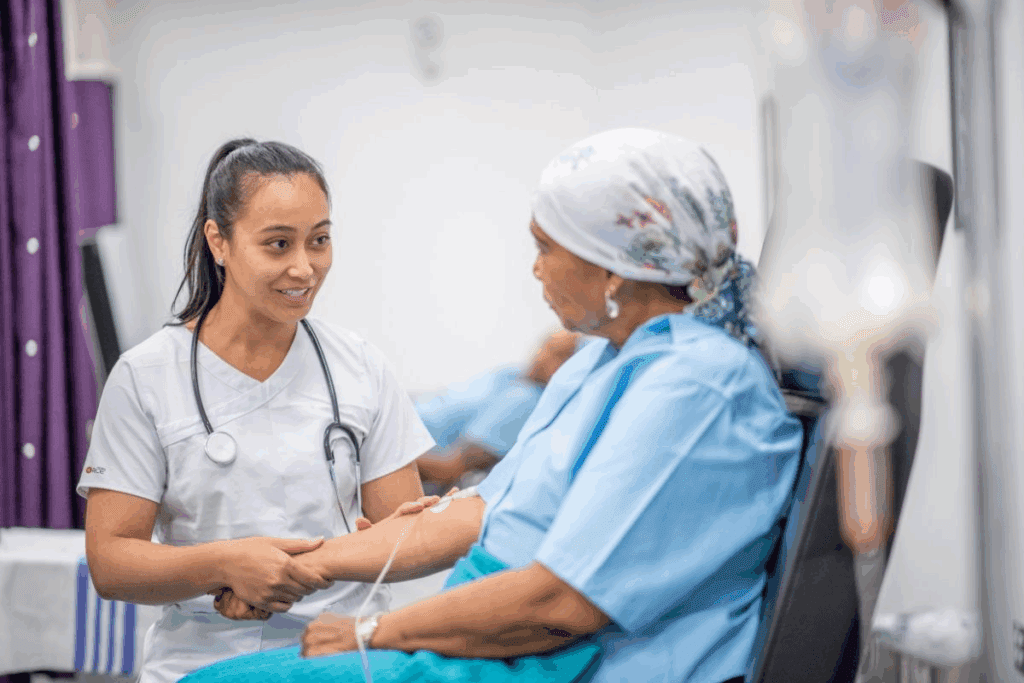
Understanding common conditions that lead to a referral in pediatric oncology is key. Children are often sent to oncologists because of suspected cancers. These cancers need special care.
Types of Childhood Cancers
Childhood cancers come in many forms. They include leukemias, brain and central nervous system (CNS) tumors, and lymphomas. Leukemias affect the blood and bone marrow. Brain and CNS tumors target the brain and spinal cord. Lymphomas are cancers of the lymphatic system.
Each cancer type needs a specific treatment plan. Knowing these differences is essential for effective care.
Benign Tumors vs. Malignant Tumors
In pediatric oncology, it’s important to know the difference between benign and malignant tumors. Benign tumors are not cancerous and don’t spread. Malignant tumors are cancerous and can spread.
Doctors use tests to figure out if a tumor is benign or malignant. Knowing this helps decide the best treatment and outlook.
Getting the right diagnosis and understanding the tumor type is vital. It helps doctors give the best care to children with cancer.
Symptoms That May Prompt a Referral
Parents need to watch for certain symptoms that might mean a visit to an oncologist. Knowing these signs can help catch problems early.
Warning Signs Parents Should Watch For
There are several symptoms that could mean a child needs to see a pediatric oncologist. These include:
- Unexplained or persistent pain: Pain that doesn’t go away or is so bad it stops daily activities.
- Unexplained lumps or swelling: Swelling or lumps that show up without a reason, and grow.
- Swollen lymph nodes: Lymph nodes that are big or hurt, found in the neck, armpits, or groin.
- Unexplained fever or infections: Fever that keeps coming back, or infections that don’t get better with treatment.
- Low blood count: Feeling tired, pale skin, or short breath, which could mean low blood count.
Importance of Early Detection
Finding problems early is key to treating childhood cancers well. Spotting signs early can greatly help outcomes. Don’t ignore chronic symptoms like constant tiredness, loss of appetite, or unexplained weight loss.
Parents who know these signs can get medical help fast. This could lead to quicker diagnosis and treatment. It’s important to work with doctors to watch symptoms and decide what to do next.
Being proactive and informed, parents are essential in their child’s health care. They help make sure their child gets the right care on time.
Referral Process: What to Expect
Learning about the referral process can ease worries for families. It starts with a primary care doctor who checks the child’s symptoms. They decide if a specialist is needed.
Steps Before the Referral
Before seeing a pediatric oncologist, several steps happen. The primary care doctor will take a detailed medical history and do a physical exam. They might also order tests to find the cause of symptoms.
Key steps include:
- Detailed medical history to identify any genetic predispositions or family history of cancer
- Physical examination to check for any abnormalities
- Initial diagnostic tests such as blood work or imaging studies
The Role of Primary Care Physicians
Primary care doctors are key in the referral process. They are often the first ones families talk to. They check the child’s condition and decide if a specialist is needed.
Family cancer history is important in assessing cancer risk. Sometimes, genetic counseling is suggested to look at genetic factors.
| Role | Description |
| Initial Assessment | Conducting medical history and physical examination |
| Diagnostic Tests | Ordering blood work, imaging studies, or other tests as needed |
| Referral Decision | Deciding if a referral to a pediatric oncologist is necessary |
After deciding to refer, families meet with a pediatric oncologist. The oncologist will check the child’s condition and talk about treatment options.
Diagnostic Tests in Oncology

In pediatric oncology, finding and understanding cancer is key. These tests help doctors create a treatment plan that fits each child’s needs.
Common Tests Used in Pediatric Oncology
Many tests are used in pediatric oncology. These include imaging scans, blood tests, and biopsies. Imaging scans like X-rays and CT scans show where the tumor is and how big it is.
- X-rays: Give initial images of the tumor.
- CT scans: Show detailed cross-sectional images.
- MRI scans: Give high-resolution images of soft tissues.
- PET scans: Help see how active the tumor is.
Blood tests check for abnormal substances that might mean cancer. Biopsies take a sample of tumor tissue for closer look.
| Diagnostic Test | Purpose | Information Provided |
| Imaging Scans (X-ray, CT, MRI, PET) | Visualize the tumor and its extent | Location, size, and spread of the tumor |
| Blood Tests | Check for abnormal substances in the blood | Indicators of cancer presence or progression |
| Biopsy | Examine tissue sample from the tumor | Type of cancer, tumor characteristics |
The Importance of Accurate Diagnosis
Getting the right diagnosis is vital for effective treatment. It makes sure the treatment targets the cancer correctly. This improves the chances of a good outcome.
Accurate diagnosis also helps avoid long-term side effects. It does this by avoiding treatments that aren’t needed.
The diagnostic process can be tough for families. But with the right tests and understanding, we can give the best care to children with cancer.
Treatment Options in Pediatric Oncology
When a child is diagnosed with cancer, it’s key for families to know the treatment options. We understand that every child’s cancer is different. So, we tailor the treatment to fit each child’s needs.
Modalities Used in Treatment
Cancer treatment for kids includes chemotherapy, radiation therapy, surgery, and immunotherapy. The right treatment depends on the cancer type, stage, and the child’s health.
Chemotherapy fights cancer that has spread. It uses drugs to kill cancer cells. Radiation therapy targets and kills cancer cells in a specific area with high-energy rays.
Supportive Care Throughout the Treatment Process
Supportive care is a big part of cancer care. It helps manage symptoms and treatment side effects. We offer full supportive care to help kids and families deal with cancer treatment.
This includes managing pain, supporting nutrition, and counseling for mental health. Our aim is to keep children’s quality of life high during treatment.
- Pain management to alleviate discomfort
- Nutritional support to maintain strength
- Psychological counseling for emotional well-being
We offer a variety of treatments and supportive care. Our goal is to give the best outcomes for kids with cancer.
Emotional Support for Families
Families dealing with childhood cancer face big challenges. The diagnosis can change their lives in many ways. It affects every family member deeply.
Importance of Psychological Support
Psychological support is key for families with childhood cancer. It helps them deal with stress, anxiety, and uncertainty. We know emotional support is as important as medical care.
Counseling and support groups are vital. They offer a safe place for families to share their feelings. These resources make families feel less alone and more supported.
Resources Available for Families
Many resources help families emotionally and psychologically. These include:
- Counseling services tailored to families with childhood cancer.
- Support groups for families going through similar experiences.
- Online resources and hotlines for immediate support and guidance.
We make sure families have access to these resources. This helps them cope with the emotional challenges of childhood cancer.
By giving emotional support, we help families face childhood cancer better. It’s about creating a caring environment. Where families feel understood and supported.
Questions Parents Should Ask
It’s important for parents to understand the oncology referral process. This helps them make informed decisions about their child’s care. When a child is referred to oncology, it can be tough and overwhelming for the family. Asking the right questions can help parents handle this journey better.
Key Inquiries During the Referral Process
During the first meeting, parents should ask about the referral, expected outcomes, and next steps. Some key questions include:
- What are the possible causes of my child’s symptoms?
- What diagnostic tests will be conducted, and what do they entail?
- How long will it take to receive the diagnosis?
- Who will be part of my child’s care team, and what are their roles?
Understanding Treatment Plans
After a diagnosis, understanding the treatment plan is key. Parents should ask about treatment options, side effects, and support during treatment. Important questions include:
- What are the treatment options available for my child’s condition?
- What are the possible side effects, and how can they be managed?
- How will my child’s progress be monitored during treatment?
- What kind of support services are available for my family during this time?
To help parents understand better, here’s a summary of key questions for the referral and treatment planning stages:
| Stage | Key Questions |
| Referral Process | What are the possible causes of my child’s symptoms? What diagnostic tests will be conducted? |
| Treatment Planning | What are the treatment options? What are the possible side effects, and how can they be managed? |
By asking the right questions, parents can better support their child through the oncology process. We know this journey is complex. But with the right information and support, families can navigate it more effectively.
Conclusion: Importance of Timely Referrals
Getting kids to oncology specialists quickly is key for good treatment. Early action in fighting childhood cancer can make a big difference. It helps kids get better faster.
Effective Treatment through Early Detection
Spotting cancer early lets doctors create better treatment plans. This not only boosts treatment success but also makes life better for kids. It helps them deal with ongoing care and follow-ups.
Collaborative Effort for Better Outcomes
Working together is essential for better results. Healthcare teams, families, and patients must join forces. Regular checks and support help kids with cancer get the best care possible.
FAQ
What is pediatric oncology?
Pediatric oncology is a field of medicine that focuses on treating cancers in kids. We offer care for children with different types of cancer. Our goal is to support them through their treatment journey.
Why would a child be referred to oncology?
A child might be sent to oncology if they show signs of cancer. This includes unusual symptoms, abnormal blood tests, or unexplained lumps. Our team is ready to help manage these situations.
What are the common symptoms of childhood cancer?
Symptoms of childhood cancer include fever, low blood count, and persistent pain. Swollen lymph nodes and unexplained lumps are also signs. Early detection is key to better treatment outcomes.
What is the role of primary care physicians in the referral process?
Primary care doctors are vital in spotting cancer symptoms early. They do initial checks and refer kids to oncologists when needed. We work with them to ensure kids get the right care.
What diagnostic tests are used in pediatric oncology?
We use imaging, blood tests, biopsies, and more to diagnose cancer. These tests help us understand the cancer type and how far it has spread. This information guides our treatment plans.
What treatment options are available for childhood cancer?
Treatments for childhood cancer include chemotherapy, radiation, and surgery. We offer full care, including support, to help families during treatment.
Why is family cancer history important?
Knowing a family’s cancer history helps us spot genetic risks. It guides our diagnosis and treatment plans. We offer genetic counseling to help families understand their risks.
What kind of emotional support is available to families dealing with childhood cancer?
We provide emotional support through counseling and support groups. We know how important this support is for families facing cancer treatment.
What questions should parents ask during the referral process?
Parents should ask about the referral, diagnosis, treatment, and what to expect. We encourage parents to be involved in their child’s care and ask questions.
How can families access oncology care for their child?
Families can get a referral from their primary care doctor. We offer top-notch care and support for international patients too.
Reference
- National Cancer Institute. (2024, August 27). Cancer in children and adolescents — fact sheet. National Cancer Institute. https://www.cancer.gov/types/childhood-cancers/child-adolescent-cancers-fact-sheet