


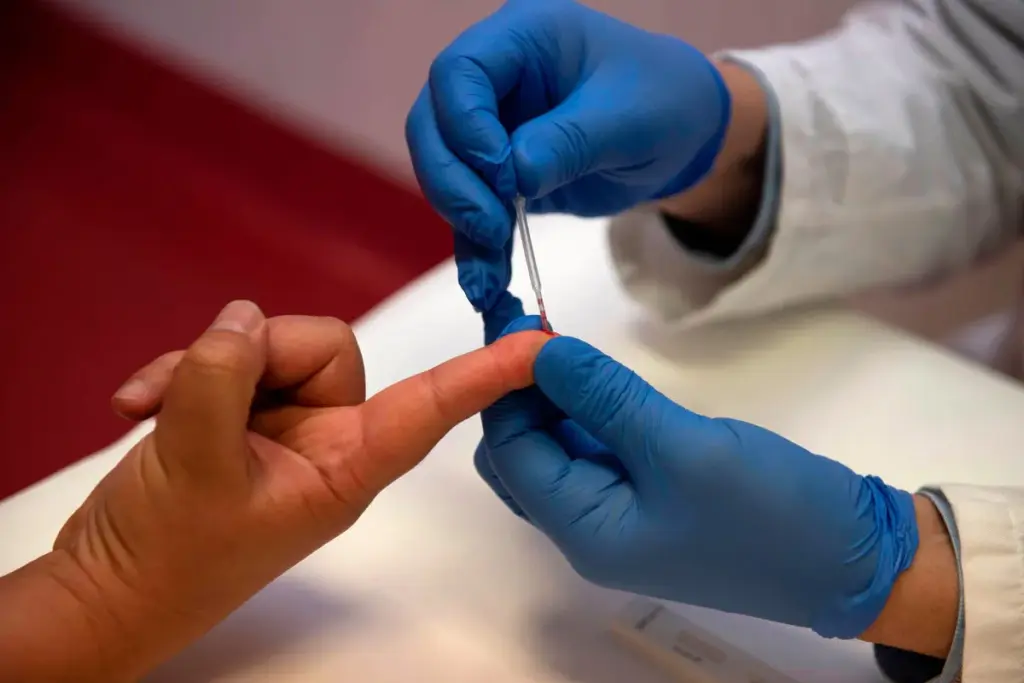
Can a simple blood test detect cancer years before symptoms show? New technologies now let us find different cancers early. This change is making a big difference in how we diagnose and treat patients.
Can one blood test find cancer? Discover amazing diagnostic breakthroughs and vital, powerful ways blood work saves lives through detection.
Many blood tests are key in finding cancer. They use special markers and genetic signs. Studies show that Multi-Cancer Early Detection (MCED) tests can spot cancer in blood samples as early as 3.1–3.5 years before it’s officially diagnosed. Finding cancer early is vital for better treatment and saving lives.
Key Takeaways
- Early detection of cancer is now possible with advanced blood tests.
- MCED tests can detect cancer signals years before a formal diagnosis.
- Various blood tests are available, each with unique markers for cancer detection.
- Early detection significantly improves patient outcomes and survival rates.
- Advancements in medical technology are revolutionizing cancer diagnosis.
The Role of Blood Tests in Cancer Detection
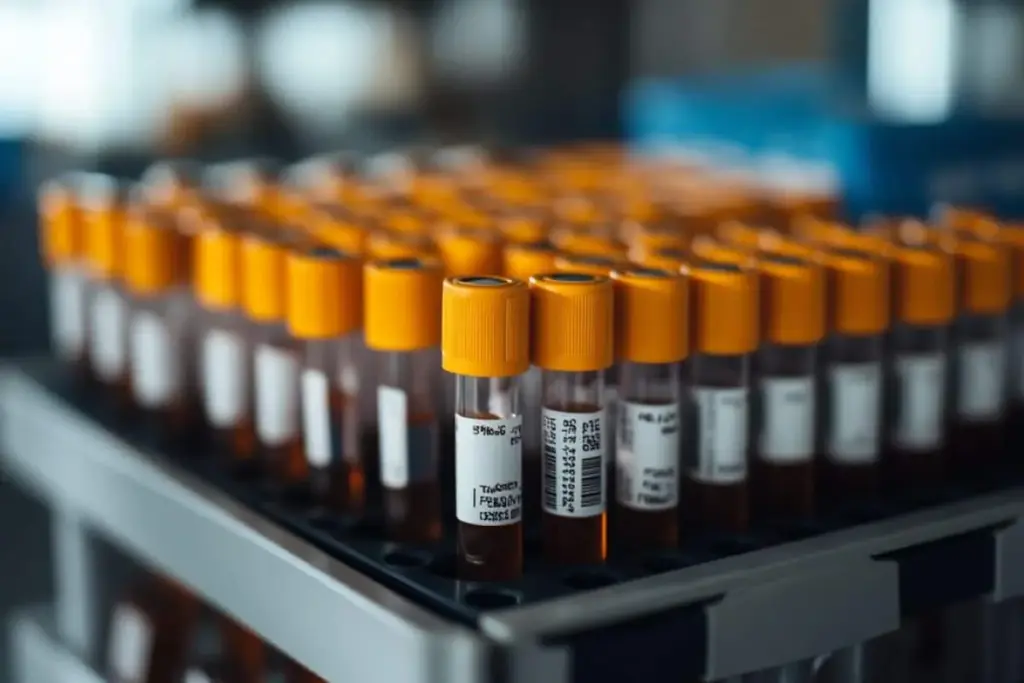
Blood tests have changed how we find cancer early. They help spot cancer markers, leading to better treatment and outcomes.
How Cancer Markers Appear in Blood
Cancer markers are substances found in the blood of some cancer patients. They are made by cancer cells or the body’s response to cancer. For example, Multicancer Early Detection (MCED) tests find cancer DNA in the blood years before symptoms show.
Studies on immune cells have shown how they interact with cancer. This helps us understand how to detect cancer better.
Why Early Detection Matters
Finding cancer early is key to successful treatment. Early-stage cancer is often easier to treat and can be cured. Early detection leads to better health, lower costs, and less pain for patients and their families.
Early detection is key to managing cancer well. By using blood tests to find cancer markers, we make a big step in fighting cancer.
Understanding Cancer Biomarkers in Blood
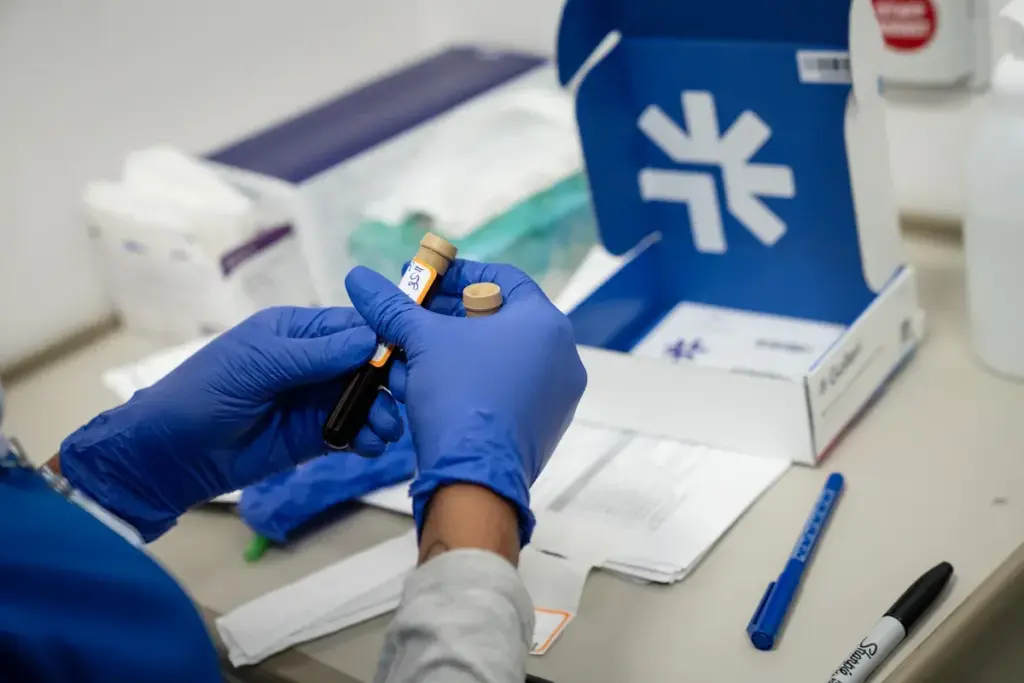
It’s key to know about cancer biomarkers for early detection through blood tests. These biomarkers are substances in the blood that show cancer might be present. They can be proteins, genes, or other molecules made by cancer cells or in response to them.
Types of Cancer Biomarkers
There are many types of cancer biomarkers found in the blood. These include:
- Protein biomarkers: Like prostate-specific antigen (PSA) for prostate cancer.
- Genetic biomarkers: Such as circulating tumor DNA (ctDNA) that shows different cancers.
- Hormone biomarkers: For example, human chorionic gonadotropin (hCG) in some cancers.
How Biomarkers Signal Cancer Presence
Cancer biomarkers signal cancer through different ways. Some biomarkers are made by tumor cells, while others are made by the body in response. Blood tests, like a full blood count and liver function tests, also give important info.
Declining hemoglobin, low albumin, and raised platelets can hint at cancer risk. This means more tests are needed. Understanding these biomarkers and blood test results helps doctors make better decisions about treatment.
Complete Blood Count (CBC) Test and Cancer Indicators
The Complete Blood Count (CBC) test is key in finding health problems. It checks the numbers of different blood cells. This helps doctors see if something is wrong.
What a CBC Test Reveals
A CBC test shows what’s in your blood. It looks at red blood cells, white blood cells, and platelets. This gives a full picture of your health.
For example, low hemoglobin can mean anemia, which might be linked to cancer. High white blood cells could mean infection or leukemia. Platelet counts that are off can also point to health issues.
Abnormal CBC Results That May Indicate Cancer
Certain CBC results can hint at cancer. For instance, falling hemoglobin or low albumin levels might raise cancer risk. Other changes can also be cancer signs.
- Low red blood cells or anemia might mean colon or other cancers causing bleeding.
- High white blood cells could be a sign of leukemia or lymphoma.
- Abnormal platelet counts, like too low or too high, can point to myeloproliferative disorders.
While a CBC test is helpful, it’s not the only way to find cancer. Odd results don’t always mean cancer. They might mean other health problems that need looking into.
|
CBC Parameter |
Normal Range |
Potential Cancer Indicator if Abnormal |
|---|---|---|
|
Hemoglobin |
13.8-17.2 g/dL (men), 12.1-15.1 g/dL (women) |
Low levels may indicate anemia or internal bleeding due to cancer. |
|
White Blood Cell Count |
4,500-11,000 cells/μL |
High count could indicate leukemia or infection. |
|
Platelet Count |
150,000-450,000 platelets/μL |
Abnormal counts can be seen in myeloproliferative disorders. |
A CBC test is a key tool in finding health problems, including cancer. It’s not the only test for cancer, but it’s very important in the process.
Liver Function Tests as Cancer Indicators
The liver’s health is key to our overall well-being. Liver function tests can show if cancer is present. These tests check the liver’s health and find any problems, like cancer.
Key Liver Enzymes to Monitor
Liver function tests look at blood enzymes and proteins linked to liver health. Important enzymes include:
- Alanine transaminase (ALT)
- Aspartate transaminase (AST)
- Alkaline phosphatase (ALP)
- Gamma-glutamyl transferase (GGT)
High levels of these enzymes can mean liver damage or disease. For example, very high ALT and AST levels might show liver cell damage.
How Liver Function Changes With Cancer
Cancer, like liver cancer, can change how the liver works. Changes in liver function tests can hint at cancer. For example, liver cancer might raise ALP and GGT levels.
Here’s a quick look at how liver function tests can change with cancer:
|
Liver Function Test |
Normal Range |
Potential Cancer Indication |
|---|---|---|
|
ALT |
0-40 U/L |
Elevated levels may indicate liver cell damage |
|
AST |
0-40 U/L |
High levels can suggest liver disease or cancer |
|
ALP |
30-120 U/L |
Increased levels may be associated with liver or bone cancer |
|
GGT |
0-50 U/L |
Elevated GGT can indicate liver disease or cancer |
Liver function tests are vital for finding cancer. They work best when used with other tests. Knowing the test results helps doctors spot problems early.
Inflammatory Markers and Their Relationship to Cancer
Inflammation is key in cancer development and growth. Blood markers can show if cancer is present. Chronic inflammation can damage DNA, help cancer cells grow, and spread.
Two important markers linked to cancer are C-Reactive Protein (CRP) and Erythrocyte Sedimentation Rate (ESR). High levels of these markers suggest inflammation, which might be linked to cancer.
C-Reactive Protein (CRP) Levels
C-Reactive Protein (CRP) is made by the liver when there’s inflammation. High CRP levels can mean there’s inflammation, like in infections, autoimmune diseases, or cancer.
- Elevated CRP levels are seen in cancers like lung, colorectal, and breast cancer.
- CRP is used to predict how well cancer patients will do.
- Research shows CRP might affect how cancer grows and spreads.
Erythrocyte Sedimentation Rate (ESR)
Erythrocyte Sedimentation Rate (ESR) is a test that shows how fast red blood cells settle. It indicates inflammation. Like CRP, high ESR levels can mean cancer or other inflammatory conditions.
- ESR is not specific but can be high in inflammation, infection, or cancer.
- Some studies found high ESR levels are linked to worse cancer outcomes.
- Tracking ESR levels can help see how disease is progressing or how well treatment is working.
Knowing how CRP and ESR relate to cancer helps in diagnosing, predicting, and treating it. These markers are not just for cancer but can also show inflammation in other conditions. They are useful in checking a patient’s overall health.
Tumor Marker Blood Tests
Tumor marker blood tests are key in finding and tracking cancers early. They look for proteins or markers in the blood linked to cancer.
These tests help spot and track specific markers that show cancer might be present. These markers can come from cancer cells or the body’s reaction to them.
Common Tumor Markers
Many tumor markers have been found, each linked to different cancers. For example, CA-125 is used for ovarian cancer, and PSA for prostate cancer. CEA is for colorectal cancer, and AFP for liver cancer.
These markers can also show up in non-cancer conditions. But in cancer diagnosis and tracking, they offer important insights.
Limitations of Tumor Marker Tests
Despite their value, tumor marker tests have limits. Not all cancers have markers, and some markers can be high in non-cancer conditions. The tests’ accuracy can also vary, leading to false results.
These tests are part of a bigger diagnostic plan. This includes imaging, biopsies, and clinical checks.
We must look at tumor marker test results with the patient’s whole health in mind. This includes other test findings and medical history.
The One Blood Approach to Cancer Screening
A new era in cancer detection has started with the one blood approach. It uses a detailed blood analysis. This method is changing how we find cancer early, helping us treat it when it’s most manageable.
Comprehensive Blood Analysis
Comprehensive blood analysis looks at different parts of blood for cancer markers. This method gives a deeper look at a patient’s health. It helps doctors make better choices.
Studies show this blood analysis can spot cancer sooner than old methods. By checking many biomarkers in one test, doctors can find problems before symptoms show up.
Integrating Multiple Biomarkers
Using many biomarkers is key in the one blood approach. By looking at various biomarkers, doctors understand a patient’s cancer risk better. This way, they avoid false positives and negatives, giving a more accurate diagnosis.
|
Biomarker |
Cancer Type |
Detection Method |
|---|---|---|
|
CA-125 |
Ovarian Cancer |
Blood Test |
|
PSA |
Prostate Cancer |
Blood Test |
|
CEA |
Colorectal Cancer |
Blood Test |
The one blood approach is a big step forward in finding cancer. It combines detailed blood analysis with checking many biomarkers. This way, we can catch cancer early and improve patient results.
Multicancer Early Detection (MCED) Tests
Multicancer Early Detection (MCED) tests are a new way to find many cancers with one blood test. They could change how we screen for cancer by catching it early. This makes it easier to treat.
How MCED Tests Work
MCED tests look at DNA and other signs in the blood for cancer. They use special DNA sequencing and computer learning to spot small DNA changes. These changes might mean cancer is present.
Key components of MCED tests include:
- Advanced genomic sequencing to identify DNA mutations
- Machine learning algorithms to analyze complex data
- Biomarker identification to detect cancer signals
Detection Timeline: 3+ Years Before Traditional Diagnosis
Studies show MCED tests can find cancer signs 3.1–3.5 years before old ways do. This early find can really help with treatment and how well patients do.
The ability to detect cancer early can lead to:
- Earlier intervention and treatment
- Improved patient outcomes
- Potential reduction in cancer mortality rates
Current MCED Technologies
Many MCED technologies are being worked on and tested. They look at DNA, proteins, and other signs of cancer in the blood.
As research gets better, MCED tests will likely get more accurate and useful. This could make them more common in doctor’s offices.
Multi-Cancer Detection (MCD) Blood Tests
MCD blood tests are being studied for their ability to find many cancers in people aged 45-75. This group is more likely to get different types of cancer. These tests could change how we screen for cancer by finding it early, which is key for treatment.
Target Population
The tests are for people aged 45-75. This age group is more at risk for cancer, so finding it early is very important. Researchers are working to see how well these tests work for this group.
Types of Cancers Detected
MCD blood tests can spot many cancers, like lung, colorectal, breast, ovarian, and more. They can find several cancer types from just one blood sample. This makes them a great tool in fighting cancer. By finding cancers early, these tests could help patients live longer and improve their health.
Some of the main benefits of MCD blood tests include:
- Early detection of many cancer types
- Non-invasive screening method
- Potential to improve patient outcomes
As research goes on, we’ll likely see these tests get even better. They might become more common in doctor’s offices soon.
Liquid Biopsy: Detecting Cancer DNA in Blood
Liquid biopsy is a new way to find cancer by looking at DNA in blood. It’s changed how we diagnose and keep track of cancer. This method is non-invasive, making it easier for patients.
Circulating Tumor DNA (ctDNA)
Circulating tumor DNA (ctDNA) is DNA from cancer cells in the blood. It helps doctors understand the cancer’s genetic changes. This knowledge leads to better treatment plans.
.
Cell-Free DNA Analysis
Cell-free DNA (cfDNA) analysis looks at DNA in the blood not in cells. This includes DNA from cancer cells and normal cells. It helps find genetic changes linked to cancer.
To do cfDNA analysis, first, they get DNA from blood. Then, they sequence and analyze it to find cancer mutations.
|
Aspect |
Description |
Clinical Utility |
|---|---|---|
|
Circulating Tumor DNA (ctDNA) |
DNA released by cancer cells into the bloodstream |
Monitoring cancer progression, detecting minimal residual disease |
|
Cell-Free DNA (cfDNA) Analysis |
Analysis of DNA present in the blood outside of cells |
Identifying genetic alterations associated with cancer |
In conclusion, liquid biopsy is a big step forward in cancer care. By studying ctDNA and cfDNA, doctors can better understand a patient’s cancer. This leads to more tailored and effective treatments.
The Shield Test for Colorectal Cancer
The Shield test is changing how we find colorectal cancer. It’s a non-invasive way to screen for this disease. It has gained worldwide praise for its early detection method.
Mechanism of the Shield Test
The Shield test is a blood test that finds colorectal cancer early. It looks for certain signs in the blood that show cancer is present.
Key aspects of the Shield test include:
- Non-invasive, requiring only a blood sample
- High sensitivity in detecting colorectal cancer
- Ability to identify cancer at early, potentially curable stages
Accuracy and Benefits
The Shield test is very accurate, as shown in studies. It’s a great tool for finding colorectal cancer. Its benefits go beyond just being accurate:
- Early Detection: Finds colorectal cancer when it’s easier to treat.
- Non-invasive: No need for invasive tests like colonoscopy for the first check.
- Comprehensive: Finds cancer in people who don’t show symptoms.
The Shield test is a big step forward in fighting colorectal cancer. It offers a simple, accurate, and non-invasive way to screen.
Adding the Shield test to regular health checks can help find colorectal cancer early. This can lead to better treatment and save lives.
When to Consider Cancer Blood Testing
Certain risk factors and symptoms can show the need for cancer blood testing. This is a key step in finding cancer early. Knowing these signs is important for identifying who should get tested.
Risk Factors That Warrant Testing
Some risk factors make it more likely to get cancer. This means we should think about getting tested. These include:
- Family History: Having a family history of certain cancers raises your risk.
- Genetic Mutations: Mutations like BRCA1 and BRCA2 for breast and ovarian cancer increase risk.
- Age: As we get older, the risk of many cancers goes up. So, regular screening is more important.
- Lifestyle Factors: Smoking, drinking too much alcohol, and being overweight can also raise your risk.
Recommended Screening Ages
Screening ages vary based on the cancer type and your risk. Here are some general guidelines:
|
Cancer Type |
General Screening Age |
High-Risk Screening Age |
|---|---|---|
|
Breast Cancer |
40-45 |
30-35 (with family history or genetic mutations) |
|
Colorectal Cancer |
45-50 |
40 (with family history) |
|
Lung Cancer |
55 (for heavy smokers) |
50 (with additional risk factors) |
Symptoms That Shouldn’t Be Ignored
Some symptoms can mean you might have cancer, even if it’s not showing signs yet. Don’t ignore:
- Unexplained Weight Loss: Losing a lot of weight without changing how you eat or exercise.
- Persistent Fatigue: Feeling very tired all the time, even after resting.
- Changes in Skin: New moles, changes in old moles, or other skin changes.
- Unusual Bleeding: Bleeding between periods, after sex, or other unusual bleeding.
If you’re feeling these symptoms or have risk factors, talk to a doctor about cancer blood testing. It’s a step towards finding and treating cancer early.
Preparing for Cancer Blood Tests
Getting ready for cancer blood tests involves a few steps to get accurate results. We know that going through tests can make people anxious. Knowing what to expect and how to prepare can make it easier.
What to Expect During Testing
A healthcare professional will draw blood from your arm during a test. This usually takes just a few minutes. We make sure the equipment is clean and the process is done carefully to avoid pain.
Medical experts say, “The success of a blood test depends on the skill of the practitioner and the patient’s preparation.” Understanding the process can greatly reduce anxiety and make it easier to handle.
Fasting and Other Requirements
Some blood tests need you to fast or follow specific instructions. For example, some tests might ask you to not eat or drink for a while before. It’s important to follow your doctor’s advice to get the best results.
Fasting needs can change based on the test. Always ask your doctor if you’re unsure about anything.
Interpreting Blood Test Results for Cancer
Understanding your blood test results is key to moving forward in your cancer diagnosis. Blood tests can show a lot about your health. It’s important to interpret these results correctly to spot any problems.
What Abnormal Results May Mean
Abnormal blood test results can point to many health issues, including cancer. If your results show something off, it’s vital to know what it might mean. For example, a high white blood cell count could mean an infection or leukemia.
Also, abnormal levels of certain enzymes or proteins in your blood might signal cancer. But remember, abnormal results don’t always mean you have cancer. Many things can cause them, and more tests are usually needed to find out why.
When Further Testing Is Needed
If your blood test results are abnormal, your doctor might suggest more tests to confirm a diagnosis. These could include imaging tests like CT scans or MRIs, biopsies, or more specific blood tests. The specific tests needed will depend on what your blood test results show.
Let’s look at a situation where more testing is needed. Here’s a table showing some common abnormal blood test results and what might happen next:
|
Abnormal Result |
Potential Indication |
Further Testing |
|---|---|---|
|
Elevated White Blood Cell Count |
Infection, Leukemia |
Bone Marrow Biopsy, Blood Culture |
|
Abnormal Liver Enzymes |
Liver Damage, Cancer |
Liver Function Tests, Imaging Tests |
|
Presence of Tumor Markers |
Cancer (specific types) |
Imaging Tests, Biopsy |
Knowing about your blood test results and when you might need more tests can help you understand your cancer diagnosis better. It’s important to talk to your healthcare provider about your results. They can help you understand what they mean for your health.
Conclusion
Early cancer detection through blood tests has changed how we fight cancer. New blood tests for cancer are giving us hope for early treatment. The Vanguard Study is a big step in this area.
These tests check for many cancers like bladder, breast, and lung cancer. They use just a blood sample. This is a big leap forward.
As research keeps going, we’ll see better blood tests for cancer. This will help doctors find and treat cancer sooner. It will save lives.
FAQ
What blood tests are used to detect cancer?
To find cancer, doctors use several blood tests. These include the Complete Blood Count (CBC) test, liver function tests, and tests for inflammatory markers. They also use tumor marker blood tests.
Can a CBC test detect cancer?
A CBC test can show signs that might mean cancer. But, it’s not enough to say for sure. If the CBC shows something odd, more tests are needed to figure out why.
What is the role of liver function tests in cancer detection?
Liver function tests check for changes in liver enzymes. These changes might mean cancer. Doctors watch for enzymes like alkaline phosphatase, alanine transaminase, and aspartate transaminase.
How do tumor marker blood tests work?
Tumor marker tests look for proteins or biomarkers in the blood linked to cancer. For example, they check for prostate-specific antigen (PSA) and carcinoembryonic antigen (CEA).
What is the one blood approach to cancer screening?
The one blood approach is a detailed blood analysis. It looks at many biomarkers to spot cancer early. This method might help find cancer before it’s too late.
What are Multicancer Early Detection (MCED) tests?
MCED tests aim to find many cancers early, often 3 years before symptoms show. They use advanced tech to find biomarkers in the blood.
Who is eligible for Multi-Cancer Detection (MCD) blood tests?
MCD tests are for people aged 45 to 75. They can find different cancers, even those not usually checked for.
What is liquid biopsy, and how does it detect cancer?
Liquid biopsy analyzes DNA in the blood to find cancer. It’s a non-invasive way to spot cancer early.
How does the Shield test work, and what are its benefits?
The Shield test looks for biomarkers in the blood to find colorectal cancer. It’s accurate and doesn’t need invasive testing.
When should I consider cancer blood testing?
Think about blood tests if you have cancer risk factors or are the right age. Also, if you have symptoms like unexplained weight loss or pain, talk to your doctor.
How do I prepare for cancer blood tests?
For blood tests, you might need to fast or follow your doctor’s instructions. It’s key to follow these steps to get accurate results.
How are blood test results interpreted for cancer?
If blood tests show something odd, it might mean cancer. But, more tests are needed to be sure. Your doctor will guide you on what to do next.
Can cancer be detected by a blood test alone?
Blood tests can find cancer signs, but more tests are needed to confirm. This includes imaging and biopsies.
What are the benefits of early cancer detection through blood tests?
Early detection through blood tests can lead to better treatment and save lives. It means cancer can be treated sooner, when it’s easier to cure.
References
National Center for Biotechnology Information. Evidence-Based Medical Insight. Retrieved from https://pubmed.ncbi.nlm.nih.gov/33866490/


 Departments
 Related Videos
 Our Doctors
 News
News


