Last Updated on December 3, 2025 by Bilal Hasdemir
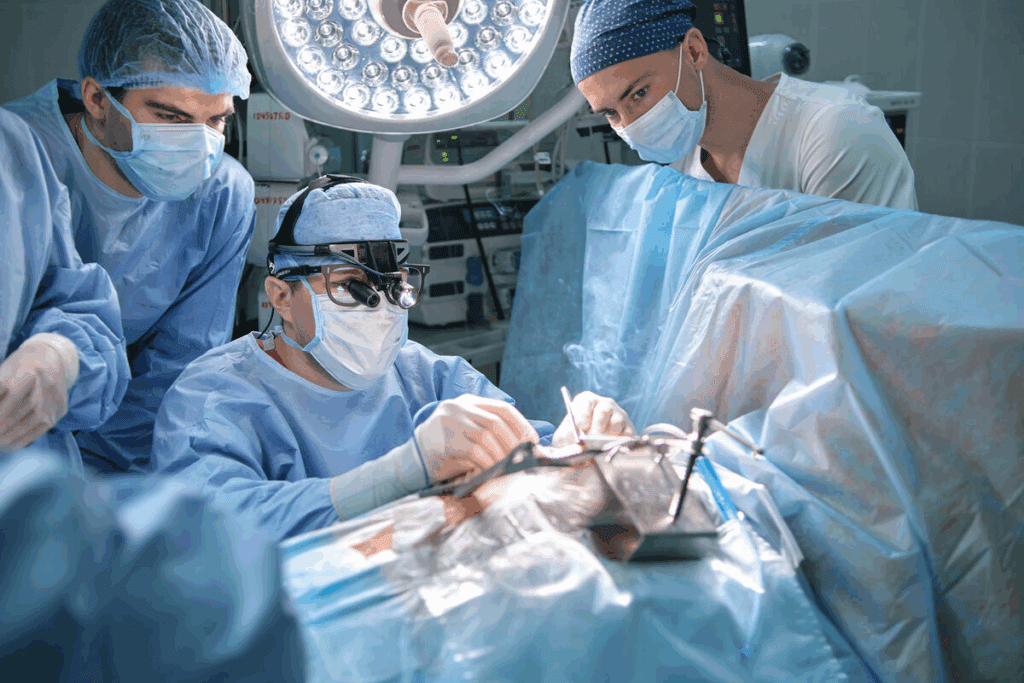
Did you know that nearly 300,000 open-heart surgeries are done every year in the United States? Traditional open-heart surgery means splitting the breastbone to reach the heart. But, new tech has brought minimally invasive heart surgery to the table.
These new methods let doctors do heart surgery without opening the chest. This cuts down on recovery time and scarring. It’s changed cardiac surgery, giving hope to those with heart issues.
Key Takeaways
- Traditional open-heart surgery involves splitting the breastbone.
- Minimally invasive heart surgery techniques are now available.
- New heart surgery techniques reduce recovery time and scarring.
- Heart surgery without opening the chest is now possible.
- Advancements in medical technology have improved cardiac surgery.
The Traditional Approach to Open Heart Surgery

For years, open heart surgery has mainly used a sternotomy. This means splitting the breastbone to reach the heart. It’s been key in cardiac surgery, helping with complex repairs and replacements.
What Defines Conventional Open Heart Surgery
Traditional open heart surgery is very invasive. It needs a big cut in the chest. This lets surgeons do many procedures, like bypass grafting and valve repairs.
The Sternotomy Procedure
A sternotomy cuts through the sternum to show the heart. Surgeons use a saw for this. The sternotomy is a key part of traditional open heart surgery, giving direct heart access.
How Cardiopulmonary Bypass Works
Cardiopulmonary bypass (CPB) is used in traditional open heart surgery. It stops blood and oxygen from reaching the heart. This lets surgeons work on a heart that’s not beating. A heart-lung machine does the heart and lung work during surgery.
Recovery Timeline After Traditional Surgery
Recovering from traditional open heart surgery takes a long time. It can take weeks to months to fully recover. The recovery time depends on your health and the surgery’s complexity. You’ll likely stay in the hospital for a few days to a week. Then, you’ll need to go through rehabilitation.
| Recovery Stage | Timeline | Description |
| Hospital Stay | 5-7 days | Initial recovery under medical supervision |
| Rehabilitation | 6-8 weeks | Gradual return to normal activities |
| Full Recovery | Several months | Complete healing and return to full strength |
The Evolution of Minimally Invasive Cardiac Surgery

Minimally invasive cardiac surgery has changed a lot over time. This change came from new technology and a shift in how doctors think. We’ve seen new ways to do surgery and big tech advances.
Historical Development of Less Invasive Techniques
The start of minimally invasive cardiac surgery was a few decades ago. At first, many doubted it. But, thanks to new tech and hard work, it’s now widely accepted.
Key Technological Breakthroughs
New tech has been key in making cardiac surgery less invasive. Advances in endoscopic, robotic, and imaging tech have helped. Surgeons can now do complex surgeries with more precision and less harm to patients.
Shifting Paradigms in Cardiac Surgery
Cardiac surgery is now done in a new way. This change has faced challenges, like initial doubts and the need for special training for doctors.
Early Resistance to New Approaches
When minimally invasive cardiac surgery started, many doctors were skeptical. They worried about its safety and effectiveness. It took time for its benefits to be clear.
Growing Acceptance in Medical Community
As more evidence showed its benefits, like faster recovery and less pain, doctors started to accept it. Now, these methods are seen as important in treating heart problems.
| Technological Advancement | Impact on Cardiac Surgery |
| Endoscopic Surgery | Reduced trauma and improved precision |
| Robotic-Assisted Surgery | Enhanced dexterity and visualization |
| Advanced Imaging Technologies | Improved diagnostic accuracy and surgical planning |
Types of Open Heart Surgery Without Full Chest Opening
Open heart surgery has changed a lot. Now, we have new ways to do it without a big cut in the chest. These new methods help patients heal faster and leave less scar.
Minimally Invasive Direct Coronary Artery Bypass (MIDCAB)
MIDCAB is a way to fix blocked heart arteries without a big cut. Surgeons make small cuts between the ribs. This method can make patients stay in the hospital less and recover quicker.
Mini-Thoracotomy Valve Procedures
Mini-thoracotomy uses a small chest cut to fix heart valves. It’s used for many valve repairs or replacements. This small cut means less damage and faster healing.
Robot-Assisted Cardiac Surgery
Robot-assisted heart surgery uses tiny cuts and advanced robots. The Da Vinci Surgical System is one of the most famous.
The Da Vinci Surgical System
The Da Vinci system helps surgeons see and control better. It has a console for the surgeon and instruments for tiny cuts.
Surgeon Training Requirements
Surgeons learn a lot to use robots well. They practice, watch experts, and get hands-on experience. Good training is key for safe and effective robotic surgery.
Transcatheter Procedures
Transcatheter procedures use catheters to fix heart problems. TAVR and MitraClip are two examples.
TAVR (Transcatheter Aortic Valve Replacement)
TAVR is a new way to replace the aortic valve. It’s great for those at high risk for big surgery.
“TAVR has changed how we treat aortic stenosis, giving a new chance to life for those who couldn’t have surgery before.”
MitraClip for Mitral Regurgitation
The MitraClip fixes mitral regurgitation by clipping the valve. It’s done through a vein. The MitraClip improves symptoms and life quality for those with severe mitral regurgitation.
These new methods are big steps forward in heart surgery. They offer patients less invasive options, quicker recovery, and fewer risks.
Advanced Technologies Making Minimally Invasive Open Heart Surgery Possible
Advanced technologies are changing cardiac surgery. They make it possible for many patients to have minimally invasive open heart surgery. New medical devices, imaging, and artificial intelligence improve the safety and precision of heart procedures.
Specialized Surgical Instruments
Specialized surgical instruments are key in advancing cardiac surgery. They are made to be precise and flexible. This lets surgeons do complex surgeries through small cuts.
Endoscopic and Video-Assisted Systems
Endoscopic and video-assisted systems give surgeons a clear view of the heart. This makes it easier to work in the heart’s complex areas. These systems help make minimally invasive surgeries more precise.
3D Imaging and Navigation Technologies
3D imaging and navigation technologies have changed how surgeries are planned and done. They give real-time feedback. This makes surgeries more accurate.
Artificial Intelligence Applications
Artificial intelligence (AI) is used in cardiac surgery to help make better decisions. AI looks at lots of data. It helps create treatment plans that are just right for each patient.
Hybrid Operating Rooms
Hybrid operating rooms are a big step forward for cardiac surgeons. These rooms have the latest imaging and traditional surgery tools. They let surgeons do complex surgeries in one place.
These advanced technologies have made a big difference. They’ve made minimally invasive heart surgery possible. They’ve also improved patient care, reduced recovery times, and made surgeries safer and more precise.
Benefits of Avoiding Full Chest Opening During Heart Surgery
Minimally invasive heart surgery has changed cardiology for the better. It’s safer and more efficient than old-school open-heart surgery. This new method offers many benefits, like less harm to the body and better looks.
Reduced Physical Trauma and Blood Loss
Minimally invasive heart surgery cuts down on physical harm and blood loss. Smaller cuts mean less damage to the body and less bleeding. This makes the surgery safer and helps patients heal faster.
Smaller Incisions and Improved Cosmetic Results
Smaller cuts in minimally invasive surgery mean less scarring and better looks. This is great for those worried about how they’ll look after surgery. Smaller scars can make patients feel better about themselves and their surgery.
Shorter Hospital Stays and Recovery Periods
People having minimally invasive heart surgery usually stay in the hospital and recover faster. This is because the surgery is less invasive, letting patients get back to their lives sooner.
Impact on Patient Psychology and Quality of Life
The mental benefits of minimally invasive heart surgery are big. It reduces stress and helps patients live better after surgery. Quick recovery and less scarring mean happier patients and better overall health.
| Benefits | Minimally Invasive | Traditional Open-Heart Surgery |
| Physical Trauma | Reduced | Significant |
| Hospital Stay | Shorter | Longer |
| Cosmetic Results | Improved | Less Favorable |
| Recovery Time | Faster | Slower |
Limitations and Possible Disadvantages
Minimally invasive heart surgery has many benefits but also faces challenges. It’s important to know the drawbacks surgeons and patients might encounter.
Technical Challenges for Surgeons
One big challenge is the technical skill needed for these surgeries. Specialized training and expertise are required, which can be hard for some doctors. A well-known cardiothoracic surgeon, said, “The learning curve for minimally invasive cardiac surgery is steep, requiring significant experience and skill.”
Limited Access and Visibility Issues
These surgeries often have limited access and visibility for the team. This makes it harder to work in the area and can raise the risk of problems. Advanced imaging technologies help make up for these issues.
Conversion Rates to Traditional Surgery
There’s a chance a minimally invasive surgery might turn into a traditional open-heart surgery. This can happen if there are unexpected problems or if the surgeon can’t finish the surgery the minimally invasive way.
Cost and Insurance Considerations
The cost of minimally invasive heart surgery can be high, sometimes more than traditional methods. Insurance coverage can differ, and patients should know about possible extra costs.
Potential Complications Specific to Minimally Invasive Approaches
Minimally invasive heart surgery has its own risks, like vascular injuries and nerve damage. It’s key to understand these risks to make informed choices.
In summary, while minimally invasive heart surgery has many benefits, it’s vital to recognize its limitations and possible drawbacks. Knowing these challenges helps patients and surgeons make better decisions for each case.
Comparing Recovery: Traditional vs. Minimally Invasive Heart Surgery
The recovery process after heart surgery is key, with big differences between old and new methods. As tech gets better, knowing these differences is more important for patients and doctors.
Hospital Stay Duration Differences
One big difference is how long you stay in the hospital. Minimally invasive heart surgery means you’re home in 4 to 5 days. Traditional surgery can keep you in the hospital for 7 to 10 days or more.
| Recovery Aspect | Traditional Surgery | Minimally Invasive Surgery |
| Hospital Stay | 7-10 days | 4-5 days |
| Pain Management | Higher medication requirements | Lower medication requirements |
| Return to Normal Activities | 6-12 weeks | 3-6 weeks |
Pain Management Requirements
Pain management is where minimally invasive surgery shines. These surgeries need less pain meds and have fewer pain-related problems.
Rehabilitation Process Comparison
The rehab process is also different. Minimally invasive surgery causes less damage and trauma. This means a quicker and smoother recovery.
Return to Normal Activities Timeline
People who have minimally invasive surgery get back to normal faster. Traditional surgery can take 6 to 12 weeks, but minimally invasive surgery gets you there in 3 to 6 weeks.
Long-term Outcomes and Success Rates
Both traditional and minimally invasive heart surgery have good long-term results. But, minimally invasive surgery’s quicker recovery and less trauma can lead to better health and life quality in the short to medium term.
Patient Selection for Minimally Invasive Cardiac Procedures
To get the most from minimally invasive heart surgery, picking the right patients is key. This means a detailed check to see if a patient fits the bill for these less invasive methods.
Medical Evaluation Criteria
The first step is a detailed medical check. This looks at the patient’s health, the heart issue, and any past surgeries or treatments.
Conditions Most Suitable for Less Invasive Approaches
Some heart problems work better with minimally invasive surgery. These include blockages in the coronary arteries, fixing or replacing the mitral valve, and some birth defects.
| Condition | Suitability for Minimally Invasive Surgery |
| Coronary Artery Disease | High |
| Mitral Valve Disease | Moderate to High |
| Congenital Heart Defects | Varies by defect type |
When Traditional Open Heart Surgery Remains Necessary
Even with new minimally invasive methods, open heart surgery is best for very complex cases. This includes fixing multiple valves or certain complex birth defects.
Finding Specialized Cardiac Surgeons
Looking for heart surgeons with the right training and experience is important. Look for those with special certifications and who are part of cardiac surgery groups.
Questions to Ask Your Cardiologist
When talking to a cardiologist, ask about the benefits and risks of minimally invasive surgery. Also, ask about the surgeon’s experience and what to expect during recovery.
- What are the benefits of minimally invasive surgery for my condition?
- How experienced is the surgical team with this procedure?
- What are the expected outcomes and recovery time?
Conclusion: The Future of Cardiac Surgery
Cardiac surgery is changing fast, thanks to new minimally invasive methods and tech. These changes are making treatments better and giving more options for heart problems.
New technologies like robot-assisted surgery and transcatheter procedures are on the horizon. They promise to make recovery faster, scars smaller, and life better for those with heart issues.
As cardiac surgery keeps getting better, we’ll see even more advanced uses of minimally invasive surgery. This might include using artificial intelligence and 3D imaging to make surgeries more precise and effective.
With these advancements, patients and doctors can expect more effective and less invasive treatments. This marks a new chapter in fighting heart disease.
FAQ
What is open heart surgery?
Open heart surgery is a type of surgery that opens the chest to work on the heart. It used to mean cutting the breastbone open. Now, new methods allow for less invasive options.
Can open heart surgery be done without opening the chest?
Yes, thanks to new technology, doctors can now do some heart surgeries without fully opening the chest. This is a big step forward in medical science.
What is minimally invasive cardiac surgery?
This type of surgery uses smaller cuts than usual. It includes mini-thoracotomy, robot-assisted surgery, and transcatheter procedures. It’s a way to do heart surgery with less damage.
How long does open heart surgery typically take?
The time needed for open heart surgery varies. It can take from 3 to 6 hours for traditional surgeries. Minimally invasive surgeries can be shorter or longer, depending on the method.
What are the benefits of minimally invasive heart surgery?
This surgery has many advantages. It causes less damage, has smaller cuts, and leads to shorter hospital stays. Patients also experience less pain and recover faster.
Are there any disadvantages to minimally invasive heart surgery?
Yes, there are some downsides. It can be technically challenging for surgeons. There’s also a risk of needing to switch to traditional surgery. Plus, it might cost more.
How do I know if I’m a candidate for minimally invasive cardiac surgery?
Many factors decide if you’re a good candidate. Your heart condition, overall health, and body shape matter. A cardiologist and cardiac surgeon will evaluate you to decide the best option.
What is the recovery time for open heart surgery?
Recovery times differ. Traditional surgery can take 6 to 12 weeks. But, minimally invasive surgery often means a quicker recovery, sometimes just a few weeks.
Can minimally invasive heart surgery improve long-term outcomes?
Yes, it can. It may reduce risks like infection and long recovery times. This can lead to a better quality of life in the long run.
Are there any new advancements in cardiac surgery?
Yes, cardiac surgery is always getting better. New techniques, like robotic surgery, and better imaging tools are being developed. These advancements help make surgeries safer and more precise.
References
- Raja, S. G. (2025). New clinical advances in minimally invasive coronary surgery. Trends in Cardiovascular Medicine. https://pubmed.ncbi.nlm.nih.gov/40364171/