Cardiovascular disease is a major killer worldwide, hitting millions each year. At our place, we know choosing heart surgery is tough. We aim to give top-notch care and support to patients from abroad.Recognizing the signs for open-heart surgery is crucial. Learn the vital symptoms that indicate you may require the procedure.
Figuring out if you need cardiac surgery means knowing about common heart issues. We’ll walk you through tests and treatments like bypass surgery and cardiovascular surgery.
Key Takeaways
- Understanding the common heart conditions that may require surgical intervention.
- Diagnostic tests used to determine the need for heart surgery.
- Overview of treatment options, including bypass surgery and cardiovascular surgery.
- Comprehensive support for international patients undergoing heart surgery.
- Importance of seeking world-class healthcare for cardiac surgery.
Common Heart Conditions That May Require Surgical Intervention
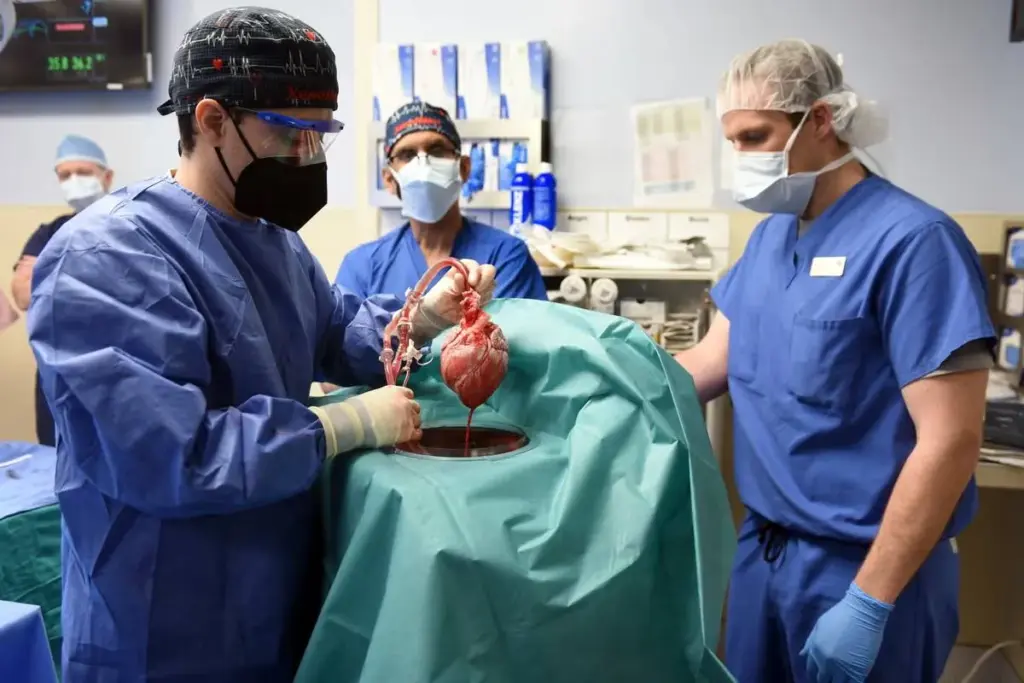
Many heart conditions need surgery to work right again. Knowing these conditions helps figure out if surgery is needed. We’ll look at common heart problems, their signs, how they’re found, and treatment choices.
Coronary Artery Disease and Blockages
Coronary artery disease (CAD) happens when the heart’s blood supply gets blocked. This can cause chest pain, heart attacks, and more. Symptoms include chest pain, shortness of breath, and feeling tired. Doctors use tests like stress tests and angiography to find CAD. Treatment can be lifestyle changes, medicine, or surgery like CABG.
Heart Valve Disorders and Dysfunction
Heart valve problems happen when valves don’t work right. This can cause shortness of breath, chest pain, and irregular heartbeats. Doctors use echocardiograms and MRI to diagnose valve issues. Treatment varies based on the problem, from medicine to surgery to replace the valve.
Congenital Heart Defects Requiring Repair
Congenital heart defects are heart problems from birth. They can be simple or complex, needing surgery or other treatments. Common defects include atrial septal defects and tetralogy of Fallot. Doctors often find these problems in childhood, but some are found later. Surgery is usually the treatment.
Aortic Aneurysms and Dissections
An aortic aneurysm is a bulge in the aorta. If it ruptures, it’s very serious. Symptoms include severe back or chest pain, sometimes with no symptoms until it ruptures. Doctors use CT scans or MRI to diagnose. Treatment depends on the aneurysm’s size and location, from monitoring to surgery or stenting.
Critical Warning Signs That Might Indicate Need for Heart Surgery
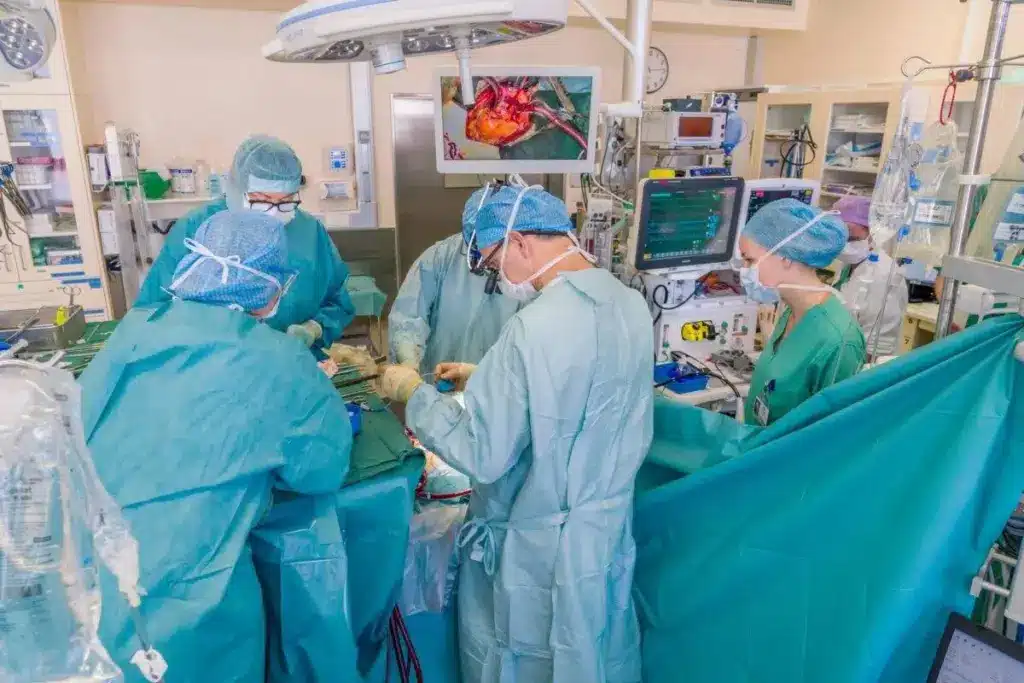
Knowing the warning signs for heart surgery can save lives. Heart problems show up in different ways. It’s key to spot these signs early for quick medical help.
Persistent or Worsening Chest Pain
Chest pain, or angina, is a heart disease symptom. If chest pain doesn’t go away or gets worse, get medical help fast. This pain can feel like tightness in the chest and might spread to arms, back, or jaw.
“Chest pain is a warning sign that should never be ignored,” says a cardiologist. “It means the heart isn’t getting enough oxygen. You need to see a doctor right away.”
Severe Shortness of Breath and Exercise Intolerance
Severe shortness of breath, often with exercise intolerance, hints at heart problems. If breathing is hard or you get tired easily, see a doctor.
- Difficulty breathing at rest or during light activity
- Feeling exhausted or fatigued without any apparent reason
- Swollen legs or ankles due to fluid retention
Recurring Fainting or Dizziness Episodes
Fainting or dizziness can have many causes, including heart issues. If you keep fainting or feeling dizzy, get medical help to find out why.
Recurring fainting episodes can be a sign of a serious heart condition that requires immediate attention.
Swelling and Fluid Retention Unresponsive to Medication
Swelling in legs, ankles, or feet, and fluid retention, can mean heart failure. If these signs don’t get better with medicine, see a cardiologist. They can check if surgery is needed.
“Swelling and fluid retention that don’t respond to medication can indicate advanced heart failure, which may require surgical treatment,” says a heart surgeon.
Diagnostic Tests Your Doctor Will Use to Evaluate Surgical Necessity
To decide if heart surgery is needed, doctors use several tests. These tests give important info about the heart’s health and how it works.
Cardiac Imaging: Echocardiogram and Cardiac MRI
Cardiac imaging tests are key to checking the heart’s structure and function. An echocardiogram uses sound waves to make images of the heart. This lets doctors see how well the heart pumps, how valves work, and the heart’s overall state. A cardiac MRI gives detailed pictures of the heart’s shape. It helps find any problems or damage.
Stress Tests and Nuclear Imaging
Stress tests check how the heart works when it’s stressed, usually through exercise or medicine. This test shows how well the heart’s blood flows and if there are blockages. Nuclear imaging uses tiny amounts of radioactive material. It shows how the heart’s blood flows and works.
Cardiac Catheterization and Angiography
Cardiac catheterization is when a catheter is put into an artery in the leg and moved to the heart. It lets doctors measure blood pressure and flow in the heart and big blood vessels. Angiography, done during catheterization, uses dye to see the coronary arteries. It helps find blockages.
Laboratory Tests and Biomarkers
Laboratory tests check blood samples for biomarkers that show heart health. These tests can spot heart damage or disease, like high troponin levels or other cardiac enzymes.
|
Diagnostic Test |
Purpose |
Information Provided |
|---|---|---|
|
Echocardiogram |
Assess heart structure and function |
Heart valve function, pumping efficiency |
|
Cardiac MRI |
Detailed imaging of heart anatomy |
Abnormalities, damage, and structural issues |
|
Stress Test |
Evaluate heart performance under stress |
Blood flow, possible blockages |
|
Cardiac Catheterization |
Measure blood pressure and flow within heart |
Pressure and flow in heart chambers and vessels |
Understanding Open-Heart Surgery: When It Becomes Necessary
Doctors decide on open-heart surgery when tests show serious heart problems. This major surgery opens the chest to fix the heart. It’s needed for life-threatening or worsening heart conditions.
What Exactly Constitutes Open-Heart Surgery
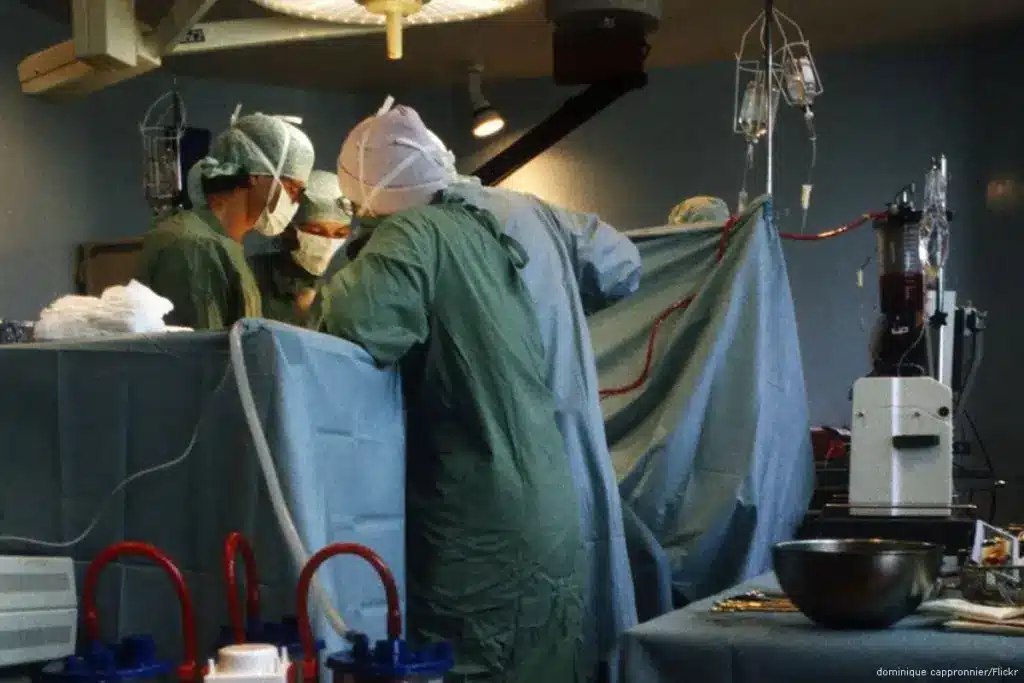
Open-heart surgery means opening the chest to reach the heart. It treats many heart issues, like blocked arteries and valve problems. During surgery, a machine takes over the heart and lungs, letting doctors work on a stopped heart.
Life-Threatening Conditions Requiring Immediate Intervention
Some heart problems need surgery right away to avoid serious issues or death. This includes blocked arteries, faulty valves, and aortic tears. Open-heart surgery can save lives by fixing these problems.
Progressive Conditions That Eventually Need Surgical Correction
Heart conditions can get worse over time, needing surgery. This includes blocked arteries and faulty valves. Surgery can fix these issues, improving life quality and symptoms.
Difference Between Open-Heart and Minimally Invasive Approaches
Open-heart surgery uses a big cut and more damage. But, minimally invasive surgery has smaller cuts and special tools. The choice depends on the heart problem and the surgeon’s skill. Minimally invasive surgery might heal faster, but open-heart is often the best for complex cases.
Types of Heart Surgeries and Their Specific Indications
Heart surgery covers many procedures, each for different heart issues. The right surgery depends on the heart problem’s type and how severe it is. It also depends on the patient’s health.
Coronary Artery Bypass Grafting (CABG) for Blocked Arteries
CABG helps blood flow to the heart by bypassing blocked arteries. A surgeon uses a healthy blood vessel from another part of the body. They graft it to the blocked artery, making a detour.
CABG is very helpful for those with many blockages or who didn’t get better with other treatments. It aims to improve blood flow to the heart muscle. This reduces symptoms like chest pain and improves life quality.
Heart Valve Repair or Replacement for Valve Disease
Heart valve repair or replacement fixes valve problems. These problems can be narrowed or leaky. The choice between repair or replacement depends on the disease’s type and severity, and the patient’s health.
Valve repair fixes the existing valve. Valve replacement swaps it with a new one, mechanical or biological. New surgical techniques make repair a good option, leading to fewer complications and quicker recovery.
Heart Transplantation for End-Stage Heart Failure
Heart transplantation is for those with severe heart failure. Their heart can’t pump enough blood. The surgery replaces the diseased heart with a healthy donor heart.
Heart transplantation is a big surgery but can save lives. Patients must be carefully evaluated and meet certain criteria to get the surgery.
Ventricular Assist Devices for Heart Pump Function
Ventricular assist devices (VADs) are mechanical pumps that help the heart pump blood. They are used as a bridge to heart transplantation or for those not getting a transplant.
VADs are becoming more common. They improve symptoms, quality of life, and can extend survival for patients with advanced heart failure.
Evaluating the Risks of Open-Heart Surgery for Your Situation
Looking into the risks of open-heart surgery is key to understanding your heart health. This surgery is complex and has different risks for each person.
Mortality and Success Rates Based on Procedure Type
The death rate for open-heart surgery changes with the procedure type. For example, Coronary Artery Bypass Grafting (CABG) has a low death rate. But, this rate can change based on the patient’s health and other medical issues.
Success rates are also important. Success is measured by how well the patient feels after surgery. For many, the benefits of surgery are worth the risks.
Age-Related Risk Factors and Considerations
Age is a big factor in open-heart surgery risks. Older people might face more risks because of less physical strength and health issues. But, age doesn’t mean surgery is off-limits. Many older adults have successful surgeries.
Talking about age risks is important. It should be done with the patient’s health and the surgery in mind.
How Existing Health Conditions Impact Surgical Risk
Current health conditions greatly affect open-heart surgery risks. Issues like diabetes, kidney disease, and lung disease can make surgery harder. These conditions need careful management before, during, and after surgery.
A detailed check-up before surgery is vital. It helps find health problems that could affect surgery results. It also helps come up with ways to lower these risks.
Short-Term vs. Long-Term Risk Assessment
It’s important to know the short-term and long-term risks of open-heart surgery. Short-term risks include problems like bleeding, infection, and stroke. Long-term risks involve how well the surgery lasts and the chance of future heart problems.
Knowing both types of risks helps patients and their families make better choices. It also helps them plan for the future.
The Consultation Process: What Your Cardiologist Will Discuss
Talking to a cardiologist is more than just a chat. It’s a deep dive into your heart health and possible surgeries. Your cardiologist will cover key points to help you decide on your care.
Interpreting Test Results and Imaging
Your cardiologist will start by explaining your test results and images. This includes your echocardiogram, cardiac MRI, and more. They’ll help you grasp what these results mean for your heart and symptoms.
Understanding your test results is key to choosing the right treatment. Your cardiologist will talk about what these findings mean for your treatment plan.
Benefit-to-Risk Ratio Evaluation
Then, we’ll look at the benefits and risks of surgery. Your cardiologist will discuss how surgery might help your heart or ease symptoms. They’ll also talk about possible risks and how likely success is.
Knowing the benefit-to-risk ratio helps you choose a treatment that fits your health goals. We’ll make sure you have all the info you need to make this choice.
Quality of Life Considerations
Another important part is talking about how treatments might affect your quality of life. Your cardiologist will discuss how surgery might improve your symptoms and energy. They’ll also talk about how it might make you feel better overall.
We know that quality of life is personal. So, we’ll work with you to understand what matters most. This way, your treatment will meet your specific needs.
Timeline for Decision-Making
Lastly, your cardiologist will talk about the timeline for decision-making. They’ll outline the steps and time frame for deciding on surgery. This includes understanding how urgent the situation is and how much time you have to think about it.
Knowing the timeline is important for planning your next steps. We’ll make sure you’re aware of all important deadlines and milestones in your treatment.
Pre-Surgical Preparation: Steps Before Heart Surgery
Getting ready for heart surgery can make you feel less anxious. It’s important to know the steps to take. These steps help keep you safe and make sure the surgery goes well.
Required Medical Tests and Clearances
Your healthcare team will run many tests before surgery. These tests check your heart and overall health. You might have:
- Cardiac Imaging: Tests like echocardiograms or cardiac MRI to evaluate heart function.
- Blood Tests: To check for infections, blood type, and other health indicators.
- Electrocardiogram (ECG): To assess your heart’s electrical activity.
- Stress Tests: To evaluate how your heart performs under stress.
These tests help doctors plan your surgery and spot any risks.
Medication Adjustments and Restrictions
You might need to change your medications before surgery. It’s key to follow your doctor’s advice on:
- Blood Thinners: You may need to stop taking these medications a few days before surgery to reduce the risk of bleeding.
- Other Medications: Some medications may need to be adjusted or stopped temporarily.
Always talk to your healthcare provider before changing your medications.
Practical Preparations for Hospital Stay
Getting ready for your hospital stay can make things easier. Think about:
- Packing Essentials: Bring comfortable clothing, personal hygiene items, and any necessary documents.
- Arranging Support: Have a family member or friend available to support you during your hospital stay and recovery.
- Understanding Post-Surgery Care: Know what to expect after surgery, including pain management and follow-up care.
Mental and Emotional Readiness
Getting mentally ready is as important as getting physically ready. Ways to cope include:
- Meditation and Relaxation: Practices like deep breathing or meditation can help reduce anxiety.
- Support Groups: Connecting with others who have undergone similar experiences can provide emotional support.
- Counseling: Professional counseling can help address any fears or concerns you may have.
By following these steps, you can prepare well for your heart surgery.
Recovery Timeline and Rehabilitation After Heart Surgery
Knowing how to recover after heart surgery is key for patients. The recovery journey has many stages, from right after surgery to long-term rehab.
Immediate Post-Operative Care and Hospital Stay
Right after surgery, patients start their recovery in an ICU. Here, doctors watch their vital signs closely. Patients might feel pain, discomfort, or tiredness.
Key aspects of immediate post-operative care include:
- Monitoring of vital signs and cardiac function
- Pain management through medication
- Early mobilization to prevent complications
- Respiratory therapy to aid breathing
First Month Recovery Milestones
The first month is vital for recovery. Patients need to stick to a plan that includes taking meds, going to follow-up visits, and slowly getting more active. Most see big improvements during this time.
|
Week |
Expected Recovery Milestones |
|---|---|
|
1-2 |
Gradual reduction in pain, improvement in energy levels |
|
2-4 |
Increased mobility, return to light activities |
Cardiac Rehabilitation Program Benefits
Cardiac rehab is a program that helps patients after heart surgery. It includes exercise, education, and support. It’s key for improving heart health and quality of life.
“Cardiac rehabilitation has been shown to significantly improve survival and reduce the risk of future heart problems.” – American Heart Association
Benefits of cardiac rehab include:
- Improved cardiovascular function
- Enhanced physical strength and endurance
- Better management of risk factors
- Emotional support and counseling
Signs of Complications That Require Medical Attention
While recovering, watch out for complications. Seek help right away for severe chest pain, trouble breathing, or signs of infection.
Non-Surgical Alternatives: When Surgery Might Be Avoided
For those facing heart surgery, looking into non-surgical options is key. These alternatives can manage heart issues without surgery. They might even avoid the need for surgery.
Advanced Medication Therapies
Medicines are vital in treating heart conditions without surgery. They include beta-blockers, ACE inhibitors, and anticoagulants. These drugs control symptoms, slow disease, and improve life quality.
Beta-blockers lower the heart’s workload and need for oxygen. ACE inhibitors relax blood vessels, improving blood flow and lowering blood pressure. Anticoagulants prevent blood clots that can cause heart attacks or strokes.
Interventional Cardiology Procedures
Interventional cardiology offers a non-surgical way to treat heart conditions. These methods use small incisions and catheters to repair or unblock blood vessels.
Procedures like angioplasty with stenting widen narrowed arteries. A stent keeps the artery open. These can greatly improve blood flow to the heart, easing symptoms like chest pain and shortness of breath.
Lifestyle Modifications and Their Limitations
Lifestyle changes are essential in managing heart disease. Eating well, being active, quitting smoking, and managing stress can greatly improve heart health.
Yet, lifestyle changes have their limits. For severe heart disease, physical activity can be hard. Sometimes, these changes alone can’t manage advanced heart conditions, requiring other treatments.
Monitoring Approaches for Borderline Cases
For those with borderline heart conditions, monitoring is a good strategy. Regular check-ups and tests help track the disease’s progress.
This approach lets doctors adjust treatment plans as needed. It’s a careful balance between acting quickly and waiting to see how the condition develops.
|
Treatment Approach |
Description |
Benefits |
|---|---|---|
|
Advanced Medication Therapies |
Use of medications to manage heart conditions |
Controls symptoms, slows disease progression |
|
Interventional Cardiology Procedures |
Minimally invasive techniques to repair or unblock blood vessels |
Improves blood flow, reduces symptoms |
|
Lifestyle Modifications |
Changes in diet, exercise, smoking cessation, and stress management |
Improves overall heart health, can reduce severity of symptoms |
|
Monitoring Approaches |
Regular check-ups and diagnostic tests to monitor disease progression |
Allows for timely intervention, adjusts treatment plans as needed |
Getting Second Opinions: Essential Questions to Ask
Understanding your health and treatment options is key. A second opinion can help a lot. It’s important when facing serious conditions like heart disease.
When to Seek Additional Medical Perspectives
Getting a second opinion is wise in some cases. It’s good if you’re unsure about your diagnosis or treatment. Or if you’re facing a risky procedure or want other treatment options.
Also, if you’re not happy with your doctor’s communication, a second opinion can offer a new view.
Selecting the Right Specialist for a Second Opinion
Choosing the right specialist for a second opinion is critical. Look for a cardiologist or cardiothoracic surgeon with experience in your condition. Consider someone from a different institution or with a different treatment approach.
Comparing Different Surgical Recommendations
When comparing surgical options, ask important questions. Consider the procedure, expected outcomes, and risks. Also, ask about the surgeon’s experience and alternative treatments.
- What are the key differences between the recommended treatment plans?
- How do the risks and benefits compare between the options?
- Are there alternative treatments better for my condition?
Insurance Coverage for Multiple Consultations
Cost is a worry for many when seeking a second opinion. But, many insurance plans cover second opinions. It’s important to check with your insurance to understand their policy and any costs.
By asking the right questions and getting a second opinion, you can make better decisions. This will help you feel more confident in your treatment plan.
Patient Decision-Making: Real Experiences with Heart Surgery
Every person’s journey to heart surgery is unique. Learning from others can guide us. Patients share their knowledge, from spotting warning signs to dealing with conflicting advice.
Recognizing Their Own Warning Signs
Many patients ignored or didn’t understand their symptoms at first. For example, they might have had persistent chest pain or shortness of breath. They thought these were minor issues.
A study found that 60% of patients had symptoms for months before getting help. Spotting these signs early is key to knowing if surgery is needed.
Navigating Conflicting Medical Advice
Patients often get different opinions from doctors. One patient got three different views on needing surgery.
Getting a second opinion from a specialist is very helpful. It clears up confusion and aids in making a well-informed choice.
|
Aspect |
Initial Diagnosis |
Second Opinion |
|---|---|---|
|
Surgical Necessity |
Recommended |
Not Necessary |
|
Treatment Approach |
Surgery |
Medication and Lifestyle Changes |
Post-Surgery Reflections on Decision Quality
After surgery, many patients look back on their decision. They often feel they should have acted sooner.
One patient said, “I wish I had not waited so long for surgery. The recovery was tough, but it was worth it to get my health back.”
“Choosing to have heart surgery was hard, but it was the best choice I made. It’s given me a new chance at life.”
Advice from Previous Heart Surgery Patients
Patients who have had heart surgery advise being proactive about health. They stress the importance of:
- Listening to your body and not ignoring symptoms
- Seeking multiple opinions if necessary
- Understanding the risks and benefits of surgery
- Preparing well for surgery and recovery
By sharing their stories, these patients help others make informed decisions about heart surgery.
Conclusion: Taking Control of Your Heart Health Decisions
Understanding your heart health is key. It means knowing your condition, looking into treatment options, and making smart choices. We’ve talked about different heart issues that might need surgery, signs that show you need surgery, and tests to see if surgery is needed.
By getting this information, you can play a big part in your heart health. We suggest finding the right care when you need it. Also, work closely with your doctor to find the best treatment for you.
It’s important to make smart choices about your heart health. Being proactive and involved in your care helps you take charge of your heart. This can greatly improve your overall health and well-being.
FAQ
What are the common heart conditions that may require surgical intervention?
Heart conditions needing surgery include coronary artery disease and heart valve disorders. Also, congenital heart defects and aortic aneurysms are common. These can lead to serious problems if not treated.
How do I know if I need heart surgery?
You might need surgery if you have chest pain, shortness of breath, or fainting. Your doctor will use tests to figure out what to do next.
What diagnostic tests are used to evaluate the need for heart surgery?
Tests for heart surgery include cardiac imaging and stress tests. Cardiac catheterization and lab tests are also used. These help your doctor decide the best treatment.
What is open-heart surgery, and when is it necessary?
Open-heart surgery involves opening the chest to reach the heart. It’s needed for serious conditions like coronary artery disease and heart valve problems. It’s also used for congenital heart defects that need surgery.
What are the risks associated with open-heart surgery?
Risks of open-heart surgery include death and complications. Age can also be a factor. Your doctor will talk about the risks and benefits with you.
What are the alternatives to heart surgery?
Instead of surgery, you might get advanced medications or interventional cardiology. Lifestyle changes can also help. Your doctor will suggest what’s best for you.
How do I prepare for heart surgery?
Preparing for surgery means getting medical tests and adjusting your meds. You’ll also need to prepare for your hospital stay. Getting mentally ready is important too.
What is the recovery process like after heart surgery?
Recovery includes immediate care, a hospital stay, and a rehab program. You’ll feel tired and sore during this time.
When should I seek a second opinion for heart surgery?
Get a second opinion if you’re unsure about your treatment. Talking to another specialist can help you make a better choice.
What are the benefits of cardiac rehabilitation after heart surgery?
Cardiac rehab helps you recover faster and improves your health. It includes exercise, education, and support.
How successful is heart surgery?
Heart surgery is often very successful for many conditions. Success depends on the procedure, your health, and other factors.
Is open-heart surgery painful?
You’ll get pain meds during and after surgery to reduce pain. Some pain is normal during recovery, but it can be managed.
What is the difference between bypass surgery and open-heart surgery?
Bypass surgery is a type of open-heart surgery. It’s used to bypass blocked arteries. Open-heart surgery is a broader term for various heart procedures.
How risky is heart surgery?
Heart surgery has risks like death and complications. Your doctor will discuss the risks and benefits with you.
What are the signs of complications after heart surgery?
Signs of complications include severe chest pain, trouble breathing, or irregular heartbeat. Seek medical help right away if you notice these symptoms.
References
National Institutes of Health. Evidence-Based Medical Insight. Retrieved from https://www.nhlbi.nih.gov/health/coronary-artery-disease