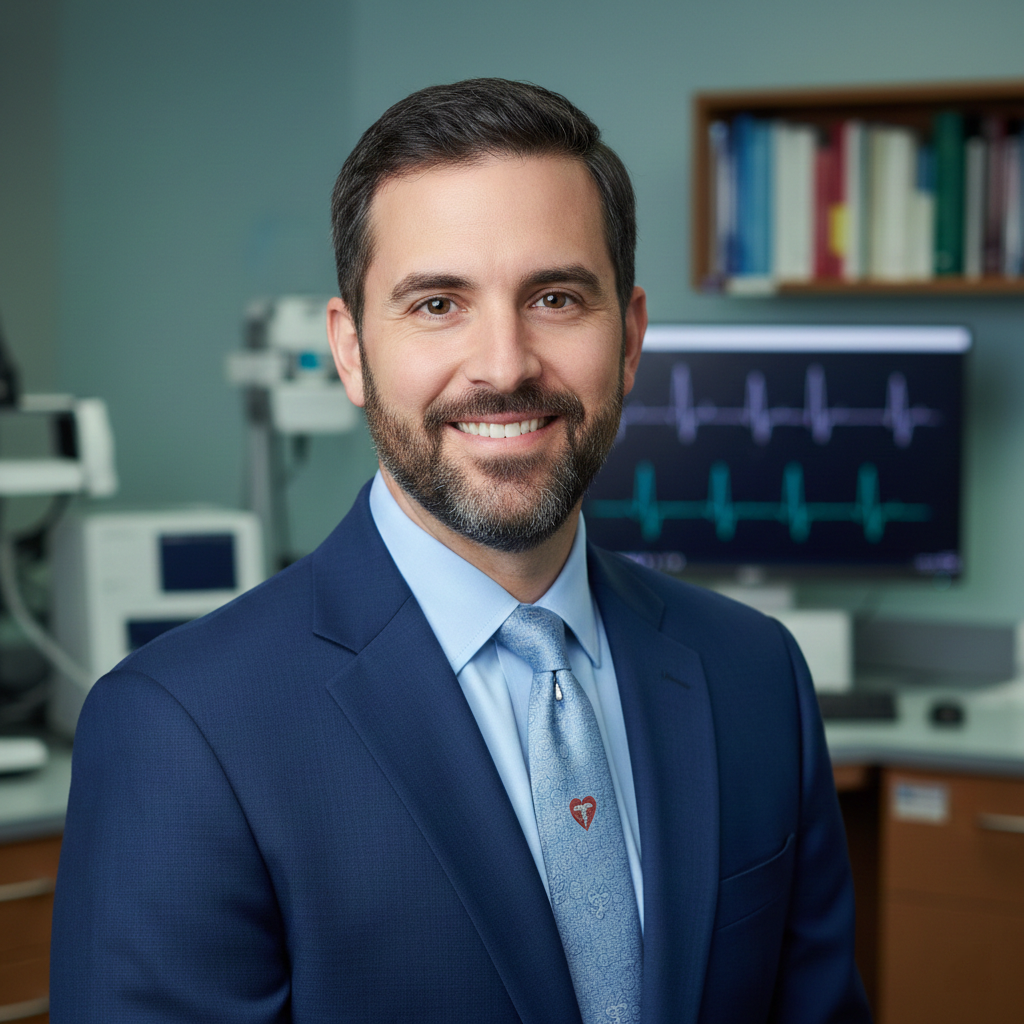

Coronary artery disease (CAD) affects millions of Americans. It may lead to the need for open heart surgery. CAD happens when the coronary arteries, vital for the heart, get narrowed or blocked. What are the signs? Know the crucial signs that indicate you need open heart surgery healing process intervention for this serious condition.
Understanding the signs that may indicate the need for heart surgery is crucial. Common signs include chest pain, shortness of breath, and feeling very tired. These symptoms mean the heart is not getting enough oxygen and nutrients. This could be because of coronary artery disease.
Key Takeaways
- Coronary artery disease can lead to the need for open heart surgery.
- Common signs include chest pain, shortness of breath, and fatigue.
- Recognizing these signs is key for timely medical help.
- CABG surgery is a common treatment for CAD.
- Knowing the risks and benefits is vital for patients.
Understanding Open Heart Surgery

Open heart surgery is a complex topic for those facing it. It’s a lifesaving operation for many. This surgery treats heart issues like coronary artery disease and heart failure.
Definition and Types of Cardiac Procedures
During open heart surgery, a cut is made in the chest to reach the heart. Surgeons can then do many procedures. These include fixing blocked arteries and replacing heart valves.
Difference Between Open Heart and Bypass Surgery
Many confuse “open heart surgery” with “bypass surgery.” But they’re not the same. Bypass surgery, or CABG, fixes blocked arteries by adding a new path for blood. Not all open heart surgeries are bypass surgeries, though.
Warning Signs That May Indicate Need for Open Heart Surgery

It’s important to know the warning signs for open heart surgery. This surgery is needed for serious heart problems. These problems can really affect your life and how long you live.
Severe Chest Pain and Angina
Severe chest pain and angina are key signs you might need open heart surgery. Angina feels like tightness in your chest, often when you’re stressed or active. If you have bad chest pain, get help right away.
Shortness of Breath and Fatigue
Shortness of breath and fatigue are also warning signs. They happen when your heart can’t pump well. This means your body doesn’t get enough blood and oxygen. If you get tired fast or have trouble breathing, see a doctor.
Heart Palpitations and Irregular Heartbeat
Heart palpitations and irregular heartbeat can mean serious heart problems. These feel like your heart skips beats or races. If you have these often or badly, see a doctor.
Swelling in Extremities
Swelling in the extremities, like legs and feet, can be a sign of heart failure. This is when your heart can’t pump well, causing fluid buildup. This swelling is a sign you might need surgery.
Knowing these signs can help you get medical help early. If you notice any of these, see a doctor right away. They can check and treat you properly.
Heart Conditions That Typically Require Open Heart Surgery
Many serious heart conditions need open heart surgery to fix. These issues often involve structural problems or diseases. They make it hard for the heart to work right.
Coronary Artery Disease and Blockages
Coronary artery disease (CAD) happens when the heart’s blood supply gets blocked. This is due to a buildup of plaque. It can cause chest pain, heart attacks, and more. To fix this, doctors might use open heart surgery to bypass the blockages.
Heart Valve Disorders
Heart valve disorders affect how blood flows through the heart. They make the heart work too hard. If not treated, they can lead to heart failure. Surgery is needed to fix or replace the valves, ensuring blood flows well.
Congenital Heart Defects
Congenital heart defects are problems with the heart at birth. They can be simple or complex. Open heart surgery is often needed to fix these defects. It helps improve heart function and overall health.
|
Condition |
Description |
Surgical Intervention |
|---|---|---|
|
Coronary Artery Disease |
Narrowing or blockage of coronary arteries |
CABG |
|
Heart Valve Disorders |
Problems with heart valves |
Valve Repair/Replacement |
|
Congenital Heart Defects |
Structural heart problems at birth |
Corrective Surgery |
Diagnostic Process for Determining Surgery Necessity
To figure out if open heart surgery is needed, a detailed diagnostic process is used. This process is key to finding out the heart problem and if surgery is the best choice.
Common Tests and Evaluations
Many tests are used to check the heart’s health. These include:
- Electrocardiogram (ECG): Records the heart’s electrical signals.
- Echocardiogram: Uses sound waves to create a heart image.
- Stress Test: Looks for symptoms during exercise.
- Cardiac Catheterization/Angiogram: Shows blood flow through the heart with dye.
How Doctors Determine Surgical Candidacy
Doctors look at test results to decide if surgery is needed. They check how bad the heart problem is, the patient’s health, and other risks. This helps them choose if open heart surgery is the best option.
Key factors considered include:
- The extent of coronary artery disease or other heart conditions.
- The patient’s medical history and current health status.
- The presence of symptoms such as chest pain, shortness of breath, or fatigue.
Types of Open Heart Surgical Procedures
There are many types of open heart surgeries. Each one is designed to fix different heart problems. These surgeries are key for treating heart issues that can’t be fixed with medicine or other non-surgical methods.
Coronary Artery Bypass Graft (CABG)
Coronary Artery Bypass Grafting, or CABG, is a surgery to improve blood flow to the heart. It uses a healthy blood vessel to bypass a blocked artery. CABG is often chosen for those with severe heart artery disease.
Single, Double, and Triple Bypass Explained
The terms single, double, and triple bypass describe the number of arteries bypassed in CABG. A single bypass uses one graft, a double bypass uses two, and a triple bypass uses three. The surgery’s complexity and length depend on the number of bypasses needed.
Valve Repair and Replacement Procedures
Valve repair and replacement are also important open heart surgeries. Valve repair fixes the existing valve, while valve replacement uses a new mechanical or biological valve.
“Valve surgery is a highly effective treatment for valve disorders, significantly improving the quality of life for patients.”
The choice between repair and replacement depends on the valve’s condition and how severe it is.
Knowing about these open heart surgeries helps patients and their families make better choices. Each surgery is tailored for specific heart issues. Understanding what to expect can help reduce anxiety and improve results.
How Open Heart Surgery is Performed
Open heart surgery is a detailed process that starts with preparation and ends with recovery. It includes complex operations like CABG surgery. A skilled team and advanced equipment are needed for these surgeries.
Pre-Surgery Preparation
Getting ready for open heart surgery is key. Patients go through tests to check their health and find the best surgery plan. This step helps reduce risks and makes recovery easier.
Step-by-Step Surgical Process
The surgery begins with a chest incision to reach the heart. The patient is connected to a heart-lung machine. This machine takes over the heart and lung functions during the surgery.
The surgeon then does the needed repairs or replacements. For example, in CABG surgery, they bypass blocked arteries.
Duration of Different Heart Surgeries
The time needed for heart surgery varies. CABG surgery can last from 3 to 6 hours. Other surgeries, like valve repairs, might take longer or shorter times.
The surgical team will tell you exactly how long your surgery will take. This depends on your condition and the surgery type.
Risks and Complications of Open Heart Surgery
Open heart surgery is a lifesaving procedure but comes with risks. Patients and their families need to know these risks. This knowledge helps them make informed decisions about their care.
Common Complications and Warning Signs
Common complications include allergic reactions, irregular heartbeat, and bleeding. Damage to blood vessels, infections, blood clots, and stroke are also possible. Look out for severe chest pain, trouble breathing, or signs of infection like fever and redness.
It’s important to watch for these signs and tell your healthcare provider right away. Following post-operative instructions carefully can also help avoid complications.
Risk Factors That Increase Surgical Danger
Some risk factors make open heart surgery more dangerous. These include older age, heart conditions, diabetes, kidney disease, and smoking history. Talking to your healthcare provider about these risks is key.
Understanding and managing these risk factors can help improve your surgery outcome. It’s all about being proactive and informed.
The Open Heart Surgery Healing Process
After open heart surgery, patients start a healing journey with a dedicated healthcare team. This journey has many stages, from the first days after surgery to long-term recovery.
Immediate Post-Operative Recovery
The first recovery phase starts right after surgery, often in the ICU. Here, patients are watched closely for any issues and their health is monitored. Pain management is key, with medicines given to keep patients comfortable.
Once patients are stable, they move to a regular hospital room. There, nurses and doctors continue to watch over them as they recover.
Hospital Stay Duration and Care
The time spent in the hospital varies based on the patient’s health and surgery complexity. Most stay for 5 to 7 days. During this time, a team of experts provides care, including physical therapy to help patients get stronger and move better.
Managing Pain and Discomfort After Surgery
Managing pain well is vital for a smooth recovery. Patients get medicines to control pain, and the dose is adjusted as needed. Techniques like deep breathing and relaxation also help reduce pain.
It’s important for patients to follow their doctor’s advice on medication and care. This helps ensure a successful recovery.
Recovery Timeline: What to Expect Week by Week
The journey to recovery after open heart surgery is a gradual process. It requires patience, understanding, and a well-planned timeline. As patients navigate this critical period, it’s essential to understand the milestones and expectations that guide the healing process.
First Month After Surgery
During the first month, patients are advised to avoid strenuous activities, including driving, for approximately four weeks. Light exercise, such as walking, is encouraged to improve heart and lung function. This gradual resumption of activities helps in regaining strength and stamina.
A typical recovery schedule for the first month might look like this:
|
Week |
Activity Level |
Guidelines |
|---|---|---|
|
1-2 |
Limited mobility |
Rest, short walks |
|
3-4 |
Gradual increase |
More frequent walks, light stretching |
Long-Term Recovery Milestones
As patients progress beyond the first month, they can expect to see significant improvements in their overall health. Long-term recovery milestones include regaining full strength, returning to most daily activities, and experiencing improved heart function.
Key long-term recovery milestones are outlined below:
|
Timeframe |
Milestone |
Expectations |
|---|---|---|
|
2-3 months |
Return to daily activities |
Resume most normal activities, with some restrictions |
|
6 months |
Full recovery |
Significant improvement in overall health and heart function |
Preparing for Open Heart Surgery
Getting ready for open heart surgery is a big deal. It requires a detailed plan to make sure you recover well. This plan covers both medical steps and changes in your home or lifestyle.
Medical Preparations
Medical prep is key before heart surgery. You’ll go through tests to check your health and spot any risks. Your doctor might change your meds and suggest vaccines to avoid infections.
Proper nutrition is also vital for healing. Eating foods high in protein but low in fat, cholesterol, and sodium helps. Good choices include fish, eggs, dairy, beans, and nuts.
Home and Lifestyle Preparations
Home and lifestyle changes are also important. You might need someone to help you at home. Setting up a comfy recovery spot and having healthy food ready is a good idea.
Quitting smoking and cutting down on alcohol are also beneficial. They can improve your surgery results and health overall.
Conclusion
Open heart surgery is a life-saving procedure that needs careful thought and preparation. It’s important to know when you might need it and what to expect during recovery. This knowledge helps patients on their path to better heart health.
Signs like severe chest pain and shortness of breath are warning signs. They mean it’s time to see a doctor. Tests are done to see if surgery is needed. This might include fixing blocked arteries or replacing heart valves.
While surgery comes with risks, the right care can make a big difference. A good recovery plan is key. It includes care right after surgery and ongoing rehabilitation to improve heart health.
Understanding open heart surgery and recovery is the first step to a healthier life. With the right medical help, people can face the challenges of surgery. They can then enjoy better cardiac care and overall health.
FAQ
What is open heart surgery?
Open heart surgery is a surgery where the chest is opened to work on the heart. It treats heart issues like coronary artery disease and heart valve problems.
What is the difference between open heart surgery and bypass surgery?
Bypass surgery, or CABG, is a type of open heart surgery. But not all open heart surgery is CABG. It includes other procedures like fixing heart valves and correcting congenital heart defects.
What are the warning signs that may indicate the need for open heart surgery?
Warning signs include severe chest pain and shortness of breath. Also, heart palpitations and swelling in limbs. These can mean you need surgery.
How is the necessity of open heart surgery determined?
Doctors use tests like ECG and echocardiogram to decide if surgery is needed. They look at the results to make this choice.
What are the types of open heart surgical procedures?
Procedures include CABG, valve repair, and fixing congenital heart defects. CABG can be single, double, or triple bypass, depending on the blockages.
How is open heart surgery performed?
The surgery starts with an incision in the chest. The patient is on a heart-lung machine. The surgery can last several hours.
What are the risks and complications associated with open heart surgery?
Risks include bleeding and infection. Stroke and heart attack are also possible. Age and health can increase these risks.
What is the recovery process like after open heart surgery?
Recovery starts with a hospital stay of several days. Then, rest and rehab at home. Pain and fatigue can be managed with medication and lifestyle changes.
How long does it take to recover from open heart surgery?
Recovery time varies. It can take weeks to months to get back to normal. It depends on the surgery and the person.
How can I prepare for open heart surgery?
Start with medical checks and lifestyle changes. Stop smoking and adjust your diet and exercise. This helps prepare you for surgery.
What are the long-term recovery milestones after open heart surgery?
You’ll see improvements in exercise and health over time. A healthy lifestyle is key to maintaining heart health.
Is open heart surgery a serious operation?
Yes, it’s a major surgery with risks. But, with proper care, many recover well and see heart health improvements.
Can I have multiple bypass surgeries?
Having multiple bypass surgeries is possible. But, it depends on your health and heart disease severity.
What is the difference between a single, double, and triple bypass surgery?
The difference is in the number of blocked arteries bypassed. Single bypass is one graft, double is two, and triple is three. It depends on the disease extent.
References
National Institutes of Health. Evidence-Based Medical Insight. Retrieved from https://www.nhlbi.nih.gov/health/coronary-artery-disease