
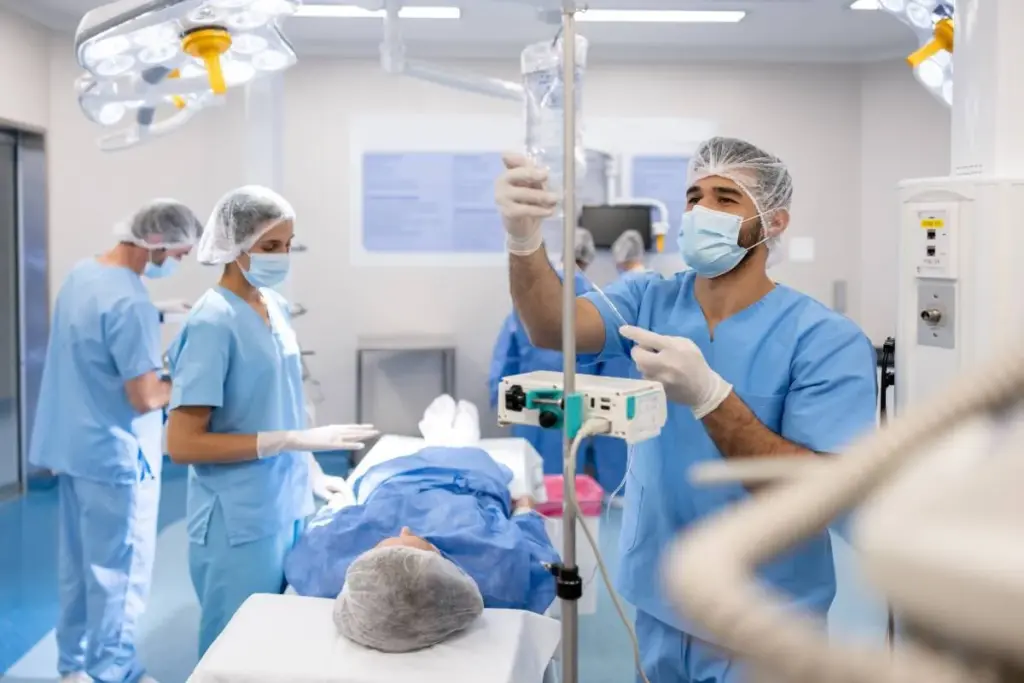
Nearly 300,000 Americans have open-heart procedures every year. They deal with heart failure and coronary artery disease. Do you ever fully recover from open heart surgery recovery? Get the amazing and positive facts about the long-term healing process.
The path to recovery is complex and different for everyone. It’s important for patients and their families to know what to expect.
Key Takeaways
- Open-heart surgery treats various heart conditions.
- Recovery time varies significantly among individuals.
- Understanding the recovery process is key for patients.
- Several factors influence the recovery duration.
- Proper post-surgery care is vital for a smooth recovery.
Understanding Open Heart Surgery
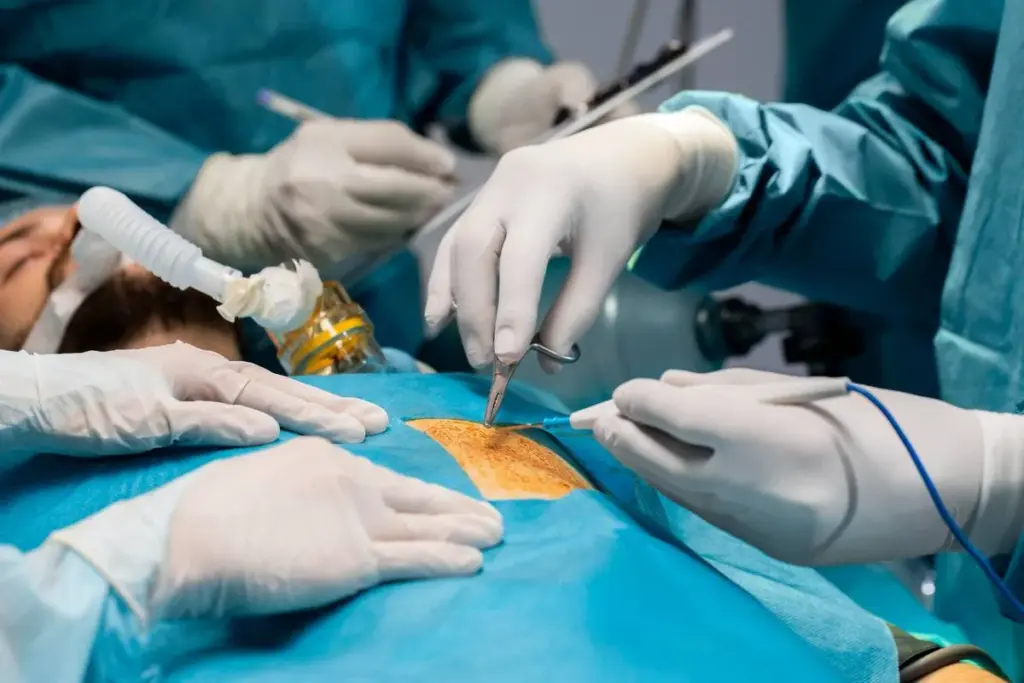
Open heart surgery is a complex procedure that involves opening the chest to work on the heart. It treats many heart conditions, giving patients a chance to live healthier lives.
What Constitutes Open Heart Surgery
During open heart surgery, a cut is made in the chest to reach the heart. This is often done by splitting the sternum. The surgery can affect the heart or the blood vessels around it.
While the surgery is done, the patient is connected to a heart-lung machine. This machine takes over the heart and lung functions. It lets the surgical team work on a heart that is not beating.
Common Types of Open Heart Procedures
There are several common open heart surgery procedures. These include:
- Coronary Artery Bypass Grafting (CABG): This surgery bypasses blocked or partially blocked arteries. It improves blood flow to the heart.
- Heart Valve Repair or Replacement: If heart valves are damaged or diseased, they can be fixed or replaced. This can be with mechanical or biological valves.
- Heart Transplant: In severe heart disease cases, a heart transplant may be needed. This involves replacing the diseased heart with a healthy one from a donor.
When Open Heart Surgery Becomes Necessary
Open heart surgery is needed for many heart conditions. These include coronary artery disease, heart valve problems, and congenital heart defects. The choice to have surgery is made after all other options are considered.
The Surgical Process and Hospital Stay

Open-heart surgery is a detailed process. It includes careful preparation and watching over the patient after surgery. Knowing what happens can make patients feel less anxious and better prepared.
Preparation for Surgery
Before surgery, patients have many tests. These include blood work, imaging, and a review of their medical history. They also learn about fasting and managing their medications.
What Happens During the Procedure
The surgery starts with a chest incision to reach the heart. The type of surgery, like CABG or valve repair, determines the specifics. The patient is under general anesthesia to avoid pain.
Immediate Post-Operative Care
After surgery, patients go to the ICU. The ICU team manages pain and watches vital signs. They also look for any complications. Patients are connected to machines to help them breathe and monitor their heart.
Length of Hospital Stay
Patients usually stay in the hospital for 5 to 7 days. The exact time depends on how well they recover and if there are any complications. During this time, the healthcare team closely watches the patient and deals with any issues.
|
Day |
Typical Activities |
Care Focus |
|---|---|---|
|
1-2 |
Rest, initial recovery |
Pain management, vital sign monitoring |
|
3-4 |
Gradual mobilization, breathing exercises |
Wound care, infection prevention |
|
5-7 |
Increased mobility, discharge planning |
Recovery progress evaluation, patient education |
Learning about the surgery and hospital stay can help reduce stress. Knowing what to expect makes the journey to recovery easier for patients.
The Initial Open Heart Surgery Recovery Period
Recovering from open heart surgery is all about rest and care in the first days. This early phase is key for a good recovery later on.
First Few Days After Surgery
The first days in the hospital are critical. Medical staff watch over you closely. Rest is essential as your body heals from surgery.
The American Heart Association says, “After heart surgery, patients are closely monitored for signs of complications and are given medication to manage pain and prevent infection.”
The First Week of Recovery
After leaving the hospital, the first week at home is important. Rest and avoid hard activities. Gradual mobilization helps prevent blood clots and aids healing.
Following your medication and attending doctor’s appointments is also key. This ensures you’re on the right track.
Managing Pain and Discomfort
Managing pain is a big part of getting better. You’ll get pain meds to help. It’s important to take them as directed and tell your doctor about any pain.
“Effective pain management is critical for recovery, as unmanaged pain can lead to complications and prolong hospital stays.”
Early Physical Limitations
After surgery, you might feel tired and less mobile. It’s important to listen to your body and not push too hard. This helps avoid problems and speeds up recovery.
- Avoid heavy lifting and bending.
- Limit strenuous activities.
- Gradually increase mobility with short walks.
Following these tips helps you get through the early recovery phase well. It sets you up for a successful recovery in the long run.
Returning Home: The First Month
Coming home after open-heart surgery is a big step. It’s a time when you need to follow doctor’s orders closely. Make sure your home is ready for your recovery. This will help you heal safely and smoothly.
Setting Up Your Home Environment
Before you get home, get your living space ready. This means:
- Clearing clutter and tripping hazards to prevent falls
- Setting up a comfortable resting area with necessary items within reach
- Ensuring good lighting, for walking or moving around
Daily Activities and Restrictions
In the first month, rest is key, but you can slowly start moving more. Avoid heavy lifting (more than 10 pounds), bending, or hard work. Start with short walks and slowly increase how long and how often you walk.
Wound Care and Monitoring
Good wound care is important to avoid infection and help healing. Follow your doctor’s advice on:
- Keeping the incision site clean and dry
- Watching for signs of infection, like redness, swelling, or discharge
- Managing pain with the medicine they gave you
If you see anything odd or worry about your wound, call your doctor right away.
When to Contact Your Doctor
Knowing when to call for help is important. Call your doctor if you have:
- Chest pain or discomfort
- Shortness of breath
- Fever over 100.4°F (38°C)
- Increased redness, swelling, or drainage from the incision site
By following these steps, you can confidently get through the first month of recovery at home.
Physical Recovery Timeline
Recovering from open-heart surgery takes time and effort. It’s a journey with many stages. Knowing what to expect helps patients stay focused on their recovery.
Weeks 1-4: Early Recovery
The first weeks after surgery are key. Patients often feel tired, in pain, and uncomfortable. It’s important to follow the doctor’s advice on wound care, medication, and activity.
As healing starts, patients can slowly increase their activity. Short walks and light stretching help improve circulation and reduce stiffness. But, it’s important not to push too hard and listen to your body.
Months 1-3: Building Strength
In the second month, patients can start to build strength through exercise. Cardiac rehabilitation programs are recommended. They provide a safe place to increase physical activity.
Building strength involves aerobic exercises like walking or cycling, and resistance training. Patients should work with their healthcare providers to create a personalized exercise plan.
Cardiologist
Months 3-6: Increasing Activity
By the third to sixth month, many patients feel better and can do more. They can start doing heavier household chores or more vigorous exercises.
|
Activity Level |
Month 3 |
Month 6 |
|---|---|---|
|
Light Exercise |
30 minutes, 3 times a week |
45 minutes, 5 times a week |
|
Moderate Exercise |
15 minutes, 2 times a week |
30 minutes, 4 times a week |
6 Months and Beyond: The New Normal
The six-month mark is a big milestone. Most patients have regained a lot of their strength and can do many things they did before surgery.
But, it’s important to keep living a heart-healthy lifestyle. This includes eating well, exercising regularly, and managing stress. Regular check-ups with healthcare providers are also key to staying on track.
Keeping up with the progress made in the early stages is vital for long-term health and well-being. By staying committed to a healthy lifestyle, patients can enjoy a better quality of life after open-heart surgery.
Common Complications After Heart Surgery
Knowing about possible complications after open-heart surgery is key. It helps manage expectations and recovery. While surgery saves many lives, knowing about these issues can lead to early detection and treatment.
Infection and Wound Healing Issues
Infections are a big risk after heart surgery. They can be simple wound infections or serious like mediastinitis, an infection in the chest. It’s important to watch the wound for signs of infection like redness, swelling, or discharge.
Signs of Infection:
- Fever
- Redness or swelling around the incision site
- Pus or discharge from the wound
- Increasing pain
Cardiac Complications
Heart problems can happen during or after surgery. These include arrhythmias, heart failure, or even cardiac arrest. It’s vital to have close monitoring by healthcare professionals to manage these issues.
|
Complication |
Description |
Management |
|---|---|---|
|
Arrhythmias |
Irregular heart rhythms |
Medications, cardioversion |
|
Heart Failure |
Inability of the heart to pump sufficiently |
Medications, lifestyle changes |
Respiratory Problems
Respiratory issues like pneumonia or failure can happen after heart surgery. These are often due to the use of a ventilator during surgery or existing lung problems.
Prevention Strategies:
- Deep breathing exercises
- Early mobilization
- Proper pain management
Neurological Effects
Neurological problems, such as stroke or cognitive issues, can occur. These are often due to the surgery or the patient’s health before surgery.
Understanding and managing these complications can greatly improve recovery. It’s important for patients to follow instructions carefully and go to all follow-up appointments.
Long-term Side Effects of Open Heart Surgery
Open heart surgery can greatly improve life quality. Yet, it also comes with long-term side effects. Knowing these can help manage them better.
Persistent Physical Symptoms
Some patients face ongoing physical issues after surgery. These might include:
- Chronic pain or discomfort at the incision site
- Fatigue or shortness of breath
- Swelling in the legs or feet
A study in the Journal of Thoracic and Cardiovascular Surgery found 25% of patients had pain a year later.
Cognitive Changes
Cognitive changes after heart surgery are common. These can be:
- Memory problems
- Difficulty concentrating
- Slower processing speed
a cardiothoracic surgeon, emphasizes the need for cognitive rehab:
Emotional and Psychological Effects
The emotional and psychological effects of surgery are significant. Patients might feel:
- Depression
- Anxiety
- Mood swings
A study in the Journal of Cardiac Surgery showed 30% of patients felt depressed after surgery.
Impact on Daily Functioning
The effects of open heart surgery can affect daily life. A table shows the possible impacts:
|
Aspect |
Pre-Surgery |
Post-Surgery (Short-term) |
Post-Surgery (Long-term) |
|---|---|---|---|
|
Physical Activity |
Normal or limited by condition |
Significantly reduced |
Gradual improvement |
|
Cognitive Function |
Normal |
May be impaired |
Variable recovery |
|
Emotional State |
Variable |
Often anxious or depressed |
Generally improves |
Knowing these long-term effects helps prepare for recovery.
Cardiac Rehabilitation: A Critical Component
Cardiac rehabilitation is key after open-heart surgery. It helps patients get stronger and healthier. This program is designed to guide them through recovery, ensuring they reach their health goals.
Defining Cardiac Rehabilitation
Cardiac rehabilitation is a program for those with heart issues or who have had heart surgery. It includes exercise training, education on heart-healthy living, and stress reduction techniques. These elements help improve overall well-being.
The Three Phases of Cardiac Rehab
Cardiac rehabilitation has three main phases:
- Phase 1: Inpatient – Starts in the hospital, with gentle exercises and education.
- Phase 2: Outpatient – Takes place outside the hospital, with more intense exercises and education.
- Phase 3: Maintenance – Focuses on long-term lifestyle changes and ongoing support.
Benefits of Completing Rehabilitation
Completing cardiac rehabilitation brings many benefits, including:
- Improved heart health and function
- Enhanced physical strength and endurance
- Better management of heart disease risk factors
- Reduced symptoms and improved quality of life
Finding the Right Program
When looking for a cardiac rehabilitation program, consider several factors. Look at the program’s reputation, the staff’s expertise, and the services offered. It’s important to find a program that meets your specific needs and health goals.
Emotional and Psychological Recovery
Patients recovering from open-heart surgery face a tough emotional and psychological journey. Many feel depressed and anxious during this time.
Post-Surgery Depression and Anxiety
Depression and anxiety are common after heart surgery. They can come from the surgery, recovery, or health issues. It’s key to spot these signs, like feeling sad, losing interest, and worrying too much.
- Seeking support from family and friends
- Engaging in gentle physical activities as recommended by healthcare providers
- Participating in cardiac rehabilitation programs, which often include counseling and support
- Practicing relaxation techniques such as deep breathing or meditation
Personality Changes After Heart Surgery
Some patients may notice changes in their personality or mood after surgery. These can be due to surgery stress, meds, or adjusting to a new health reality. It’s important for loved ones to be patient and understanding.
Coping Strategies for Emotional Challenges
Dealing with emotional recovery needs self-care, support, and professional help. Patients should:
- Maintain a healthy diet and stay hydrated
- Get plenty of rest and follow the recommended activity level
- Stay connected with friends and family
- Consider joining a support group for heart surgery patients
When to Seek Mental Health Support
If depression or anxiety doesn’t get better or gets worse, seek mental health help. Healthcare providers can refer you to experts who help post-surgery patients. Early help can greatly improve recovery.
Knowing the emotional and psychological challenges and having ways to cope helps patients recover better. Emotional and psychological recovery is a big part of healing after open-heart surgery.
Nutrition and Lifestyle Changes
After open-heart surgery, it’s key to adopt a heart-healthy lifestyle. This means changing your diet, exercise, and other habits.
Heart-Healthy Diet Recommendations
Eating a heart-healthy diet is vital for recovery. Focus on fruits, vegetables, whole grains, and lean proteins.
- Eat foods rich in omega-3 fatty acids, like salmon and walnuts.
- Reduce saturated fats, sodium, and added sugars.
- Choose whole grains over refined ones.
Exercise Guidelines After Recovery
Exercise is key in recovery. Start with a gradual, supervised plan.
- Begin with short walks and increase duration and intensity.
- Add strength training to build muscle.
- Consider joining a cardiac rehabilitation program.
Smoking Cessation and Alcohol Consumption
Quitting smoking is essential for heart health. Also, limit alcohol intake.
- Get help from healthcare or support groups to quit smoking.
- Drink alcohol in moderation, as health guidelines suggest.
Stress Management Techniques
Managing stress is important for your well-being. Try meditation, deep breathing, and yoga.
- Use mindfulness and meditation to lower stress.
- Find activities that make you happy and relaxed.
Returning to Normal Activities
After open-heart surgery, patients often ask when they can go back to their usual lives. Everyone recovers differently. It’s key to listen to your doctor’s advice to safely return to daily activities.
Resuming Work and Daily Responsibilities
Going back to work after heart surgery depends on your job and how well you’re recovering. Desk jobs might be easier to start with than jobs that require a lot of physical effort. Talk to your doctor about when it’s okay to go back to work.
When it comes to household chores, start slow. Begin with simple tasks and gradually add more as you get stronger.
Driving After Heart Surgery
Don’t drive until your doctor says it’s okay. Usually, this is a few weeks after surgery. You need to be able to drive safely without pain medication.
Sexual Activity Following Recovery
You can usually start with sex again a few weeks after surgery. But always listen to your doctor’s advice. Start with gentle activities and pay attention to how your body feels. If you feel pain or discomfort, stop and talk to your doctor.
Travel Considerations
Talking to your doctor about traveling after heart surgery is important. Long trips, like flying, might need extra care to avoid blood clots. Make sure you have your medications and medical records with you when you travel.
Long-term Prognosis and Life Expectancy
Recovering from open-heart surgery is a long journey. It goes beyond the hospital stay. Knowing what affects your long-term health is key.
Factors Affecting Long-term Outcomes
Many things can change your long-term health after surgery. Your health before surgery, the surgery type, and any other health issues matter a lot.
Key factors influencing long-term outcomes:
- Pre-surgical health status
- Type of heart surgery
- Presence of comorbid conditions
- Post-surgical care and rehabilitation adherence
- Lifestyle changes post-surgery
Life Expectancy After Different Types of Heart Surgery
Life expectancy after heart surgery varies by surgery type. For example, CABG patients might live differently than those with valve surgery.
|
Type of Heart Surgery |
Average Life Expectancy |
5-Year Survival Rate |
|---|---|---|
|
CABG |
10-15 years |
85-90% |
|
Valve Repair/Replacement |
12-18 years |
80-85% |
|
Heart Transplant |
15-20 years |
75-80% |
Quality of Life Considerations
Quality of life after surgery is very important. Many see big improvements in their health. But, some face physical or emotional challenges.
Improving quality of life involves:
- Adhering to a heart-healthy diet
- Engaging in regular physical activity
- Managing stress effectively
- Participating in cardiac rehabilitation programs
Risk of Requiring Additional Surgeries
Need for more surgeries is a big concern. It depends on the first surgery, your health before, and how you recover.
By understanding these factors and taking proactive steps, patients can improve their long-term health after open-heart surgery.
Special Considerations for Different Demographics
The recovery after open-heart surgery varies by age, gender, and health conditions. These factors affect how well someone recovers. It’s important to consider these differences when looking at recovery outcomes.
Recovery Differences in Elderly Patients
Elderly patients face special challenges after surgery. Their bodies may not recover as quickly due to age and health issues. Close monitoring and tailored rehabilitation programs are key for them.
A study showed that comprehensive geriatric assessment helps elderly patients a lot. This includes managing health issues, improving nutrition, and starting physical activity early.
|
Age Group |
Average Recovery Time |
Common Complications |
|---|---|---|
|
65-74 |
6-8 weeks |
Atrial fibrillation, wound infection |
|
75-84 |
8-12 weeks |
Pneumonia, renal failure |
|
85+ |
12+ weeks |
Cognitive decline, delirium |
Women’s Recovery Experience
Women’s recovery after heart surgery is different from men’s. This is due to smaller heart arteries and more health issues. Personalized care plans are essential.
Research suggests that women do better with gender-specific rehabilitation programs. These programs meet their unique needs.
Recovery in Patients with Pre-existing Conditions
People with conditions like diabetes, high blood pressure, or kidney disease need careful care after surgery. Multidisciplinary care teams help manage these risks.
A table below shows how pre-existing conditions affect recovery:
|
Pre-existing Condition |
Impact on Recovery |
Management Strategy |
|---|---|---|
|
Diabetes |
Increased risk of infection |
Tight glycemic control |
|
Hypertension |
Higher risk of cardiac complications |
Monitoring blood pressure, medication adherence |
|
Chronic Kidney Disease |
Increased risk of renal failure |
Fluid management, renal function monitoring |
Children and Congenital Heart Surgery Recovery
Children with congenital heart surgery have special needs. Family-centered care and age-appropriate rehabilitation are vital for their recovery.
Recovery for kids includes physical therapy and emotional support for their families. Early intervention and ongoing monitoring are critical.
Supporting a Loved One Through Open Heart Surgery Recovery
When a family member or friend has open-heart surgery, being a caregiver is key. Caregivers offer emotional support, handle daily tasks, and make sure the patient sticks to their recovery plan.
Caregiver Responsibilities
Caregivers manage medications, watch the patient’s health, and help with daily needs like bathing and eating. They also make sure the patient rests, exercises, and goes to follow-up appointments as told by the doctor.
“The caregiver’s role is not just about providing physical care but also about giving emotional support and company,” saysa cardiologist. “Their support greatly affects the patient’s recovery.”
Communication with Healthcare Providers
Talking well with healthcare providers is key for caregivers. They need to know the patient’s treatment plan, watch for complications, and know when to get medical help. Keeping a record of the patient’s progress is also important.
- Ask questions during doctor’s visits to clear up any doubts.
- Keep a log of the patient’s medication and any side effects.
- Report any unusual symptoms or concerns to the healthcare provider.
Managing Caregiver Stress
Caregiving can be stressful and tiring. It’s important for caregivers to recognize stress signs and manage it. This includes getting support from family and friends, taking breaks, and doing things that reduce stress.
Tips for Managing Caregiver Stress:
- Take regular breaks to rest and recharge.
- Seek support from support groups or counseling services.
- Prioritize self-care, including exercise and healthy eating.
Creating a Supportive Home Environment
Having a supportive home environment is vital for the patient’s recovery. This means setting up a comfy recovery area, reducing stress, and making sure the patient has what they need nearby.
A calm and supportive environment can greatly improve the patient’s recovery experience. Caregivers should work with the patient to make a recovery plan that includes medical care, emotional support, and psychological support.
Conclusion: The Journey to Full Recovery
Recovering from open-heart surgery is a big journey. It needs careful planning, support, and dedication. Many patients can fully recover, getting stronger and improving their life quality.
The recovery journey has many stages, from the hospital stay to long-term rehab. Understanding the recovery process helps patients navigate their journey. This includes physical limits, emotional challenges, and lifestyle changes.
A strong support system is key in recovery. Family, friends, and healthcare professionals are vital. Together, they help patients overcome surgery challenges and achieve success.
With the right approach, full recovery after open heart surgery is possible. Following the guidelines in this article is a great start. It leads to a healthier, more fulfilling life.
FAQ
How long does open heart surgery take?
Open heart surgery can last from 3 to 6 hours. This depends on the surgery’s complexity.
What are the long-term side effects of open heart surgery?
Long-term effects include chest pain and cognitive changes. You might also feel depressed or anxious.
How long is the recovery time from open heart surgery?
Recovery time varies. Most people need 6 to 12 weeks. Some may take up to 6 months.
Is open heart surgery dangerous?
Like any major surgery, open heart surgery has risks. These include infection and cardiac complications. But the risk is generally low.
What is cardiac rehabilitation, and is it necessary?
Cardiac rehabilitation helps patients recover through exercise and education. It’s highly recommended to improve outcomes and reduce complications.
Can I drive after open heart surgery?
Driving is usually restricted for weeks after surgery. Always follow your doctor’s advice on when it’s safe to drive again.
How long does it take to recover from a triple bypass surgery?
Recovery from a triple bypass surgery usually takes 6 to 12 weeks. This can vary based on individual factors.
What are the risks of open heart surgery?
Risks include infection and bleeding. There are also cardiac and respiratory complications. But the overall risk is low.
How long can a heart bypass last?
A heart bypass graft can last 10 to 20 years or more. This depends on proper care and lifestyle changes.
What are the benefits of completing cardiac rehabilitation?
Cardiac rehabilitation improves heart health and reduces complications. It also enhances quality of life.
Can I have sex after open heart surgery?
Always follow your doctor’s advice on resuming sexual activity. This is usually after several weeks of recovery.
How long does it take to recover from quadruple bypass surgery?
Recovery from quadruple bypass surgery usually takes 6 to 12 weeks. This can vary based on individual factors.
What are the signs of complications after open heart surgery?
Signs of complications include fever and increased pain. Shortness of breath and swelling are also signs. Seek medical attention for unusual symptoms.
How can I support a loved one through open heart surgery recovery?
Offer emotional support and help with daily activities. Managing caregiver stress is also important. Seek support from healthcare providers and loved ones.
What are the emotional and psychological effects of open heart surgery?
Emotional and psychological effects include depression and anxiety. Personality changes can also occur. Seek mental health support for persistent symptoms.
How long does depression last after open heart surgery?
Depression duration varies. Many people see improvement with time, support, and treatment.
What lifestyle changes are recommended after open heart surgery?
Adopt a heart-healthy diet and exercise regularly. Quit smoking and manage stress. These changes are recommended.
Can children undergo open heart surgery?
Yes, children can have open heart surgery for heart defects. Recovery experiences vary based on individual factors.
How long does it take to recover from CABG surgery?
CABG (coronary artery bypass grafting) surgery recovery usually takes 6 to 12 weeks. This can vary based on individual factors.
References
New England Journal of Medicine. Evidence-Based Medical Insight. Retrieved from https://www.nejm.org/doi/full/10.1056/NEJMra2345678