Recovering from open-heart surgery is tough, and doing it alone can be scary. Studies found that those living alone after the hospital face more challenges. They are twice as likely to struggle with daily tasks and might need to go to a nursing home soon.
Most patients need help at home for 2-3 weeks after leaving the hospital. The healing process requires careful steps, like wound care and managing pain. For more help on the , check out special resources.
Key Takeaways
- Patients typically need assistance for 2-3 weeks after discharge.
- Living alone after hospitalization increases the risk of complications.
- Careful management of wound care and pain is key.
- Signs of readiness for living alone include easy mobility and effective pain management.
- Red flags for not being ready include dizziness, severe fatigue, and signs of infection.
Understanding Open-Heart Surgery and Its Impact
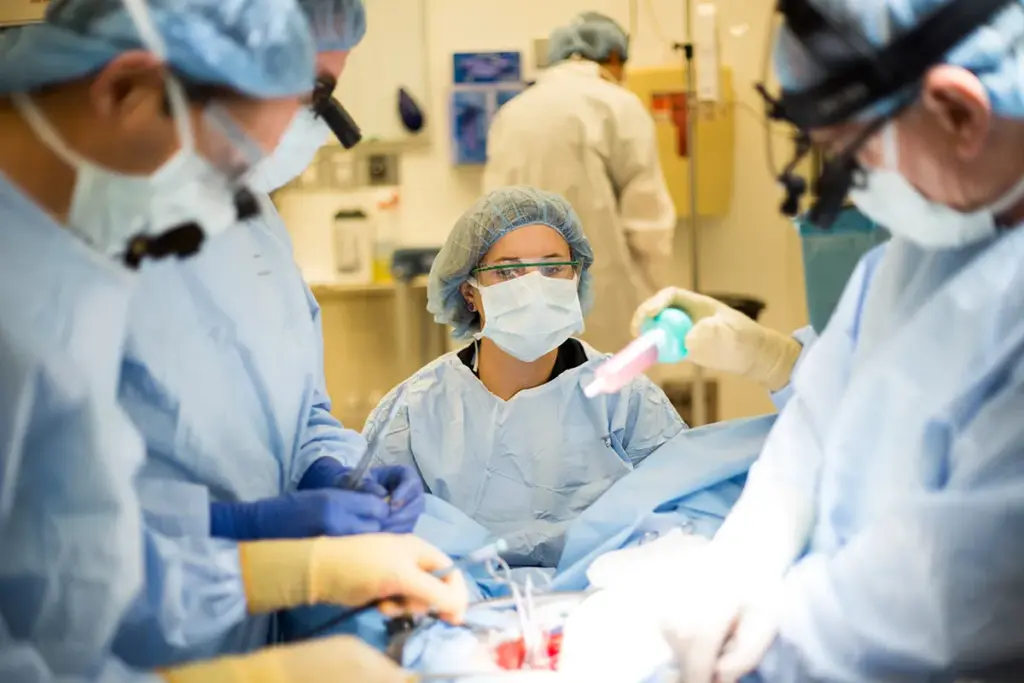
Recovering from open-heart surgery starts with knowing what the surgery does and how it affects the body. At Liv Hospital, we aim to provide top-notch care using the latest medical methods. This ensures our patients get the best treatment.
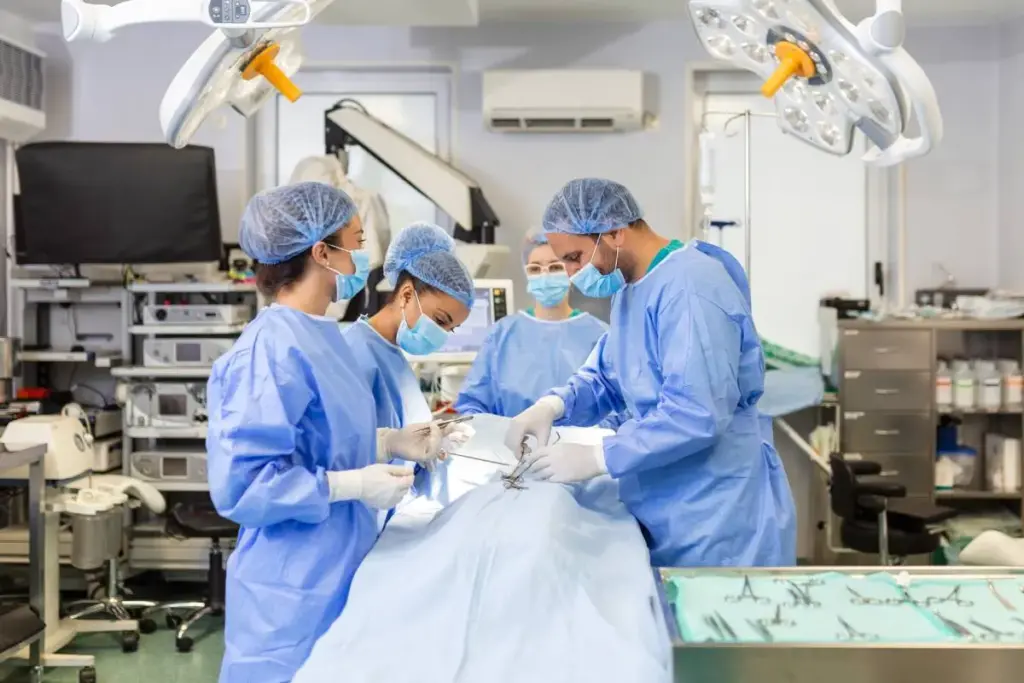
Open-heart surgery means opening the chest to reach the heart. A common surgery is coronary artery bypass grafting (CABG). It helps by bypassing blocked arteries to improve blood flow to the heart.
Types of Open-Heart Procedures
There are many open-heart surgeries, including:
- Coronary artery bypass grafting (CABG)
- Heart valve repair or replacement
- Septal defect repair
- Heart transplant
Each surgery aims to improve heart function and health in its own way.
Physical Changes to Expect After Surgery
Patients will notice many physical changes after surgery, such as:
- Fatigue and weakness
- Pain or discomfort in the chest, back, or shoulders
- Swelling or bruising around the incision site
- Shortness of breath or difficulty breathing
These changes can be tough, but they usually get better with time and proper care.
Initial Recovery Timeline Overview
The first few weeks after surgery are key for recovery. Patients will likely:
- Stay in the hospital for a few days for close monitoring
- See their symptoms and health improve slowly
- Need to rest and relax to heal
- Follow a specific care plan to recover smoothly
Knowing what to expect helps patients prepare and make informed decisions about their care.
The Immediate Post-Hospital Period

The time right after leaving the hospital is very important for those who have had open-heart surgery. It’s a tough time filled with challenges that can affect how well they recover.
The First 48 Hours After Discharge
The first two days after leaving the hospital are key. Patients need someone to watch over them and help with everyday tasks. This ensures a smooth recovery from open heart surgery. It’s important to have someone to help with bathing, dressing, and taking medicine.
Some important things to think about during this time include:
- Watching for signs of problems, like infections or bleeding
- Helping with pain and making sure they take their medicine
- Supporting them with light exercises and moving around
- Being there for emotional support and company
Common Challenges Patients Face
Patients often face many challenges right after leaving the hospital. Some common ones are:
- Dealing with pain and discomfort after surgery
- Getting used to new medicines
- Doing daily tasks when they’re not very mobile or strong
- Handling emotional changes, like feeling anxious or sad
Why Assistance Is Critical During This Time
Having enough help right after leaving the hospital is very important. Studies show that those living alone after heart surgery face more risks. Help ensures they get the right post-op care for open heart surgery, like managing medicine, taking care of wounds, and emotional support.
Having a support system helps patients deal with the tough parts of heart surgery recovery. This support can be from family, friends, or professional caregivers. It’s key to have a plan in place before leaving the hospital.
Can You Safely Stay Alone After Heart Surgery?
Open-heart surgery is a significant medical procedure that requires diligent post-operative care. This includes knowing if it’s safe to be alone. We’ll look at what doctors say and what affects a patient’s ability to recover on their own.
Medical Recommendations for the First 2-3 Weeks
Doctors usually say no to being alone for the first 2-3 weeks after surgery. This early time is key, and help with daily tasks is needed. Living alone after heart surgery can lead to more problems and hospital visits.
Patients start to get stronger but can’t do heavy lifting or hard work yet. Having someone to help is important to avoid more issues.
Risk Assessment for Independent Living
Deciding if you can live alone after heart surgery depends on many things. Your health, the surgery type, and if you can do daily tasks by yourself matter. Having a strong support system helps a lot.
It’s smart to think carefully about living alone before making a choice. Look at your health history, current health, and who can help you.
Factors That Determine Self-Sufficiency
Many things affect how well you can take care of yourself after surgery. Your health before surgery, any other health issues, and following doctor’s orders are key. How you handle stress and your mental state also matter a lot.
To be more independent, follow cardiac surgery recovery tips. Eat well, stay active, and go to all your doctor’s appointments. This can make your recovery better and safer if you live alone.
In short, while recovering from open-heart surgery is possible, being alone is a big decision. Knowing what doctors say and understanding your own risks helps make the right choice. Always talk to your doctor about what’s best for you.
Open Heart Surgery Recovery: Timeline and Milestones
Knowing the recovery timeline after open heart surgery is key for patients. It helps them understand their healing journey. The path to full recovery has many stages, each with its own challenges and milestones.
Week 1-2: The Critical Period
The first two weeks are the most critical after surgery. Patients are watched closely for any issues. They are treated with medication and rest. It’s vital to follow the doctor’s advice and report any unusual symptoms.
During this time, patients often feel tired, in pain, and uncomfortable. But with the right care and sticking to the recovery plan, they start to get better.
Weeks 3-6: Gradual Improvement
By weeks 3-6, patients start to feel much better. Gradual improvement is what marks this period. They regain strength and endurance. It’s when heart surgery rehabilitation exercises become key, helping them get back to full function and improve heart health.
Doctors advise patients to start with short walks and then move to more challenging exercises. This helps them get back to their normal activities.
Months 2-3: Returning to Normal Activities
By the second and third months, most patients can go back to their usual lives. This includes work and social activities, if they’ve stuck to their recovery plan. This is a big milestone in their journey, showing they’re getting back to normal.
But, it’s important to keep following the doctor’s advice on recovery from open heart surgery. Everyone recovers at their own pace.
Sternal Precautions: Understanding Movement Restrictions
Sternal precautions are key to a smooth recovery after cardiac surgery. The sternum is split to reach the heart, and it must heal well. Following these precautions helps avoid straining the sternum and ensures a good recovery.
Lifting Limitations
One important part of sternal precautions is not lifting heavy things. Patients should not lift anything over 5-10 pounds (2.3-4.5 kilograms) at first. This means no heavy groceries, lifting kids, or moving big objects. Lifting heavy can strain the sternum and increase the chance of problems like infection or wound reopening.
Sleeping Positions and Techniques
How you sleep can affect your sternum’s healing. It’s best to sleep on your back with your upper body slightly raised. Use pillows for support. Avoid sleeping on your side or stomach as it can stress the sternum. Extra pillows can help keep your chest comfortable and reduce strain.
Safe Movement Practices
Moving safely is important to protect your sternum. Be careful getting in and out of bed, bend at the knees, and avoid twisting. When getting up, use your arm strength to push up while keeping your upper body straight. This helps avoid straining the sternum.
By sticking to these sternal precautions, you can lower the risk of complications after open-heart surgery. It’s vital to follow the advice of healthcare professionals. They can give you personalized guidance based on your situation and progress.
Daily Activities After Heart Surgery
Getting back to daily life after heart surgery needs careful planning. Patients must slowly return to their usual routines. They should avoid activities that could harm their healing.
Personal Hygiene and Showering
Keeping clean is key during recovery. Most can start showering in 7-10 days. But, they must follow certain rules.
When showering, avoid hot or cold water. Make sure you have support to prevent falls. Gently clean the incision with mild soap and pat it dry, not rub.
Meal Preparation and Light Cooking
Starting to cook again is important. Patients can usually do light cooking in 10-14 days. Start with easy meals that don’t require lifting or bending.
Using pre-cut ingredients or one-pot meals can help. This makes cooking simpler during recovery.
Home Maintenance Considerations
Managing home tasks is also important. Avoid heavy lifting, bending, or hard work for weeks after surgery. Focus on the most important tasks first.
Consider asking for help with harder tasks. This way, you can keep your home in order without overdoing it.
Following these tips helps patients safely get back to their daily lives after heart surgery. It makes recovery smoother and more effective.
Transportation Challenges During Recovery
After open-heart surgery, patients face big challenges with getting around. They can’t drive for a while, which makes it hard to get to doctor’s appointments and do daily tasks. This makes them feel less independent during their recovery.
Driving Restrictions (4-6 Weeks Minimum)
Doctors usually tell patients not to drive for 4 to 6 weeks. This rule is to keep everyone safe. It’s because patients might not react as fast or be as strong after surgery.
It’s very important to follow these rules. Driving too early can lead to accidents. This could hurt the patient’s healing process.
Alternative Transportation Options
Patients need to find other ways to get around. Some options include:
- Rides from family and friends
- Public transportation services
- Ride-sharing services
- Community resources for cardiac patients
Looking ahead and finding these options can help a lot. It makes getting around during recovery easier.
Planning Medical Appointments Without Driving
Patients should plan with their doctors to schedule visits when it’s easy to get there. “Planning is key,” doctors say. It helps patients get to important follow-up visits without stress.
Using a calendar for appointments and arranging transport early helps a lot. Also, asking about telemedicine can cut down on the need for in-person visits.
Understanding and planning for these challenges can make recovery smoother. It lets patients focus on getting better, not on how to get around.
Medication Management Post-Surgery
Managing medications well is vital for a smooth recovery after heart surgery. It helps avoid complications and ensures the best results.
Common Medications and Their Importance
Patients often take many medications after heart surgery. These help with pain, prevent infection, and control the heart. You might take:
- Anticoagulants to prevent blood clots
- Beta-blockers to manage heart rate and blood pressure
- Pain management medications to control post-surgical pain
- Antibiotics to prevent infection
It’s important to know why you’re taking each medication and follow your doctor’s instructions.
Creating a Medication Schedule
Creating a medication schedule is helpful. You can use a pill box or a digital calendar. Here are some tips:
- List all your medications and their dosages
- Set reminders for when to take each medication
- Mark off each dose as you take it
- Review your schedule regularly with your healthcare provider
Sticking to your medication schedule is key for a successful recovery.
Handling Side Effects When Alone
Medications are important for recovery but can cause side effects. If you’re alone and experience side effects, it’s important to know how to handle them. Common side effects include dizziness, nausea, and fatigue. If you have these, contact your healthcare provider immediately.
To manage side effects, keep a log of symptoms. Report them to your healthcare provider. This can help adjust your medication if needed.
Statistical Risks of Recovering Alone
Living alone after heart surgery is risky, studies show. Those alone face more complications and challenges in recovery.
Research on Solo Recovery Outcomes
Studies reveal solo recovery after heart surgery is riskier. A study in a top medical journal found solo living increases readmission and complication risks.
Risks Associated with Solo Recovery:
- Difficulty managing daily activities
- Increased risk of complications
- Higher rates of nursing home admission
Doubled Risk of Difficulties with Daily Activities
Recovering alone doubles the risk of daily activity challenges. This includes bathing, dressing, and managing meds. The lack of support from caregivers or family members is the main reason.
|
Activity |
Risk with Caregiver |
Risk Alone |
|---|---|---|
|
Bathing |
Low |
High |
|
Dressing |
Low |
High |
|
Managing Medications |
Low |
High |
Higher Rates of Nursing Home Admission
Patients alone after heart surgery face a higher chance of nursing home admission. This is because they can’t manage daily needs without support.
We know the risks of solo recovery after heart surgery. Being aware helps patients and families make better care choices. They can look for support during recovery.
Warning Signs: When to Seek Medical Help
It’s important to know the signs of complications after open-heart surgery. This helps ensure a smooth recovery. We’ll cover the key warning signs and the need for an emergency plan.
Recognizing Complications
Patients should watch for their body’s signals after surgery. Warning signs that need quick attention include:
- Chest pain or discomfort that doesn’t get better with medicine
- Shortness of breath or trouble breathing
- Swelling in the legs, ankles, or feet that gets worse
- Fever over 100.4°F (38°C)
- Increased redness, swelling, or discharge from the surgery site
- Dizziness or fainting spells
One patient said, “I didn’t know my shortness of breath was a complication sign until it was too late. I wish I knew what to look for.”
Emergency Contact Planning
Having a plan for emergencies is key. We suggest that patients and their caregivers:
- Keep a list of emergency contact numbers, like the surgeon’s office and a 24-hour helpline.
- Save these numbers in your phone for easy access.
- Tell family or friends about the warning signs and your emergency plan.
When to Call 911 vs. Your Surgeon
Knowing when to call 911 versus your surgeon’s office is important. If you have severe symptoms like chest pain, severe shortness of breath, or sudden dizziness, call 911 right away. For less serious issues or questions about recovery, call your surgeon’s office. They can advise on what to do next and if you need urgent care.
Recovering from open-heart surgery is tough, but knowing the warning signs and having a plan can help a lot. Always be cautious and seek medical help if unsure.
Support Systems for Solo Recovery
Patients recovering from open-heart surgery alone need a strong support system. This is key to overcoming the challenges of recovery. Having a support system can greatly impact the recovery process.
Professional Home Care Options
Professional home care offers help with daily tasks, managing medications, and watching for complications. These services are customized to fit the patient’s needs. This ensures they get the care they need.
Benefits of Professional Home Care:
- Assistance with bathing, dressing, and grooming
- Help with meal preparation and nutrition planning
- Medication reminders and management
- Monitoring for signs of complications or worsening condition
- Light housekeeping and laundry services
Community Resources for Cardiac Patients
Community resources provide extra support and guidance for cardiac patients recovering alone. These include local support groups, cardiac rehabilitation programs, and educational workshops.
|
Resource |
Description |
Benefits |
|---|---|---|
|
Local Support Groups |
Meetings with others who have experienced similar heart conditions |
Emotional support, shared experiences, and practical advice |
|
Cardiac Rehabilitation Programs |
Structured programs focusing on exercise, education, and lifestyle modification |
Improved physical health, reduced risk of future heart problems |
|
Educational Workshops |
Sessions providing information on heart health, nutrition, and stress management |
Empowerment through knowledge, better management of heart health |
Technology Solutions for Remote Monitoring
Technology is vital in supporting solo recovery. It allows for remote monitoring and communication with healthcare providers. This includes telehealth services, mobile apps, and wearable devices.
Examples of Technology Solutions:
- Telehealth platforms for virtual consultations
- Mobile apps for monitoring blood pressure, heart rate, and other vital signs
- Wearable devices that track activity levels and detect irregular heart rhythms
By using these support systems, patients recovering from open-heart surgery alone can get the care they need. This ensures a smooth and successful recovery.
Preparing Your Home for Post-Surgery Recovery
Getting your home ready for post-surgery recovery is key to your comfort and safety. A well-prepared home can greatly improve your recovery experience. It’s important to prepare everything in advance.
Creating a Recovery-Friendly Environment
To make your home safe and comfy, start by removing tripping hazards like loose rugs or cords. Make sure paths are clear and you can easily get to what you need. Good lighting is also important to prevent accidents and reduce stress.
Essential Supplies and Equipment
Having the right supplies and equipment at home can greatly aid your recovery. You’ll need comfortable clothing that’s easy to wear, a comfortable and supportive bed, and medical supplies like bandages and antiseptic wipes. Don’t forget any medications your doctor prescribed. Having a phone or a medical alert system nearby can also give you and your family peace of mind.
- Comfortable clothing
- Supportive bed and pillows
- Medical supplies (bandages, antiseptic wipes, etc.)
- Prescribed medications
- Phone or medical alert system
Single-Floor Living Arrangements
Try to arrange your recovery space on one floor to avoid climbing stairs. If your home has multiple stories, set up a temporary bedroom on the main floor. Having everything you need within reach can help prevent accidents and make recovery easier.
By preparing your home, you can create a supportive environment for healing. We’re here to support you every step of the way.
The Psychological Aspects of Recovering Alone
Recovering from open-heart surgery is more than just physical. It also involves dealing with the mental challenges of being alone. We will help you through this tough time, focusing on your mental health.
Managing Isolation and Depression
Feeling isolated and depressed can happen when you’re alone during recovery. It’s important to catch these feelings early and act fast. Try to stay in touch with loved ones through calls or video chats to fight loneliness.
Doing things you love can also boost your mood. Reading, watching movies, or doing gentle stretches can keep your mind and body active. This can make a big difference.
Building Mental Resilience
Being mentally strong is essential during recovery. Set achievable goals, practice mindfulness, and stay positive. Celebrate every small victory on your recovery journey.
Also, try relaxation techniques like deep breathing or meditation. They can help lower stress and improve your mental health.
Virtual Support Groups and Resources
Virtual support groups are a great help in today’s world. They let you share your story, get support, and connect with others facing similar issues.
Look into online forums and groups for cardiac patients. They offer emotional support and practical tips for recovery.
Using these strategies and resources can help you handle the mental side of recovering alone. This ensures a more complete and supportive recovery.
Cardiac Rehabilitation Programs
After open-heart surgery, patients can greatly benefit from cardiac rehabilitation programs. These programs help patients recover and improve their heart health. They also lower the risk of future heart issues.
Benefits of Structured Rehabilitation
Structured rehabilitation programs offer a full recovery plan. This includes exercise, heart-healthy living education, and stress management. The American Heart Association says these programs improve heart function and health outcomes.
“Cardiac rehabilitation is a medically supervised program that has been shown to improve survival and reduce the risk of hospital readmissions,” as noted by the American Heart Association. These programs are tailored to meet each patient’s needs, ensuring a safe and effective recovery.
Finding Programs with Transportation Assistance
Transportation to and from cardiac rehabilitation can be a challenge. Many centers offer transportation help or can suggest local resources. It’s wise to ask about these services when choosing a program.
- Check with local hospitals or cardiac centers for rehabilitation programs.
- Ask about transportation services or recommendations for transportation assistance.
- Consider programs that offer flexible scheduling to accommodate your needs.
How Rehab Improves Long-Term Outcomes
Cardiac rehabilitation programs improve long-term outcomes for heart surgery patients. They focus on exercise, education, and lifestyle changes. This helps patients achieve better heart health and lowers the risk of complications.
Key benefits of cardiac rehabilitation include:
- Improved cardiovascular function.
- Enhanced overall physical fitness.
- Better management of heart disease risk factors.
- Reduced symptoms of heart disease.
By joining a cardiac rehabilitation program, patients can actively participate in their recovery. This leads to better long-term health outcomes.
Conclusion: Making the Best Decision for Your Recovery
Recovering from open heart surgery needs careful planning. Patients with a support system do better and face fewer problems. Having help during the first recovery days is key for managing daily tasks, medicine, and possible issues.
To have a smooth , follow important tips. Create a recovery-friendly space, know about sternal precautions, and use support like home care or community resources.
Choosing the best recovery path means knowing what to expect and having the right support. Understanding post-surgery care and planning well can reduce risks and improve results. At Liv Hospital, we aim to provide top-notch healthcare and support for international patients. We help them make informed choices for a successful recovery.
FAQ
How long does it take to recover from open-heart surgery?
Recovery from open-heart surgery usually takes 6 to 12 weeks. This time can vary based on your health and the surgery’s complexity.
Can I be left alone after open-heart surgery?
It’s not wise to be alone for a long time after surgery, at least not in the first weeks. Having people to support you can really help your recovery.
What are the common challenges patients face after open-heart surgery?
After surgery, you might feel tired, in pain, and struggle with simple tasks like bathing. You could also feel anxious or depressed.
How long do I need to avoid driving after heart surgery?
You should not drive for 4-6 weeks after surgery. Always listen to your doctor and wait until you’re sure it’s safe to drive.
What are sternal precautions, and why are they important?
Sternal precautions help protect your sternum while you recover. They include avoiding heavy lifting and certain movements to prevent complications.
Can I shower after heart surgery?
You can usually shower 7-10 days after surgery. But, always follow your doctor’s advice to avoid infection.
How do I manage my medications after heart surgery?
Make a schedule for your meds and know why you’re taking each one. Talk to your doctor about any side effects or concerns.
What are the benefits of cardiac rehabilitation programs?
Cardiac rehab offers a structured plan, helps with transportation, and teaches you how to stay healthy. It’s great for long-term health and safety.
How can I prepare my home for post-surgery recovery?
Make your home easy to recover in by setting up a comfortable space and having what you need nearby. Living on one floor can also help.
What are the warning signs that I need to seek medical help after heart surgery?
Look out for severe chest pain, trouble breathing, fever, or swelling. If you see these signs, call your doctor or emergency services right away.
Are there any support systems available for solo recovery?
Yes, there are home care services, community help, and technology options to support you if you’re recovering alone.
How can I manage isolation and depression during recovery?
Stay strong mentally by staying in touch with family and friends. Joining online support groups can also help fight feelings of loneliness and sadness.
References
Michigan Tech News
National Center for Biotechnology Information. Evidence-Based Medical Insight. Retrieved from https://pubmed.ncbi.nlm.nih.gov/18339650/