

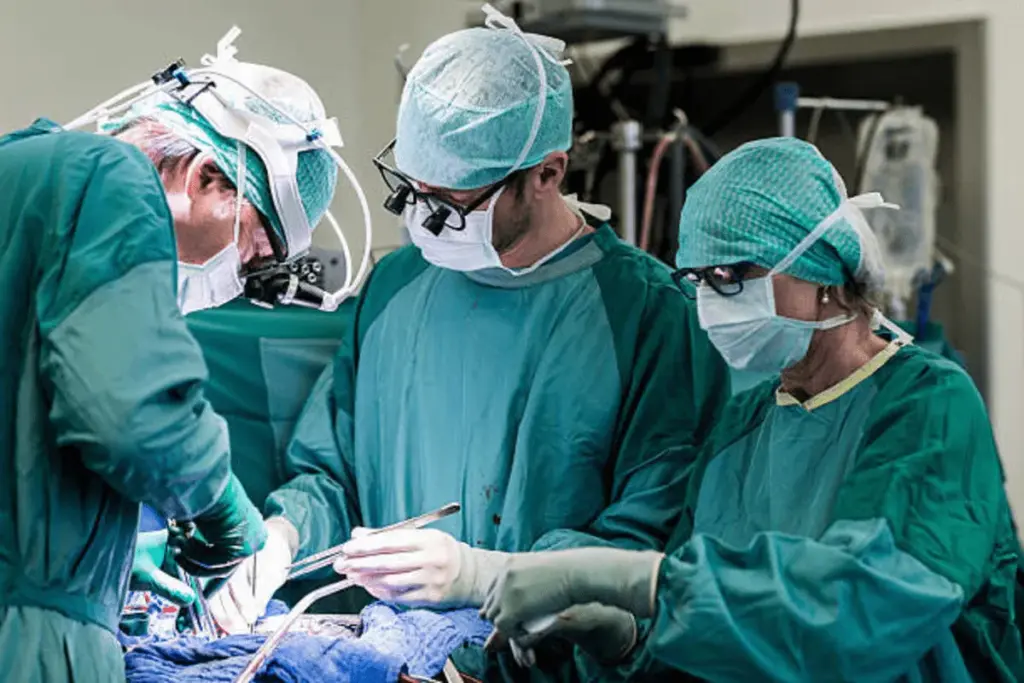
Recovering from open-heart surgery is tough and complex. At Liv Hospital, we offer top-notch healthcare and support for patients from abroad.
The sternum, split during a median sternotomy, usually heals in 3 to 6 months. But, this time can change based on your health and the surgery’s details.
Good care and recovery protocols are key for healing well. This article will help you understand the sternum healing process and possible issues.
Key Takeaways
- The sternum healing process can take 3 to 6 months.
- Individual health status and surgical complexity affect recovery time.
- Proper care and recovery protocols are vital for healing.
- Liv Hospital offers full support for international patients.
- Knowing the healing process helps manage your expectations.
Understanding Open-Heart Surgery and Sternotomy

A median sternotomy is a common method in open-heart surgery. It involves splitting the sternum to give surgeons direct access to the heart. This technique is key for treating many heart conditions.
Track sternum healing during open heart surgery recovery. Learn vital bone care and amazing tips for a brilliant, steady heart repair.
What is a Median Sternotomy?
A median sternotomy is a surgical cut through the sternum to reach the heart. Surgeons divide the sternum along its middle. This opens the chest cavity for the surgery.
This method is a top choice for heart surgery because it offers great access to the heart. Yet, it’s a big surgery with risks that need careful thought.
Why is the Sternum Split During Surgery?
The sternum is split to give surgeons a clear path to the heart. This allows them to do many heart surgeries, like bypass grafting or transplants.
Splitting the sternum gives a clear view of the heart for precise surgery. But, it needs careful care after surgery to heal right.
|
Reasons for Median Sternotomy |
Benefits |
Considerations |
|---|---|---|
|
Direct access to the heart |
Excellent exposure for surgical interventions |
Requires careful post-operative care |
|
Wide range of cardiac procedures |
Precise surgical interventions possible |
Potential for complications during healing |
|
Standard approach in cardiac surgery |
Well-understood by cardiac surgeons |
Significant surgical intervention |
The Typical Timeline for Sternum Healing

After open-heart surgery, the sternum heals in stages. Knowing these stages helps manage recovery expectations and care.
Initial Healing Phase (0-6 Weeks)
The first healing phase is key. The sternum starts to repair itself here. Expect discomfort, pain, and swelling.
It’s vital to follow care instructions closely to avoid problems.
Avoid heavy lifting and strenuous activities to protect the sternum. Managing pain is also important during this time.
Intermediate Healing Phase (6 Weeks – 3 Months)
In the next phase, pain and discomfort lessen. The bone continues to heal. You may start doing more physical activities under doctor’s advice.
Keep following activity restrictions and watch for complications like infection or sternal instability.
Complete Healing Phase (3-6+ Months)
The final healing phase is when the bone is fully healed. You can usually go back to normal activities. But healing times vary based on health, age, and surgery complexity.
Regular follow-ups with your doctor are key to check on healing and address any issues.
|
Healing Phase |
Duration |
Characteristics |
|---|---|---|
|
Initial Healing |
0-6 Weeks |
Inflammation, pain, swelling, start of bone regeneration |
|
Intermediate Healing |
6 Weeks – 3 Months |
Reduction in pain, continued bone healing, gradual return to activities |
|
Complete Healing |
3-6+ Months |
Full bone healing, resumption of normal activities |
Knowing the sternum healing timeline helps patients navigate their recovery. It aids in making informed care decisions.
Statistical Reality of Sternum Healing
It’s key for patients and doctors to grasp the sternum healing stats. Recovery after open-heart surgery is complex. Many factors affect how well the sternum heals.
The 6-24% Complete Healing Rate at Six Months
Studies show 6-24% of patients fully heal their sternum by six months after surgery. This shows how recovery times can vary. Age, health, and how complex the surgery is also matter.
|
Healing Rate |
Timeframe |
Influencing Factors |
|---|---|---|
|
6-24% |
6 months |
Age, Health Status, Surgical Complexity |
|
Variable |
3-6 months |
Presence of Diabetes, Renal Dysfunction |
Upper Sternum (Manubrium) Healing Challenges
The upper sternum, or manubrium, faces unique healing hurdles. Delayed or non-union issues are more common here. This means doctors need to watch closely and might adjust treatment plans.
Understanding Delayed Healing Patterns
Delayed healing can stem from many factors, like patient health and surgery methods. Knowing these patterns helps manage patient hopes and improve care. Spotting risk factors early can help avoid healing problems.
By understanding sternum healing stats, doctors can tailor care better. This helps improve patient outcomes.
Factors That Affect Sternum Healing Time
Many things can change how fast the sternum heals. The healing after open-heart surgery is complex. It depends on the patient’s health, age, and any health problems they might have.
Age-Related Considerations
Age is a big factor in healing. Older people might heal slower because of weaker bones and a weaker immune system. We give older patients special care to help them heal better.
Impact of Diabetes and Renal Dysfunction
Diabetes and kidney problems can slow healing. Diabetes can make blood flow worse, which hurts healing. Kidney issues can build up toxins, making recovery harder. It’s important to manage these conditions well to help healing.
Surgical Complexity and Healing Outcomes
The type of surgery also affects healing time. More complex surgeries take longer to recover from. We stress the need for good care after surgery and regular check-ups to catch any problems early.
Knowing these factors helps doctors give better care. They can help patients recover faster by managing health issues and providing good care after surgery.
The Science Behind Bone Healing After Sternotomy
The healing of bones after sternotomy is a complex process. It involves many cellular and molecular mechanisms. Knowing these biological processes helps us understand how bones regenerate and how healing outcomes are influenced.
Biological Processes of Sternal Bone Regeneration
After sternotomy, bone regeneration goes through several stages. First, the inflammatory phase cleans up debris. Then, the repair phase starts, where osteoblasts and osteoclasts form new bone tissue. Osteoblasts build bone, while osteoclasts break it down for remodeling.
Growth factors and cytokines play a big role in healing. They help bring the right cells to the injury site. This creates a healing-friendly environment.
“The healing of bone is a complex process that involves the coordinated action of multiple cell types, growth factors, and cytokines.”
Radiological Evidence of Healing Progress
Monitoring bone healing after sternotomy is key. X-rays, CT scans, and MRI help track progress. They show how well the sternum is healing and spot any issues early.
|
Radiological Method |
Advantages |
Limitations |
|---|---|---|
|
X-ray |
Quick, widely available |
Limited detail, complex cases |
|
CT Scan |
High detail, complex cases |
Higher radiation, cost |
|
MRI |
No radiation, soft tissue detail |
Cost, limited availability |
Healthcare providers use these methods to understand healing. This helps them make better decisions for patient care.
Hospital Stay and Initial Recovery Period
The journey to recovery after open-heart surgery starts with a hospital stay. This can last from 9 to 24 days. During this time, patients get critical care and monitoring to ensure a safe recovery.
Average Length of Hospital Stay
The hospital stay after open-heart surgery varies among patients. Most are discharged in 9 to 24 days after surgery. This time lets doctors closely watch the patient and handle any immediate issues.
|
Days in Hospital |
Care Focus |
|---|---|
|
1-3 Days |
Intensive care unit (ICU) stay for close monitoring |
|
4-7 Days |
Transition to step-down unit for continued monitoring and initial recovery |
|
7-24 Days |
General ward care, rehabilitation, and preparation for discharge |
Early Post-Operative Care
Early care after surgery is key for a good recovery. Patients get comprehensive care like pain management and wound care. Doctors also start rehab to help patients get stronger and move better.
Discharge Planning and Home Preparation
As patients get closer to going home, planning for discharge is important. Healthcare teams help patients and their families get ready for home. They teach about post-operative care, managing meds, and watching for complications. Getting the home ready is key to support recovery and avoid readmission.
Understanding the hospital stay and initial recovery helps patients prepare. With the right care and support, they can get through this tough time and recover well.
Open Heart Surgery Recovery: The First Month at Home
Starting your recovery at home after open-heart surgery is a big step. It’s important to stick to a care plan. This helps your body heal right, avoids problems, and sets you up for a good recovery later on. We’ll cover the key parts of recovery, like what activities to avoid, managing pain, and caring for your wound.
Activity Restrictions and Sternal Precautions
In the first month, it’s key to follow certain rules to protect your sternum. Avoid heavy lifting (more than 10 pounds), bending, or hard activities that might hurt your chest or mess with the healing of your sternum.
- Limit pushing and pulling actions
- Avoid driving until your healthcare provider advises it’s safe
- Refrain from reaching overhead or stretching
These steps help keep your sternum stable and support bone healing.
Pain Management Strategies
Managing pain well is very important during recovery. Your healthcare team will give you a plan for pain management. This might include medicine and other ways to feel better.
- Follow the prescribed medication regimen closely
- Consider non-pharmacological interventions like deep breathing or meditation
- Maintain a pain diary to track your symptoms and adjust your plan as needed
Talking to your healthcare provider about your pain is key to getting the right help.
Wound Care and Infection Prevention
Good wound care is key to avoid infection and help healing. Keep the surgical site clean and dry, and do what your healthcare provider says for dressing changes.
- Inspect the wound daily for signs of infection, such as redness, swelling, or discharge
- Follow the recommended showering or bathing schedule
- Be aware of your body’s temperature and report any fever to your healthcare provider
By following these tips on activity, pain, and wound care, you can make your recovery better in the first month at home after open-heart surgery. Always talk to your healthcare provider if you have any worries or questions about how you’re doing.
Monitoring Healing Progress: What to Expect
The healing of the sternum after open-heart surgery needs careful watching. It’s important to know what to expect during this time.
Follow-up Appointments and Evaluations
Regular check-ups with our healthcare provider are key. They help see how the sternum is healing. Our team will check the sternum’s stability and look for any complications.
These visits are a chance to ask questions and share concerns. It’s important to be open about our symptoms and pain.
Imaging Studies to Assess Bone Healing
Imaging like X-rays or CT scans are important for checking the sternum’s healing. They help our healthcare provider see how the sternum is doing. We’ll have these tests at different times to track our healing.
The type and how often we have imaging studies will depend on our needs. Our healthcare provider will decide the best schedule for us.
Signs of Normal vs. Abnormal Healing
Knowing the signs of normal and abnormal healing is key. Normal healing means less pain and better movement. Abnormal healing might show as more pain, swelling, or discharge.
We should watch for signs of complications like infection. If we see these signs, we should tell our healthcare provider right away. Being alert and proactive helps ensure the best recovery.
Common Challenges in Sternum Healing
Recovering from a sternotomy can be tough. The sternum usually heals, but many things can slow it down. This can cause pain and serious problems.
Delayed Union and Non-Union Complications
Delayed union or non-union are big issues. Delayed union means healing takes longer than expected. Non-union means the sternum doesn’t heal at all. These problems can happen for many reasons, like infection or poor blood flow.
Dealing with these issues can be hard for patients. Finding out why they happen is key. Then, we can figure out the best way to fix them, which might include more surgery.
Poor Healing in the Upper Sternum Region
The upper sternum, or manubrium, often has trouble healing. This is because of its shape and the stress it faces. Poor healing here can cause pain and affect the sternum’s stability.
We use special surgery and care plans to help it heal better. We watch patients closely and adjust their treatment as needed.
Managing Discomfort During the Healing Process
Dealing with pain is a big part of healing. Patients might feel anything from a little discomfort to a lot of pain. We use different ways to help with pain, like medicine, therapy, and changes in lifestyle.
Patients need to follow their doctor’s advice closely. This helps avoid problems and helps the healing. It means sticking to activity limits, going to check-ups, and taking care of the wound.
Knowing about sternum healing challenges helps patients recover better. We work with patients to give them the care they need. Our goal is to help them heal and get back to normal.
Potential Complications During Sternum Recovery
Recovering from a median sternotomy can face several challenges. These include infections and instability. It’s key to watch for and handle these issues to help the sternum heal right.
Sternal Wound Infections: Incidence and Management
Sternal wound infections are a big problem, hitting over 50% of patients in some cases. They’re more common in complex surgeries needing reconstruction. We catch them early and treat them with antibiotics and sometimes surgery to avoid more issues.
Sternal Instability and Dehiscence
Sternal instability or dehiscence is another issue. It happens when the sternum doesn’t heal right, causing it to separate. We stress the need for careful post-op care and monitoring to avoid this.
Chronic Pain Syndromes Following Sternotomy
Chronic pain is a long-term risk after sternotomy. It can stem from nerve damage or sternal instability. We help patients find the right pain management, aiming to improve their life quality during recovery.
Knowing these complications and acting early can greatly improve patient outcomes. Our strategy includes detailed post-op care, educating patients, and quick action when problems pop up.
Special Considerations for High-Risk Patients
High-risk patients, like those with diabetes, the elderly, and those with kidney problems, need special care after open-heart surgery. We know they face special challenges when healing their sternum. It’s key to help them feel better overall.
Optimizing Outcomes for Diabetic Patients
Diabetic patients often heal slower after heart surgery because of blood sugar issues and vascular problems. “Keeping blood sugar in check is vital for healing and avoiding infections,” say recent guidelines. We manage their diabetes closely, adjusting their meds as needed, to help them heal better.
Diabetic patients are also at higher risk for sternum infections, which can make recovery harder. So, we use special wound care and watch them closely for any signs of infection.
Elderly Patients and Extended Healing Timeframes
Elderly patients usually need more time to recover because they have less energy and often have other health issues. We tailor our care to meet their needs, focusing on gentle movement, good nutrition, and managing their health to aid healing.
A study on geriatric care found that “older adults do well with care that addresses their complex health needs.” We make sure our elderly patients get all the support they need, including physical therapy and nutrition advice, to help them recover.
Strategies for Patients with Renal Dysfunction
Patients with kidney problems face extra challenges, like managing fluids and avoiding electrolyte imbalances. We tailor our approach to protect their kidney health, managing fluids and using dialysis if needed, to help them recover better.
Also, we adjust their meds to avoid harming their kidneys. We work with kidney specialists to give them the best care for their condition.
The Role of Sternal Wires and Stabilization Techniques
Sternotomy closure uses sternal wires to keep the sternum stable while it heals. After open-heart surgery, these wires close the sternum. They play a key role in the patient’s recovery.
Types of Sternal Closure Methods
There are different ways to close the sternum, like using wires, plates, or other devices. The choice depends on the patient’s health, the surgery’s complexity, and the surgeon’s choice.
- Sternal wires are the most common choice because they are simple and effective.
- Plates and other devices are used when more stability is needed.
What Happens to Sternal Wires Long-Term
Sternal wires are usually left in forever because they are safe for the body. But, sometimes, patients might face problems with the wires.
|
Complication |
Incidence |
Management |
|---|---|---|
|
Infection |
Rare |
Antibiotics, possible wire removal |
|
Pain |
Occasional |
Pain management, possible wire removal |
|
Wire Migration |
Very Rare |
Surgical intervention to remove or reposition the wire |
When Wire Removal Might Be Necessary
In some cases, removing sternal wires is needed because of problems like infection, pain, or wire movement. The choice to remove wires depends on the patient’s health and the problem’s severity.
Removing wires is a minor surgery done under local anesthesia. The decision to remove wires is made after careful thought and talking between the patient and their doctor.
Physical Therapy and Rehabilitation for Optimal Healing
After open-heart surgery, physical therapy and rehabilitation are key for healing. A good rehabilitation plan helps patients fully recover and get back to their daily lives.
Breathing Exercises and Pulmonary Rehabilitation
Breathing exercises are vital in pulmonary rehabilitation. They help improve lung function and respiratory health. Techniques like deep breathing and incentive spirometry are used to increase lung capacity and gas exchange.
It’s important for patients to work with a physical therapist. They can create a breathing exercise plan that meets the patient’s needs and goals.
Safe Movement Techniques to Protect the Sternum
Moving safely is important during recovery to protect the sternum. Patients should avoid heavy lifting, bending, or twisting. These actions can stress the sternum and hinder healing.
- Use proper body mechanics when moving or lifting objects.
- Avoid twisting or turning, which can put stress on the sternum.
- Use support devices, such as pillows or cushions, to help maintain proper posture.
Gradual Return to Activities and Exercise
Returning to activities and exercise should be done gradually. Start with low-intensity activities like short walks. Then, increase the duration and intensity over time.
Working with a physical therapist is recommended. They can create an exercise plan that fits the patient’s needs and health status.
Lifestyle Adjustments During the Healing Process
After open-heart surgery, making lifestyle changes is key for healing. These changes help the sternum heal better. They make the recovery smoother and more effective.
Best Sleeping Positions After Sternotomy
Choosing safe sleeping positions is important for comfort and healing. Sleep on your back with a pillow under your knees. This reduces stress on your sternum. Avoid side or stomach sleeping as it can harm the healing bone.
Dietary Considerations for Bone Healing
Eating right is vital for bone healing. Focus on foods high in calcium, vitamin D, and protein. Include dairy, leafy greens, and lean meats in your diet. Drinking lots of water is also important for healing.
Nutritional Tips:
- Boost calcium with dairy and fortified foods.
- Eat foods rich in vitamin D like fatty fish and egg yolks.
- Add protein with lean meats, fish, and legumes.
Smoking Cessation and Its Impact on Recovery
Quitting smoking is a big step for recovery. Smoking slows healing by reducing blood flow. We offer help to stop smoking and boost your health.
Quitting smoking has many benefits:
- It improves blood flow and oxygen to healing tissues.
- It lowers the risk of complications and infections.
- It boosts your overall health and well-being.
Advanced Care Protocols for Enhanced Sternal Healing
At Liv Hospital, we know that healing the sternum is complex. We use multidisciplinary approaches and innovative techniques to help. Our goal is to give the best care and improve healing results.
Multidisciplinary Approaches to Complex Cases
Handling complex cases needs a team of experts. Our multidisciplinary team includes surgeons, nurses, and physical therapists. They work together to create care plans for each patient.
This team approach helps manage complications and improves results. We help patients with pain management strategies and rehabilitation plans that fit their needs. This makes their recovery better.
Innovative Surgical and Closure Techniques
The field of cardiothoracic surgery is always changing. We use innovative surgical and closure techniques to help patients heal faster. Methods like sternal sparing and advanced wound closure methods are part of our efforts.
These new methods reduce complications and make recovery smoother. We keep up with the latest research and technologies to give our patients the best care.
International Standards in Post-Sternotomy Care
Following international standards in post-sternotomy care is key. We follow guidelines from top medical organizations. This ensures our care is of high quality, no matter the case.
Staying true to these standards helps us improve. We regularly check our results and update our care to match the latest research. Our aim is to provide top-notch healthcare to our patients.
Conclusion
The journey to heal the sternum after open-heart surgery is complex and varies for everyone. It’s important to understand what affects healing, possible complications, and the need for proper care and rehab. This knowledge helps patients navigate their healing journey well. At Liv Hospital, we stress the importance of patience, proper care, and medical support during recovery. Our team is dedicated to giving full support and care. We aim to help our patients get the best results, guiding them through the sternum healing journey to full recovery. Recognizing that healing is unique for each person and needs personalized care is key. This approach helps us support patients better as they recover from open-heart surgery. It improves their overall recovery experience and outcomes.
FAQ
How long does it take for the sternum to heal after open-heart surgery?
Healing the sternum after open-heart surgery takes about 3-6 months. It goes through three phases: initial, intermediate, and complete healing.
What is the typical recovery time for open-heart surgery?
Recovery starts with a hospital stay of 9-24 days. Then, patients spend a critical first month at home. They must follow rules for activity, pain, and wound care.
What are the possible complications during sternum recovery?
Complications include sternal wound infections and chronic pain. Sternal instability and dehiscence are also risks.
How do sternal wires affect the healing process, and do they need to be removed?
Sternal wires help close the sternum and stabilize it during healing. Sometimes, they need to be removed due to complications.
What lifestyle adjustments can support recovery after open-heart surgery?
To recover, patients should sleep safely and eat well for bone healing. Quitting smoking also helps.
What is the role of physical therapy in the recovery process?
Physical therapy is key for recovery. It includes breathing exercises and safe movements. It helps patients gradually return to activities.
How can patients manage discomfort during the healing process?
Managing pain involves following pain strategies and knowing normal vs. abnormal healing signs. Addressing complications quickly is also important.
What are the factors that affect sternum healing time?
Healing time can be influenced by age, diabetes, renal dysfunction, and surgery complexity.
How is the healing progress monitored after open-heart surgery?
Progress is monitored through regular appointments and imaging studies. Signs of healing are also checked.
What are the best sleeping positions after sternotomy?
Safe sleeping positions are advised to avoid discomfort and aid healing.
How long do sternal wires stay in the body after open-heart surgery?
Sternal wires are usually left in permanently. But, they might need removal in some cases.
References
Long-term functional outcomes after major cardiac surgery [Internet]. 2021; PMCID: PMC8178255. Available from:https://www.ncbi.nlm.nih.gov/pmc/articles/PMC8178255/

























