
Recovering from heart surgery is a big deal. The support of loved ones is key to healing. Visitors can make patients feel less alone and more connected during their recovery.
Most patients can have visitors within the first 24-48 hours after surgery. This is when their vital signs are stable. Studies show that visitors greatly improve a patient’s mood. In fact, 84.5% of patients feel better emotionally with visitors around.
Key Takeaways
- Visitors can see patients within 24-48 hours after surgery.
- Stable vital signs are a prerequisite for visitation.
- Visitors provide significant emotional support.
- 84.5% of patients report better emotional recovery with visitors.
- Brief visits are recommended initially.
- Emotional well-being is enhanced by visitor presence.
The Basics of Open Heart Surgery
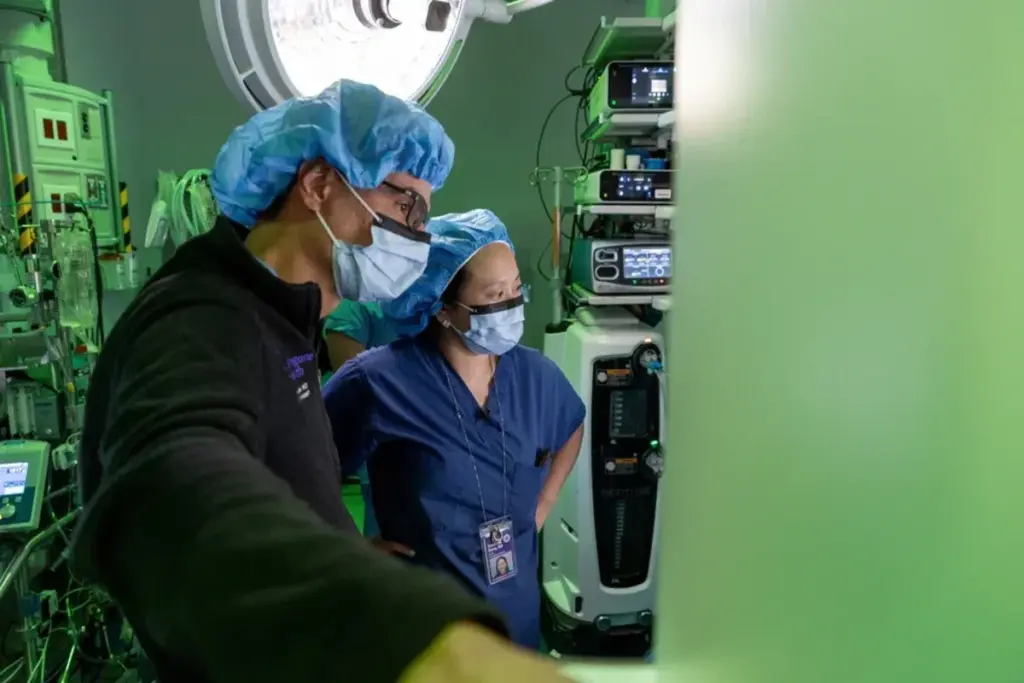
Recovering from open heart surgery starts with knowing what happened during the operation. This surgery fixes or replaces damaged heart parts. Knowing this helps manage recovery better.
Common Types of Cardiac Procedures
Open heart surgery includes many procedures. These are:
- Coronary artery bypass grafting (CABG)
- Heart transplant
- Valve repair or replacement
- Surgical repair of congenital heart defects
Each procedure has its own recovery and care needs. For example, CABG patients focus on cardiac surgery rehabilitation to improve heart health.
Physical Impact on the Patient
Open heart surgery affects the body a lot. The chest is opened, causing pain and a long recovery. Patients might feel tired, have trouble breathing, and swell in their legs and feet.
Good postoperative care for heart surgery helps lessen these effects. It includes watching for problems, managing pain, and slowly increasing activity.
Initial Recovery Expectations
Knowing what to expect in the first days after surgery helps. Patients usually stay in the hospital for 5 to 7 days. They are watched closely for any issues.
|
Recovery Aspect |
Expectations |
|---|---|
|
Hospital Stay |
Typically 5 to 7 days |
|
Pain Management |
Medications are used to manage pain |
|
Physical Activity |
Gradual increase in activity levels |
Following recovery tips after open heart surgery can greatly improve outcomes. These tips include eating well, going to cardiac rehab, and taking medicines as directed.
Understanding open heart surgery and recovery helps patients. It’s key to follow the doctor’s advice for a smooth recovery.
Immediate Post-Operative Care
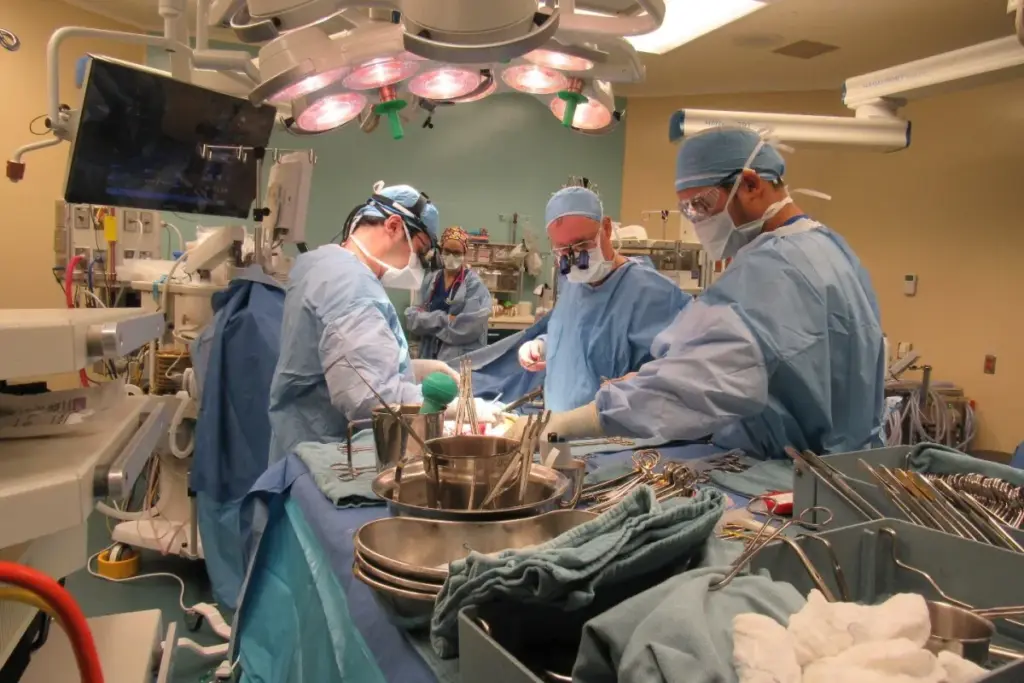
After open heart surgery, patients stay in the ICU for 24 hours. This time is key for a smooth recovery.
First 24 Hours in Intensive Care
The initial 24 hours in the ICU are crucial for ensuring a smooth recovery. The medical team watches for any complications and manages pain well.
Key aspects of care during this period include:
- Continuous monitoring of vital signs
- Managing post-operative pain
- Preventing and managing possible complications
Monitoring and Stabilization
Monitoring and stabilization are vital right after surgery. The healthcare team uses tools and techniques to track the patient’s condition. They adjust the care plan as needed.
|
Monitoring Aspect |
Description |
Importance |
|---|---|---|
|
Vital Signs |
Continuous monitoring of heart rate, blood pressure, and oxygen saturation |
Early detection of possible issues |
|
Pain Management |
Effective management of post-operative pain |
Improves patient comfort and reduces stress |
|
Complication Prevention |
Proactive measures to prevent complications like infection or bleeding |
Reduces risk of post-operative complications |
When Patients Become Alert and Responsive
Patients usually become alert and responsive within 24 to 48 hours after surgery. This is a big milestone in their recovery, showing they are healing well.
As patients become more alert, they start to leave life-supporting machines behind. Their care moves from the ICU to a step-down unit or a regular hospital room. This indicates significant progress in the patient’s recovery.
Standard Visitation Timeframes After Heart Surgery
Patients often wonder when they can have visitors after open-heart surgery. The timing of the first visit is important. It depends on the patient’s health and the hospital’s rules.
The 24-48 Hour Window for First Visitors
The first 24 to 48 hours after surgery are key. Patients are watched closely in the ICU during this time. Visitors are usually allowed when the patient’s health improves, which is often within this period.
The hospital decides when visitors can come. They look at clinical indicators like vital signs and how well the patient is recovering. This helps them know when it’s safe for visitors.
Clinical Indicators That a Patient Can Receive Visitors
Several things are checked before visitors are allowed:
- Stable vital signs
- Improved level of consciousness
- Minimal pain and discomfort
- No significant complications
These signs mean the patient is getting better. They can then get emotional support from visitors.
Hospital-Specific Policies and Variations
Hospitals have different rules for visitors. Some are stricter because of infection control. It’s important for visitors to ask hospital staff about their rules.
|
Hospital Policy |
Visitation Timing |
Visitor Limitations |
|---|---|---|
|
Standard ICU Policy |
24-48 hours post-surgery |
2 visitors at a time |
|
Infection Control Protocol |
After 48 hours or when infection risk decreases |
1 visitor at a time |
|
Special Care Unit Policy |
As determined by specialist |
Limited to immediate family |
Knowing these details helps plan visits. It makes sure the recovery goes smoothly.
Research on Visitors During Open Heart Surgery Recovery
Visitors are key to a patient’s emotional and physical healing after open heart surgery. Studies show that family and friends can greatly help in the recovery process.
Statistical Benefits: Improved Emotional Recovery
Research shows that 84.5% of patients feel better emotionally with visitors. This big number shows how important it is to have loved ones by their side.
Reduced Complications
Visitors can also help lower the risk of complications. For example, a study found that patients with visitors had a disorientation rate of 30%. This is compared to 62.5% for those without visitors. This shows visitors can help keep patients mentally stable and aid in their recovery.
Impact on Sleep Quality and Recovery Speed
Visitors can also affect how well patients sleep and how fast they recover. While the exact effect on sleep is being studied, emotional support from visitors can help patients recover faster and more steadily.
|
Recovery Aspect |
With Visitors |
Without Visitors |
|---|---|---|
|
Emotional Recovery |
84.5% report better recovery |
Lower emotional recovery rates |
|
Disorientation Rate |
30% |
62.5% |
|
Sleep Quality |
Potentially improved |
Variable |
Understanding the role of visitors in recovery helps healthcare providers make better visitation rules. This includes giving open heart surgery recovery tips and ensuring patients get the right physical therapy for heart surgery recovery. This is part of a full cardiac surgery recovery timeline.
Factors That May Affect Visitation Timing
Many things can change when patients can see visitors after open heart surgery. Everyone recovers differently. Doctors look at several things before saying it’s okay for visitors.
Patient-Specific Health Considerations
Each patient’s health is unique when it comes to visit times. Things like overall health, age, and past health issues matter. For example, people with diabetes or who are overweight might need more time to recover.
Doctors watch these details closely. They decide when it’s safe for patients to have visitors. This makes sure the patient’s health is not at risk.
Surgical Complications and Extended Recovery
Complications after surgery can change how long it takes to recover. Issues like infections or reactions to anesthesia might mean longer stays in the hospital. In these cases, visitors might be kept away to prevent infections and help the patient focus on getting better.
It’s important for both patients and doctors to know how to speed up recovery. While visitors can help, it’s key to avoid complications.
Infection Control Protocols
Keeping infections away is a big deal in hospitals, even more so after big surgeries like open heart surgery. Hospitals have strict rules to lower the chance of getting sick in the hospital. This includes limiting who can visit.
Managing pain after open heart surgery is also very important. Good pain control can make recovery easier. It might even let patients see visitors sooner, as long as infection rules are followed.
Doctors make choices about when to let visitors in. They balance the good of having visitors with keeping the patient safe and healthy.
Guidelines for Initial Hospital Visits
Knowing the rules for visiting the hospital is key for helping a patient get better after open heart surgery. Visitors are important for the patient’s emotional and physical healing. Being well-informed helps both the patient and the visitors.
Recommended Duration and Frequency
How long and how often to visit is important during the first days in the hospital. Visits should be short, mainly in the first 24 to 48 hours. This helps avoid wearing out the patient.
- Initial visits should last between 15 to 30 minutes.
- How often to visit can change based on the patient’s health and how they feel about visitors.
It’s important to listen to the patient and the healthcare team about visit times and how often. Some patients might get tired quickly or need more rest. Others might enjoy longer visits.
Number of Visitors Allowed at Once
The number of visitors allowed at once can differ based on the hospital’s rules and the patient’s health. Usually, it’s best to keep visits to two or three people at a time. This helps keep the environment calm and reduces stress.
|
Hospital Unit |
Typical Visitor Limit |
|---|---|
|
ICU (Intensive Care Unit) |
2 visitors at a time |
|
Cardiac Unit |
2-3 visitors at a time |
What to Expect When Visiting the ICU or Cardiac Unit
Visiting the ICU or Cardiac Unit can be scary because of all the medical equipment and monitors. Knowing what to expect can make visitors feel more at ease and supportive.
Visitors will see the patient with tubes, monitors, and possibly a ventilator. It’s important to stay calm and let the patient know they are supported.
By following these guidelines, visitors can offer real support to patients recovering from open heart surgery. This helps make the recovery smoother and more effective.
Visitor Preparation and Etiquette
Visitors are very important for patients recovering from open heart surgery. Knowing what to do and how to act can really help. It’s all about being informed and respectful.
Essential Hygiene Practices
Keeping clean is a must when visiting a patient after heart surgery. Make sure to wash your hands often with soap and water or use hand sanitizer. This helps prevent infections.
If you’re feeling unwell, it’s best to stay away. Also, if you’ve been near someone sick, wait until it’s safe to visit.
Appropriate Gifts and Items to Bring
Bringing items that comfort the patient is a great idea. Fresh flowers or a favorite book can make their day better. But, always check with the hospital staff first.
Choosing gifts that help with recovery is smart. Things that encourage gentle movement or comfort are good. Think about what the patient likes and needs.
Being thoughtful and prepared helps a lot. Good hygiene, understanding the patient’s needs, and choosing the right gifts make a big difference. It helps the patient recover better.
The Complete Open Heart Surgery Recovery Timeline
Knowing the recovery timeline after open heart surgery is key for patients and their families. It helps them get through this important time. The recovery path has different stages, each with its own challenges and needs.
Hospital Phase: Changing Visitation Needs
The first part of recovery happens in the hospital. Here, doctors watch over patients closely. At first, only close family can visit because patients are very sick and at risk of infection.
As patients get better, hospital rules might change. More people can visit, and visits can last longer. It’s important for visitors to follow hospital rules, like washing hands and wearing masks.
Visitors should also think about the patient’s energy. Recovery is hard work, so they shouldn’t stay too long.
Early Home Recovery: Adjusted Support
After leaving the hospital, patients start their early home recovery. Family and caregivers are key in helping them get better. They need to help with daily tasks, manage medicine, and watch for any problems.
At home, visitors should be kept to a minimum. Only those who really need to be there should visit. Visits should be short to not tire the patient out. Keeping the home clean is also important to prevent infections.
Long-term Recovery: Evolving Social Interaction
As patients get better, they start to do more and see more people. But, it’s important to find a balance between rest and socializing. Patients should listen to their doctors about how much to do.
Being with others can help patients feel better and avoid feeling lonely. But, they should stay away from crowded places and sick people until it’s safe.
Transitioning to Home: New Visitation Considerations
When patients move from the hospital to home after open heart surgery, they face new visitation rules. They must adjust to recovering in a place they know well but with less control.
Limiting Exposure in the First Weeks
In the first weeks at home, it’s key to avoid germs. Visitors, though caring, can bring infections. A cardiac specialist advises finding a middle ground between enjoying company and avoiding infection.
To find this balance, families can try a few things:
- Limit the number of visitors at once.
- Make sure visitors wash their hands before seeing the patient.
- Plan visits when the patient is not tired.
Balancing Social Support with Rest
It’s important to balance rest with social support early on. Visits from loved ones can lift spirits but also disrupt rest. Clear communication is essential to manage visits and ensure rest.
Patients should tell their visitors what they need. For example, they might say, “I appreciate your visit, but I need to rest for a bit. Can we catch up later?” This helps keep a good balance between socializing and resting.
Signs That Visitors May Be Too Taxing
It’s important to know when visitors are too much. Look for signs like more tiredness, more pain, or feeling upset. If visits are hurting recovery, it’s time to rethink the schedule.
“The goal of visitation during recovery should be to support the patient’s healing process, not to inadvertently hinder it,” says a healthcare professional.
By watching for these signs and managing visits, patients can make their recovery space better. This helps them get back to full health faster.
How Different Types of Visitors Impact Recovery
The type of visitors a patient gets after open heart surgery can really affect their recovery. Visitors can offer emotional support, help with daily tasks, and motivate patients to follow their post surgical care and rehabilitation exercises. But, the effect of these visitors can change based on their relationship with the patient.
Family Members and Primary Caregivers
Family members and primary caregivers are key in a patient’s recovery. They offer ongoing support, watch over the patient, and help with medicines. Their presence can also lessen feelings of loneliness and anxiety, common after heart surgery. Plus, they can push patients to join cardiac rehab programs, which are vital for a good recovery.
Having a caring family member or primary caregiver can greatly lower the chance of recovery complications. They can spot early signs of problems and get medical help if needed. Their emotional support also helps patients deal with the stress and anxiety of surgery and recovery.
Friends and Extended Family
Friends and extended family can also help by adding emotional support and assisting with practical tasks. But, their visits should be balanced to avoid overloading the patient. Too many visitors can cause fatigue, which might slow down the recovery.
It’s important for patients and their main caregivers to set limits and manage visitor schedules well. This way, the patient gets the rest and support they need without feeling too stressed. By doing this, patients can get the most from their visitors while avoiding any negative effects.
Specialized Approaches to Visitor Management
Modern healthcare facilities are now using special ways to manage visitors. This is to help patients recover better after heart surgery. It’s important to find the right balance between social support and a controlled recovery space.
This includes managing visitors well. Hospitals can make a supportive yet controlled space for recovery by using these modern methods.
Modern Clinical Protocols for Visitor Integration
Today’s visitor management involves checking the patient’s health first. Then, deciding when and how often visitors can come. This way, visitors help the patient recover without risking their health.
- Assessing patient readiness for visitors
- Limiting the number of visitors to prevent overexertion
- Guiding visitors on hygiene practices and infection control
By following these steps, hospitals can reduce risks and make sure visitors help the patient recover well.
|
Protocol |
Description |
Benefit |
|---|---|---|
|
Patient Assessment |
Evaluating patient readiness for visitors |
Prevents overexertion |
|
Visitor Limitation |
Limiting the number of visitors |
Reduces risk of infection |
|
Hygiene Guidance |
Guiding visitors on hygiene practices |
Minimizes infection risk |
Balancing “5-Star Healthcare” with Medical Necessities
It’s key to balance “5-star healthcare” with medical needs when managing visitors. This means making a welcoming and supportive place while following strict medical rules.
Key considerations include:
- Maintaining a clean and safe environment
- Ensuring patient comfort and emotional support
- Adhering to medical protocols for recovery
By finding this balance, healthcare providers can make patients happier and help them recover better.
Communication Strategies for Patients and Families
Clear and simple communication is key for those going through open heart surgery recovery. It helps manage visitor expectations, supports the patient’s healing, and lowers family stress.
Setting Clear Boundaries and Expectations
Setting clear rules is essential for a smooth recovery. Patients and families should talk about visit rules, like who can visit, when, and for how long. Healthcare providers should be part of these talks to make sure the patient’s needs come first. This way, patients can rest when needed, and visitors can feel welcome without causing stress.
Coordinating a Supportive Visitor Schedule
Planning a visitor schedule is also key. Families can make a plan that offers steady support but also lets the patient rest. This plan should be flexible for any changes in the patient’s health or surprise visitors. Using digital tools or a family member to manage the schedule can be very helpful.
By using these communication strategies, patients and families can create a supportive space for healing. Recovery tips often stress the need for rest, good nutrition, and emotional support—all made easier with good communication and visitor planning.
Conclusion: Optimizing Visitor Support for Successful Recovery
Visitor support is key for patients after open heart surgery. It helps them get the emotional and psychological support they need. This support is vital for a successful recovery.
Good care after heart surgery is more than just medical treatment. It’s also about creating a supportive environment. Studies show that visitors can greatly help a patient’s emotional recovery. They can reduce complications and help patients sleep better.
To make visitor support better, patients, families, and healthcare providers need to work together. They should set clear guidelines and expectations. This way, everyone can help patients recover with confidence.
Using these strategies in recovery plans can lead to better outcomes. It makes the transition to home smoother. A well-coordinated approach to visitor support is key for a successful recovery after heart surgery.
FAQ
How soon can I have visitors after open heart surgery?
Visitors are usually allowed 24-48 hours after surgery. But, this can change based on the patient’s health and hospital rules.
What are the benefits of having visitors during open heart surgery recovery?
Visitors help with emotional healing and can lower the risk of complications. They make patients feel better, with 84.5% saying they recovered emotionally faster.
What factors can affect visitation timing after open heart surgery?
Health, surgery issues, and infection rules can decide when visitors can come.
How long and how often can visitors stay during initial hospital visits?
Visits should be short, 15-30 minutes. It’s best to limit visitors to avoid stressing the patient.
What should visitors bring or avoid bringing when visiting a patient after open heart surgery?
Visitors should keep clean and avoid flowers or plants. Bringing favorite books or blankets can comfort the patient.
How can visitors support a patient’s recovery during the transition to home?
Visitors should limit exposure and balance rest with support. Watch for signs of too much stress or fatigue.
How do different types of visitors impact a patient’s recovery?
Family and primary caregivers are key. Friends and extended family can offer emotional support but should be limited.
What are some modern approaches to managing visitors during open heart surgery recovery?
New methods include visitors in the care plan. They balance medical needs with comfort and support.
How can patients and families communicate effectively with visitors?
Set clear rules and schedules. Talk to healthcare providers for a smooth recovery.
What is the typical recovery timeline for open heart surgery, and how do visitation needs change over time?
Recovery takes weeks to months. Visit needs change from hospital to home and long-term recovery, needing adjusted support.
How can visitors help manage pain and discomfort after open heart surgery?
Visitors can offer emotional support and help with daily tasks. Encourage following the medication and rehab plan.
Are there any specific exercises or rehabilitation programs that visitors can support during recovery?
Visitors can encourage cardiac rehab. This includes exercises, education, and lifestyle advice.
References
- Impact of visitor restriction rules on the postoperative experience of COVID-19 negative patients undergoing surgery
- Source: National Center for Biotechnology Information (NCBI) and PubMed Central (PMC)
- URL: https://pmc.ncbi.nlm.nih.gov/articles/PMC7437486/
- Family Visiting Restrictions and Postoperative Clinical Outcomes: A Retrospective Analysis
- Source: National Center for Biotechnology Information (NCBI) and PubMed Central (PMC)
- URL: https://pmc.ncbi.nlm.nih.gov/articles/PMC9397009/
- Recovering From Heart Surgery
- Source: South Texas Health System Heart
- URL: https://www.southtexashealthsystemheart.com/services/heart-surgery/after
- Source: https://www.verywellhealth.com/your-first-weeks-at-home-after-open-heart-surgery-1745805
- Note: The information for this article could not be found.
- A systematic review and meta-analysis of social cognition training success across the healthy lifespan
- Source: National Center for Biotechnology Information (NCBI) and PubMed Central (PMC)
- URL: https://www.ncbi.nlm.nih.gov/pmc/articles/PMC8894472/
- Adult Cardiac Surgery: The COVID-19 Era
- Source: American College of Cardiology (ACC)
- URL: https://www.acc.org/latest-in-cardiology/articles/2021/05/04/14/03/adult-cardiac-surgery-covid-19
National Institutes of Health. Evidence-Based Medical Insight. Retrieved from https://www.nhlbi.nih.gov/health/heart-surgery/recovery