


Did you know over 500,000 open-heart surgeries happen every year in the United States? Recovery from such a major operation is a big worry for patients and their families. Knowing how long it takes to wake up after surgery is key for managing hopes and ensuring a smooth recovery journey.
Waking in open heart surgery recovery: How long? Learn the timeline for anesthesia to wear off so you can wake up safely.
When someone has open-heart surgery, their body goes through a lot of stress. How long it takes to wake up can change based on many things. These include the patient’s health, how complex the surgery was, and the type of anesthesia used. Usually, patients are watched closely in the ICU until they wake up.
Exploring heart surgery recovery time shows that everyone heals differently. Things like age, health before surgery, and care after surgery all affect how well someone recovers from open-heart surgery.
Key Takeaways
- The recovery time after open-heart surgery varies a lot among people.
- Things like overall health and how complex the surgery is can affect how long it takes to wake up.
- Patients are closely watched in the ICU until they wake up.
- How well someone recovers depends a lot on post-operative care.
- Knowing about the recovery process helps manage hopes and ensures a smooth recovery.
Understanding Open Heart Surgery
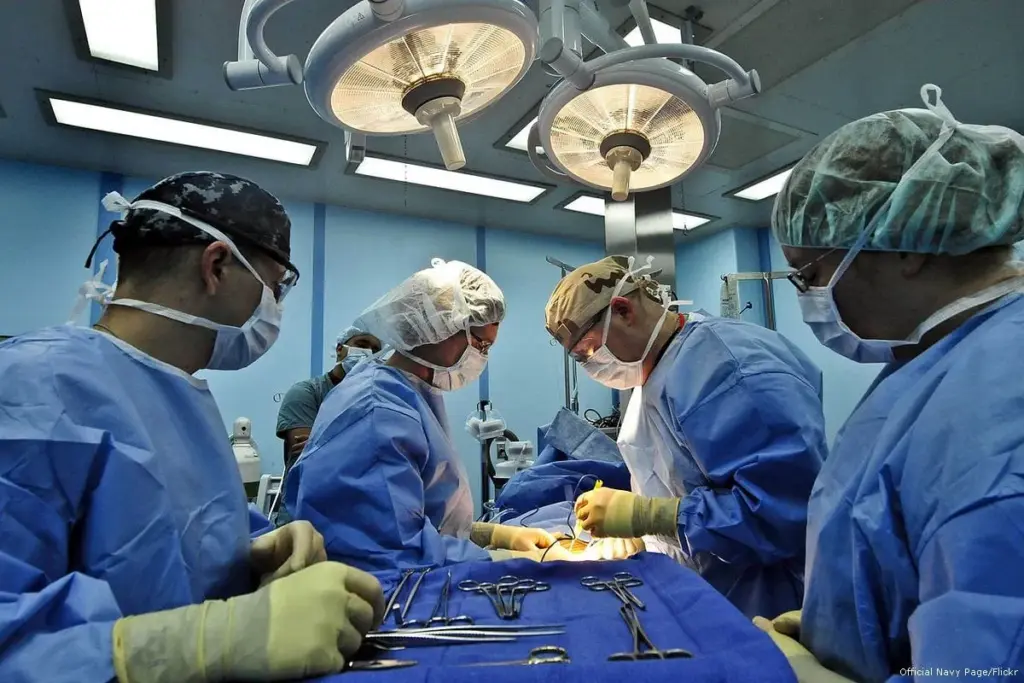
“Open heart surgery” means making a big cut in the chest to get to the heart. It’s done to fix many heart problems. The exact surgery depends on what the patient needs.
Common Types of Open Heart Procedures
Open heart surgery includes many procedures. Coronary artery bypass grafting (CABG) is very common. It fixes blocked or narrow heart arteries by using grafts.
Another common surgery is fixing or replacing heart valves. This is done when valves are damaged or not working right. Sometimes, a heart transplant is needed. This is when a sick heart is replaced with a healthy one from a donor.
Why Patients Undergo Heart Surgery
People have heart surgery for many reasons. It’s usually because other treatments didn’t work. Doctors decide on surgery after checking the patient’s heart very carefully.
Heart problems like blocked arteries, valve issues, and heart failure often need surgery. The goal is to make the patient feel better, live longer, and have a better quality of life.
Duration of Typical Heart Surgery
The time it takes for heart surgery varies. CABG can take 3 to 6 hours. Fixing or replacing a heart valve might take 2 to 4 hours.
|
Procedure |
Average Duration |
|---|---|
|
CABG |
3-6 hours |
|
Heart Valve Repair/Replacement |
2-4 hours |
|
Heart Transplant |
4-8 hours |
These times are just estimates. They can change based on the patient’s health and any unexpected problems during surgery.
The Anesthesia Process in Heart Surgery

Anesthesia is key in heart surgery. It lets patients have complex surgeries without pain. It keeps them comfortable and pain-free, which is vital for the surgery’s success.
Types of Anesthesia Used
In heart surgery, general anesthesia is usually used. It makes the patient unconscious and pain-free. It uses intravenous and inhaled medications to keep the patient asleep.
A medical expert says, “Choosing the right anesthetic is very important. It must fit the patient’s condition and the surgery’s complexity.”
“The anesthesiologist plays a vital role in monitoring the patient’s vital signs and adjusting the anesthesia as needed to ensure a safe and successful surgery.”
Factors Affecting Anesthesia Duration
Several things affect how long anesthesia lasts in heart surgery. These include:
- The complexity of the surgical procedure
- The patient’s overall health and medical history
- The patient’s age and physical condition
- The presence of any comorbidities
Knowing these factors helps anesthesiologists tailor care for each patient. This ensures the best care and a good outcome.
Preparation for Anesthesia
Getting ready for anesthesia involves checking the patient’s medical history and current health. Patients often have to fast before surgery. They may also get advice on their medications.
Good communication between the patient, anesthesiologist, and surgical team is key. It helps address concerns and prepares the patient for the anesthesia and surgery.
Immediate Post-Surgical Period
The time right after open-heart surgery is very important for a patient’s recovery. During this phase, patients are watched closely in the Intensive Care Unit (ICU).
Transfer to Intensive Care Unit (ICU)
After surgery, patients move to the ICU. Here, a team of experts focuses on their care. The ICU has advanced tools and life-support equipment to manage their health.
Ventilator Support and Breathing Tubes
In the ICU, patients often need help breathing. They are put on a ventilator through a breathing tube. This help is key in the early recovery stages, as it lets them rest and heal.
Monitoring Systems in Place
The ICU uses many monitoring systems to keep an eye on patients. These include heart, blood pressure, and oxygen monitors. These systems help doctors spot and act on any issues quickly, ensuring top care.
During this critical time, the healthcare team is always ready. They provide constant care to help the patient recover. With cutting-edge technology and a focus on the patient, we work to improve outcomes and ease the recovery journey.
Typical Timeline for Waking Up After Heart Surgery
Knowing when you’ll wake up after heart surgery is important for patients and their families. The recovery time depends on several factors.
Average Wake-Up Times
How long it takes to wake up after heart surgery varies. Patients usually wake up a few hours after surgery. This can be anywhere from 2 to 6 hours.
This time depends on the surgery’s complexity and the anesthesia used.
Factors That Influence Wake-Up Time
Several things can affect how long it takes to wake up. These include:
- The type and dosage of anesthesia used.
- The patient’s health and any pre-existing conditions.
- The surgery’s complexity and length.
- The patient’s age and health before surgery.
What to Expect During the Awakening Process
In the ICU, patients are closely watched as they wake up. The team looks for signs like responding to commands or moving. This is a key time for monitoring vital signs for a smooth recovery.
When patients start to wake up, they might feel confused or uncomfortable. This is because of breathing tubes and other devices. The medical staff is there to comfort and support them, making sure they’re as comfortable as possible.
The Role of Sedation in Recovery
Sedation is key in post-operative care, giving patients comfort during healing. After open-heart surgery, patients feel stress and discomfort. Sedation helps manage these feelings.
Why Sedation Is Used Post-Surgery
Sedation keeps patients comfortable and reduces stress after surgery. It’s most important in the early recovery stages. It helps manage pain and anxiety, allowing patients to rest and heal better.
How Long Sedation Typically Lasts
The time sedation lasts varies by patient and surgery type. It usually lasts from a few hours to a couple of days. This is until the patient is stable and can stop taking sedatives.
Gradual Reduction of Sedative Medications
As patients get better, sedatives are slowly reduced. The healthcare team manages this carefully. They make sure patients stay comfortable and avoid sedative dependency. The reduction pace is based on each patient’s response and needs.
We know recovery can be tough. Our team is here to help with the care and support. Sedation helps make the recovery smoother and more comfortable for patients.
What Happens in the Cardiac ICU
Patients who have open-heart surgery go to the Cardiac ICU for recovery. This unit has advanced technology and a team of experts. They are ready to care for patients after heart surgery.
Specialized Care and Monitoring
In the Cardiac ICU, patients get specialized care that fits their needs. The team watches their heart rate, blood pressure, and oxygen levels closely. They also help with pain and breathing support when needed.
Average Length of ICU Stay
How long a patient stays in the ICU varies. It depends on their health and the surgery’s complexity. Usually, patients stay for 1 to 3 days. The medical team keeps a close eye on them and adjusts treatments as needed.
Transition to Step-Down Unit
When patients are stable, they move to a step-down unit for more recovery. This unit offers less intense care. It helps patients slowly get back to normal activities.
Communication While Intubated
Patients in the ICU often can’t talk because they’re intubated and sedated. The team uses lip reading, gestures, and notes to communicate. Family members can also talk to their loved ones. Even if patients can’t speak, they can often hear and respond to voices.
Knowing what happens in the Cardiac ICU can ease worries for patients and their families. The care and monitoring in this unit are key to recovery after open-heart surgery.
Common Cardiovascular Changes After Surgery
It’s important for patients and their caregivers to understand the heart changes after open-heart surgery. These changes can be scary, but knowing what to expect helps with recovery and lowers anxiety.
High Blood Pressure After Surgery
High blood pressure is a common heart change after surgery. Several factors contribute to this condition, like the body’s stress response, pain, and medication changes. We keep a close eye on blood pressure to keep it safe.
To handle high blood pressure, we might change medications, suggest lifestyle changes, or use other treatments as needed.
Elevated Heart Rate and Palpitations
An elevated heart rate and palpitations are common heart changes. These symptoms can be unsettling, but they’re usually temporary and linked to the surgery or anesthesia.
- Monitoring heart rate and rhythm
- Adjusting medications to stabilize heart function
- Implementing strategies to reduce stress and anxiety
Normal vs. Concerning Symptoms
Telling normal symptoms from concerning ones is key. While some heart changes are expected, others might mean a problem. We teach patients about signs that need quick medical help.
If you have severe chest pain, trouble breathing, or irregular heartbeats, get medical help right away.
Open Heart Surgery Recovery Timeline
Knowing the recovery timeline after open-heart surgery is key for patients and their families. Recovery times vary, but there’s a general pattern. We’ll walk you through what to expect in each stage.
First 24-48 Hours
The first 24 to 48 hours are very important. Patients are watched closely in the ICU for any issues. Vital signs like heart rate and blood pressure are checked often. Pain is managed with medicine.
- Breathing tubes are usually removed within 24 hours.
- Patients are told to move their legs to avoid blood clots.
- Family visits are allowed, but with limits.
First Week of Recovery
After moving from the ICU, patients focus on mobility and breathing exercises. The team keeps an eye out for infections or other problems.
- Patients start sitting, standing, and walking.
- Pain management is adjusted as needed.
- Family gets lessons on caring for the patient at home.
First Month Post-Surgery
By the first month, most patients go home. It’s important to keep taking medications as directed and go to follow-up visits. Patients should slowly increase activity but avoid heavy lifting.
- Watch for signs of infection or unusual symptoms.
- Follow cardiac rehab if advised.
- Slowly get back to normal activities, like driving and light exercise.
Long-Term Recovery Expectations
Full recovery can take months. Patients should keep improving by following rehabilitation plans and making lifestyle changes. Managing heart health through diet, exercise, and medicine is key.
We know every patient’s journey is different. Our team is here to support you every step of the way.
Potential Complications Affecting Wake-Up Time
After open-heart surgery, complications can happen. They might make it take longer for a patient to wake up. It’s important for patients and their caregivers to know about these complications to help with recovery.
Delayed Emergence from Anesthesia
Delayed emergence from anesthesia means patients take longer to wake up after surgery. This can happen for many reasons. We watch patients closely to reduce this risk and act fast if it happens.
Neurological Complications
Neurological problems, like stroke or delirium, can occur after heart surgery. These issues can affect how long it takes for a patient to wake up and recover. Delirium is treated by changing medications and making the environment calm and familiar.
Respiratory Issues
Respiratory problems, such as needing a ventilator for a long time, can also slow down recovery. We try to prevent these by choosing the right patients, using careful surgical techniques, and closely watching patients in the ICU.
When to Be Concerned
It’s important for patients and their families to know when to seek help. Signs that mean you should get medical help right away include trouble breathing, severe pain, or big changes in how you think or feel. We aim to give clear advice and support during recovery.
To understand complications better, let’s look at some data:
|
Complication |
Possible Causes |
Management Strategies |
|---|---|---|
|
Delayed Emergence |
Anesthetic type and dosage, patient health, surgery duration |
Close monitoring, adjustment of anesthetic protocols |
|
Neurological Complications |
Surgery-related factors, pre-existing conditions |
Medication adjustments, environmental modifications |
|
Respiratory Issues |
Pre-existing respiratory conditions, surgical complications |
Prolonged ventilator support, respiratory therapy |
Hospital Stay Duration After Open Heart Surgery
Knowing how long you’ll stay in the hospital after open-heart surgery helps set expectations. The time you spend in the hospital depends on your needs and any complications that might come up.
Average Length of Hospitalization
Most patients stay in the hospital for 7 to 10 days after open-heart surgery. This time lets doctors keep a close eye on your recovery and handle any immediate issues.
Factors That May Extend Hospital Stay
Several things can make your hospital stay longer. These include:
- Post-operative complications such as infection or bleeding
- Pre-existing health conditions that complicate recovery
- Delayed recovery or slow response to treatment
Knowing about these factors helps you and your family get ready for a longer hospital stay.
Preparation for Discharge
Getting ready to go home starts early in your hospital stay. Healthcare teams help you:
- Manage pain effectively
- Regain strength and mobility
- Understand post-discharge care instructions
Good discharge planning makes the transition from hospital to home smoother.
|
Aspect of Care |
Hospital Stay |
Post-Discharge |
|---|---|---|
|
Pain Management |
Monitored by healthcare professionals |
Managed at home with medication |
|
Mobility |
Physical therapy begins in the hospital |
Continues at home or in rehabilitation |
|
Wound Care |
Monitored for signs of infection |
Patient and family education for home care |
Understanding what affects your hospital stay and preparing for discharge helps you recover better.
Patient and Family Experience During Wake-Up
Waking up after open-heart surgery is tough for patients and their families. Knowing what to expect can ease some of the worry and uncertainty.
What Families Can Expect
Families are key in the recovery journey. When a loved one wakes up, they’ll see lots of medical gear and monitors. The ICU is a place where doctors and nurses watch the patient’s health closely.
Key aspects to expect include:
- Monitoring equipment beeping and showing vital signs
- Breathing tubes and ventilator support
- Intravenous lines for medicine and fluids
- Healthcare staff checking on the patient often
The first time a patient wakes up can be confusing. They might feel groggy, confused, or have trouble talking because of the breathing tube.
How to Support Your Loved One
Supporting your loved one is very important. Here are some ways to help:
- Be Present: Just being there can make your loved one feel better.
- Communicate: Talk calmly and reassuringly, even if they can’t answer right away.
- Follow Hospital Guidelines: Stick to the hospital’s rules for visitors.
- Ask Questions: Don’t be afraid to ask doctors about your loved one’s health and progress.
As the patient gets better, families can help by encouraging them to follow their rehab plan. They can also help with medicines and offer emotional support.
Emotional Aspects of the Wake-Up Process
The emotional journey of waking up is as important as the physical recovery. Patients and families often feel many emotions, like relief, gratitude, anxiety, and fear.
“The moment my husband woke up after surgery, I felt a wave of relief wash over me. Seeing him recover has been a journey of hope and healing for our entire family.” – Sarah, wife of a heart surgery patient
It’s normal for patients to feel emotional or depressed during recovery. Families can support by being understanding, patient, and encouraging.
|
Emotional Challenges |
Support Strategies |
|---|---|
|
Anxiety and Fear |
Provide reassurance, encourage open communication |
|
Depression |
Support rehabilitation, encourage social interaction |
|
Frustration |
Help manage expectations, celebrate small milestones |
Understanding the emotional journey of patients and families during wake-up helps us support them better. This challenging yet hopeful journey is one we can all navigate together.
Post-Hospital Open Heart Surgery Recovery
Open-heart surgery recovery starts when you leave the hospital. It’s the first step in a long healing journey. At home, patients face many challenges to ensure a smooth recovery.
Home Care Requirements
Home care is key after the hospital. Patients need a safe and comfy place to heal. This means having a rest area, avoiding hard work, and easy access to what you need.
Family or caregivers are very important. They must know about the patient’s health, the medicines, and when to call for help.
Physical Therapy and Cardiac Rehabilitation
Physical therapy and cardiac rehab help you get strong and healthy again. These programs are made just for you. They include exercises to improve how you move and your endurance.
Cardiac rehab is led by doctors and nurses. It might include:
- Exercise training
- Heart-healthy living tips
- Stress reduction
- Nutrition advice
Medication Management
Managing your medicines is very important after the hospital. You must take your medicines as told to control pain, avoid problems, and help healing.
It’s important to know why you’re taking each medicine, its side effects, and when to take it. A pill box or calendar can help you keep track.
Follow-Up Appointments
Seeing your doctor after the hospital is very important. These visits help check how you’re doing and make any needed changes to your care.
At these visits, doctors may:
|
Activity |
Purpose |
|---|---|
|
Review medical history |
Check your overall health and how you’re healing |
|
Conduct physical examinations |
Look for any signs of problems or improvement |
|
Adjust medication |
Change your treatment if needed |
By following these steps, patients can greatly improve their recovery. They can get back to their normal life sooner.
Returning to Normal Activities
Recovering from open-heart surgery means knowing when to start doing everyday things again. It’s important to get back to your routine slowly. This helps you avoid pushing yourself too hard. We’ll show you how to safely get back to your daily activities.
When You Can Start Driving
Being able to drive again is a big step in your recovery. Doctors usually say you shouldn’t drive for 4 to 6 weeks. This lets your sternum heal and lowers the risk of problems. But, your doctor might give you a different time frame based on your case.
Make sure you can do the things needed to drive without pain or strain. It’s important to listen to your body and not rush back.
Resuming Work and Daily Activities
Going back to work depends on your job and how fast you recover. Desk jobs might let you return in 4 to 6 weeks. But, jobs that are hard on your body might take longer, often 8 to 12 weeks or more.
Always listen to your doctor about when to go back to work or do hard activities.
Exercise and Physical Limitations
Exercise is key to getting better, but you must follow your doctor’s advice. At first, you should avoid heavy lifting and bending. As you get better, you can start with short walks and then do more.
It’s also important to avoid things that might hurt your chest or make you fall.
Dietary Considerations
Eating well is important for healing after heart surgery. Eat lots of fruits, veggies, whole grains, lean proteins, and healthy fats. Try to eat less salt, sugar, and bad fats.
Drinking plenty of water is also key. Your doctor or a dietitian can give you advice that fits your needs.
Conclusion
Recovering from open-heart surgery is a complex journey. It needs patience, understanding, and support. We’ve looked at the different stages of recovery, from right after surgery to long-term expectations. Knowing the recovery timeline is key for patients and their families. We talked about how long it takes to wake up after heart surgery. We also covered the role of sedation and the changes in the heart after cardiac surgery. We aimed to give a full view of the open heart surgery recovery process. We hope to have given patients and their families the knowledge they need. This knowledge helps them make informed decisions and prepare for what’s ahead. As you move forward, following your healthcare team’s advice is vital. Stick to the recovery timeline they recommend. With the right support and care, patients can have a successful recovery. This improves their overall quality of life.
FAQ
How long does it take to wake up after open-heart surgery?
Waking up after open-heart surgery can take a few hours. It depends on the surgery’s complexity and the patient’s health.
What is the average length of stay in the ICU after open-heart surgery?
Patients usually stay in the ICU for 24 to 48 hours. This time can vary based on the surgery’s complexity and the patient’s condition.
Why is sedation used after heart surgery?
Sedation helps patients feel calm and comfortable. It reduces stress and anxiety while they recover from anesthesia and surgery.
How long does sedation typically last after heart surgery?
Sedation can last from a few hours to a few days. It depends on the sedative used and how the patient responds.
What are the common cardiovascular changes after heart surgery?
Changes include high blood pressure and an elevated heart rate. These are usually temporary and managed with medication.
When can I start driving after open-heart surgery?
It’s best to wait 4-6 weeks before driving again. Your doctor will advise when you’re ready.
How long does it take to recover from open-heart surgery?
Recovery can take 6-12 weeks. Some may need longer, depending on their health and the surgery’s complexity.
What are the possible complications that can affect wake-up time and recovery?
Complications include delayed awakening and neurological issues. These need close monitoring and medical care.
How can families support their loved ones during the wake-up process?
Families can offer emotional support and be present. They should also communicate with the healthcare team for guidance.
What are the home care requirements after open-heart surgery?
Care includes following a healthy diet and managing medications. Regular appointments and cardiac rehab are also important.
When can I resume work and daily activities after open-heart surgery?
The timing varies based on recovery progress and the type of work. Your doctor will advise when it’s safe to return.
What are the dietary considerations after open-heart surgery?
Eating heart-healthy foods and managing salt intake is key. Staying hydrated also supports recovery and heart health.
How long does it take to recover from quadruple heart bypass surgery?
Recovery from quadruple bypass surgery is similar to other open-heart surgeries. It usually takes 6-12 weeks, influenced by overall health and complications.
What is the role of physical therapy and cardiac rehabilitation after open-heart surgery?
Physical therapy and cardiac rehab help patients regain strength and improve heart health. They are essential for a full recovery.
Reference
National Institutes of Health. Evidence-Based Medical Insight. Retrieved from https://www.nhlbi.nih.gov/health-topics/coronary-artery-bypass-graft-surgery

























