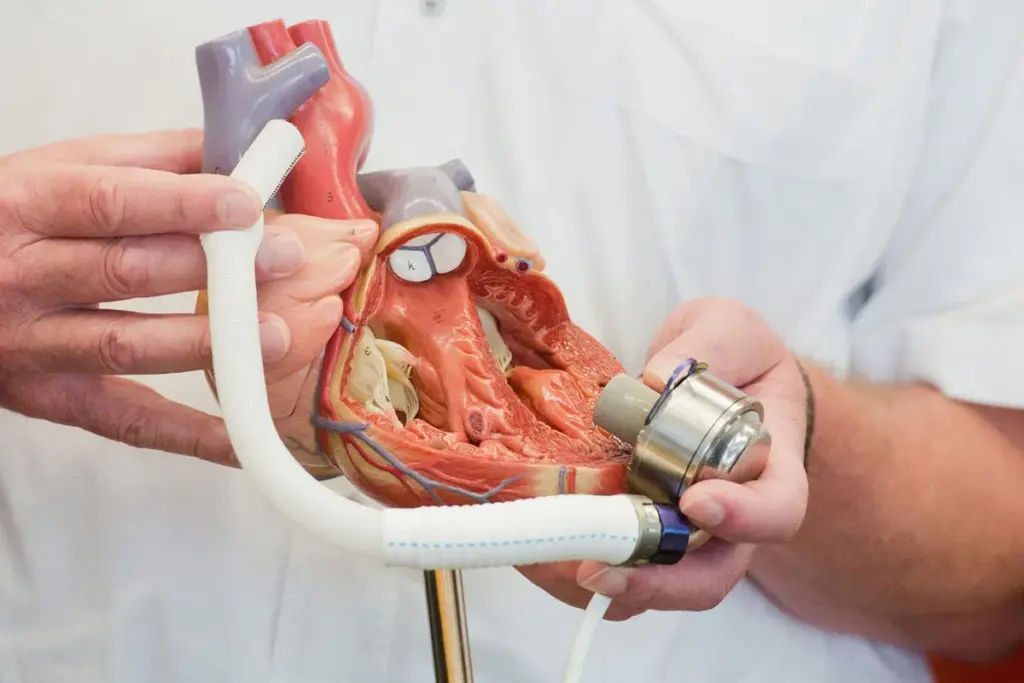
Did you know that nearly 98% of patients survive after undergoing a major cardiac procedure? He found the survival rate is remarkably high. This shows how far medical technology and cardiac surgeons have come.
The success rate of this life-saving procedure is a big relief for patients and their families. Knowing the risks and outcomes is key to making smart health choices. How rare is it? Get the amazing open heart surgery survival odds and positive facts on powerful long-term outcomes for this serious operation.
Key Takeaways
- Nearly 98% of patients survive after undergoing open heart surgery.
- The survival rate is a testament to advancements in medical technology.
- Cardiac surgeons’ skill contributes significantly to the high success rate.
- Understanding risks and outcomes is key for informed health decisions.
- High survival rates provide relief for patients and their families.
Understanding Open Heart Surgery
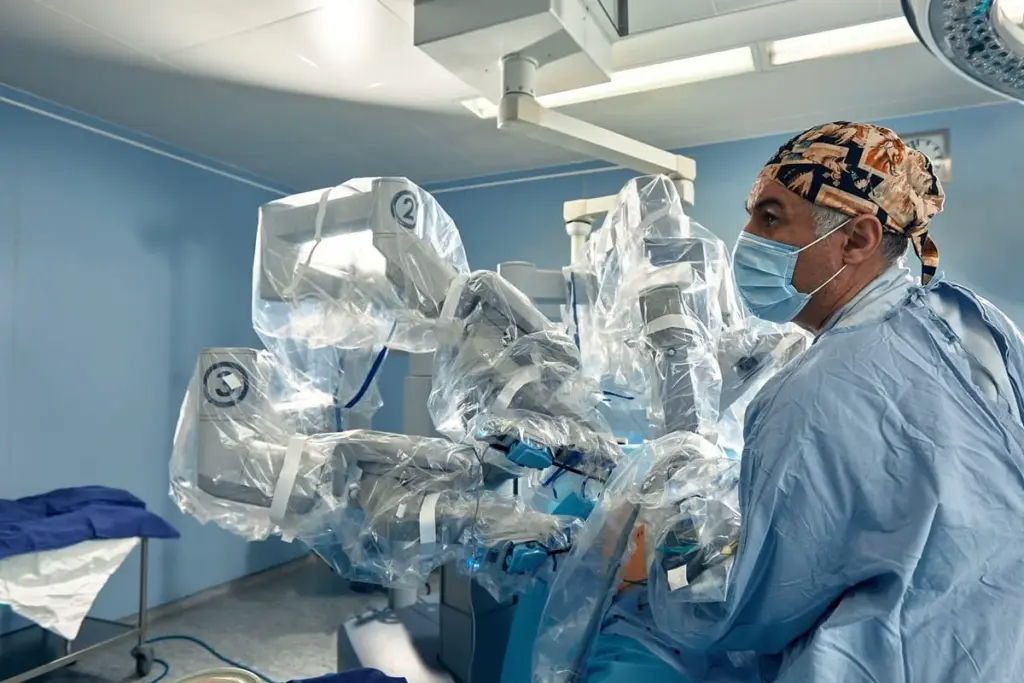
Cardiac surgery, also known as open heart surgery, saves lives for many heart issues. It involves opening the chest to reach the heart.
Definition and Types of Open Heart Procedures
Open heart surgery includes many procedures. These are coronary artery bypass grafting (CABG), aortic valve replacement (AVR), and mitral valve repair (MVr). These surgeries fix or replace damaged heart parts.
Common Conditions Requiring Open Heart Surgery
Many heart problems need open heart surgery. These include:
Coronary Artery Disease
This is when the coronary arteries get narrowed or blocked by plaque. It can cause heart attacks.
Valve Disorders
Issues with the heart valves, like stenosis or regurgitation, can mess up blood flow.
Congenital Heart Defects
Heart problems present at birth that need surgery to fix.
New surgical techniques and cardiac care have greatly improved patient outcomes for open heart surgery.
Historical Perspective on Cardiac Surgery
Cardiac surgery has seen major changes over the years. It has grown from its early stages to today, with big leaps in survival rates and techniques.
Early Survival Rates (1950s-1980s)
In the early days, cardiac surgery had low survival rates. This was because of limited knowledge and technology. But, as medical science and tech improved, so did survival chances.
Evolution of Surgical Techniques and Outcomes
New surgical methods have greatly helped patients. Advances in heart surgery equipment, tools, and care after surgery have boosted survival rates. Now, we use minimally invasive and robotic-assisted surgeries to help patients recover faster and face fewer complications.
These changes have made heart surgery a reliable treatment for many heart issues. Survival rates keep getting better.
Open Heart Surgery Survival Statistics
Open heart surgery survival stats are looking up. Thanks to new tech and better surgery methods, more patients are making it through. This is great news for those facing this serious procedure.
Current Mortality Rates in the United States
In the U.S., open heart surgery death rates have dropped. “The survival rate for open heart surgery patients in the U.S. is a testament to the advancements in cardiac care,” says a top cardiac surgeon.
Comparison with Global Survival Rates
The U.S. has some of the best open heart surgery survival rates globally. This is due to top-notch healthcare and skilled surgeons.
Procedure-Specific Survival Statistics
Looking at specific surgeries, like coronary artery bypass grafting (CABG), shows promising results. Studies show that survival rates vary based on the procedure and patient health.
Many factors affect survival rates, like the patient’s health, age, and any existing conditions. As research keeps improving, so will the chances of success for open heart surgery patients.
Risk Factors Affecting Mortality Rates
Many risk factors influence how well patients do after open heart surgery. Knowing these factors helps both patients and doctors make better choices.
Age-Related Considerations
Age is a big deal when it comes to heart surgery results. Older people face higher risks because their bodies aren’t as strong and they often have other health issues. Research shows that those over 70 are more likely to face serious problems and death than younger folks.
Pre-existing Health Conditions
Health problems like diabetes, high blood pressure, and kidney disease can make things tough. These issues can make surgery harder and recovery slower. It’s key to check these health issues before surgery to manage risks better.
Emergency vs. Planned Procedures
Whether surgery is urgent or planned also matters. Emergency surgeries are riskier because they’re done quickly. Planned surgeries, though, give doctors more time to get everything ready, which can lead to better results.
|
Risk Factor |
Impact on Mortality Rate |
Mitigation Strategies |
|---|---|---|
|
Advanced Age |
Increased mortality risk |
Comprehensive geriatric assessment |
|
Pre-existing Conditions |
Higher risk of complications |
Pre-surgical optimization of health conditions |
|
Emergency Procedure |
Higher mortality rates |
Rapid assessment and decision-making |
Addressing these risk factors allows doctors to enhance patient outcomes and reduce mortality rates following heart surgery.
Hospital Experience and Surgical Success
Open heart surgery results greatly depend on the hospital’s experience and the skill of its surgeons. Research shows that hospitals that do more cardiac surgeries have better patient results.
Impact of Hospital Volume on Outcomes
Hospitals that do a lot of open heart surgeries have lower death rates. This is because they get better at what they do. They also have a more skilled team and the latest medical tech.
Key findings include:
- Lower mortality rates in high-volume hospitals
- Improved post-operative care in experienced centers
- Better management of complications in hospitals with extensive cardiac surgery experience
Surgeon Experience and Specialization
The skill of the surgeon is very important for open heart surgery success. Surgeons who focus on heart surgery and do many procedures have better results.
“The skill and experience of the surgical team are key to successful cardiac surgery.” –
A leading cardiac surgeon
Cardiac Care Team Expertise
A good cardiac care team is vital for patient care. This team includes surgeons, anesthesiologists, nurses, and more. They all play a big role in the patient’s care.
Key elements of a skilled cardiac care team include:
- Specialized training in cardiac care
- Experience in managing cardiac surgery patients
- Effective communication and teamwork
Modern Techniques Improving Survival Rates
Modern cardiac surgery has seen big changes thanks to new technologies and methods. These changes have led to better survival rates. They come from big steps forward in cardiac care.
Technological Innovations in Cardiac Surgery
New tech has greatly improved open heart surgery results. Some key advancements are:
- Robotic-assisted surgery: Makes procedures more precise and less invasive.
- 3D printing: Helps surgeons plan better by creating detailed heart models.
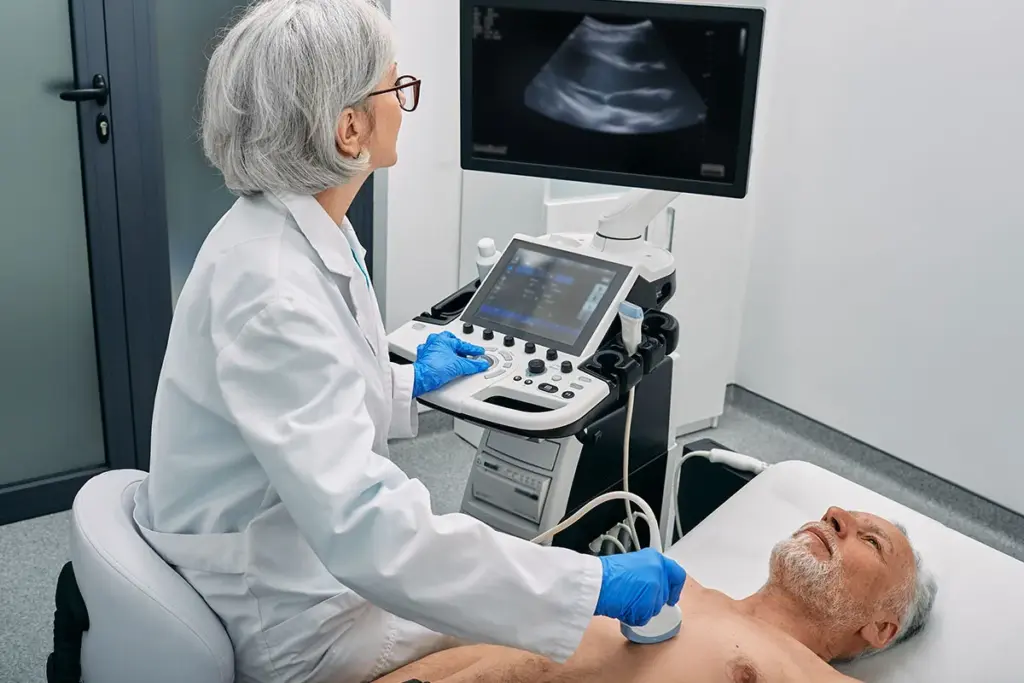
- Advanced imaging techniques: Gives clearer heart images for better diagnosis and treatment.
Advanced Monitoring Systems
Modern monitoring systems have greatly improved patient care. They include:
- Real-time vital sign monitoring: Allows for quick action if the patient’s condition changes.
- Advanced hemodynamic monitoring: Gives detailed heart function info for better patient care.
Improved Anesthesia Protocols
Anesthesia has also seen big improvements. Key changes are:
- Personalized anesthesia plans: Made for each patient to lower risks and speed up recovery.
- Advanced anesthetic agents: Safer and more effective.
These modern methods and advancements have greatly helped. They’ve led to better survival rates and outcomes for open heart surgery patients.
Post-Operative Monitoring and Care
The success of open heart surgery depends a lot on post-operative monitoring and care. This important phase helps patients recover well from the surgery.
Intensive Care Unit Management
After surgery, patients go to the Intensive Care Unit (ICU) for close watch. The ICU team, made up of skilled healthcare workers, keeps an eye on the patient’s vital signs and pain. This care is key to spotting and fixing any problems right away.
Early Detection of Complications
Spotting complications early is a big part of post-surgery care. This means watching for signs of infection, heart problems, or other bad reactions to the surgery. Finding these issues early helps doctors act fast, which can greatly improve patient results and lower complication rates.
Specialized Cardiac Recovery Programs
Specialized cardiac recovery programs are very important for getting better. These programs help patients get stronger, improve their heart health, and lower the chance of future heart problems. By joining these programs, patients get tailored care and advice, which can make their recovery better and more successful.
Common Complications and Their Management
Recovering from open heart surgery comes with its challenges. Both immediate and long-term complications can arise. It’s important for patients and doctors to know about these issues and how to handle them.
Immediate Post-Surgical Complications
Right after surgery, patients might face bleeding, infection, or reactions to anesthesia. Close monitoring in the intensive care unit (ICU) is key. This helps catch and treat problems fast. A study showed that spotting bleeding issues early can greatly help patients.
Long-term Complications
Later on, patients might deal with heart failure, arrhythmias, or need more surgeries. Regular follow-up care is essential. It helps catch these issues early and prevent them when possible.
Prevention and Treatment Approaches
Preventing and treating complications requires a team effort. This includes advanced surgical techniques, careful post-op care, and teaching patients about healthy living. Eating right and exercising can lower the risk of future problems.
Managing complications well needs teamwork between healthcare professionals and patients’ families. Knowing about these issues helps patients on their road to recovery.
Recovery Process and Improved Prognosis
The journey to recovery after open heart surgery is unique for each person. It covers several stages, from the hospital stay to home care and rehab. This journey affects long-term survival and quality of life.
Hospital Recovery Timeline
The hospital stay usually lasts 7 to 10 days. During this time, patients are watched closely for any issues. Effective pain management and early mobilization are key to avoid problems and aid healing.
Home Recovery and Rehabilitation
After leaving the hospital, patients recover at home. They follow a detailed rehab plan. This stage is critical for building strength and improving heart health.
They are told to eat a balanced diet and start with gradual physical activity. Their doctor will guide them on how much and when.
Long-term Survival and Quality of Life
Thanks to better surgery and care, survival rates have risen. Most patients can live well and do their usual activities in a few months. Regular follow-up appointments and sticking to medication are key for long-term health.
Minimally Invasive Alternatives and Success Rates
Minimally invasive surgery has changed cardiac surgery a lot. It gives patients new options that are less risky and lead to quicker healing.
Comparing Traditional vs. Minimally Invasive Approaches
Traditional open heart surgery needs a big cut in the chest. Minimally invasive cardiac surgery uses smaller cuts, sometimes with robots, for repairs. It can mean less blood loss, fewer infections, and shorter stays in the hospital.
Patient Selection Criteria
Not every patient is right for minimally invasive surgery. The choice depends on the patient’s health, the heart problem, and the surgeon’s skills. A detailed check is needed to pick the best surgery.
Recovery Advantages and Survival Benefits
People who get minimally invasive cardiac surgery heal faster and face fewer problems after surgery. A study found that it leads to better short-term results and similar long-term survival as traditional surgery. This makes minimally invasive alternatives a good choice for many patients.
Factors Contributing to Successful Open Heart Surgery Survival
Many things help make open heart surgery a success. These include how well the patient is prepared, the skill of the surgical team, and the care they get after surgery. All these factors work together to affect how well a patient does.
Pre-Surgical Patient Preparation
Getting ready for surgery is key for successful outcomes. This means making the patient as healthy as possible before surgery. This can include taking medicine, changing lifestyle habits, and managing any health issues the patient already has. A patient who is well-prepared is more likely to have an easier time during and after surgery.
Surgical Team Coordination
The surgical team is very important for the success of open heart surgery. When surgeons, anesthesiologists, and nurses work well together, the surgery goes smoothly. This teamwork ensures the surgery is done with great care and precision.
Post-Operative Care Excellence
Post-operative care is also very important. It directly affects how well a patient recovers. Good care in the ICU, catching problems early, and having special programs for cardiac recovery all help lead to successful outcomes.
|
Factor |
Description |
Impact on Outcome |
|---|---|---|
|
Pre-Surgical Preparation |
Optimizing patient health before surgery |
Reduces surgical risks |
|
Surgical Team Coordination |
Effective teamwork during surgery |
Enhances precision and care |
|
Post-Operative Care |
Quality care after surgery |
Improves recovery and reduces complications |
Conclusion: The Remarkable Success of Modern Cardiac Surgery
Modern cardiac surgery has seen huge leaps forward. It has greatly improved survival rates and patient outcomes. Studies and expert insights, like those on Adam Pick’s blog, show its success.
The growth of surgical techniques and technology has been key. So has better care after surgery. Today, patients have a much better chance of living longer and enjoying a better life.
Success in cardiac surgery comes from many things. Good preparation before surgery, a well-coordinated team, and top-notch care after surgery are all important. By using these modern methods, patients can have better results and higher survival rates.
FAQ
What are the overall survival rates for open heart surgery?
Open heart surgery survival rates are high. Most patients see successful outcomes and better survival chances. This is due to advances in cardiac care and surgery.
How do age and pre-existing health conditions affect open heart surgery survival rates?
Age and health conditions can affect survival rates. Older patients and those with health issues face higher risks. But, modern care and techniques have improved outcomes.
What is the difference in survival rates between emergency and planned open heart surgery procedures?
Emergency surgeries have lower survival rates. They are done under critical conditions. Planned surgeries allow for better preparation and care.
How does hospital experience and surgical volume impact open heart surgery survival rates?
Hospitals with more surgeries and experienced teams have better outcomes. They have refined their techniques and care.
What role do modern techniques, such as technological innovations and advanced monitoring systems, play in improving open heart surgery survival rates?
Modern techniques have greatly improved survival rates. They make procedures safer, reduce complications, and lead to better outcomes.
How important is post-operative care in determining open heart surgery survival rates?
Post-operative care is key to survival rates. It includes intensive care, early complication detection, and cardiac recovery programs. These efforts improve outcomes and survival.
What are the common complications that can arise after open heart surgery, and how are they managed?
Common complications include bleeding, infection, and long-term issues like heart failure. These are managed through prevention and treatment. This includes medication, lifestyle changes, and sometimes more surgery.
How do minimally invasive alternatives compare to traditional open heart surgery in terms of survival rates and recovery advantages?
Minimally invasive options offer better survival rates and recovery. They cause less trauma, pain, and have shorter hospital stays. But, the best choice depends on the patient and their situation.
What factors contribute to successful open heart surgery survival, and how can patients optimize their outcomes?
Successful survival depends on pre-surgical prep, surgical team coordination, and post-operative care. Patients can improve their outcomes by following their team’s advice, sticking to recovery plans, and making lifestyle changes.