Recovering from open-heart surgery is a journey of steady improvement. By six weeks, most patients have regained much of their independence. But, vigilance and support are key to prevent and manage lingering complications.
Reach your open heart surgery milestones. Discover vital 6-week updates and amazing recovery tips for a brilliant and healthy future.
At this stage, many patients are returning to normal activities. This includes light work and household tasks. It’s important to remember that the recovery process is ongoing.
A study found that the six-week postoperative morbidity rate is about 39%. Also, hospital readmission at 15% is common. These are mostly due to surgical site and respiratory complications.
We will guide you through the physical and emotional changes you may experience. This ensures you’re well-prepared for a smooth recovery.
Key Takeaways
- Most patients regain independence by six weeks post-surgery.
- Vigilance is necessary to prevent and manage complications.
- Returning to normal activities, including light work, is common.
- The six-week postoperative morbidity rate is approximately 39%.
- Hospital readmission occurs in about 15% of cases.
Physical Recovery Milestones at 6 Weeks Post-Surgery

At six weeks after surgery, patients see big improvements. This time is key for getting stronger and feeling normal again after open-heart surgery.
Typical Healing Progress of the Sternum and Surgical Sites
The sternum, or breastbone, heals in 6-8 weeks. By six weeks, pain and discomfort at the site lessen. But, the sternum is not fully healed yet and needs careful handling to avoid problems.
It’s important to avoid heavy lifting, bending, or hard activities that strain the chest. Start with gentle movements and slowly add more exercise, as your doctor suggests.
Energy Levels and Physical Capabilities
Energy levels can change a lot six weeks after surgery. Some feel much better, while others are tired. Feeling tired, even after light activities, is common.
Getting stronger takes time. Start with short walks and simple exercises. Then, gradually do more as you get better and your doctor says it’s okay.
Common Physical Symptoms That May Persist
Even with progress, some symptoms may stay six weeks after surgery. These include shortness of breath, swelling in the legs, and chest pain. It’s important to watch these symptoms and talk to your doctor if they bother you.
Some patients feel numbness or tingling where they were operated on. These feelings usually go away but should be checked by a doctor if they don’t or get worse.
What is Open Heart Surgery and Its Recovery Process
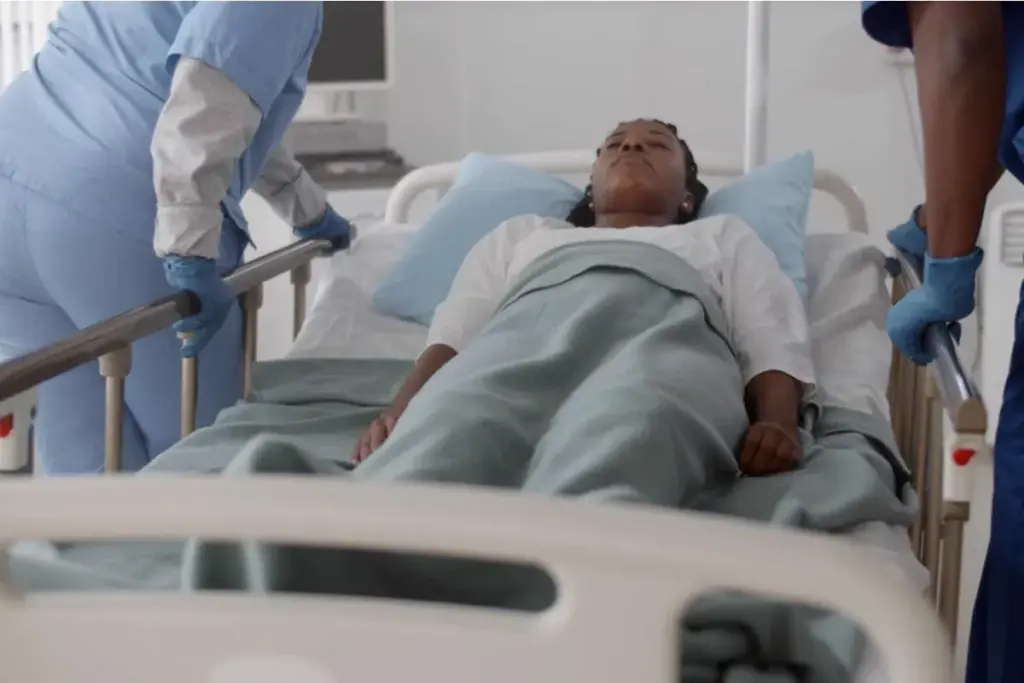
“Open heart surgery” means a surgery on the heart where the chest is opened. Surgeons can then work on the heart. This surgery fixes or replaces heart parts like valves or arteries.
Types of Open Heart Surgical Procedures
There are many types of open heart surgeries. Here are a few:
- Coronary artery bypass grafting (CABG)
- Heart valve surgery (repair or replacement)
- Septal defect repair
- Heart transplant
Each surgery has its own reasons and benefits. For example, CABG helps by bypassing blocked arteries.
|
Procedure |
Description |
Indications |
|---|---|---|
|
CABG |
Bypassing blocked coronary arteries |
Coronary artery disease |
|
Heart Valve Surgery |
Repair or replacement of heart valves |
Valve stenosis or regurgitation |
The Immediate Post-Surgical Phase
The first days after surgery are very important. Patients are watched closely in the ICU. They focus on managing pain and getting them moving early.
How Recovery Progresses Week by Week
Recovery from open heart surgery takes time. Here’s what happens:
- First week: Rest and recovery, accompanied by significant pain and discomfort.
- Second to fourth week: Energy and mobility start to improve.
- Fifth to sixth week: Most patients feel much better, with more strength and endurance.
Knowing about recovery helps patients and families get ready. It’s important to follow the doctor’s advice and go to follow-up visits. This ensures a smooth recovery.
Statistical Overview: Recovery at the 6-Week Mark
Knowing how people recover after open-heart surgery is key for both patients and doctors. By looking at the numbers, we learn more about the healing process. This helps set clear goals and spot any problems early on.
The Scope: 300,000 Americans Undergo Open Heart Surgery Annually
Every year, about 300,000 Americans have open-heart surgery. This shows how vital it is to understand the recovery journey. Many patients and their families face both challenges and victories after surgery.
Morbidity and Readmission Rates
A study found that about 39% of patients have issues six weeks after surgery. Around 15% need to go back to the hospital. These numbers stress the need for close watch and care after surgery.
Many things can affect how well a patient does, like their health before surgery and the surgery itself. Good care after surgery is also very important.
Common Complications at 6 Weeks
By the 6-week mark, patients might face serious issues. These include wound infections, arrhythmias, and heart failure. Knowing about these problems helps doctors and patients work together to improve health.
Understanding these numbers helps create a better recovery plan. This includes regular check-ups and possibly joining cardiac rehab. By knowing these facts, patients can better manage their recovery. Doctors can also provide more tailored care.
Returning to Daily Activities
Recovering from open-heart surgery takes time. Knowing when to start doing daily things again is key. Patients want to get back to normal, like doing chores, driving, and hanging out with friends.
Household Tasks and Self-Care
Most patients can start with light chores and self-care in 6-8 weeks. Start with easy tasks and slowly add more. It’s important to listen to your body and not do too much.
“Recovery is all about patience,” says a cardiac rehab expert. “Don’t rush back to your usual activities. Focus on one thing at a time and rest when needed.”
Driving and Transportation Considerations
Most can drive again when they stop taking strong pain meds and feel safe. This is usually 4-6 weeks after surgery. Always check with your doctor first.
- Make sure you’re not dizzy or uncomfortable while driving.
- Start with short drives and then make them longer.
- Having someone with you on long trips is a good idea.
Social Activities and Public Outings
Going back to social events and public places is a big part of getting better. It helps patients feel stronger and more confident. Start with small, quiet gatherings and then do more.
Try to avoid places that are too crowded or might have germs early on in your recovery.
Resuming Work and Professional Responsibilities
After open-heart surgery, getting back to work is a big step. The time it takes can change a lot. It depends on the job, health, and surgery details.
Guidelines for Returning to Light Work
Most people can start light work 6-12 weeks after surgery. But, it’s important to avoid hard physical jobs. Doctors will give advice based on how you’re doing.
Before going back to work, you should be able to:
- Do daily tasks without pain
- Take your medicine right
- Know what you can and can’t do
Workplace Accommodations to Consider
When you go back to work, you might need some help. This could be:
- Flexible hours to avoid tiredness
- Changes to your workspace for comfort
- Less work or different tasks
Talking to your boss and HR about these needs is a good idea.
When to Consider Disability or Extended Leave
If your job is too hard or if you’re having trouble recovering, you might need a break. It’s important to talk to your doctor and employer about this. They can help figure out what’s best for you.
Getting better from open-heart surgery takes time and understanding. Listening to your doctor and talking to your employer can help you get back to work smoothly.
Cardiac Rehabilitation Programs at 6 Weeks
When patients hit the six-week mark after open-heart surgery, cardiac rehab becomes key. These programs help patients get stronger, improve heart health, and lower the risk of future heart problems.
Benefits of Structured Rehabilitation
Structured rehab offers many benefits. It boosts heart health, improves physical function, and manages heart risks. By joining a cardiac rehab program, patients see big improvements in their overall health.
Key benefits include:
- Enhanced physical fitness and endurance
- Better management of cardiac risk factors
- Improved mental health and reduced stress
- Increased confidence in performing daily activities
Types of Exercises and Activities Recommended
Cardiac rehab programs offer various exercises and activities. They’re tailored to each patient’s needs and health level. These might include aerobic exercises, strength training, and flexibility exercises.
Aerobic exercises like walking, cycling, or swimming boost heart health. Strength training builds muscle. Flexibility exercises like yoga improve range of motion and reduce stiffness.
Monitoring Progress and Setting Goals
Tracking progress and setting goals are key in cardiac rehab. Healthcare teams work with patients to monitor their progress and adjust plans as needed. They help set realistic goals.
Healthcare providers regularly check patients’ physical abilities and health. This ensures the rehab program stays safe and effective for each patient’s recovery.
Nutrition and Dietary Considerations
As you move forward 6 weeks after open-heart surgery, nutrition is key. It helps with healing and keeps your heart healthy. Eating right can help you manage your weight and support tissue repair.
Heart-Healthy Eating Patterns
It’s important to eat heart-healthy foods to support your recovery. Focus on foods like fruits, vegetables, whole grains, lean proteins, and healthy fats. These foods are full of nutrients.
Nutritional Tips:
- Eat a variety of colorful fruits and vegetables to get lots of nutrients.
- Choose whole grains over refined ones to boost fiber.
- Go for lean proteins like poultry, fish, and legumes.
- Try to limit foods high in saturated fats, trans fats, and cholesterol.
Managing Weight and Metabolism Changes
Open-heart surgery can change how you weigh and metabolize food. Eating heart-healthy can help manage these changes. Pay attention to portion sizes and balance calories with activity.
Monitoring Your Progress: Keep track of your weight and food portions. This helps you stay on track with your diet goals.
Supplements and Nutritional Support
Even with a balanced diet, some supplements might be needed for recovery. Always talk to your doctor before taking any supplements. They can help ensure they’re safe and right for you.
Key Considerations:
- Always check with your doctor before starting new supplements.
- Be aware of how supplements might interact with your medications.
- Choose supplements from trusted manufacturers.
Medication Management Post-Open Heart Surgery
Managing medications well is key to a good recovery after open-heart surgery. It’s important to know how medications help in the healing process.
Common Medications and Their Purposes
Patients often get many medications after surgery. These help with different parts of recovery. Some common ones include:
- Anticoagulants to prevent blood clots
- Beta-blockers to manage heart rate and blood pressure
- Pain management medications to control post-operative pain
- Anti-arrhythmics to regulate heart rhythm
These medicines are key to avoiding problems and helping recovery go smoothly. It’s important for patients to know why they take each medicine and how to take it right.
Side Effects to Monitor
Medicines are important for recovery but can have side effects. Some common ones to watch for are:
- Dizziness or lightheadedness
- Nausea or vomiting
- Changes in heart rate or rhythm
- Bleeding or bruising
It’s good to know about these side effects and talk to your doctor if you notice them. Checking in regularly can help manage risks from medicines.
Medication Adjustments at the 6-Week Mark
As recovery goes on, medicines might need to change. At the 6-week mark, doctors might:
- Taper or stop some medicines
- Change how much medicine you take based on how you’re doing
- Add new medicines for new problems
This is a big part of making sure you keep getting better. It helps catch and fix any problems early.
Knowing about your medicines after surgery is important. It helps you understand why you take them and what to watch for. Talking often with your doctor is key to managing your medicines well.
Emotional and Psychological Recovery
Recovering emotionally and psychologically is key after open-heart surgery. Patients face many emotional and psychological challenges. These are just as important as the physical recovery.
Open-heart surgery affects not just the body but also the mind. Patients may feel a mix of emotions, from relief to anxiety and depression. Understanding these feelings is vital for a successful recovery.
Dealing with Post-Surgery Depression and Anxiety
Many patients feel depressed and anxious after surgery. These feelings come from the surgery’s stress, physical changes, or future worries. We know these feelings are part of the recovery.
To fight depression and anxiety, staying connected with loved ones helps. Enjoying activities and using relaxation techniques like deep breathing are also good. Sometimes, seeing a mental health expert is needed.
Cognitive Changes and “Pump Brain”
Some patients face cognitive changes, known as “pump brain.” This can cause memory issues, trouble concentrating, or confusion. The cardiopulmonary bypass pump used in surgery might cause these problems.
Mostly, these issues get better with time. Doing mentally challenging activities, like reading or puzzles, can help improve thinking skills.
Support Groups and Mental Health Resources
Support groups are very helpful for those recovering from open-heart surgery. They offer a place to share, get support, and learn from others. Also, mental health resources like counseling or therapy can help manage emotional and psychological recovery.
We urge patients to be active in their emotional and psychological recovery. By seeking support and practicing self-care, they can overcome recovery challenges. This leads to a healthier, more fulfilling life.
Family Support and Caregiving at 6 Weeks
At six weeks after surgery, family support is key. Patients need help to get better. Family care is vital for their recovery and well-being.
Transitioning from Full-Time Care to Independence
By six weeks, patients start to do things on their own. But, they should not rush to be independent. Family should help with hard tasks like lifting or cleaning.
Encourage patients to do more as they can. This helps them feel independent but also ready for help when needed.
Supporting the Patient’s Emotional Needs
Emotional support is as important as physical care. Patients may feel many emotions, like relief or frustration. Family can offer emotional support by being understanding and patient.
Talking openly can help ease worries. It creates a supportive space for emotional healing.
Caregiver Self-Care and Resources
Caregiving is hard, both physically and emotionally. Caregivers need to take care of themselves to avoid burnout. This means taking breaks, doing hobbies, or getting help from others.
There are many resources for caregivers, like counseling and online forums. These can offer valuable support and advice.
Understanding the role of family support and caregiving is essential. It helps patients fully recover from open-heart surgery.
Follow-up Medical Care and Appointments
After open-heart surgery, follow-up care is key to a smooth recovery. By the six-week mark, knowing the schedule and importance of these visits is vital.
Typical Schedule for Post-Operative Visits
Patients usually see their healthcare provider 6-8 weeks after surgery. These meetings are important to check on healing and address any issues.
- The first visit is usually within 1-2 weeks after surgery.
- Later visits depend on how well you’re recovering.
- By 6 weeks, your doctor will check your overall health and guide you on recovery.
Tests and Evaluations at 6 Weeks
At 6 weeks, your doctor may run tests to check your heart and recovery. These might include:
- Echocardiograms to see how your heart is working.
- Electrocardiograms (ECGs) to check your heart rhythm.
- Blood tests to look for infection or other problems.
When to Contact Your Healthcare Provider
Knowing when to call your doctor is important during recovery. Reach out if you have:
- Severe or unusual chest pain.
- Shortness of breath or trouble breathing.
- Signs of infection, like fever or redness at the surgical site.
Your healthcare provider is there to help and guide you through recovery.
Warning Signs and Possible Complications
Knowing the warning signs and possible complications after open-heart surgery is key for a smooth recovery. It’s important to watch for symptoms that might mean a problem. This way, you can get medical help quickly.
Serious Symptoms That Need Immediate Attention
Some symptoms are serious and need immediate medical help. These include:
- Chest pain or discomfort that gets worse
- Shortness of breath or trouble breathing
- Fever over 100.4°F (38°C)
- Swelling, redness, or drainage from the surgical site
- Dizziness or fainting spells
If you notice any of these symptoms, seek medical help right away.
Managing Pain and Discomfort
Managing pain is a big part of your recovery. We will adjust your pain medication as needed. It’s also important to:
- Stick to your medication schedule
- Tell us about any side effects or if the pain isn’t managed
- Try relaxation techniques like deep breathing or meditation to help with pain
Good pain management helps you get stronger and move around better faster.
Infection Prevention and Monitoring
Infection is a risk after open-heart surgery. To lower this risk:
- Keep the surgical site clean and dry
- Watch for signs of infection like redness, swelling, or fever
- Follow your healthcare provider’s post-operative care instructions
Regular check-ups with your healthcare provider are important. They help watch your recovery and catch any issues early.
Conclusion
The path to full recovery after open heart surgery is complex. It involves physical, emotional, and lifestyle changes. A detailed recovery plan is key for patients to get back to full health.
Cardiac rehabilitation is a big help in this journey. It offers a program that includes exercise, education, and support. This helps patients reach their health goals and lowers the chance of future heart problems.
Following a complete recovery plan is vital. This includes regular doctor visits, managing medications, and making healthy lifestyle choices. By sticking to this plan, patients can regain their independence and improve their life quality. They also reduce the risk of future health issues.
FAQ
What is the typical recovery time for open-heart surgery?
Recovery from open-heart surgery usually takes 6-12 weeks. This time can vary based on your health and the surgery’s complexity.
How long does it take for the sternum to heal after open-heart surgery?
The sternum heals in 6-8 weeks after surgery. It might take up to 3 months to fully recover.
Can I drive after open-heart surgery?
You should avoid driving for 4-6 weeks after surgery. Wait until your doctor says it’s okay.
What are the benefits of cardiac rehabilitation after open-heart surgery?
Cardiac rehab improves heart health and reduces symptoms. It boosts overall well-being after surgery.
What kind of diet is recommended after open-heart surgery?
Eat heart-healthy foods like fruits, veggies, whole grains, and lean proteins. This supports your heart health.
How long do I need to take medications after open-heart surgery?
Medication time varies by type and your needs. Some might be needed long-term.
Can I return to work after open-heart surgery?
Returning to work is possible. Timing depends on your job, health, and doctor’s advice.
How can I manage pain and discomfort after open-heart surgery?
Manage pain with meds, rest, and relaxation. Follow your doctor’s advice for best results.
What are the warning signs of complications after open-heart surgery?
Watch for severe chest pain, trouble breathing, fever, and swelling or bleeding. Seek medical help right away.
How often will I need to follow up with my healthcare provider after open-heart surgery?
Regular follow-ups are needed. Visit frequency depends on your recovery and health.
What is coronary artery bypass grafting, and how does it relate to open-heart surgery?
Coronary artery bypass grafting is a surgery. It bypasses blocked arteries to improve heart blood flow.
What are the risks associated with open-heart surgery?
Risks include bleeding, infection, and heart problems. Follow your doctor’s advice to minimize these risks.
How can I support a loved one recovering from open-heart surgery?
Offer emotional support, help with daily tasks, and encourage following doctor’s advice. This helps them recover.
Reference
National Center for Biotechnology Information. Evidence-Based Medical Insight. Retrieved from https://pubmed.ncbi.nlm.nih.gov/28843000/