Understanding the difference between open heart surgery and bypass surgery is key in cardiac care. Open heart surgeries are direct operations on the heart. They use a heart-lung machine for treatments like valve repair and fixing congenital defects.
Bypass surgery, or coronary artery bypass grafting (CABG), is a special open heart procedure. It treats blocked coronary arteries by grafting healthy blood vessels to bypass blockages.
We follow international care standards for cardiac surgeries. This includes CABG, to ensure the best patient outcomes and recovery.
Key Takeaways
- Open heart surgery involves direct operation on the heart using a heart-lung machine.
- Bypass surgery (CABG) is a type of open heart surgery to treat blocked coronary arteries.
- CABG involves grafting healthy vessels to bypass blockages.
- Understanding these procedures is vital for patient care and recovery.
Understanding Cardiac Surgery Basics
To understand cardiac surgery, knowing the heart’s basics is key. The heart is a complex organ that pumps blood all over the body. It has four chambers: the right and left atria, and the right and left ventricles.
The Heart’s Anatomy and Function
The heart’s design helps blood flow well. The atria catch blood coming back to the heart. The ventricles then push blood out to the body and lungs. It also has valves to keep blood moving in one direction.
The heart’s main job is to send oxygen-rich blood to the body’s tissues. It also sends deoxygenated blood to the lungs. This is vital for delivering oxygen and nutrients and removing waste.
When Surgical Intervention Becomes Necessary
Surgery is needed when the heart’s structure or function is damaged. This can happen due to disease or injury. Some common reasons for surgery include:
- Coronary artery disease, where the heart’s blood supply is blocked.
- Heart valve disorders, where the valves don’t work right.
- Congenital heart defects, heart problems present at birth.
- Heart failure, when the heart can’t pump enough blood.
Knowing these basics helps us see how complex and vital cardiac surgery is.
What is Open Heart Surgery?
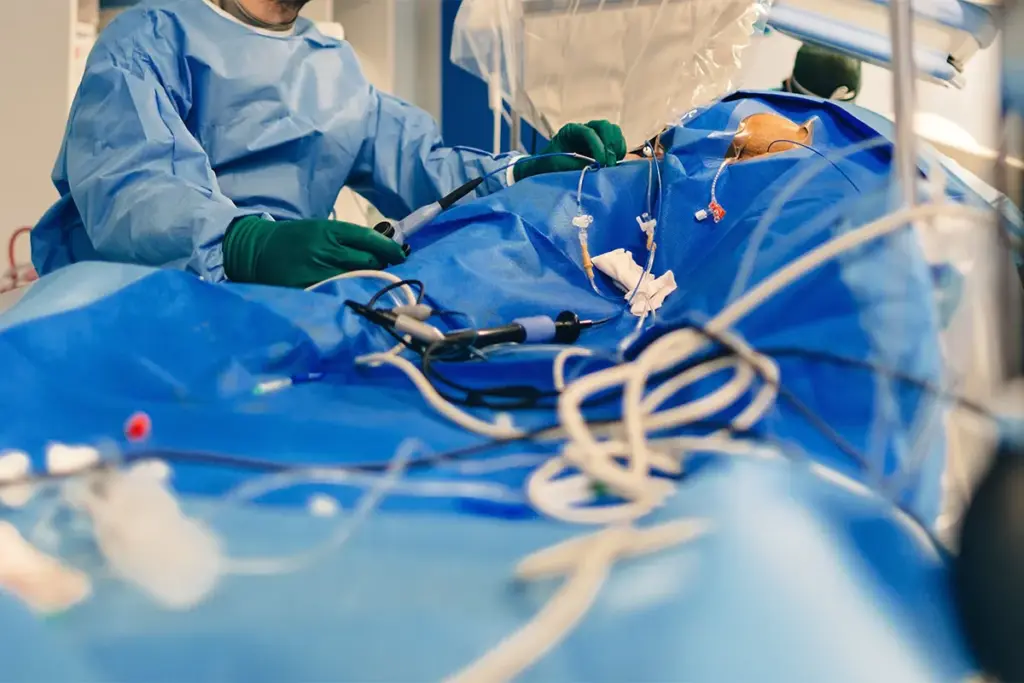
Open heart surgery is a wide range of surgeries on the heart. It involves opening the chest to reach the heart. Surgeons then do repairs or reconstructions as needed.
Definition and Scope
Open heart surgery means opening the chest, usually through the sternum. This gives surgeons direct access to the heart. It includes many procedures like valve repair, fixing congenital heart defects, and cardiac reconstruction.
These surgeries are complex. They often need a heart-lung machine to keep blood flowing and oxygen levels up during surgery.
The heart-lung machine stops the heart temporarily. This makes it easier for surgeons to work on the heart. It’s a key part of modern cardiac surgery, making complex repairs possible.
Common Conditions Requiring Open Heart Surgery
Many heart conditions need open heart surgery. These include:
- Valve diseases: Problems like stenosis or regurgitation might need valve repair or replacement.
- Congenital heart defects: Birth defects like septal defects or complex anomalies often need surgery.
- Coronary artery disease: CABG is a type of surgery for this, though it’s not always an open heart surgery.
- Cardiac tumors or infections: Rarely, surgery is needed to remove tumors or infected tissue from the heart.
|
Condition |
Description |
Surgical Intervention |
|---|---|---|
|
Valve Disease |
Narrowing or leakage of heart valves |
Valve repair or replacement |
|
Congenital Heart Defects |
Defects present at birth |
Correction of defects |
|
Coronary Artery Disease |
Narrowing of coronary arteries |
CABG or other bypass procedures |
Open heart surgery is a major medical step. It has saved many lives with serious heart issues. Knowing about these surgeries helps patients and their families understand cardiac care better,
The Role of the Heart-Lung Machine
The heart-lung machine is key in cardiac surgery. It lets surgeons do detailed work on the heart. This is because it takes over blood flow and oxygenation, making the heart stop.
How Cardiopulmonary Bypass Works
Cardiopulmonary bypass (CPB) takes over the heart and lungs during surgery. It pumps blood, giving oxygen and taking away carbon dioxide. This keeps the body’s circulation and oxygen levels steady.
To start, the heart is connected to the machine. The blood is then oxygenated and sent back to the body. This lets surgeons do precise work on the heart without blood getting in the way.
Evolution of Heart-Lung Machine Technology
Introduced in the 1950s, the heart-lung machine has seen big changes. Today’s machines have better monitoring, oxygenation, and pumps. These updates have lowered risks and improved results for patients.
Newer CPB systems and methods are also being developed. They make surgery less invasive, helping patients recover faster.
|
Feature |
Traditional CPB |
Modern CPB |
|---|---|---|
|
Oxygenation Method |
Bubble Oxygenators |
Membrane Oxygenators |
|
Pump Technology |
Roller Pumps |
Centrifugal Pumps |
|
Monitoring Systems |
Basic Pressure Monitoring |
Advanced Multi-parameter Monitoring |
The heart-lung machine’s evolution has been a game-changer for cardiac surgery. It has made complex surgeries safer and more effective. As technology keeps improving, we can look forward to even better results for heart surgery patients.
Types of Open Heart Surgical Procedures
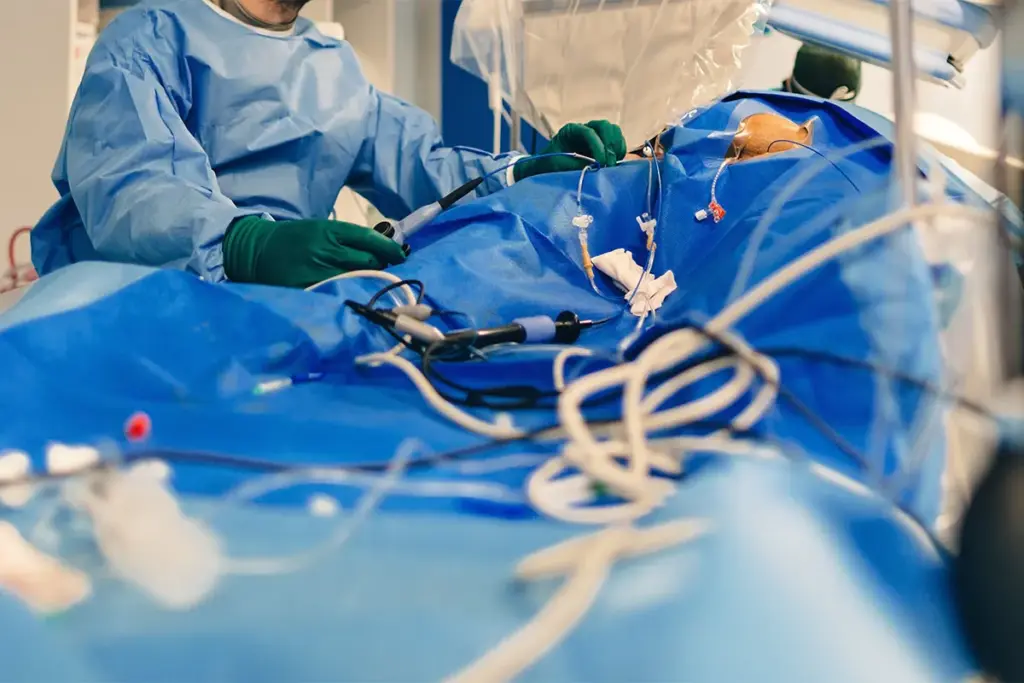
Open heart surgery includes many procedures to treat heart issues. These surgeries aim to fix heart problems and improve health.
Valve Repair and Replacement
Valve repair and replacement are key surgeries. The heart has four valves that control blood flow. If these valves get damaged, they might need fixing or replacing.
Valve repair fixes the existing valve. Valve replacement swaps it with a new one, mechanical or biological.
- Valve Repair: It’s often chosen first, as it keeps the natural tissue. It might also avoid long-term blood thinner use.
- Valve Replacement: Needed for severe damage. Mechanical valves last long but need blood thinners forever. Biological valves don’t need blood thinners but last shorter.
Congenital Heart Defect Correction
Congenital heart defects are heart problems present at birth. Open heart surgery fixes these issues. It aims to improve heart function and health.
- Atrial Septal Defect (ASD) Repair: ASD is a hole in the heart’s upper chambers. Surgery closes this hole.
- Ventricular Septal Defect (VSD) Repair: VSD is a hole in the heart’s lower chambers. Surgery fixes this defect.
- Tetralogy of Fallot Repair: This complex defect includes VSD, pulmonary stenosis, and more. Surgery corrects these issues.
Cardiac Reconstruction
Cardiac reconstruction rebuilds or repairs the heart. It’s often needed after heart damage. Procedures like aneurysm repair and Dor procedure are examples.
- Aneurysm Repair: This fixes a bulge in the heart’s wall.
- Dor Procedure: This reconstructs the heart’s ventricle to improve function.
These surgeries are complex and need a skilled team. The right procedure depends on the patient’s condition and health.
What is Coronary Artery Bypass Grafting (CABG)?
Coronary Artery Bypass Grafting (CABG) is a surgery for those with coronary artery disease. It can greatly improve their life quality. This procedure bypasses blocked arteries with a graft, ensuring blood flows well to the heart.
Definition and Purpose
CABG is a surgery where a surgeon uses a graft to bypass blocked arteries. The main goal is to improve blood flow to the heart. This helps reduce symptoms like chest pain and shortness of breath, and may prevent heart attacks.
We use different grafts, like the saphenous vein from the leg or the internal mammary artery from the chest. The choice depends on the patient’s health and the disease’s extent.
When CABG is Recommended
CABG is suggested for those with severe coronary artery disease who haven’t improved with other treatments. Stanford Medicine recommends it for complex cases or after failed angioplasty.
Choosing CABG depends on the patient’s health and disease severity. A team of healthcare experts decides the best treatment for each patient.
|
Condition |
Treatment Options |
Benefits of CABG |
|---|---|---|
|
Significant Coronary Artery Disease |
Medication, Angioplasty, CABG |
Improved Blood Flow, Reduced Symptoms |
|
Complex Coronary Artery Disease |
CABG, Other Surgical Interventions |
Long-term Relief, Improved Quality of Life |
The Bypass Surgery Procedure Explained
The CABG procedure uses healthy blood vessels from other parts of the body. These vessels create a detour around blocked or narrowed coronary arteries. It’s a key surgery for those with severe coronary artery disease, helping restore blood flow to the heart.
Harvesting Blood Vessels for Grafts
The first step in CABG is taking blood vessels for grafting. Surgeons usually take grafts from the saphenous vein in the leg, the radial artery in the arm, or the internal mammary artery in the chest. The choice depends on the patient’s health, disease extent, and the surgeon’s preference.
Graft Selection Criteria:
|
Graft Source |
Advantages |
Disadvantages |
|---|---|---|
|
Saphenous Vein |
Long length available, relatively easy to harvest |
May have varicosities, possible leg complications |
|
Radial Artery |
Arterial graft with good long-term patency, easy to harvest |
Risk of hand ischemia if not properly evaluated pre-operatively |
|
Internal Mammary Artery |
Excellent long-term patency, good for grafting to the left anterior descending artery |
Limited length, more challenging to harvest |
Creating the Bypass
After harvesting the grafts, the surgeon attaches one end to the aorta or another artery. The other end is attached to the coronary artery beyond the blockage. This requires precise technique and is often done using cardiopulmonary bypass. Some procedures are done off-pump.
Types of Bypass Grafts
Bypass grafts are divided into arterial and venous grafts. Arterial grafts, like those from the internal mammary artery, are more durable and have better long-term patency. Venous grafts, usually from the saphenous vein, are effective but may have a higher rate of occlusion over time.
Comparison of Graft Types:
- Arterial Grafts: Longer patency rates, more resistant to atherosclerosis
- Venous Grafts: Easier to harvest, but with lower long-term patency
In conclusion, CABG is a complex but highly effective procedure for treating coronary artery disease. The choice of graft, grafting technique, and surgical approach are key factors that influence the surgery’s outcome.
Different Types of Bypass Surgeries
Coronary artery disease can lead to different bypass surgeries. These range from single to quintuple bypass procedures. The number of grafts needed depends on the blockages in the arteries.
Single and Double Bypass Procedures
A single bypass grafts one blocked artery. A double bypass grafts two. These are for patients with less severe disease. Single and double bypass surgeries are simpler and have shorter recovery times.
“Choosing between single or double bypass depends on the patient’s condition and the surgeon’s opinion,” says a top cardiothoracic surgeon. “These surgeries can greatly improve a patient’s life quality.”
Triple Bypass Heart Surgery
Triple bypass surgery grafts three blocked arteries. It’s more complex and for those with severe disease. The surgery needs careful planning for the best results.
Research shows triple bypass surgery improves survival and reduces heart risks for complex disease patients.
Quadruple Bypass Surgery
Quadruple bypass surgery grafts four blocked arteries. It’s a detailed procedure for severe disease. Patients need close care after surgery.
Quadruple bypass surgery shows the need for a custom surgical plan. This approach improves outcomes and recovery.
Quintuple Bypass: When Five Grafts Are Needed
Quintuple bypass surgery grafts five blocked arteries. It’s for patients with very severe disease. The surgery requires detailed planning and execution.
Quintuple bypass surgery shows the progress in cardiac surgery. It can greatly improve life quality for the right patients.
Key Differences Between Bypass and Open Heart Surgery
Both bypass surgery and open heart surgery treat heart issues but in different ways. Knowing these differences helps patients and doctors make better choices for heart care.
Scope and Purpose
Open heart surgery is a wide range of procedures that open the chest to reach the heart. It includes fixing or replacing heart valves and correcting birth defects. Bypass surgery, or CABG, is a specific surgery that improves blood flow to the heart by bypassing blocked arteries.
Open heart surgery aims to fix or replace damaged heart parts. Bypass surgery, on the other hand, focuses on improving blood flow to the heart muscle. This reduces the risk of heart attacks and boosts heart function.
Techniques and Approaches
Open heart surgery and bypass surgery use different methods. Open heart surgery often uses a heart-lung machine to stop the heart and lungs. Bypass surgery might or might not use this machine, depending on the situation.
Some bypass surgeries are done on a beating heart. This can make the surgery less complex and risky.
Patient Selection Criteria
Choosing between open heart surgery and bypass surgery depends on several factors. These include the heart condition’s nature and severity, the patient’s health, and their medical history. Patients with complex valve problems or birth defects usually need open heart surgery. Those with coronary artery disease might be better candidates for bypass surgery.
|
Criteria |
Open Heart Surgery |
Bypass Surgery |
|---|---|---|
|
Nature of Condition |
Complex valve problems, congenital defects |
Coronary artery disease |
|
Use of Heart-Lung Machine |
Often required |
May or may not be used |
|
Primary Goal |
Repair or replace heart structures |
Restore blood flow to the heart |
In conclusion, open heart surgery and bypass surgery are both vital but serve different needs. Understanding these differences is key to improving patient care and outcomes.
Risks and Complications
Choosing open heart surgery or bypass surgery means knowing the risks. These surgeries save lives but come with big risks. It’s key for patients to be aware of these.
Common Risks of Open Heart Surgery
Open heart surgery has risks like infection, bleeding, and bad reactions to anesthesia. There’s also a chance of stroke, kidney failure, and breathing problems. We do our best to avoid these, but patients need to know about them.
- Infection
- Bleeding
- Adverse reactions to anesthesia
- Stroke
- Kidney failure
Specific Complications of Bypass Surgery
Bypass surgery, or CABG, has its own risks. Graft failure, where the bypass graft gets blocked, is a big worry. Cardiac arrhythmias, or irregular heartbeats, can also happen.
|
Complication |
Description |
Mitigation Strategy |
|---|---|---|
|
Graft Failure |
Blockage of the bypass graft |
Monitoring and lifestyle changes |
|
Cardiac Arrhythmias |
Irregular heartbeats |
Medication and cardiac monitoring |
It’s vital to know these risks and complications before cardiac surgery. We help our patients understand these risks and work to ensure the best results.
Minimally Invasive Approaches to Cardiac Surgery
Minimally invasive cardiac surgery has changed cardiology a lot. It offers safer options than old open-heart surgeries. Now, we see more procedures that heal faster and leave less scar.
Minimally Invasive Direct Coronary Artery Bypass (MIDCAB)
MIDCAB lets surgeons do coronary artery bypass grafting without a big cut or heart-lung machine. They make small cuts between the ribs. Then, they use special tools and a camera to do the surgery.
This method hurts less, causes less pain after, and helps patients recover faster. It’s great for those who don’t want the usual open-heart surgery.
Robotic-Assisted Cardiac Surgery
Robotic-assisted cardiac surgery is the latest in less invasive heart surgery. It uses robots to help surgeons do complex tasks with better control and precision.
The robot lets surgeons do detailed work through tiny cuts. This lowers the chance of problems and helps healing. It’s perfect for things like fixing the mitral valve or closing holes in the heart.
Comparison of Minimally Invasive Techniques
|
Technique |
Benefits |
Applications |
|---|---|---|
|
MIDCAB |
Less trauma, less pain, quicker recovery |
Coronary artery bypass grafting |
|
Robotic-Assisted |
Enhanced precision, reduced risk, faster healing |
Mitral valve repair, atrial septal defect closure |
As we keep improving in heart surgery, MIDCAB and robotic surgery will be more key in treating heart issues.
Recovery After Open Heart Surgery
The journey to recovery after open heart surgery has many stages. It can be tough, but with the right care, patients can do well.
Hospital Stay and Immediate Post-Op Care
Patients usually stay in the hospital for a few days after surgery. Our team watches for any problems and helps with pain. We start the rehab to help patients get stronger and move better.
How long a patient stays in the hospital varies. Most stay for 5 to 7 days. We tell patients to move early to avoid problems and help healing.
Long-term Recovery Timeline
Recovery can take weeks to months after surgery. We tell patients to be patient and follow instructions well. At first, they might feel tired, but this gets better with time.
It can take 6 to 12 weeks to get back to normal. We suggest a rehab program with physical therapy, diet changes, and stress management. This helps patients recover better and avoid future heart issues.
Going to follow-up appointments is key. We support our patients all the way, giving them the care and advice they need for the best recovery.
Recovery After Bypass Surgery
Recovering from bypass surgery is a key part of the healing process. It needs careful watching and sticking to a set plan. The recovery time can differ a lot, based on the surgery type.
Standard Recovery Process
After bypass surgery, patients usually stay in the hospital for a few days. Doctors keep a close eye on their health. They are told to do some light exercises to avoid blood clots and help healing.
- Initial recovery in the ICU or a monitored unit
- Gradual mobilization and physical therapy
- Monitoring for possible complications
- Teaching on post-discharge care
Once home, patients start a structured rehabilitation program. This might include cardiac rehab. It helps them get stronger, improve heart health, and get back to their usual life.
Recovery Following Minimally Invasive Techniques
Patients who have minimally invasive bypass surgery recover faster and with less pain. Techniques like MIDCAB and robotic-assisted surgery mean smaller cuts and less damage to tissues.
- Shorter hospital stays, often just overnight
- Less post-operative pain
- Faster return to normal activities
- Reduced risk of complications
Even with minimally invasive surgery, patients need to stick to a structured rehabilitation plan. This includes eating well, exercising as advised, and going to follow-up visits.
Cost Considerations and Insurance Coverage
It’s important for patients to know about the money side of cardiac surgery. These surgeries can cost a lot, and insurance helps a lot with these costs.
Average Costs of Different Cardiac Procedures
The price of cardiac surgery changes a lot. It depends on the surgery type, how complex it is, and where it’s done. Open heart surgery and coronary artery bypass grafting (CABG) are very common.
In the U.S., open heart surgery can cost between $80,000 and over $200,000. CABG costs are similar. These prices include the hospital stay, surgeon fees, and more.
Insurance Coverage in the United States
In the U.S., insurance for cardiac surgery varies. Most plans, like Medicare and Medicaid, cover these surgeries. But, how much they cover can be different.
Patients should check their insurance to know what’s covered and what they’ll pay for. Pre-approval or pre-authorization is often needed for cardiac surgery. This makes sure the surgery is covered.
Understanding the money side of cardiac surgery and insurance can be hard. We suggest talking to your doctor and insurance company. They can help you understand the costs and what’s covered.
Conclusion
It’s important to know the difference between open heart surgery and bypass surgery for those facing heart surgery. We’ve looked at the basics of heart surgery, the details of open heart surgery and CABG, and the different methods used.
Open heart surgery involves opening the chest to work on the heart. This can include fixing valves, correcting congenital heart defects, and more. Bypass surgery, or CABG, creates a detour around blocked or narrowed arteries to improve blood flow to the heart.
Both surgeries have risks and complications. The choice between them depends on the patient’s condition, health, and the surgeon’s opinion. New techniques like minimally invasive and robotic-assisted surgery are improving results for patients.
In conclusion, educating patients and making informed choices are key in heart surgery. Knowing the differences between open heart surgery and bypass surgery helps patients make better decisions about their care.
FAQ
What is the main difference between open heart surgery and bypass surgery?
Open heart surgery is a wide term for many heart surgeries. This includes fixing heart valves and correcting birth defects. Bypass surgery, or CABG, is a specific type. It treats blocked arteries by creating a new path for blood.
What is coronary artery bypass grafting (CABG)?
CABG, or bypass surgery, is a way to fix blocked arteries. It uses a healthy blood vessel to bypass the blockage. This helps blood flow to the heart muscle again.
What are the different types of bypass surgeries?
Bypass surgeries are named by the number of grafts used. This can be single, double, triple, quadruple, or quintuple bypass. The type depends on how many arteries need to be fixed.
What is the role of the heart-lung machine in cardiac surgery?
The heart-lung machine, or CPB, takes over the heart and lungs during surgery. It lets surgeons work on a stopped heart. It keeps blood flowing and oxygenated.
What are the risks and complications associated with open heart surgery?
Open heart surgery can have risks like bleeding and infection. There’s also a chance of stroke, kidney damage, and breathing problems. The risks depend on the surgery, the patient’s health, and other factors.
What is the recovery process like after open heart surgery?
After open heart surgery, patients usually stay in the hospital for a few days to a week. Then, they need rest and rehab at home. The recovery time varies based on health and the surgery type.
How does the recovery process differ for bypass surgery?
Bypass surgery recovery can differ based on the approach used. Traditional open heart surgery might have longer stays and recovery times. Minimally invasive methods can lead to shorter hospital stays and faster recovery.
What are the cost considerations for cardiac surgery?
Cardiac surgery costs vary a lot. It depends on the procedure, location, and insurance. Costs can range from tens of thousands to hundreds of thousands of dollars.
What is minimally invasive direct coronary artery bypass (MIDCAB)?
MIDCAB is a minimally invasive way to do coronary artery bypass grafting. It doesn’t require a big cut or a heart-lung machine. This can lead to less trauma and quicker recovery.
What is robotic-assisted cardiac surgery?
Robotic-assisted cardiac surgery is a minimally invasive method. It uses a robotic system to help the surgeon. This can lead to more precise surgery and smaller incisions.
How does insurance coverage work for cardiac surgery in the United States?
Insurance for cardiac surgery in the U.S. varies by plan. Some plans cover more than others. It’s important to check your coverage and understand what you’ll pay out of pocket.
References
https://www.ncbi.nlm.nih.gov/books/NBK507836/