Recovery after cardiac surgery is a key part of getting better. It affects a patient’s health and life quality a lot. New medical care and surgical techniques have made recovery safer and quicker.
Most people stay in the hospital for 3-7 days after heart operation. If everything goes well, they usually go home within a week. In the U.S., over 300,000 people have coronary artery bypass grafting (CABG) every year. It’s important to know how long recovery takes.
Knowing about recovery helps patients set realistic goals and make lifestyle changes. A good recovery plan can lead to better results and fewer problems.
Key Takeaways
- Typical hospital stay after cardiac surgery is 3-7 days.
- Most patients are discharged within a week without complications.
- Over 300,000 CABG procedures are performed annually in the U.S.
- Understanding the recovery timeline is key for better outcomes.
- A well-planned recovery can lower the chance of problems.
What Happens During Open Heart Surgery
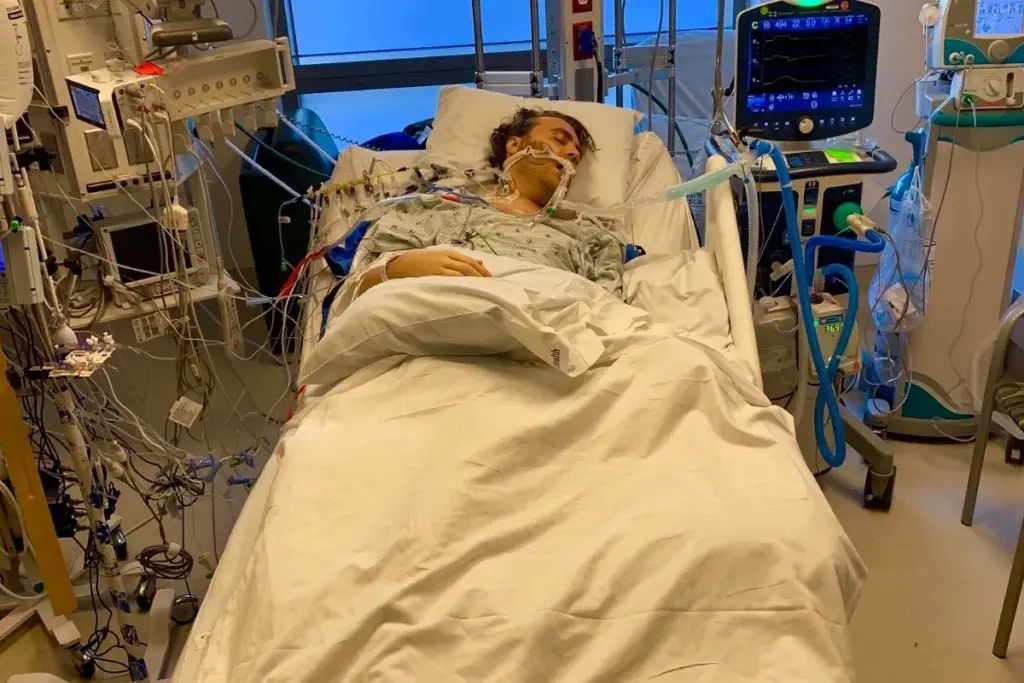
During open heart surgery, surgeons fix or replace damaged heart parts. This complex surgery uses many techniques and tools. It aims to give patients the best results.
Common Types of Cardiac Procedures
Open heart surgery includes several heart procedures, such as:
- Coronary Artery Bypass Grafting (CABG): This method uses a graft to bypass blocked or narrowed arteries. It helps improve blood flow to the heart.
- Heart Valve Replacement: It involves replacing a faulty or damaged heart valve with a new one. This can be a mechanical or biological valve.
- Heart Transplant: In severe heart failure, a patient’s heart is replaced with a donor heart.
- Repair of Congenital Heart Defects: This fixes heart defects present at birth. The repairs can be simple or complex.
The Surgical Process
The open heart surgery process has several steps:
- The patient is given general anesthesia to keep them asleep and pain-free.
- A sternotomy is done, where the chest is opened to reach the heart.
- The patient is connected to a heart-lung machine. This machine takes over the heart and lung functions during surgery.
- The surgeon does the needed repairs or replacements, like CABG or valve replacement.
- After the surgery, the heart-lung machine is stopped. The heart starts working again.
- The incision is closed, and the patient is moved to the intensive care unit for recovery.
Preparing for Open Heart Surgery Recovery
Before open heart surgery, patients can prepare their homes, bodies, and minds. This preparation is key for a smooth recovery. It’s all about getting ready for the journey ahead.
Home Preparations Before Surgery
Getting your home ready is a big step. This means:
- Setting up a comfy recovery spot
- Stocking up on important items like meds and healthy snacks
- Planning for help and support after surgery
Doing these things early can reduce stress. It lets you focus on getting better.
Building Physical Strength
Starting to exercise before surgery can boost your health. It’s important to:
- Talk to your doctor about a safe workout plan
- Slowly increase your exercise
- Choose activities that strengthen your heart and body
Being physically strong can speed up your recovery. It makes the process easier after heart surgery recovery.
Mental Preparation
Mental readiness is as vital as physical. You can use:
- Meditation and deep breathing
- Visualization and positive thinking
- Support from loved ones or a therapist
These methods can significantly enhance mental well-being by reducing anxiety and stress. They help make your recovery more positive. Places like highlight the role of mental prep.
By preparing your home, building strength, and mentally preparing, you can greatly enhance your recovering after open heart surgery experience.
Immediate Post-Operative Recovery
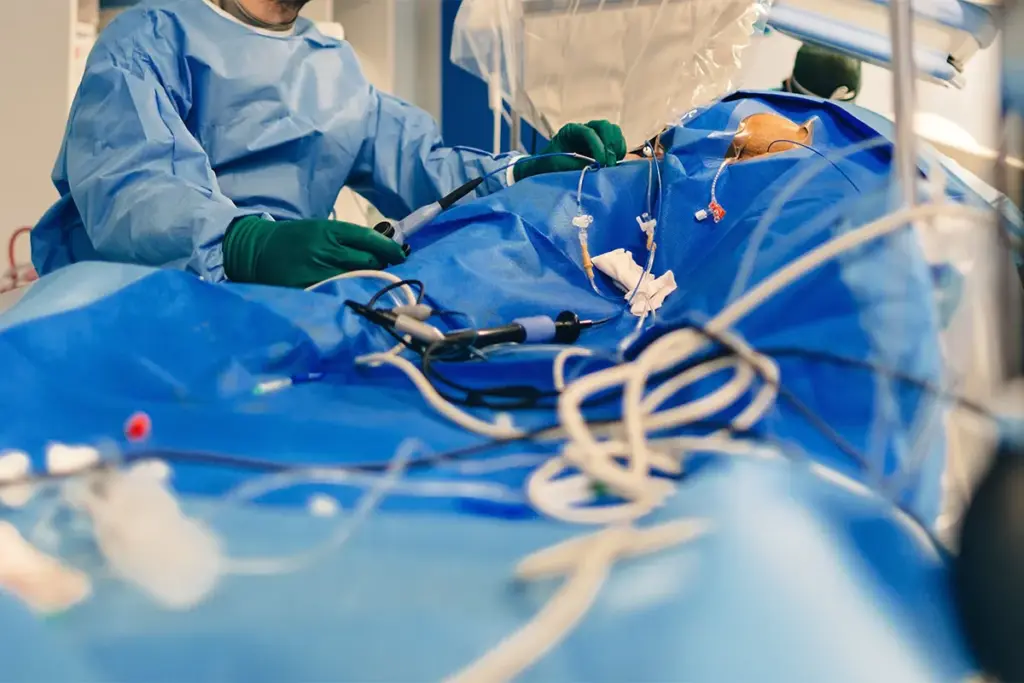
The first days after heart surgery are very important. Patients go to the intensive care unit (ICU) for close watch. Here, they get the care they need to start healing.
The First 24-48 Hours
The first two days are key in seeing how well a patient will recover. Doctors and nurses keep a close eye on the patient’s health. They manage pain and watch for any problems. Key aspects of care during this period include:
- Continuous monitoring of heart rate, blood pressure, and oxygen levels
- Pain management through medication and other strategies
- Early mobilization to prevent complications like deep vein thrombosis
Intensive Care Unit Experience
The ICU is a place where patients get constant care from experts. It’s equipped with the latest technology to help patients. Patients and their families can expect:
- A team of healthcare professionals, including cardiologists, nurses, and therapists, working together to provide care.
- Advanced life-support equipment, such as ventilators and cardiac monitors.
- A focus on minimizing discomfort and managing pain effectively.
Knowing what to expect in the first days after surgery helps patients and families. It sets the stage for a good heart surgery recovery.
Hospital Stay Duration After Open Heart Surgery
The time you spend in the hospital after open heart surgery depends on several factors. Usually, patients stay for a few days after the surgery.
Standard Length of Hospitalization
Most people stay in the hospital for 3 to 7 days after open heart surgery. This time lets doctors keep an eye on how you’re doing. They also help with pain and any problems right after surgery. Enhanced recovery protocols might make this time shorter by improving care and reducing problems.
Factors That May Extend Hospital Stay
Some things can make your hospital stay longer after open heart surgery. These include:
- Complications like infection or bleeding after surgery
- Health problems you had before surgery that make recovery harder
- Slowly getting back your strength or moving around
Handling these issues early can help keep your hospital stay shorter.
Transition to Step-Down Units
When you get better, you might move from the ICU to a step-down unit. This means your health is stable, and you don’t need ICU care anymore. In step-down units, you get close monitoring as you keep getting better, getting ready to go home.
How long you stay in step-down units varies. It depends on your health and the hospital’s rules. Good care during this time is key for a smooth move back home and to keep your recovery going.
Enhanced Recovery Protocols
Enhanced recovery protocols have changed how patients recover from open heart surgery. These new methods aim to reduce hospital stays without risking patient safety or results.
Modern Approaches to Cardiac Recovery
Modern cardiac recovery plans involve a team of experts. This team includes surgeons, anesthesiologists, nurses, and rehabilitation specialists. They work together to help patients recover quickly. Key components include early movement, managing pain, and good nutrition.
“The use of enhanced recovery after surgery (ERAS) protocols has been shown to reduce complications and shorten hospital stays,” studies say. This is done by using proven practices that meet the needs of cardiac surgery patients.
Early Discharge Possibilities (Within 3 Days)
Thanks to enhanced recovery protocols, early discharge within three days is now possible. Research shows that some patients can go home early without more hospital visits or complications.
Early discharge is made possible by meticulous preoperative preparation, efficient surgery, and thorough post-operative care. Patients are watched closely, and any problems are quickly fixed to ensure a smooth recovery.
Safety Considerations for Accelerated Recovery
While enhanced recovery protocols offer many benefits, safety is key. Accelerated recovery programs must be well-planned and executed to prevent problems. Safety considerations include choosing the right patients, monitoring vital signs, and being ready to handle any issues quickly.
By balancing early discharge with safety, healthcare providers can give cardiac surgery patients the best results. As medical research keeps improving, we can expect even better recovery protocols. This could lead to shorter hospital stays and happier patients.
Physical Recovery Timeline
Recovering from open heart surgery takes time and involves different stages. Knowing the recovery timeline helps patients and their caregivers prepare. It also helps them make informed decisions about their care.
Weeks 1-2: Initial Home Recovery
In the first two weeks at home, patients feel many emotions and physical changes as they heal. It’s important to follow the doctor’s instructions closely. Rest and gentle movement are key during this time.
As patients move forward, they may feel more energetic and less pain. But, it’s important to avoid too much activity and stick to the medication plan.
Weeks 3-6: Building Strength
Between weeks 3 and 6, patients can start to gradually increase their physical activity. They can do short walks, light stretching, and other low-intensity exercises. The goal is to build strength and endurance without overworking the heart.
Cardiac rehabilitation programs are very important during this time. They offer support and guidance to help patients recover fully. These programs include exercise, education, and counseling.
Months 2-3: Increasing Activity Levels
By the second and third months, patients can do more strenuous exercises. This might include brisk walking, cycling, or swimming. It’s important to keep an eye on progress and adjust the rehabilitation plan as needed.
|
Recovery Stage |
Typical Activities |
Goals |
|---|---|---|
|
Weeks 1-2 |
Rest, gentle movement |
Initial healing, pain management |
|
Weeks 3-6 |
Short walks, light stretching |
Building strength, endurance |
|
Months 2-3 |
Brisk walking, cycling, swimming |
Increasing activity levels, improving cardiovascular health |
Throughout the recovery process, staying in touch with the healthcare team is vital. Participating in cardiac rehabilitation programs is also key to achieving the best results.
Managing Pain During Recovery
After open heart surgery, patients face the challenge of managing pain. This is key for a smooth recovery. Effective pain management helps the healing process.
Pain Experiences After Surgery
Patients may feel different types of pain after surgery. This includes pain at the surgical site, chest pain, and pain from the sternotomy. The pain’s intensity varies from person to person.
Medication for Pain Relief
Medication is essential for pain management after surgery. Doctors often prescribe opioids for severe pain. For milder pain, they might use non-opioid drugs like acetaminophen or NSAIDs. The aim is to use the least amount needed to avoid side effects.
|
Medication Type |
Use |
Examples |
|---|---|---|
|
Opioids |
Severe pain management |
Morphine, Oxycodone |
|
Non-opioid Analgesics |
Mild to moderate pain |
Acetaminophen, Ibuprofen |
Non-Pharmaceutical Pain Relief Strategies
There are also non-medical ways to manage pain. These include:
- Deep breathing exercises and relaxation techniques
- Guided imagery and meditation
- Physical therapy and gentle exercises
- Heat or cold therapy applied to the affected area
Using these methods together can help patients manage pain better. This makes recovery more comfortable.
The Cardiac Rehabilitation Process
The cardiac rehabilitation process is key for those who have had open heart surgery. It’s a program supervised by doctors. It aims to boost heart health, helping patients get stronger and feel better.
Understanding Cardiac Rehabilitation
Cardiac rehabilitation is a detailed program. It includes exercise, learning about heart-healthy living, and stress counseling. It’s made for each patient, helping them heal from heart surgery and lower future heart risks.
Three Phases of Rehabilitation
The cardiac rehabilitation process has three main phases:
- Phase 1: Starts in the hospital. It’s about gentle exercises and learning about post-surgery care.
- Phase 2: This is an outpatient program after leaving the hospital. It includes monitored exercises, lifestyle advice, and heart health education.
- Phase 3: This is the maintenance phase. Patients keep up with exercises and healthy habits at home or in a community. They get ongoing support.
Benefits of Completing a Full Program
Finishing a full cardiac rehabilitation program greatly helps patients after open heart surgery. The benefits are:
- Improved heart health
- Increased physical strength and endurance
- Better control over heart disease risk factors
- Less symptoms of heart disease
- Improved mental health and less stress
By joining cardiac rehabilitation, patients can actively help in their recovery. They can live a better life and lower the chance of future heart problems.
Returning to Daily Activities
After open heart surgery, getting back to daily life is key. It helps patients regain strength and independence. They will start doing everyday tasks again, but with some limits at first.
Household Activities Timeline
Patients can begin with simple tasks like dusting or folding laundry a few weeks post-surgery. But, they should avoid heavy lifting, bending, or hard work for 6-8 weeks.
Driving After Open Heart Surgery
Most can drive again in 4-6 weeks. They must be off pain meds and react fast. Always check with your doctor before getting behind the wheel.
Sexual Activity Considerations
Sexual activity can start again in 6-8 weeks, based on how well you’re recovering. Talk to your doctor about any worries or questions.
Travel Restrictions
Travel, including long trips, should wait at least 6-8 weeks. Always talk to your doctor before traveling, even for short trips.
|
Activity |
Recommended Timeline |
|---|---|
|
Light Household Chores |
2-4 weeks |
|
Driving |
4-6 weeks |
|
Sexual Activity |
6-8 weeks |
|
Long-Distance Travel |
6-8 weeks |
Following your doctor’s advice is vital for a safe and successful recovery.
Returning to Work After Open Heart Surgery
Going back to work after open heart surgery needs careful planning. The recovery time is key for healing. Rushing back can harm the progress made.
Timeline for Different Types of Jobs
The time to return to work changes based on the job. Desk jobs that don’t require much physical effort might allow a return in 4 to 6 weeks. But, jobs that are physically demanding or require heavy lifting might take longer, often 8 to 12 weeks or more.
- Desk jobs: 4 to 6 weeks
- Light physical jobs: 6 to 8 weeks
- Heavy manual labor: 8 to 12 weeks or more
Workplace Accommodations
Workplace accommodations are vital for a smooth return to work. Employers can offer many supports, like:
- Flexible work hours
- Modified duties
- Ergonomic workspace adjustments
These can greatly help an employee’s safe and effective return to work.
Communication With Employers
Talking openly with employers is essential for a successful return. Employees should share their recovery progress, any limitations, and needed accommodations. This helps create a supportive work environment for recovery and productivity.
Emotional and Psychological Recovery
Recovering emotionally and psychologically is key after open heart surgery. Patients face both physical and emotional challenges during this time.
Common Emotional Responses
After surgery, patients might feel anxious, fearful, or relieved. These feelings can change a lot during recovery. It’s important to talk about and deal with these emotions to heal better.
Post-Cardiac Surgery Depression
Some people might feel depressed after heart surgery. This can happen due to surgery stress, changes in physical ability, or worries about the future. Spotting signs of depression, like feeling sad all the time, is key to getting help.
Support Resources
There are many ways to get help with emotional and psychological challenges. Counseling, support groups, and online resources are available. Using these can really help improve a patient’s mental health.
Understanding the need for emotional and psychological recovery and using available help can make a big difference. It helps patients deal with the tough parts of recovering from open heart surgery.
Potential Complications and Their Impact on Recovery
Open heart surgery is a lifesaver, but it’s important to know about possible complications. These can affect recovery. Knowing about these issues and their signs helps patients and caregivers manage them better.
Warning Signs to Watch For
After heart surgery, watch your health closely for warning signs. These include:
- Increasing chest pain or discomfort
- Shortness of breath or difficulty breathing
- Swelling in the legs, ankles, or feet
- Fever or chills
- Redness, swelling, or drainage from the surgical site
- Dizziness or fainting spells
Spotting these signs early can help manage complications. This can shorten the recovery time.
How Complications Affect Recovery Time
Complications can really slow down recovery after heart surgery. Infections or issues with the surgical site can keep you in the hospital longer. Cardiac problems might need more treatments, making recovery longer.
Managing complications effectively is key to a faster recovery. This means close monitoring by doctors, following post-op instructions, and reporting any symptoms quickly.
Understanding complications and their signs helps patients take charge of their recovery. Working with their healthcare team is essential to address any issues quickly and well.
Long-Term Recovery and Survival Rates
Long-term survival rates show how well open heart surgery works. They help patients and doctors make better choices about treatment and care after surgery.
The 10-year survival rate for open heart surgery patients is key. Recent data shows it’s about 67.8%. This shows how far cardiac surgery and care have come.
10-Year Survival Rate (67.8%)
About two-thirds of patients live 10 years after open heart surgery. This rate changes based on the patient’s health, the surgery type, and care after surgery.
Factors Affecting Long-Term Outcomes
Many things can change survival rates and recovery after open heart surgery. These include:
- Pre-existing health conditions: Diabetes, high blood pressure, and kidney disease can impact outcomes.
- Lifestyle choices: Smoking, diet, and exercise levels are important for recovery and survival.
- Adherence to post-operative care: Following the care plan, including taking medicine and going to follow-ups, is vital.
- Type of surgery: The surgery type can also affect long-term results.
A study in a medical journal said, “The long-term survival of patients after open heart surgery depends on many factors. These include the patient’s health and the surgery details.”
Lifestyle Changes for Optimal Recovery
To recover well, patients need to make important lifestyle changes. A healthier lifestyle helps keep the heart healthy and prevents future problems.
Dietary Recommendations
Eating a heart-healthy diet is key. It should include lots of fruits, vegetables, whole grains, and lean proteins. Try to eat less saturated fats, sodium, and added sugars.
- Fruits and Vegetables: Eat a variety of colors to get lots of vitamins and minerals.
- Whole Grains: Choose brown rice, whole wheat bread, and whole grain pasta.
- Lean Proteins: Include poultry, fish, and plant-based proteins like beans and lentils.
Exercise Guidelines
Regular exercise is important for recovery and heart health. Start with gentle exercises and slowly increase the intensity and time.
|
Exercise Type |
Initial Duration |
Progression |
|---|---|---|
|
Walking |
5-10 minutes |
Increase by 5 minutes daily |
|
Stretching |
3 sets of 5 reps |
Add 2 reps every 3 days |
|
Aerobics |
10-15 minutes |
Increase duration by 5 minutes every week |
These lifestyle changes can greatly improve recovery and health. Always talk to your healthcare provider before starting any new diet or exercise.
Conclusion
Recovering from open heart surgery is a big challenge. It needs careful planning, patience, and a detailed plan. They stress the need for a solid recovery plan.
A good recovery means knowing each stage, from getting ready to making long-term lifestyle changes. Following a set physical recovery plan, managing pain well, and joining cardiac rehab programs help a lot. This way, patients can see big improvements.
Recovering from open heart surgery is more than just healing from the surgery. It’s about living a healthier life to keep your heart strong. This includes eating right, exercising regularly, and managing stress. Making these changes can greatly improve your health and lower the chance of heart problems later on.
Having cardiac surgery is a big step towards a new life chapter. It requires dedication to getting better and taking care of your heart. With the right support and a thorough approach, people can face the challenges of recovery and live a better life.
FAQ
What is the typical recovery time for open heart surgery?
Recovery time for open heart surgery varies. Most people need 6-12 weeks to fully recover. Some may take up to 3-6 months to get back to normal.
How long do I need to stay in the hospital after open heart surgery?
Hospital stay after open heart surgery is usually 3-7 days. It depends on your condition and the surgery’s complexity.
What are the common complications after open heart surgery?
Common complications include bleeding, infection, stroke, and heart arrhythmias. It’s important to watch your condition closely and report any issues to your doctor.
Can I drive after open heart surgery?
Driving after open heart surgery is not recommended for 4-6 weeks. It may strain your chest and compromise your safety. Always follow your doctor’s advice.
When can I return to work after open heart surgery?
Returning to work after open heart surgery varies. It depends on your job, health, and the surgeon’s advice. It usually takes 6-12 weeks or more.
What is cardiac rehabilitation, and is it necessary?
Cardiac rehabilitation is a supervised program for heart surgery or condition recovery. It’s highly recommended. It helps improve heart health, manage symptoms, and reduce future heart risks.
How can I manage pain after open heart surgery?
Pain management includes medication and techniques like deep breathing and relaxation. Gentle exercise is also helpful. Always follow your doctor’s pain management advice.
What lifestyle changes are recommended after open heart surgery?
Lifestyle changes include a healthy diet, regular exercise, quitting smoking, and stress management. These can improve heart health and reduce future risks.
What is the 10-year survival rate after open heart surgery?
The 10-year survival rate is around 67.8%. It varies based on health, surgery type, and underlying conditions.
Can I undergo open heart surgery without being put on a heart-lung machine?
Some surgeries can be done without a heart-lung machine, known as off-pump surgery. It depends on the procedure and the surgeon’s judgment.
How does open heart surgery affect mental health?
Open heart surgery can impact mental health, causing anxiety, depression, or emotional challenges. Seeking support from healthcare, family, and friends is essential.
References
- Heart Bypass Surgery: Recovery Time and Life Expectancy
- Source: GoodRx
- URL: https://www.goodrx.com/health-topic/heart/heart-bypass-surgery-recovery
- Discharge 3 Days Following Open Heart Surgery Is Safe
- Source: Society of Thoracic Surgeons (STS)1
- URL: https://www.sts.org/press-releases/discharge-3-days-following-open-heart-surgery-safe
- How Long Does Heart Surgery Recovery Take?
- Source: Northeast Georgia Health System2
- URL: https://www.nghs.com/2024/04/26/how-long-does-heart-surgery-recovery-take
- From surgery to recovery: Measuring success through quality of life and functional improvements after cardiac surgery
- Source: National Center for Biotechnology Information (NCBI) and PubMed Central (PMC)3
- URL: https://pmc.ncbi.nlm.nih.gov/articles/PMC11886391/
- New Advances in Cardiac Surgery Improve Recovery, Survival
- Source: Yale Medicine4
- URL: https://www.yalemedicine.org/news/new-advances-in-cardiac-surgery-improve-recovery-survival



 Departments
 Related Videos
 Our Doctors
 News
News