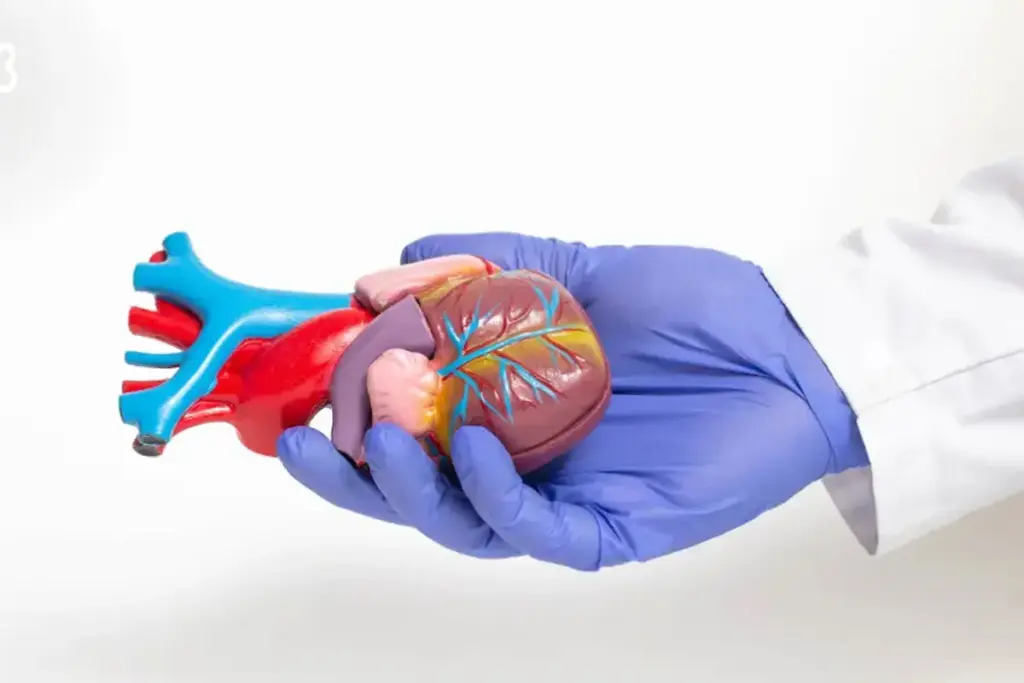
Managing pain well after heart surgery is key to getting better. Most people need pain meds for a few days to weeks after surgery.
Studies show that 28% of patients don’t need opioid prescriptions when they leave the hospital. And only 9-10% keep using opioids for more than 3 months. The first few days after surgery are very important. During this time, opioid use is usually limited.
Key Takeaways
- Pain management is very important after heart surgery.
- Most people need pain meds for a few days to weeks.
- Opioid use is mainly in the first few days after surgery.
- About 28% of patients don’t need opioid prescriptions when they leave.
- Only 9-10% of patients use opioids for more than 3 months.
The Nature of Pain Following Open Heart Surgery

Managing pain well is important for a smooth recovery after open heart surgery. It’s key for doctors to know where and why pain happens. This helps them find the best ways to manage it.
Sources of Post-Surgical Pain
Pain after open heart surgery comes from several places. This includes the cut made during surgery, chest tubes, and where surgical instruments were used. Pain can also get worse because of inflammation and tissue damage during the surgery.
Research shows pain levels drop fast after surgery. For example, scores on a pain scale went from 5.05 to about 2.36 in just a few hours. This shows a big drop in pain as patients get better.
Different Types of Pain Experienced
Patients may feel different kinds of pain after open heart surgery. These include:
- Acute pain from the surgery itself
- Incisional pain at the cut site
- Musculoskeletal pain from how they were positioned or from surgical tools
|
Type of Pain |
Description |
Typical Duration |
|---|---|---|
|
Acute Pain |
Resulting from the surgical procedure |
First few days |
|
Incisional Pain |
Pain at the site of the surgical incision |
Several weeks |
|
Musculoskeletal Pain |
Pain due to positioning or use of retractors |
Variable, often resolves within weeks |
Knowing these types of pain helps doctors create better pain plans for each patient. This makes recovery better for everyone.
Typical Pain Medication Timeline After Cardiac Surgery
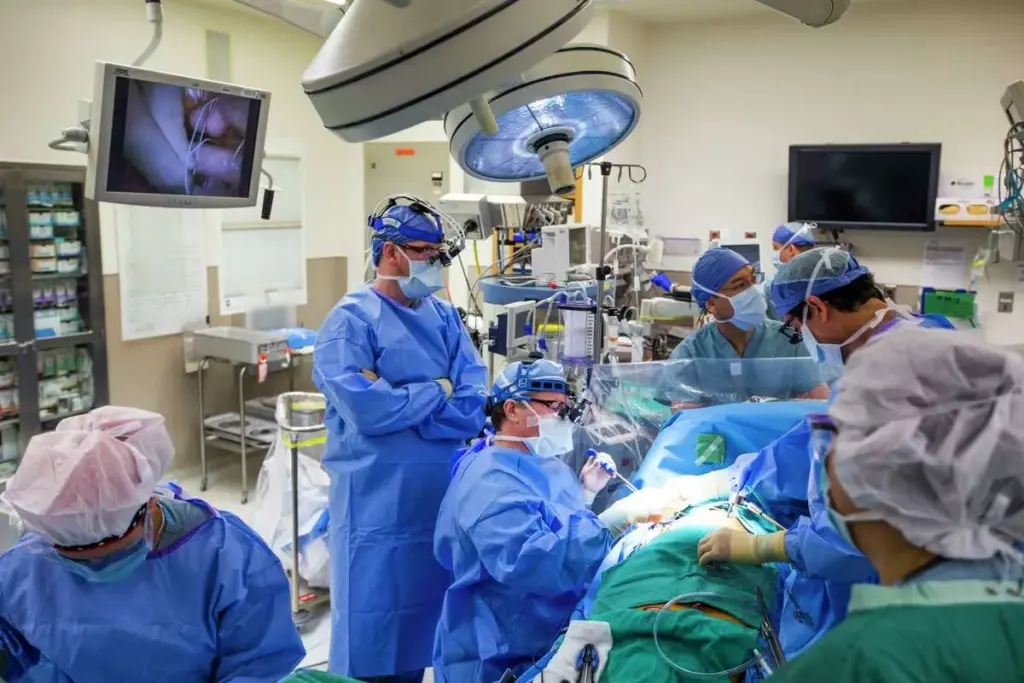
After cardiac surgery, patients need pain meds for a while. This time is split into different stages. Knowing these stages helps manage pain and aids in a smooth recovery.
Immediate Post-Operative Period (First 48 Hours)
The first 48 hours after surgery are key. Pain control is a big focus. Patients get pain meds through an IV to handle the pain from the surgery.
This helps them rest, cough, and breathe deeply. These actions are vital to avoid problems like pneumonia.
Early Recovery Phase (Days 3-7)
From days 3 to 7, pain starts to lessen. Oral pain meds become the main treatment. The dose is slowly reduced as the patient gets better.
It’s important to follow the doctor’s advice on pain meds. This helps avoid addiction and side effects.
Extended Recovery (Weeks 2-6)
By weeks 2 to 6, most patients feel much less pain. They might not need pain meds anymore. But, some might feel pain again, which can be managed with over-the-counter meds or other methods.
|
Recovery Phase |
Typical Pain Level |
Common Pain Medications |
|---|---|---|
|
Immediate Post-Operative (First 48 Hours) |
High |
IV Opioids |
|
Early Recovery (Days 3-7) |
Moderate |
Oral Opioids, Non-Opioid Analgesics |
|
Extended Recovery (Weeks 2-6) |
Mild |
Over-the-counter pain relievers |
It’s vital for patients to work with their doctors. This ensures their pain plan fits their needs and recovery progress.
Types of Pain Medications Used After Open Heart Surgery
Understanding the different pain medications is key to managing pain after open heart surgery. It’s important for recovery. It lets patients do exercises, move easily, and avoid problems.
Opioid Medications
Opioids are used for moderate to severe pain. They work by binding to receptors in the brain and spinal cord. This reduces pain. Examples include morphine, fentanyl, and oxycodone.
But, opioids can lead to dependence and constipation. They can also slow down breathing. “The challenge with opioids is balancing their pain-relieving benefits against their risks,” says a pain management specialist.
Benefits of Opioids: They are very effective for severe pain and work quickly.
Risks: They can cause dependence, and may lead to constipation and nausea.
Non-Opioid Analgesics
Non-opioid analgesics are another option. They include acetaminophen and some anticonvulsants or antidepressants. These are used for mild to moderate pain or with opioids to lower the opioid dose.
Advantages: They have a lower risk of dependence and fewer side effects than opioids.
Anti-inflammatory Medications
Anti-inflammatory medications, like NSAIDs, help reduce inflammation and pain. But, they might not be used much after open heart surgery. This is because some NSAIDs can increase bleeding risks.
“The development of new non-opioid pain medications, such as suzetrigine, offers promising alternatives for managing moderate to severe acute pain with potentially fewer risks than traditional opioids.”
Knowing about the different pain medications helps patients and doctors create a good pain management plan. This plan is tailored to the individual’s needs after open heart surgery.
Standard Duration of Opioid Pain Medication Use
Knowing how long to use opioid pain medication is key to managing pain after open heart surgery. It’s important to find the right balance between pain relief and the risks of opioid use.
Hospital-Based Opioid Administration
In the hospital, opioids are often used to control pain after surgery. Doctors and nurses watch how these medicines are given closely.
Discharge Prescriptions
When you go home, you might get a prescription for opioids for a few days. It’s important to take them as directed to avoid getting too used to them.
Statistics on Opioid-Free Discharge
About 28% of patients don’t need opioids when they leave the hospital. This shows that not everyone needs these medicines to manage their pain.
The table below shows important facts about opioid use after heart surgery:
|
Aspect |
Description |
Typical Duration |
|---|---|---|
|
Hospital-Based Opioid Administration |
Closely monitored opioid use during initial recovery |
First 48 hours |
|
Discharge Prescriptions |
Limited opioid prescription for home pain management |
3-7 days |
|
Opioid-Free Discharge |
Percentage of patients discharged without opioid prescriptions |
Approximately 28% |
Measuring and Tracking Pain Intensity Progression
Managing pain after open heart surgery is key. It’s important to track pain intensity progression. This way, patients and doctors can adjust treatments for the best recovery.
Visual Analog Pain Scoring
The Visual Analog Scale (VAS) is a common way to measure pain. It lets patients rate their pain from 0 to 10. Zero means no pain, and 10 is the worst pain imaginable.
Expected Decline from Moderate to Mild Pain
Pain levels drop quickly after surgery. For example, a VAS score can go from 5.05 to 2.36 in a few days. This shows the healing is on track.
Daily Pain Journal Recommendations
Keeping a daily pain journal is advised for heart surgery recovery. It helps track pain, medication, and symptoms. This info helps doctors fine-tune pain management.
Tracking pain is more than just watching numbers. It’s about being part of your recovery. Using the VAS and a pain journal helps patients and doctors work together for the best results.
Factors That Influence Pain Medication Requirements
Pain management after heart surgery is complex. It depends on many factors. Knowing these helps create a good pain plan.
Patient-Specific Variables
Age and medical history are key in setting pain medication. Older patients might need less because their bodies process drugs differently. Their kidneys or liver might not work as well.
Also, a patient’s health affects how they handle pain meds. This includes their kidney and liver function.
Surgical Technique Considerations
The surgery type affects pain needs. Minimally invasive surgeries cause less pain. This might mean less need for pain meds.
But, more invasive surgeries need more pain relief. The surgical team’s experience and methods also play a part in post-op pain.
Pre-existing Conditions
Conditions like diabetes and chronic pain syndromes complicate pain management. They can change how pain is felt or make meds harder to use.
Healthcare providers must understand these conditions. This way, they can make pain plans that fit each patient better. This improves how patients feel after surgery.
Advanced Non-Opioid Pain Management Approaches
Pain management after open heart surgery is now focusing more on non-opioid methods. These new approaches help cut down on opioid use and improve recovery times.
Multimodal Analgesia Protocols
Multimodal analgesia combines different pain relief methods for better results. It uses a mix of medicines and therapies based on each patient’s needs.
Benefits of Multimodal Analgesia:
- Less opioid use
- Better pain control
- Quicker recovery
|
Technique |
Description |
Benefits |
|---|---|---|
|
Multimodal Analgesia |
Combination of pain management techniques |
Reduced opioid use, improved pain control |
|
Regional Anesthesia |
Numbing specific regions of the body |
Effective pain relief, reduced systemic opioid use |
|
TTMP Block |
Targeted pain relief through specific nerve blocks |
Improved pain management, faster recovery |
Regional Anesthesia Techniques
Regional anesthesia numbs certain body areas for pain relief. It’s very helpful for those having open heart surgery.
Regional anesthesia techniques can greatly reduce the need for systemic opioids, which can help avoid side effects.
TTMP Block Benefits for Recovery
The TTMP block is a special regional anesthesia method. It targets specific nerves for pain relief, helping with faster recovery.
Advanced non-opioid pain management, like multimodal analgesia, regional anesthesia, and TTMP block, are key for better recovery after open heart surgery. These methods help healthcare providers manage pain more effectively and safely.
Safely Transitioning Off Pain Medications
Stopping pain meds after open heart surgery needs careful planning. It’s important to manage pain well but avoid long-term drug use risks.
Recommended Tapering Strategies
Always taper off pain meds with a doctor’s help. A common plan is to slowly cut down the dose over time. This time can vary based on how you react and the drug type.
Key considerations for tapering include:
- Look at your current meds and dose.
- Slowly lower the dose step by step.
- Watch your pain and adjust the taper if needed.
Signs You’re Ready to Reduce Medication
It’s time to cut back on meds when your pain is controlled and side effects are low. Look for these signs:
- Your pain is getting less over time.
- You can do more daily activities.
- You can handle pain without drugs.
Working With Your Healthcare Provider
Working with your doctor is key to safely stop pain meds. They can create a taper plan just for you, check on you, and solve any problems.
Always listen to your doctor and don’t change your meds without their say-so.
Risks of Extended Pain Medication Use After Cardiac Surgery
It’s important for patients to know the risks of taking pain meds for a long time after heart surgery. Pain relief is key after surgery, but taking meds for too long can harm your health. This is true, even more so for opioids.
Opioid Dependence Risk Factors
One big worry is becoming dependent on opioids. Several things can make this risk higher, such as:
- History of substance abuse
- Higher doses of opioid medication
- Longer duration of opioid use
- Genetic predisposition
It’s vital to spot who might be at risk and find ways to use fewer opioids.
The 9-10% Who Continue Beyond 3 Months
About 9-10% of patients keep taking opioids for more than three months after heart surgery. This can lead to dependence and other problems. Knowing why some patients keep using opioids helps doctors find better ways to help.
Side Effects of Prolonged Medication Use
Long-term use of pain meds can cause many side effects, like:
- Respiratory depression
- Constipation
- Nausea and vomiting
- Increased risk of falls
Also, using opioids for a long time can make you need more of them to feel the same relief. This can lead to needing even higher doses, which raises the risk of dependence and other issues.
Minimizing Risks: Doctors are now using different ways to manage pain that don’t rely so much on opioids. They use other meds, regional anesthesia, and non-medical methods to help with pain.
When to Seek Medical Attention for Post-Surgical Pain
It’s important to know when to get medical help after open heart surgery. Some pain is normal after such a big surgery. But, knowing when it’s a problem is key.
Warning Signs That Require Immediate Care
Some symptoms mean you need to see a doctor right away. These include:
- Severe pain that can’t be controlled with medicine
- More redness, swelling, or discharge from the surgery area
- Fever over 100.4°F (38°C)
- Having trouble breathing or feeling short of breath
- Chest pain or feeling like it’s tight
If you notice any of these signs, get medical help fast.
Distinguishing Between Normal and Abnormal Pain
Normal pain after surgery usually gets better with time. But, abnormal pain doesn’t get better or even gets worse. Here’s how to tell the difference:
|
Characteristics |
Normal Pain |
Abnormal Pain |
|---|---|---|
|
Intensity |
Gradually decreases |
Persists or intensifies |
|
Duration |
Lasts a few days to weeks |
Continues beyond the expected recovery period |
|
Response to Medication |
Managed with prescribed medication |
Not relieved by medication |
Communicating Emergency Concerns
When you need to see a doctor, tell them about your worries clearly. Describe your symptoms, how bad the pain is, and any other important details. This helps doctors understand your situation and help you better.
In summary, knowing when to get medical help after open heart surgery is very important. It helps avoid problems and makes sure you recover well.
Multidisciplinary Approach to Pain Management
Managing pain after open heart surgery needs a team effort. Specialists work together to give patients the care they need. This makes sure each patient gets care that fits their recovery best.
Role of Different Specialists
Many specialists, like cardiologists and pain management experts, create a pain plan for each patient. Each one uses their skills to cover all parts of recovery. For example, anesthesiologists help right after surgery by managing pain with special techniques.
Later, physical therapists help patients get stronger and move better. Pain management experts keep checking and changing the plan to keep pain under control.
Coordinated Care Benefits
Working together, healthcare teams can control pain better, cut down hospital stays, and make patients happier. “A team effort in pain management can lead to better recovery and less opioid use,” studies show. This teamwork helps find the best ways to manage pain and avoid problems, making recovery smoother.
Patient-Centered Recovery Planning
Putting the patient at the center of recovery planning is key. It means involving patients in decisions and making plans that fit their needs. This way, healthcare providers can make patients happier and help them recover better.
“Patient-centered care is not just about treating the condition; it’s about treating the whole person.”
This method covers physical, emotional, and mental recovery needs. It leads to a more complete and successful recovery.
Non-Pharmaceutical Pain Management After Open Heart Surgery
Non-pharmaceutical methods are key in managing pain after heart surgery. They help cut down on opioid use and boost recovery. Techniques like breathing exercises and psychological strategies help patients manage pain better and heal faster.
Breathing Techniques and Exercises
Breathing exercises are vital for pain management. Deep breathing, for example, lowers stress and relaxes the body, easing pain. Diaphragmatic breathing is great because it uses the diaphragm for better oxygen intake and body calm.
Paced breathing is another good method. It involves breathing at a steady pace. This can take your mind off pain and lower anxiety. Patients are advised to practice these methods in the hospital and at home.
|
Breathing Technique |
Description |
Benefits |
|---|---|---|
|
Diaphragmatic Breathing |
Engages the diaphragm for deeper breaths |
Reduces stress, promotes relaxation |
|
Paced Breathing |
Involves breathing at a controlled rate |
Distracts from pain, reduces anxiety |
Psychological Approaches to Pain
Psychological methods are also important for pain management after heart surgery. Cognitive-behavioral therapy (CBT) helps change how patients see pain, making it easier to handle. CBT works well when used with other pain management strategies.
Mindfulness meditation also helps by making patients more aware and accepting of their pain. This practice helps them stay in the present, reducing pain’s emotional impact.
Using these non-pharmaceutical methods in recovery plans can help patients use less pain medication. This can lead to a better recovery experience overall.
Patient Experiences and Expectations
Understanding the recovery process after open heart surgery is key. It helps manage expectations and deal with the challenges that come next. Patients often share their experiences, from the pain’s intensity to the success of pain management.
Realistic Recovery Timelines
Recovery times can differ a lot. Some people recover fast, while others take longer. Most see big improvements in 6-8 weeks. But, full recovery might take months.
Coping Strategies from Former Patients
Former patients suggest using medicine, making lifestyle changes, and having a support system. Deep breathing, meditation, and gentle exercise help a lot. Also, joining support groups can offer valuable advice and emotional support.
FAQ
How long do I need to take pain medications after open heart surgery?
Most people need pain meds for a few weeks after open heart surgery. Opioids are usually only used for 3-7 days after you go home.
What types of pain medications are used after open heart surgery?
You might get opioids, non-opioid pain relievers, and anti-inflammatory drugs. The goal is to use fewer opioids.
How is pain intensity measured and tracked after open heart surgery?
Pain is measured with a visual scale. Keeping a pain journal is also recommended. This helps adjust your pain plan.
What factors influence pain medication requirements after open heart surgery?
Your health, the surgery type, and any health issues you had before can affect your pain meds.
What are the risks associated with extended pain medication use after cardiac surgery?
Long-term use of pain meds can lead to opioid addiction. About 9-10% of patients use opioids for more than 3 months. It can also cause side effects like constipation and breathing problems.
How can I safely transition off pain medications after open heart surgery?
Work with your doctor to taper off meds. Keep track of your pain. Adjust your meds as needed.
When should I seek medical attention for post-surgical pain after open heart surgery?
Get help right away if you have severe pain, trouble breathing, or signs of infection. Know the difference between normal and abnormal pain.
What are the benefits of a multidisciplinary approach to pain management after open heart surgery?
A team approach can improve recovery. It reduces opioid use and enhances care.
Are there non-pharmaceutical approaches to pain management after open heart surgery?
Yes, methods like breathing exercises and psychological techniques can help manage pain and improve recovery.
What is coronary artery bypass grafting, and is it related to open heart surgery?
Coronary artery bypass grafting is a surgery that bypasses blocked arteries. It’s often part of open heart surgery.
How long does it take to recover from open heart surgery?
Recovery can take weeks to months. It depends on your health and the surgery’s complexity.
What are the risks of open heart surgery?
Risks include bleeding, infection, and reactions to anesthesia. Long-term risks include heart failure and arrhythmias.
Can I be left alone after open-heart surgery?
It’s best to have someone with you for a few weeks. They can help with daily tasks.
References
- Source: https://onlinelibrary.wiley.com/doi/10.1155/2024/9910242
- Note: The information for this article could not be found.
- Study of Patient Pain Management after Heart Surgery
- Source: National Center for Biotechnology Information (NCBI) and PubMed Central (PMC)
- URL: https://pmc.ncbi.nlm.nih.gov/articles/PMC3848238/
- Opioids after heart surgery: A cautionary tale
- Source: Harvard Health Publishing
- URL: https://www.health.harvard.edu/heart-health/opioids-after-heart-surgery-a-cautionary-tale
- Select Heart Surgery Patients May Not Need Opioid Pain Meds when Discharged
- Source: The Society of Thoracic Surgeons (STS)1
- URL: https://www.sts.org/press-releases/select-heart-surgery-patients-may-not-need-opioid-pain-meds-when-discharged
- Source: https://jamanetwork.com/journals/jamacardiology/fullarticle/2766890
National Center for Biotechnology Information. Evidence-Based Medical Insight. Retrieved from https://pmc.ncbi.nlm.nih.gov/articles/PMC3848238/