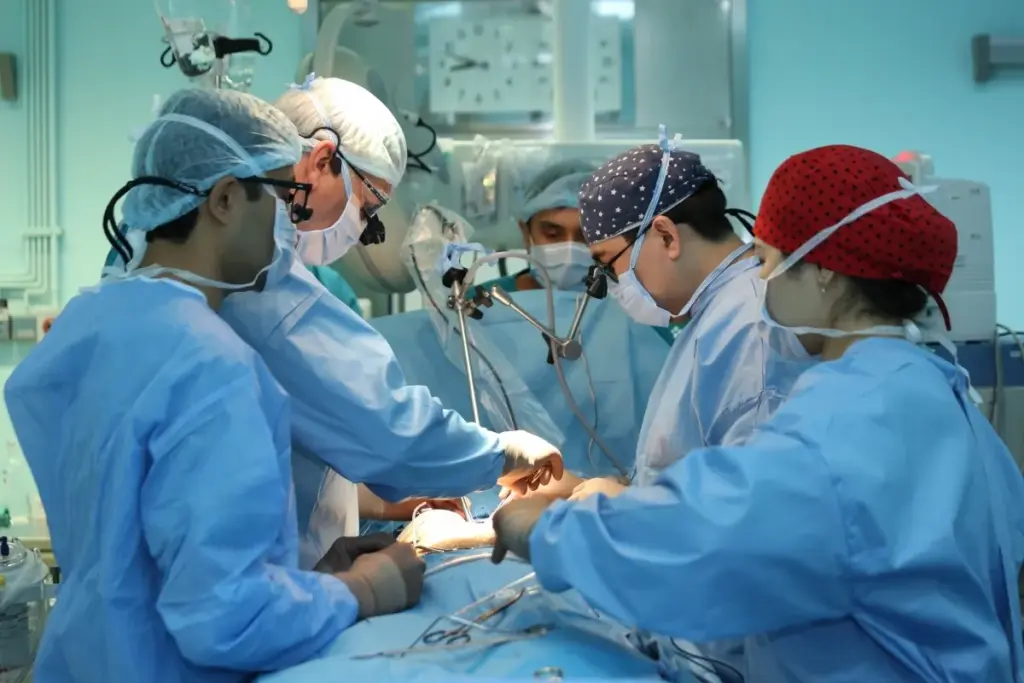
Having heart surgery is scary, and the recovery is just as critical. Patients worry a lot about the pain they’ll feel after surgery.
At Liv Hospital, we focus on making patients comfortable and helping them heal fast. Studies show that about 73% of patients feel moderate to severe pain within 24 hours after surgery. Even up to 40% of patients can have pain a month later.
The most common pain spot is where the incision was made, usually the chest. This affects almost all patients in the first week. We know how vital it is to manage expectations and help patients recover well.
Key Takeaways
- Most patients experience pain at the incision site after heart surgery.
- About 73% of patients report moderate to severe pain within 24 hours postoperatively.
- Pain can persist, with up to 40% of patients experiencing it one month later.
- Liv Hospital uses innovative approaches to manage post-operative pain.
- Understanding post-operative pain helps in setting realistic recovery expectations.
The Basics of Cardiac Surgery and Pain
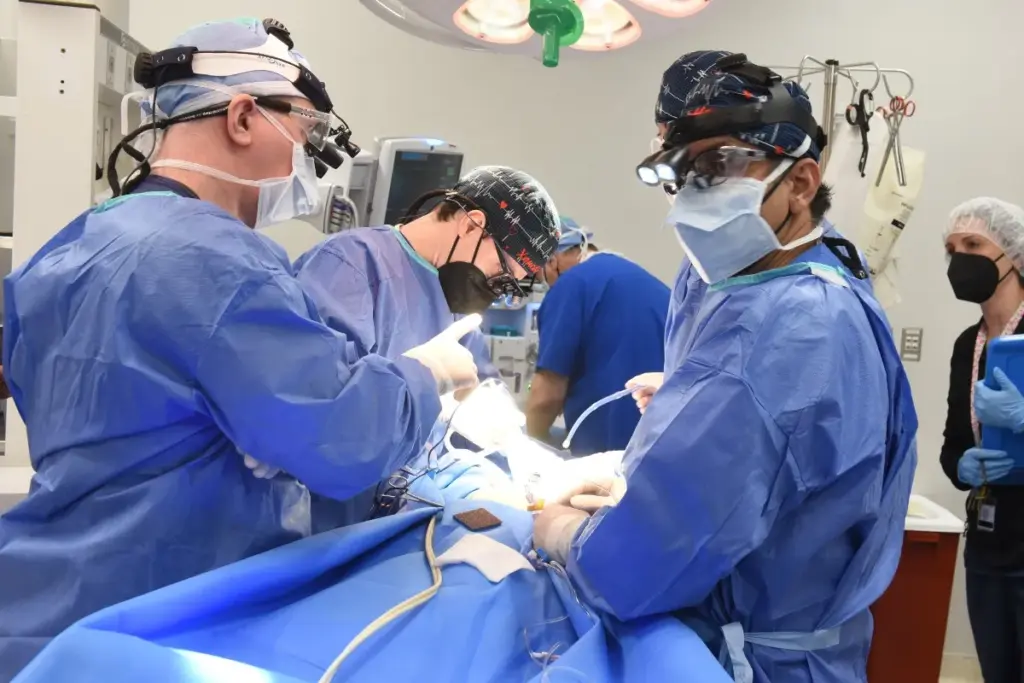
Knowing about cardiac surgery is key to handling the pain that comes after. This surgery includes many procedures like coronary artery bypass grafting and heart transplant. Each surgery can cause different levels of pain after.
Types of Heart Surgeries and Their Impact
Each heart surgery affects the body in its own way. For example, coronary artery bypass grafting involves opening the chest and grafting a new vessel. This can lead to pain from the incision and the grafting process.
Valve repair or replacement surgeries also cause pain. This is because of the incision and the work done on the heart’s structures.
Aortic valve diseases are common and will likely increase as people live longer. This makes it important to understand the pain from these surgeries.
Why Pain Occurs After Cardiac Procedures
Pain after heart surgery comes from many sources. The type of surgery, the size of the incision, and the patient’s health all play a role. Pain often happens in the chest, shoulders, back, and where drainage tubes were placed.
About 30-50% of patients feel shoulder pain, and 20-30% have chronic chest pain. Knowing where and why pain happens helps manage it better.
Pain happens because of tissue damage during surgery. This damage turns on pain receptors. The use of cardiopulmonary bypass and tissue manipulation also cause inflammation, making pain worse.
Pain Statistics: What Research Tells Us

Understanding pain after heart surgery is key for better pain management. Research gives insights into the pain patients face after cardiac surgery. This helps doctors tailor care to each patient.
Prevalence of Pain in the First Week
Pain after cardiac surgery is a big concern. Studies show that about 73% of patients have moderate to severe pain within 24 hours after surgery. This highlights the need for strong pain management right after surgery.
The first week after heart surgery is very important for managing pain. Many patients feel pain due to the surgery, like the incision and drainage tubes. This pain is common during this time.
- Pain levels vary, with some feeling mild and others severe.
- The type of heart surgery affects the pain during recovery.
- Good pain management in the first week is key for comfort and recovery.
Long-term Pain Outcomes in Cardiac Patients
Long-term pain is also a big worry for heart surgery patients. Research shows that some patients feel pain and discomfort for weeks or months after surgery.
Important findings on long-term pain include:
- Many patients have ongoing pain, showing the need for ongoing care.
- Things like the surgery type, patient health, and care after surgery affect long-term pain.
- Knowing these can help doctors manage pain better over time.
Looking at pain after heart surgery helps us understand the challenges patients face. It shows why we need detailed pain management plans. This knowledge helps doctors give better care, improving recovery and outcomes for patients.
The Immediate Post-Operative Period: First 48 Hours
The first 48 hours after open heart surgery are very important. They set the stage for a good recovery. During this time, patients need careful monitoring and pain management.
Waking Up from Anesthesia: Initial Sensations
Waking up from anesthesia often comes with strange sensations. Patients often feel confused and might feel sick or dizzy. They may also feel pain as the anesthesia fades.
Common initial sensations include:
- Disorientation and confusion
- Nausea or dizziness
- Dry mouth or sore throat
- Pain or discomfort at the surgical site
ICU Pain Management Protocols
In the ICU, managing pain is a big priority. Teams use different methods to keep patients comfortable. This includes giving medication and other treatments.
|
Pain Management Strategy |
Description |
|---|---|
|
Medication |
Administering pain relief medication as needed to manage pain levels. |
|
PCA (Patient-Controlled Analgesia) |
Allowing patients to self-administer pain medication within set limits. |
|
Regional Anesthesia |
Using nerve blocks or epidural anesthesia to numb specific areas. |
Common Discomforts Beyond Pain
Patients may feel tired, have trouble sleeping, and go through emotional changes after surgery. These feelings are part of the recovery process.
It’s important to address these feelings. Healthcare teams use medication, positioning, and emotional support to help. This helps patients feel better overall.
Chest Incision Pain: Primary Source of Discomfort
The chest incision is a key part of open heart surgery. It’s often the main source of pain during recovery. This pain is a big worry for those having heart surgery.
Sternotomy Healing Process
The sternotomy is a common method in open heart surgery. It involves cutting the sternum. The healing stages include inflammation, repair, and remodeling.
Knowing these stages can help patients deal with the pain better.
Factors Affecting Incision Pain Severity
Many things can change how much pain you feel from the chest incision. These include the surgery method, your health, and post-op care. For example, less invasive surgeries might cause less pain.
The table below shows what can affect incision pain:
|
Factor |
Description |
Impact on Pain |
|---|---|---|
|
Surgical Technique |
Traditional open heart surgery vs. minimally invasive surgery |
Minimally invasive may reduce pain |
|
Patient’s Overall Health |
Presence of comorbidities, age, and physical condition |
Poorer health may increase pain perception |
|
Post-operative Care |
Quality of pain management, physical therapy, and follow-up care |
Effective care can reduce pain severity |
Managing chest incision pain is key for a good recovery. By knowing what affects pain, doctors can give better care to each patient.
Open Heart Surgery Pain Patterns and Management
It’s key to understand pain patterns after open heart surgery for better pain management. Pain can differ a lot among patients. Yet, there are common patterns and ways to manage pain that can help.
Typical Pain Progression After Open Heart Procedures
Patients after open heart surgery face various pain types. The pain is usually most intense in the first few days. It then gradually gets better as the body heals.
- Acute Pain: Right after surgery, pain is treated with strong medication.
- Subacute Pain: As recovery goes on, pain levels drop, but some pain may stay.
- Chronic Pain: For some, pain can last long, needing ongoing care.
Medication Strategies for Surgical Pain
Managing pain well is key in post-operative care. We use many medication strategies for surgical pain, including:
- Analgesics: These are the main pain relief meds, from over-the-counter to prescription.
- Multimodal Pain Management: This method uses different pain relief meds and techniques for better pain control and fewer side effects.
By knowing how pain usually changes and using the right meds, we can make recovery better for patients after open heart surgery.
Shoulder and Back Pain Following Cardiac Surgery
After cardiac surgery, many patients face discomfort, with shoulder and back pain being common. This pain can slow down their recovery and affect their well-being.
Why 30-50% Experience Upper Body Discomfort
Research shows that 30% to 50% of patients feel upper body pain after heart surgery. Several reasons contribute to this, like the surgery type, how they were positioned, and the use of sternotomy retractors.
The sternotomy retractors can strain the upper body muscles and joints. The surgery itself can also cause inflammation and irritation. Plus, being immobile during and after surgery can make the shoulder and back stiff and painful.
Techniques to Alleviate Shoulder and Back Pain
Fortunately, there are ways to ease shoulder and back pain after heart surgery. These include gentle exercises, proper positioning, and pain management strategies.
- Gentle stretching and mobilization exercises can help improve range of motion and reduce stiffness.
- Proper positioning and support during rest can alleviate strain on the muscles and joints.
- Effective pain management through medication and alternative therapies like acupuncture or physical therapy can also provide relief.
To better understand the impact of these techniques, let’s examine a comparison of pain relief methods:
|
Pain Relief Method |
Description |
Effectiveness |
|---|---|---|
|
Gentle Exercises |
Stretching and mobilization to improve range of motion |
High |
|
Proper Positioning |
Using supportive devices to alleviate strain |
Moderate |
|
Pain Management Medication |
Using medication to manage pain levels |
High |
|
Alternative Therapies |
Acupuncture, physical therapy, etc. |
Variable |
By using these techniques in their recovery plan, patients can lessen their discomfort. This can improve their overall recovery experience.
Drainage Tube Sites: Secondary Pain Sources
Drainage tube sites can be a source of pain for heart surgery patients. These tubes help remove fluid from the chest. But, they can also cause discomfort.
Common Locations and Sensations
Drainage tubes are usually in the chest area. Their exit sites can hurt. People might feel a dull ache or sharp pain, more so when moving or coughing.
Managing pain from these sites is important for a good recovery. The tubes’ locations vary but are often on the chest sides or near the incision.
Healing Process After Tube Removal
After removing the tubes, the sites heal fast. But, some might feel soreness. This is usually short-term and can be managed with pain strategies.
Effective pain management is key. This includes medication, wound care, and other non-medication methods. Always follow your healthcare team’s advice for the best healing and comfort.
Knowing about pain from drainage tube sites helps patients recover better after heart surgery. It’s vital to talk to your healthcare provider about any pain concerns for full care.
Neuropathic Pain: When Nerves Are Affected
Neuropathic pain is a big challenge after cardiac surgery. It happens when nerves get damaged. This pain affects about 10% of patients after sternotomy. It can make recovery tough.
Identifying Nerve-Related Pain Symptoms
Neuropathic pain feels sharp, shooting, or burning. It can happen in the chest, shoulders, or back. Symptoms include:
- Persistent pain that doesn’t improve with standard pain management
- Sharp, stabbing pain that occurs without warning
- Burning sensations that are constant or intermittent
- Increased sensitivity to touch or cold
Spotting these symptoms early is key. We help patients understand their pain. Then, we create a plan to ease their discomfort.
Treatment Options for Neuropathic Discomfort
Dealing with neuropathic pain needs a variety of methods. Traditional pain meds might not work. But, there are other ways to help:
- Medications for nerve pain: Gabapentin or pregabalin can target nerve pain.
- Nerve blocks: Injecting local anesthetics or steroids around nerves can help.
- Physical therapy: Gentle exercises and stretches can improve mobility and reduce pain.
- Alternative therapies: Acupuncture or TENS (Transcutaneous Electrical Nerve Stimulation) might offer more relief.
We find the best treatment plan for each patient. This might include several methods.
Understanding and treating neuropathic pain can greatly improve recovery. It’s a tough condition, but with the right care, patients can find relief.
Chronic Post-Surgical Pain: When Discomfort Persists
Many patients face a tough journey after heart surgery. They deal with chronic post-surgical pain. This pain can really affect their life, so it’s key to know why it happens and how to manage it. We’ll look into how common this pain is and what makes it happen.
Prevalence of Ongoing Chest Wall Pain
About 20-30% of patients have ongoing chest pain after heart surgery. This shows we need better ways to handle pain, both right away and in the long run.
Risk Factors for Developing Chronic Pain
Several things can lead to chronic pain, like how surgery is done, the patient’s health, and care after surgery. Knowing these helps doctors give better care to each patient.
Doctors say,
“The switch from acute to chronic pain is complex, involving both body and mind.”
To manage chronic pain well, we need a full plan that looks at all these factors.
By understanding chronic post-surgical pain’s commonness and causes, we can help patients recover better. This improves their life after surgery.
Pain Management Strategies in the Hospital
The hospital’s pain management plan greatly affects heart surgery patients’ comfort and recovery. It’s key to keep patients comfortable and help them heal well. The hospital uses many strategies, like medication and non-medical methods.
Medication Protocols Following Heart Surgery
Medicine is very important for managing pain after heart surgery. We use different medicines, like opioids and non-opioid pain relievers, based on each patient’s needs. Our goal is to control pain and avoid side effects from medicines.
Non-Pharmaceutical Approaches
There are also non-medical ways to manage pain. Techniques like deep breathing, relaxation, and guided imagery help patients cope with pain and feel less anxious. We also suggest gentle exercises and physical therapy to aid in recovery.
Our healthcare team works closely with patients to use these pain management strategies. By mixing medicines with non-medical methods, we aim to give complete care. This care addresses both the physical and emotional sides of pain.
Managing pain well is a complex task. It needs careful thought about medicines and non-medical strategies. By using these methods, we can make patients’ outcomes better and improve their recovery experience.
The Recovery Timeline: Pain Expectations Week by Week
Knowing the recovery timeline is key for heart surgery patients. It helps them manage their pain better. The recovery has different stages, with pain changing over time.
First Week Post-Surgery Pain Patterns
The first week is tough for pain management. Patients feel pain from the incision and sternotomy soreness. Pain is usually most intense in the first few days and is managed through medication and rest.
Common pain patterns during this period include:
- Chest pain due to the surgical incision
- Discomfort from the sternotomy
- Pain at the site of drainage tubes
Weeks 2-4: The Transition Period
By the second to fourth week, patients start to feel better. Pain begins to decrease, and they can start doing normal activities again. It’s important to keep following doctor’s instructions.
During this transition period, patients may experience:
- Gradual reduction in pain levels
- Increased mobility and strength
- Potential for some residual discomfort
Beyond the First Month: Long-Term Healing
After the first month, most patients keep healing and feeling less pain. Full recovery can take several months. During this time, patients should keep up with doctor’s appointments and follow rehabilitation programs.
“The key to a successful recovery is patience and adherence to post-operative care instructions. With time, most patients can return to their normal activities with significant improvements in their overall health.”
Understanding the recovery timeline helps patients manage their pain better. By knowing what to expect week by week, they can navigate the recovery period smoothly.
Managing Pain at Home After Hospital Discharge
After heart surgery, managing pain at home is key. Moving from hospital care to home care needs a good pain management plan.
Creating a Comfortable Recovery Environment
Creating a comfy recovery space is important. Make a quiet, cozy area for rest without distractions. Make sure your space is well-ventilated, at a good temperature, and has everything you need close by, like water, meds, and a phone.
- Keep your bedroom or recovery area tidy and clutter-free to reduce stress.
- Use pillows to support your back and legs while resting.
- Have a notebook or digital device handy to track your pain levels, medication, and any concerns.
Medication Management Strategies
Managing your meds is key for pain control after heart surgery. It’s important to follow your healthcare provider’s instructions on pain medication. Here are some tips for managing your meds:
- Use a pill box or medication calendar to keep track of your doses.
- Set reminders on your phone or ask a family member to remind you.
- Never adjust your medication dosage without consulting your healthcare provider.
When to Contact Your Healthcare Provider
While recovering at home, knowing when to seek medical help is important. Contact your healthcare provider if you experience increased pain, new symptoms, or if you’re concerned about your recovery. Here are some warning signs that need immediate attention:
- Severe pain not relieved by medication.
- Swelling, redness, or discharge from the incision site.
- Fever or chills.
- Difficulty breathing or shortness of breath.
Being prepared and knowing what to expect helps manage pain at home. Always follow your healthcare provider’s advice on pain management and recovery.
Physical Therapy and Rehabilitation: Working Through Discomfort
After heart surgery, physical therapy is key to getting stronger and moving better. A good rehab plan helps patients deal with pain and recover smoothly.
The Importance of Controlled Movement
Controlled movement is essential in physical therapy after heart surgery. Gentle exercises boost blood flow, reduce stiffness, and aid healing. It’s important to move slowly and carefully to avoid pain or injury.
Early mobilization helps prevent blood clots and keeps muscles strong. Physical therapists create a custom exercise plan. It balances activity and rest, fitting each patient’s needs and comfort.
Exercises That Help Without Increasing Pain
There are special exercises to help recovery without adding pain. These include breathing exercises, gentle stretches, and strengthening exercises. The aim is to help recovery while keeping pain low.
A physical therapist will guide patients through exercises suited for their recovery stage. They adjust the exercises based on how the patient feels and progresses. This ensures patients can recover safely and effectively.
- Breathing exercises to improve lung function
- Gentle stretching to maintain flexibility
- Gradual strengthening to rebuild muscle
By adding physical therapy to the recovery plan, patients can regain their strength. They can then return to their usual activities with more confidence.
Minimally Invasive Procedures vs. Traditional Open Heart Surgery
Choosing between minimally invasive procedures and traditional open heart surgery affects recovery. The type of surgery impacts the immediate recovery and the overall recovery time. This choice is important for a patient’s healing process.
Pain Differences Between Surgical Approaches
Minimally invasive procedures often reduce pain and its duration compared to traditional surgery. This is because they use smaller incisions, causing less damage and trauma. A study showed that patients with minimally invasive surgery had less pain and needed fewer pain meds than those with traditional surgery.
Pain is a personal experience, but most agree that less invasive methods are more comfortable. Smaller incisions mean less risk of infection and less disruption to tissues, leading to less pain after surgery.
Recovery Advantages of Less Invasive Techniques
Minimally invasive procedures offer more than just less pain. They also lead to faster recovery times due to less blood loss and trauma. Patients often get back to their normal activities sooner than those with traditional surgery.
Understanding the differences between these surgeries is key for those facing heart surgery. It’s important to talk to your doctor about your options. For more on heart surgery, check out surgery in.
Psychological Aspects of Post-Heart Surgery Pain
Recovering from heart surgery is not just about the body. It also involves the mind. Understanding the psychological side of post-heart surgery pain is key to full recovery.
Patients going through heart surgery often feel anxious and worried about the future. Anxiety and depression are common among them. These feelings can make pain feel worse and slow down recovery.
Anxiety, Depression, and Pain Perception
The connection between our mental state and physical healing is complex. Anxiety and depression can make us more sensitive to pain. This makes recovery harder.
Managing these mental health issues is as important as treating the physical side of recovery. By tackling anxiety and depression, doctors can help patients deal with pain better. This might reduce the need for pain meds and improve recovery.
Mental Health Support During Recovery
Mental health support is a big part of caring for patients after heart surgery. This support can include counseling, support groups, and sometimes medication for anxiety or depression.
- Counseling helps patients deal with their feelings and find ways to cope.
- Support groups offer a community of people who have gone through similar things. They provide a place to share and heal.
- For some, medication is needed to manage anxiety or depression symptoms.
By giving full mental health support, we can help patients face the emotional challenges of recovery. This helps them heal better and get back to their lives sooner.
In summary, the mental side of post-heart surgery pain is very important in patient care. Recognizing how anxiety and depression affect pain and providing the right mental health support can make recovery better for our patients.
When to Seek Medical Attention for Post-Operative Pain
Knowing when to seek medical help is vital for a safe recovery. After heart surgery, patients may feel different sensations as they heal. While some pain is normal, certain signs can mean serious complications need quick medical care.
Warning Signs That Require Immediate Care
It’s important to know the symptoms that mean you need to see a doctor right away. These include:
- Severe pain that doesn’t get better with medicine
- Increasing redness, swelling, or discharge around the surgery area
- Fever over 101.5°F (38.6°C)
- Shortness of breath or trouble breathing
- Chest pain or tightness
- Unusual or severe tiredness
If you notice any of these signs, call your healthcare provider right away. Quick action can stop small problems from becoming big ones.
Distinguishing Between Normal Recovery and Complications
Telling normal recovery pain from signs of complications can be hard. Normal pain is usually manageable and gets better over time. But, pain from complications can be severe, get worse, or come with other worrying symptoms.
It’s always safer to be cautious with your health. If you’re not sure about your symptoms or have worries about healing, contact your healthcare team. They can offer advice and reassurance, helping you feel more confident in your recovery.
Conclusion: Navigating the Journey of Heart Surgery Recovery
Recovering from heart surgery is a long journey that needs a lot of care and support. At Liv Hospital, we are committed to giving our patients the best care. This care goes from the start of recovery to long-term healing. It’s important to understand post-operative pain to do well in this journey.
In this article, we looked at different parts of pain after heart surgery. We talked about the types of pain, how to manage it, and the recovery time. Knowing these things helps patients get ready for their recovery.
At Liv Hospital, we show top-notch care in heart surgery recovery. We are always there to support our patients on their recovery path. We hope this article has given useful tips on managing pain after surgery. It shows our patients that they are in safe hands as they go through their recovery.
FAQ
How long does open heart surgery take?
The time for open heart surgery varies. It can take 3 to 6 hours, depending on the procedure’s complexity.
What are the long-term side effects of open heart surgery?
Some patients may face long-term side effects like chronic pain or shortness of breath. Proper care can help reduce these risks.
How is pain managed after heart surgery?
Pain after heart surgery is managed with medication and non-medical methods. This includes breathing exercises and physical therapy.
What is the difference between minimally invasive heart surgery and traditional open heart surgery?
Minimally invasive surgery uses smaller incisions. It can lead to less pain and a quicker recovery than traditional surgery.
How long after open-heart surgery can you be left alone?
It’s best to have someone with you for the first few weeks. They can help with daily tasks and watch for complications.
What are the risks associated with heart surgery?
Heart surgery risks include bleeding and infection. But, these can be lowered with proper care and attention.
How can I create a comfortable recovery environment at home?
Make your recovery space quiet and restful. Keep supplies handy and get help with daily tasks to avoid overexertion.
When should I contact my healthcare provider after heart surgery?
Call your healthcare provider if you have unusual symptoms. This includes increased pain or difficulty breathing. It’s important for quick attention and to prevent complications.
References
Oxford Academic
iData Research
National Center for Biotechnology Information. Evidence-Based Medical Insight. Retrieved from https://pubmed.ncbi.nlm.nih.gov/37192204/



 Departments
 Related Videos
 Our Doctors
 News
News