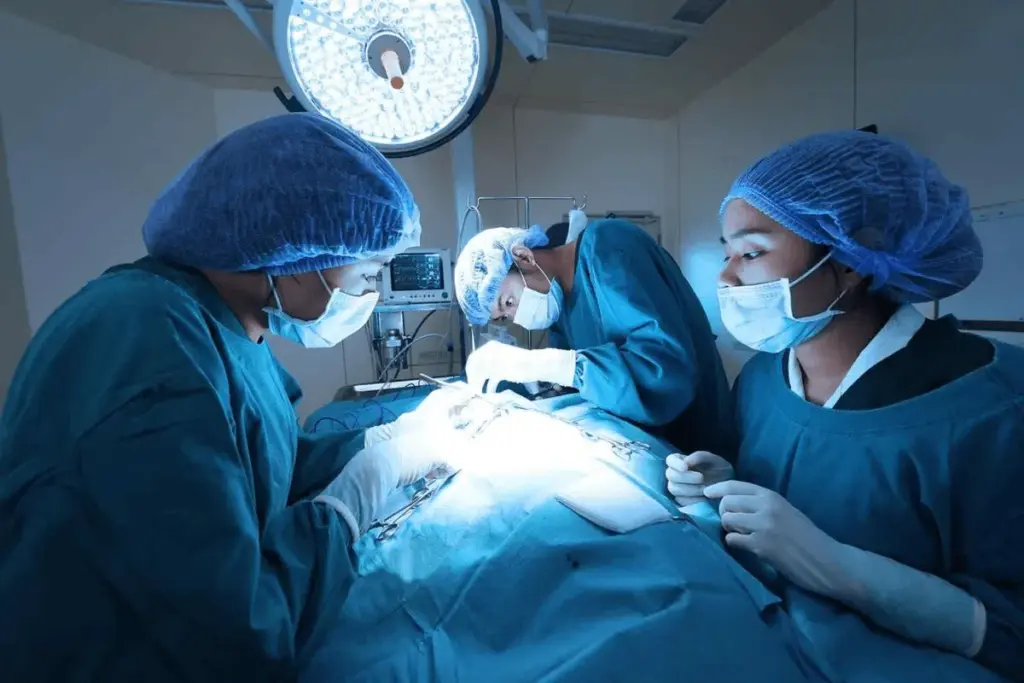
Open‑heart surgery is a major, complex procedure that carries significant risks and requires specialized care. It means doctors work on the heart when it’s open. It’s scary to think about, and you might wonder how serious it is.
But, thanks to new tech and teams, things have gotten better. Now, more people survive and do well after open heart surgery.
Key Takeaways
- Open-heart surgery is a serious medical procedure, but recent advances have improved survival rates.
- Cardiac surgery involves operating on the heart while it’s exposed.
- Multidisciplinary teams and cutting-edge medical technology have reduced the risks associated with the procedure.
- Patient outcomes have improved significantly with advances in surgical techniques.
- Understanding the risks and benefits is key for patients and families.
The Nature and Purpose of Cardiac Surgery

Medical technology has made cardiac surgery more effective for severe heart conditions. It’s a complex procedure to fix or replace damaged heart parts. We use it to treat many heart issues, like coronary artery disease and heart failure.
Life-Saving Interventions for Heart Conditions
Cardiac surgery can save lives for many heart problems. For example, coronary artery bypass grafting (CABG) helps with blocked arteries. Heart valve repairs or replacements fix problems that could lead to heart failure.
Some heart conditions that need surgery include:
- Coronary artery disease
- Heart valve problems (regurgitation, stenosis, or prolapse)
- Heart failure
- Congenital heart defects
When Surgical Intervention Becomes Necessary
Surgery is needed when other treatments fail or the condition is severe. For severe coronary artery disease, CABG is often recommended. Patients with severe heart valve disease may need surgery to fix or replace the valve.
“The decision to undergo cardiac surgery is not taken lightly, and it’s typically considered when the benefits outweigh the risks.”
— Cardiac Surgeon
The table below shows common heart conditions and their surgical treatments:
|
Heart Condition |
Surgical Intervention |
|---|---|
|
Coronary Artery Disease |
CABG (Coronary Artery Bypass Grafting) |
|
Heart Valve Problems |
Valve Repair or Replacement |
|
Congenital Heart Defects |
Corrective Surgery |
What Makes Open Heart Surgery a Serious Procedure
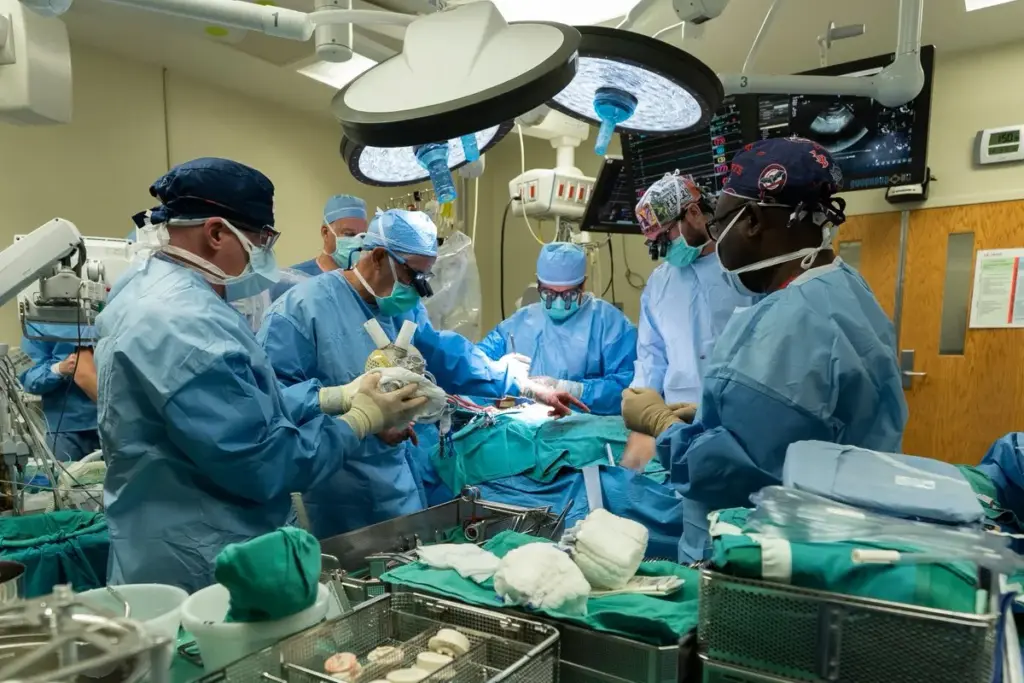
Working on the heart is very delicate. The risks involved make open heart surgery a serious matter. It’s important to know why it’s so serious.
Complexity of Operating on the Heart
The heart is a vital organ that needs careful handling during surgery. Open heart surgery requires making an incision in the chest to access the heart. This is complex because of the heart’s detailed structure and function.
Surgeons have to navigate through delicate tissues and blood vessels. This makes the surgery challenging and requires a lot of skill and precision.
A heart-lung machine is often used during open heart surgery. It temporarily takes over the heart and lungs’ functions. This adds complexity to the procedure.
It requires careful management to ensure the patient’s blood is properly oxygenated and circulated.
Inherent Risks of Major Cardiac Procedures
Major cardiac procedures like open heart surgery come with inherent risks. Potential complications include bleeding, infection, and adverse reactions to anesthesia. There’s also a risk of stroke, heart attack, or other cardiac complications during or after surgery.
We take every precaution to minimize these risks and ensure the best outcomes for our patients.
To manage these risks, we have a team of specialists. This team includes cardiologists, cardiothoracic surgeons, anesthesiologists, and other healthcare professionals. They work together to create a personalized treatment plan for each patient.
Understanding the complexity and risks of open heart surgery helps patients prepare for the procedure and recovery. We are committed to providing the highest level of care and support throughout the journey.
Common Types of Open Heart Surgery
Open heart surgery is not just one procedure. It’s a group of surgeries for different heart problems. These surgeries aim to fix or replace damaged heart parts. They help the heart work better and improve the patient’s life.
Coronary Artery Bypass Grafting (CABG)
CABG is a common open heart surgery. It uses grafts to bypass blocked or narrowed coronary arteries. These grafts often come from the leg or chest. This helps blood flow to the heart muscle, easing symptoms of coronary artery disease like angina.
The benefits of CABG include:
- Improved blood flow: It boosts oxygen delivery to the heart muscle.
- Symptom relief: It reduces angina and other symptoms of coronary artery disease.
- Increased survival: In some cases, CABG can also improve long-term survival.
Heart Valve Repair and Replacement
Heart valve surgery fixes or replaces diseased or damaged valves. Valves can be narrowed or leaky. The choice between repair or replacement depends on the valve’s condition and the patient’s health.
Key aspects of heart valve surgery include:
- Valve repair: It tries to keep the patient’s own valve tissue when possible.
- Valve replacement: It uses mechanical or bioprosthetic valves as substitutes.
- Minimally invasive approaches: Some surgeries can be done with less invasive methods.
Heart Transplantation and Other Complex Procedures
Heart transplantation is a lifesaving option for those with severe heart failure. It replaces the diseased heart with a healthy donor heart. Other complex surgeries include fixing congenital heart defects or removing cardiac tumors.
These complex surgeries:
- Offer new hope: They give hope to patients with severe heart conditions.
- Require careful planning: They need a team of healthcare professionals for planning.
- Improve long-term outcomes: When successful, they can greatly improve a patient’s life and survival.
The Difference Between Bypass and Open Heart Surgery
Knowing the difference between bypass and open-heart surgery can ease worries for those facing heart surgery. Both methods treat heart issues but use different approaches and are used in various situations.
We will look into the main differences and similarities between these surgeries. This will help understand when each is the best choice.
Technical Distinctions and Overlap
Bypass surgery, or Coronary Artery Bypass Grafting (CABG), creates a detour around blocked arteries. This helps blood flow to the heart. Open-heart surgery, on the other hand, means opening the chest for heart operations.
CABG is a type of open-heart surgery because it opens the chest. But not all open-heart surgeries are bypass surgeries. Other procedures include fixing heart valves, correcting birth defects, and transplanting hearts.
When Each Procedure is Recommended
The choice between bypass surgery and other open-heart surgeries depends on the heart condition. CABG is often chosen for severe coronary artery disease with multiple blockages.
|
Procedure |
Primary Use |
Key Characteristics |
|---|---|---|
|
Bypass Surgery(CABG) |
Treats coronary artery disease by bypassing blocked arteries. |
Involves grafting a vessel to bypass the blockage, restoring blood flow. |
|
Open-Heart Surgery |
Encompasses various heart surgeries, including valve repair/replacement and heart transplantation. |
Requires opening the chest to access the heart directly. |
It’s important for patients to understand these differences. This knowledge helps them make better choices about their heart care. By explaining the benefits and uses of each, we support patients through complex heart treatments.
Survival Rates and Mortality Statistics
Medical technology and surgery have gotten better. This has led to more people surviving cardiac surgery. We’ve seen big improvements in how well patients do.
Current Success Rates for Common Procedures
Recent data shows big improvements in survival rates for cardiac surgery. Mortality rates for common surgeries are now between 1%-3%. For example, Coronary Artery Bypass Grafting (CABG) has seen mortality rates as low as 1.4% in some studies.
The success of cardiac surgery depends on more than just the surgery. Multidisciplinary collaboration among doctors, surgeons, and specialists is key. This teamwork helps keep mortality rates low.
Improvements in Outcomes Over Time
Over the years, we’ve seen a steady drop in mortality rates for cardiac surgery. This is thanks to many factors. Advances in surgical techniques, better patient selection, and improved post-operative care are all contributing.
- Advancements in surgical techniques, such as minimally invasive surgery.
- Better patient selection and risk stratification.
- Enhanced post-operative care, including improved pain management and rehabilitation protocols.
These improvements have led to better survival rates and lower mortality statistics. As we keep innovating, we expect these outcomes to get even better.
High-Risk Patient Populations
Cardiac surgery is more complex for high-risk patients. They need special care to reduce risks and get the best results.
Age-Related Considerations
Older adults face more risks during cardiac surgery. This is because they have less physical strength and often have other health issues. Even though age is not a complete no-go for surgery, it’s important to check their health thoroughly before surgery.
We look at many things like how well they can function and their mental health. We also check for age-related diseases to decide the best surgery for them.
Impact of Diabetes, Kidney Disease, and Other Comorbidities
Diabetes and kidney disease make cardiac surgery riskier. Diabetes can slow down healing and raise infection risks. Kidney disease can make it hard to manage fluids and electrolytes.
We work hard to manage these conditions before and after surgery. This includes keeping blood sugar levels right for diabetics and adjusting meds for kidney disease patients.
Increased Dangers of Repeat Cardiac Surgeries
Repeat cardiac surgeries are riskier than the first one. Adhesions from previous surgeries can make the new surgery harder. There’s also a higher chance of bleeding and other problems.
We take extra care with repeat surgeries. We use advanced imaging and detailed planning to lower risks. We only do repeat surgeries if we think it’s safe and will help the patient.
The Open Heart Surgery Healing Process
Recovering from open heart surgery takes time, care, and understanding. Each person’s recovery is different. We’ll guide you through the healing stages.
Immediate Post-Operative Recovery
The first recovery phase starts right after surgery, often in the ICU. Medical teams watch over patients closely. They manage pain and look out for complications.
Key aspects of immediate post-operative care include:
- Monitoring of heart function and overall health
- Pain management through medication
- Assistance with breathing and circulation
- Gradual mobilization to prevent complications
Weeks 1-6 After Surgery
After the ICU, patients start a healing and rehab phase. Weeks 1-6 are filled with both challenges and progress. A structured rehab program is key to recovery.
During this period, patients may:
- Gradually increase their physical activity
- Manage post-operative pain and discomfort
- Attend cardiac rehabilitation sessions
- Begin to resume daily activities
Long-Term Healing Milestones
The healing journey after open heart surgery can last months. Patients see ongoing health and well-being improvements. Following post-op instructions and attending follow-ups is vital for the best results.
Long-term milestones may include:
- Continued improvement in physical strength and endurance
- Enhanced overall cardiovascular health
- Return to most normal activities, including work and leisure
- Ongoing management of heart health through lifestyle changes and medication
Instruments and Technology Used in Cardiac Surgery
Cardiac surgery uses the latest tools and tech. These help surgeons do complex surgeries with great precision. This leads to better results for patients.
The Heart-Lung Machine and Cardiopulmonary Bypass
The heart-lung machine is key in many surgeries. It lets surgeons work on a heart that’s not beating. This is called cardiopulmonary bypass (CPB).
CPB takes over the heart and lungs’ jobs during surgery. It pumps blood and adds oxygen. This lets surgeons do detailed repairs without a beating heart.
Key Components of the Heart-Lung Machine:
- Pump: Replaces the heart’s pumping action
- Oxygenator: Adds oxygen to the blood and removes carbon dioxide
- Heat Exchanger: Controls blood temperature
|
Component |
Function |
|---|---|
|
Pump |
Replaces the heart’s pumping action, ensuring continuous blood circulation |
|
Oxygenator |
Adds oxygen to the blood and removes carbon dioxide, mimicking lung function |
|
Heat Exchanger |
Controls blood temperature, allowing for hypothermia or normothermia as needed |
Specialized Instruments for Beating Heart Procedures
For some surgeries, surgeons use special tools on a beating heart. These tools help them work on the heart without stopping it.
Beating heart surgery is done without stopping the heart. It uses special tools and techniques. Surgeons use stabilizers to keep the area steady while the heart beats.
Advantages of Specialized Instruments:
- Reduced risk of complications associated with cardiopulmonary bypass
- Potential for less trauma to the heart
- May result in shorter recovery times for some patients
New tools and tech are key in improving cardiac surgery. They help in better patient care and outcomes. Understanding these advancements shows how complex and advanced modern cardiac surgery is.
Open Heart Surgery Recovery Timeline
Knowing the recovery timeline for open heart surgery helps patients and families prepare. The recovery has several stages, each with its own challenges and milestones.
Hospital Phase: ICU and Step-Down Unit
The recovery starts in the Intensive Care Unit (ICU). Here, patients are watched closely for any issues. We make sure they get the best care during this critical time.
Patients usually move to a step-down unit in a few days. This place has less monitoring but careful attention is kept.
|
Recovery Stage |
Typical Duration |
Key Activities |
|---|---|---|
|
ICU |
2-4 days |
Close monitoring, initial recovery |
|
Step-Down Unit |
3-5 days |
Continued monitoring, mobilization |
Early Home Recovery
After leaving the hospital, patients start the early home recovery phase. It’s important to follow the post-operative instructions from our healthcare team.
Resting, slowly increasing activity, and going to follow-up appointments are advised. Having support at home for daily tasks is also recommended.
- Rest and avoid strenuous activities
- Follow medication instructions
- Attend follow-up appointments
Return to Normal Activities
The last stage is returning to normal activities. This includes going back to work, driving, and doing physical activities. The time it takes varies based on health and surgery specifics.
Following our guidance on when to start normal activities is key for a safe recovery.
Understanding the recovery timeline helps patients navigate their journey. We are dedicated to supporting our patients every step of the way.
Long-Term Outcomes and Life Expectancy
Cardiac surgery is just the start. Long-term success depends on many factors. We’ll look at what affects life expectancyand quality of life post-surgery.
Quality of Life After Successful Surgery
Patients who have successful cardiac surgery often see big improvements in their life quality. Improved heart functionand fewer heart disease symptoms lead to better overall health. Many can go back to their usual activities, like work and exercise, with their doctor’s help.
Factors That Influence Long-Term Survival
Several key factors impact long-term survival after cardiac surgery. These include:
- The patient’s overall health and presence of comorbidities
- The type and complexity of the cardiac surgery performed
- Post-operative care and adherence to rehabilitation programs
- Lifestyle changes, including diet, exercise, and smoking cessation
|
Factor |
Influence on Long-Term Survival |
|---|---|
|
Overall Health |
Presence of comorbidities like diabetes or kidney disease can affect outcomes. |
|
Type of Surgery |
Complexity and type of surgery (e.g., CABG, heart transplant) impact recovery. |
|
Post-Operative Care |
Adherence to rehabilitation and follow-up care improves survival. |
|
Lifestyle Changes |
Diet, exercise, and quitting smoking contribute to better long-term outcomes. |
For more detailed information on open-heart surgery success rates and mortality risk, you can visit .
Follow Your Heart: Post-Surgical Lifestyle Changes
After open-heart surgery, a healthier lifestyle is key for a good recovery. This journey requires big changes that affect your health and happiness.
Cardiac Rehabilitation Programs
Cardiac rehab is a big part of getting better. It helps patients get stronger, improve heart health, and lower heart risks. These programs include exercise, heart-healthy tips, and stress counseling.
It’s best for patients to join a cardiac rehab program. They are led by doctors, nurses, and physical therapists.
Nutrition and Medication Management
Eating right is important for your heart, even more after surgery. We suggest eating lots of fruits, veggies, whole grains, and lean meats. Try to eat less of foods high in fat, cholesterol, and salt.
Managing your meds is also key. Stick to your doctor’s plan for managing blood pressure, cholesterol, and diabetes. It’s important to know why you’re taking each medicine and what side effects might happen.
Physical Activity Guidelines and Limitations
Being active is important, but be careful at first. Avoid heavy lifting, bending, and hard work. As you get better, you can do more.
Start with short walks and slowly add more activity. Always listen to your body and don’t do too much too soon. Talk to your doctor before starting any new exercise.
By making these lifestyle changes, patients can greatly improve their recovery and life quality.
Minimally Invasive Alternatives to Traditional Surgery
The world of cardiac surgery is changing fast. Now, we have new ways to help patients that are less invasive. These new methods might make recovery times shorter and improve results for heart surgery patients.
Heart Transplant Without Opening Chest: Myth vs. Reality
It’s not just a dream anymore; some patients are getting heart transplants without a big chest cut. Old-school heart transplants need a sternotomy. But, new tech and surgery methods are making things easier.
This could mean less pain and a faster recovery for some. But, not everyone can have this kind of surgery. It depends on the patient’s health, the heart problem, and the surgeon’s skills.
When Less Invasive Approaches Are Viable Options
More patients are getting less invasive heart surgery. These methods have smaller cuts, less pain, and shorter stays in the hospital. They also let people get back to their lives faster.
These options work best for certain surgeries, like fixing heart valves or bypassing arteries. Choosing the right patient for these surgeries is key. We look at many things, like the patient’s body and health, to decide.
Key considerations for less invasive cardiac surgery include:
- Advanced imaging techniques for precise planning
- Specialized surgical instruments designed for minimally invasive procedures
- A highly skilled and experienced surgical team
- State-of-the-art operating room technology
We’re getting better at these techniques and using them more. We’re hopeful they will help our patients have better outcomes from cardiac surgery.
The Cardiovascular Surgery Team
The success of cardiovascular surgery relies on a skilled team. A well-coordinated team is key to the best results in cardiac surgery.
A cardiovascular surgery team includes many specialists. These include cardiac surgeons, anesthesiologists, perfusionists, nurses, and more. Each team member is vital for the surgery’s success.
Roles of Different Specialists
The cardiac surgeon leads the surgery. But, other specialists are just as important. Anesthesiologists give anesthesia and watch the patient’s vital signs. Perfusionists run the heart-lung machine, which takes over the heart and lungs’ work during surgery.
Nurses and support staff are also critical. They care for the patient before, during, and after surgery. They monitor the patient, take care of wounds, and teach patients and families about aftercare.
|
Specialist |
Role |
|---|---|
|
Cardiac Surgeon |
Performs the surgery |
|
Anesthesiologist |
Administers anesthesia and monitors vital signs |
|
Perfusionist |
Operates the heart-lung machine |
|
Nurses and Support Staff |
Provide pre-operative, intra-operative, and post-operative care |
Cardiac Surgeon Qualifications and Cardiac Surgery Centers
Cardiac surgeons need a lot of training and qualifications. They finish a cardiothoracic surgery residency and may get certified by the American Board of Thoracic Surgery.
“The quality of care provided by cardiac surgeons and their teams is directly related to the outcomes of patients undergoing cardiac surgery.”
—Cardiothoracic Surgeon
Cardiac surgery centers must meet high standards. They need the latest technology and experienced staff. Centers that do a lot of surgeries tend to have better results because of their experience.
We think that skilled specialists and top-notch cardiac surgery centers are vital. Together, they ensure the best care for patients having cardiovascular surgery.
Innovations Changing the Future of Heart Operations
The world of cardiac surgery is changing fast thanks to new tech. We’re exploring new ways to care for the heart. This is making a big difference in how we treat heart problems.
Robotic-Assisted Cardiac Surgery
Robotic-assisted surgery is a big step forward. It makes heart operations more precise and less invasive. Robotic systems give surgeons better control and vision, helping patients recover faster and with less pain.
“The use of robotics in cardiac surgery is a major breakthrough,” says a top heart surgeon. “It offers unmatched precision and control.”
Artificial Intelligence in Surgical Planning
Artificial intelligence (AI) is now helping plan heart surgeries. AI looks at lots of data, like images, to help surgeons tailor each surgery. This approach could lead to better results and fewer complications.
By using AI, we can better predict and prepare for surgery challenges.
Emerging Techniques and Technologies
New methods and tech are also changing cardiac surgery. These include 3D printing for planning, new materials, and less invasive techniques. These advancements will lead to even better treatments for heart issues.
Looking ahead, cardiac surgery is on the verge of a new era. With ongoing innovation, we’re sure patient outcomes will keep getting better.
We mix skill with kindness. We know cardiac surgery can be scary for patients. So, we aim to make it as easy and caring as we can.
Multidisciplinary Collaboration Model
Key components of our multidisciplinary approach include:
- Pre-operative assessment and planning
- Intra-operative care and surgical execution
- Post-operative recovery and rehabilitation
Patient-Centered Cardiac Surgery Protocols
Our cardiac surgery plans focus on each patient’s unique needs. We do this by:
|
Protocol Component |
Description |
Benefit |
|---|---|---|
|
Personalized Treatment Plans |
Developed in consultation with a multidisciplinary team |
Improved patient outcomes |
|
Advanced Surgical Techniques |
Utilizing the latest technology and methods |
Reduced recovery time |
|
Comprehensive Post-Operative Care |
Including rehabilitation and follow-up support |
Enhanced patient recovery and satisfaction |
Conclusion
Open heart surgery is a complex and serious medical procedure. It needs precise care and attention. Recent advances in medical technology and techniques have improved survival rates for patients.
We know how important it is to seek care from a reputable provider. Our cardiac surgery protocols are designed to provide personalized care.
We continue to innovate and improve our cardiac care services. Our commitment to cardiac care is unwavering. We look forward to helping those in need of open heart surgery or other cardiac treatments.
FAQ
What is open-heart surgery?
Open-heart surgery is a big operation. It involves opening the chest to work on the heart.
Is open-heart surgery a serious operation?
Yes, it’s a serious surgery. But, thanks to new tech and methods, patients are doing better.
What are the different types of cardiac surgery?
Cardiac surgery includes many types. These include CABG, heart valve repair, and heart transplants.
What is the difference between bypass and open-heart surgery?
Bypass surgery is a type of open-heart surgery. But, not all open-heart surgeries are bypass surgeries.
What are the risks associated with open-heart surgery?
Open-heart surgery comes with risks. These risks depend on the patient’s health and the surgery’s complexity.
What is the recovery timeline for open-heart surgery?
Recovery takes time. It includes the hospital stay, early recovery at home, and getting back to normal activities. This can take weeks to months.
What lifestyle changes are recommended after cardiac surgery?
After surgery, patients should join cardiac rehab. They should also follow diet and medication advice and stay active.
Are there minimally invasive alternatives to traditional open-heart surgery?
Yes, there are options like robotic-assisted surgery. But, these depend on the patient’s condition.
What is the role of a cardiac surgeon in open-heart surgery?
Cardiac surgeons are doctors who do heart surgery. They need the right skills and experience for good results.
How has technology improved cardiac surgery?
New tech, like heart-lung machines and artificial intelligence, has made surgery more precise and accurate.
What are the long-term outcomes and life expectancy after cardiac surgery?
Successful surgery can greatly improve life. Long-term survival depends on the patient’s health and following post-surgery advice.
What is the importance of a multidisciplinary team in cardiac surgery?
A team of doctors, including surgeons and anesthesiologists, is key. They work together for the best results.
References:
National Center for Biotechnology Information. Evidence-Based Medical Insight. Retrieved from https://pubmed.ncbi.nlm.nih.gov/30093282/